
REVIEW · CITY TOURS
Tokyo: Private City Highlights Tour
Tokyo can feel like a blur.
This private city highlights tour turns the noise into a plan, with a car, a guide, and a route that hits Tokyo’s big names plus a few smart detours. I love the flexible pacing and the way your guide can adjust when weather or your interests change, like Ahmad did for me when the day went sideways. I also like the mix of old and new, from Senso-ji’s incense streets to Skytree and Shibuya’s crosswalk chaos. One thing to think about first, eight hours is a full day, so you’ll want comfortable shoes and realistic expectations for walking.
Because it’s private, you get to move at your own tempo instead of waiting on a schedule that ignores your questions. If you’re traveling with family, a small group, or you just want fewer logistics headaches, the value can make sense fast, especially at $319 per group up to 5. The main drawback is simple: you’ll pay for convenience, and entrance fees and lunch are not included, so budget a bit extra.
In This Review
- Key things that make this tour worth your time
- How a Private Tokyo Highlights Tour Works in Real Life
- Pickup Timing, Traffic Reality, and the Day’s Pace
- Senso-ji and Asakusa: Tokyo’s Old-School Icon With Serious Atmosphere
- Meiji Shrine: A Quick Escape Into Calm Forest Air
- Tokyo Skytree: Big Views From Japan’s Tallest Structure
- Imperial Palace and East Gardens: Where Tokyo Gets Slow
- Tokyo Tower and Shinjuku Gyoen: City Icons With Different Flavors
- Shibuya Crossing: The World’s Most Famous Walk Signal
- Tsukiji Outer Market: Seafood Stops Even If Main Tsukiji Moved
- Harajuku, Takeshita Street, and Taito City: Fashion and Street Life
- Wheelchair-Friendly Setup and Mobility Tips That Actually Matter
- What You Pay For, and How to Judge the Value at $319
- Logistics Rules in the Car (Yes, This Matters)
- A Note on Weather Flexibility, and Why That Changes Your Experience
- Should You Book This Tokyo Private City Highlights Tour?
- FAQ
- How long is the Tokyo Private City Highlights Tour?
- How much does the tour cost?
- What is included in the price?
- What is not included?
- Do you pick up from airports, ports, or train stations?
- What languages are offered?
- Is the tour accessible for wheelchair users?
- Is free cancellation available?
Key things that make this tour worth your time
Private car setup for a smooth day across Tokyo
Skytree views and Shibuya Crossing at the right moment, without rushing you
Old Tokyo hits: Senso-ji, Nakamise-style shopping, and a serene Meiji Shrine walk
A guide who adjusts to you, including flexibility when weather changes
Real-world convenience for mobility needs, like dropping closer to sights when possible
Food and fashion stops that round out the day, from Tsukiji Outer Market to Takeshita Street
Still weighing up options in Tokyo? These are the ones our reviewers rated highest.
- Mt Fuji and Hakone 1-Day Bus Tour Return by Bullet Train
★ 5.0 · 26,383 reviews - 1-Day Tokyo Bus Tour
★ 5.0 · 14,250 reviews - Tokyo: teamLab Planets TOKYO Digital Art Museum Entry Ticket
★ 4.6 · 9,779 reviews - Mt Fuji & Hakone Cruise, Drum Show Bullet Train 1 Day from Tokyo
★ 4.0 · 7,413 reviews
How a Private Tokyo Highlights Tour Works in Real Life
Tokyo has a talent for swallowing time. Trains, transfers, and station exits can turn a simple day into a scavenger hunt, even when you have a map. With this tour, you start with hotel pickup in central Tokyo and you move by private vehicle instead of doing hopscotch across neighborhoods.
Your guide can be a driver-guide option (English and Japanese are available), and the tone is practical: see what you came for, ask questions, and keep moving. You can also shape the day toward history, shopping, or tech, which matters because Tokyo’s attractions feel endless once you’re there.
One more real-life bonus is onboard WiFi (subject to availability). It sounds small, but it helps you confirm transit plans, translate menus for later, or just keep your group connected without data panic.
Pickup Timing, Traffic Reality, and the Day’s Pace
Pickup is included, and your guide waits about 10 minutes before the scheduled pickup time in your hotel lobby. That time window matters, because Tokyo streets are busy and your start time sets the rest of the day.
Plan for traffic. The provider notes that drivers can be late up to 30 minutes due to highway conditions. If you’re trying to meet a dinner reservation with strict timing, I’d build in a buffer, because delays can happen even when everyone does their best.
Once you’re rolling, the biggest advantage is pacing. The route is built around major sights, but you’re not chained to a single photo stop. That makes a difference at places where lines form, crowds surge, or you just want an extra ten minutes to get your bearings.
Senso-ji and Asakusa: Tokyo’s Old-School Icon With Serious Atmosphere
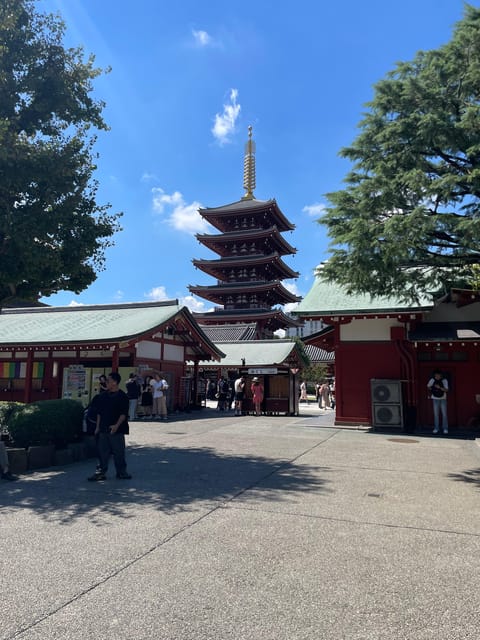
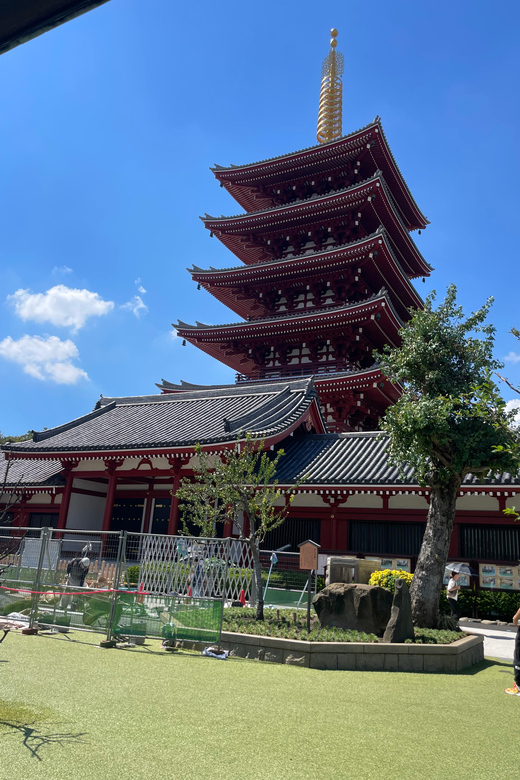
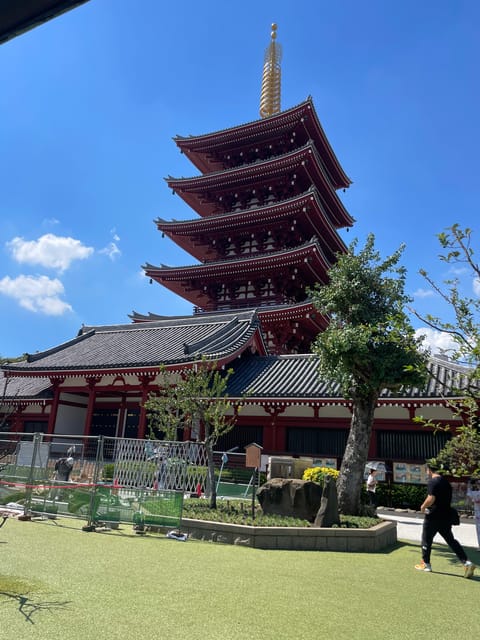
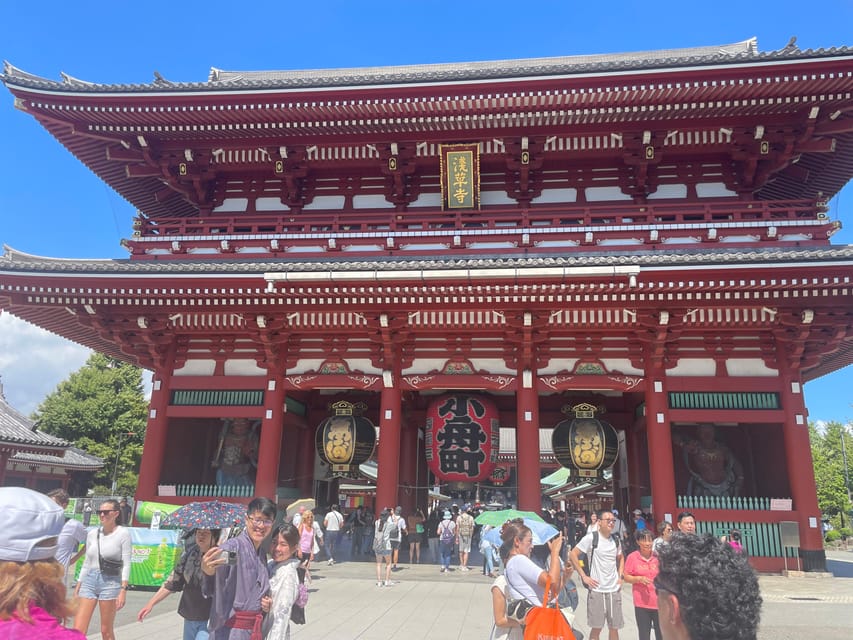
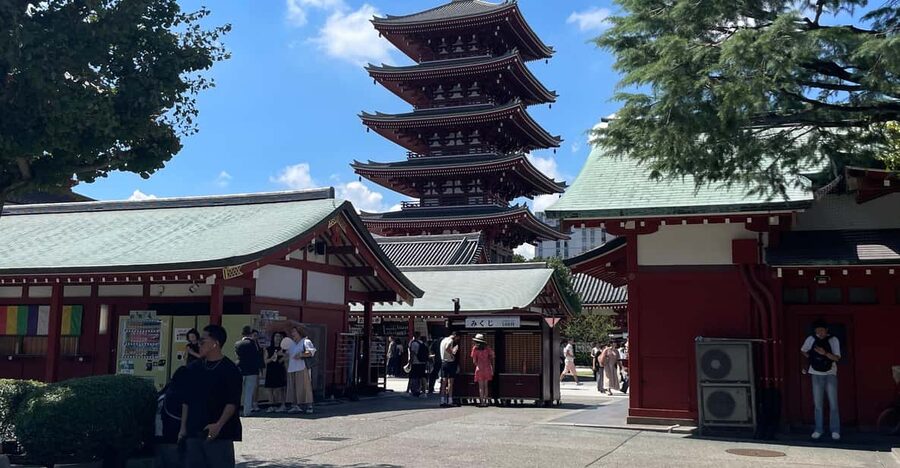
Your day starts in Asakusa at Senso-ji, Tokyo’s oldest and most famous Buddhist temple. You’ll typically begin around the area of Kaminarimon Gate, then move through Nakamise Street, the strip lined with traditional shops and snack stands.
Here’s what makes this stop land. Senso-ji isn’t just a landmark you pass by. It’s a sensory “Tokyo starter kit,” incense in the air, people buying small treats, and the temple complex drawing everything together like a magnet. Even if you’ve seen photos, the sightlines up toward the main temple feel more powerful in person.
The one caution is crowds. This is a top-tier attraction, so expect foot traffic. A private guide helps because you can keep your group moving with less waiting and fewer dead ends.
If you want a souvenir, this is one of the best places to grab something small and meaningful without turning it into an all-day shopping quest.
- Mt Fuji and Hakone 1-Day Bus Tour Return by Bullet Train★ 5.0 · 26,383 reviews
- 1-Day Tokyo Bus Tour★ 5.0 · 14,250 reviews
- Tokyo: teamLab Planets TOKYO Digital Art Museum Entry Ticket★ 4.6 · 9,779 reviews
- Mt Fuji & Hakone Cruise, Drum Show Bullet Train 1 Day from Tokyo★ 4.0 · 7,413 reviews
- Tokyo Mt Fuji 5th St & Hakone Cruise Bus Tour w/Bullet Train★ 4.4 · 5,024 reviews
Meiji Shrine: A Quick Escape Into Calm Forest Air
Next up is Meiji Shrine, dedicated to Emperor Meiji and Empress Shoken. This stop feels like Tokyo exhaling. You go from street-level noise to a forested approach, where the sound level drops and the whole area changes mood.
This is a smart contrast after Asakusa. Senso-ji gives you history you can smell. Meiji Shrine gives you history you can feel in the quiet. And because it’s set in a calmer setting, it’s also a great place to slow down, regroup, and let jet lag catch up to the rest of your body.
If you’re traveling with older kids, this stop also works. It’s easier to enjoy than another “museum-style” attraction because it’s walking and space and people watching, not lectures.
Tokyo Skytree: Big Views From Japan’s Tallest Structure
Then you go up to the Tokyo Skytree, which reaches 634 meters (2,080 feet). This is the kind of stop that changes your mental map of the city. From the observation decks, you can often spot different neighborhoods layered across the skyline.
On clear days, you may even get glimpses of Mt. Fuji. Weather can be unpredictable, so I’d treat Fuji as a bonus, not a promise. Either way, Skytree helps you understand how sprawling Tokyo really is, and it gives you that satisfying “wow” without needing a long hike.
Timing helps here too. When you’re on a private schedule, you can spend the time you need for photos and walking around the deck level, without being rushed by a group rhythm.
Imperial Palace and East Gardens: Where Tokyo Gets Slow
From Skytree, you head toward the Imperial Palace area and the East Gardens. The palace itself is the residence of Japan’s Emperor, and the gardens and gates give you a sense of scale and order that feels different from the chaos of main streets.
The East Gardens are open to the public, and this stop is a nice reset after the tall-building view. You trade skyline drama for wide paths, open space, and the calm of designed greenery.
Even if you’re not a “gardens person,” this is still worth doing because it’s a window into how Tokyo handles space and tradition in a modern setting.
Tokyo Tower and Shinjuku Gyoen: City Icons With Different Flavors
Your tour continues with Tokyo Tower, another major skyline marker. It’s not the same experience as Skytree. Tokyo Tower feels more downtown and street-connected, and it often works well if you want a second view icon without repeating the exact same vibe.
After that, you’ll visit Shinjuku Gyoen National Garden. This is where the day gets more flexible. Gardens are forgiving if you want to walk slowly, stop to rest, or take a slower loop through the pathways. It also helps that you’re not fighting station crowds at this point.
If you’re thinking about your trip style, this combination makes sense. It gives you both man-made city sights and calmer outdoor time, which can prevent the day from turning into nonstop photography.
Shibuya Crossing: The World’s Most Famous Walk Signal
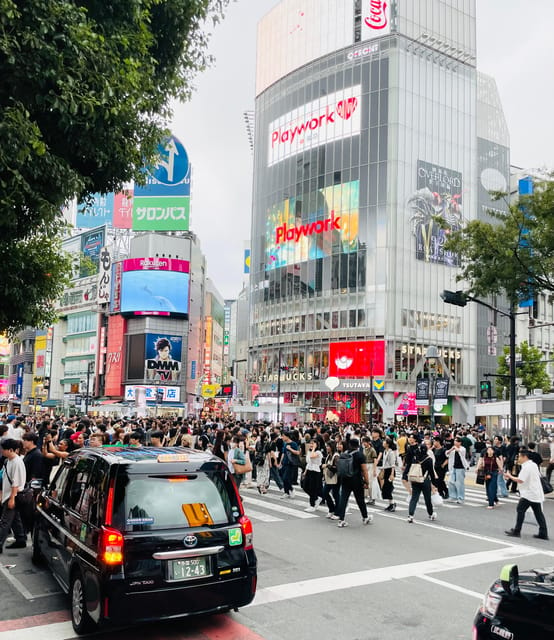
Now for the action: Shibuya Crossing. This is the famous intersection where pedestrians cross from multiple directions in a synchronized flow. The crossing embodies Tokyo’s fast pace, but what’s funny is how manageable it feels once you’re standing there with a plan.
With a private guide, you’re not just wandering and guessing where to stand for the best angle. You can time it based on the flow of people, and you can spend a short, focused amount of time so it stays fun rather than exhausting.
This is also a good moment for a reality check. After temples, gardens, and towers, Shibuya feels like a different planet. That contrast is why it makes the list.
Tsukiji Outer Market: Seafood Stops Even If Main Tsukiji Moved
Next you head to Tsukiji Outer Market. The main Tsukiji Fish Market has moved to Toyosu, but the Outer Market remains a favorite because it stays lively and food-focused.
Expect lots of stalls and restaurants serving fresh seafood and quick bites. You’ll see plenty of sushi, sashimi, and street food options, including tamagoyaki (Japanese omelette). The fun here is not needing a full meal plan. You can snack your way through and decide what actually looks best in the moment.
One practical tip, bring a little cash and be ready to move. The best stalls can have short lines or frequent activity, and the area is built for casual browsing, not long sit-down pauses.
Harajuku, Takeshita Street, and Taito City: Fashion and Street Life
After food, the tour swings to fashion with Harajuku and Takeshita Street. This is where you see Japan’s youth style at full volume, with trendy shops and lots of people watching.
Then the day includes Taito City. This helps keep the tour from becoming only temples and skyscrapers. It adds a different layer of Tokyo culture, and it’s a good fit if you like shopping streets, browsing, or the general energy of neighborhoods beyond the top photo spots.
If you’re not into fashion shopping, you can still enjoy Takeshita Street as a window into what Tokyo youth culture looks like right now. Just set a budget before you arrive, because it’s easy to get carried away.
Wheelchair-Friendly Setup and Mobility Tips That Actually Matter
This tour is wheelchair accessible. That’s an important checkbox, but the real value comes from how the day is managed. In particular, the guide approach described includes getting you as close to sights as possible when walking is difficult.
That means you’re not stuck with the most distant entrance just because it’s the easiest for the crowd. It also makes the day more comfortable if you’re traveling with limited mobility, older adults, or anyone who needs more frequent short stops.
Important note: it’s not suitable for people over 95 years. If that applies to someone in your group, it’s worth checking alternatives before you get your hopes up.
What You Pay For, and How to Judge the Value at $319
The price is $319 per group up to 5 for an 8-hour day. That sounds straightforward, but the value depends on how many people are in your group and what kind of Tokyo traveler you are.
If you’re a group of four or five, the cost per person can feel reasonable for a full day with pickup, private vehicle transport, and an English and Japanese guide. If you’re traveling as a couple and you’re both paying separately, it becomes more of a splurge. In that case, ask yourself if you’d otherwise pay for taxis between neighborhoods plus pay someone to guide you through the “where do we go next” puzzle.
Also remember what’s not included. Entrance fees and lunch are not included. That means you should budget for ticketed viewpoints and anything you want to eat during snack stops or breaks.
Where I think the tour wins is in the invisible stuff. You get fewer route decisions, less time getting to the next place, and more time actually experiencing the sights.
Logistics Rules in the Car (Yes, This Matters)
This is a private vehicle day, and it comes with clear boundaries. No smoking in the vehicle, and no drinks or food in the vehicle. Alcohol and drugs are not allowed in the vehicle, and no explosive substances are permitted. It’s a simple rule set, but it can affect how you plan snacks and drinks.
What to bring is equally simple: comfortable shoes. With multiple major stops, your feet will do the work whether you love walking or not.
A Note on Weather Flexibility, and Why That Changes Your Experience
Tokyo weather can swing fast. Rain can turn lines into slower lines, and wind can make outdoor walking feel longer than it did in the sunshine forecast.
One of the most praised parts of this experience is how the guide handles that. Ahmad, in particular, is described as flexible when weather is horrible, and willing to find a backup plan without rushing people. That kind of responsiveness can be the difference between a trip that feels controlled and one that feels chaotic.
If you’re visiting during a season known for storms or heavy rain, I’d treat flexibility as part of the value, not just a nice bonus.
Should You Book This Tokyo Private City Highlights Tour?
Book it if you want a guided Tokyo day with pickup, private transport, and a route built around the biggest hits, plus chances to shift focus to history, shopping, or tech. It’s a strong fit for small groups, families, and anyone who doesn’t want to think about train routes every few hours.
Skip it if you’re the type who loves building your own day from scratch, navigating Tokyo on your own, and stretching each neighborhood for as long as you want without an 8-hour container. Also reconsider if your group needs an unusually slow pace or if walking limitations are extensive, given the guidance around suitability.
If you want the classic Tokyo overview with less stress, this private format makes a lot of sense. You’ll get to see the landmarks and still feel like you had control of the day.
FAQ
How long is the Tokyo Private City Highlights Tour?
It runs for 8 hours.
How much does the tour cost?
The price is $319 per group up to 5 people.
What is included in the price?
Hotel pickup and drop-off, private vehicle transportation, petrol, highway tolls, and onboard WiFi (subject to availability). A driver-guide is included if you select that option.
What is not included?
Entrance fees and lunch are not included, along with other personal expenses.
Do you pick up from airports, ports, or train stations?
Pickup is not available from airports, ports, and stations. Pickup is available from hotels, hostels, apartments, or other Tokyo addresses.
What languages are offered?
English and Japanese.
Is the tour accessible for wheelchair users?
Yes, it is wheelchair accessible.
Is free cancellation available?
Free cancellation is available up to 24 hours in advance for a full refund.
Newest Tokyo write-ups from the Loving Japan desk


City Tours, side by side.
 ★ 4.8Private City Highlights Tour with Local GuideFrom $1061,433 reviews
 ★ 4.7Asakusa, Skytree & Akhihabara Go-Kart City ExperienceFrom $96761 reviews
 ★ 5.0Hiroshima City 4hr Private Walking Tour with Licensed GuideFrom $122437 reviews
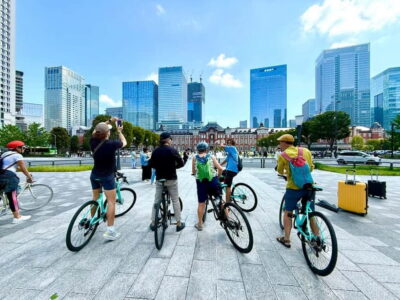 ★ 4.83-Hour Bike or E-Bike City Highlights TourFrom $45435 reviews
 ★ 4.8Sumo Morning Practice Tour at Sumida CityFrom $116308 reviews
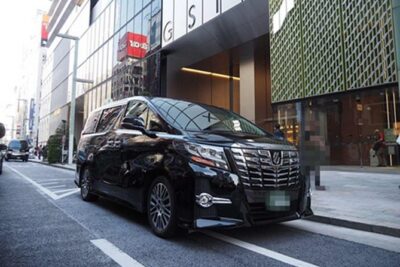 ★ 4.5Private Haneda Airport (HND) to Central Tokyo City TransferFrom $119260 reviews
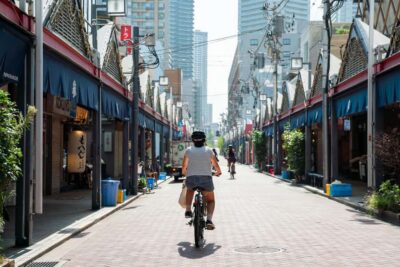 ★ 4.83-hour Guided E-Bike Tour of the City’s Hidden GemsFrom $65251 reviews
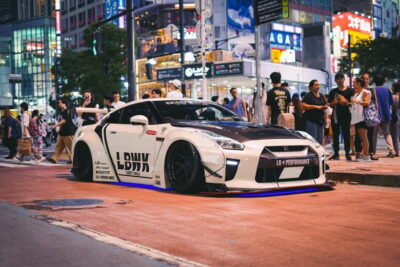 ★ 4.9Shibuya City: Daikoku PA GT-R R35, R34, R33 or R32 TourFrom $316249 reviews
Filed on these lists too