
REVIEW · ASAKUSA, SENSO-JI AND TOKYO SKYTREE
Tokyo: Sumo Morning Practice Tour at Sumida City
Sumo is a morning ritual you can watch. The appeal here is up close training plus clear context on rules and rituals. I especially like the chance to learn from an expert guide, and I love the stable master Q&A right after practice. The main drawback is simple: you sit on the floor for about 1.5 hours, and you cannot use the toilet during the training.
You’ll meet early at Oshiage, then walk to the stable and follow strict etiquette once you arrive. English-speaking guides such as Tadashi, Kiyomi, Yoko, and Yuriko have a consistent focus on how to behave quietly and respectfully, because this is practice, not a performance. One more consideration: tours do not run in March, July, and November, since big Grand Sumo tournaments are held outside Tokyo.
In This Review
- Key Takeaways Before You Go
- How the 7:15 Oshiage Meeting Sets the Tone
- The Skytree Area Walk and the Pre-Practice Lesson
- Inside the Stable: Shoes Off, No Chairs, and Silent Respect
- What You Actually See in Sumo Morning Practice
- Getting the Most From Your 1.5-Hour Training Window
- The Q&A and Possible Photo Moment With Wrestlers
- Price and Value for a 2-Hour Tokyo Experience
- Practical Tips: Shoes-Off Rules, Towel Prep, and Photo Boundaries
- Who Should Book This Sumida Sumo Morning Practice Tour
- When You Can Go: Months That Don’t Run
- Should You Book This Tour?
- FAQ
- What time do I need to meet, and when does the tour start?
- How long is the tour?
- What is included in the price?
- Is food or drinks included?
- Can I take photos or videos?
- When are the tours not held?
Key Takeaways Before You Go
- Up-close stable viewing of real morning training, with time for Q&A after
- English guidance on sumo rules, rituals, and what you’re seeing
- Shoes-off entry and no chairs, with about 1.5 hours on the ground
- Photo rules matter: no flash, no shutter sounds, and no social media uploads
- Quiet participation: you watch silently, and noisy kids may be asked to leave
- Possible wrestler photo moment, depending on how the session runs
Still on the Sumida side? A few more Asakusa options
- Tokyo: Japanese Dance Cabaret Theater Asakusa-Kaguwa Ticket
★ 4.8 · 2,270 reviews - Tokyo: Meiji Shrine, Asakusa, Skytree Bus Tour and Cruise
★ 4.7 · 1,986 reviews - Tokyo: Roll and Authentic Sushi Making Class in Asakusa
★ 4.9 · 1,957 reviews - Tokyo: Asakusa Walking Tour with Sensoji Temple Visit
★ 4.8 · 1,583 reviews
How the 7:15 Oshiage Meeting Sets the Tone
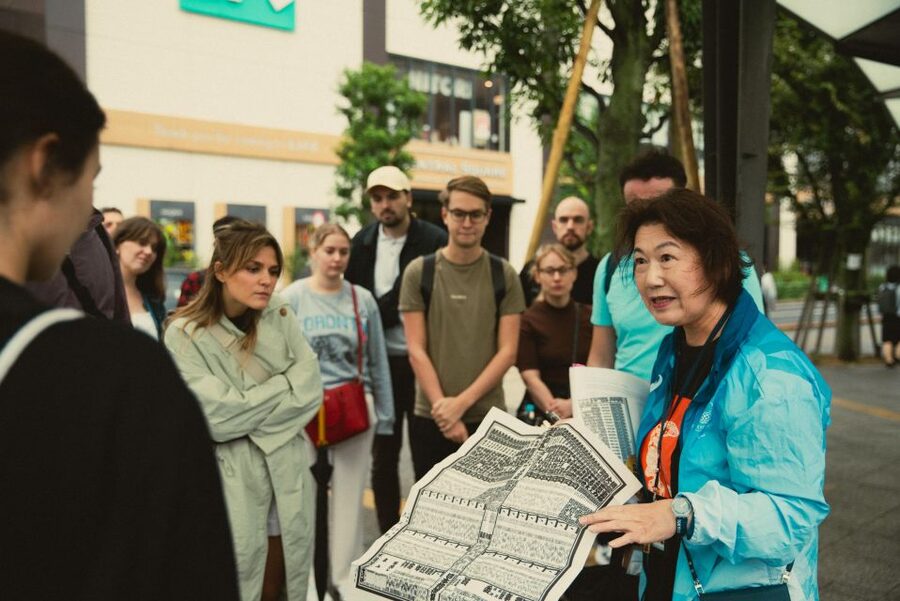
This tour starts early, with a meetup at 7:15AM at Tokyo Metro Oshiage (Skytree Mae) Station, Toei-Asakusa Line Oshiage Station A1 Exit (ground floor). The official start is 7:30AM, and you should arrive on time because there’s a short walk to the stable after you gather.
Plan your morning around one key rule: use the restroom before joining the tour. During the practice, you cannot go to the toilet, so don’t assume you’ll have a break.
If you’re running late, message the operator right away. You’ll receive the address of the sumo stable so you can go there, but you still should wait outside until your guide arrives. Do not enter the stable on your own, and never ring the doorbell, since it can distract wrestlers and disrupt concentration.
The Skytree Area Walk and the Pre-Practice Lesson
Right after you meet, you head toward the sumo stable in the Sumida area. The whole experience is built so you’re not just staring at bodies and trying to guess what’s going on. The early guided segment helps you understand the structure of sumo training, the meaning behind rituals, and the basic rules you’ll notice in practice.
This matters because sumo can look chaotic if you’re only watching the throws. With the guide’s context, you start seeing patterns: warmup routines, practice sequences, and how wrestlers conserve focus while they work.
On at least one date, the guide handled local uncertainty in real time. Tadashi checked his phone and informed the group that the Sumo Museum was temporarily closed, then adjusted the morning so everyone stayed on track. That’s the practical value of this tour format: you get a plan, and your guide manages changes without turning it into a scramble.
Inside the Stable: Shoes Off, No Chairs, and Silent Respect
Once you reach the stable, the tone becomes strict and grounded. You’ll need to take your shoes off, and there are no chairs inside. You’ll sit on the floor for roughly 1.5 hours, and you should be realistic about your body’s comfort level before you book.
The tour provider explicitly notes that if cross-legged sitting for about 1.5 hours is not doable for you, you should skip this tour. That’s not a small detail. It affects whether you enjoy the practice or spend the whole time thinking about your knees.
You also need to follow the behavior rules closely. You watch the practice silently and respectfully, because this is their training. If you bring kids, keep in mind the minimum age is 6 years old, and if children are noisy, move around, or cannot watch quietly, they may be asked to leave the stable during the tour.
Photo etiquette and gear rules are part of this too. You can take photos and videos without flash and without shutter sounds, but you cannot upload them on any social media platform. Also, sunglasses, hats, baby strollers, food, and luggage or large bags are not allowed.
Finally, there’s a small but smart weather tip. The walk to the stable can be 15 to 20 minutes, and if rain is possible, bring a towel to wipe your feet.
Morning practice or an evening show. Both reviewed
- Tokyo: Sumo Show and Dining Experience★ 4.8 · 2,742 reviews
- the SUMO show★ 5.0 · 1,960 reviews
- Tokyo: Sumo Show and Experience in Shinjuku★ 4.8 · 1,001 reviews
- Tokyo:Luxury Sumo Show Experience & Japanese cuisine & Drink★ 4.7 · 577 reviews
- Tokyo: Sumo Morning Practice Viewing Tour★ 4.8 · 570 reviews
What You Actually See in Sumo Morning Practice
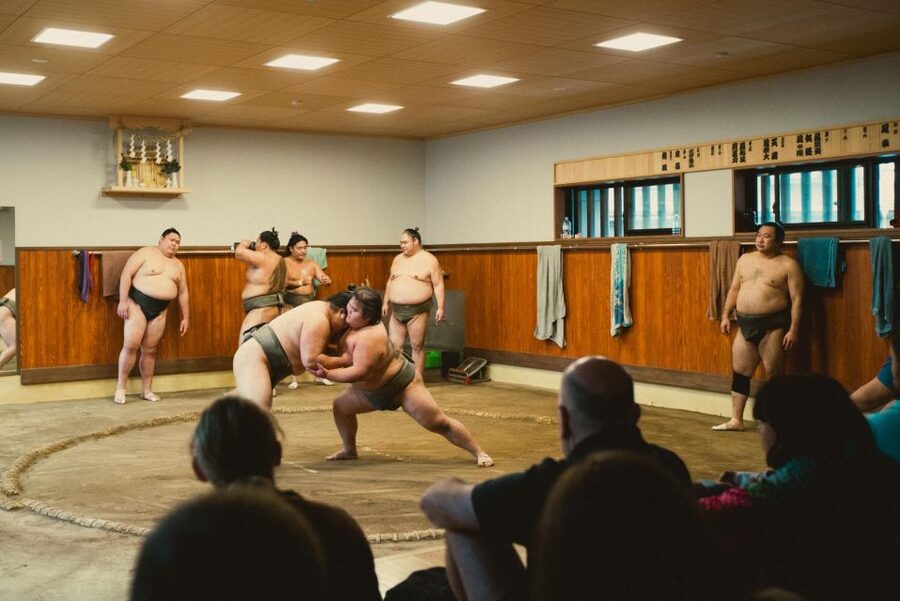
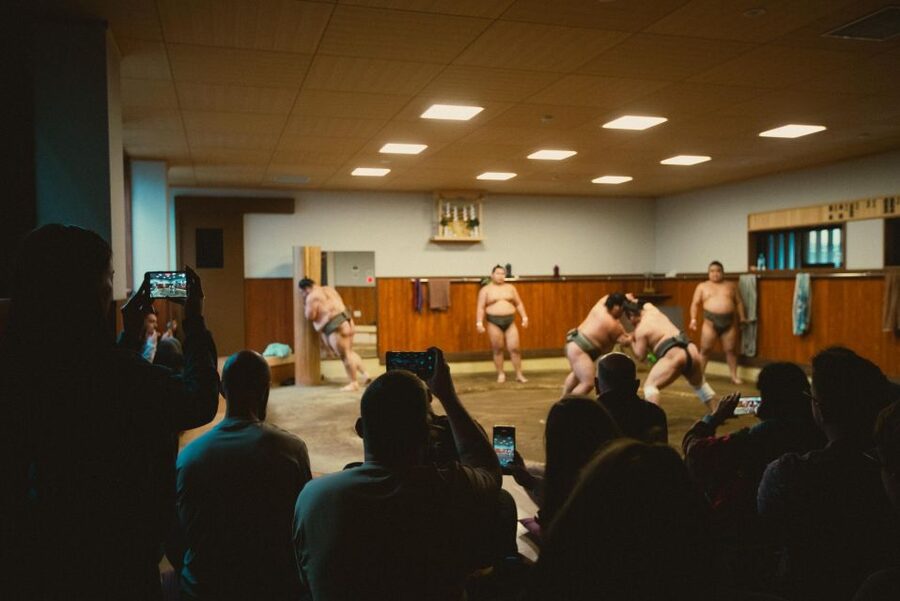
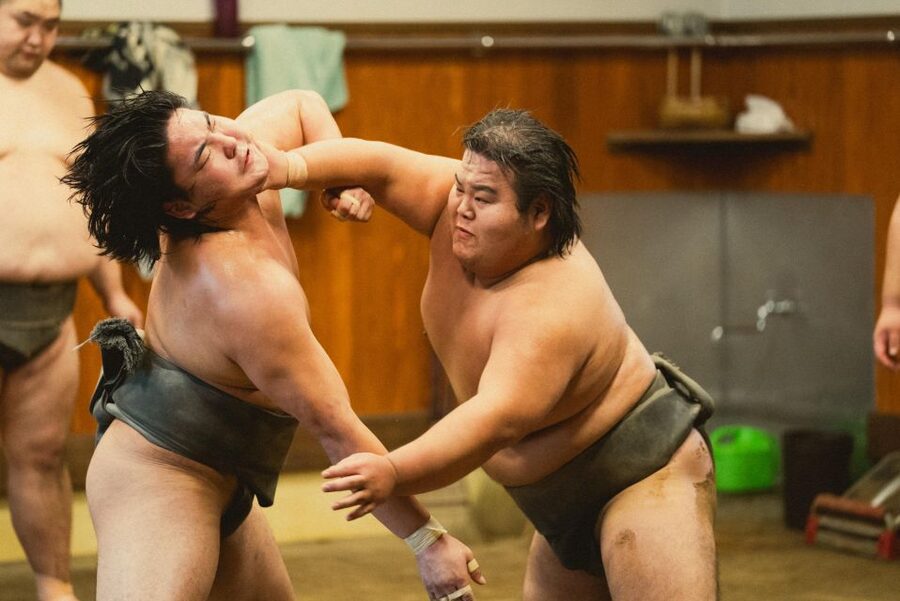
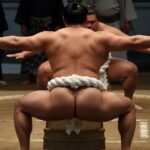
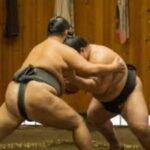
The core of the experience is the training itself, close enough that you feel how big and athletic these wrestlers are. You’re watching morning practice up close and personal, so it’s not the distant, highlight-reel view you might get from TV angles.
You’ll notice how focused the wrestlers stay. Even though you’re watching, practice continues with a rhythm that feels serious, almost procedural. If you care about technique, you’ll likely enjoy how repeated drills build skill and balance.
One practical note from past participants: you may not see the elite top-division style matches you expect from televised tournaments. This is training at a stable, so what you get is the work itself. That can still be fascinating, but it’s not the same as a Grand Sumo day.
There’s also something to watch for during seating. At least a few past groups had their view improve over time through seating rotation, while other times people stayed in place and the view shifted depending on where others sat. Your best chance for a direct sightline is to try to position yourself early.
Getting the Most From Your 1.5-Hour Training Window
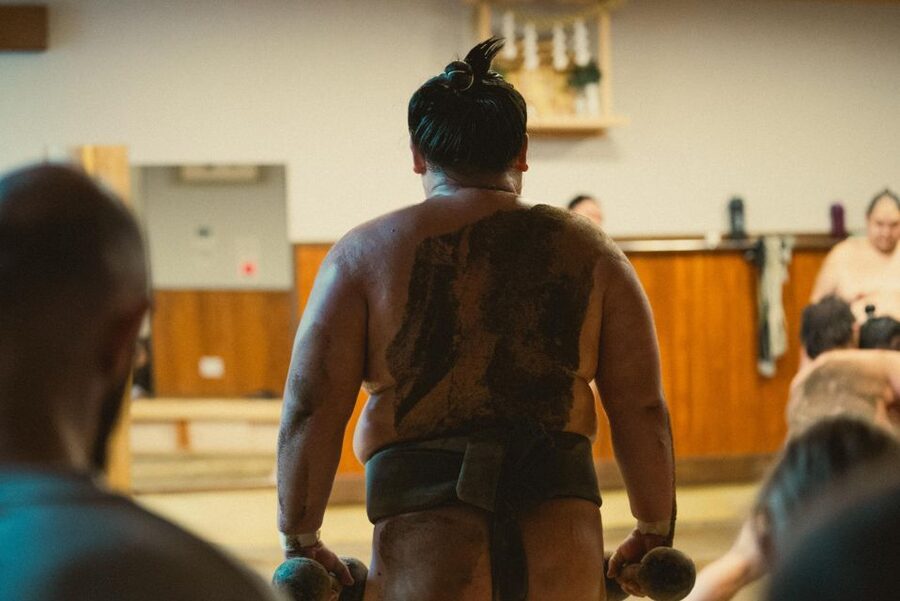
The tour is timed so you learn, watch, and then ask questions. During the practice window, your best strategy is simple: focus on the guide’s cues, then quietly observe what those cues refer to.
You cannot bring food into the stable, and you won’t get a toilet break during practice. So if you’re the type who needs water or snacks, plan that before you join. Once you’re inside, the experience is about attention.
If you’re sensitive to sound, remember this is a working space. One participant noted it could be hard to hear the guide at times because of group size. That’s normal for a stable setting, so if audio clarity is important to you, position yourself where you can see and hear your guide’s instructions.
If the group size feels large at the meeting point, don’t panic. Guides like Kiyomi and Juki have been praised for guiding people smoothly into the stable and setting expectations for viewing and behavior.
The Q&A and Possible Photo Moment With Wrestlers
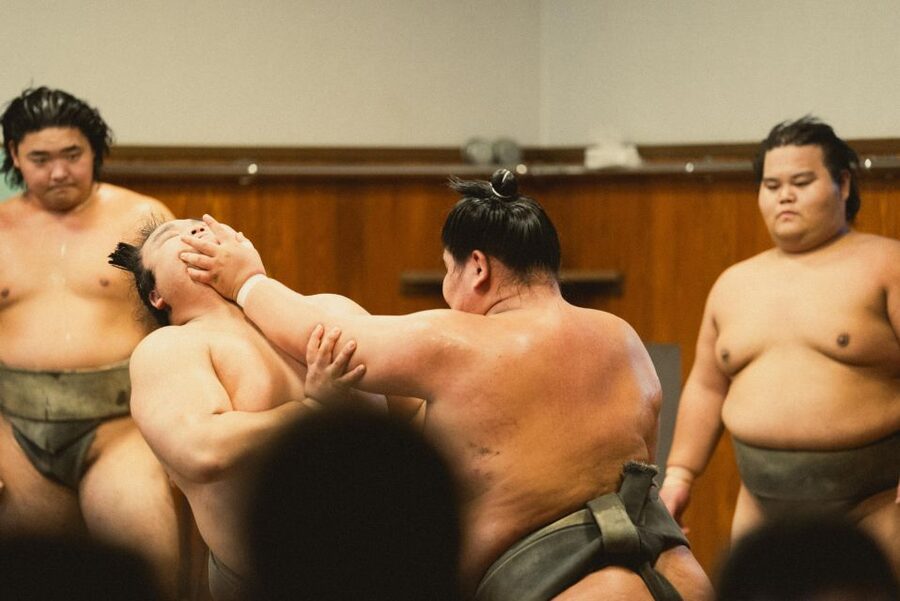
After the training, you get the part that turns viewing into understanding. The stable master and guide have a Q&A segment, and this is where you learn how wrestlers live and what the rituals mean beyond sport.
Many past participants highlight this Q&A as the moment that makes the whole morning feel personal. Questions can cover rules, training life, and even the connection between sumo and religion. If you’re curious, this is where your curiosity pays off.
The timing is also built in. One description of the flow includes about 30 minutes for photos and questions after practice. That lines up with the idea that you don’t just watch and leave, you get a structured wrap-up.
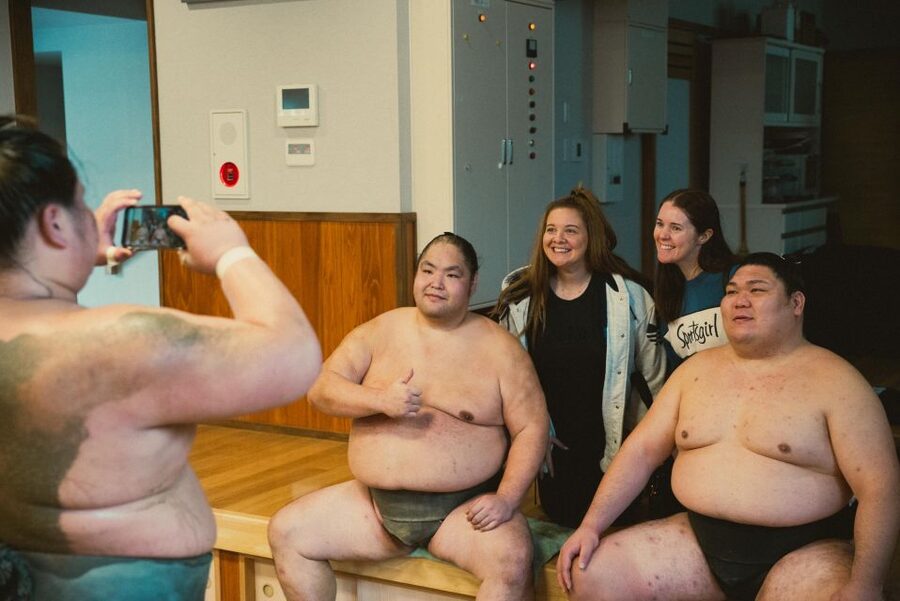
Photo opportunities are described as possible, not guaranteed in every situation. When it happens, you may be able to take pictures with the wrestlers. Several guides were specifically mentioned for helping coordinate these moments, including Yoko and Oku, and stable staff were described as friendly and welcoming.
As the morning ends, you may also see a friendly farewell from wrestlers standing near the stable area. It’s a small thing, but it’s the kind of moment that makes the day feel respectful rather than transactional.
Price and Value for a 2-Hour Tokyo Experience
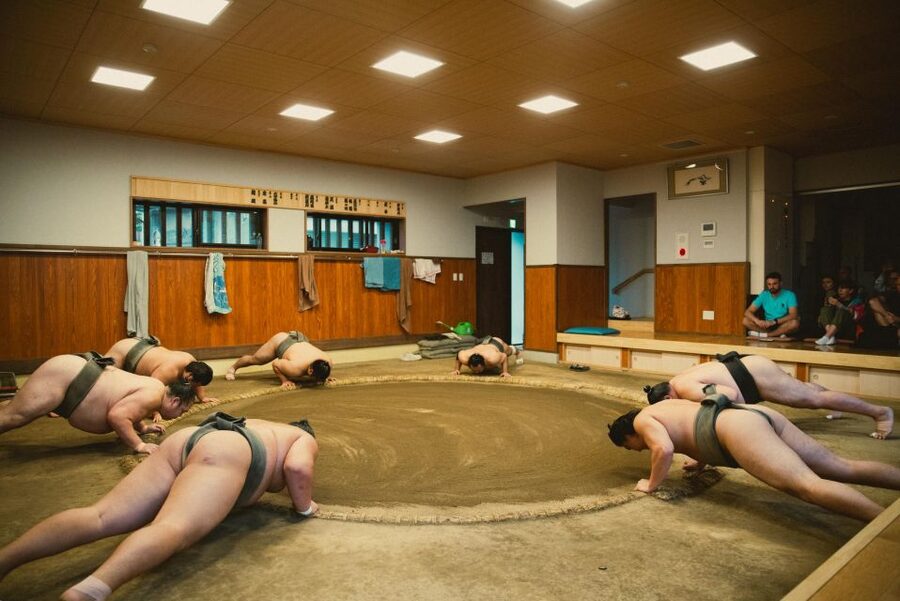
At $116 per person for about 2 hours, this isn’t cheap, but it’s also not random. You’re paying for three things you’d struggle to recreate on your own:
- English-speaking guidance that explains what you’re seeing
- Entrance access to a sumo stable
- Time with the stable master for Q&A and a possible photo moment
The price makes more sense when you compare it to what it would take to arrange stable entry independently. Even with good city navigation, you still need the etiquette coaching and the permission to be there in a respectful way.
What’s not included is equally important for value. There’s no hotel pickup or drop-off, and food and drinks are not provided. That means you should treat this like an early-culture activity: travel to Oshiage on your own, eat beforehand, and keep it light.
One practical consideration: the schedule is early and the pace is focused. If you hate mornings or dislike kneeling and sitting on the floor, the experience may feel less worth the cost because the physical logistics will dominate your attention.
Practical Tips: Shoes-Off Rules, Towel Prep, and Photo Boundaries
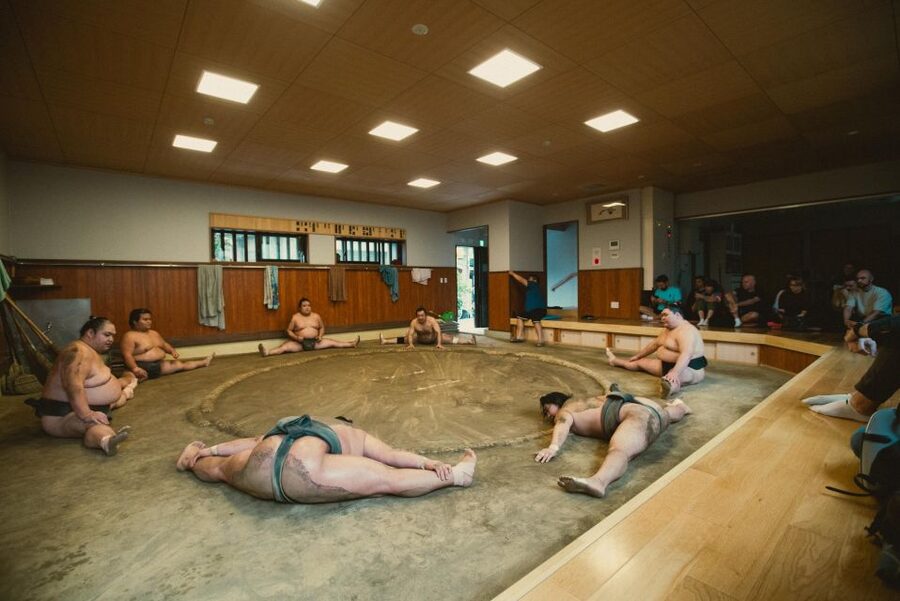
If you do only a few things, do these.
First, wear easy shoes to remove and put back on. You’ll be taking them off at the stable, and you’ll want that part to be painless. If your feet get wet in rain, the towel tip is genuinely useful.
Second, plan your comfort for floor seating. No chairs means you need to prepare your body for about 1.5 hours of sitting. If you’re not comfortable cross-legged, skip this tour.
Third, follow the photo rules exactly. Flash is not allowed, and shutter sounds are also not allowed. Also, you cannot upload the photos or videos to social media. You can capture them for your own memories, but you should not treat the stable like a casual sightseeing stop where rules can bend.
Fourth, pack light. Luggage or large bags are not allowed, and hats are not allowed. Keep your bag minimal so you don’t end up stressed while everyone waits to enter.
Who Should Book This Sumida Sumo Morning Practice Tour
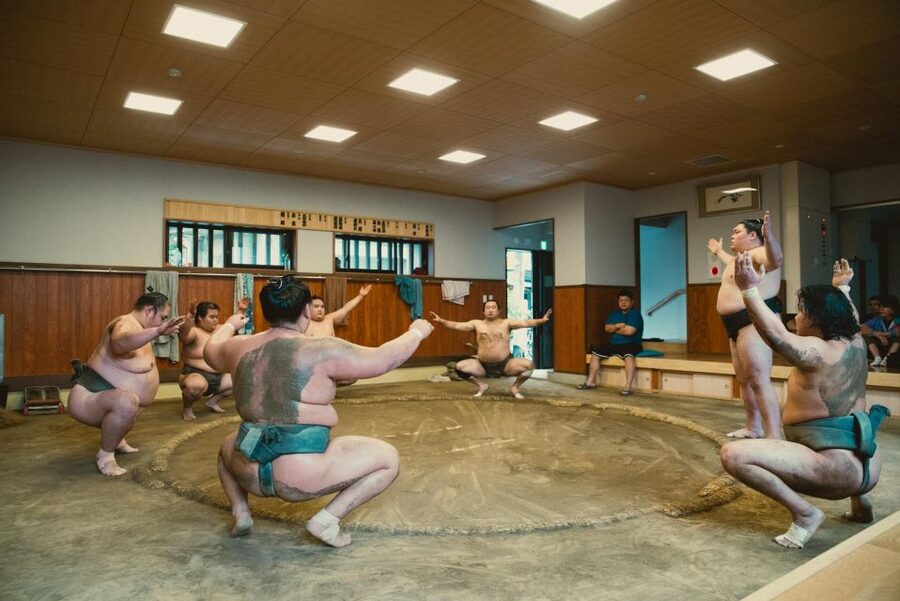
This tour is a strong fit if you want authentic access to Japan’s sumo world and you like understanding culture through rules and ritual, not just through spectacle. The experience is especially good for people who enjoy learning from guides and asking real questions during the stable master Q&A.
It also works well for families only if kids can handle a quiet environment. The minimum age is 6, and kids who are noisy or unable to watch quietly may be asked to leave during the tour.
If you have mobility impairments, this is not suitable. The floor seating, no chairs rule, and quiet stable expectations make the experience unrealistic for many needs.
When You Can Go: Months That Don’t Run
Morning practice tours do not run in March, July, and November. The reason is straightforward: Grand Sumo tournaments outside Tokyo are scheduled then, so these stable practice visits aren’t held during those months.
As for booking timing, the schedule is known one to two months in advance, and reservations are accepted after that. The practical move is to check the website about two months before your desired dates so you don’t miss your window.
Should You Book This Tour?
I’d book this if you want a rare, respectful window into real sumo practice with up-close viewing and a meaningful stable master Q&A. The early start is worth it when you value etiquette, context, and the feeling of watching something serious rather than staged for tourists.
I’d skip it if sitting on the floor for about 1.5 hours will be uncomfortable for you, or if you’re bringing a child who struggles to stay quiet. Also pass if you hate strict photo and behavior rules, because the stable expects silence, no flash, and no social media uploads.
If you’re flexible, patient, and curious, this is one of the most memorable ways to experience Tokyo sumo beyond the usual tourist snapshots.
FAQ
What time do I need to meet, and when does the tour start?
Meet at 7:15AM at Tokyo Metro Oshiage (Skytree Mae) Station, Toei-Asakusa Line Oshiage Station A1 Exit (ground floor). The tour starts at 7:30AM.
How long is the tour?
The tour lasts 2 hours.
What is included in the price?
You get an expert English-speaking guide and the entrance fee to the sumo stable.
Is food or drinks included?
No. Food or drinks are not included.
Can I take photos or videos?
Yes, you can take photos and videos without flash and without shutter sounds. You cannot upload them on any social media platform.
When are the tours not held?
Morning practice and tours are not held in March, July, and November.
Practice Rooms and Show Nights

Asakusa and the Skytree, Keep Going


Newest Tokyo write-ups from the Loving Japan desk

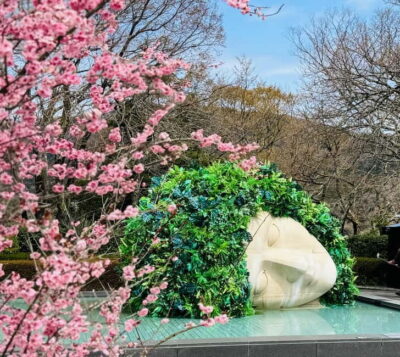
Asakusa, Senso-ji and Tokyo Skytree, side by side.
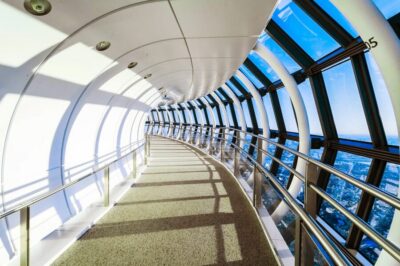 ★ 4.5TOKYO SKYTREE® Admission ticketFrom $1311,192 reviews
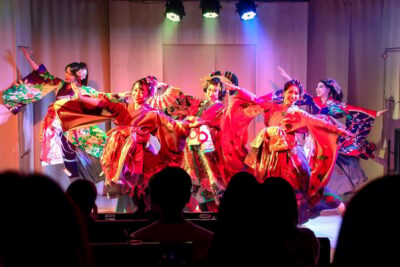 ★ 4.8Japanese Dance Cabaret Theater Asakusa-Kaguwa TicketFrom $492,270 reviews
 ★ 4.7Meiji Shrine, Asakusa, Skytree Bus Tour and CruiseFrom $1221,986 reviews
 ★ 4.9Roll and Authentic Sushi Making Class in AsakusaFrom $581,957 reviews
 ★ 4.8Asakusa Walking Tour with Sensoji Temple VisitFrom $221,583 reviews
 ★ 5.0Tokyo Asakusa Rickshaw TourFrom $421,375 reviews
 ★ 4.5Tokyo Panoramic 1 Day: Meiji Shrine, Asakusa, Odaiba and SKYTREE®From $851,222 reviews
 ★ 5.0Tokyo Go Kart: Asakusa, Skytree, and Akihabara **IDP MUST**From $99988 reviews
Filed on these lists too