
REVIEW · PRIVATE
Tokyo: Private Custom Insider Tour with a Local Host
Tokyo works better with a local plan. I like that this private walking experience begins with a questionnaire and a direct chat, so your host builds the day around your interests and pace instead of forcing a fixed script.
I also like the way the route can mix classic Tokyo with small, street-level finds, like Asakusa temple area strolls plus food stops such as yakitori or mochi. One thing to consider: this is mostly on foot, and you may pay extra for any train or local taxi transfers between neighborhoods.
In This Review
- Key highlights I’d prioritize before you book
- How the custom plan actually feels in real Tokyo terms
- Getting started in Asakusa, where the city shows its oldest face
- Ameya-Yokocho and the street-food rhythm you won’t get from a bus tour
- Akihabara when you want neon, games, and tech culture
- Harajuku backstreets for fashion energy, not just the famous intersection
- Hidden alleys, teahouses, rooftop views, and artisan shops
- Food stops that teach you the logic of ordering and timing
- Using trains and taxis without losing your day
- What you can ask your host to shape the day
- How long is long enough: choosing 3, 4, 6, or 8 hours
- Guides you might encounter and why their style matters
- Price and value: why $95 per person can make sense
- Who should book this Tokyo private custom walking tour
- Should you book it, or keep it self-guided?
- FAQ
- How does the tour get customized?
- What’s the duration, and can I choose it?
- Is pickup included?
- Is this tour mostly walking?
- What languages are the guides available in?
- Are attraction tickets or food included?
- Do I need to pay for transportation during the tour?
Key highlights I’d prioritize before you book
- Questionnaire-based matching, so your host can tune the day to anime, history, fashion, or food.
- Flexible timing (3 to 8 hours), with room for detours and stopping longer when something grabs your attention.
- Asakusa first move, starting with Senso-ji and then flowing into nearby market streets.
- Street food included in the experience, with opportunities to try local snacks in side-street settings.
- Neon-to-tranquil variety, since you can swing from Akihabara pop culture to quieter corners.
- Real insider shopping, including artisan shops your feet would rarely find alone.
Still weighing up options in Tokyo? These are the ones our reviewers rated highest.
- Mt Fuji and Hakone 1-Day Bus Tour Return by Bullet Train
★ 5.0 · 26,383 reviews - 1-Day Tokyo Bus Tour
★ 5.0 · 14,250 reviews - Tokyo: teamLab Planets TOKYO Digital Art Museum Entry Ticket
★ 4.6 · 9,779 reviews - Mt Fuji & Hakone Cruise, Drum Show Bullet Train 1 Day from Tokyo
★ 4.0 · 7,413 reviews
How the custom plan actually feels in real Tokyo terms
This tour is built around the idea that Tokyo is too big for one-size-fits-all sightseeing. Before you meet, you fill out a questionnaire about your personality and interests, then you communicate directly with your host to shape the route. That matters because Tokyo rewards attention to mood, not just landmarks. One day you might want motion and music. Another day you might want temples, calm streets, and good tea.
I also like that the customization can be practical, not just thematic. Want to stay efficient and see several neighborhoods in one go? Or do you want slow, photo-friendly pacing with time to ask questions? The tour is designed for your pace, which is a big deal in a city where “just one more stop” can turn into an exhausting stampede.
You also get what I call the friend-factor. By the end, the goal is that you feel like you understand the city better, not just that you walked past it. Even small guidance, like what to look for in a shrine area or how to handle basic etiquette, can make you feel more confident on your own later.
Getting started in Asakusa, where the city shows its oldest face
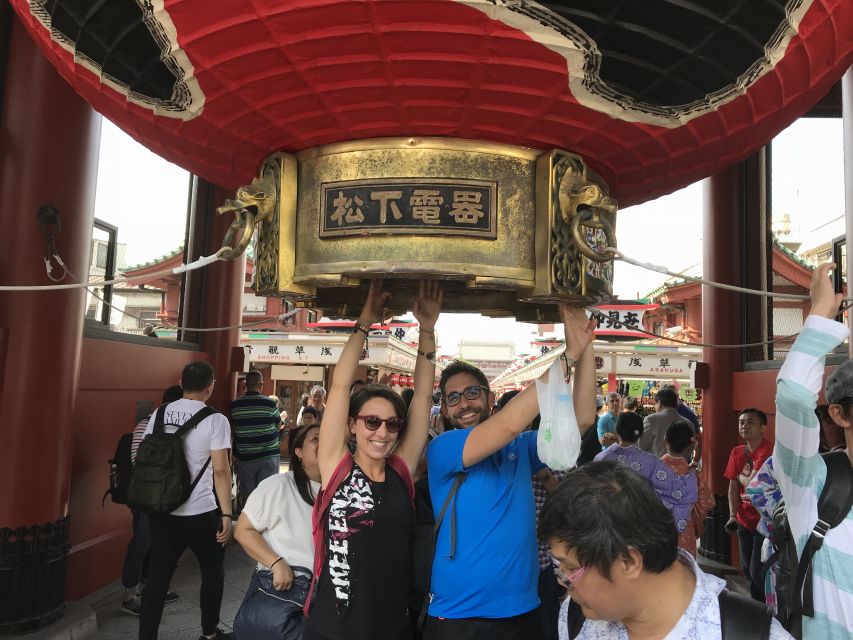
Most days begin in Asakusa, usually around Senso-ji Temple. This is a strong starting point because it gives you instant context. You see crowds, but you also see ritual. You notice how people move through the space, where they pause, and what details they respect. Senso-ji is the headline, but the surrounding streets are often the real education.
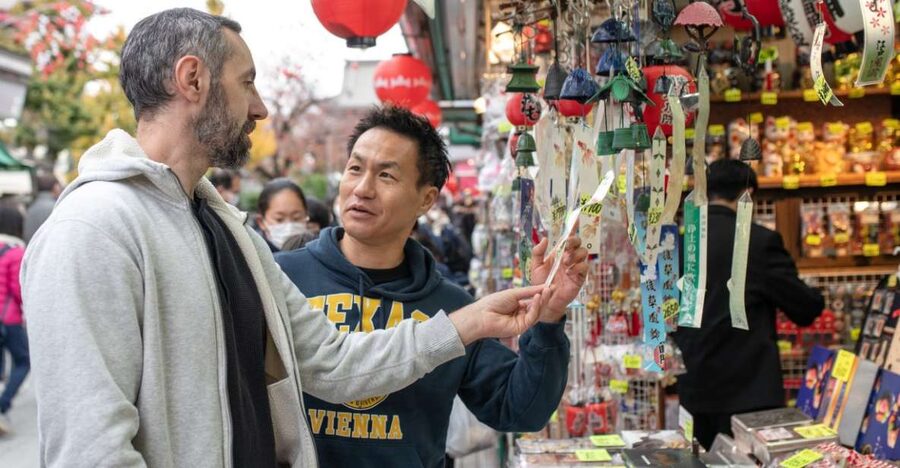
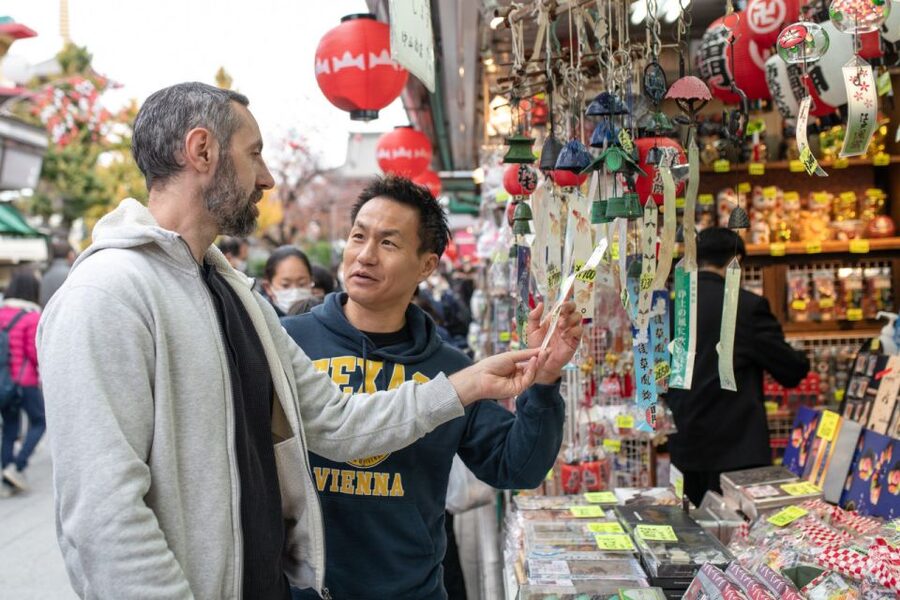
From there, the tour can turn into a walking story that fits the day you asked for. If you like markets, you’ll likely head toward Ameya-Yokocho Market, a lively street where snacks, small goods, and everyday Tokyo energy overlap. I love market walking because it teaches you how to browse like a local: you compare, you smell, you ask, and you move with purpose instead of just taking photos.
A practical note: Asakusa can get busy. If you want the quieter side of Tokyo, you can ask your host for timing tweaks, like hitting calmer side streets first or building a short break into the route. That’s one of the advantages of a private setup, you can adjust the tempo when crowds feel like noise.
Ameya-Yokocho and the street-food rhythm you won’t get from a bus tour
Markets are where Tokyo becomes sensory. You can taste things, watch people order, and learn what kinds of snacks are worth the effort. The tour experience includes street-food tasting, and in the broader day plan you may also encounter small food stops tied to your interests, like yakitori or mochi from a less obvious stall.
This is also where your host’s choices matter. Food in Tokyo is not just about taste, it’s about timing and setting. Your host can guide you to places where you can actually enjoy the food instead of standing around hungry while everyone else clears out.
If you’re picky about food, tell your host early. Many hosts can adjust the day so you still get variety without forcing you into foods you do not want. And if you want to use the meal time to improve your Japanese, you can ask for help with basics like ordering or simple translation.
- Mt Fuji and Hakone 1-Day Bus Tour Return by Bullet Train★ 5.0 · 26,383 reviews
- 1-Day Tokyo Bus Tour★ 5.0 · 14,250 reviews
- Tokyo: teamLab Planets TOKYO Digital Art Museum Entry Ticket★ 4.6 · 9,779 reviews
- Mt Fuji & Hakone Cruise, Drum Show Bullet Train 1 Day from Tokyo★ 4.0 · 7,413 reviews
- Tokyo: Shinjuku Food Tour (13 Dishes at 4 Local Eateries)★ 5.0 · 6,603 reviews
Akihabara when you want neon, games, and tech culture
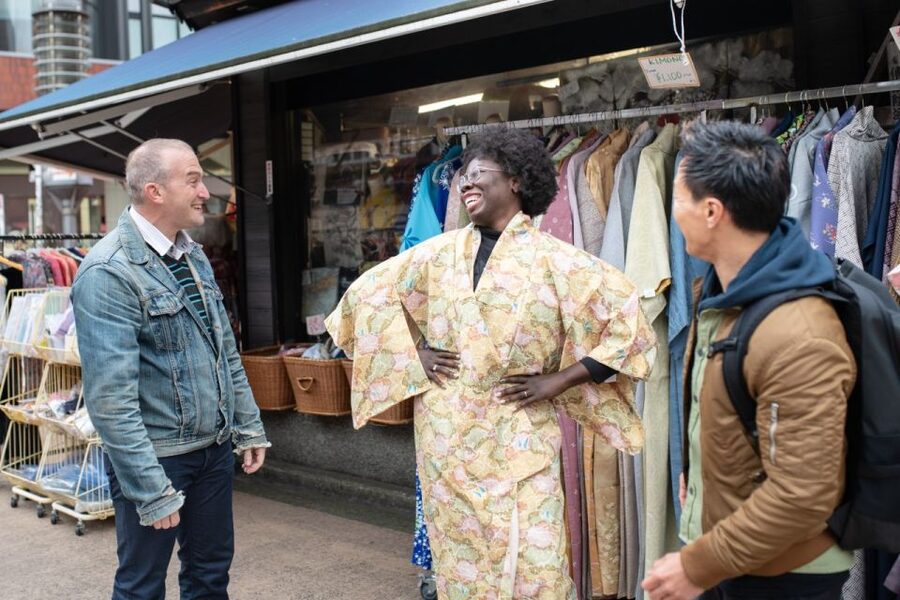
If anime, gaming, or pop culture is your thing, Akihabara is the natural pivot. This part of the tour works well because it is not just about sights. It’s about understanding the “why” behind the neighborhood. You see how enthusiast culture shows up in storefront layout, signage style, and even the flow of foot traffic.
I like pairing Akihabara with earlier history stops, because it makes Tokyo feel layered instead of random. After Senso-ji and market streets, the shift to neon makes sense. It’s Tokyo being Tokyo, traditional forms next to modern obsession.
Practical tip: if you want shopping time, ask your host how much of the route is flexible. With a private walking tour, you can usually allocate time for browsing, but you still want enough structure so the day doesn’t turn into endless detours.
Harajuku backstreets for fashion energy, not just the famous intersection
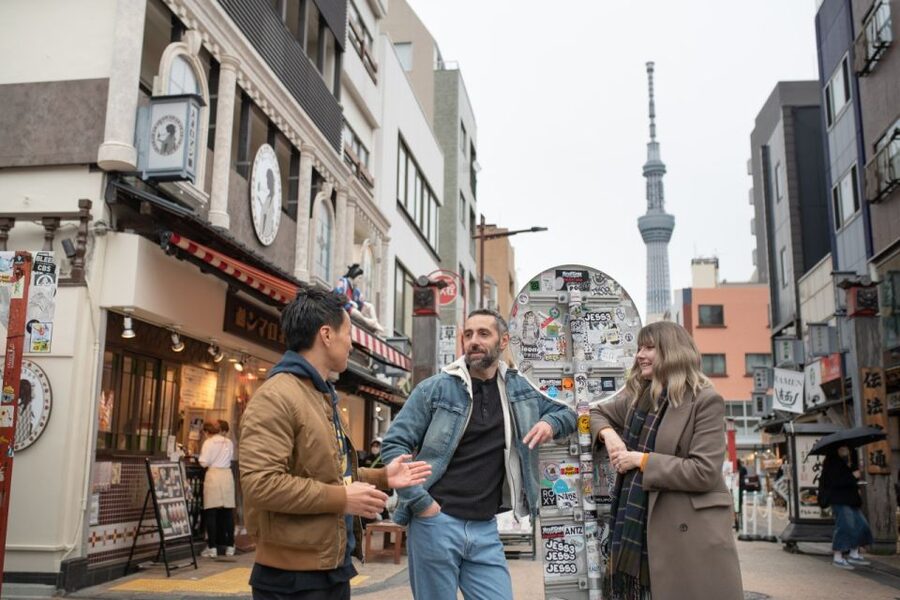
From pop culture to style, Harajuku backstreets can be a highlight, especially if you like street fashion and quirky local design. The tour framing here is different from the typical quick stop. Instead of racing from one photo spot to another, you can move through smaller lanes where the vibe feels more real and less like a theme-park set.
If you’re not sure what kind of fashion you’ll enjoy, tell your host what you like: minimalist, colorful, vintage, handmade items, or specific subcultures. Your route can bend to match. That personalization is one of the reasons this tour consistently scores high in value for people who say Tokyo felt overwhelming.
Hidden alleys, teahouses, rooftop views, and artisan shops
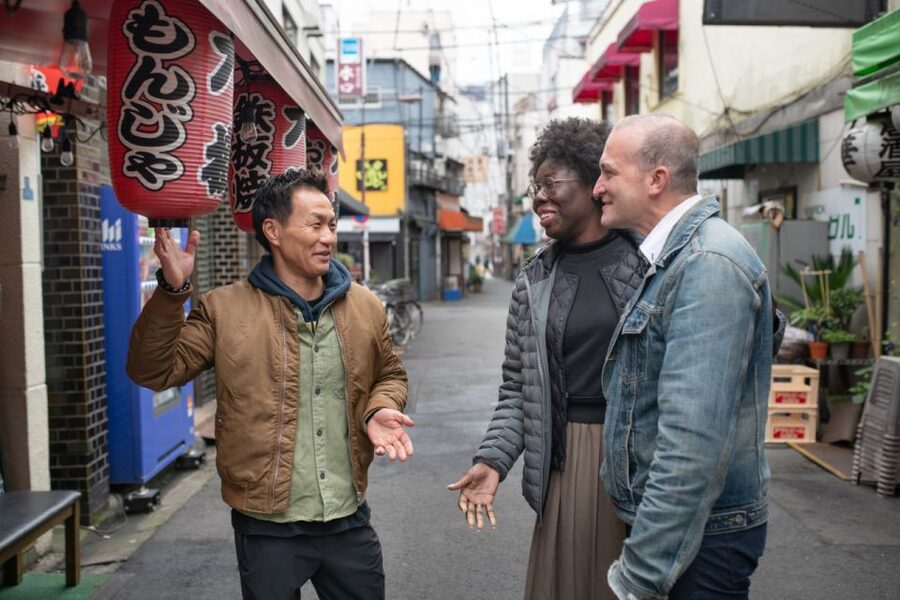
One of the best parts of a custom tour is that it can include stops that do not show up clearly on travel maps. The tour can work in moments like a tucked-away teahouse, an artisan shop, or even a rooftop view that you might not locate by yourself.
I’m not going to oversell this. Not every day will include every type of stop, because the day plan depends on your interests and what’s realistic for the time you choose. But the design of the experience is specifically set up for these kinds of adds. That means you can ask for something like:
- quiet tea time,
- a short scenic break,
- a local craft stop,
- or a low-key neighborhood walk.
A good host uses these moments to break up the intensity of big crowds. They also help you understand Tokyo beyond its famous photos. You start noticing textures, shop styles, and the small rules of how people behave in certain spaces.
Food stops that teach you the logic of ordering and timing
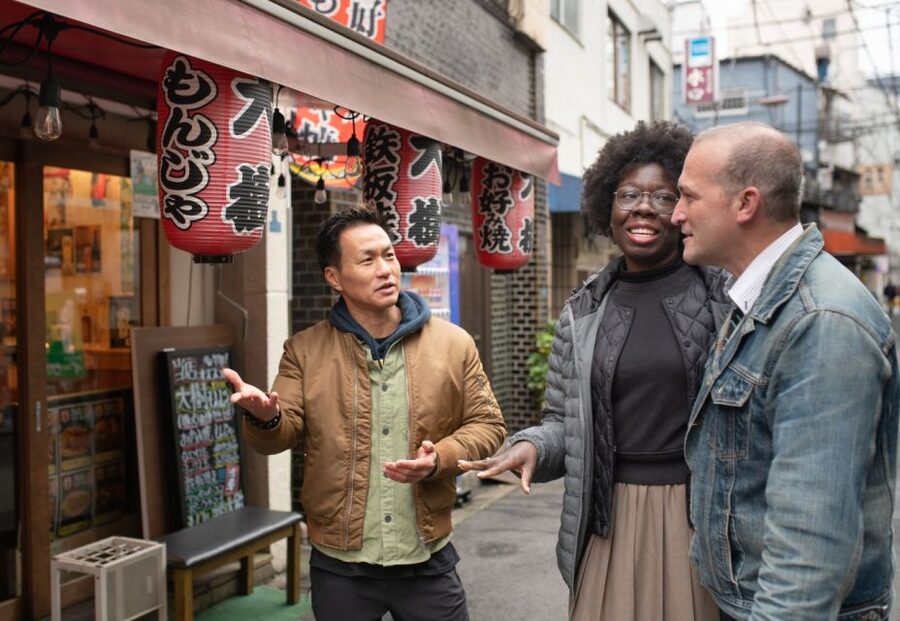
A lot of people think “food tour” means eating a lot. Here, food is part of the story. You might taste street snacks in market areas, then build toward a more satisfying meal if the timing works for your plan. The experience says additional food and drinks are not included beyond what’s part of the experience, so you control the rest.
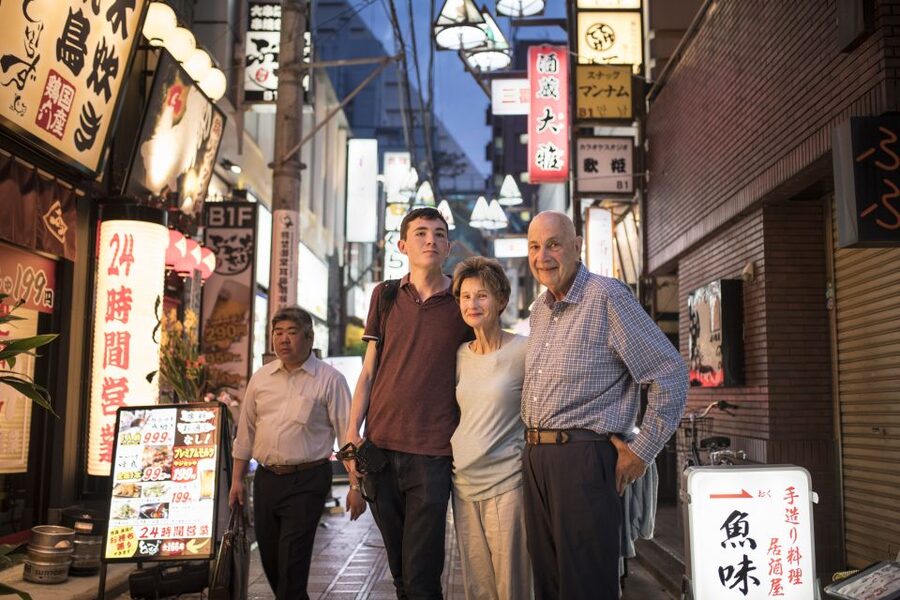
Here’s the practical side. Tokyo food can be confusing at first: menus, lines, and what is sold where. A local host helps you with the basics, like how to approach ordering calmly and where it makes sense to stop. In some cases, hosts also help with practical guidance around getting around by train and understanding basic rules of etiquette, which makes food stops less stressful.
I also love that the tour can adapt to your taste preferences. If you want street snacks, you can lean that way. If you prefer a more structured meal, ask for it. The day is flexible for that reason.
Using trains and taxis without losing your day
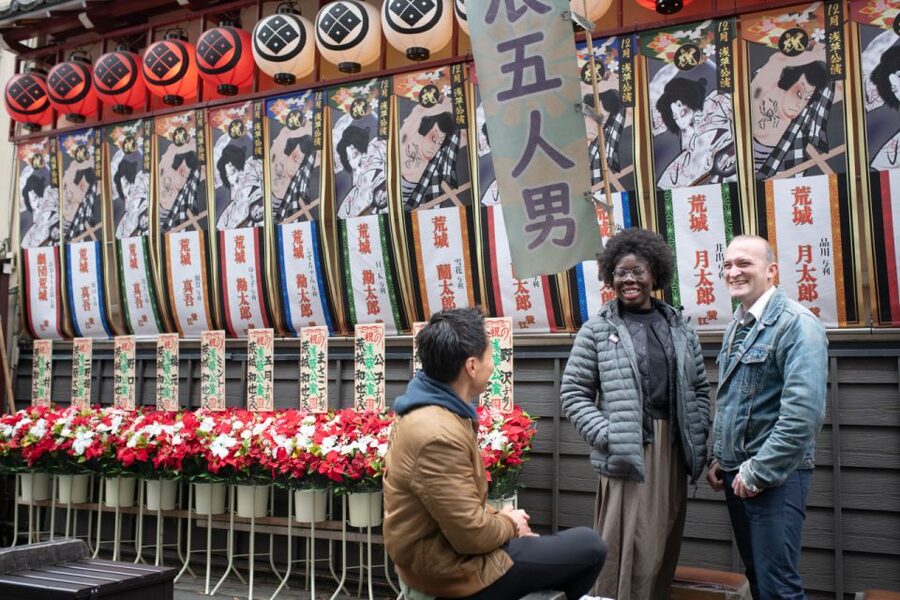
This is a private walking tour, so a vehicle is not part of the plan. You’ll walk between areas, and public transport or taxis may be used to transfer between sites. The data here is important: any transport costs beyond the tour price may come up, and you can discuss exact costs with your host after booking.
That’s not a dealbreaker. In fact, it’s often the smartest way to cover real neighborhoods in Tokyo, because traffic and parking make car travel inefficient. Still, you should mentally budget for train transfer fees if your route spans multiple areas.
If you’re visiting and want to learn the system, this is a good moment to ask your host for quick guidance. Some hosts have helped first timers get their bearings fast, including using transit lines and cards, so you can continue exploring after the tour ends.
What you can ask your host to shape the day
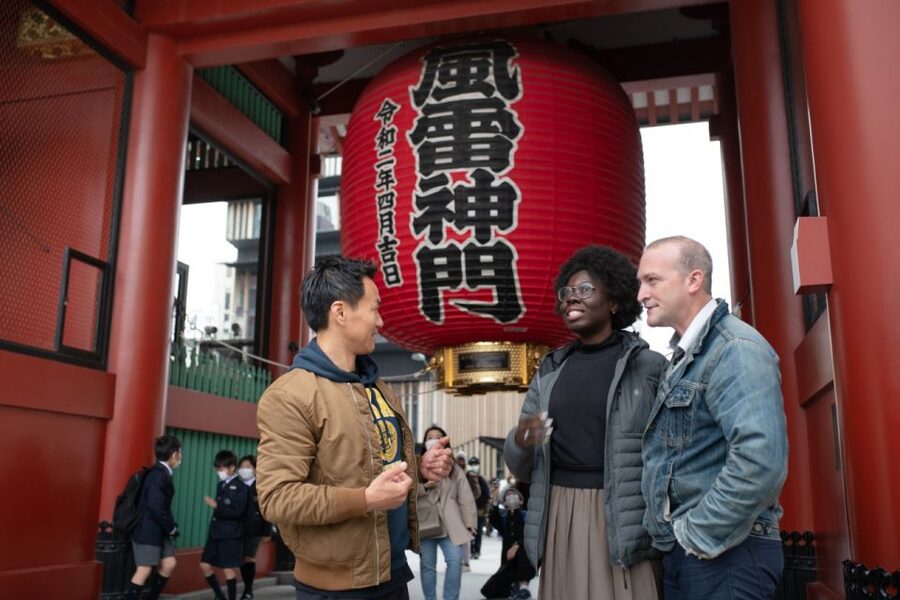
Because your route is customized, you’ll get more value if you communicate early. You can ask for a specific vibe, not just a list of sights.
Here are requests that fit what the tour is designed to do:
- More old Tokyo feel, like temple areas and traditional streets.
- More pop culture, like Akihabara-style gaming and tech shopping.
- More fashion and youth culture, like Harajuku backstreets.
- More food and small stalls, including street snacks.
- More quiet moments, like a calm garden pause if the schedule allows.
And you can also ask for help with practical questions. Some hosts have shown extra patience with translation and cultural etiquette, and that can be especially helpful if you want to interact more than just observe.
How long is long enough: choosing 3, 4, 6, or 8 hours
The tour can run from 3 to 8 hours, depending on what you book. This range matters because Tokyo walking can go from fun to tiring quickly, especially if you’re squeezing in multiple neighborhoods.
A 3-hour option is best for a tight starter day. You might focus on Asakusa plus nearby market streets, maybe adding a quick second neighborhood if logistics line up. A 4-hour day is often the sweet spot for first timers who want highlights without burning daylight.
If you choose 6 hours or more, you can usually blend contrasting Tokyo moods. For example, you can start in Asakusa, spend time on market streets, then pivot to something like Akihabara or Harajuku, with room for a tea stop or an artisan shop. Longer days also give you room for those small pauses that make Tokyo feel human.
One more thing: Tokyo is not just sightseeing. It’s walking, stairs, and city rhythm. If you’re going to request lots of stops, pick a duration that matches your stamina.
Guides you might encounter and why their style matters
The tour assigns you a like-minded host based on your questionnaire responses. You communicate directly with them to plan the route, and you’ll usually get a guide who can match your energy level.
Names that have shown up in the host experience include Maruf, Tomo, Mani, Martina, Ayaka, Michael, Kieran, Megumi, Shuto, Lauren, and others. The recurring theme from their reported style is clear: thoughtful planning, practical explanations, and flexibility when your interests shift mid-walk. Some guides also help solve real-world needs like wheelchair navigation and patience with multiple questions.
You should still do your part. If you have mobility limits, dietary needs, or specific interests, tell your host up front. That’s how you get a day that feels like Tokyo, not a generic checklist.
Price and value: why $95 per person can make sense
At $95 per person, you’re paying for a private host and a custom route in a city where navigation and decision-making can be hard. It’s not just walking. You’re buying:
- a planning conversation that adapts to your interests,
- insider suggestions for where to go next,
- guidance through neighborhoods that feel confusing without context,
- and street-food tasting that’s part of the experience.
If you’re comparing it to the cost of doing it yourself plus paying for separate paid tours, the math can work out quickly. You’re not just seeing one area. You’re getting a framework that helps you keep exploring after your host leaves.
A key value point: the tour is private and tailored. If you want lots of flexibility and personalized attention, that’s exactly where this price usually feels fair. If you mainly want to hit a few obvious landmarks and move on fast, you might prefer a cheaper group option. But if you want a day that feels guided and personal, this one is built for that.
Who should book this Tokyo private custom walking tour
This tour is a strong match if:
- You’re a first-time visitor and Tokyo feels overwhelming.
- You like mixing big sights with small neighborhood details.
- You want food stops that are chosen for you, not just random.
- You care about pop culture, temples, fashion, or all of the above.
- You prefer asking questions and adjusting plans on the fly.
It’s also a good fit for couples, friends, and small groups who want the day shaped to their interests instead of a fixed group itinerary.
If you hate walking, or you want mostly indoor, ticket-heavy attractions, this may not be your best format since it’s explicitly a walking experience. You can still request adjustments, but the core structure is based on walking.
Should you book it, or keep it self-guided?
I’d book this if you want Tokyo with a human guide and a route that responds to your interests. The big win is the pre-tour questionnaire and direct communication with your host. That turns a normal “tour day” into something that feels like your day, not someone else’s template.
I’d skip or reconsider if you’re the type who only wants major landmarks and you’re comfortable navigating every neighborhood on your own with no need for cultural pointers. Also, if your schedule is extremely tight and you hate any possibility of extra train or taxi costs for transfers, plan carefully.
If you do book, make it easy for your host to succeed. Tell them what you love, what you want to avoid, and the pace you can handle. Then show up ready to walk, snack, and ask questions. Tokyo rewards that style of travel, and this tour is designed to match it.
FAQ
How does the tour get customized?
You fill out a pre-tour questionnaire about your personality and interests. The experience then matches you with a like-minded host, and you communicate directly with that host to plan an itinerary that fits your preferences and pace.
What’s the duration, and can I choose it?
The tour lasts 3 to 8 hours. You choose your preferred duration when booking, and starting times depend on availability.
Is pickup included?
Hotel pickup can be arranged for any central Tokyo hotel. If you do not use pickup, your host meets you at SHIBU HACHI BOX in Shibuya (2 Chome-1-1 Dogenzaka, Shibuya City, Tokyo 150-0043).
Is this tour mostly walking?
Yes. It is a private walking experience, and a private vehicle is not included.
What languages are the guides available in?
The live tour guide speaks English and Japanese.
Are attraction tickets or food included?
Additional attraction tickets are not included, and extra food and drinks are not included beyond what’s part of the experience.
Do I need to pay for transportation during the tour?
Because it is a walking tour, public transportation or local taxis may be used to transfer between sites. Exact transportation costs can be discussed with your host after your reservation is finalized.
Newest Tokyo write-ups from the Loving Japan desk

Private, side by side.
 ★ 5.0Tokyo 6hr Private Tour with Government-Licensed GuideFrom $1553,902 reviews
 ★ 5.0Private Tour to Mt. Fuji and Hakone (Fully Licenced Operator)From $4971,910 reviews
 ★ 4.9Mount Fuji Full-Day Private Tour from Tokyo (Customizable)From $3931,470 reviews
 ★ 4.8Private City Highlights Tour with Local GuideFrom $1061,433 reviews
 ★ 5.0Private Custom Tour: Tokyo in a DayFrom $1591,432 reviews
 ★ 5.0Kyoto 6hr Private Tour with Government-Licensed GuideFrom $1551,369 reviews
 ★ 5.0Tokyo Customized Private Tour: See Top Attractions in 1 DayFrom $1451,351 reviews
 ★ 4.9Hotspots & Hidden Gems Walking Tour Private or GroupFrom $331,300 reviews