
REVIEW · CITY TOURS
Tokyo Private Tour: Temples, Culture & Modern City Highlights
Tokyo makes sense with a local in step. I love the mix of classic temple atmosphere at Sensō-ji and the modern buzz of Shibuya Scramble, and I also like how the day is designed to teach you how to move through Tokyo like a regular person.
The one real tradeoff is that this is a walking + trains kind of tour, so plan for a big step count, and you’ll handle meals on your own.
In This Review
- Key highlights at a glance
- Why this private Tokyo tour works on day one
- Price and value: what you’re really paying for
- Pickup, Suica/Pasmo, and the practical setup
- Asakusa and Sensō-ji: the temple start that sets the tone
- Sumida River break: photos, breathing room, and Skytree views
- Ueno’s Ameyoko market and Shinobazu Pond
- Akihabara option: Electric Town for anime, games, and gadgets
- Imperial Palace East Gardens option: history without the hard sell
- Kappabashi kitchenware street and Takeshita Street contrasts
- Meiji Jingu shrine: forest quiet inside the city
- Shibuya: the big-city moment and the neon start
- Shinjuku at night energy, Godzilla, and Golden Gai
- The guide factor: how real Tokyo navigation becomes part of the experience
- Meals and food streets: how to handle eating without it being awkward
- Who should book this Tokyo tour
- Should you book it?
- FAQ
- How long is the Tokyo private tour?
- Is this a private tour?
- Do I get hotel pickup?
- What languages are available for the guide?
- Are meals included?
- Is public transportation included?
- Are entrance fees included?
- Is there a mobile ticket?
- Should I bring cash?
- Is Suica or Pasmo recommended?
Key highlights at a glance
- Private and customizable, so your guide can steer the day toward your interests
- Most stops are free to enter, which helps keep your total cost down
- Public transport coaching, so you learn routes instead of just seeing sights
- Photo help built in, with guidance to good viewpoints and photo spots
- Optional add-ons like Akihabara, the Imperial Palace East Gardens, and Kappabashi
- A relaxed pace with flexible timing, within your 4 to 7 hour window
Still weighing up options in Tokyo? These are the ones our reviewers rated highest.
- Mt Fuji and Hakone 1-Day Bus Tour Return by Bullet Train
★ 5.0 · 26,383 reviews - 1-Day Tokyo Bus Tour
★ 5.0 · 14,250 reviews - Tokyo: teamLab Planets TOKYO Digital Art Museum Entry Ticket
★ 4.6 · 9,779 reviews - Mt Fuji & Hakone Cruise, Drum Show Bullet Train 1 Day from Tokyo
★ 4.0 · 7,413 reviews
Why this private Tokyo tour works on day one
Tokyo can feel like a maze at first. This tour helps you connect the dots fast because it pairs iconic sights with the neighborhoods that shape everyday life. You’re not stuck on a bus route. You’re moving neighborhood to neighborhood with a multilingual local expert, with 20+ years of Japan experience.
I also like that the day is built to be your day. If temples are your thing, you can lean into shrines and historical streets. If you want shopping, street food, and pop culture, your guide can point you toward the right corners of the city. You’ll get practical context, not just quick facts.
Price and value: what you’re really paying for
At $99.08 per person for a private experience lasting about 4 to 7 hours, the value is mostly about the guide time plus the structure. You get hotel pickup in central Tokyo, multilingual guidance, photo assistance, and entrance fees for free attractions like temples, shrines, parks, and similar stops.
Transportation and meals are not included, so you should budget for trains and snacks. Still, the tour is designed to keep most major stops free, which reduces the “surprise costs” feeling. And because it’s private, your guide can spend more time helping you navigate and less time herding a big group.
If you’re the type who likes to return to the places you loved later in your trip, this format is smart. It gives you a map of where things are and how to reach them.
Pickup, Suica/Pasmo, and the practical setup
Pickup is included for central Tokyo hotels, and the tour uses a mix of walking and public transit. Public transportation is not included in the price, so you’ll be paying for your ride like you would on your own. This matters, because the whole point is that you learn how Tokyo works.
A transit card like Suica or Pasmo is recommended. You’ll feel it immediately when you hop between areas such as Asakusa, Ueno, Harajuku, and Shibuya. Also, some shops may be cash only, so I’d bring a mix of payment options rather than betting everything on card.
One more practical note: wear comfortable shoes. This tour can run heavy on walking, and some guides pace it based on your stamina and photo stops.
- Mt Fuji and Hakone 1-Day Bus Tour Return by Bullet Train★ 5.0 · 26,383 reviews
- 1-Day Tokyo Bus Tour★ 5.0 · 14,250 reviews
- Tokyo: teamLab Planets TOKYO Digital Art Museum Entry Ticket★ 4.6 · 9,779 reviews
- Mt Fuji & Hakone Cruise, Drum Show Bullet Train 1 Day from Tokyo★ 4.0 · 7,413 reviews
- Tokyo: Shinjuku Food Tour (13 Dishes at 4 Local Eateries)★ 5.0 · 6,603 reviews
Asakusa and Sensō-ji: the temple start that sets the tone
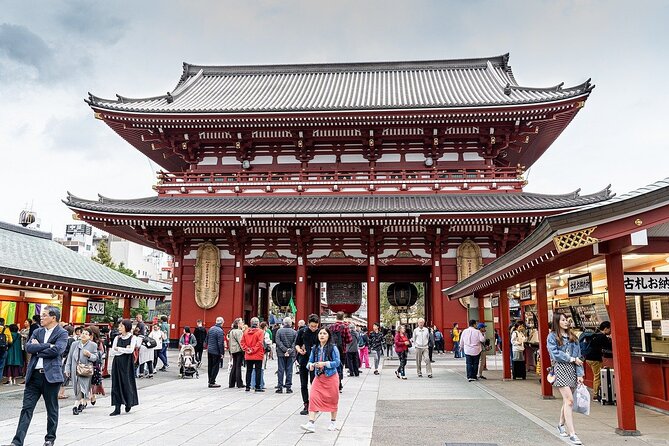
Most Tokyo days start with a view, a skyline, or a train station. This one starts with real religious and historic atmosphere at Sensō-ji in Asakusa.
You’ll get time to see the big red-lantern landmark vibe and walk the Nakamise shopping street atmosphere that runs right up to the temple area. It’s one of the easiest ways to understand why Asakusa still feels old-school, even with Tokyo’s nonstop energy around it.
What I like about this stop: the tour balances temple calm with street-level life. You’re not just staring at buildings. You’re absorbing how people shop, snack, and move in a historic setting.
Possible drawback: if you’re sensitive to crowds, temple-area timing can feel packed. Going with a guide helps you choose where to stand for photos and when to step aside.
Sumida River break: photos, breathing room, and Skytree views
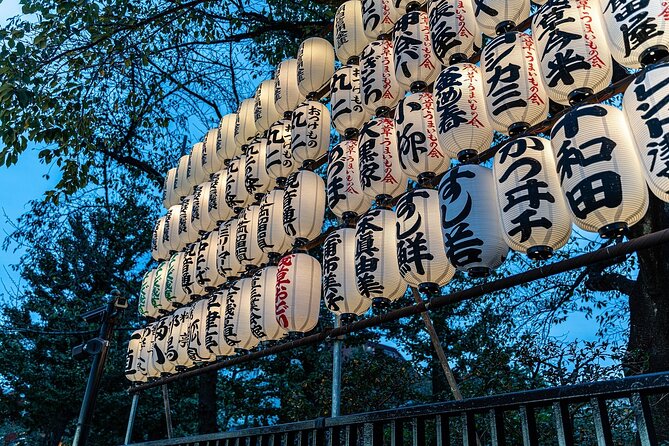
After the busy temple energy, the tour adds a peaceful reset with a walk along the Sumida River. You get wide riverside paths, scenic bridges, and classic views that often include the Tokyo Skytree in the background.
This is the kind of segment that makes the rest of the day easier. Your legs get a calmer pace, and you get photos that don’t look like straight-up postcard duplicates because you’re walking the river edge.
Ueno’s Ameyoko market and Shinobazu Pond
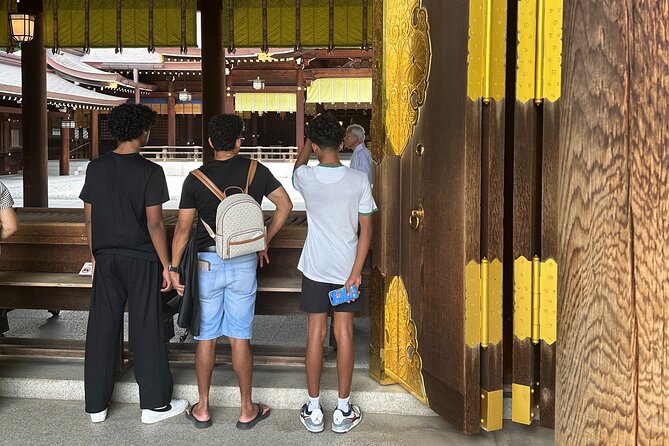
Next comes a pair that works in contrast: Ameyoko Shopping Street and Shinobazu Pond.
Ameyoko is lively and open-air, stretching along the train tracks between Ueno and Okachimachi. You’ll pass street food stands, snack counters, spice displays, seafood, and bargain shopping. It’s the place for quick bites and people-watching, and it gives your day texture.
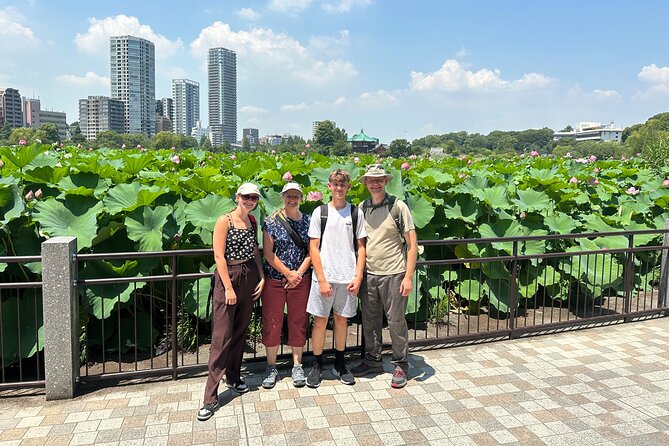
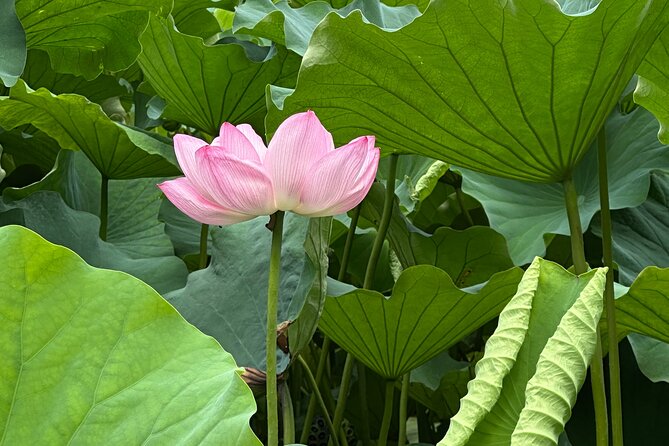
Then you shift gears to Shinobazu Pond, a quieter stop with lotus and koi fish around the water. In the Edo period, this area was a favorite for couples, and today it still gives off that slow, relaxed park energy. Even if you only spend about half an hour, it’s a nice pause.
What to expect: the market stop is energetic, and the pond stop is calm. That rhythm is one reason this tour feels well paced.
Shop tip: if you want to buy small snacks or souvenirs, check payment signs early. Some spots can be cash only.
Akihabara option: Electric Town for anime, games, and gadgets
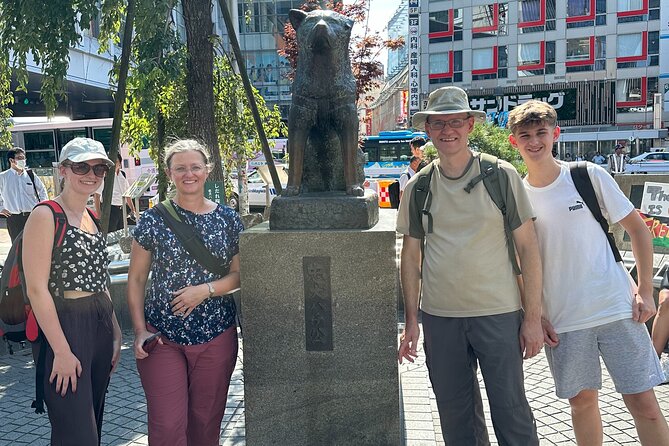
If you’re into pop culture, ask for the Akihabara add-on. This is often called Electric Town and it’s packed with anime shops, retro game stores, arcades, and major electronics retailers.
This isn’t about buying anything. It’s about understanding Tokyo’s modern identity and how geek culture lives right inside the mainstream city. Even a short stop helps you get your bearings for the day, and then you can decide later if you want to return.
Who will love this: first-time visitors who want at least one block of Tokyo that feels distinctly different from traditional temple areas.
How to plan your time: if you choose Akihabara, you might want to use your time window wisely, because it can tempt you to linger in shops.
Imperial Palace East Gardens option: history without the hard sell
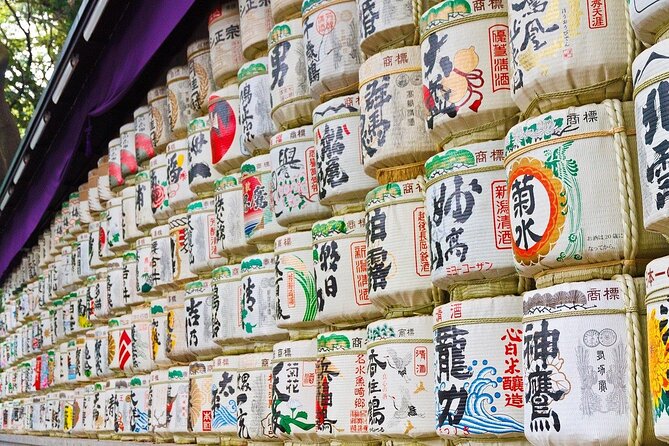
Another optional stop is the Imperial Palace East Gardens and the Edo Castle Ruin area. This is a calmer way to add historical depth without turning the day into a museum marathon.
You can explore the garden grounds, including places like the Ninomaru Garden and remnants connected to samurai-era guardhouses. Even in a short visit, the effect is different from a temple stop. It feels more like a preserved, landscaped history lesson where you can slow down.
Value for you: if you’ve seen enough street-level chaos for the day, this is where you can breathe and reset.
Consideration: gardens and grounds can be weather-dependent. If the day is rainy, your guide may adjust the route within your time window.
Kappabashi kitchenware street and Takeshita Street contrasts
This tour also offers optional stops in two totally different styles, both close to Asakusa and Ueno in the broader route logic.
First, there’s Kappabashi Street (Kappabashi Dogugai). This is Tokyo’s famous kitchenware district, known for knives, chopsticks, tableware, cookware, and practical items that people actually use. If you love food culture or you’re picky about utensils, it’s a fun sidebar.
Then comes Takeshita Street in Harajuku, the youth fashion hub known for colorful boutiques, kawaii shops, creative snacks, and high-energy pop culture streets.
This contrast is a big part of why the tour feels balanced. You go from practical tools for eating and cooking, to fashion-forward street life.
Possible drawback: Takeshita area crowds can be intense. If you prefer a less frantic experience, ask your guide for a route that keeps you moving while still giving you time to see the main street.
Meiji Jingu shrine: forest quiet inside the city
From Harajuku energy, the tour shifts to Meiji Jingu. This is one of Tokyo’s most important Shinto shrines, and it sits in a large forest area that creates real quiet.
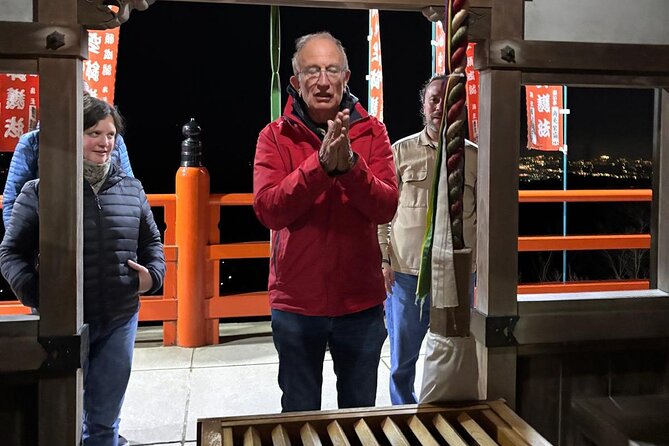
You walk through towering torii gates and shaded paths. It’s a different side of Tokyo that helps you understand why people treat shrines as part of daily life, not just tourism.
What I like about this stop: it’s not just a building. The forest approach changes your mood. Even if you only spend around 45 minutes, it feels like a reset button.
Shibuya: the big-city moment and the neon start
Next is Shibuya, one of Tokyo’s signature districts. You’ll see the famous Scramble Crossing, plus the surrounding neon-lit shopping and modern city feel.
This area works well after the shrine stop because you’re moving from calm back into motion. The guide’s timing matters here, because Scramble can be packed and you’ll want the right spots for photos without getting stuck in the densest crowd pockets.
Shinjuku at night energy, Godzilla, and Golden Gai
Finally, the day leans into Shinjuku, often a favorite for its nightlife edge. The tour includes a stop near the iconic Godzilla head and a look around the area’s playful, modern vibe, including that 3D cat billboard. Then you can spend time exploring Golden Gai, the maze-like lanes packed with tiny bars.
Even if you’re not drinking, Golden Gai is worth seeing because it shows a slice of Tokyo that feels small-scale and human-sized next to the big commercial streets.
Best for: people who want a “Tokyo after dark” sense even during a daytime tour window.
Consideration: if your day runs later, you’ll want to keep an eye on energy levels. Shinjuku can be visually tiring, so take breaks when your guide suggests easier walking pockets.
The guide factor: how real Tokyo navigation becomes part of the experience
The biggest praise across the experience is the guide quality. People highlighted guides such as Renaud and Julien for being patient, flexible, and full of practical context. There’s also a recurring theme that guides help with transit navigation, including how to use Japan trains and where to go.
Some guests even mentioned help learning the subway system and, in one case, how to order at a restaurant. Meals are not included, but that kind of support makes your time smoother when you’re hungry and tired.
I love that this kind of guidance is not just theoretical. Your guide can adjust the route on the fly, slow down for photos, and help you avoid the typical beginner friction points like figuring out which line to take.
If you’re a solo traveler, multiple comments praised the tour’s comfort and respectful pace. That matters in a city where it’s easy to feel overwhelmed even when you’re just trying to find the right platform.
Meals and food streets: how to handle eating without it being awkward
Meals are not included, but the tour still feeds you context. You pass through food-focused areas like Ameyoko, and your guide can point you toward places that fit what you want to try.
My practical advice: pick one planned snack stop, then let the rest be spontaneous. Tokyo rewards flexibility, but you don’t want to spend the whole tour hunting for lunch when you could be seeing more neighborhoods.
And remember, some shops might be cash only. Keep small bills if you can.
Who should book this Tokyo tour
This tour is a great fit if you want:
- A first-time foundation in Tokyo with temples, markets, and modern districts
- A route that can be adjusted when your interests shift
- A private guide who can help you move efficiently through public transit
- A shorter, structured day that still feels personal
It’s especially good for couples, families, and solo travelers who want confidence with navigation. One review even highlighted how the guide helped a family learn subway basics at the start, which is exactly what you want when the rest of your trip depends on transit.
If you hate walking, this might not be your best match. Expect serious walking, and plan your comfort level.
Should you book it?
Yes, if you want a guided day that connects Tokyo’s historic layers with its modern energy, and you’re okay with trains and lots of steps. The value is strongest when you treat the tour as a navigation starter kit, then build the rest of your trip around the neighborhoods you loved.
Skip or consider another style if you want a mostly seated, low-walking itinerary, or if you’re strict about meal planning and don’t want snacks and shopping stops to influence your route. But if you want to understand Tokyo like a city, not just a checklist, this private tour is a smart purchase.
FAQ
How long is the Tokyo private tour?
It runs about 4 to 7 hours, depending on the route and your pace.
Is this a private tour?
Yes. It’s private, so only your group participates.
Do I get hotel pickup?
Hotel pickup in central Tokyo is included. Airport or outside-central Tokyo pickup is extra.
What languages are available for the guide?
The guide is available in English, French, or Japanese.
Are meals included?
No. Meals and drinks are not included.
Is public transportation included?
No. Public transportation is not included, though the tour includes navigating the city by transit as part of the experience.
Are entrance fees included?
Entrance fees for free attractions are included, such as temples, shrines, and parks.
Is there a mobile ticket?
Yes, a mobile ticket is included.
Should I bring cash?
Some shops may be cash only, so having some cash helps.
Is Suica or Pasmo recommended?
Yes. A transportation card like Suica or Pasmo is recommended.
Newest Tokyo write-ups from the Loving Japan desk
City Tours, side by side.
 ★ 4.8Private City Highlights Tour with Local GuideFrom $1061,433 reviews
 ★ 4.7Asakusa, Skytree & Akhihabara Go-Kart City ExperienceFrom $96761 reviews
 ★ 5.0Hiroshima City 4hr Private Walking Tour with Licensed GuideFrom $122437 reviews
 ★ 4.83-Hour Bike or E-Bike City Highlights TourFrom $45435 reviews
 ★ 4.8Sumo Morning Practice Tour at Sumida CityFrom $116308 reviews
 ★ 4.5Private Haneda Airport (HND) to Central Tokyo City TransferFrom $119260 reviews
 ★ 4.83-hour Guided E-Bike Tour of the City’s Hidden GemsFrom $65251 reviews
 ★ 4.9Shibuya City: Daikoku PA GT-R R35, R34, R33 or R32 TourFrom $316249 reviews
Filed on these lists too