
REVIEW · PRIVATE
Tokyo Private Tour
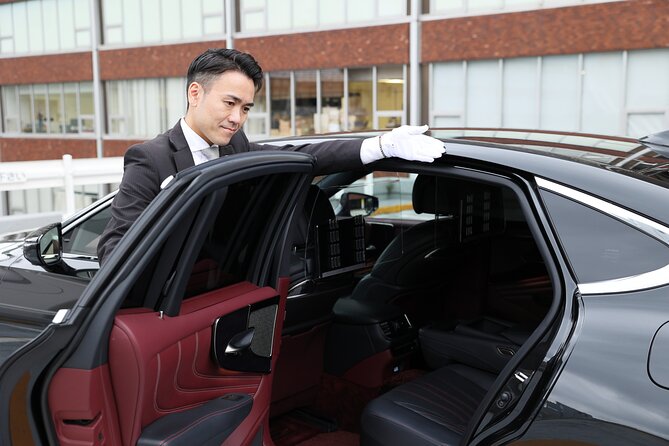
Tokyo in one day, minus the stress. This private 8-hour tour strings together major neighborhoods and classic sights, with hotel pickup and an air-conditioned ride that keeps things moving. I also like the chance to set the pace with your guide, with onboard Wi-Fi so you can check maps, share photos, and stay connected.
The one thing to plan around is meals. Lunch and dinner are not included, so you will need to handle food breaks yourself during the day, especially if you are tempted by market snacks.
In This Review
- Key things that make this private Tokyo tour work
- Tokyo in 8 hours, how this route actually saves you time
- Price and value: what $743.26 per group really means
- Hotel pickup and onboard Wi-Fi: the comfort you feel immediately
- Tsukiji Jogai Market: the outer market that still has plenty of character
- Drawback to consider
- Hama Rikyu Gardens: a calm break with a ticket you may pay for
- Practical tip
- Ginza in one hour: shopping street, architecture, and craft shops
- Consideration
- Imperial Palace grounds and the National Diet building: history with a photo mission
- Drawback to consider
- Akihabara: anime culture and electronics, built into the route
- Consideration
- Senso-ji Temple and Asakusa: one hour to feel old Tokyo
- Drawback to consider
- Omotesando and Harajuku: fashion architecture and youth culture in two short punches
- Omotesando (about 30 minutes)
- Harajuku (about 30 minutes)
- Consideration
- Meiji Jingu Shrine: the mental reset stop
- Practical tip
- Shibuya Crossing and Daikanyama: the end of day, with two different vibes
- Consideration
- How your private guide can make or break the day
- What you should do to get the most out of your day
- What you need to budget beyond the tour
- Who this Tokyo private tour suits best
- Should you book this Tokyo private tour?
- FAQ
- How long is the Tokyo private tour?
- How many people can be in one group?
- Is hotel pickup included?
- What’s included in the tour besides transport and guiding?
- Are meals included?
- Can I cancel for a full refund?
- Is the Hama Rikyu Gardens admission ticket included?
Key things that make this private Tokyo tour work
- Hotel pickup plus a private AC vehicle to save you from Tokyo logistics and hot footwork
- Onboard Wi-Fi so your phone stays useful all day
- A smart mix of old and new Tokyo, from Tsukiji and Senso-ji to Harajuku and Shibuya
- Free admission at most stops, with Hama Rikyu gardens being the main paid add-on
- Snacks and bottled water built into the experience, not an afterthought
- Guides who adjust in real time, with families in past groups praising communication and flexibility
Still weighing up options in Tokyo? These are the ones our reviewers rated highest.
- Mt Fuji and Hakone 1-Day Bus Tour Return by Bullet Train
★ 5.0 · 26,383 reviews - 1-Day Tokyo Bus Tour
★ 5.0 · 14,250 reviews - Tokyo: teamLab Planets TOKYO Digital Art Museum Entry Ticket
★ 4.6 · 9,779 reviews - Mt Fuji & Hakone Cruise, Drum Show Bullet Train 1 Day from Tokyo
★ 4.0 · 7,413 reviews
Tokyo in 8 hours, how this route actually saves you time
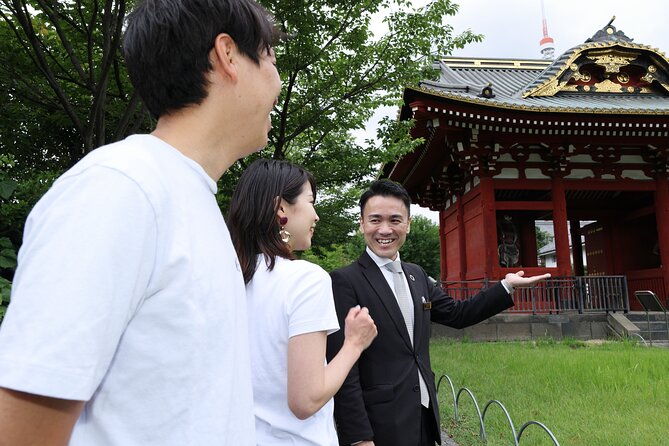
Tokyo is a city of great distances. Even when you know the “must-sees,” getting between them can turn into a full-time job. This is why I like this format: you get a private car and a guide to handle the connections while you focus on seeing, asking questions, and enjoying the day.
The tour’s pacing is designed around neighborhoods that are in different “moods.” You start around Tsukiji and central Tokyo, then move through iconic shopping and temple areas, and end in the modern, loud zone around Shibuya and nearby Daikanyama. For first-timers, it is a fast way to get your bearings without spending your entire vacation plotting train transfers.
The other big win is the private nature. This is not you squeezing into a big group headset and reacting from the back of a crowd. It is your time, your questions, your pace, and a guide who can shift plans when your group wants more photos, shorter stops, or an extra moment to look around.
Price and value: what $743.26 per group really means
The price is $743.26 per group for up to 9 people. That matters, because Tokyo sightseeing costs add up fast when you start buying separate tickets, taxis, and “one-at-a-time” private services.
To think about value, do this quick math in your head:
- If you fill the full group of 9, it comes out to about $83 per person for an entire day of private transport plus guided stops.
- If you have fewer people, the per-person cost rises. Still, it can compete with a stack of individual private transfers, especially in summer when comfort and timing really matter.
Where the value lands best is with groups who want variety in one day, like families, small friend groups, or couples who cannot spare time for multiple half-days.
Hotel pickup and onboard Wi-Fi: the comfort you feel immediately
This tour includes hotel pickup and a private, air-conditioned vehicle. That sounds simple, but it is a big deal in Tokyo. When it is hot, rainy, or just crowded, stepping out of a clean car at each stop feels like a cheat code.
Add in the practical extras:
- Bottled water
- Snacks
- Wi-Fi on board
Wi-Fi is not a “nice-to-have” if you are navigating multiple neighborhoods. You can look up opening hours, translate a sign, or plan the next photo angle without burning data. And yes, you will likely use it, because you will be going from market street to shrine grounds to shopping boulevards in a single day.
Past groups also emphasized comfort. In one family experience, the driver Soya even brought a wheelchair for a senior traveler. That is not something I would assume for every booking, but it shows the guides can think about your group’s needs. If mobility is a concern, message your operator in advance.
- Mt Fuji and Hakone 1-Day Bus Tour Return by Bullet Train★ 5.0 · 26,383 reviews
- 1-Day Tokyo Bus Tour★ 5.0 · 14,250 reviews
- Tokyo: teamLab Planets TOKYO Digital Art Museum Entry Ticket★ 4.6 · 9,779 reviews
- Mt Fuji & Hakone Cruise, Drum Show Bullet Train 1 Day from Tokyo★ 4.0 · 7,413 reviews
- Tokyo: Shinjuku Food Tour (13 Dishes at 4 Local Eateries)★ 5.0 · 6,603 reviews
Tsukiji Jogai Market: the outer market that still has plenty of character
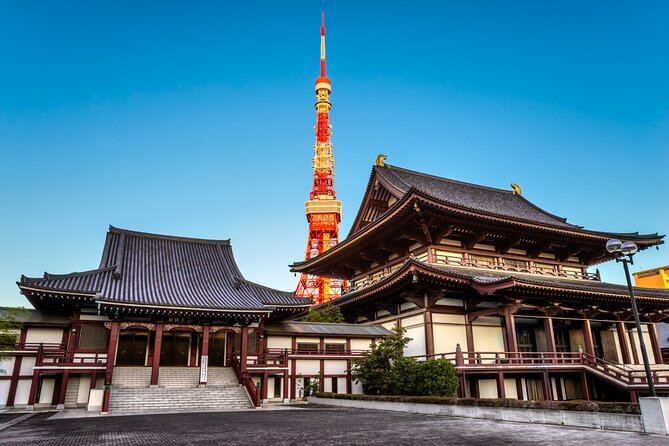
You start at Tsukiji Jogai Market for about 40 minutes. The big Tsukiji Market moved to Toyosu in 2018, but the outer market remains, with shops and restaurants that sell food items and small goods. In practice, this is the part of Tsukiji that feels easier to enjoy, because you are not stuck in the ultra-early auction vibe.
What you will likely do in your time there:
- Walk the stalls and food streets
- Peek into small specialty shops
- Grab quick bites if something looks good
Admit it, market time is always dangerous. One snack turns into three. The good news: lunch is not included, so market snacks can help you bridge the gap until later meals. If you are not a big eater, you can still enjoy the atmosphere and browse quietly.
Drawback to consider
Forty minutes is fun, but it is not long. If your goal is heavy shopping or a full sit-down meal, treat this as a taste and a browsing start.
Hama Rikyu Gardens: a calm break with a ticket you may pay for
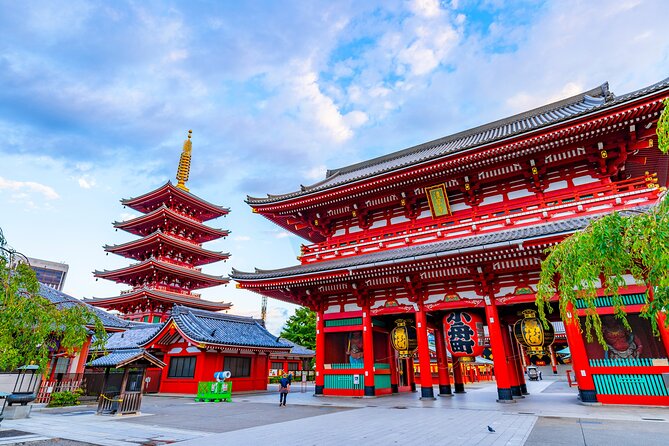
Next up is Hama Rikyu Gardens for about 40 minutes. This is not a random garden stop. Historically, the place served as a feudal lord’s Tokyo residence and even as duck hunting grounds between the 17th and 19th centuries. Now it is a peaceful pause inside a very modern city.
Why I think this stop works on a Tokyo “high-speed” day:
- It breaks up the shopping and street energy.
- You get a different kind of Tokyo experience, quieter and slower.
- It helps your body reset before more walking.
Admission ticket is not included here. So if you want to enter, budget for that additional cost.
Practical tip
Go ready for light walking. Gardens are pleasant, but they still involve paths and shaded areas, and you will be doing this after earlier stops.
Ginza in one hour: shopping street, architecture, and craft shops

You then head to Ginza for about 1 hour, and this is an easy stop to enjoy even if you are not shopping. Ginza is known for:
- Eclectic boutiques and galleries
- Japanese traditional crafts
- Strong restaurant options
- Cutting-edge architecture
If your group likes design, Ginza is one of the easiest places to admire without needing a plan. If your group prefers photography, it is also rewarding because buildings and streets offer lots of clean angles.
Consideration
Ginza can tempt you into “just one more store.” With an 8-hour schedule, you will need to keep an eye on the clock, or ask your guide to focus your hour on browsing rather than buying.
Imperial Palace grounds and the National Diet building: history with a photo mission
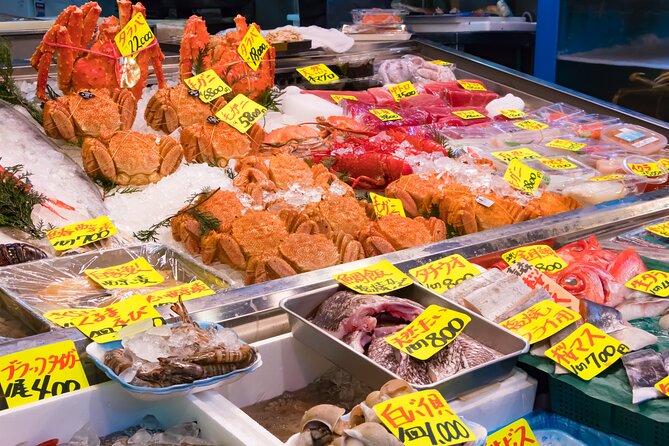
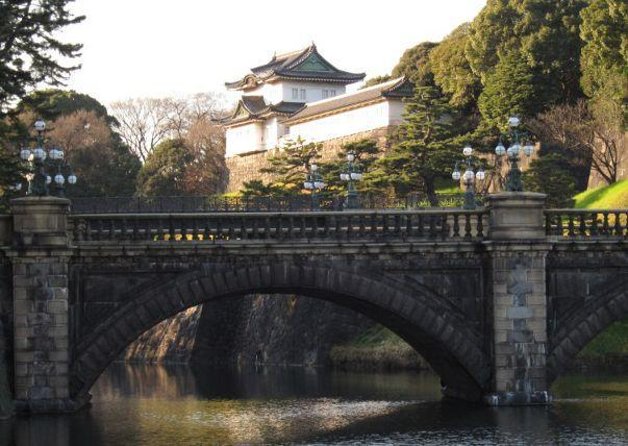
After Ginza, the tour includes the Imperial Palace area (about 30 minutes) plus a stop at the National Diet (Parliament) building. The Imperial Palace used to be tied to the Tokugawa shogun family from 1603 to 1868, and then it became the Imperial Palace when power returned to Emperor Meiji.
The National Diet building is noted for surviving the air raids of 1945, and it was built in 1936. Even when you are not a “government buildings” person, this stop gives you a real sense of modern Japan’s political center.
Most of this is about orientation:
- Where key institutions sit
- What the architecture looks like
- How the city’s power and tradition intersect
Drawback to consider
These are short stops. If you want deeper museum time, you will need to add it separately.
Akihabara: anime culture and electronics, built into the route
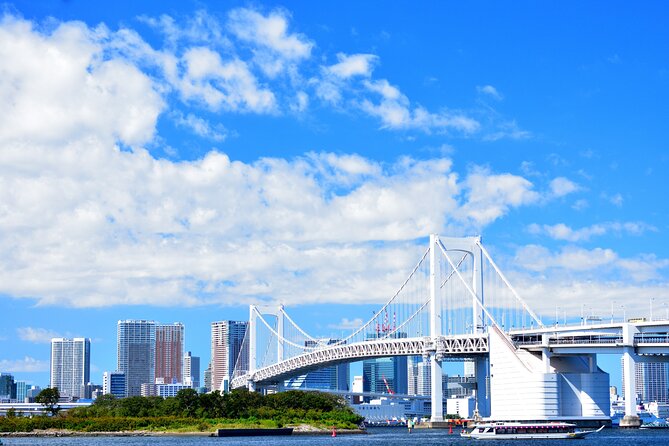
Akihabara is next for about 1 hour. This is the Tokyo pocket for gaming and anime culture plus hundreds of electronics shops, from tiny stalls for specific components to large retailers.
Even if you are not into anime, Akihabara is still fun because:
- The street signage and storefronts are colorful and loud in a very Japanese way
- You can peek at tech gadgets and unusual specialty items
- It is a shopping district that feels different from Ginza
Past groups connected to the tour vibe by getting help finding good places to eat and exploring what fits their interests. In other words, your guide can steer you toward the kind of Akihabara you care about: gaming gear, pop culture shops, or electronics browsing.
Consideration
If your group hates crowds or loud retail, tell your guide early. They can often choose a quieter route through the area within the time.
Senso-ji Temple and Asakusa: one hour to feel old Tokyo
You get Senso-ji Temple for about 1 hour. Senso-ji is the oldest temple in Tokyo. The history details you might hear on the walk are part of what makes this stop memorable. The name Asakusa appears in Japan’s records in 628, when two fishermen found a Kannon statue in Asakusa.
This is the part of Tokyo where you will notice “people energy.” It is also where the scent of snacks and the sound of temple bells create that classic postcard feel.
Drawback to consider
This stop is popular. You will want to plan for crowds, and you will want comfortable shoes. One hour goes fast when you are mixing temple views with walking and shopping nearby.
Omotesando and Harajuku: fashion architecture and youth culture in two short punches
After Asakusa, the day shifts into fashion streets.
Omotesando (about 30 minutes)
Omotesando is known for buildings designed by leading architects and for fashion brands. Even a short visit can be visually satisfying. This is where you go to look up and notice the shapes.
Harajuku (about 30 minutes)
Harajuku gives you insight into youth culture, with unique fashion trends and outrageous designs in both clothing and buildings. It is a people-watching dream.
I like that the tour gives you both, because they do different jobs:
- Omotesando feels designed and polished.
- Harajuku feels spontaneous and expressive.
Consideration
These are short stops. If you want a deep look at specific stores or a longer photo session, you will need to reduce other stops or add time later in your Tokyo stay.
Meiji Jingu Shrine: the mental reset stop
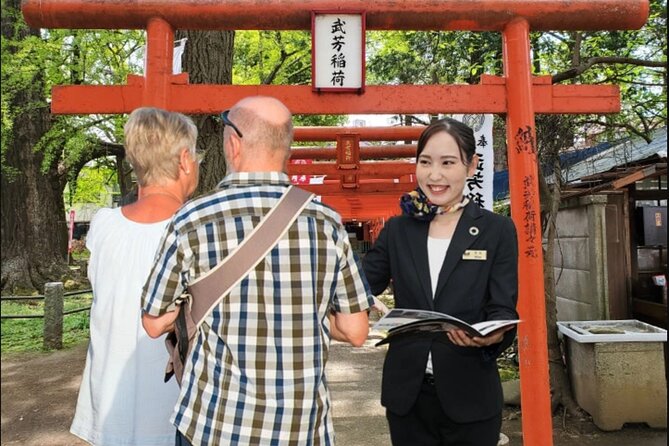
Then comes Meiji Jingu Shrine for about 30 minutes. The tour description calls it a pleasant break from busy streets, and that matches the reality of the grounds. This is a chance to slow down and step into a calmer atmosphere.
One seasonal detail you might catch: you might be able to see a traditional Japanese wedding ceremony on Saturdays and Sundays, depending on timing.
This stop works especially well after Harajuku. You go from street fashion energy to a quieter shrine walk, and it gives your day a natural rhythm.
Practical tip
Bring a little patience. Even when you are on a schedule, shrine grounds often encourage a slower pace, and that is part of the point.
Shibuya Crossing and Daikanyama: the end of day, with two different vibes
Next you hit Shibuya Crossing for about 15 minutes. It is described as the busiest intersection in the world, and the effect is real. The street choreography is wild, and the scale makes other intersections feel sleepy.
Fifteen minutes is short, but it is enough to:
- Cross once
- Take a few “I was there” photos
- Get back into a calmer street for the next neighborhood
Finally, you go to Daikanyama for about 30 minutes. This area and its nearby vibe are known for boutiques and cafes, and the atmosphere is less hectic than the more famous shopping zones. It is a smart finish because it lets you end the day on something gentler and more “slow stroll” than hype.
Consideration
If you are hoping for long sit-down cafe time, this is not that type of stop. You will be walking through the area and soaking up the vibe rather than spending the afternoon relaxing.
How your private guide can make or break the day
The route is strong on paper. The reason people rate this type of tour highly is the guide.
In real past experiences linked to this tour, different guides stood out for:
- Clear English communication, including help understanding what you are seeing
- Flexibility, like adding stops when someone requests an interest
- Food guidance, including finding well-priced meals that fit different tastes
- Tailoring on the fly, not forcing a rigid script
You might meet guides like Riley, Richie, Tomo, Danish, Udi, Ryu, Gen, Aimi, Moe, Leonardo, or Tomoya, and the common thread is that they adjust to the group. One family scenario even mentioned safe driving during hot weather, and that AC comfort helped everyone stay focused.
What you should do to get the most out of your day
Before you start, send your guide the short version of what matters most:
- Must-see areas
- Shopping or food priorities
- Any mobility limits
- Your preferred pace (fast photos or slow wandering)
That way the guide can protect your time, rather than spending it rerouting because your group’s needs were not clear at the start.
What you need to budget beyond the tour
From the tour data, here is what you should expect not to include:
- Lunch
- Dinner
- Hama Rikyu Gardens admission ticket (ticket not included)
So think of the day as guided sightseeing plus transport and comfort, with food handled by you. The included snacks and bottled water help you avoid getting stuck hungry between stops, but they are not a substitute for a real meal if you are taking your time.
If you want the day to feel easy, plan your meal strategy in advance. For example, eat something light around Tsukiji and then target a proper meal later as the schedule slows. Or choose a sit-down lunch in Ginza and treat the later stops as snack-and-walk territory.
Who this Tokyo private tour suits best
This is ideal if:
- You want a first-timer introduction to Tokyo’s key neighborhoods in one day
- You prefer private guiding over large group tours
- You value comfort, especially with an AC vehicle and hotel pickup
- You like a mix of shopping areas, temples, and modern city sights
It might not be ideal if:
- You want deep time inside museums or complex sites
- You are comfortable running the city yourself by train and prefer DIY pacing
- Your group only wants one theme, like strict food or strict anime
Should you book this Tokyo private tour?
If you want a one-day snapshot of Tokyo that actually fits into a schedule, I would lean yes. The combination of hotel pickup, Wi-Fi, private transport, and a route that mixes classic and modern neighborhoods is exactly what saves time for people who do not want to map the city for hours.
Book it if your goal is getting your bearings fast and leaving with a clear sense of where you want to go next. Skip it only if your group needs long, slow, museum-style immersion, because the day is built for highlights and movement.
If you do book, pack comfortable shoes, decide how you want to handle meals, and message your guide with your priorities early. That small effort turns this from a sightseeing loop into your own Tokyo day.
FAQ
How long is the Tokyo private tour?
It runs for about 8 hours.
How many people can be in one group?
The tour price is per group, and the group size can be up to 9.
Is hotel pickup included?
Yes. Hotel pickup is offered, and you travel in a private, air-conditioned vehicle.
What’s included in the tour besides transport and guiding?
You get bottled water, snacks, Wi-Fi on board, and private transportation.
Are meals included?
No. Lunch and dinner are not included.
Can I cancel for a full refund?
Yes, with free cancellation. You can cancel up to 24 hours in advance for a full refund.
Is the Hama Rikyu Gardens admission ticket included?
No. Hama Rikyu Gardens admission is not included, while many other listed stops are noted as free.
Newest Tokyo write-ups from the Loving Japan desk
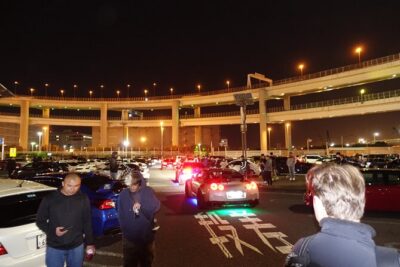
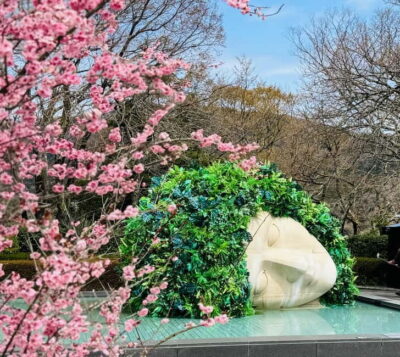
Private, side by side.
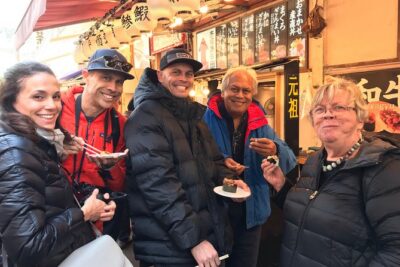 ★ 5.0Tokyo 6hr Private Tour with Government-Licensed GuideFrom $1553,902 reviews
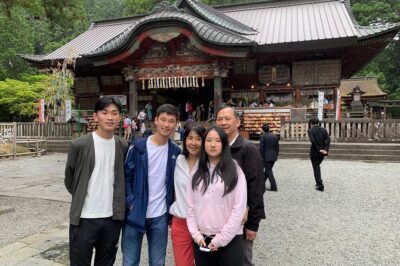 ★ 5.0Private Tour to Mt. Fuji and Hakone (Fully Licenced Operator)From $4971,910 reviews
 ★ 4.9Mount Fuji Full-Day Private Tour from Tokyo (Customizable)From $3931,470 reviews
 ★ 4.8Private City Highlights Tour with Local GuideFrom $1061,433 reviews
 ★ 5.0Private Custom Tour: Tokyo in a DayFrom $1591,432 reviews
 ★ 5.0Kyoto 6hr Private Tour with Government-Licensed GuideFrom $1551,369 reviews
 ★ 5.0Tokyo Customized Private Tour: See Top Attractions in 1 DayFrom $1451,351 reviews
 ★ 4.9Hotspots & Hidden Gems Walking Tour Private or GroupFrom $331,300 reviews