
REVIEW · PRIVATE
Tokyo, Shaped Around You: A Private Experience with a Local
Tokyo feels friendlier with a local plan. This private experience is built around your interests, so the route can flex hour by hour, and you get real neighborhood context instead of a generic checklist. I also love that the guide meetings are personal and practical, like help with train navigation and pacing, even when plans change. One tradeoff: it is a walking tour, and you will likely use public transit between areas.
The setup is designed to reduce stress. You fill out a short pre-tour questionnaire, then you message your host directly, and the guide maps a route that fits your must-sees and energy level. Start times are flexible, and if your accommodation is central, your host may meet you there. You are also using a mobile ticket, which keeps the start simple.
In practice, that means you can get a smart mix of Tokyo icons and quieter corners. Guides with styles like Shoko, Chiara, Tomo, Amir, Lauren, Hiroko, and Apy are known for adapting the day, from big sights like Shibuya Crossing and Sensō-ji to slower neighborhoods like Yanaka. Your route could also branch into shop-focused areas such as Kappabashi Street, or viewpoints around Tokyo Skytree, plus the ever-changing moods of Ginza and Shinjuku.
In This Review
- Key things to look forward to
- Why this private Tokyo walk feels like a local plan
- Price and value: what $107.62 per person really buys
- Start at NewDays Harajuku, then plan around your feet
- Shibuya Crossing and the streets around it
- Harajuku, Takeshita Street, and a quiet contrast at Meiji Shrine
- Kappabashi Street for chef tools, or the Skytree area for views and shopping
- Asakusa and Sensō-ji backstreets where the day slows down
- Yanaka’s old-town mood with small cafés and quiet temples
- Ginza: polished shopping with traditional specialty shops in the mix
- Shinjuku: skyscrapers, observation options, and old alley Tokyo
- Food, drinks, and shop stops: how you make it yours
- How guides tailor the day before you even meet
- Walking and transfers: what to expect on the ground
- Who should book this Tokyo private experience
- Should you book it or keep shopping tours?
- FAQ
- How long is the Tokyo private experience?
- Is this a private tour or will I join a group?
- What is included in the price?
- Are food, drinks, or entry fees included?
- Will I be using public transportation during the tour?
- Can I get a full refund if I cancel?
Key things to look forward to
- A questionnaire-first itinerary that’s shaped around what you actually want to do
- Real flexibility on the route, with pacing adjusted as you go
- Neighborhood variety in one day, from Shibuya and Harajuku to Asakusa and Yanaka
- Practical transit help, including guidance for train navigation
- Shopping and food choices on the day, not a fixed script
- A true private format, your group only, with direct communication before you meet
Still weighing up options in Tokyo? These are the ones our reviewers rated highest.
- Mt Fuji and Hakone 1-Day Bus Tour Return by Bullet Train
★ 5.0 · 26,383 reviews - 1-Day Tokyo Bus Tour
★ 5.0 · 14,250 reviews - Tokyo: teamLab Planets TOKYO Digital Art Museum Entry Ticket
★ 4.6 · 9,779 reviews - Mt Fuji & Hakone Cruise, Drum Show Bullet Train 1 Day from Tokyo
★ 4.0 · 7,413 reviews
Why this private Tokyo walk feels like a local plan
Tokyo is big, and “seeing everything” usually turns into rushing and guessing. This experience is built to stop that. You are not handed a one-size route and told to keep up. Instead, you pick priorities through the pre-tour questionnaire, then your guide adjusts the day live based on your pace and preferences.
That matters because Tokyo is not just famous spots. It is the tiny connections between them: the backstreets that explain how people actually live, the shop clusters that tell you what locals care about, and the small cultural context that makes a temple, market, or neighborhood feel understandable instead of random.
I also like the private structure. Even in a city where crowds are normal, you get focused attention. If you want more time at one area, you can usually slow down. Guides described in past experiences, like Chiara and Tomo, are especially noted for being patient and flexible, including accommodating comfort needs and making room for changes mid-day.
Price and value: what $107.62 per person really buys
At $107.62 per person for about 2 to 5 hours, this is not a “budget attraction” style tour. What you are paying for is time savings and decision-making help.
A few value drivers stand out:
- You get a private local host instead of a crowded group with the same stops for everyone.
- Your plan is tailored before you meet through direct communication and a questionnaire.
- The route is adjusted in real time, so you are less likely to waste time backtracking or chasing the wrong priority.
- You get guidance through neighborhoods that are fun to wander but tricky to interpret alone.
And since food and entry fees are not included, you control spending based on what you want. That keeps the overall day flexible. You can choose a more affordable market-style lunch or add shopping and specific stops if that’s your thing.
Start at NewDays Harajuku, then plan around your feet
The meeting point is NewDays 原宿 Japan near the Omotesando Exit. The tour ends back at the meeting point. That means you can treat this like an anchored half-day or flexible start point for the rest of your Tokyo plans.
This is a walking experience. A private vehicle is not included, and you may use public transportation or local taxis to transfer between sites. Exact transfer costs can be discussed with your host after booking is finalized. For you, the key point is simple: you will do best if you pack for walking and expect some moving between neighborhoods.
Pickup is possible if your accommodation is central, so you may not need to get to Harajuku on your own. If you are staying far out, ask early how that will work with your guide, since the day still runs on foot plus possible transit.
- Mt Fuji and Hakone 1-Day Bus Tour Return by Bullet Train★ 5.0 · 26,383 reviews
- 1-Day Tokyo Bus Tour★ 5.0 · 14,250 reviews
- Tokyo: teamLab Planets TOKYO Digital Art Museum Entry Ticket★ 4.6 · 9,779 reviews
- Mt Fuji & Hakone Cruise, Drum Show Bullet Train 1 Day from Tokyo★ 4.0 · 7,413 reviews
- Tokyo: Shinjuku Food Tour (13 Dishes at 4 Local Eateries)★ 5.0 · 6,603 reviews
Shibuya Crossing and the streets around it
Shibuya is usually where first-time Tokyo expectations get confirmed. Shibuya Crossing is the big, world-famous moment. But the real value here is not just crossing the intersection once. It is using a local host to help you move through the area with intention.
Your guide can shape this stop depending on what you care about:
- If you like energy and people-watching, you can spend more time around the crossing and nearby neon streets.
- If you want shopping and street-level culture, your host can steer you through lively commercial streets rather than just standing in a tourist bottleneck.
Drawback to keep in mind: Shibuya can be intense. If you prefer calmer settings, you may want your guide to balance the crossing with quieter side streets or later timing choices. Since the itinerary is flexible, you have a better chance of matching the pace to you.
Harajuku, Takeshita Street, and a quiet contrast at Meiji Shrine
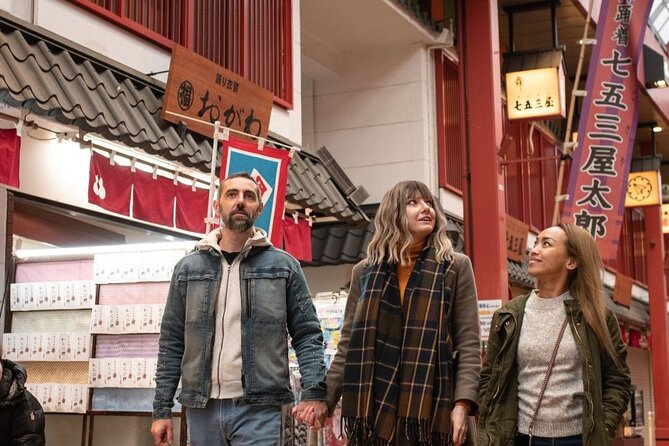
Harajuku is the perfect chapter break in a Tokyo day. On one side you have pop culture and fashion energy, including Takeshita Street. On the other side, you can shift to the wooded, calmer paths around Meiji Shrine.
That contrast is what makes this stop work so well in a tailored itinerary. If you love fashion and street style, you can lean into the Harajuku buzz. If you want something less loud, your guide can use the Meiji Shrine area as a reset.
From past experiences with guides like Noah and Lauren, the pacing style tends to matter. You are likely to get explanations that connect what you’re seeing to the neighborhood vibe, instead of just being dropped at the busiest corner and left to figure it out.
Kappabashi Street for chef tools, or the Skytree area for views and shopping
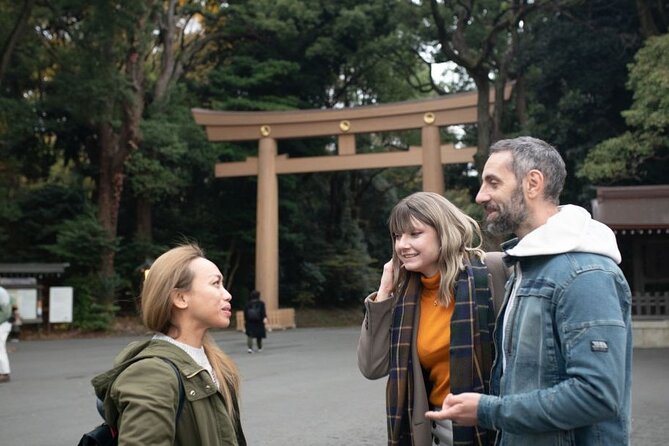
This tour includes a choice point depending on your preferences. You can head to Kappabashi Street, the chef-supply zone where you’ll find handcrafted knives, ceramics, and Japan’s famous plastic food models. That kind of detail is fun even if you do not cook, because it tells you how seriously people take food representation and everyday kitchen culture.
Alternatively, you might spend time in the Tokyo Skytree surrounding district, known for views and the surrounding area’s shopping atmosphere.
Which option is a better fit for you?
- Pick Kappabashi if you want craft-focused browsing, food culture, and gift shopping that feels specific to Japan.
- Pick Skytree if you want a bigger “Tokyo from above” feel and a more modern shopping district vibe.
Potential drawback: if you plan to shop heavily, remember this is still a walking schedule. You may want to set a spending and carrying plan, so you do not end the day dragging bags.
Asakusa and Sensō-ji backstreets where the day slows down
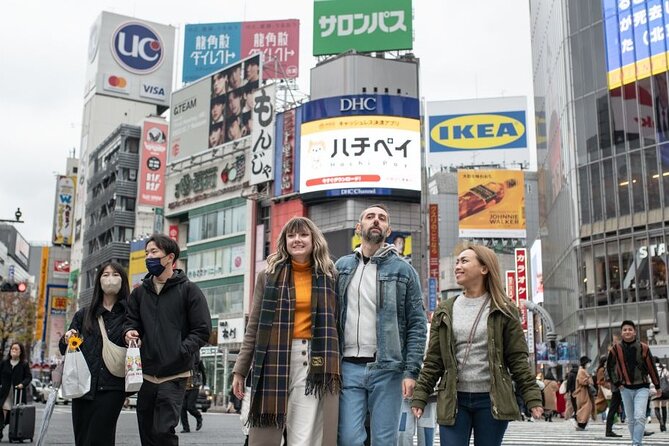
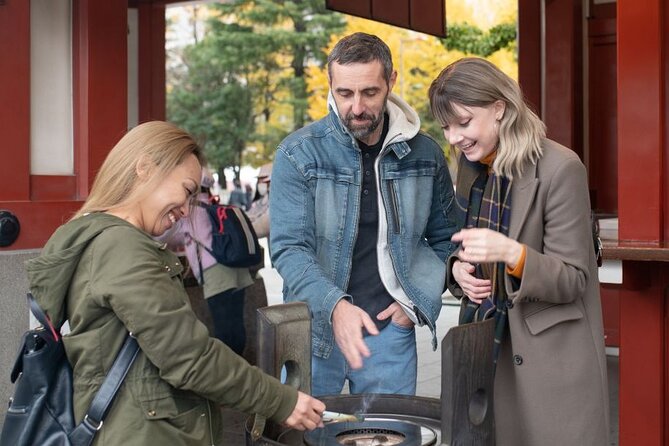
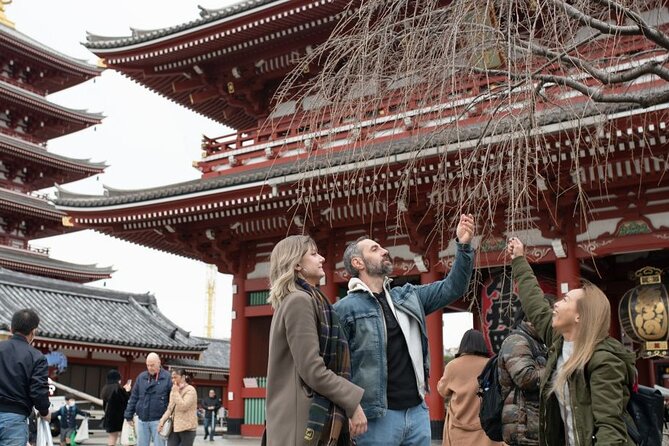
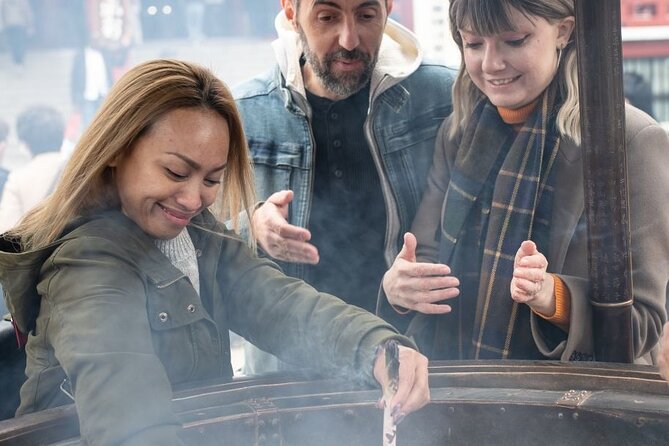
Asakusa is one of Tokyo’s most atmospheric districts. The highlight here is Sensō-ji Temple, but what makes the stop work on a guided walk is how you get to experience the surrounding historic backstreets, lined with traditional shop streets and older-feeling lanes.
This is a great area if you want:
- A strong “Tokyo feels traditional” contrast from Shibuya and Harajuku
- A slower pace for photos and walking
- Cultural context from a guide who can explain what you’re looking at while you move
Possible consideration: Asakusa can mean crowds during peak times. If you’re sensitive to crowd density, ask your guide to prioritize the backstreets and calmer moments rather than spending all your time at the most famous pinch points.
Yanaka’s old-town mood with small cafés and quiet temples
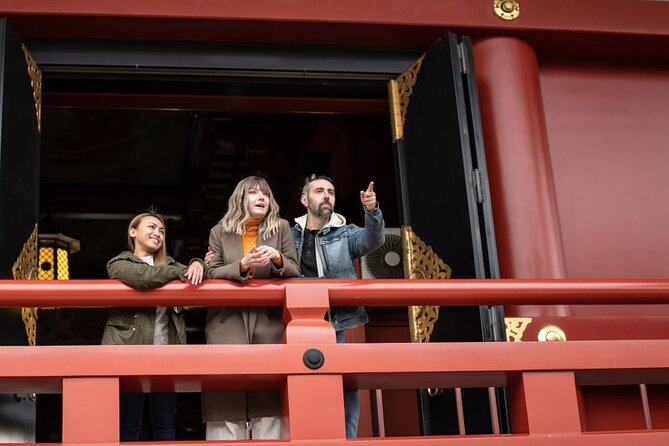
Yanaka is where Tokyo gets softer. This area is known for traditional wooden houses, quiet temples, and small family-run cafés. In a tailored itinerary, Yanaka is a smart counterweight to the louder districts.
I like Yanaka because it feels less like a “spot” and more like a living neighborhood. That makes it ideal for a mid-to-late day stop when you want less adrenaline and more wandering.
If you are the kind of traveler who likes to watch how people move through their daily environment, Yanaka fits your style. The main drawback is that it can feel like you are “just strolling,” so it helps to lean into the guide’s context, asking what to notice and what the area is known for.
Ginza: polished shopping with traditional specialty shops in the mix
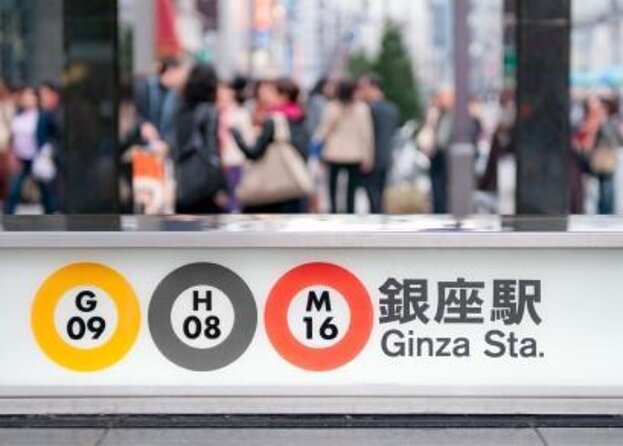
Ginza is elegant, and it has a modern luxury side. But the tour framing includes more than store windows. Your guide can point out how Ginza blends department stores and luxury boutiques with traditional specialty shops.
This is useful if you want a Tokyo day that changes pace and mood without leaving the city center. Ginza works well if you like:
- High-end shopping atmosphere without needing to buy everything
- A neighborhood that looks polished, with older trade patterns still visible
Possible consideration: if your budget is tight, Ginza can feel like window-shopping country. That is not a problem, but it can change how satisfying the stop feels. If you want value here, ask your guide to focus on specialty shop browsing rather than only flagship storefronts.
Shinjuku: skyscrapers, observation options, and old alley Tokyo
Shinjuku is a split personality. The area shifts from sleek skyscrapers to historic alleyways quickly. That makes it ideal for a tailored tour, because your guide can choose the version of Shinjuku that matches your mood.
Depending on what you want, your host can guide you toward:
- Panoramic observation decks (for the big-city view)
- Nostalgic izakayas (for the after-dark style)
- Hidden alleyways and older Tokyo pockets
From guide-focused feedback styles shared in past experiences, the best Shinjuku days tend to be when you pick one “anchor” plan, like an observation stop, and then use the alleyways as the supporting act. If you try to do every Shinjuku option, you can end up walking more than you want for the amount of time you have.
Food, drinks, and shop stops: how you make it yours
Food and drinks are not included. Entry fees are also not included. Instead, you choose together on the day if you want to add anything. That setup is practical because it stops you from feeling forced into expensive meals or paying for entrances that do not match your interests.
This tour design also makes it easier to handle real-world needs. In past experiences with guides like Hiroko and Apy, hosts have helped with ordering and handled specific dietary concerns, including providing materials in Japanese for allergy communication. While your guide may handle things differently, the underlying benefit is that the plan is responsive and you are not stuck with a rigid menu.
If you care about shopping, you’ll likely enjoy the shop-focused stops like Kappabashi. If you care about food, prioritize the areas that naturally pair with eating on the day. Your host can suggest where to go based on what you want, rather than making you eat what the group schedule dictates.
How guides tailor the day before you even meet
The pre-tour questionnaire is not just a formality. It is your first chance to tell the guide what you care about: history, neighborhoods, food, hidden lanes, markets, or just getting your bearings fast.
After booking, your host reaches out directly to craft your itinerary. This is where communication earns its keep. Past experiences have praised hosts like Shoko and Tomo for being highly communicative before the tour, and guides like Lauren for helping you navigate the metro network so you can actually feel confident moving around.
That kind of prep matters because Tokyo is not intuitive for most first-time visitors. Having your guide help you plan the flow of the day usually makes the walking feel purposeful, not random.
Walking and transfers: what to expect on the ground
Since there is no private vehicle included, the tour is built around walking and, at times, transit between areas. That can be a plus, because Tokyo neighborhoods are best experienced at street level. You can look up, stop in shop windows, and drift down side streets.
But you should go in with realistic expectations:
- You will likely cover a good amount of walking within a few hours.
- You might take trains or taxi transfers between distant stops, and you may pay those transfer costs yourself.
- The best results come when you wear comfortable shoes and keep your energy goals in mind.
The experience is designed to adjust pacing on the go. Guides have handled comfort needs and made space for breaks when necessary, which is another reason the private format is valuable.
Who should book this Tokyo private experience
This works best if you want:
- A first-day or first-half-day guide to set you up for the rest of Tokyo
- A flexible route that mixes iconic spots with quieter neighborhoods
- A plan shaped to your interests, not a fixed script
- Practical city help, like train navigation and smarter routing between districts
It may not be the best fit if you want a car-based tour, a guaranteed fixed itinerary, or if you expect all food and entry fees to be included in the price.
If you are traveling with kids, this style can work well because the route can be tailored. Past experiences include family days where guides shaped the day around interests and kept the pacing manageable.
Should you book it or keep shopping tours?
Book this if you like the idea of tailoring, you want real neighborhood context, and you would rather walk with someone who can make Tokyo feel logical. At roughly $107.62 per person for 2 to 5 hours, the value comes from customization and the guide’s ability to manage your time, not from a long checklist of admissions.
Skip it if you want a vehicle-based day, you have little interest in walking, or you want a strict, pre-set itinerary with meals and tickets included. In those cases, you might be happier with a fixed sightseeing package.
FAQ
How long is the Tokyo private experience?
It runs for about 2 to 5 hours, depending on your route and pacing.
Is this a private tour or will I join a group?
It is a private experience. Only your group participates.
What is included in the price?
You get the private experience with a local host, a pre-experience questionnaire, direct communication with your host, flexible routing and pacing, and local insight and conversation tailored to you.
Are food, drinks, or entry fees included?
No. Food, drinks, and entry fees are not included. You can choose these together with your host on the day if you want.
Will I be using public transportation during the tour?
You will be walking, and public transportation or local taxis may be used to transfer between sites. Exact transfer costs can be discussed with your host after your reservation is finalized.
Can I get a full refund if I cancel?
Yes. You can cancel up to 24 hours in advance for a full refund.
Newest Tokyo write-ups from the Loving Japan desk
Private, side by side.
 ★ 5.0Tokyo 6hr Private Tour with Government-Licensed GuideFrom $1553,902 reviews
 ★ 5.0Private Tour to Mt. Fuji and Hakone (Fully Licenced Operator)From $4971,910 reviews
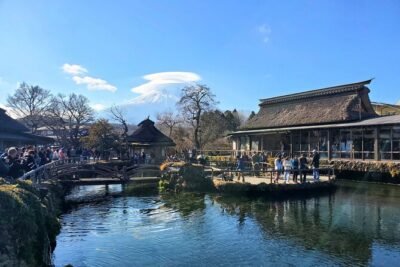 ★ 4.9Mount Fuji Full-Day Private Tour from Tokyo (Customizable)From $3931,470 reviews
 ★ 4.8Private City Highlights Tour with Local GuideFrom $1061,433 reviews
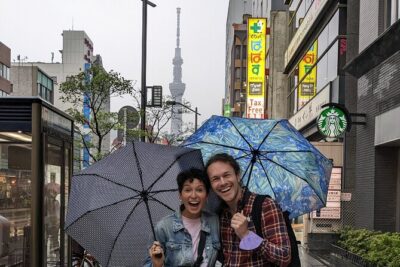 ★ 5.0Private Custom Tour: Tokyo in a DayFrom $1591,432 reviews
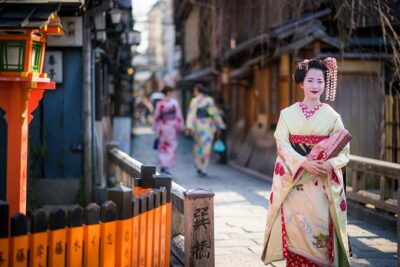 ★ 5.0Kyoto 6hr Private Tour with Government-Licensed GuideFrom $1551,369 reviews
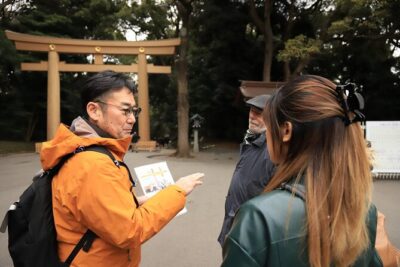 ★ 5.0Tokyo Customized Private Tour: See Top Attractions in 1 DayFrom $1451,351 reviews
 ★ 4.9Hotspots & Hidden Gems Walking Tour Private or GroupFrom $331,300 reviews