
REVIEW · TOURS
Tokyo: Spring Hitachi Seaside & Ashikaga Flower Park Tour
Blue flowers and giant wisteria, in one day. This spring-focused day trip links Hitachi Seaside Park and Ashikaga Flower Park with a guided bus ride, timed for the season’s best blooms. You get famous blue nemophila on Miharashi Hill, then you switch gears to Ashikaga’s cascading purple and white wisteria.
I love how the scenery is the whole point here: Hitachi’s Miharashi Hill panorama is the kind of view you remember when you get back home, and Ashikaga’s Great Wisteria plus the white wisteria tunnel feel like you stepped into a film set. One thing to consider is timing, since the park visits are set blocks of time, and if you want long hikes or extra wandering, you may wish for a little more at your favorite stop.
In This Review
- Key Highlights I’d Plan Around
- Tokyo Spring Flowers, Without the Planning Headache
- The Bus Ride: Comfort and Control for a Long Day
- Hitachi Seaside Park: Walking Miharashi Hill Under 5.3 Million Blue Blooms
- Miharashi Hill Photos: How to Get the View Without Feeling Rushed
- Mibu Michi no Eki: Local Snacks, Lunch Timing, and Character Spotting
- Ashikaga Flower Park: Great Wisteria and the White Wisteria Tunnel
- How the Guides Make a Difference on a Day Trip
- Timing, Crowds, and the Reality of Peak Season
- Price and Value: When $98 Makes Sense
- Who This Tour Is Best For
- Tips Before You Go (So the Day Feels Easy)
- Should You Book This Tokyo Spring Hitachi and Ashikaga Tour?
- FAQ
- How long is the tour?
- Where does the tour start and where do you get dropped off?
- How much time do we have at Hitachi Seaside Park and Ashikaga Flower Park?
- Are admission tickets included?
- Are meals included in the price?
- What languages are the guides?
- Can the tour accommodate a stroller or wheelchair?
- What if traffic or weather affects the schedule?
- Is there a cancellation policy and a pay later option?
Key Highlights I’d Plan Around
- 5.3 million blue nemophila on Miharashi Hill at Hitachi Seaside Park
- Great Wisteria and the 80-meter white wisteria tunnel at Ashikaga Flower Park
- A built-in break at Mibu Michi no Eki with photo time plus options for snacks and dessert
- English and Korean guidance, with groups looked after efficiently
- Seasonal pacing, meaning you’ll see the headline sights without spending the whole day on transport
Still weighing up options in Tokyo? These are the ones our reviewers rated highest.
- Mt Fuji and Hakone 1-Day Bus Tour Return by Bullet Train
★ 5.0 · 26,383 reviews - 1-Day Tokyo Bus Tour
★ 5.0 · 14,250 reviews - Tokyo: teamLab Planets TOKYO Digital Art Museum Entry Ticket
★ 4.6 · 9,779 reviews - Mt Fuji & Hakone Cruise, Drum Show Bullet Train 1 Day from Tokyo
★ 4.0 · 7,413 reviews
Tokyo Spring Flowers, Without the Planning Headache
This tour is built for one simple goal: get you out of Tokyo and into two of Kanto’s most photographed flower parks while you still have the energy to enjoy them. You start from central Tokyo areas and ride comfortably by bus, then follow a clean day flow that mixes set sightseeing time with some freedom to wander on your own.
If you care about spring color in Japan, this route is a strong value. With one scheduled day, you cover two major “check the box” gardens that are hard to string together smoothly without your own car or a lot of transfers. And because there’s a guide, you’re not stuck trying to decode how to get around once you’re there.
The Bus Ride: Comfort and Control for a Long Day
You’ll be on the coach for a significant chunk of the day, but the tradeoff is you avoid the stress of rail changes and route planning. The itinerary puts you in motion early enough to reach Hitachi and still enjoy the prime photo windows once you arrive.
Also keep in mind Japan’s practical rules. In compliance with Japanese law, the bus can’t operate for more than 10 hours, so your guide may adjust timing if needed. On top of that, traffic and weather can shift things. During busy seasons, drop-off may run late, so I’d plan your next activity in Tokyo for later in the evening, not right at the expected arrival time.
Hitachi Seaside Park: Walking Miharashi Hill Under 5.3 Million Blue Blooms
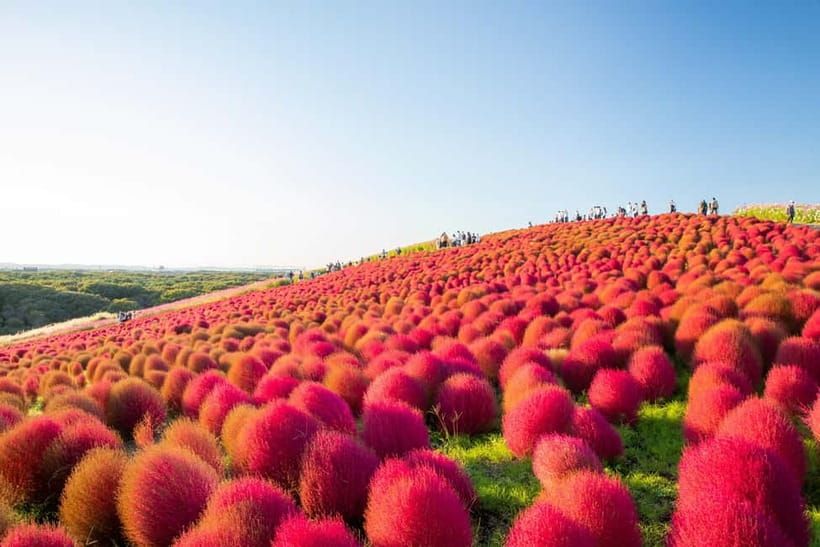
Hitachi Seaside Park is where the day grabs you by the shoulders. The headline is Miharashi Hill, which turns into a sea of blue during spring when about 5.3 million nemophila flowers bloom. The view is famous for a reason: the flowers mix with open sky and the distant ocean, so the colors feel almost impossible to measure with logic.
Your schedule gives you a full visit block, including photo time and free time, about 2 hours total at the park. That’s enough time to get your photos from a couple angles, pause for the big panorama, and still stroll at a comfortable pace. If you love walking, you’ll likely want to linger near the best slopes for the wide view, and that’s where time can feel tight. One review noted wanting more time to hike around, plus enjoying water features and paths in the park area.
What I like about Hitachi on a guided day trip is how the guide helps you prioritize. You’re not stuck figuring out where to go first, and you get clear direction so you can spend your energy looking, not hunting.
Practical tip: bring something for changing light and breeze. The ocean view can make conditions feel cooler than you expect, especially in the morning or late afternoon.
- Mt Fuji and Hakone 1-Day Bus Tour Return by Bullet Train★ 5.0 · 26,383 reviews
- 1-Day Tokyo Bus Tour★ 5.0 · 14,250 reviews
- Tokyo: teamLab Planets TOKYO Digital Art Museum Entry Ticket★ 4.6 · 9,779 reviews
- Mt Fuji & Hakone Cruise, Drum Show Bullet Train 1 Day from Tokyo★ 4.0 · 7,413 reviews
- Tokyo Mt Fuji 5th St & Hakone Cruise Bus Tour w/Bullet Train★ 4.4 · 5,024 reviews
Miharashi Hill Photos: How to Get the View Without Feeling Rushed
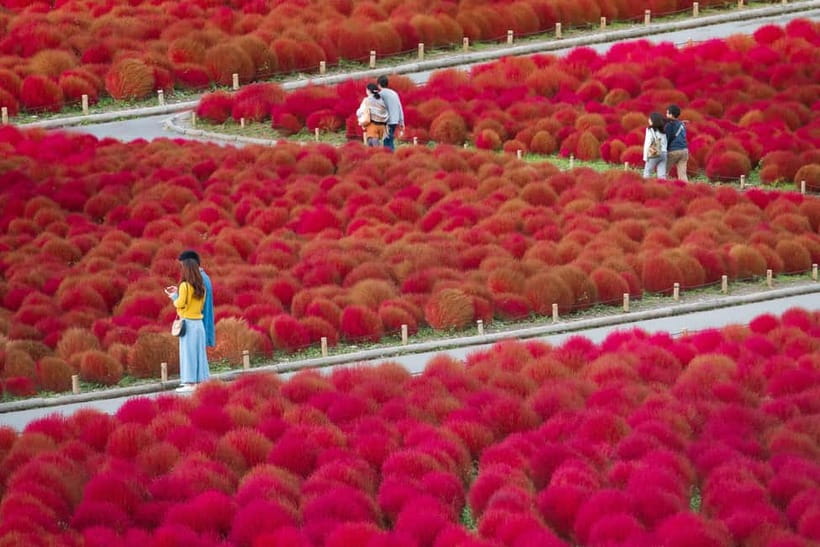
This is the kind of place where people line up and then realize they need a second take. You’ll want a plan before you step onto the slope.
I’d do this:
- Start with the wide panorama shots first, while you’re still full of momentum.
- Then move to lower or closer vantage points for texture, like how the nemophila mat looks at different distances.
- Save your last round for when the light shifts, since the blue can change dramatically depending on cloud cover.
Because the tour includes guided photo stops and then free time, you can follow the group at first and then slow down when you find your favorite angle.
Mibu Michi no Eki: Local Snacks, Lunch Timing, and Character Spotting
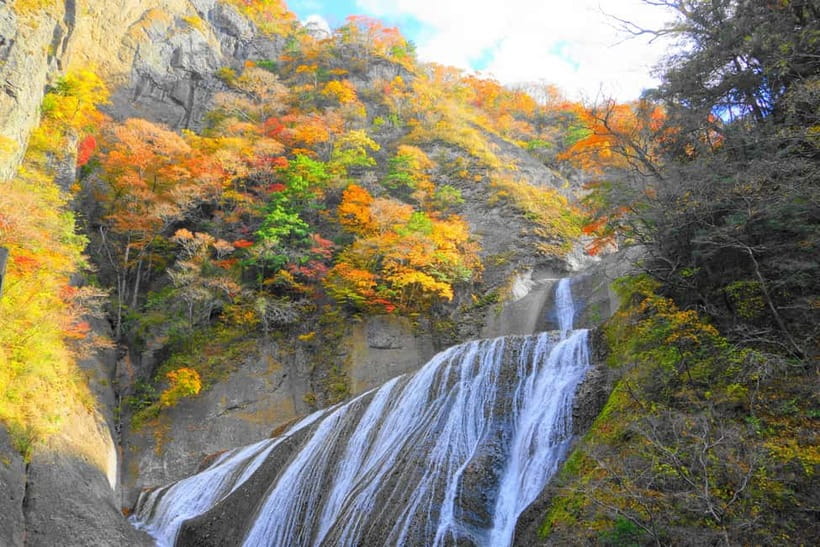
Between parks, you stop at Mibu Service Area / Road Station Mibu area (the tour calls it Mibu Michi no Eki). This is a smart break, not just a restroom stop. You get a photo stop, time to browse, and a chance to grab food and dessert options before the next leg.
One of the most specific things I took from the tour notes is that the area has lots of different dishes and dessert choices. There’s also a fun extra for Japan pop-culture fans, since you can meet famous Bandai characters here. Even if you’re not hunting character photos, places like this are where you can snack like a local instead of defaulting to whatever is easiest.
Be aware of meals coverage. The tour price includes admission tickets and transportation, but meals aren’t listed as included. So I treat the food stops as your opportunity to pay for what you actually want, whether that’s a full lunch or smaller bites plus something sweet.
The schedule around this break is short, about 40 minutes plus a lunch component later at a local restaurant. That means you should keep your shopping quick. If you want souvenirs, set a budget in your mind first so you don’t lose your place in line while browsing.
Ashikaga Flower Park: Great Wisteria and the White Wisteria Tunnel
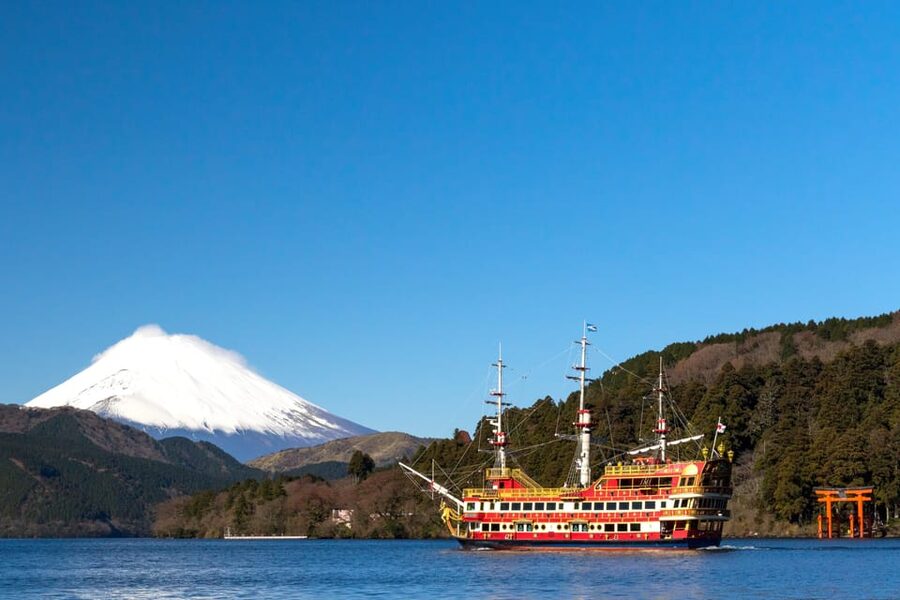
After lunch time and another ride, you arrive at Ashikaga Flower Park, the big afternoon finale. This is the garden internationally famous for its wisteria shows, including the Great Wisteria that CNN highlighted as a dream destination.
The main attraction is the cascading purple blooms. Think of wisteria flowers hanging overhead like curtains, draping down from large trellis structures. The other major moment is the white wisteria tunnel, which stretches roughly 80 meters. Walking under that tunnel can feel unreal, especially when the colors contrast against the walkway and the people flow underneath.
Your visit time is about 110 minutes of free time, plus photo and sightseeing moments. That’s enough time to do the tunnel, see the main clusters, and still pause for slower photos. If your priority is Ashikaga, you’ll likely feel like you want more time here. One review said they could have spent all day at Ashikaga, and another suggested skipping other stops if given the choice.
Even so, the time block works well for most people because it avoids the exhaustion that comes from trying to do everything at once. You get a focused visit, then you head back to Tokyo before the evening gets too late.
How the Guides Make a Difference on a Day Trip
A day trip lives or dies on organization. This one is run with English and Korean speaking support, and the reviews include praise for efficient, helpful handling.
I saw names come up repeatedly. Gilbert got called out as friendly and informative, and also as efficient with the group. Another set of reviews mentioned Miss Park and Miss Kim, with help that felt genuinely supportive. In practice, that matters because on a long day, you want to know where to be, when to move, and what to prioritize once you arrive.
One review also highlighted Golden Week traffic being managed well, which is exactly when a guide’s pacing becomes important. You don’t just want a translator, you want someone watching the clock.
Timing, Crowds, and the Reality of Peak Season
This tour is seasonal and weather-dependent, because flower parks are at their best only when the blooms line up. Even if your dates are right, conditions can shift. The itinerary notes that time at each spot can change depending on the season and what’s happening on-site.
On crowded days, the biggest risk is not missing the sights. It’s losing time to queues, slower walking, or detours. That’s why the tour has planned photo stops and structured visit time. It keeps the day moving while still leaving space for personal wandering.
If you’re sensitive to crowd energy, go in with the mindset that this is a popular spring route. You’ll enjoy it more if you focus on the flower moments you came for, then treat everything else as a bonus.
Price and Value: When $98 Makes Sense
At $98 per person, this tour isn’t trying to be a bargain-basement deal. But it’s also not just a sightseeing bus ride.
You’re paying for:
- Roundtrip transportation from central Tokyo areas
- An English and Korean speaking guide
- Admission tickets for the parks
For many people, that combination is the value. Tokyo park-hopping on your own can mean extra train tickets, more time lost to transfers, and admission lines without guidance. Here, you trade some flexibility for a smoother day and two major flower destinations.
My take: if you want Hitachi and Ashikaga in one day and you don’t want to self-plan transport, this is a fair price. If you’re the kind of traveler who wants to linger for hours at your own pace, the fixed timing might feel like you’re paying to be scheduled.
Who This Tour Is Best For
This tour fits best if you:
- Want a spring flower day with two top-tier parks
- Prefer bus travel and guided logistics over complicated planning
- Like photography and iconic viewpoints, especially wide shots from Miharashi Hill and wisteria tunnels
- Enjoy local stops for snacks and character sightings at Mibu
It’s also a good fit for first-time Japan visitors who want a day out of Tokyo without the mental load of figuring out routes and entry logistics.
If you’re traveling with kids, keep in mind the schedule is long. The tour includes a note that infants are free but there is no seat. If you’re bringing a stroller or wheelchair, you should inform the provider in advance so arrangements can be discussed.
Tips Before You Go (So the Day Feels Easy)
- Expect a long day. The listed duration is 690 to 750 minutes, so plan for a full-day outing rather than a quick excursion.
- Bring light layers. Parks can feel breezy, and the temperature may shift between morning and late afternoon.
- Charge your phone. You’ll likely take more photos than you expect, especially at the wide nemophila panorama and wisteria tunnel.
- Keep your lunch expectations realistic. There are food stops, but meals aren’t listed as included, so be ready to pay for what you eat.
One helpful detail: the day before departure, you’ll receive a reminder email between 3:00 PM and 5:00 PM with a link to a group chat for communication with tour staff. It’s a good safety net on a busy day.
Should You Book This Tokyo Spring Hitachi and Ashikaga Tour?
I’d book it if your main goal is seeing both Hitachi Seaside Park’s nemophila blue and Ashikaga Flower Park’s Great Wisteria in one organized trip. The guides seem to run the day efficiently, and the itinerary is designed to give you headline experiences without making you fight Tokyo-to-park logistics.
I’d think twice if you tend to get impatient when you feel rushed in gardens. Some people want more time at Hitachi for hiking around, and others want more hours inside Ashikaga. If you know you’re a slow, deep wanderer, you might prefer a less tightly scheduled plan.
Still, for most visitors chasing spring color with minimal hassle, this is a smart way to turn one day into two unforgettable flower moments.
FAQ
How long is the tour?
The tour runs about 690 to 750 minutes, depending on conditions and timing.
Where does the tour start and where do you get dropped off?
You can choose one of two start locations: Starbucks Coffee at Shinjuku L Tower or Starbucks Coffee at Tokyo Station. The drop-off options match the same two locations.
How much time do we have at Hitachi Seaside Park and Ashikaga Flower Park?
At Hitachi Seaside Park, you’ll have about 2 hours including photo time and free time. At Ashikaga Flower Park, you’ll have about 110 minutes including photo time and free time.
Are admission tickets included?
Yes, admission tickets are included.
Are meals included in the price?
Meals are not included. The itinerary includes food and lunch stops where you can purchase what you want.
What languages are the guides?
The guide speaks English and Korean.
Can the tour accommodate a stroller or wheelchair?
If you plan to bring a stroller or a wheelchair, you should inform the provider in advance.
What if traffic or weather affects the schedule?
The itinerary can be adjusted based on real-time conditions like traffic and weather. Drop-off times may be delayed during peak season.
Is there a cancellation policy and a pay later option?
You can cancel up to 24 hours in advance for a full refund. There is also a reserve now and pay later option.
Newest Tokyo write-ups from the Loving Japan desk






Tours, side by side.
 ★ 5.0Mt Fuji and Hakone 1-Day Bus Tour Return by Bullet TrainFrom $16326,383 reviews
 ★ 5.01-Day Tokyo Bus TourFrom $12914,250 reviews
 ★ 5.0PERFECT KYOTO 1-Day Bus TourFrom $12913,518 reviews
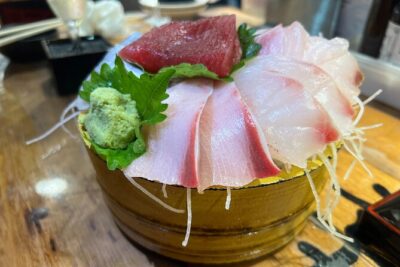 ★ 5.0Shinjuku Food Tour (13 Dishes at 4 Local Eateries)From $866,603 reviews
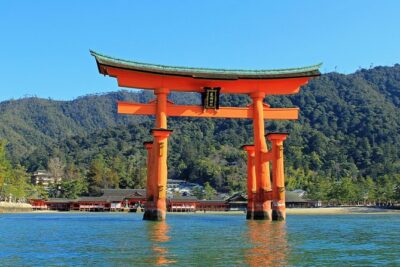 ★ 5.0Peaceful Hiroshima & Miyajima UNESCO 1 Day Bus TourFrom $1295,309 reviews
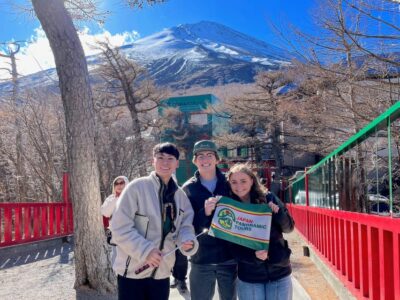 ★ 4.4Tokyo Mt Fuji 5th St & Hakone Cruise Bus Tour w/Bullet TrainFrom $1545,024 reviews
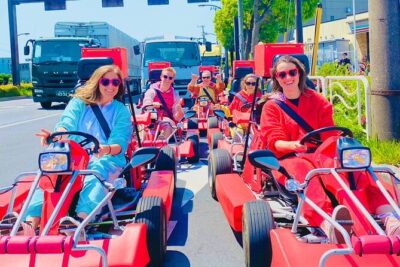 ★ 5.0Flagship 2-Hours Official Street Go-Kart Tour – Tokyo Bay ShopFrom $644,974 reviews
 ★ 4.8Fushimi Inari, Kinkakuji, Bamboo Grove 1 Day Bus TourFrom $1224,316 reviews