
REVIEW · YOKOHAMA AND MINATO MIRAI
Variety of Tokyo or Yokohama Tours Customizable and Memorable
A good walking tour can turn Tokyo from chaos into calm. This one pairs classic sights with street-level detours, and your route can adapt to your hotel and interests. I love that the day is paced for real exploration, not a rushed checklist, and that you get a native English guide who shares insider tips you can actually use.
The main thing to consider is simple: it is walking only, so you should be ready for a solid trek and extra public transit costs that are not always included.
If you do like to plan less and wander more, this style of tour fits you well. I also like the flexibility, because Tokyo and Yokohama each have a clear backbone, and the custom option can shift your focus based on what you care about (temples, neighborhoods, shopping, or food). One possible drawback is that it relies on good weather, and some admissions, like Sankeien Garden, are payable on site.
In This Review
- Key things I’d bet on (before you book)
- What this walking tour is really like in Tokyo and Yokohama
- Price and value: what you pay, what you should budget
- Tokyo highlights, from Harajuku to Asakusa, Ueno, Tsukiji, and Tokyo Tower
- Harajuku and Shibuya, where the city feels loud and visual
- Asakusa and Ueno, where temples and older streets slow you down
- Tsukiji and Tokyo Tower, two different kinds of Tokyo identity
- Custom Tokyo routes: when your hotel and interests matter
- Yokohama by foot: Chinatown, Yamashita Park views, Red Brick Warehouse, and Sankeien Garden
- Chinatown and harbor-area walking, where the food and culture lead
- Red Brick Warehouse for shopping and a real meal break
- Sankeien Garden, a time capsule feeling (with onsite admission)
- Pickup, group size, and how moving by train changes the experience
- Guide-led stories and tips: what actually makes it memorable
- Weather, pacing, and comfort tips that save your day
- Who should book this tour, and who might skip it
- Should you book? My straight take
- FAQ
- Is this tour walking only?
- How long is the tour?
- Does the price include train fares and meals?
- Is Sankeien Garden admission included?
- Do I get pickup?
- What if the weather is bad?
Key things I’d bet on (before you book)
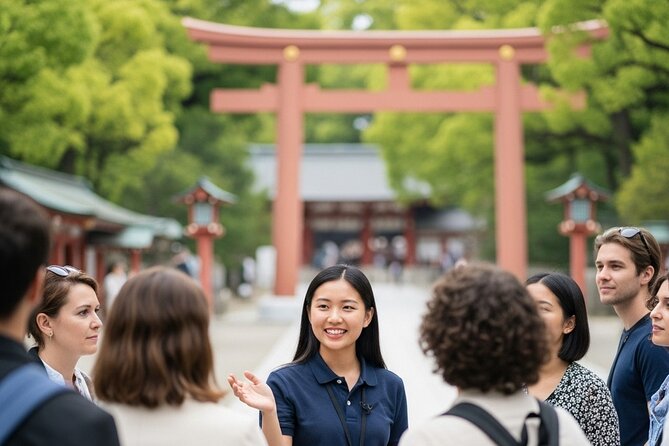
- Route flexibility: you can chat with your host directly to adjust your plan around your hotel and interests
- Guide quality matters: multiple bookings highlight guides who listen well and keep the group together
- Two great bases: Tokyo classic neighborhoods, or Yokohama Chinatown, harbor views, and gardens
- Transport is train/metro: you do not sit in a private bus, so you move like a local
- Real walking day: expect a minimum of about 10,000 steps, plus the pace of city foot traffic
An easy hop down the bay. More Yokohama
- Narita Airport: One Way Private Transfer to Tokyo|Yokohama Hotels
★ 4.5 · 69 reviews - Tokyo: Private One-Way Transfers to/from Yokohama Port
★ 4.5 · 50 reviews - Private Car Tour to see Highlights of Kamakura, Enoshima, Yokohama from Tokyo
★ 5.0 · 48 reviews - Haneda Airport: One Way Private Transfer to Tokyo|Yokohama Hotels
★ 4.0 · 28 reviews
What this walking tour is really like in Tokyo and Yokohama
Tokyo on foot is a different sport than Tokyo from a bus window. You will be moving through neighborhoods where the streets, signs, and small food spots actually change every few blocks. That is why a walking format works so well here. You see Shibuya and Harajuku as living districts, then you pivot into calmer temple streets, and you finish with places where you can slow down and look around.
In Yokohama, the walking rhythm is similar, just with a port-city feel. You start with big identity areas like Chinatown and waterfront views, then you go into a more traditional side at Sankeien Garden. You also get context for how Yokohama became part of modernizing Japan, not just a collection of photos.
The other thing that shapes your day is the guide. This is a native English speaking guide, and you also get the chance to message your host to tailor the route. In practice, that means the day can better match your energy level and curiosity. If you have a family rhythm, if you prefer temples over shopping, or if you want your route to reduce train transfers from your hotel, you are not stuck with a single script.
Price and value: what you pay, what you should budget
The listed price is $10 per person, which is very low for a guided half-day style experience that includes pickup and a guide. Still, the true cost depends on how your day is built.
Here is what you should plan for based on what is included and not included:
- Meals and snacks are not included, so you will want to budget for at least a couple of stops to eat.
- Some admissions are not included. Sankeien Garden is listed as ¥700 for adults and ¥200 for children under 15, and you pay onsite.
- Public transit fares are not included. The estimate given is about ¥400 to ¥700 one-way, depending on your route.
- There is a note that train fare is not included for groups under 5. That matters if you are a small group and you are counting every yen.
Why this still can be great value: the guide time plus route planning is the heavy lift. Tokyo and Yokohama can be confusing if you rely only on maps. Having someone steer you toward the right streets, the right order, and the right stops can save time and prevent the classic mistake of wasting hours on transfers.
If you are traveling as a group of 5 or more, the details also suggest you may get help with transportation and entrance fee for one location. That can noticeably improve the budget.
Tokyo highlights, from Harajuku to Asakusa, Ueno, Tsukiji, and Tokyo Tower
Tokyo has a lot of “big name” zones, but the best walking days do not just repeat postcards. They mix energy districts with slower, older corners.
Build the day yourself. Other private options
- Mount Fuji Full-Day Private Tour from Tokyo (Customizable)★ 4.9 · 1,470 reviews
- Tokyo Customized Private Tour: See Top Attractions in 1 Day★ 5.0 · 1,351 reviews
- Tokyo Private Sightseeing Tour by Car- English speaking chauffeur★ 5.0 · 1,004 reviews
- Tokyo Private Tour by Vehicle with English-Speaking Chauffeur★ 5.0 · 504 reviews
- From Tokyo: Mount Fuji Full-Day Customizable Private Tour★ 4.8 · 451 reviews
Harajuku and Shibuya, where the city feels loud and visual
Starting around Harajuku and Shibuya, you get that immediate Tokyo impact. You will be walking through areas known for fashion, youth culture, and intense street scenes. This is the part of the day that helps first-timers stop saying Tokyo is confusing. Once you see how dense the neighborhoods are and how quickly the vibe changes, you get your bearings.
A drawback to keep in mind: these areas can be crowded. If your group prefers quiet, you can still enjoy the atmosphere, but you might want to plan your photo stops carefully. Your guide’s route order can help reduce the time spent stuck in peak foot traffic.
Asakusa and Ueno, where temples and older streets slow you down
From the energy zones, the tour shifts to Asakusa and Ueno. This is where the walking tour format pays off. The streets feel more human-scale, and you can connect the city’s present to places with long continuity.
You are also set up to catch the kind of temple sights people chase in Tokyo, including stops like Zojoji Temple. These are not just “look and move on” points. With a guide, you get story and context that makes the buildings and street layout make sense.
Tsukiji and Tokyo Tower, two different kinds of Tokyo identity
Then you roll into Tsukiji for the fish market area, followed by Tokyo Tower and Imperial Palace. Tsukiji gives you a sensory break from the fashion districts, with food culture at the front of the scene. Even if you do not go crazy buying snacks, just watching how the market area works helps you understand what locals prioritize.
Tokyo Tower is a different angle. It is a landmark you will recognize from photos, but on foot you get better perspective on how it sits in the skyline. Pairing it with Imperial Palace makes the day feel balanced, like Tokyo showing both its iconic modern side and its formal, historic center.
Custom Tokyo routes: when your hotel and interests matter
The custom Tokyo option is where you can turn a standard half-day into something that fits your trip. The host plans based on your hotel location and your interests, and you can shape the day toward either:
- local landmarks and temples, or
- popular shopping districts and local food
The value here is not just personalization. It is also logistics. Tokyo is huge, and getting from the right place to the right place without wasting time is half the battle. When the plan starts from your actual base, you are more likely to have energy left for the last stops.
You may also see examples of guides adding nearby stops when that fits the group, and one guide named Jack was praised for helping a daughter stay together with the group and keeping pace. That is a big deal if your group has different walking speeds, or if you want the day to feel organized without being rigid.
Yokohama by foot: Chinatown, Yamashita Park views, Red Brick Warehouse, and Sankeien Garden
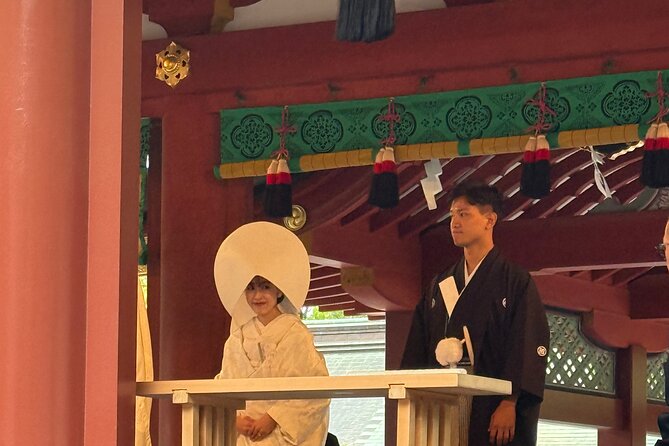
Yokohama is a great change of pace from Tokyo. The city is still dense, but the waterfront angle gives it breathing room.
Chinatown and harbor-area walking, where the food and culture lead
The day starts with Chinatown, including time walking through one of the largest Chinatowns in the world. This matters because Chinatown is not a museum. You will feel the neighborhood through the way shops, signs, and food places operate.
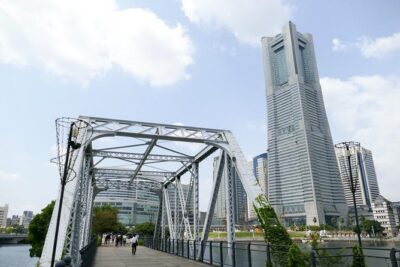
You also walk through the harbor area and enjoy views around Yamashita Park. If you like to look at water and city edges, this is the part of the tour that gives you postcard-worthy angles without needing a separate sightseeing day.
Red Brick Warehouse for shopping and a real meal break
Next comes the Red brick Warehouse area. This is a practical stop in the middle of your walking day because you can shop, snack, or eat without needing to hunt. It is also a good spot to reset if the morning felt intense.
A note: meals are not included, so this part is where you should plan to spend money thoughtfully. If your group likes variety, use it for splitting items or trying something new rather than only relying on one big meal.
Sankeien Garden, a time capsule feeling (with onsite admission)
Finally, you visit Sankeien Garden, described as a time capsule from the Edo Period. This is the slow, reflective ending that turns the day from city sightseeing into something more serene.
The admission fee is not included and is payable onsite. Plan for that so you are not scrambling at the gate.
Pickup, group size, and how moving by train changes the experience
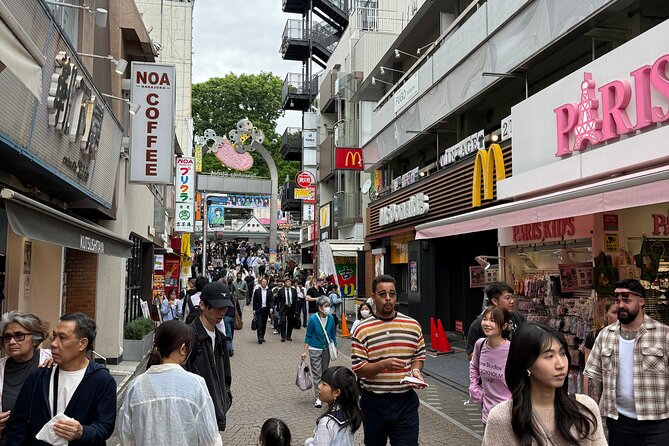
This tour offers pickup, and it is near public transportation. That is helpful because it reduces the stress of “How do we meet everyone?” and “Where is the closest station entrance?” It also matters in Tokyo, where station exits can be confusing.
Because this is walking only with train/metro travel, you are moving like a local rather than riding in a private vehicle. For many people, that is the point. You get the rhythm of the city and more direct access to neighborhoods.
The tradeoff is timing and cost. Train fares are not included for groups under 5, and public transportation costs are estimated. If you are traveling with a small group and you are cost sensitive, do the math before assuming this will be the cheapest guided option.
Also, there is a moderate fitness recommendation. If you cannot comfortably hit around 10,000 steps, this is not the right format. A “walking tour” here is not gentle stroll territory. It is a full day on foot.
Guide-led stories and tips: what actually makes it memorable
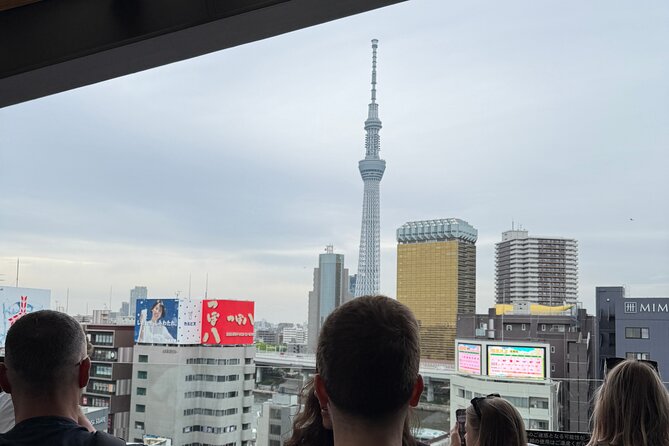
Big sights are easy to find in Tokyo and Yokohama. What is harder is understanding what you are looking at and how to act once you are there.
That is where the guide comes in. The tour style is described as stories, history, and insider tips. In plain terms, you should expect:
- quick context that helps you make sense of temples and landmarks
- route guidance that prevents backtracking
- recommendations for where to eat or what to prioritize
One praised booking highlighted a guide who was a good listener and spoke Japanese well. Another praised guide named Jack for helping keep the group together and managing pace for a child who did not stay on track. That kind of hands-on attention is what makes a city day feel manageable.
Weather, pacing, and comfort tips that save your day
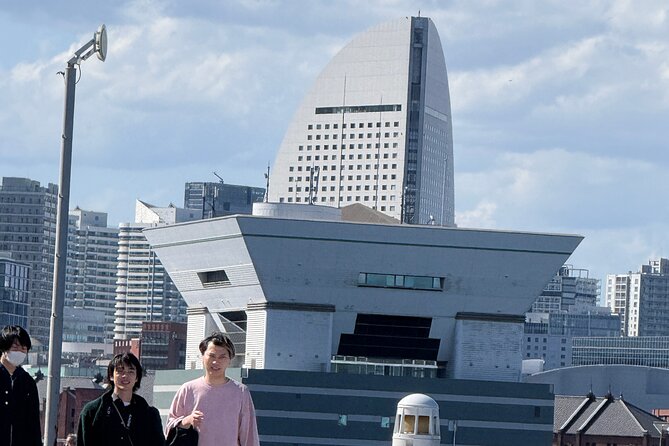
The tour requires good weather. If conditions are poor, you are offered a different date or a full refund. Plan to bring a rain layer even if the forecast looks fine, because walking days can get uncomfortable fast.
Pacing is also key. This is 7 hours on the clock, and the route packs a lot in. You will get breaks through the natural stops, but you should still bring what you need to keep your energy steady.
Practical items that I suggest for this kind of tour:
- Comfortable shoes with grip
- A small bottle of water
- Cash or a card for entrances that are payable onsite
- A light layer you can adjust, especially in Tokyo or by the water in Yokohama
Who should book this tour, and who might skip it
This fits best if you are:
- a first-timer who wants structure without feeling trapped in a bus schedule
- someone who likes mixing big landmarks with side streets and small shrines
- traveling in a group that can stay together and walk steadily
- curious about local food culture and want guidance on where to stop
You might skip it if you:
- cannot handle a long walking day and aim for at least 10,000 steps
- want meals included, because food is on your own
- are traveling with very tight budget expectations, because train fares and some admissions are not included
Should you book? My straight take
If you want a guided day that gets you from neighborhood to neighborhood without wasting time, I think it is a smart pick. The biggest strengths are the guide-led planning, the flexibility you get through messaging the host, and the way the route mixes famous Tokyo and Yokohama landmarks with story-based stops.
Book it if you enjoy walking and you want insider context, not just sightseeing photos. Skip it if you need a car for comfort, or if you cannot walk long distances.
If you do book, message the host early with your hotel area and what you care about most, and you will get more out of the day than someone who just shows up and hopes for the best.
FAQ
Is this tour walking only?
Yes. This is a walking tour only, and you’ll travel by train or metro rather than using a private car or bus.
How long is the tour?
It runs about 7 hours (approx.), and you can choose your start time and tour length when booking.
Does the price include train fares and meals?
Meals are not included. Public transportation fares are not included, and train fare may not be included for groups under 5. Train fares and your own meal stops should be budgeted.
Is Sankeien Garden admission included?
No. Sankeien Garden admission is listed as payable onsite (¥700 adults, ¥200 children under 15).
Do I get pickup?
Pickup is offered.
What if the weather is bad?
The experience requires good weather. If it is canceled due to poor weather, you will be offered a different date or a full refund.
Your Driver, Your Route Through Tokyo
Down the Bay to Yokohama


Newest Tokyo write-ups from the Loving Japan desk


Yokohama and Minato Mirai, side by side.
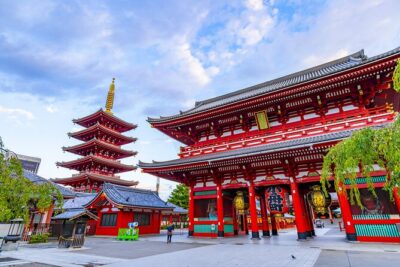 ★ 5.0Tokyo 8hr Private Tour with Licensed Guide from YokohamaFrom $20194 reviews
 ★ 4.5Narita Airport: One Way Private Transfer to Tokyo|Yokohama HotelsFrom $7769 reviews
 ★ 5.0Shuttle Van Transfer, Yokohama(Port)⇒Tokyo, Narita, Haneda, TDRFrom $12263 reviews
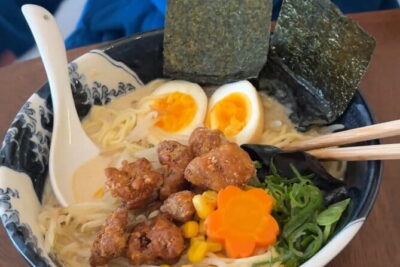 ★ 5.0Yokohama Ramen Adventure From a Local Noodle Factory to HomeFrom $16560 reviews
 ★ 4.5Private One-Way Transfers to/from Yokohama PortFrom $6750 reviews
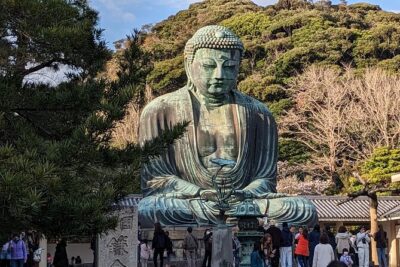 ★ 5.0Private Car Tour to see Highlights of Kamakura, Enoshima, Yokohama from TokyoFrom $1,18348 reviews
 ★ 5.0Narita Airport(NRT): Private Transfer to Tokyo/Yokohama 1-9paxFrom $12747 reviews
 ★ 5.0Yokohama 4hr Private Tour with Government-Licensed GuideFrom $10834 reviews
Filed on these lists too