
REVIEW · KAMAKURA, THE GREAT BUDDHA AND ENOSHIMA
Private Kamakura plus Yokohama Tour – English Speaking Driver
Temples and skyline in one smooth day trip. This private Kamakura and Yokohama outing gives you an English-speaking driver and a comfortable car so you can spend your energy looking, not figuring out trains. I like how the route blends classic Kamakura spirituality with a very different Yokohama waterfront vibe.
The second thing I like is the easy, hotel-to-hotel flow. You start around 8:00 am, and the schedule keeps the day moving through major stops. The main drawback to watch for: it is not a full guided tour with a dedicated guide, so you will lean on your driver for explanations and cultural context.
In This Review
- Key points that matter before you go
- Why Kamakura plus Yokohama makes sense in one day
- Price and value: what $650 per group really buys
- The 8:00 am start, and how the 10 hours will feel
- Entering Hokoku-ji Bamboo Temple (and how to enjoy it properly)
- Hase-dera for the big wooden Kannon statue
- Kotoku-in Great Buddha: the short stop that anchors the day
- Tsurugaoka Hachimangu Shrine and its festival role
- Komachidori: shopping lane, snack lane, photo lane
- Yokohama Chinatown: what you will get in about an hour
- Sankeien Gardens: traditional calm in the middle of a big city
- Minatomirai if time permits: modern waterfront in half an hour
- English-speaking driver, not a full guide, and why that matters
- How to handle timing, tickets, and walking without losing your day
- Who this tour is best for
- Should you book this private Kamakura and Yokohama tour?
Key points that matter before you go
- Hotel pickup included from your Tokyo hotel or another location you choose
- Private group of up to 5 makes it feel calm, not crowded
- Efficient order of stops covers bamboo, Kannon, the Great Buddha, then Chinatown
- Admission tickets not included at several temples and gardens, so budget for entries
- Minatomirai is optional if time permits, so your day stays flexible
- Driver-led storytelling is the main interpretation, not a separate guide (unless arranged)
Coast and temples south of Tokyo, compared
- Tokyo: Mt. Fuji, Kamakura, Big Buddha, & Lake Ashi Day Trip
★ 4.5 · 867 reviews - Tokyo:Sea of Mount Fuji, Hakone Ropeway, Ōwakudani, Enoshima
★ 4.9 · 84 reviews - Kamakura 8 hr Private Walking Tour with Licensed Guide from Tokyo
★ 5.0 · 80 reviews - Tokyo: Kamakura & Enoshima Day Tour with Pickup & Train Ride
★ 4.1 · 61 reviews
Why Kamakura plus Yokohama makes sense in one day
Kamakura and Yokohama are only a reasonable distance apart, but they feel nothing alike. Kamakura is all temple lanes, hilltop shrines, and that slow coastal pace. Yokohama throws in big-city energy, Chinese food streets, and a modern harbor skyline.
Doing both in one day works best when you want variety without spending extra nights. With a private vehicle, you do not have to stitch together multiple transit segments or worry about where the last train leaves from. Instead, you can focus on the sites and on timing the busy moments.
Price and value: what $650 per group really buys
This tour is priced at $650 per group for up to 5 people. That means your effective cost drops fast once you spread it across a small family or group of friends. If you are traveling solo or as a couple, it can feel like a splurge, especially because tickets for some stops are not included.
So what are you paying for? Three things:
- Private transport for a full day (about 10 hours including commuting)
- English-speaking driver support and practical decisions on the go
- No public-transport navigation stress, which adds up when you are bouncing between neighborhoods
If you plan to visit a handful of major sights anyway, the math can work better than you expect, because the day is doing a lot for one price.
The 8:00 am start, and how the 10 hours will feel
The tour runs for about 10 hours, starting at 8:00 am. In practice, this kind of day is a mix of walking, short visits at each landmark, and driving time between locations.
You should think of it as a “best-of” sampling with breathing breaks:
- Temple stops tend to be scenic but not always long.
- Shopping lanes are timed so you can wander and snack.
- Yokohama includes both a neighborhood (Chinatown) and a quieter stop (a traditional garden).
Your schedule leaves room for one extra hit of modern waterfront time at Minatomirai, but only if the day stays on pace.
An easy hop down the bay. More Yokohama
- Narita Airport: One Way Private Transfer to Tokyo|Yokohama Hotels★ 4.5 · 69 reviews
- Tokyo: Private One-Way Transfers to/from Yokohama Port★ 4.5 · 50 reviews
- Private Car Tour to see Highlights of Kamakura, Enoshima, Yokohama from Tokyo★ 5.0 · 48 reviews
- Haneda Airport: One Way Private Transfer to Tokyo|Yokohama Hotels★ 4.0 · 28 reviews
Entering Hokoku-ji Bamboo Temple (and how to enjoy it properly)
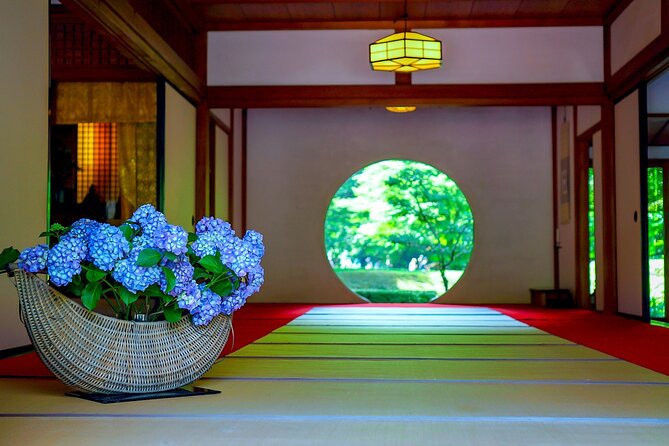
Hokoku-ji is known as the Bamboo Temple, and the bamboo garden is the main reason people come. Expect a calm shift from the outside world as you move through the grounds.
The useful part for your planning: this stop is about 1 hour and typically reads best if you slow down. Take a couple of minutes to look, then step forward and look again. Bamboo gardens are easy to rush. When you go at a gentle pace, you notice light and perspective changes that you miss if you treat it like a quick photo stop.
Admission is not included here, so if you are the type who hates surprise expenses, keep a little cash or card budget ready.
Hase-dera for the big wooden Kannon statue
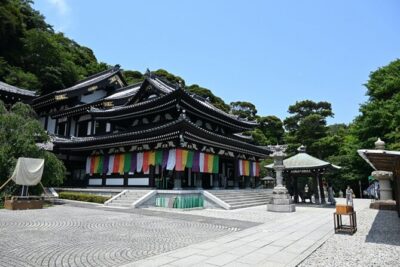
Next up is Hase-dera (often called Hase-kannon). This is a temple stop that centers on a massive wooden statue of Kannon. It is also a place where you get a sense of Kamakura as a hill-and-temple city, not just a seaside town.
This stop is about 45 minutes. That is enough time to:
- see the statue,
- walk the temple paths,
- and not feel like you are sprinting.
Because admission is not included, check your budget before you arrive. Also, wear shoes that are comfortable for temple grounds, since paths can be uneven and slopes are common in Kamakura.
Kotoku-in Great Buddha: the short stop that anchors the day
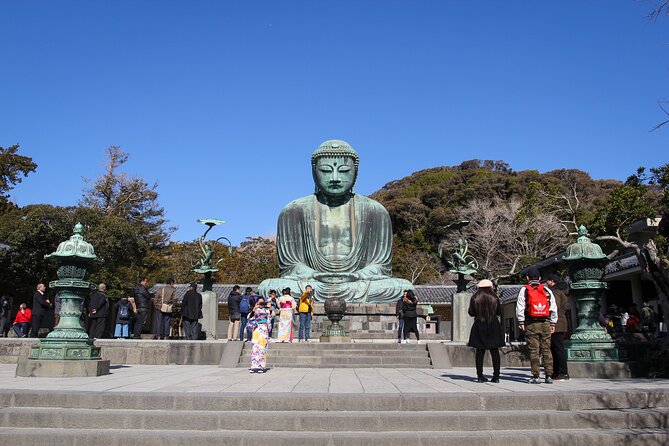
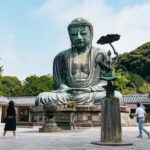
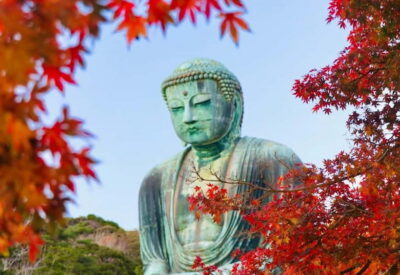
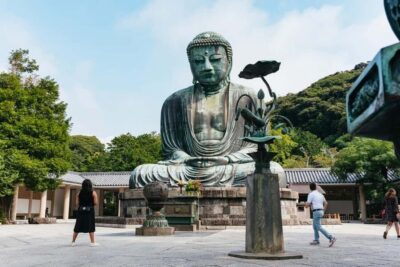
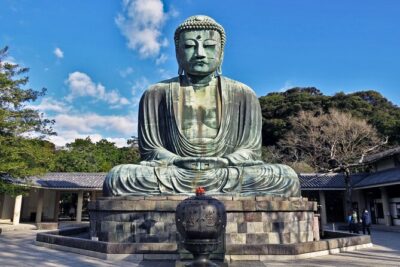
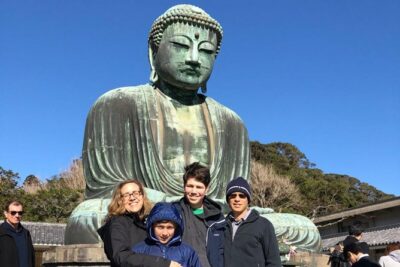
Kotoku-in is where you get the iconic Great Buddha of Kamakura. This stop is shorter, about 30 minutes, and that brevity is a good thing. It lets the day feel focused instead of long and exhausting.
What you should do with your time here:
- look at the Buddha from different angles,
- pause for a moment before moving on,
- and then use the remaining energy to enjoy the lanes afterward.
As with the other major temples, admission is not included. Budgeting for these entries is part of making the day feel “worth it,” because you will be paying for experiences at multiple stops, not just one.
Tsurugaoka Hachimangu Shrine and its festival role
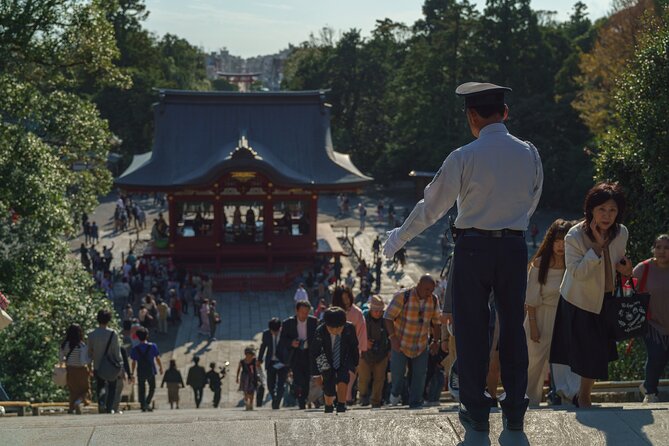
Tsurugaoka Hachimangu is a major shrine in Kamakura and a cultural hub for important local festivals. There are also two ponds associated with the Taira and Minamoto clans, which adds a political and historic layer beneath the everyday beauty of the grounds.
This stop is about 1 hour. In that time, you can enjoy the shrine space without rushing:
- walk through the main areas,
- take in the ponds,
- and reset before the more commercial part of the trip.
Admission is not included, so again, keep entry fees in mind as you plan your day.
Komachidori: shopping lane, snack lane, photo lane
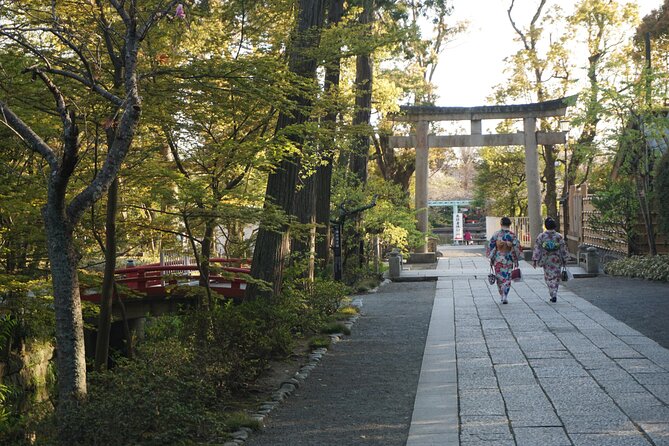
After shrines and temples, Komachidori feels like the release valve. This is a busy pedestrian walkway lined with shops, gifts, and places to eat sweets.
You get about 1 hour 30 minutes here. That is a sweet spot for browsing without feeling trapped. I like to use this time for two practical goals:
- pick up a couple of souvenirs that are unique to Kamakura,
- and grab a snack so you do not run low later in the day.
Since admission is free here, your main cost is whatever you decide to buy. It is also a great stop for people who want a little freedom within the structure of a private tour.
Yokohama Chinatown: what you will get in about an hour
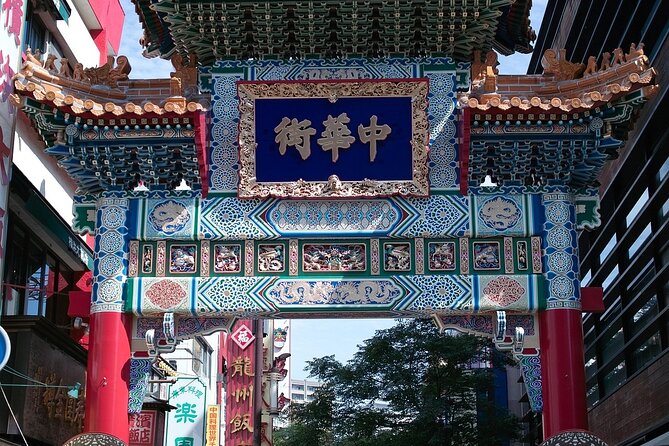
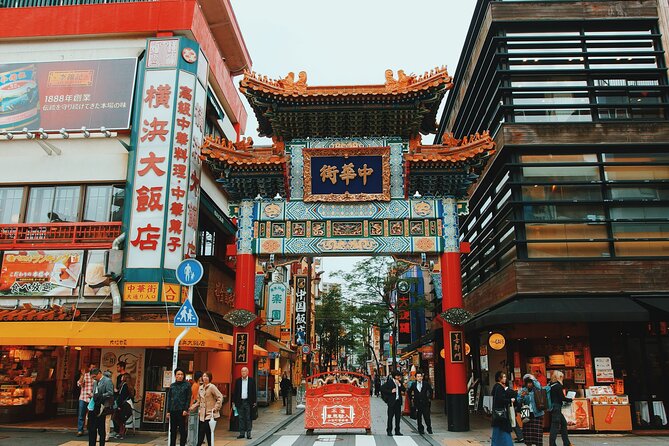
Then it is south to Yokohama Chinatown. It is about 160 years old, and while the community today is smaller than in the past, the area still keeps a strong Chinese cultural atmosphere. You will find food and shops that make it easy to nosh as you walk.
This stop is about 1 hour and free to enter. The practical advantage of a timed stop is that you can sample without turning the whole day into a restaurant marathon.
If you are a serious eater, plan smart:
- pick one main snack or dish,
- drink water between bites,
- and keep moving so you still get a chance to enjoy the surrounding streets.
Sankeien Gardens: traditional calm in the middle of a big city
Sankeien Gardens is a change of pace. It is a traditional Japanese-style garden in Yokohama that opened in 1906 and was designed and built by Tomitaro Hara (often associated with the name Sankei Hara).
You get about 1 hour. This is a good time to slow down and reset after Chinatown walking. The garden setting also helps if you are traveling with mixed interests, because it is calmer and less shopping-focused than many street areas.
Admission is not included, so treat this as a paid experience you will appreciate more when you plan for it.
Minatomirai if time permits: modern waterfront in half an hour
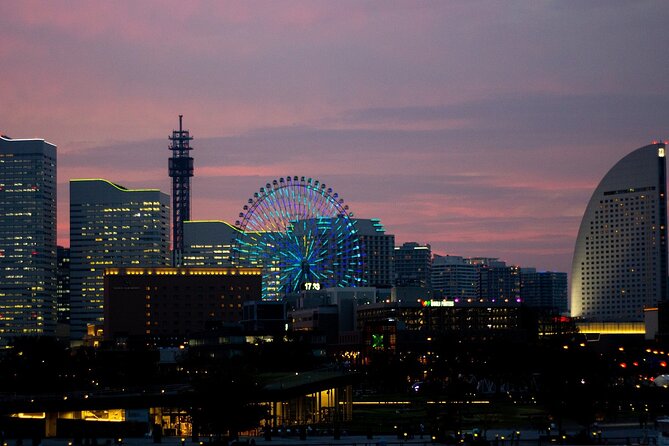
Minatomirai is a futuristic-feeling waterfront area with modern towers and shopping. You might get a brief visit around 30 minutes if the schedule stays on track.
Think of this as a “see it, don’t overdo it” stop. It is a nice visual contrast to Kamakura’s temple mood, and it gives you a chance to finish the day with harbor views rather than ending in yet another shop street.
Admission is listed as free for this stop if included, but since inclusion depends on time, you should not build your whole day around it.
English-speaking driver, not a full guide, and why that matters
This tour is described as private with an English-speaking driver. It is not labeled as a guided tour, though a guide can be arranged on request for an additional cost.
In real life, what this means for you:
- The driver is doing the driving plus the on-the-ground explanations.
- You are more dependent on your driver’s style for context.
- You might get less deep history than you would with a dedicated licensed guide.
That said, the best experiences on this route tend to share a pattern: drivers who communicate clearly, manage timing well, and answer questions without making you feel like you are slowing them down.
One caution from service feedback I came across: if you are offered extra add-ons, be sure you understand the cost and how payment works. If anything is cash-only, ask questions first so there are no surprises mid-day.
How to handle timing, tickets, and walking without losing your day
Because several stops do not include admission, you should plan for entry fees across multiple locations. A smart approach is to have the budget ready before you start, not after you have already arrived at the ticket gate.
Also, the day includes walking at temples, a shrine area, and a pedestrian shopping street. Bring comfortable footwear. If you are traveling with older family members, a private car is a big help because it reduces transport hassle, but the walking at each stop still adds up.
Finally, keep your expectations realistic. Each stop is built for a specific time window. If you want to linger, tell your driver early, because changing the order later can eat into another scheduled stop.
Who this tour is best for
This private Kamakura plus Yokohama experience is a strong match if:
- you want major highlights in one day without transit stress,
- your group is small (up to 5) and you value private flexibility,
- you prefer a driver-led explanation over a formal guide.
It may be less satisfying if you are the type who wants deep, structured commentary at every site and you already know a lot about Japanese history. In that case, arranging a guide might be worth the extra cost.
It is also a good choice for families and groups because the private vehicle helps everyone stay together. Just remember, temple grounds and streets still require some walking.
Should you book this private Kamakura and Yokohama tour?
I would book it if your priority is a smooth, English-friendly day that covers Kamakura’s signature temples plus Yokohama’s Chinatown and harbor area, without you wrestling with routes and schedules. The value tends to be best when you have more than one person in the group, since the $650 price is per group up to 5.
Skip it or add a guide if you know you want deep history and you dislike the idea of relying on a driver for explanations. And do a quick mindset check before you go: this is a structured highlights route, not a slow, open-ended wander.
If you want one day where you see a lot, move efficiently, and still feel comfortable, this private day trip is an easy yes.
Down the Bay to Yokohama


South to Kamakura and the Coast
Newest Tokyo write-ups from the Loving Japan desk
Kamakura, the Great Buddha and Enoshima, side by side.
 ★ 4.5Kamakura & Enoshima Day Trip including Temple TicketsFrom $581,375 reviews
 ★ 4.5Mt. Fuji, Kamakura, Big Buddha, & Lake Ashi Day TripFrom $49867 reviews
 ★ 4.5From Tokyo: Kamakura & Enoshima 1-Day Bus TourFrom $66189 reviews
 ★ 5.0Kamakura Historical Walking Tour with the Great BuddhaFrom $98129 reviews
 ★ 5.0Kamakura Private Tour: Temples, Nature, and the Great BuddhaFrom $98121 reviews
 ★ 5.0Kamakura Walking Tour – The City of ShogunFrom $35100 reviews
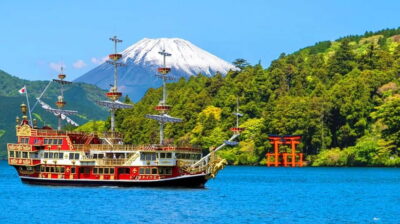 ★ 4.9Sea of Mount Fuji, Hakone Ropeway, Ōwakudani, EnoshimaFrom $5084 reviews
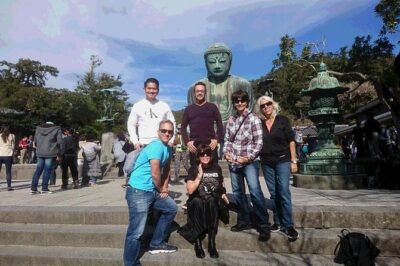 ★ 5.0Kamakura 8 hr Private Walking Tour with Licensed Guide from TokyoFrom $20180 reviews
Filed on these lists too