
REVIEW · CYCLING AND E-BIKE TOURS
2.5 Hour-Guided Cycle Tour in the Central Tokyo
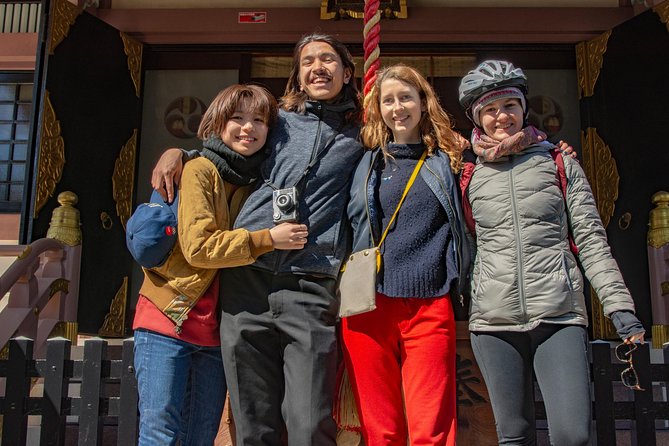
Tokyo by bike feels like a cheat code. I like the mix of quiet temples and shrines plus Sumida River and Skytree viewpoints, and you’ll ride at a comfortable pace with a small group. The main thing to consider is the bike setup, since the folding rentals are sized for riders 140-180 cm.
You’ll meet up in the Hikifune area and start from Tokyo Backstreets Bike Tour’s base at the Synaps share office in Sumida. From there, you get about 2.5 hours of guided cycling, then you’re free to roam the rest of the day on your own.
This is built for safety and ease: helmets are provided, and the group size is capped at 6. If you need a tandem, give the operator at least 3 days notice, and if you’re over 180 cm tall, message them ahead so the bike fits right.
In This Review
- Key Highlights That Make This Ride Worth Your Time
- Why This Central Tokyo Bike Loop Works So Well
- Meet at Hikifune, Ride From Synaps, and Know What 2.5 Hours Means
- The Bikes and Helmets: Comfort and Safety You Can Rely On
- Stop by Stop: Suida River, Honryuin’s Daikon Symbol, and a Calm Start
- Imado Shrine’s Power-Spot Appeal and Senso-ji Without the Rush
- Amezaiku Candy Craft Watching and Sumida River Bridge Views
- Under Tokyo Skytree: Photo Angles, Bike Perspective, and Kyojima Daily Life
- Price, Value, and Who This Tour Fits Best
- Weather and Pacing: How to Plan Your Day Like a Local
- Should You Book This Tokyo Backstreets Cycle Tour?
- FAQ
- How long is the 2.5 hour guided cycle tour?
- Where do I meet the guide?
- Are helmets provided, and what bikes do you ride?
- What if I am taller than 180 cm, or I want a tandem bike?
- How large is the group?
- Do temple and shrine stops have admission fees?
- What happens if weather is bad, or I need to cancel?
Key Highlights That Make This Ride Worth Your Time
- Helmet provided so you can focus on the route, not gear anxiety
- Small group, max 6 which usually means smoother pacing and easier photo stops
- Quiet temple and shrine visits that feel calmer than the usual big-name circuit
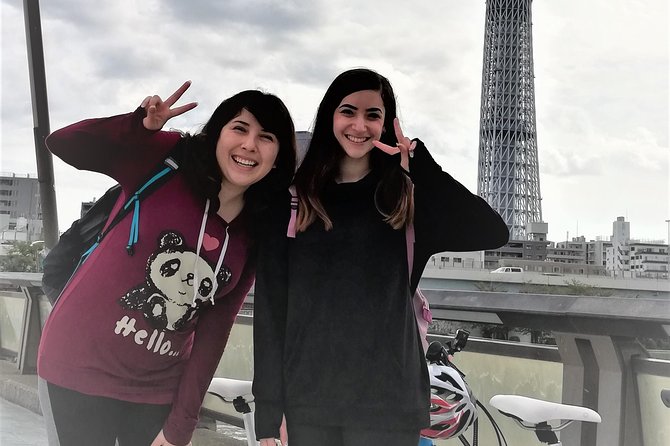
- Sumida River cycling and Skytree under-ride views from angles most people never see
- Traditional craft viewing at Amezaiku candy shop where you can watch the artistry
- Old-school shopping street atmosphere at Kyojima Minami Park for a more everyday Tokyo feel
Cover Tokyo on two wheels instead
- Tokyo Guided Small-Group Biking Tour
★ 5.0 · 1,250 reviews - Tokyo Great Cycling Tour
★ 5.0 · 811 reviews - Tokyo Top Highlights 3h Guided E-bike Tour
★ 5.0 · 714 reviews - 3h Tokyo E-Bike Tour: Hidden Gems, and Local Life with guide
★ 5.0 · 670 reviews
Why This Central Tokyo Bike Loop Works So Well
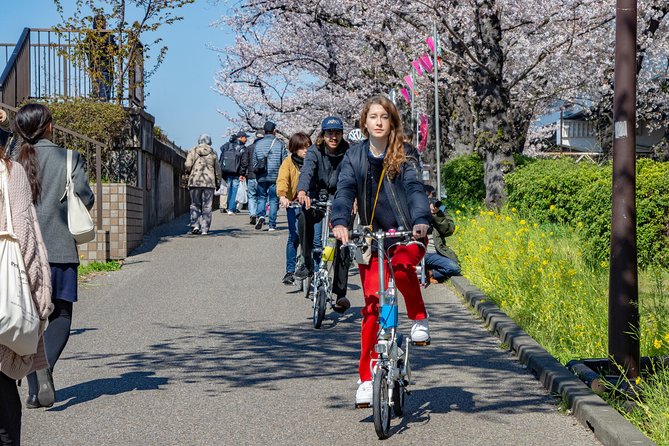
Tokyo can be overwhelming on foot. A bike tour helps you cover ground fast, but you still move at street-level speed, where you notice little things like shop signs, neighborhood rhythm, and the way people actually flow through their day.
I like that this route mixes “big anchors” with calmer side streets. You get time at Senso-ji and Imado Shrine, then you shift into more local-feeling lanes and shopping areas. That balance is a good value play because you see famous places without it turning into a nonstop checklist.
The other thing I appreciate is the pacing. With a ride length of about 2.5 hours, you’re not committing your whole day to logistics. You’ll finish with energy left to explore Asakusa, eat somewhere off the main roads, or just wander.
Meet at Hikifune, Ride From Synaps, and Know What 2.5 Hours Means
You’ll start near Hikifune Station, and the tour’s official meeting point is at Tokyo Backstreets Bike Tour inside the Synaps share office in Sumida City. That combo is useful for planning: you can orient yourself around the station area, then use the address to find the exact start point.
The tour runs about 2 hours 30 minutes, and the rest of your day stays open. I like this structure because it prevents that tired end-of-tour feeling. In practice, it also means you can schedule a separate museum, shopping, or dinner later without rushing.
This is a small-group experience, and that matters on bikes. Fewer people means less bunching at turns and easier stopping for photos and short walks. One theme from the guides’ feedback is “safe and smooth,” and you can feel that goal in how the itinerary is built around short sightseeing breaks.
The Bikes and Helmets: Comfort and Safety You Can Rely On
You’ll ride folding bikes with 14-20 inch wheels, and they’re described as suitable for riders between 140 and 180 cm. If you’re taller than 180 cm, the tour asks you to inform them in advance so they can plan accordingly. That is worth doing, because a bike that fits well makes everything easier, from pedaling to stopping.
Helmets are provided, and that’s a big deal in Tokyo traffic. I like tours that treat safety as standard, not optional. You should still wear comfortable clothes you can move in, and plan on staying alert at intersections, even if the ride is guided and controlled.
If you’re hoping for a tandem bike, you’ll need to request it at least 3 days before booking. Tandems aren’t an on-the-day swap, so this is one of those details that can save you stress later.
- Mt Fuji and Hakone 1-Day Bus Tour Return by Bullet Train★ 5.0 · 26,383 reviews
- 1-Day Tokyo Bus Tour★ 5.0 · 14,250 reviews
- Tokyo: teamLab Planets TOKYO Digital Art Museum Entry Ticket★ 4.6 · 9,779 reviews
- Mt Fuji & Hakone Cruise, Drum Show Bullet Train 1 Day from Tokyo★ 4.0 · 7,413 reviews
- Tokyo: Shinjuku Food Tour (13 Dishes at 4 Local Eateries)★ 5.0 · 6,603 reviews
Stop by Stop: Suida River, Honryuin’s Daikon Symbol, and a Calm Start
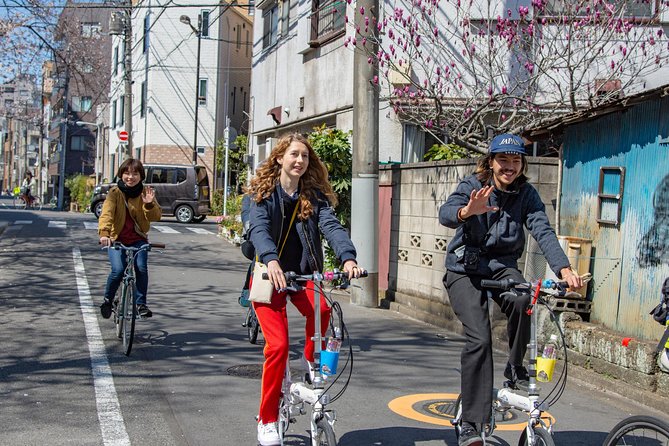
The ride begins by cycling on the bank of Suida River, which is especially famous for sakura in spring. Even if you’re visiting outside peak cherry blossom season, a riverside start is a smart way to begin, because it often feels more open and less boxed in than inside the tight city streets.
From there, you’ll head to Honryuin Matsuchiyama Shoden, a temple connected with Senso-ji. It’s said to have origins dating to 595, and the site includes images of a daikon (Japanese radish) and a pouch. The symbolism is explained as the daikon representing minds trapped in deep ignorance, and the message is that learning and understanding help free you from that mental trap.
This kind of stop works well on a bike tour because it’s short and reflective. You get a pause without losing the flow of the ride. The only drawback is that you’re still doing this as part of a larger day, so if you want a long, slow temple visit, you’ll likely want extra time later on your own.
Imado Shrine’s Power-Spot Appeal and Senso-ji Without the Rush
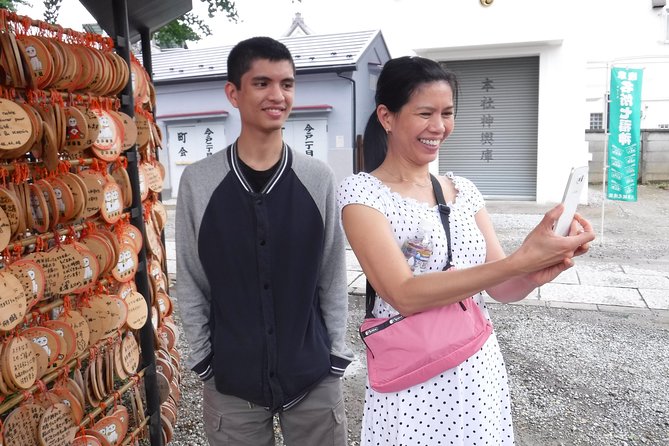
Next is Imado Shrine, founded in 1063. It’s described as a popular power spot for people seeking lovers or marriage partners. If you like Japanese spiritual customs, this is a meaningful detour. Even if you’re not there for matchmaking energy, it’s a chance to slow down and observe how worship is practiced in a place locals actively visit.
After that, you’ll go to Senso-ji, the massive temple complex associated with Asakusa. The tour notes bike parking near the temple, and then you stroll inside. That matters. A lot of bike tours struggle with where to lock up bikes, but here it’s handled so you can focus on walking and looking.
I like that this section is built for a comfortable rhythm: ride briefly, stop, walk, then return to the bike. It keeps your energy steady and avoids the all-day trudging that can happen when you try to do Asakusa and temples entirely on foot.
One consideration: since Senso-ji is a major destination, plan a bit of flexibility. You’ll do the visit during your tour time, but you might still want a longer follow-up stop later if you fall in love with the atmosphere.
Amezaiku Candy Craft Watching and Sumida River Bridge Views
Amezaiku is where the tour shifts from spiritual sights to hands-on Japanese craft. At the Asakusa Amezaiku Ameshin candy shop, you can watch traditional candy making. It’s described as artistic, and you’ll see the process right there, which is a big step up from just buying a snack and moving on.
This stop also solves a practical problem. When you’re cycling, you need fuel, and a craft candy viewing is an easy way to break up the route without committing to a full meal. You can pick something small, then get back on the bike.
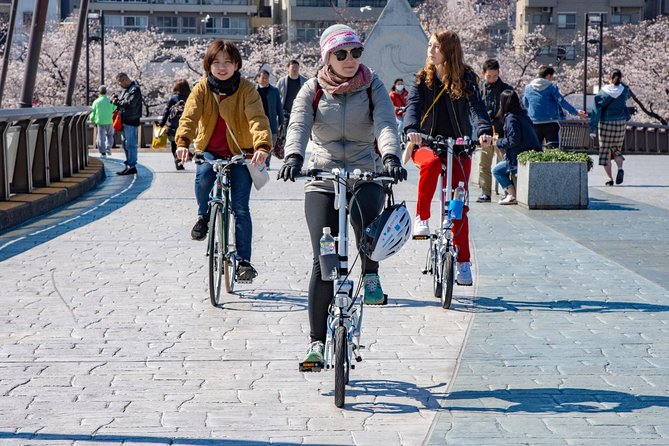
After the candy shop, you cross the bridge on the Sumida River. The tour is aimed at giving you good scenery from the right angles, and this bridge crossing is one of the natural photo moments built into the day. If you like river views, this is when you’ll feel the tour’s value most, because you’re seeing Tokyo from in-between places, not only from viewpoints.
Under Tokyo Skytree: Photo Angles, Bike Perspective, and Kyojima Daily Life
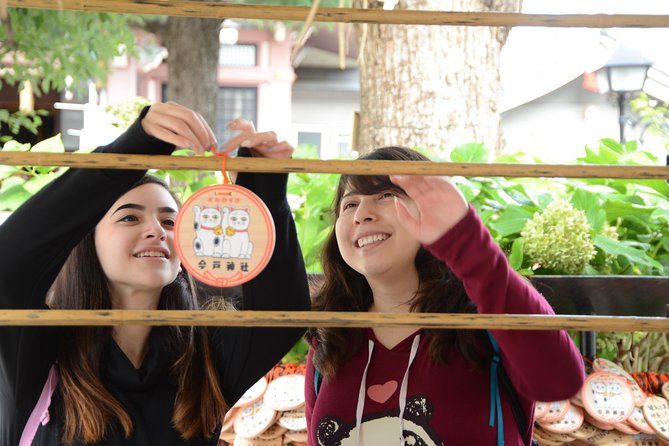
Cycling under the Tokyo Skytree is the kind of moment that only works if you’re actually moving at street level. Standing still gives you one view. Riding gives you multiple angles in seconds, plus the experience of feeling the scale of the building in motion.
The route is also designed for a less touristy side of Tokyo right after the big landmark. You’ll head to Kyojima Minami Park, described as an old-fashioned shopping mall where you can see daily life. That part is important. Tokyo feels different when you step into neighborhoods where people are shopping, eating, and running errands, not just taking photos.
From the guide feedback, one detail I think is especially useful is how safety and photos get handled. The guide often takes photos of the group, and in at least some cases shares them after the tour. If you want a clean souvenir without asking strangers, this is a big plus.
The potential drawback here is pace again. Kyojima is about browsing and atmosphere, but your time inside the shopping area is limited by the overall 2.5-hour schedule. Treat it like a sampling stop, then go back on your own if you want more.
Price, Value, and Who This Tour Fits Best
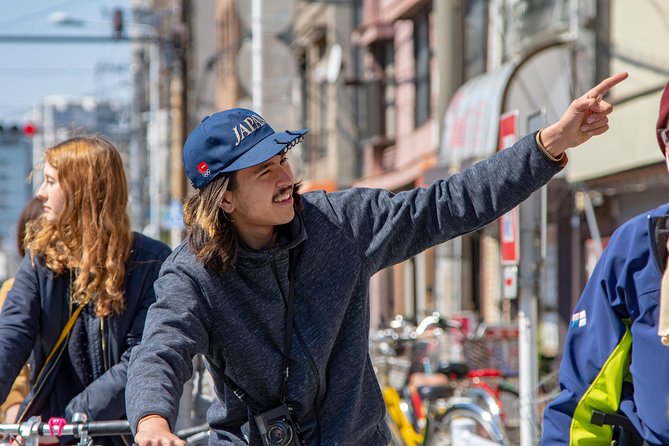
At $50.08 per person, the price is in the range where you should ask what you’re actually buying. Here, you’re paying for three things: a guided bike route, bikes and helmets, and time-efficient sightseeing across multiple locations. Because the itinerary’s temple and shrine admissions are marked as free, you’re not paying extra entry fees for those stops.
You also get a structure that usually costs less time than coordinating trains, bike rentals, and walking loops by yourself. If you’re staying in central Tokyo and you don’t want to spend half your day figuring out transport, that’s real value.
This tour fits you best if you want:
- A gentle, guided way to cover central Tokyo
- More neighborhood feel than just the headline sites
- A short schedule with a lot of visual payoff
It may fit less well if you’re expecting a long, slow cultural tour at each stop. This ride is about movement plus quick meaningful stops, not hours of museum-style depth.
One more practical note: the bikes are folding and sized for 140-180 cm. If your height falls outside that range, plan to message ahead so you get the right setup.
Weather and Pacing: How to Plan Your Day Like a Local
This experience requires good weather. If it’s canceled due to poor weather, you’re offered a different date or a full refund. That’s exactly how I like weather-dependent tours to work, because you don’t lose the day.
In Tokyo, plans can flip quickly. I’d still pack a light rain layer and some warm clothes for the seasons, even if the forecast looks fine. One guide-related detail from feedback is that the guide can handle rain situations by being prepared, so you’re not totally on your own, but you’ll be more comfortable if you come ready.
As for pacing, the tour is designed around short walks and brief cycling segments. That’s why it works for families in practice and for solo travelers who still want companionship. You’ll have plenty of opportunities to stop, look, and take photos without feeling trapped in a strict one-second-per-minute schedule.
If you’re prone to motion sickness or you really dislike bikes, this might not be your best day. But if you’re comfortable with a relaxed city ride, it’s a smart way to make Tokyo feel smaller.
Should You Book This Tokyo Backstreets Cycle Tour?
I’d book it if you want an efficient, safe, small-group way to see central Tokyo from multiple angles. The standout value is the combination of temples and shrines plus real neighborhood texture, then finishing with Skytree views and river scenery. It’s also a good pick when you only have a half-day free, because you’re done in about 2.5 hours.
Skip it if you need a long time at each site, or if the bike fit might be an issue. If you’re outside 140-180 cm, message early. If you need a tandem, give the requested 3-day notice.
Overall, this tour feels like a practical shortcut to the part of Tokyo most people miss. You’ll come away with better orientation, more variety in one afternoon, and photos that actually feel like Tokyo, not just postcard backdrops.
FAQ
How long is the 2.5 hour guided cycle tour?
The tour is listed at approximately 2 hours 30 minutes. It also notes that you should plan around this time, with the rest of your day free.
Where do I meet the guide?
The starting point is at Tokyo Backstreets Bike Tour in Sumida City, Higashimukōjima, inside the share office called Synaps. The overview also says you can easily meet the guide at Hikifune Station.
Are helmets provided, and what bikes do you ride?
You are provided a helmet for safety. The rental bikes are folding bikes with 14-20 inch sizing, suitable for people between 140 and 180 cm tall.
What if I am taller than 180 cm, or I want a tandem bike?
If you are over 180 cm, you should inform the operator prior to the tour so they can plan for you. If you want to cycle with a tandem bike, you need to inform them 3 days before the day you booked.
How large is the group?
The tour has a maximum of 6 travelers.
Do temple and shrine stops have admission fees?
The itinerary shows admission ticket free for the temple and shrine stops listed, including Honryuin Matsuchiyama Shoden, Imado Shrine, and Senso-ji Temple.
What happens if weather is bad, or I need to cancel?
The tour requires good weather. If it is canceled due to poor weather, you are offered a different date or a full refund. For cancellations, you can cancel up to 24 hours in advance for a full refund.
Bicycles and E-Bikes We Have Ridden
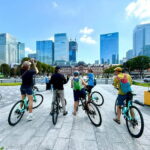
Newest Tokyo write-ups from the Loving Japan desk
Cycling and E-Bike Tours, side by side.
 ★ 5.0Hidden Kyoto E-Biking tourFrom $1161,843 reviews
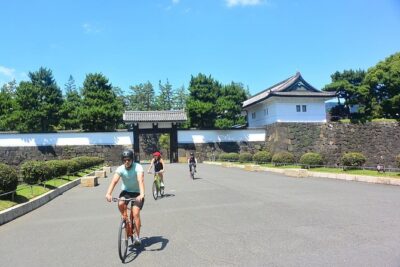 ★ 5.0Tokyo Guided Small-Group Biking TourFrom $1061,250 reviews
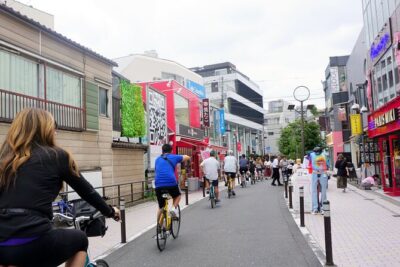 ★ 5.0Tokyo Great Cycling TourFrom $99811 reviews
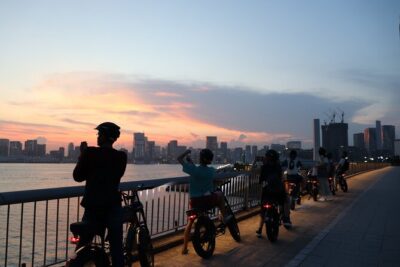 ★ 5.0Tokyo Top Highlights 3h Guided E-bike TourFrom $63714 reviews
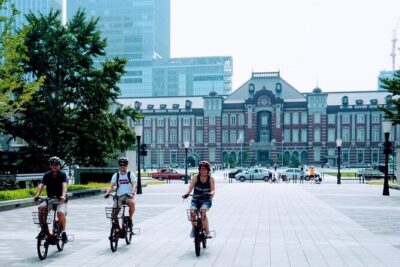 ★ 5.03h Tokyo E-Bike Tour: Hidden Gems, and Local Life with guideFrom $63670 reviews
 ★ 5.0Arashiyama Bamboo Forest & Hidden Gems Bike Tour (Early Bird)From $106613 reviews
 ★ 5.05 Top Highlights of Kyoto Full Day Bike Tour (E-bike option)From $172511 reviews
 ★ 5.0Full Day Biking Tour Exploring the Best of KyotoFrom $119498 reviews
Filed on these lists too