
REVIEW · ASAKUSA, SENSO-JI AND TOKYO SKYTREE
Asakusa: 2-hour history exploration
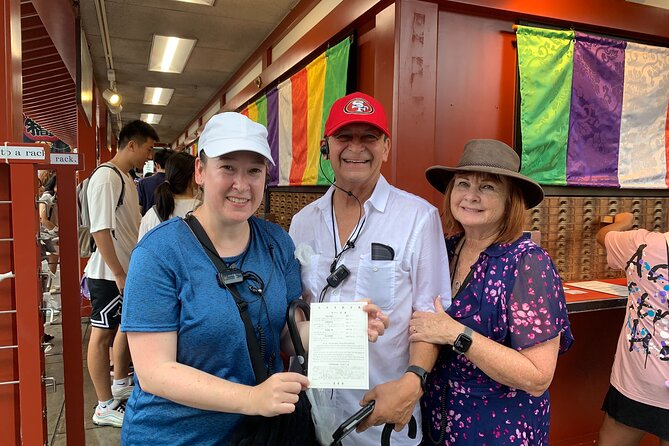
Asakusa gets better when someone points out what matters. This 2-hour history walk turns the famous temple streets into a clear, stop-by-stop story, with live English guiding and headsets so you do not miss a word in the crowd.
I especially like how the route starts with big river views and then walks you straight into the gates and rituals that define the area. You also get the practical benefit of a guide who helps with the tricky parts, like what to look for at Kaminarimon and how to handle classic temple customs without feeling lost.
One thing to keep in mind: the schedule packs a lot into a short time. If you prefer a slow, sit-down style tour, you may feel the pace is information-heavy.
In This Review
- Key points before you go
- Why this Asakusa history walk works in just two hours
- The “walk and listen” rhythm, plus what to expect from the group
- Stop 1: Sumida River and the Azumabashi bridge start
- Stop 2: Asakusa Culture Tourist Information Center and the 8th-floor preview
- Stop 3: Kaminarimon Thunder Gate and the giant lantern details
- Stops 4: Nakamise shopping street, souvenirs, and snack help
- Stop 5: Hozomon Treasure-House Gate and the gate before the main hall
- Stop 6: Senso-ji Temple and the rituals you can actually try
- Stop 7: Asakusa Shrine and the Buddhist-Shinto pairing
- Price and value at $64.55 for a 2-hour history walk
- What guides do best here, from clear English to smart pacing
- Your start and finish points, and how to use the last hour wisely
- Who should book this Asakusa tour (and who might skip it)
- Should you book this 2-hour Asakusa history tour?
- FAQ
- How long is the Asakusa history exploration tour?
- What is the price per person?
- Where does the tour start?
- Where does the tour end?
- What major stops are included?
- Are admissions included?
- Are headsets included?
- Is hotel pickup included?
- Is the tour in English?
- What is the cancellation policy?
Key points before you go
- Certified local English guiding that explains what you are looking at, not just where to stand
- Headsets for clear listening even along busy streets (for groups of 3 or more)
- A tight 2-hour route that hits Sumida River, gates, Senso-ji rituals, and Asakusa Shrine
- Nakamise Street snacks helped along by your guide based on what you like
- Big visual orientation from the Asakusa Culture Tourist Information Center observation deck
- A small group size capped at 20, which helps the tour feel personal
Still on the Sumida side? A few more Asakusa options
- Tokyo: Japanese Dance Cabaret Theater Asakusa-Kaguwa Ticket
★ 4.8 · 2,270 reviews - Tokyo: Meiji Shrine, Asakusa, Skytree Bus Tour and Cruise
★ 4.7 · 1,986 reviews - Tokyo: Roll and Authentic Sushi Making Class in Asakusa
★ 4.9 · 1,957 reviews - Tokyo: Asakusa Walking Tour with Sensoji Temple Visit
★ 4.8 · 1,583 reviews
Why this Asakusa history walk works in just two hours
Asakusa is one of Tokyo’s most atmospheric areas, but it is also easy to miss the meaning while you are busy taking photos. This tour solves that problem by giving you a guided path that connects the river beginnings of the neighborhood to the temple gates and everyday traditions you see today.
I like that it is not just a checklist of sights. The guide sets context, then you get to test it immediately as you move from stop to stop. That makes the famous spots feel less like random postcard scenes and more like a connected place you understand.
There is also a practical side to this tour. You are walking at a manageable pace, and headsets help you hear your guide even when the streets get crowded. For a first visit to Asakusa, that is huge, because Tokyo crowds can make independent sightseeing feel like guesswork.
The “walk and listen” rhythm, plus what to expect from the group
This is a small-group tour with a maximum of 20 people, and it runs for about 2 hours. Most importantly, you are not stuck trying to keep up by watching someone’s back. The tour is designed so you stop, look, and learn, then move on again.
The meeting time is 9:30 am. You start at Burger King Asakusa Azumabashi (Cross Bil Royal Palace, 2-chōme-20-6 Kaminarimon, Taito City), and you finish at Saryō Ichimatsu (1-chōme-15-1 Kaminarimon, Taito City), where geisha activity is held nearby.
If you are the type of traveler who likes structure, you will probably appreciate the clear sequence. If you are more of an “I want to roam on my own” person, just know this is built around guided stops and limited time at each place. Comfortable shoes matter more than usual here, because even a short walk adds up when you are moving between gates, stairs, and viewpoints.
Stop 1: Sumida River and the Azumabashi bridge start
Your tour begins at the Sumida River area, right where Asakusa’s history is anchored. From here you cross Azumabashi Bridge and take in the wider, modern skyline view that frames the old neighborhood.
This opening stop is clever because it gives you a reference point before you dive into temples and shopping lanes. You also see Tokyo Sky Tree in the broader view, plus Asahi Breweries’ headquarters with its world-famous golden flame object. It is an early reminder that Asakusa is not frozen in time. It is a place where the old and the current life of Tokyo sit side by side.
Time here is about 15 minutes, and the admission ticket is free. Think of it as the orientation chapter, not the main event.
- Mt Fuji and Hakone 1-Day Bus Tour Return by Bullet Train★ 5.0 · 26,383 reviews
- 1-Day Tokyo Bus Tour★ 5.0 · 14,250 reviews
- Tokyo: teamLab Planets TOKYO Digital Art Museum Entry Ticket★ 4.6 · 9,779 reviews
- Mt Fuji & Hakone Cruise, Drum Show Bullet Train 1 Day from Tokyo★ 4.0 · 7,413 reviews
- Tokyo: Shinjuku Food Tour (13 Dishes at 4 Local Eateries)★ 5.0 · 6,603 reviews
Stop 2: Asakusa Culture Tourist Information Center and the 8th-floor preview
Next you walk to the Asakusa Culture Tourist Information Center, a newer-feeling stop that also works as a map for your brain. The building is 8 stories, designed by a well-known Japanese architect, with an eye-catching stacked wooden-building appearance.
What I like most is the open terrace observation deck on the 8th floor. Before you commit to the streets, you get a preview of the full route. That includes the landmarks you will visit later: Kaminarimon gate, Nakamise shopping street, Hozomon gate, Senso-ji Temple, and more.
This is one of those rare moments in a walking tour where you can actually slow down mentally. If you have ever felt disoriented in Asakusa, this stop helps you “connect the dots” before you start moving.
Again, the stop is about 15 minutes and listed as free entry.
Stop 3: Kaminarimon Thunder Gate and the giant lantern details
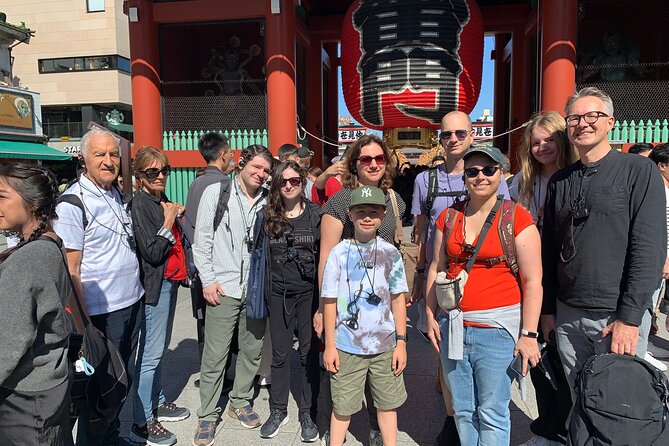
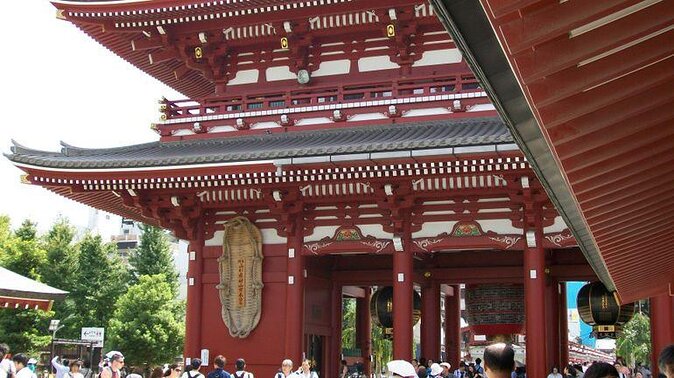
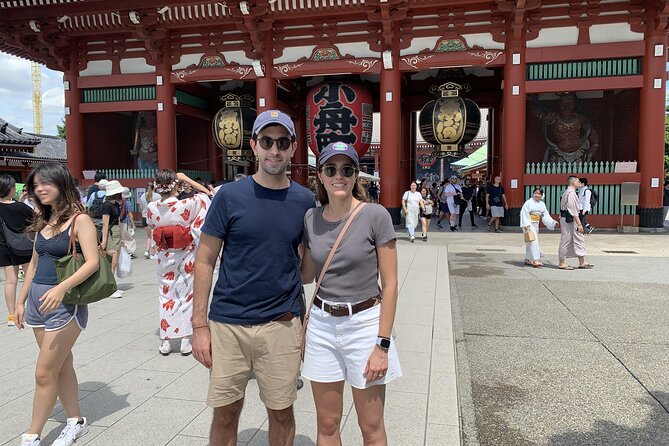
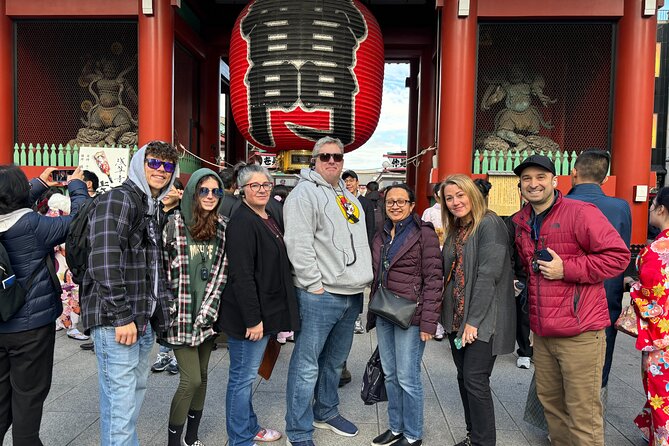
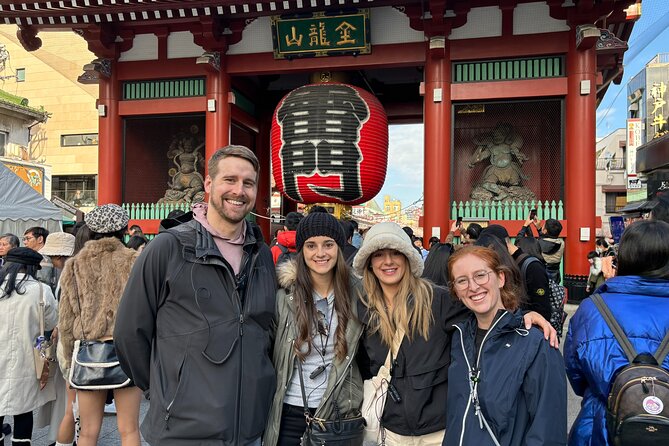
Then it is time for the signature entrance vibe: Kaminarimon, also known as the Thunder Gate. This is the outer of two large gates leading into Senso-ji Temple, and it is the one with the huge red lantern and statues that everyone photographs.
With a guide, the gate becomes more than an iconic backdrop. Your guide demystifies the giant lantern and the objects around it, so you know what you are seeing and why it shows up so often in Asakusa photos.
This is another 15-minute stop, and entry is free. The value here is speed plus explanation. You learn something in the time it normally takes just to walk up and take a picture.
Stops 4: Nakamise shopping street, souvenirs, and snack help
From Kaminarimon you continue to Nakamise shopping street, the approach that connects the gate to Senso-ji’s main gate. This stretch is about 250 meters and packed with souvenir shops and food stalls.
What makes this stop feel useful is that your guide is not leaving you on your own to figure out what is worth buying. The guide points out where to buy souvenirs you care about.
And yes, you get snacks. The tour includes a guide-arranged snack experience in Asakusa, and the guide may choose where to buy depending on preferences. That matters because snack time can quickly become random time if you are doing it alone.
There are also history tablets along the side of the street that depict how Asakusa started and developed around Senso-ji Temple. That turns what could be a pure shopping walk into a story walk.
Time here is about 30 minutes, so it is the longest street stop of the tour. If you want to do shopping but still keep momentum, this is where you can.
Stop 5: Hozomon Treasure-House Gate and the gate before the main hall
After Nakamise, you move to Hozomon, the inner gate to Senso-ji Temple. This is the follow-up to Kaminarimon, and it has a different feel: a two-story gate where the second story houses treasures.
In the first story, you can see statues, three lanterns, and two large sandals housed in the gate. Your guide will help you notice what matters, so you are not just staring at walls wondering which detail is the important one.
This is a 15-minute stop, free entry.
Stop 6: Senso-ji Temple and the rituals you can actually try
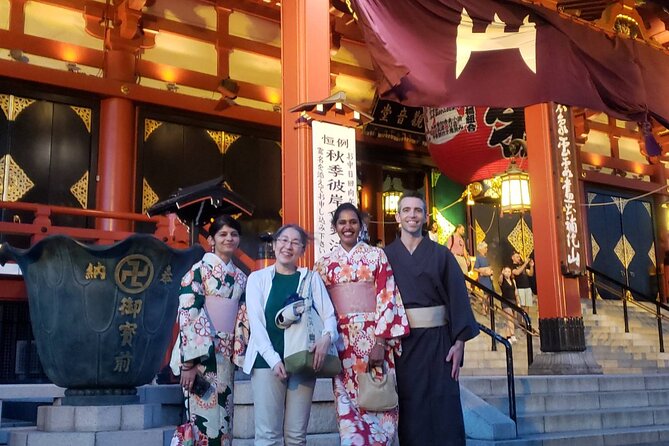
Now you reach the part most people came for: Senso-ji Temple. Between the Hozomon gate and the main hall area, there is plenty to observe and do in a short span.
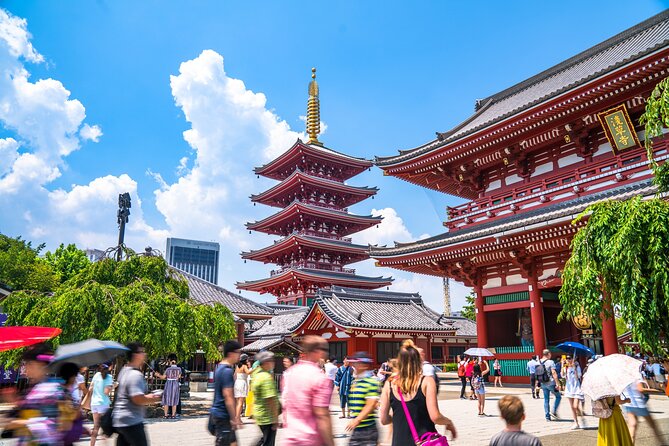
One highlight is the five-storied pagoda, listed as the second highest in Japan at 53 meters. It also holds Buddha’s ashes on the top floor, given by the Sri Lankan government. That detail gives you a specific reason to look up, not just a general “temple is old” feeling.
Before entering the main hall, you do or observe three major customs:
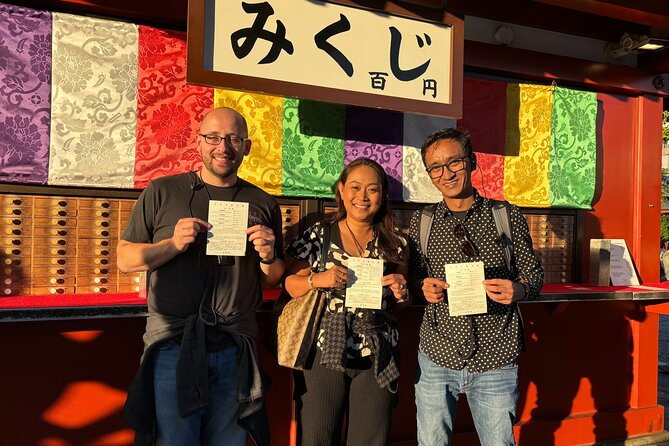
- Omikuji fortune paper: you can draw paper fortune to predict your future.
- Incense ritual: many people stop at the huge bronze incense burner to bathe their hands and faces in smoke, as a ritual to ward off illnesses before offering prayers.
- Water purification: people use a water purification fountain to purify themselves before going further.
These are the kinds of details that can feel confusing if you have no guidance. With a guide, you get permission to do them correctly, and you also get the meaning behind the steps so it feels respectful rather than touristy.
Time is about 15 minutes, and entry is listed as free.
Stop 7: Asakusa Shrine and the Buddhist-Shinto pairing
The last main stop is Asakusa Shrine. This is where the tour gets interesting in a different way. The shrine area is described as unusual to outsiders because a Buddhist temple and a Shinto shrine coexist on the same premises, sharing origins and worshipers.
Your guide explains why this pairing matters, and it helps you understand how religions are woven into everyday Japanese life rather than treated as separate museum categories.
This stop is 15 minutes, free entry. It is a neat end cap, because you start with river history and land on living tradition. You finish feeling like you learned something beyond temple architecture.
Price and value at $64.55 for a 2-hour history walk
At $64.55 per person, this tour is not the cheapest way to see Asakusa. But it is also not trying to be. You are paying for three things that matter in Tokyo:
- Live English guiding by a local certified expert
- Headsets, which make a big difference for hearing the guide in real street conditions
- A route that is built around key stops and the kinds of context you would otherwise have to hunt for yourself
The itinerary also includes admissions listed as free at each stop. That helps keep the all-in cost predictable.
I also like that it is capped at 20 people. In practice, smaller groups often make it easier to keep questions from getting lost. And since tours like this are commonly booked around 30 days in advance on average, planning ahead pays off if you want your time slot.
One more value signal: the format includes a structured route plus time for snack breaks and temple rituals. For many visitors, that is exactly what turns a good idea into a day that actually feels successful.
What guides do best here, from clear English to smart pacing
The most praised aspect in the experience is the guide quality: friendly, helpful, and clear in English. Names that show up again and again include Choco, Yasu, and Amy, each highlighted for strong explanations and good communication.
The best thing about that kind of guiding is not just that you can understand the words. You can follow the story. Your brain stops treating Asakusa as separate attractions and starts building a mental timeline.
There is also a small bonus element that sometimes shows up at the end, like an origami lesson, which adds a light, memorable touch after the temple stops. If you like having a takeaway beyond photos, that can land well.
The main drawback you might notice is pacing. One account describes the tour as having a lot of information, with less structure than expected in parts of the day. If you prefer a very tight narrative arc where every promised story lands on schedule, you might want to go in expecting a guided walk that prioritizes key facts and practical moments over long storytelling.
Your start and finish points, and how to use the last hour wisely
You meet at Burger King Asakusa Azumabashi, near Cross Bil Royal Palace. From there you head toward the Sumida River, then gradually work into the gate-and-street core of Asakusa.
At the end, you finish at Saryō Ichimatsu, where geisha activity is held nearby. The tour does not turn into a long sit-down show in the details you get, but finishing here is a practical way to keep your day moving without backtracking.
If you want to shop, eat again, or take your time at one of the big sights after the tour ends, this setup makes it easy. You will have a foundation in what you just saw, and you can decide where to spend extra minutes.
Who should book this Asakusa tour (and who might skip it)
Book it if you:
- Are a first-time Asakusa visitor who wants the meaning behind the big sights fast
- Like temple rituals and gate details, but would rather not figure out the etiquette on your own
- Prefer small-group tours with headsets and a guide who keeps explanations clear
You might skip it if you:
- Want a long, independent wander with flexible stopping time at the shopping street
- Prefer deep storytelling that takes more than a couple of stops to land, since this is designed as a short, active route
Should you book this 2-hour Asakusa history tour?
Yes, if your priority is to understand Asakusa without wasting time. This tour does a good job of pairing famous sights with practical context, from the Sumida River orientation to the ritual steps at Senso-ji. The standout value is the combination of certified local English guiding and headsets, which turns a crowded neighborhood into a place you can actually hear and learn from.
If you are sensitive to packed schedules, go in knowing it is built to cover many highlights quickly. For most people, though, the short format is exactly the point. You end up leaving with a coherent picture of Asakusa, not just a pile of photos.
FAQ
How long is the Asakusa history exploration tour?
It lasts about 2 hours.
What is the price per person?
The price is $64.55 per person.
Where does the tour start?
The meeting point is Burger King Asakusa Azumabashi, Cross Bil Royal Palace, 2-chōme-20-6 Kaminarimon, Taito City, Tokyo 111-0034, Japan.
Where does the tour end?
The tour ends at Saryō Ichimatsu, 1-chōme-15-1 Kaminarimon, Taito City, Tokyo 111-0034, Japan, near where geisha activity is held.
What major stops are included?
Key stops include Sumida River, Asakusa Culture Tourist Information Center, Kaminarimon, Nakamise shopping street, Hozomon, Senso-ji Temple, and Asakusa Shrine.
Are admissions included?
Admission tickets are listed as free for the stops.
Are headsets included?
Yes. Headsets are provided for groups of 3 or more so you can hear the guide clearly.
Is hotel pickup included?
No, hotel pickup is not included.
Is the tour in English?
The tour includes live guiding in English.
What is the cancellation policy?
You can cancel for a full refund up to 24 hours before the experience starts. Cancellation less than 24 hours before the start time is not refunded.
Asakusa and the Skytree, Keep Going


Newest Tokyo write-ups from the Loving Japan desk
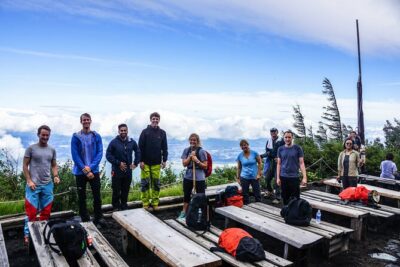
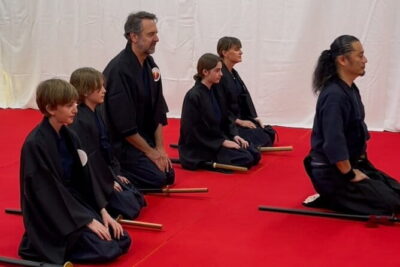
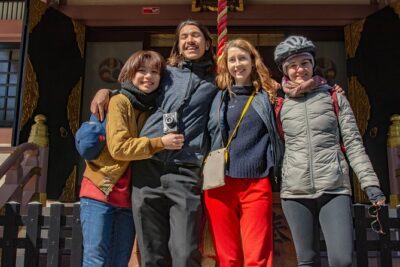
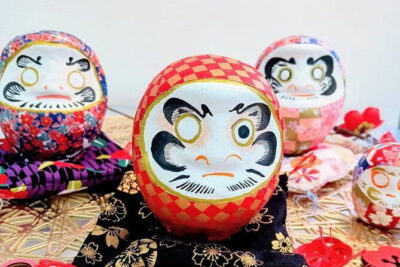
Asakusa, Senso-ji and Tokyo Skytree, side by side.
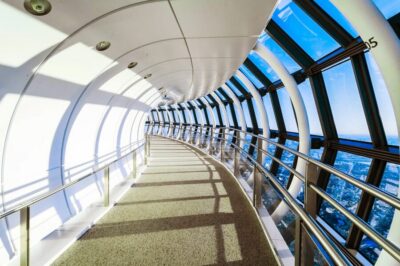 ★ 4.5TOKYO SKYTREE® Admission ticketFrom $1311,192 reviews
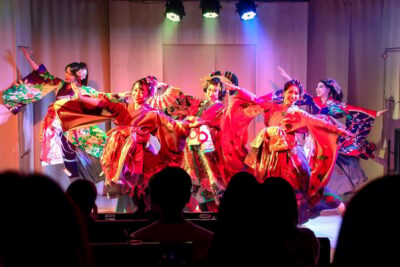 ★ 4.8Japanese Dance Cabaret Theater Asakusa-Kaguwa TicketFrom $492,270 reviews
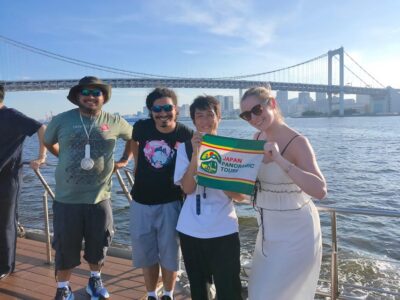 ★ 4.7Meiji Shrine, Asakusa, Skytree Bus Tour and CruiseFrom $1221,986 reviews
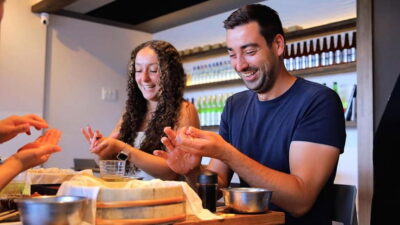 ★ 4.9Roll and Authentic Sushi Making Class in AsakusaFrom $581,957 reviews
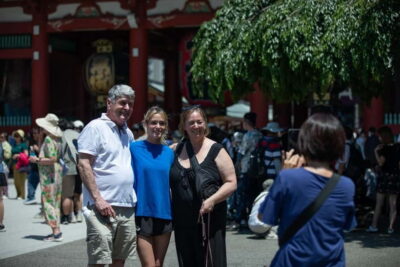 ★ 4.8Asakusa Walking Tour with Sensoji Temple VisitFrom $221,583 reviews
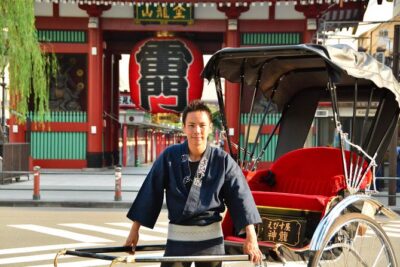 ★ 5.0Tokyo Asakusa Rickshaw TourFrom $421,375 reviews
 ★ 4.5Tokyo Panoramic 1 Day: Meiji Shrine, Asakusa, Odaiba and SKYTREE®From $851,222 reviews
 ★ 5.0Tokyo Go Kart: Asakusa, Skytree, and Akihabara **IDP MUST**From $99988 reviews
Filed on these lists too