
REVIEW · ASAKUSA, SENSO-JI AND TOKYO SKYTREE
Asakusa: A Big-picture History Walk to Know Japan
One walk, and Japan clicks into place. This guided history stroll through Asakusa connects what you see up close to the big story, from isolation and opening to spiritual life that has shaped daily Japan for centuries.
I especially like two things. First, the guide makes the two religions, Buddhism and Shinto, feel clear instead of confusing. Second, you learn why Japanese art ideas traveled west, including how ukiyo-e helped inspire Europe’s Impressionists.
One consideration: the route is moderate walking and the tour is not suitable for mobility impairments, so plan on staying on your feet for the full 2 hours.
In This Review
- Key highlights you will feel immediately
- Getting your bearings fast in Asakusa
- From the Sumida River to Japan reopening to the world
- Asakusa Culture Tourist Information Center: religion in the simplest terms
- Kaminarimon Thunder Gate: dragons, symbolism, and tone
- Nakamise Shopping Street: history hiding in everyday commerce
- Hōzōmon Gate: the surprising mind-to-mind comparison
- Senso-ji Temple: a place to see Buddhism and practice difference
- Asakusa Shrine: the 1,000-year shrine and temple coexisting lesson
- Price, time, and what you actually get for $58
- Who this tour suits best, and who should pass
- Should you book the Asakusa big-picture history walk?
Key highlights you will feel immediately
- Sumida River history opener: Edo-era isolation, the Netherlands trade exception, and the pressure that forced reopening
- Religion explained visually: Buddhism and Shinto, plus how prayer can differ between them
- Kaminarimon dragon contrast: the Japanese dragon’s role compared to Western dragons
- Nakamise symbols with meaning: Buddhist imagery and how ukiyo-e prints sparked European art changes
- 1,000-year coexistence you can still see: a shrine and temple sharing the same grounds peacefully
- Guides who keep it moving: many English-speaking guides are praised for staying engaging, including with kids
Still on the Sumida side? A few more Asakusa options
- Tokyo: Japanese Dance Cabaret Theater Asakusa-Kaguwa Ticket
★ 4.8 · 2,270 reviews - Tokyo: Meiji Shrine, Asakusa, Skytree Bus Tour and Cruise
★ 4.7 · 1,986 reviews - Tokyo: Roll and Authentic Sushi Making Class in Asakusa
★ 4.9 · 1,957 reviews - Tokyo: Asakusa Walking Tour with Sensoji Temple Visit
★ 4.8 · 1,583 reviews
Getting your bearings fast in Asakusa
Asakusa is one of those places where it is easy to “see a lot” and still miss the point. This walk is built to solve that. Instead of hopping from photo spot to photo spot, you get a story spine. Every landmark you pass becomes a chapter in Japan’s history and beliefs, then the guide ties it back to connections the world had with Japan.
You start at a very specific meeting point, in front of a Burger King next to Asakusa subway Station (Ginza Line) Exit 4. Step outside when you reach Exit 4, then look for the guide there. It is a simple start, which matters because you are heading straight into the walking portion right away.
If you want a tour that helps you understand why Asakusa looks the way it does, this format is a good match. You will spend about 2 hours moving between key sights, and you will have headsets for clearer audio when you are in a group of 3 or more.
From the Sumida River to Japan reopening to the world
The first “wow” moment is less about a single statue and more about the river setting. You begin at the Tokyo Cruise Asakusa Pier on the Sumida River. From there, the guide frames Japan’s isolation and later opening as something you can actually picture.
Here is the big arc you learn, in plain terms:
- How the Edo shogunate kept Japan largely closed for over 200 years
- Why the Netherlands was one of the few allowed trading partners
- How Admiral Perry’s arrival pushed Japan to reopen, even if it changed lives fast
Why this matters for your walk: it changes how you read everything that follows. When you later see art forms, religious symbols, and even modern references to earlier world encounters, you are not treating them as separate trivia. You are seeing how Japan’s boundaries, trade, and beliefs shaped what it offered the world, and what the world brought back.
There is also a clever modern connection. The guide links the historical reopening to parts of modern Tokyo you might recognize, including Odaiba’s former gun batteries and the Statue of Liberty replica facing the Pacific. That kind of “then and now” bridge is one of the reasons the tour is worth doing instead of wandering on your own.
Asakusa Culture Tourist Information Center: religion in the simplest terms
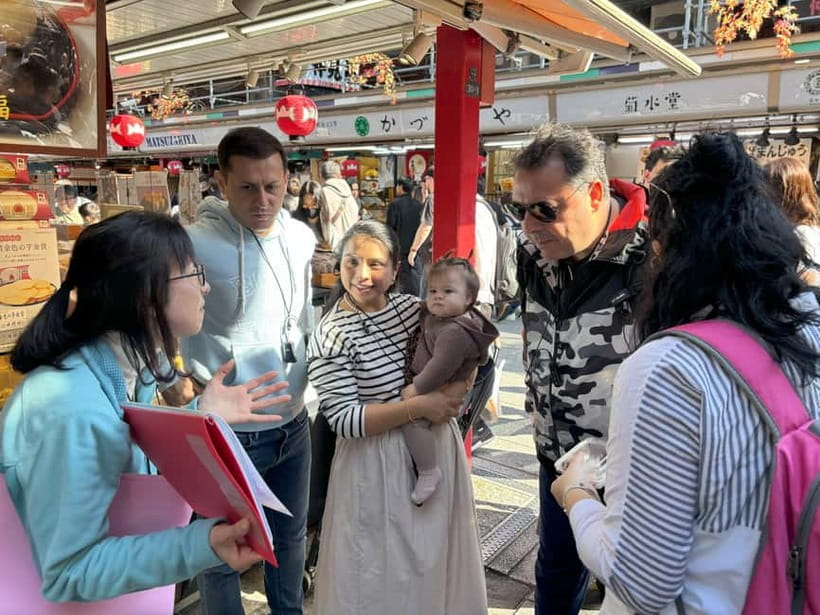
Right after the river story, you stop at the Asakusa Culture Tourist Information Center for a foundation block. This is one of those parts that can feel optional if you are thinking only about temples and gates. But it is not filler. It sets up what you will see next.
You get a clear introduction to Buddhism and Shinto, the two major religions that shape so many of Asakusa’s visible details. When you know the basic terms and what each tradition typically emphasizes, the later sites become easier to decode instead of just looking impressive.
This also helps with respectful visiting. The guide is basically preparing you to interpret, and to behave appropriately, at places where people are praying and making offerings.
- Mt Fuji and Hakone 1-Day Bus Tour Return by Bullet Train★ 5.0 · 26,383 reviews
- 1-Day Tokyo Bus Tour★ 5.0 · 14,250 reviews
- Tokyo: teamLab Planets TOKYO Digital Art Museum Entry Ticket★ 4.6 · 9,779 reviews
- Mt Fuji & Hakone Cruise, Drum Show Bullet Train 1 Day from Tokyo★ 4.0 · 7,413 reviews
- Tokyo: Shinjuku Food Tour (13 Dishes at 4 Local Eateries)★ 5.0 · 6,603 reviews
Kaminarimon Thunder Gate: dragons, symbolism, and tone
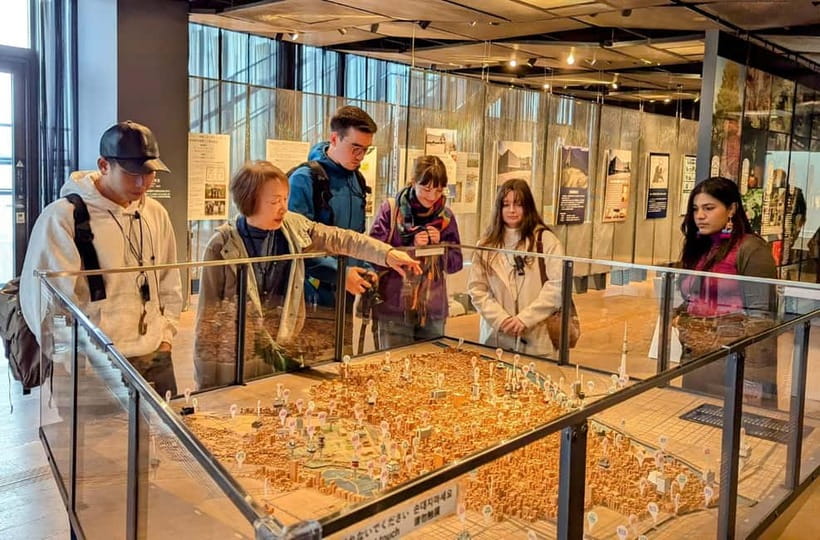
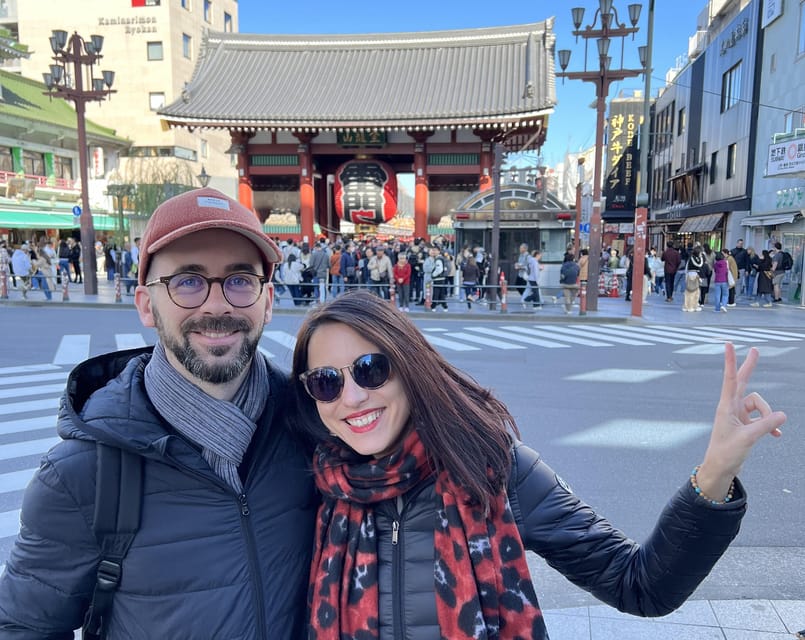
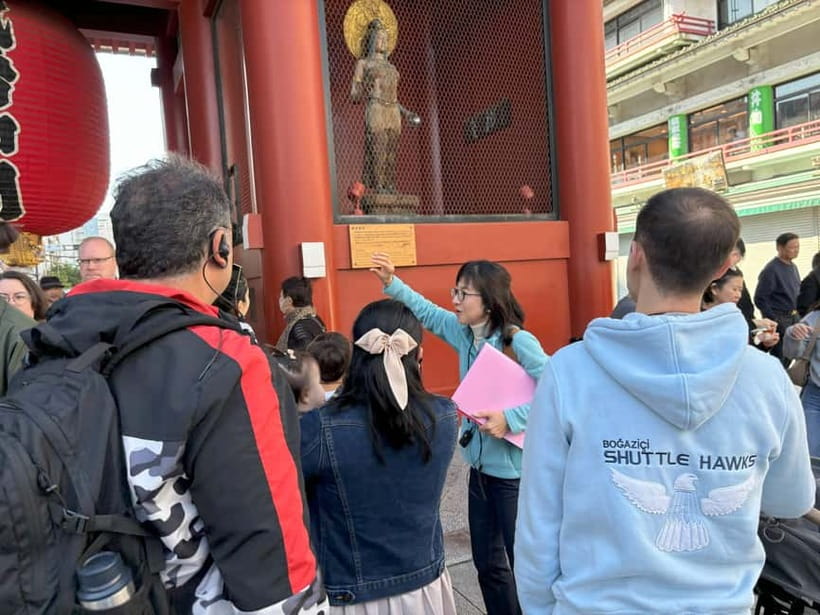
Kaminarimon, the Thunder Gate, is one of Tokyo’s most recognizable entrances, and it can draw you in immediately. The tour uses that excitement in a smart way.
You explore the contrast between Japanese and Western dragons, including how the Japanese dragon plays an opposite role from the Western one. That detail is small, but it is a great example of the tour’s style. It is not only telling you what something looks like. It is teaching you how cultural ideas can flip meaning depending on where they come from.
This is also where you start noticing that Asakusa has layers. Even at a famous gate, there is a deeper logic in the symbols than you might guess from a quick glance.
Nakamise Shopping Street: history hiding in everyday commerce
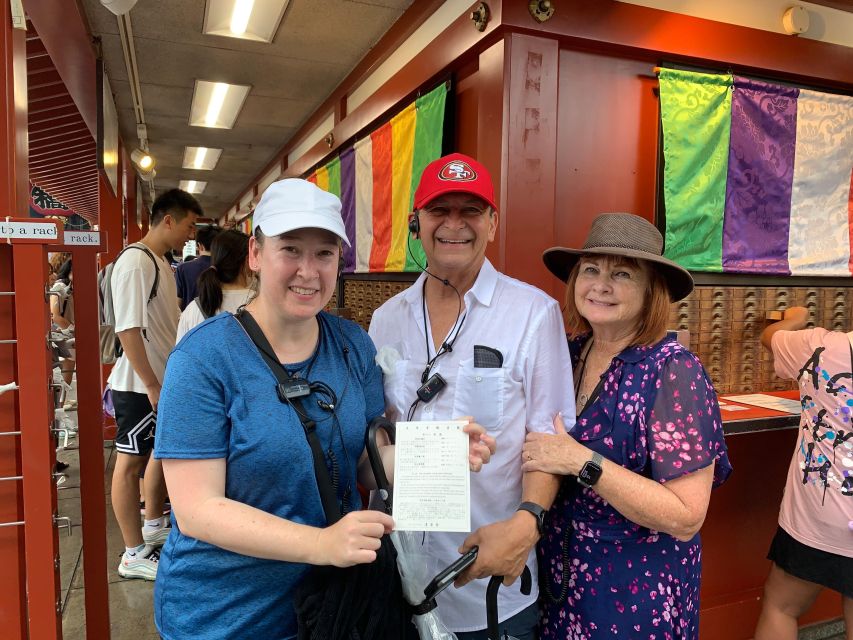
From Kaminarimon you move into Nakamise Shopping Street, and the walk becomes more sensory. The street is known for snacks and souvenirs, and you get a built-in reason to pay attention beyond browsing.
The guide points out Buddhist symbols, including the vajra, sometimes tied to tokko, and explains what those symbols communicate. Then the conversation expands to art. One of the most memorable lessons here is the role of ukiyo-e woodblock prints and their world impact.
The big claim you learn, in a grounded way, is that ukiyo-e reached Europe and influenced Western artists, including Impressionist painters. That connection is especially satisfying because it is not a random museum fact. It links the visual language you see in street culture to a cross-continental artistic shift.
Practical tip: you will be walking and listening, so choose to snack when you have the chance during the tastings rather than trying to eat everything you see. The included traditional snack tastings help you sample without turning the tour into a sugar sprint.
Hōzōmon Gate: the surprising mind-to-mind comparison
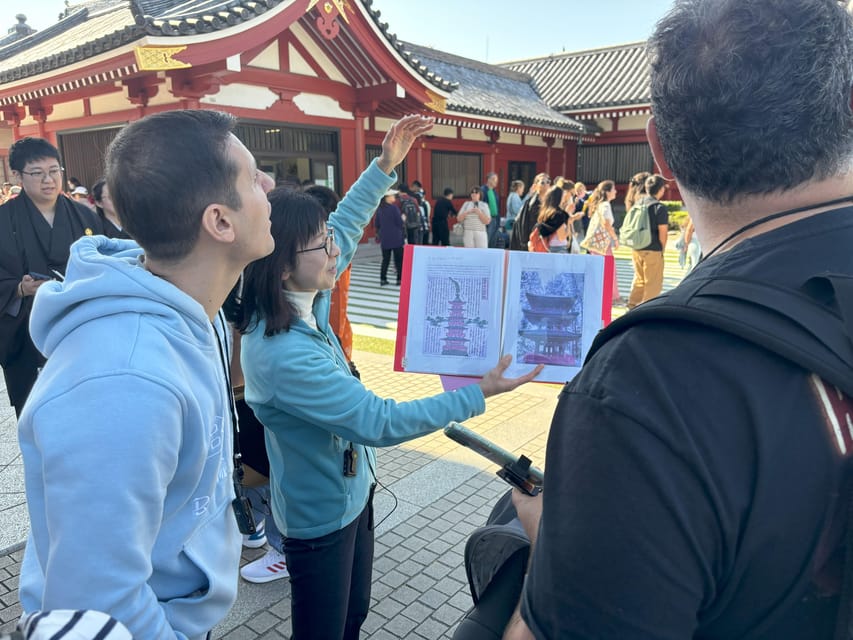
At Hōzōmon Gate, the guide adds a thought-provoking comparison. You learn that people in Japan and the West shared remarkably similar ways of thinking about 1,000 years ago.
This is not presented as a “Japan copied Europe” story. It is framed as a parallel human mindset. Why it works: it gives you permission to see history as a set of real connections between societies, not just isolated bubbles.
It also fits the tour theme. You have already been hearing about exchange, trade, and global pressure to reopen. This stop tightens the thread by showing cultural ideas can rhyme across time.
Senso-ji Temple: a place to see Buddhism and practice difference
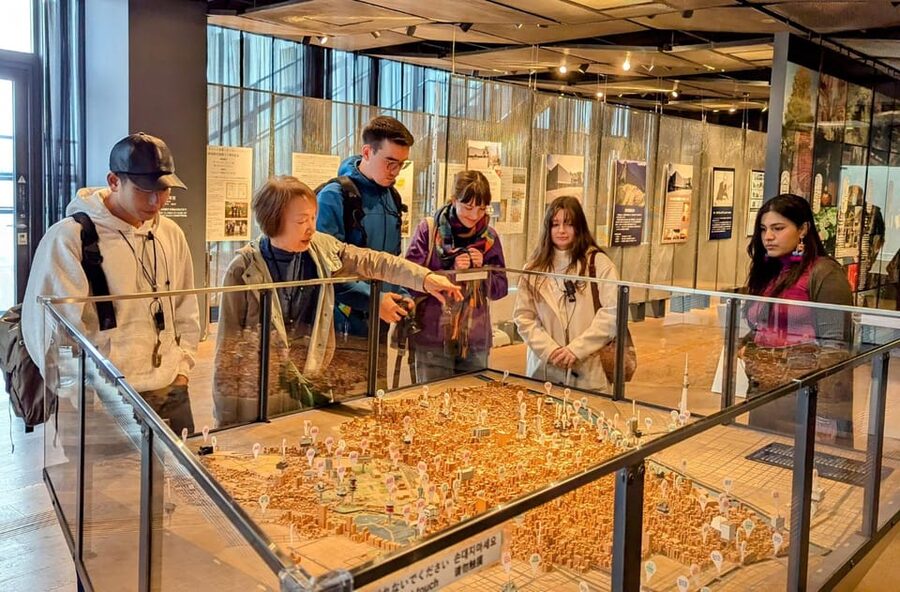
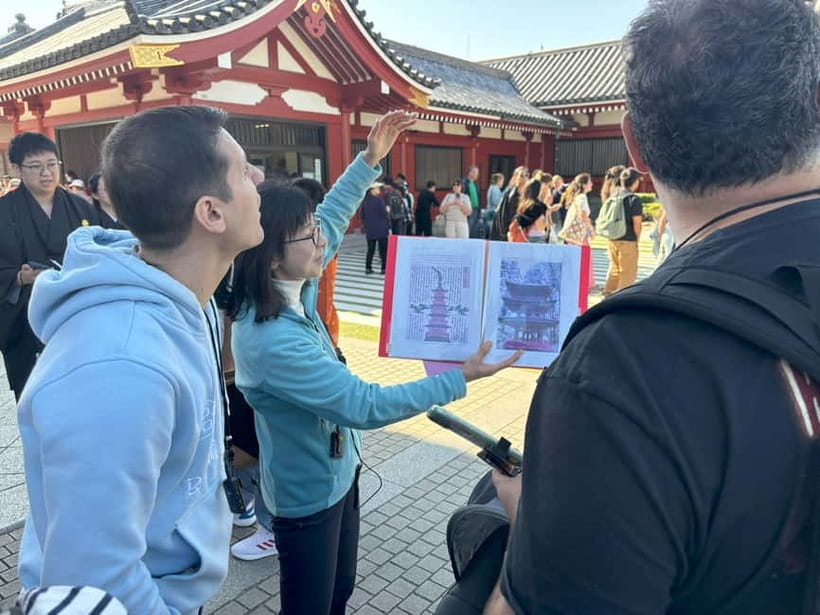
Senso-ji is Japan’s oldest Buddhist temple, and it is the kind of site where you can easily get swept into the scale and atmosphere. The tour keeps you grounded by explaining the key contrasts in how prayer can work in Buddhism and Shinto.
This matters because people often assume all “temple visiting” is the same ritual package. Here, you learn why they are not. You also get a framework for what you are seeing, which helps you notice details rather than just taking in crowds.
From the way the tour is described, you also get moments of interaction that can make the temple feel more understandable, including what some guides do like fortune telling activities at the entrance. If you are traveling with kids, this kind of small participatory moment is a big win.
Asakusa Shrine: the 1,000-year shrine and temple coexisting lesson
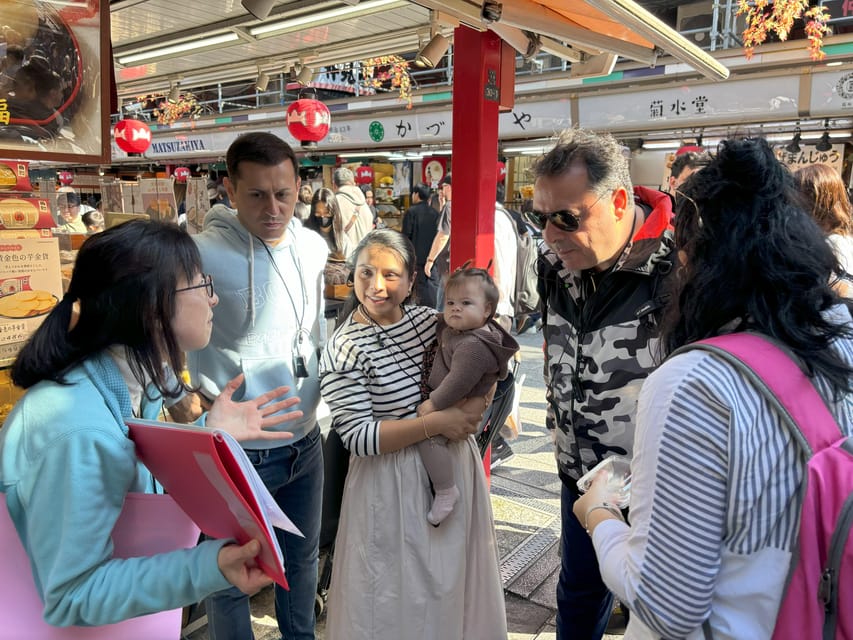
The tour ends at Asakusa Shrine, and this stop is where the “big idea” becomes visible in a very literal way.
You learn about the remarkable setup of a Shinto shrine and a Buddhist temple sharing the same grounds, worshippers, and history, with peaceful coexistence lasting over a millennium. Many places have one tradition or the other. Here, you can watch the blend work across generations.
This is one of the tour’s most praised concepts because it feels different from typical sightseeing. It is not only that you are visiting a shrine. You are visiting a place where two religious identities overlap in daily practice, for a very long time.
If you want a final moment that sticks, make this stop your attention anchor. Slow down a bit, look at how people move through the space, and let the guide connect the visuals to the “why.”
Price, time, and what you actually get for $58
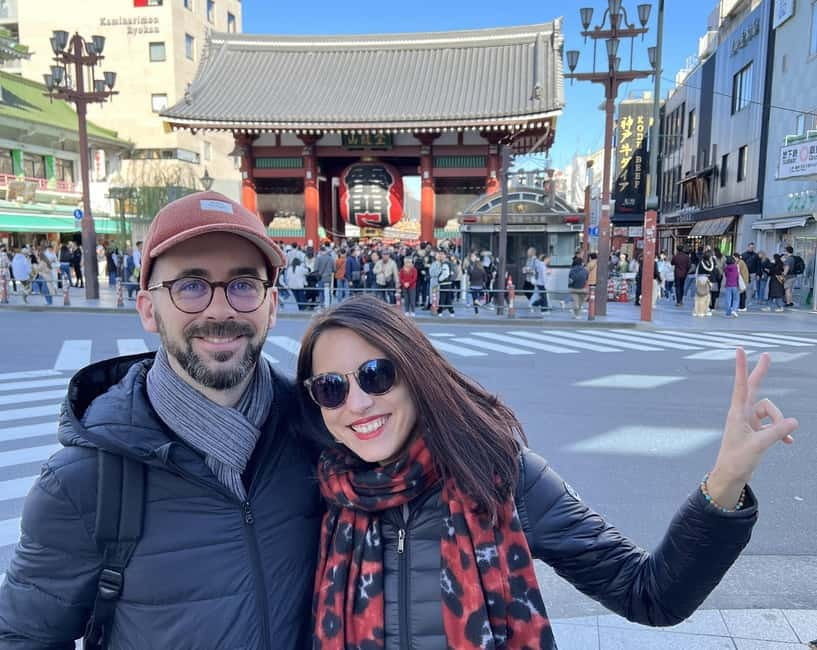
At $58 per person for a 2-hour guided experience, you are not paying just for entry and photo stops. You are paying for:
- a certified guide who explains the why behind what you see
- English live commentary
- audio headsets for clearer listening when the group is larger
- traditional snack tastings
- a route that includes both spiritual landmarks and a global history storyline
Is it worth it? If your goal is to understand Japan with context, yes. A self-guided loop in Asakusa can be fun, but it tends to stay on the surface. This walk is designed to give you the connective tissue, so you leave feeling like the city makes sense instead of looking like a collection of impressive locations.
Who this tour suits best, and who should pass
This works best if you want structure without heaviness. You do not need a history degree, but you should be ready to listen and connect dots.
It is also a solid family option in the sense that children can join (kids under 6 are free), and guides often keep the tone engaging. That said, the tour is recommended for adults because the focus is historical and religious interpretation.
Avoid this if you have mobility impairments, since the tour is listed as not suitable for that. The description also says to contact the supplier if you have mobility issues so they can do their best to accommodate you, but the safest move is to check directly and ask hard questions first.
Should you book the Asakusa big-picture history walk?
Book it if you want Asakusa to feel like more than a postcard. You will get a guided thread that links Edo isolation, Japan’s religious worldview, and even the way Japanese art changed what Europeans painted.
Skip it if you only want casual wandering and do not care about context. Also skip it if walking for about 2 hours is tough for your body.
If you do book, wear comfortable shoes and bring water. The tour runs rain or shine, so dress for the weather and plan to stay present. This is the kind of experience where you get more back the more you pay attention.
Asakusa and the Skytree, Keep Going


Newest Tokyo write-ups from the Loving Japan desk
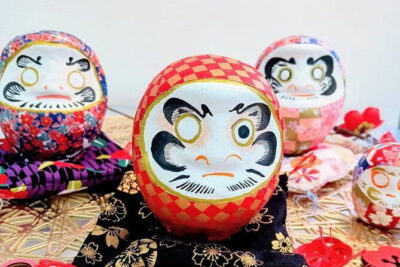
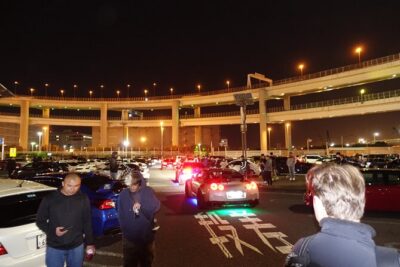
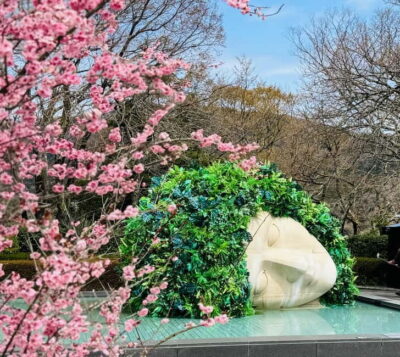
Asakusa, Senso-ji and Tokyo Skytree, side by side.
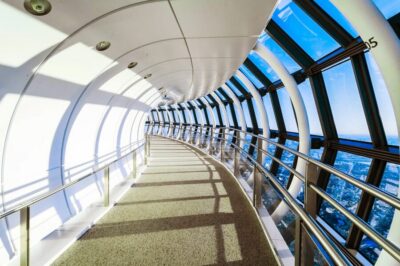 ★ 4.5TOKYO SKYTREE® Admission ticketFrom $1311,192 reviews
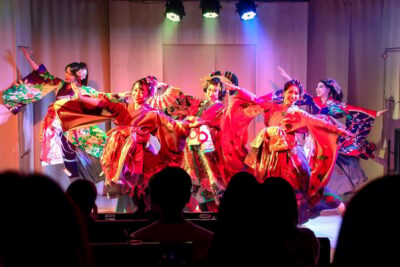 ★ 4.8Japanese Dance Cabaret Theater Asakusa-Kaguwa TicketFrom $492,270 reviews
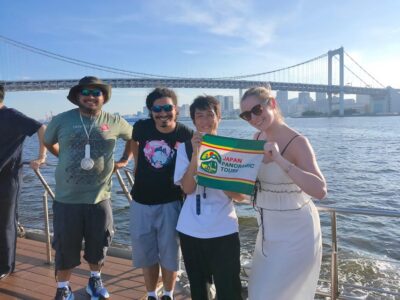 ★ 4.7Meiji Shrine, Asakusa, Skytree Bus Tour and CruiseFrom $1221,986 reviews
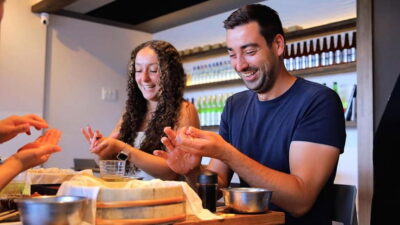 ★ 4.9Roll and Authentic Sushi Making Class in AsakusaFrom $581,957 reviews
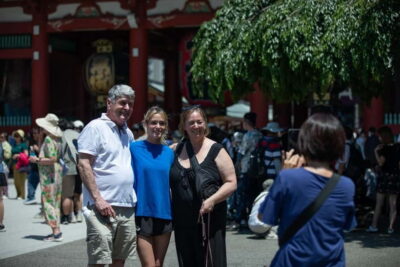 ★ 4.8Asakusa Walking Tour with Sensoji Temple VisitFrom $221,583 reviews
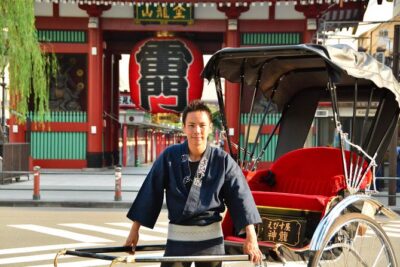 ★ 5.0Tokyo Asakusa Rickshaw TourFrom $421,375 reviews
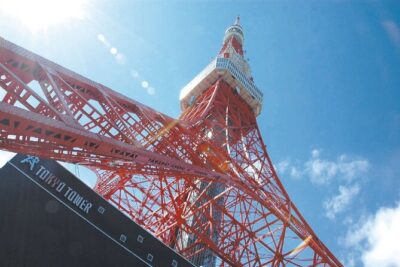 ★ 4.5Tokyo Panoramic 1 Day: Meiji Shrine, Asakusa, Odaiba and SKYTREE®From $851,222 reviews
 ★ 5.0Tokyo Go Kart: Asakusa, Skytree, and Akihabara **IDP MUST**From $99988 reviews
Filed on these lists too