
REVIEW · ASAKUSA, SENSO-JI AND TOKYO SKYTREE
Asakusa: TOKYO SKYTREE Exploration after History Tour
Asakusa and Skytree in one smooth afternoon. This small-group tour strings together the sights that define the neighborhood, from Senso-ji and its gate area to the Tokyo Skytree observation decks, without you needing to read maps or figure out train transfers. I especially like that you get a guided walk that explains what you’re seeing, then you finish with reserved entry to two Skytree levels for big-city views. One thing to consider is commitment: Skytree dates are tied to your booking, and the tickets can’t be changed once purchased.
You also get smart pacing. The walk portion stays focused on a handful of high-impact stops, and then the group heads to Skytree so you have time to look around and do some shopping below. For families and first-timers, I like the small-group size (max 8) and the chance to hear your guide clearly, with headsets for groups of 3 or more. If you’re the type who hates crowds, Skytree and Senso-ji areas can feel busy, especially when lots of tours converge.
In This Review
- Key Takeaways Before You Go
- Why This Asakusa to Skytree Plan Works in a Half Day
- Meeting at Kaminarimon: Getting Your Bearings Fast
- Sumida Park to the Culture Center: A Calm Warm-Up
- Kaminarimon and Nakamise Street: Symbols, History, and Shopping With Meaning
- Hozomon, Senso-ji, and Asakusa Shrine: Faith Side by Side
- Tokyo Skytree: Two Decks of Views and a Real Chance to Shop
- Price and Logistics: Is This Good Value at $118.24?
- Who This Tour Suits Best (And Who Should Think Twice)
- Should You Book This Asakusa and Skytree Tour?
- FAQ
- What time does the tour start?
- How long is the tour?
- Where do I meet the guide?
- Where does the tour end?
- What’s included in the price?
- Is hotel pickup included?
- Do I need to pay for the train between Asakusa and Skytree?
- How big is the group?
- Can I cancel or change my booking after purchasing?
- Is this tour suitable for most travelers?
Key Takeaways Before You Go
- Small group (up to 8) means less waiting and more chances for questions during the walking route
- Skytree combo tickets to both upper and lower observation decks are included
- A guide-led Asakusa route helps you understand what you’re looking at, not just where to stand for photos
- Step-by-step landmarks cover Sumida River area, Kaminarimon, Nakamise, Hozomon, Senso-ji, and Asakusa Shrine
- Headsets for groups of 3+ help if you’re toward the back of the group
Still on the Sumida side? A few more Asakusa options
- Tokyo: Japanese Dance Cabaret Theater Asakusa-Kaguwa Ticket
★ 4.8 · 2,270 reviews - Tokyo: Meiji Shrine, Asakusa, Skytree Bus Tour and Cruise
★ 4.7 · 1,986 reviews - Tokyo: Roll and Authentic Sushi Making Class in Asakusa
★ 4.9 · 1,957 reviews - Tokyo: Asakusa Walking Tour with Sensoji Temple Visit
★ 4.8 · 1,583 reviews
Why This Asakusa to Skytree Plan Works in a Half Day
This is a classic one-two punch: old-school Tokyo in Asakusa, then a fast shift to modern Tokyo from high above. The timing is built for visitors who want meaning and views without eating up your entire day. With a start time of 1:30 pm and about 3 hours 30 minutes, it fits nicely after a morning in other neighborhoods.
You also avoid the usual planning headaches. You meet at Kaminarimon, walk the core Asakusa sights in sequence, then transfer to Skytree so you can focus on the experience rather than navigation. And because the group stays small, it feels more like following a well-prepared friend than a stampede in matching hats.
The main tradeoff is that you’re on a guided schedule. If you prefer long, free wandering (especially for shopping), this tour may feel a bit structured. The good news is you do get a full hour at Skytree for photos, views, and time down at the complex.
Meeting at Kaminarimon: Getting Your Bearings Fast
You start at 2-chōme-20-6 Kaminarimon, Taito City, with the tour ending at Tokyo Skytree (Oshiage). Meeting near Kaminarimon is smart because it drops you right into the busiest, most recognizable gateway zone of Asakusa.
In the first stage, you’ll walk into the area with context, not just sightseeing. Your guide frames the neighborhood as a place where different layers of Japan show up in the same few blocks, which makes the later temple stops feel like part of one story instead of separate checkboxes. Guides you might have include Taka, Junko Yamashita, Sue, and Keiko, and the common thread is clear explanations and a calm pace.
If you arrive early, it’s worth doing a quick look around the gate area on your own. That way, when you hear the guide’s explanation of what you’re seeing, it sticks better.
Sumida Park to the Culture Center: A Calm Warm-Up
The tour begins near the Sumida River at Sumida Park. This isn’t just a pretty river walk, it’s where the guide sets a bigger historical frame, including why Japan had a long period of isolation and how that eventually shifted as the country opened to the world.
Next comes the Asakusa Culture Tourist Information Center, a useful “reset button” before you hit the temples. The guide’s explanation of Japan’s two major religions, Buddhism and Shinto, helps you understand why you’ll see certain symbols, prayer styles, and shrine-temple connections later. It’s also a helpful moment if you feel a little lost when you first walk into sacred spaces in Japan.
This early portion is free of entrance fees, and it keeps your energy up. It’s a good lead-in if you want to know what you’re looking at before you start snapping photos and joining the crowd near Senso-ji.
- Mt Fuji and Hakone 1-Day Bus Tour Return by Bullet Train★ 5.0 · 26,383 reviews
- 1-Day Tokyo Bus Tour★ 5.0 · 14,250 reviews
- Tokyo: teamLab Planets TOKYO Digital Art Museum Entry Ticket★ 4.6 · 9,779 reviews
- Mt Fuji & Hakone Cruise, Drum Show Bullet Train 1 Day from Tokyo★ 4.0 · 7,413 reviews
- Tokyo Mt Fuji 5th St & Hakone Cruise Bus Tour w/Bullet Train★ 4.4 · 5,024 reviews
Kaminarimon and Nakamise Street: Symbols, History, and Shopping With Meaning
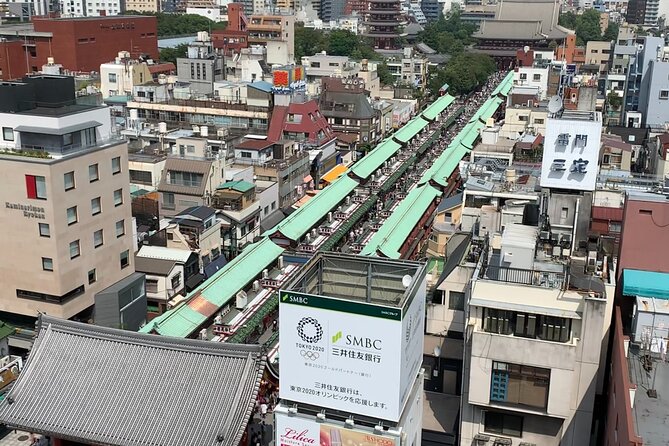
At Kaminarimon, you’ll stop at one of Asakusa’s most iconic gates. The guide focuses on the contrast between Japanese and Western dragons and what role dragons play in each tradition. It’s the kind of detail you’d miss if you simply walked through the gate for a picture.
From there, you move into Nakamise Shopping Street, where the experience becomes sensory and practical at the same time. The guide explains Buddhist symbols you’ll see along the way, including the vajra often associated with the term tokko, and how ukiyo-e woodblock prints influenced the visual culture of everyday life.
The biggest advantage here is that the shopping feels guided, not random. You’ll still be able to browse and pick up snacks or souvenirs, but now you’ll recognize why certain items and symbols show up in the first place.
One consideration: shopping streets are busy. Plan on moving at a walking pace through narrow lanes, and if you’re prone to photo-blocking, step aside quickly when people behind you want to pass.
Hozomon, Senso-ji, and Asakusa Shrine: Faith Side by Side
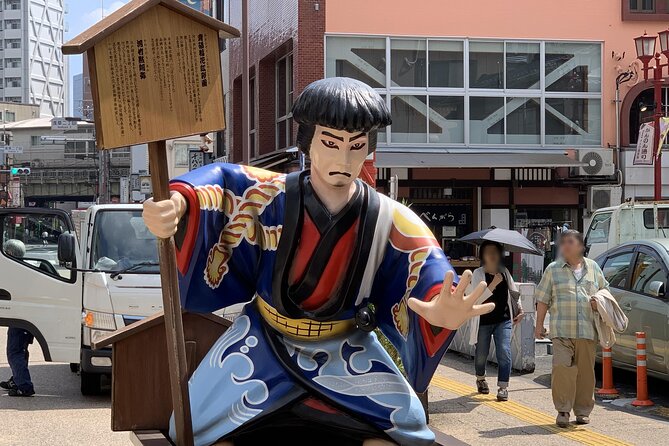
The next stops build momentum. At Hozomon, the guide points out a surprising comparison in how people in Japan and the West thought about things roughly 1,000 years ago. That kind of “similarity lesson” can make sacred spaces feel less distant and more understandable.
Then you reach Senso-ji Temple, one of Tokyo’s best-known religious sites. The guide explains how prayer differs in Buddhism and Shinto, which helps you decode what you’re seeing, whether it’s how people approach the space or the way they participate.
You wrap up at Asakusa Shrine, a place that amazes many visitors because a shrine and a Buddhist temple share the same grounds and history. The guide explains how worship can coexist peacefully in the same complex over many centuries.
This part of the tour is the one most people remember. It’s not because the buildings are new, it’s because your guide connects details you’d normally ignore, like symbolic meanings and everyday practices, back to the bigger cultural picture.
Tokyo Skytree: Two Decks of Views and a Real Chance to Shop
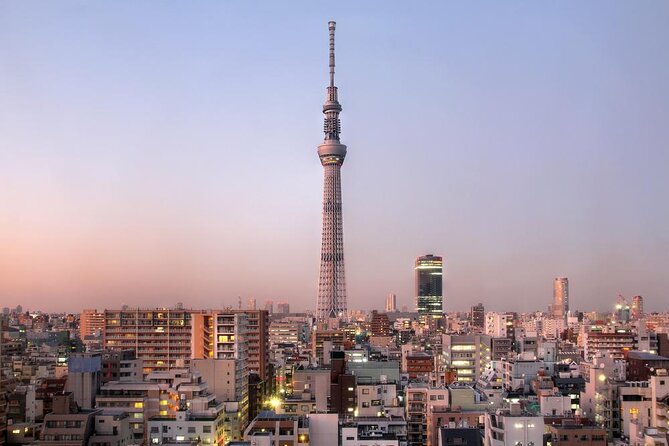
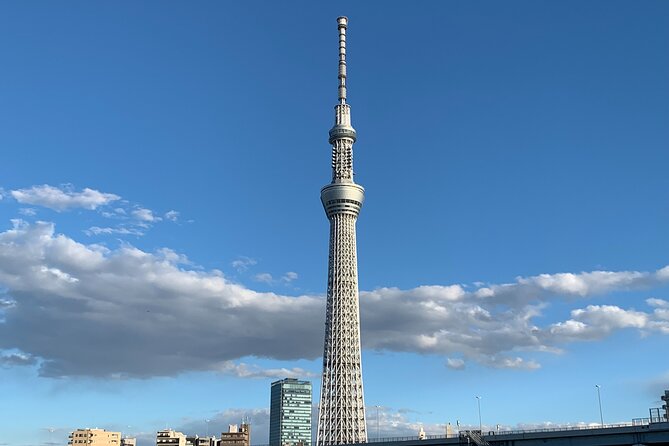
After Asakusa, you take the train to Skytree. Train fare is JPY 160 from Asakusa Station to Tokyo Skytree Station, and it is not included in the tour price. This is a small cost, but it’s good to have it handy so you’re not scrambling at the station.
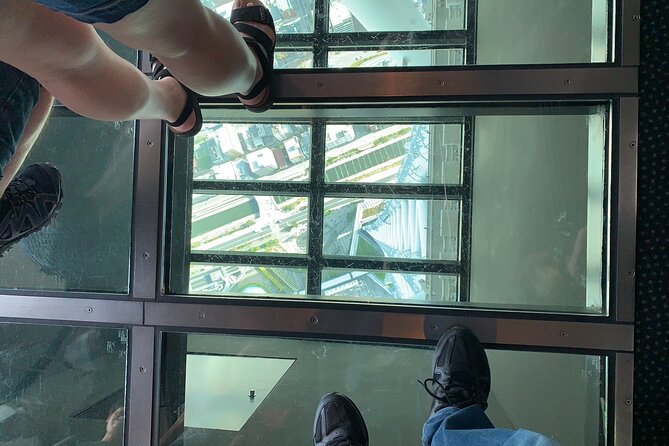
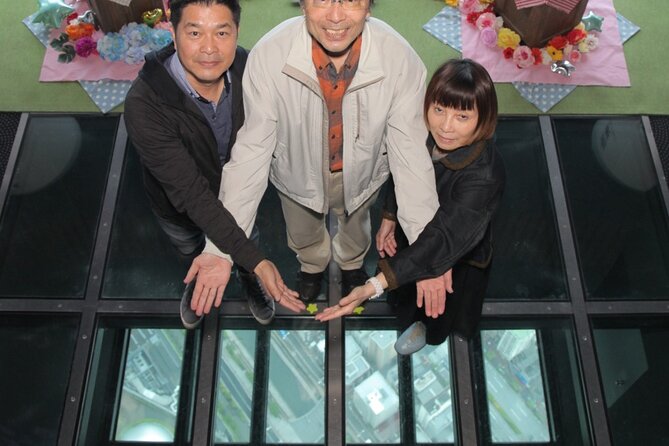
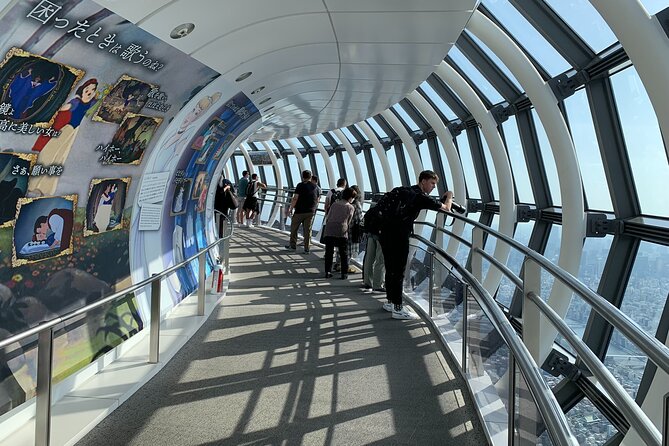
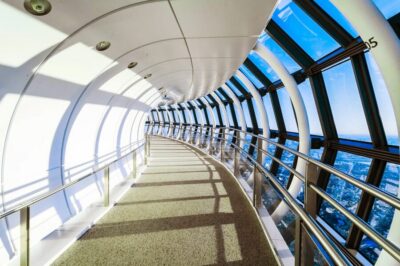
At Skytree, your included combo tickets cover both the upper and lower observation decks. Getting two levels matters because the view changes as you move higher, and you get more angles for photos and for taking in the shape of the city. The ticket inclusion also removes the biggest stress point for most first-timers, which is waiting in line or missing out when tickets sell quickly.
You also get about one hour at Skytree. That time includes the observation decks and enough breathing room to look around the complex below, where there are plenty of shops and places to eat.
If you’re traveling on a clear day, Skytree can feel extra rewarding. If it’s cloudy, don’t assume it’s pointless, but do lower your expectations for long-distance views. In that case, you can still focus on the city’s geometry, river lines, and the way neighborhoods stack up in layers.
Price and Logistics: Is This Good Value at $118.24?
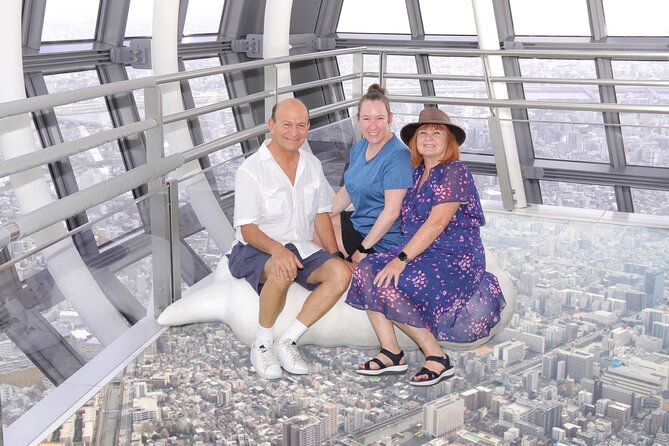
At $118.24 per person, the value depends on what you’d otherwise do on your own. You’re paying for: a guided walk through core Asakusa landmarks, and Skytree combo tickets for two observation decks.
If you were to plan this yourself, you’d likely spend time figuring out routing, train timing, and how to purchase Skytree tickets quickly. Here, your guide handles the flow between the main stops, and the Skytree tickets are prearranged as soon as the booking is made. That’s a real benefit because Skytree entry tickets can sell quickly.
The tour also keeps the group compact, max 8 travelers, and offers headsets for groups of 3+. For many people, that means less strain trying to hear your guide at busy landmarks.
One other factor is the schedule commitment. Because Skytree tickets are date-tied and not cancellable or changeable, you should only book if you’re confident you can keep the plan. If you like flexibility due to weather or shifting itineraries, this setup may feel like a constraint.
Who This Tour Suits Best (And Who Should Think Twice)
I’d aim this tour at three types of travelers.
First, first-timers who want the classic Asakusa highlights but don’t want to decode the area alone. Second, people who enjoy explanations, including what temple and shrine practices mean in real terms. Third, families who want a manageable route with a guide they can ask questions to, without the pace dragging.
It’s also a nice pairing if you already explored other parts of Tokyo and want one afternoon that feels organized and purposeful. The end result is a blend of spiritual sites, old-street atmosphere, and a modern skyline payoff.
If you strongly prefer self-guided sightseeing, and you want total control over how long you linger at specific shops or along the river, you might feel a bit boxed in by the structured route. Also, if you dislike crowds, the Senso-ji and Nakamise areas can be crowded during peak tourist hours, so you’ll want to stay flexible and accept the buzz.
Should You Book This Asakusa and Skytree Tour?
Book it if you want the quickest path to understanding Asakusa, plus a guaranteed Skytree viewpoint experience with upper and lower deck access. You’re not just collecting photos, you’re getting cultural context that makes the landmarks click.
Skip or consider another option if your schedule is uncertain or you’re the kind of traveler who needs lots of unstructured time. The experience works best when you’re ready for a guided half-day plan and you’re committed to the Skytree date you select.
If your goal is a well-paced route from Kaminarimon through Senso-ji and then up Tokyo Skytree, this is a strong pick for first-timers and families.
FAQ
What time does the tour start?
The tour starts at 1:30 pm.
How long is the tour?
It runs for about 3 hours 30 minutes.
Where do I meet the guide?
The meeting point is 2-chōme-20-6 Kaminarimon, Taito City, Tokyo 111-0034, Japan.
Where does the tour end?
The tour ends at Tokyo Skytree, Tokyo Skytree 1-chōme-1-2 Oshiage, Sumida City, Tokyo 131-0045, Japan.
What’s included in the price?
You get Tokyo Skytree combo tickets for both the upper and lower observation decks. If the group is 3 or more, each traveler also gets a headset to hear the guide clearly from a distance.
Is hotel pickup included?
No, hotel pickup and drop-off are not included.
Do I need to pay for the train between Asakusa and Skytree?
Yes. The train fare of JPY 160 from Asakusa Station to Tokyo Skytree Station is not included.
How big is the group?
The tour has a maximum of 8 travelers.
Can I cancel or change my booking after purchasing?
No. The experience is non-refundable and cannot be changed for any reason. Skytree tickets are not cancellable and their dates cannot be changed.
Is this tour suitable for most travelers?
The tour notes that most travelers can participate.
Asakusa and the Skytree, Keep Going



Newest Tokyo write-ups from the Loving Japan desk






Asakusa, Senso-ji and Tokyo Skytree, side by side.
 ★ 4.5TOKYO SKYTREE® Admission ticketFrom $1311,192 reviews
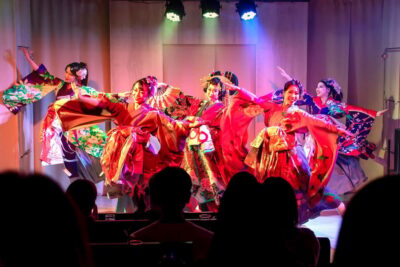 ★ 4.8Japanese Dance Cabaret Theater Asakusa-Kaguwa TicketFrom $492,270 reviews
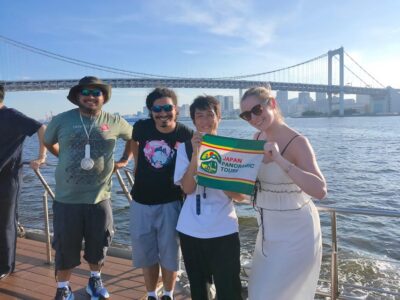 ★ 4.7Meiji Shrine, Asakusa, Skytree Bus Tour and CruiseFrom $1221,986 reviews
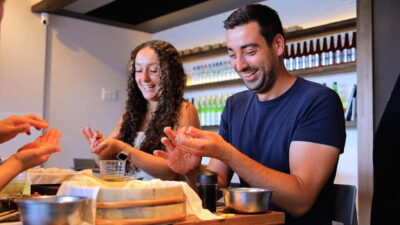 ★ 4.9Roll and Authentic Sushi Making Class in AsakusaFrom $581,957 reviews
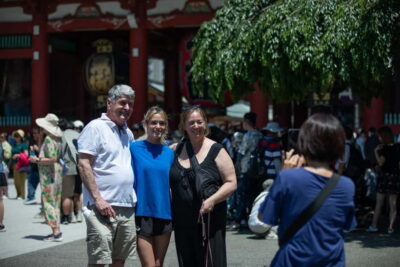 ★ 4.8Asakusa Walking Tour with Sensoji Temple VisitFrom $221,583 reviews
 ★ 5.0Tokyo Asakusa Rickshaw TourFrom $421,375 reviews
 ★ 4.5Tokyo Panoramic 1 Day: Meiji Shrine, Asakusa, Odaiba and SKYTREE®From $851,222 reviews
 ★ 5.0Tokyo Go Kart: Asakusa, Skytree, and Akihabara **IDP MUST**From $99988 reviews
Filed on these lists too