
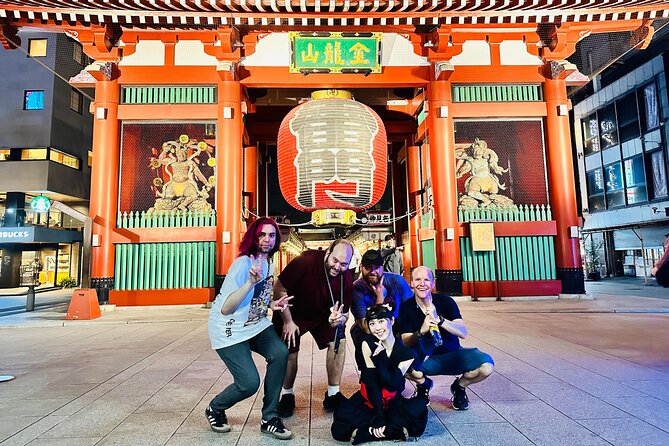
REVIEW · ASAKUSA, SENSO-JI AND TOKYO SKYTREE
Asakusa’s Historic Treasures
Tokyo history turns hands-on in Asakusa. With guide Miley, I love the story-first pacing, from a time-slip journey spanning 628 to 2012 to clear explanations of temple vs shrine etiquette along the way. I also like that the tour does not stop at sightseeing, because you move into fun activities like karaoke tea time and a guided monja cooking experience.
The one possible drawback is the timing and weather factor: this is a roughly 4-hour afternoon outing, and it depends on good weather, so you will want comfortable walking shoes and a light rain layer just in case.
In This Review
- Key highlights to look for
- Why Asakusa shines on a guided, hands-on route
- Meet at Burger King Asakusa Azumabashi, then settle into the plan
- Time-slip history, plus war-survival details that make the area make sense
- Temple vs shrine: the etiquette lesson you can use immediately
- Asakusa Yokocho: quick festival-style photos in about 20 minutes
- Karaoke tea time: high-quality songs and a free drink bar
- Monja cooking: the hands-on meal that explains the local taste
- Ending near Ninja House, with an optional drink stop
- Price and value: what $164.72 buys in a 4-hour day
- Practical tips for a smoother afternoon in Asakusa
- Who should book this Asakusa tour
- Should you book Asakusa’s Historic Treasures?
- FAQ
- How long is Asakusa’s Historic Treasures?
- What time does the tour start?
- Where do I meet the guide?
- Where does the tour end?
- Is this tour for small groups?
- What is included during the activities?
- Do I get a ticket on my phone?
- What happens if the weather is bad?
Key highlights to look for
- Small group of up to 9: easier questions and more interaction with the guide
- Time-slip history in Asakusa: a chronological walk that jumps from early eras to modern Tokyo
- Temple vs shrine explanations you can actually use: plus notes on what survived the war
- Karaoke tea time with a free drink bar: a very Tokyo way to take a break
- Make monja yourself, with 1 drink included: hands-on food, not just watching
Still on the Sumida side? A few more Asakusa options
- Tokyo: Japanese Dance Cabaret Theater Asakusa-Kaguwa Ticket
★ 4.8 · 2,270 reviews - Tokyo: Meiji Shrine, Asakusa, Skytree Bus Tour and Cruise
★ 4.7 · 1,986 reviews - Tokyo: Roll and Authentic Sushi Making Class in Asakusa
★ 4.9 · 1,957 reviews - Tokyo: Asakusa Walking Tour with Sensoji Temple Visit
★ 4.8 · 1,583 reviews
Why Asakusa shines on a guided, hands-on route
Asakusa is one of those Tokyo neighborhoods where the streets themselves feel layered. You see old-school worship and the festival vibe that still shapes daily life here. The smartest part of this experience is how it connects those sights to the way people behave and remember.
I like that the guide keeps the walking portion lively and purposeful. Instead of random stops, you get a chronological feel, including a time-slip style look at how Asakusa changes across huge spans of time, ending in the modern era. That makes the neighborhood feel easier to understand fast.
You also get a clear change of pace. The tour shifts from history and etiquette into active fun, like karaoke, and then into eating something you help cook. It is a good match for people who want their Tokyo day to have both meaning and momentum.
Meet at Burger King Asakusa Azumabashi, then settle into the plan
You start at Burger King Asakusa Azumabashi, near Cross Bil Royal Palace in Taito City, with the meeting point listed in Google Maps. The tour begins at 2:00 pm and runs about 4 hours, so it fits nicely into an afternoon without stealing your whole day.
Because it is a small group capped at 9 people, the meeting process feels manageable. Still, I recommend arriving a few minutes early so you are not rushing when everyone else gathers.
A big plus for me is the mobile ticket format. It is one less thing to worry about while you are navigating Tokyo. Just keep your phone charged, since you will be using it for maps and the tour ticket.
Time-slip history, plus war-survival details that make the area make sense
One of the stops is specifically framed as a history walk. You look at Asakusa’s past in chronological order, described as a time-slip journey stretching from 628 to 2012. That kind of structure matters, because it turns a walk into a timeline you can remember.
Then the tour adds context about place and survival, including notes tied to 1649 to 1945 and buildings that endured the war. You are not only hearing stories, you are also seeing why certain streets and landmarks feel the way they do today.
If you normally skip history because it feels too textbook, this style may work better. The facts are anchored to physical locations, so you can point and connect them as you go. You end up with a mental map, not just scattered impressions.
- Mt Fuji and Hakone 1-Day Bus Tour Return by Bullet Train★ 5.0 · 26,383 reviews
- 1-Day Tokyo Bus Tour★ 5.0 · 14,250 reviews
- Tokyo: teamLab Planets TOKYO Digital Art Museum Entry Ticket★ 4.6 · 9,779 reviews
- Mt Fuji & Hakone Cruise, Drum Show Bullet Train 1 Day from Tokyo★ 4.0 · 7,413 reviews
- Tokyo: Shinjuku Food Tour (13 Dishes at 4 Local Eateries)★ 5.0 · 6,603 reviews
Temple vs shrine: the etiquette lesson you can use immediately
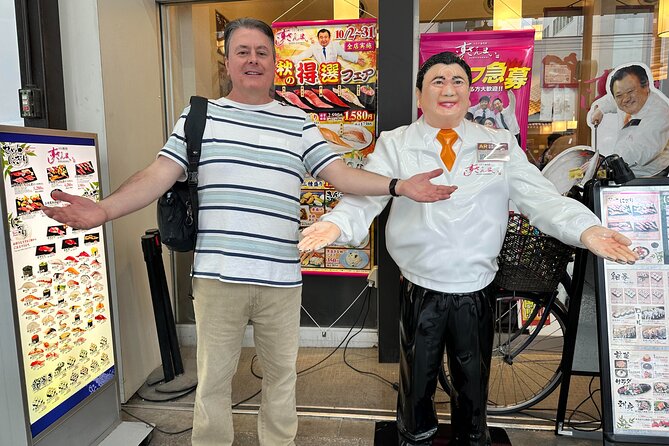
Another part of the experience focuses on learning the difference between temples and shrines while you are actually there. You also get guidance about what you are looking at and what those places mean in everyday life.
This is the section I would call practical. In Japan, religious sites have common patterns, but the details matter, like how spaces are used and what visitors are expected to notice. When someone explains it in plain language while you stand in front of the buildings, you are more likely to get it right on future trips.
Even better, the tour keeps the tone friendly and not preachy. You do not need to be an expert to follow along, and the guide’s local experience helps translate the rules into something you can remember.
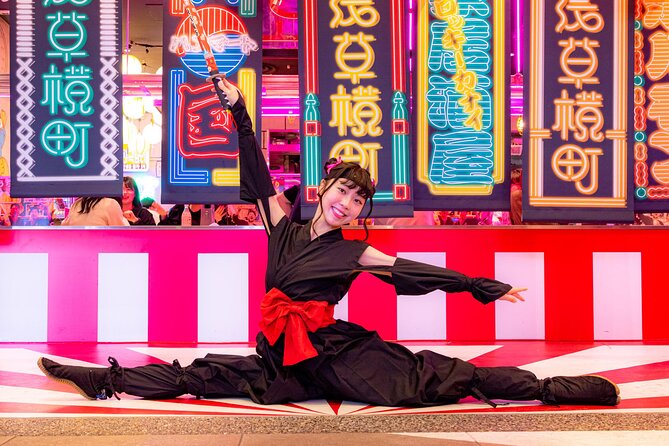
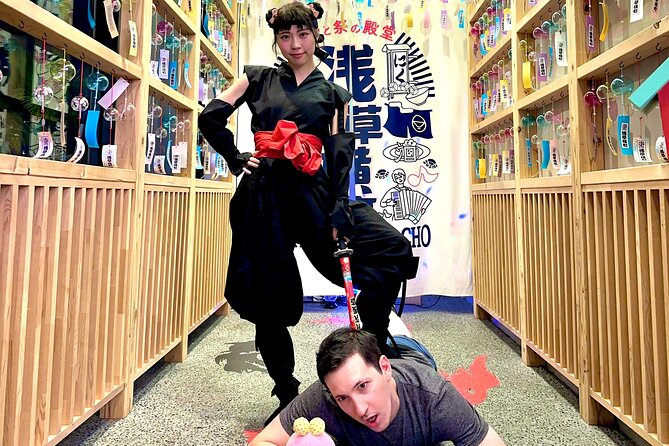
Asakusa Yokocho: quick festival-style photos in about 20 minutes
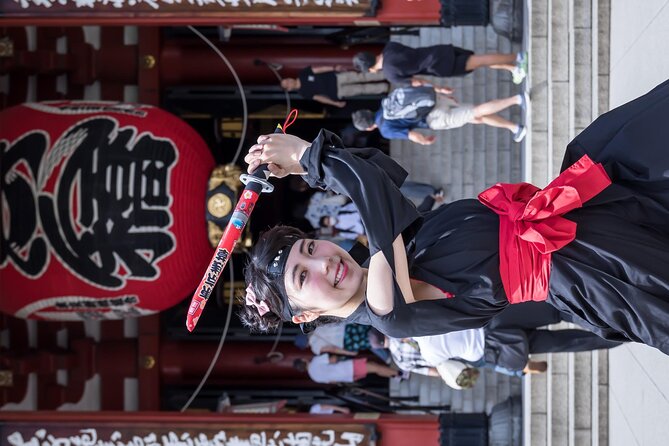
One of the itinerary stops is Asakusa Yokocho, pitched as a photogenic area with a Japanese festival concept. The stop is short, about 20 minutes, and the admission is listed as free.
This is a smart stop for a few reasons. First, it gives you a visual break from the more informational sections. Second, it is an easy place to take photos without feeling like you are on a strict schedule.
The main thing to keep in mind is time. Since it is not a long wander, plan on getting what you want quickly: a couple of photos, a quick look around, and then you move on.
Karaoke tea time: high-quality songs and a free drink bar
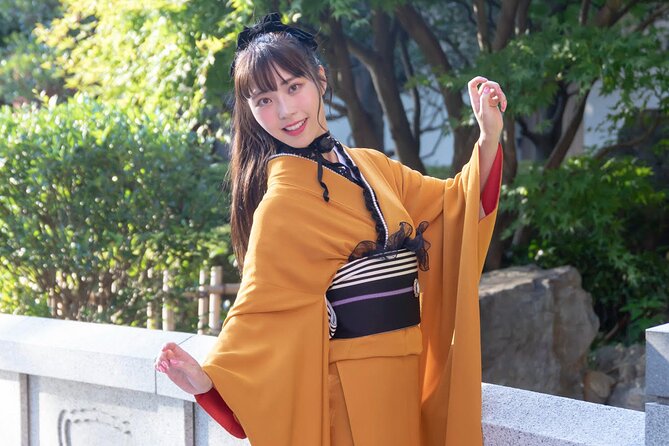
Next up is karaoke tea time. The tour frames Japan as the birthplace of karaoke, and you get to experience it with high-quality setup. The session is about 1 hour, and it includes a free drink bar.
This part is more than just entertainment. It is also a social reset, especially if you have been doing temples, walking, and reading signs. Karaoke gives your brain a break while still keeping you in the Asakusa flow.
You do not have to be a professional singer to enjoy it. The point is the experience and the energy, and the free drinks make it feel relaxed. If you are traveling with friends, this section is a great shared memory moment.
Monja cooking: the hands-on meal that explains the local taste
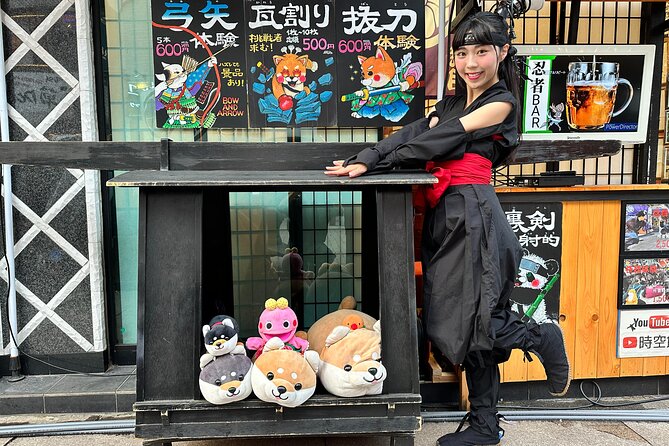
The monja experience is one of the tour highlights in the schedule. Monja is described as a unique food born in Asakusa, and you get taught how to make it during the session.
It is listed as about 1 hour, with admission shown as free, and the meal includes one drink. The format is interactive, so you are not just being fed, you are participating. That alone tends to make the meal feel more satisfying, because you understand what you are eating instead of guessing.
There is also a playful warning in the description: monja can look unusual before it comes together. I would treat that as a sign you are in for something different, not something to fear. In practice, the fun is watching it transform while the guide explains how to get it right.
Ending near Ninja House, with an optional drink stop
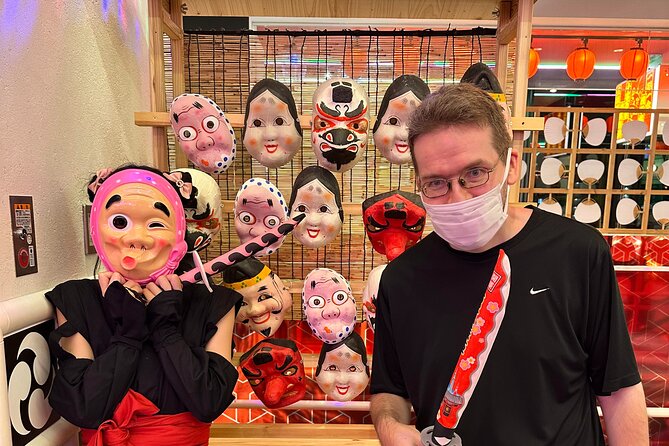
The experience ends in front of Ninja House, and the description notes it as an option if you want to continue the night with a guide. That means you can wrap up the structured part of the tour and then decide if you want one more relaxed stop.
I like this approach. It avoids forcing extra spending, but it offers a natural transition. If you are in the mood to keep chatting with the guide, this gives you a low-pressure way to do it.
If you are not, you still end at a clear finish point near Ninja House, so you are not left guessing where to go next.
Price and value: what $164.72 buys in a 4-hour day
At $164.72 per person, you are paying for a mix of guided storytelling and hands-on activities. The tour is about 4 hours, and it stays small with a maximum of 9 travelers, which usually matters because it keeps interaction realistic.
What makes the price feel more reasonable here is that key segments are set up as included activities: Asakusa Yokocho has free admission for the stop, karaoke is listed as free with a drink bar, and monja includes the meal and one drink. Even though you still have your own transportation to manage, the big-ticket moments are folded into the tour structure.
In other words, you are not just buying a history walk. You are buying a day path where the guide handles the timing, teaches what you are seeing, and then transitions you into experiences that can be harder to set up on your own.
Practical tips for a smoother afternoon in Asakusa
This is a walking-centered tour, so start with practical comfort. Wear shoes you can handle for a few hours. Tokyo streets are uneven in places, and your feet will thank you later.
Since it requires good weather, bring a light layer that you can add or remove quickly. Even if you think rain will not happen, plan for it lightly so a surprise shower does not ruin your mood.
Also, because the meeting point is very specific, use the provided map link and plan to arrive early. The address includes Burger King Asakusa Azumabashi and references Cross Bil Royal Palace, so it is worth getting oriented before the group gathers.
One more small tip: keep your day flexible around a 2:00 pm start. If you rush in after a long morning, you might feel tired before karaoke and monja, which are meant to be the fun payoff.
Who should book this Asakusa tour
This tour is a strong fit if you want more than photos of temples and street scenes. You get explanations about temple vs shrine, a chronological history style with time-slip jumps, and practical context about what survived the war.
It is also a good match if you like interactive activities. Karaoke and monja are not passive add-ons, they are core parts of the experience. If you enjoy food you helped make, and you are willing to sing a song or two, you will likely have a blast.
Finally, it suits people who value guide personality and energy. The reviews highlight that guide Miley keeps the tour fun, lively, and informative, including even on rainy days. That kind of guiding makes a small-group afternoon feel like a plan, not a chore.
Should you book Asakusa’s Historic Treasures?
Book it if you want a guided Asakusa afternoon that combines three things: clear context, hands-on fun, and food that feels like part of the story. At $164.72, the value works best when you actually use the included experiences, karaoke and monja especially.
Skip it or reconsider if you dislike guided activities or you prefer quiet, self-paced sightseeing. This is structured, interactive, and built around walking plus scheduled stops. Also, if your travel window is fragile and you cannot tolerate a weather-dependent outing, have a backup plan in mind.
FAQ
How long is Asakusa’s Historic Treasures?
The tour lasts about 4 hours.
What time does the tour start?
The start time is 2:00 pm.
Where do I meet the guide?
You meet at Burger King Asakusa Azumabashi, with the specific address listed as Cross Bil Royal Palace, 2-chōme-20-6 Kaminarimon, Taito City, Tokyo 111-0034, Japan.
Where does the tour end?
It ends at 2-chōme-4-3 Asakusa, Taito City, Tokyo 111-0032, Japan, near Ninja House.
Is this tour for small groups?
Yes. The maximum group size is 9 travelers.
What is included during the activities?
Asakusa Yokocho has free admission for the stop, karaoke tea time includes a free drink bar, and the monja experience includes the meal plus 1 drink.
Do I get a ticket on my phone?
Yes. The tour uses a mobile ticket.
What happens if the weather is bad?
The tour requires good weather. If it is canceled due to poor weather, you will be offered a different date or a full refund.
Asakusa and the Skytree, Keep Going

Newest Tokyo write-ups from the Loving Japan desk
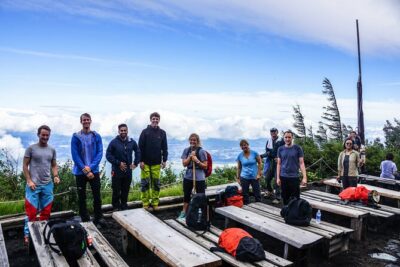
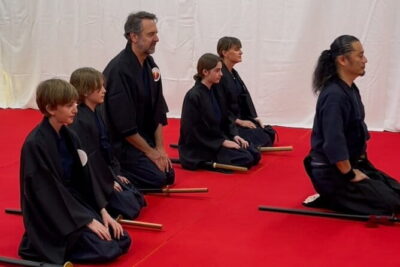
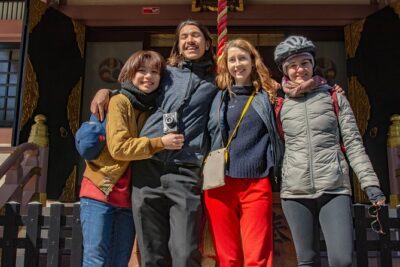
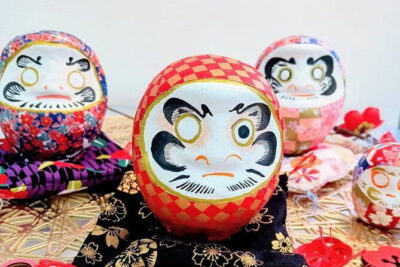
Asakusa, Senso-ji and Tokyo Skytree, side by side.
 ★ 4.5TOKYO SKYTREE® Admission ticketFrom $1311,192 reviews
 ★ 4.8Japanese Dance Cabaret Theater Asakusa-Kaguwa TicketFrom $492,270 reviews
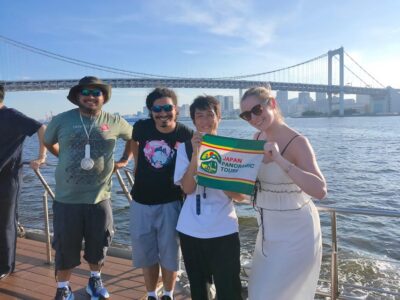 ★ 4.7Meiji Shrine, Asakusa, Skytree Bus Tour and CruiseFrom $1221,986 reviews
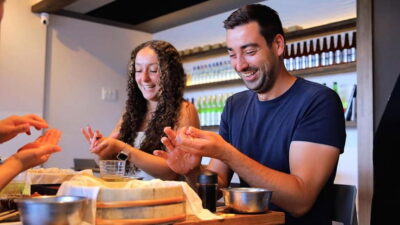 ★ 4.9Roll and Authentic Sushi Making Class in AsakusaFrom $581,957 reviews
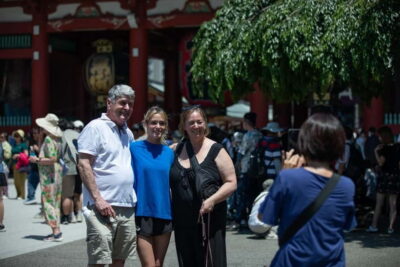 ★ 4.8Asakusa Walking Tour with Sensoji Temple VisitFrom $221,583 reviews
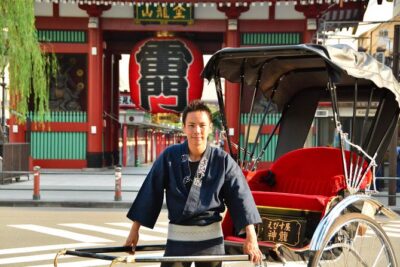 ★ 5.0Tokyo Asakusa Rickshaw TourFrom $421,375 reviews
 ★ 4.5Tokyo Panoramic 1 Day: Meiji Shrine, Asakusa, Odaiba and SKYTREE®From $851,222 reviews
 ★ 5.0Tokyo Go Kart: Asakusa, Skytree, and Akihabara **IDP MUST**From $99988 reviews
Filed on these lists too