
REVIEW · SHIBUYA, SHINJUKU AND HARAJUKU WALKS
Best of Shibuya Food Tour
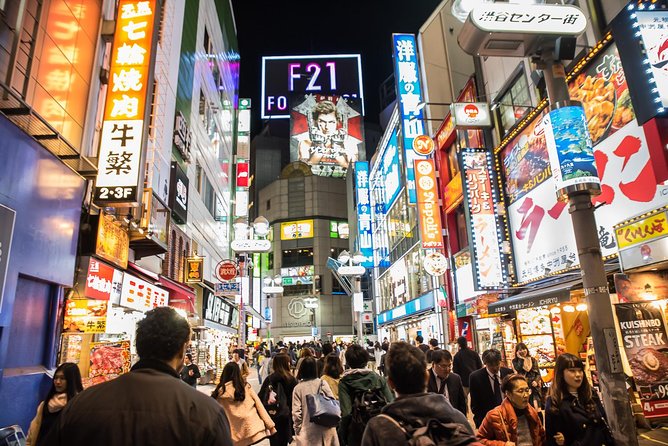
Neon Shibuya tastes better with a guide. This 3-hour walking food tour sends you into the side streets and underground food world around Hachiko, Shibuya Crossing, and Tokyu Food Show, right when the neighborhood feels most alive.
I love how the route is built for off-the-beaten-path eating, not just famous landmarks, so you get flavors you would miss wandering on your own. I also like the mix of five food stops plus dessert, with enough variety across Japan to keep things interesting, from sushi and ramen to okonomiyaki and yakitori-style skewers.
One thing to consider, especially at this price, is that the tour is short and very walking-heavy, so you need comfy shoes and a ready appetite. If you want a long sit-down meal experience, this is more hop-between-venues than slow dining.
In This Review
- Key things to know before you go
- Shibuya at night: why 4 pm feels perfect
- Meeting at Hachiko and learning the Shibuya storyline
- Shibuya Crossing, Shibuya 109, and Mega Don Quijote: landmarks with purpose
- The real payoff: back alleys, depachika vibes, and five tastings
- Nonbeiyokocho and the underground finish at Tokyu Food Show
- The included drink, age rules, and how guides handle your needs
- Walking pace, comfort level, and where things can go wrong
- Price and value: is $217 fair for a 3-hour night food tour?
- Who this tour fits best (and who may not love it)
- Should you book Best of Shibuya Food Tour?
- FAQ
- How long is the Best of Shibuya Food Tour?
- Where do I meet the guide?
- What time does the tour start?
- How many food stops are included?
- Is a drink included?
- Is the tour suitable for families and kids?
- Are vegan or vegetarian options available?
- How large is the group?
- What if the weather is bad?
Key things to know before you go
- Small group (max 10 people) means more attention and a smoother pace through crowds.
- 5 food stops plus dessert plus one included drink, so you are eating your way through Shibuya, not just sampling.
- Afternoon start at 4:00 pm hits that sweet spot where neon starts turning on and lines are usually easier.
- Hachiko to Tokyu Food Show route ties together Shibuya’s street life and the underground depachika food scene.
- Dietary flexibility is built in (vegan and vegetarian-friendly), with guides known to handle restrictions when possible.
- Min drinking age is 21 for the included drink, so plan around that if alcohol is not your thing.
Other routes through the west side of Tokyo, compared
- Tokyo: Shinjuku Food Tour (13 Dishes at 4 Local Eateries)
★ 5.0 · 6,603 reviews - Tokyo Bar Hopping Tour in Shinjuku (All-You-Can-Drink + Dinner)
★ 5.0 · 3,587 reviews - Official Street Go-Kart in Shibuya
★ 5.0 · 3,435 reviews - Tokyo: Shinjuku Food Tour (15 Dishes and 4 Eateries)
★ 4.9 · 2,033 reviews
Shibuya at night: why 4 pm feels perfect
Shibuya is famous for a reason, but daytime can turn into a parade of the same photos. Starting at 4:00 pm helps you catch the neighborhood with a different rhythm. You still get the big-name sights like Shibuya Crossing, but you also get that moment when local side streets feel more usable for eating.
The tour is designed to steer you away from the most obvious, overpriced traps. Instead, you follow a local guide into lanes where you can actually picture yourself returning on a regular Tokyo night. That matters, because Shibuya is easy to misread if you only visit the main drag.
You will also feel the “Tokyo street-food logic” in the timing. Venues that are quick, casual, and great for tastings work better when the group is moving together, and the guide can keep the flow so you are not standing around while everyone waits for the next table.
Meeting at Hachiko and learning the Shibuya storyline
The start point is right outside Shibuya Station at the Wall Mural of Hachiko, at the Hachiko Exit. This is a smart choice. It is easy to find even if you are arriving from another part of the city, and it sets the tone immediately because Hachiko is part of how Shibuya sees itself.
From there, the tour keeps you oriented while you walk. You pause at Hachiko itself and your guide shares customs and backstories that make the area feel less random. It is not just “look, a statue.” It is the kind of context that helps you understand why people move the way they do around this part of Tokyo.
Next you stop at a spot called Myth of Tomorrow. The point here is to slow down long enough for the guide to explain what you are seeing and why locals consider it meaningful. It is a family-friendly style stop, so even if your group includes kids, it should not feel like wasted time.
Then the route shifts into shopping-land energy. You pass through Shibuya Center-gai, a classic Shibuya corridor where you get a feel for how the neighborhood blends street retail with food culture. The drawback: this area can be crowded. Your best move is to walk in the group line and let your guide handle the sideways navigation.
Shibuya Crossing, Shibuya 109, and Mega Don Quijote: landmarks with purpose
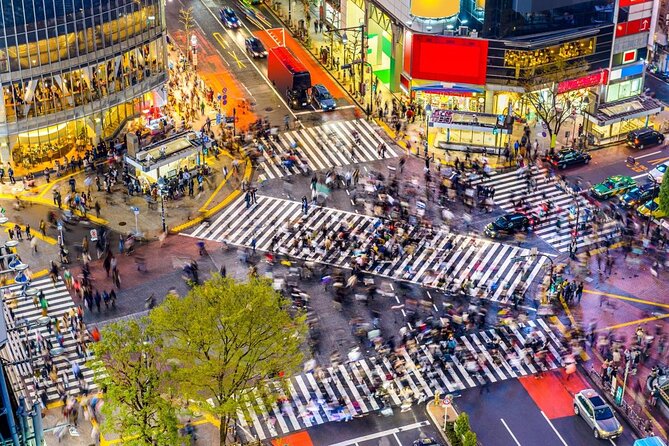
You do not just “check off” Shibuya Crossing. The guide uses it as a hub point for orientation, and some guides are known for leading people to a good above-street view. That turns the crossing from a chaotic photo stop into something you can actually understand from a better angle.
After the crossing, you swing by Shibuya 109, the famous fashion building that tells you a lot about the neighborhood’s youth energy and style. Right after that comes MEGA Don Quijote (Shibuya), a loud, colorful retail giant that locals use for everything from snacks to travel basics. In a food tour, these stops work best as “shape of Shibuya” moments rather than long detours.
One consideration: if you are hoping for a purely food-focused itinerary with no retail landmarks, these sections may feel a bit sightseeing-heavy. Still, they help you learn the geography of Shibuya, which is the whole reason a food tour can be more valuable than eating at random places you find later.
- Mt Fuji and Hakone 1-Day Bus Tour Return by Bullet Train★ 5.0 · 26,383 reviews
- 1-Day Tokyo Bus Tour★ 5.0 · 14,250 reviews
- Tokyo: teamLab Planets TOKYO Digital Art Museum Entry Ticket★ 4.6 · 9,779 reviews
- Mt Fuji & Hakone Cruise, Drum Show Bullet Train 1 Day from Tokyo★ 4.0 · 7,413 reviews
- Tokyo: Shinjuku Food Tour (13 Dishes at 4 Local Eateries)★ 5.0 · 6,603 reviews
The real payoff: back alleys, depachika vibes, and five tastings
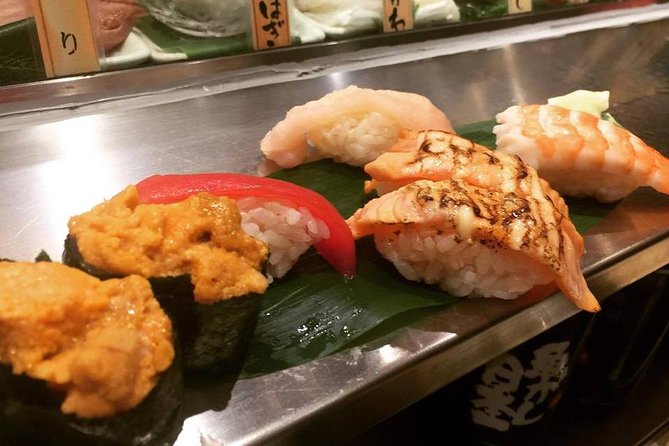
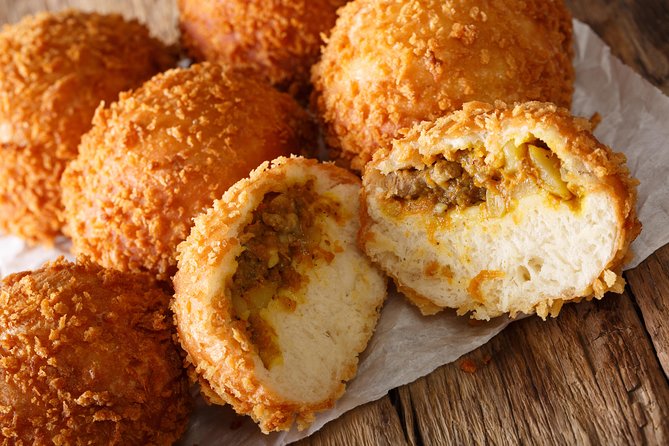
The heart of the tour is the eating. You will do five food stops plus dessert, and you will also get one included drink. The guide keeps you moving between side-street restaurants and elevated eateries, which is exactly where you tend to find Tokyo’s best “small menu, big flavor” setups.
What you might eat depends on the evening flow, but the tour’s stated range is broad enough to feel like a Japan sampler:
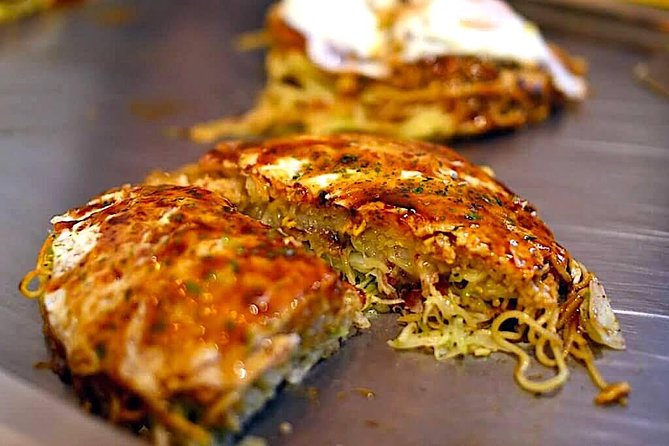
- Hiroshima-style okonomiyaki
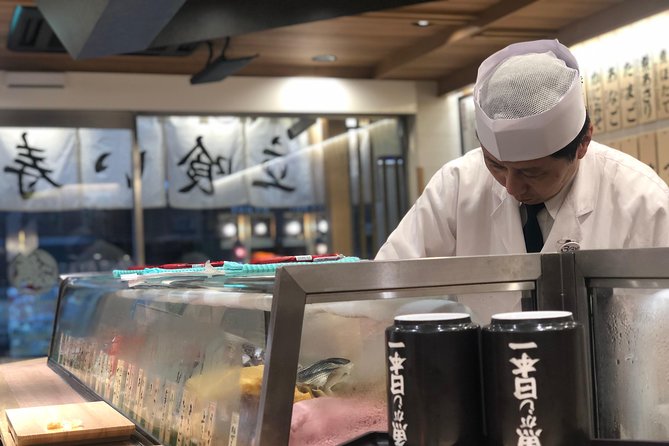
- Different kinds of sushi
- Yakitori-style skewers, with a note that kids get chicken skewers instead of beef
- Ramen (and in at least one ramen spot, guides focus on how the broth tastes rich and satisfying)
- Dessert, so you can end on something sweet after savory overload
You also get a chance to wander through a “food labyrinth” inside a depachika-style market area. In practical terms, this is where Tokyo food tourism becomes fun because you get to see how the city packages flavors: small bites, regional souvenirs, and shiny displays designed for choosing on the fly.
A balanced note on expectations: the tour is built around tastings, not a single full course meal. The good news is that the portions are generally generous. The tradeoff is that you should come hungry and prepared to eat a lot of different things without slowing down too much at each counter.
If you are picky about pork or other ingredients, the stated dietary flexibility is vegan and vegetarian-friendly. Reviews also show that some guides can help with non-pork needs when possible. Your best move is to communicate your restrictions when booking, so the guide has time to plan substitutions for your group.
Nonbeiyokocho and the underground finish at Tokyu Food Show
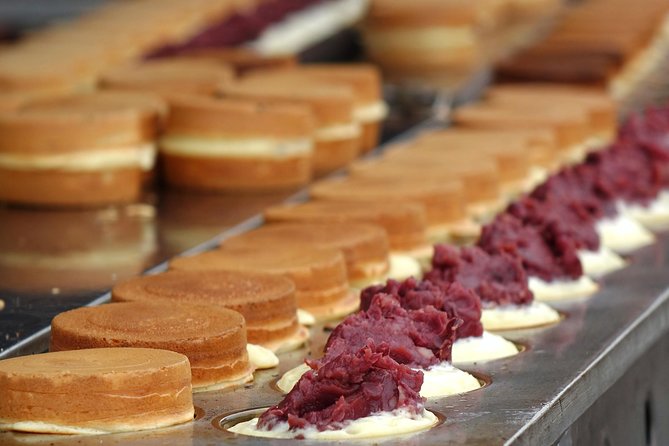
One of the most fun parts is Nonbeiyokocho, a narrow alley of tiny eateries where the atmosphere shifts from big-city shopping to “walk-in, eat-now” Tokyo. Even if you think you know Shibuya, alley food like this is hard to find without local guidance.
The tour ends at Tokyu Department Store, specifically at the basement level under the station, connected to Tokyu Food Show. This is a smart ending point because it is both central and practical. You are already near transit, and you also get one last concentrated dose of Japan’s food culture in one place.
This is where the depachika concept clicks. You see lots of items for sale, snack-sized treats, and regional specialties. Some people finish the tour then keep browsing for a “one more thing” souvenir. The drawback is that this underground space can feel hectic right after tastings, especially if you are full. If you want to shop, take it slow and choose one or two items you really want, not ten you feel pressured to buy.
The included drink, age rules, and how guides handle your needs
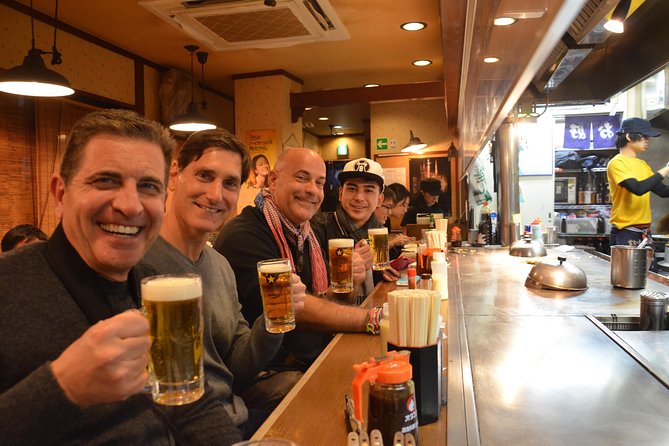
You get one drink included with the tour. The minimum drinking age for that included drink is 21. If you are under 21 or you do not drink alcohol, the data here does not clearly say what the substitute options are, so plan to ask ahead during booking or confirmation.
What I like about the tour design is that it is not just food. Guides are trained to connect the food to culture. You stop, you taste, and you also learn how Japanese customs shape meals and restaurant behavior.
Group size matters here. With a maximum of 10 travelers, the guide can usually manage pacing and attention so you do not get left behind in a crowded arcade or during the handoff between restaurants.
Dietary options are also a real selling point. The stated flexibility includes vegan and vegetarian-friendly. Based on how the guides are described, they often make an effort to adapt choices. Still, no food tour can guarantee every ingredient in every location. Give your needs clearly and early, and you will set yourself up for the smoothest experience.
Walking pace, comfort level, and where things can go wrong
This is a moderate physical fitness kind of walk. That usually means steady walking, a few stairs, and time spent moving between food spots and shopping areas. If you are sensitive to long standing or you hate crowds, this might feel like a lot for three hours.
The meeting structure is also strict. You meet at the Hachiko mural, and the tour is designed to start promptly. If you are late, you might not be able to catch up at the next stop. So I recommend you build in buffer time, especially on the day you start. Shibuya station is big enough to mess with timing.
Restroom planning is not spelled out as a formal stop schedule, but there are signs guides often think about comfort. If you are traveling with kids, expect the guide to factor in family needs better than a standard adult walking tour would.
One more practical note: the tour uses a mobile ticket, and there is no hotel pickup or drop-off. You are on your own to get to Shibuya Station, which is usually simple thanks to transit, but it does mean you should plan your day around the 4 pm start.
Price and value: is $217 fair for a 3-hour night food tour?
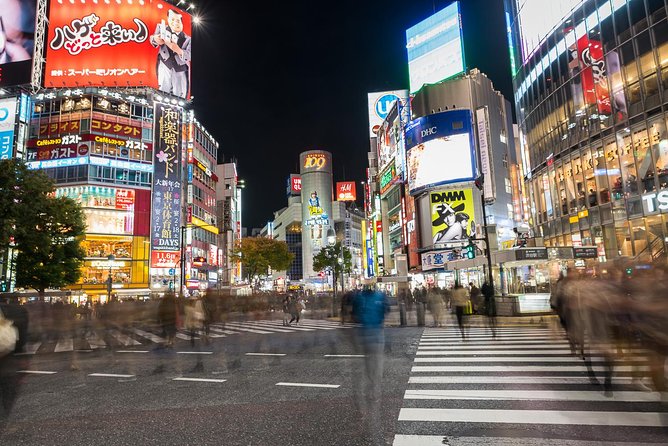
At $217 per person, this is not a budget snack crawl. The value case is mostly in the combination: small group size, local guide, and multiple planned tastings in places you would likely skip on your own.
Here is the value math that matters:
- You get 5 food stops plus dessert
- You get one drink included
- You get a guide who helps you navigate Shibuya, not just point at restaurants
- You get both street-level stops and a depachika underground conclusion
Where the value can feel thin is if you expected a heavy sit-down meal with lots of food per stop. It is tasting-heavy, and depending on what you order or what comes out that night, one person’s experience can feel different than another’s.
Some people rate this tour extremely high because they left stuffed and excited, with standout food like super-fresh sushi and a ramen spot with a broth that really hits. Others felt it was overpriced when they thought the restaurant choices did not match their expectations. That is not rare for food tours in general, but it is the one caution.
My take: if you come hungry, bring curiosity, and want Shibuya geography plus food variety in a small-group format, the price can make sense. If you mostly want to eat one or two foods you already know you love, you might prefer to pick a ramen place and a sushi counter and spend the rest of the night exploring on your own.
Who this tour fits best (and who may not love it)
This tour is a strong match if you want:
- A nighttime Shibuya walk with more local side streets than main avenues
- A guided way to try foods across Japan in a short window
- Family-friendly pacing, since it is set up for kids too
- Flexibility for vegan and vegetarian-friendly needs
It may not be ideal if you:
- Want a very slow, long dinner experience
- Hate crowds and tight walking corridors
- Are very price sensitive and want to build your own route instead
There is also an option mentioned for a karaoke after party, which can be a fun add-on if your group likes playful culture. If you are more of a quiet eater, you can skip it and still be happy with the main tour.
Should you book Best of Shibuya Food Tour?
If your goal is to understand Shibuya fast and eat your way through it with a local guide, I think this is worth serious consideration. The biggest wins are the structure: Hachiko orientation, crossing views, alley wandering, and a depachika-style finish plus real food variety.
Book it if you can do the 4 pm start, you are comfortable walking for about three hours, and you want guided tastings rather than planning every stop yourself. With a small group size and strong overall ratings, it is the kind of experience that tends to land well when you match the tour’s style.
Skip it if you want a quieter day schedule or you prefer to choose your own restaurants with no tasting stops in between. In that case, you can still enjoy Shibuya a lot, but you will be paying in planning effort instead of guided navigation.
Either way, go in hungry, wear good shoes, and use your guide’s tips to make your next meals in Tokyo easier, not harder. That is where the real payoff happens after the last bite.
FAQ
How long is the Best of Shibuya Food Tour?
It runs for about 3 hours.
Where do I meet the guide?
Meet in front of the Wall Mural of Hachiko, at the Hachiko Exit, right outside Shibuya Station.
What time does the tour start?
The start time is 4:00 pm.
How many food stops are included?
There are 5 food stops included, and dessert is also included.
Is a drink included?
Yes, one drink is included. The minimum drinking age is 21.
Is the tour suitable for families and kids?
Yes, it is family-friendly. Children must be accompanied by an adult, and kids age 10 and above require a copy of passport information. Children get chicken skewers instead of beef.
Are vegan or vegetarian options available?
Dietary restriction flexibility includes vegan and vegetarian-friendly options.
How large is the group?
The tour has a maximum of 10 travelers.
What if the weather is bad?
The experience requires good weather. If it is canceled due to poor weather, you are offered a different date or a full refund.
West Tokyo on Foot: Seven More

Newest Tokyo write-ups from the Loving Japan desk


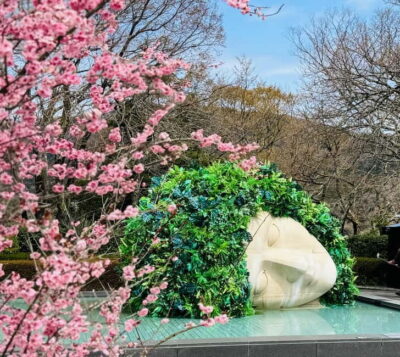
Shibuya, Shinjuku and Harajuku Walks, side by side.
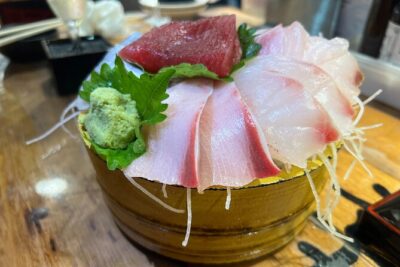 ★ 5.0Shinjuku Food Tour (13 Dishes at 4 Local Eateries)From $866,603 reviews
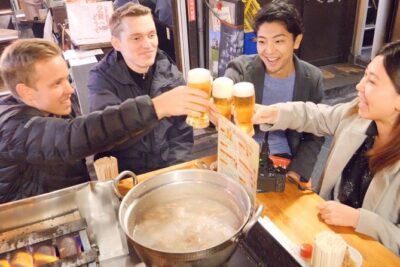 ★ 5.0Tokyo Bar Hopping Tour in Shinjuku (All-You-Can-Drink + Dinner)From $1063,587 reviews
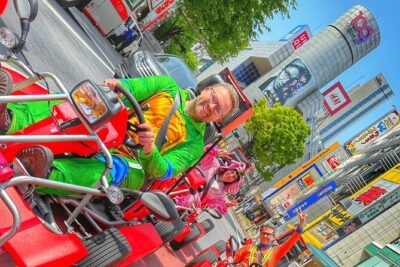 ★ 5.0Official Street Go-Kart in ShibuyaFrom $763,435 reviews
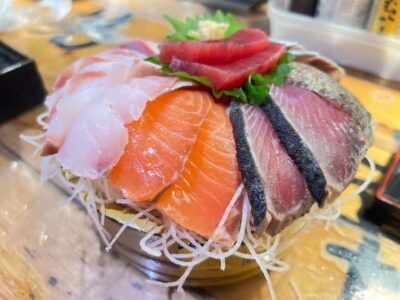 ★ 4.9Shinjuku Food Tour (15 Dishes and 4 Eateries)From $852,033 reviews
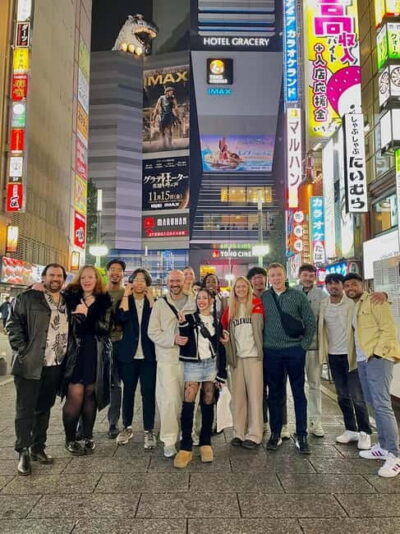 ★ 4.9Shinjuku Local Bar and Izakaya Guided Walking TourFrom $341,794 reviews
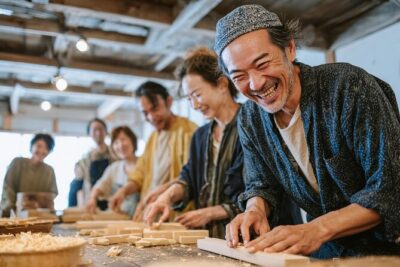 ★ 5.0Tokyo Shinjuku Chopsticks Making ClassFrom $201,763 reviews
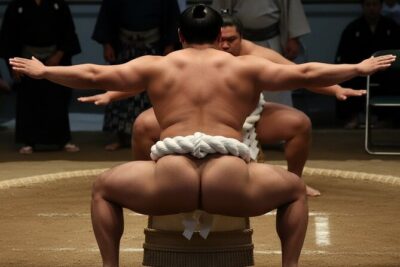 ★ 5.0Tokyo Shinjuku Sumo Show & Experience with PhotoFrom $791,750 reviews
 ★ 4.9Street Kart Experience in ShibuyaFrom $741,484 reviews
Filed on these lists too