
REVIEW · SHIBUYA, SHINJUKU AND HARAJUKU WALKS
Tokyo Shinjuku Sumo Show & Experience with Photo
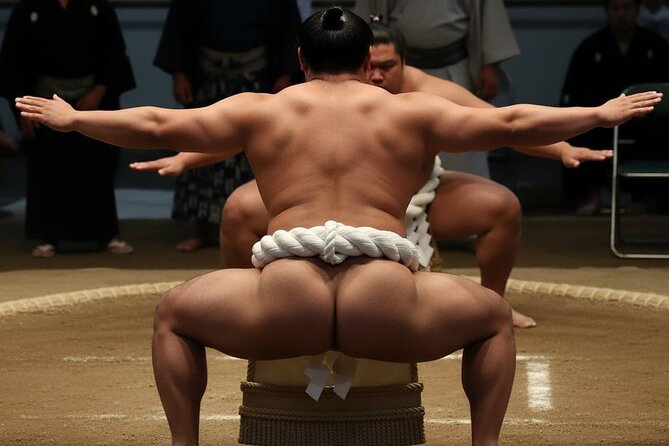
Sumo, up close, in the heart of Shinjuku. I love the chance to see real wrestlers perform in a traditional-style setting, and I love that the bilingual host walks you through what you are actually watching. You’ll pick up what the sacred routines mean, so the show is more than just cool visuals.
One thing to consider: this is a hands-on introduction and demonstration, not a high-stakes tournament. If you came only for serious match pressure, you might prefer an official sumo tournament day instead.
In This Review
- Key Things You Should Not Miss
- Shinjuku Sumo Club: A compact show that feels surprisingly close
- What Happens in the Ring: Rituals, Tactics, and the Stuff You Usually Miss
- Stepping onto the dohyō: The friendly sumo challenge
- Photo time with the wrestlers: Make it count
- The bilingual MC: How the explanations stay fun (and clear)
- Price and value: Is $79.59 worth it?
- Logistics that matter in real life: how to plan your night
- Who should book this sumo show (and who should skip it)
- Should you book the Shinjuku Sumo Show?
- FAQ
- Where does the Tokyo Shinjuku Sumo Show take place?
- How long is the show?
- Is the ticket mobile?
- What is included in the admission?
- Will there be an MC to explain what is happening?
- Is this suitable for families or beginners?
- What is the cancellation policy?
Key Things You Should Not Miss
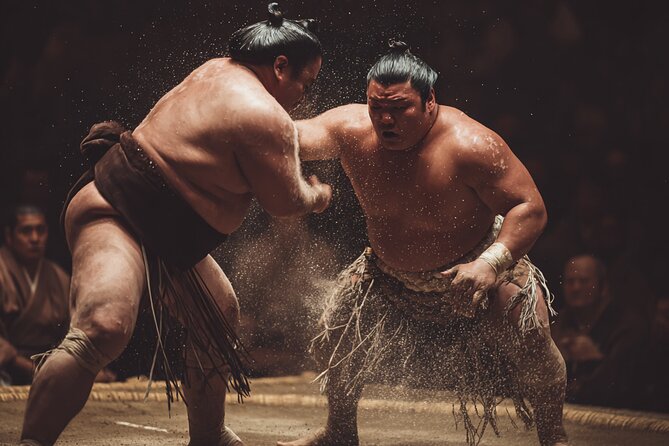
- Salt throwing, ring stomping, and pre-match routines explained in plain language as you watch
- Two professional wrestlers performing and engaging with the crowd in a traditional venue
- Audience participation on the dohyō, including a friendly sumo challenge
- A playful photo moment with the wrestlers to take home more than memories in your head
- Bilingual guidance that keeps the learning fast, clear, and funny, names you might hear include Manny, Shane, and Mr. So
- A family-friendly tone that still respects sumo as a serious sport
Other routes through the west side of Tokyo, compared
- Tokyo: Shinjuku Food Tour (13 Dishes at 4 Local Eateries)
★ 5.0 · 6,603 reviews - Tokyo Bar Hopping Tour in Shinjuku (All-You-Can-Drink + Dinner)
★ 5.0 · 3,587 reviews - Official Street Go-Kart in Shibuya
★ 5.0 · 3,435 reviews - Tokyo: Shinjuku Food Tour (15 Dishes and 4 Eateries)
★ 4.9 · 2,033 reviews
Shinjuku Sumo Club: A compact show that feels surprisingly close
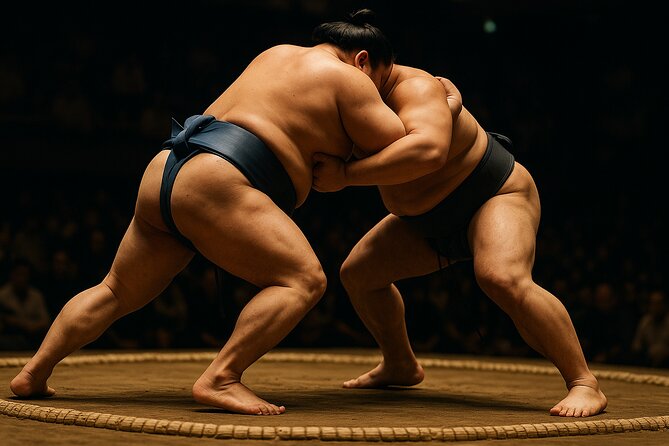
This is the kind of Tokyo activity that works even when your itinerary is already packed. The setting is in Shinjuku at the Shinjuku Sumo Club, and the format is simple: you watch a performance, you learn what the routines mean, and then you get hands-on time. The result is a sumo experience that you can understand quickly, even if you are a total beginner.
I like that it is not built like a lecture. The bilingual MC keeps things moving, and the wrestlers do the heavy lifting, literally. Because two real athletes are on-site, everything you see has weight. Even the playful parts feel tied to technique and tradition, not just gimmicks.
Timing matters here. The experience runs about 1 hour 30 minutes, so you are not surrendering an entire evening. You also get a mobile ticket, which makes it easy to show up without digging through paperwork. And since the venue is near public transportation, getting there does not have to be a whole project.
What Happens in the Ring: Rituals, Tactics, and the Stuff You Usually Miss
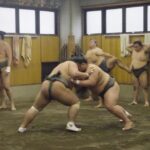
The heart of the experience is the live demonstration. In the ring, you see two professional wrestlers show off strength, timing, and basic tactical moments you might not notice if you only watch clips online.
What makes this show especially useful is that you do not just watch. You learn the meaning behind the rituals as they happen. You’ll hear explanations of sacred traditions such as:
- Salt throwing, tied to purification symbolism
- Ring stomping, which helps set the moment before action
- Pre-match ceremonies, so you understand the sport’s seriousness even in a friendly setting
This is the part that upgrades your trip. When you later see sumo footage or read about rankings, you will recognize what those odd-looking moments are for. You’ll also understand why sumo has such a strong culture around respect, formality, and preparation.
One practical note: since it is a show format, you will get the key ideas faster than you would trying to research everything on your phone mid-trip. You are essentially borrowing someone else’s setup and explanations, so you walk away with a clean mental map.
Stepping onto the dohyō: The friendly sumo challenge
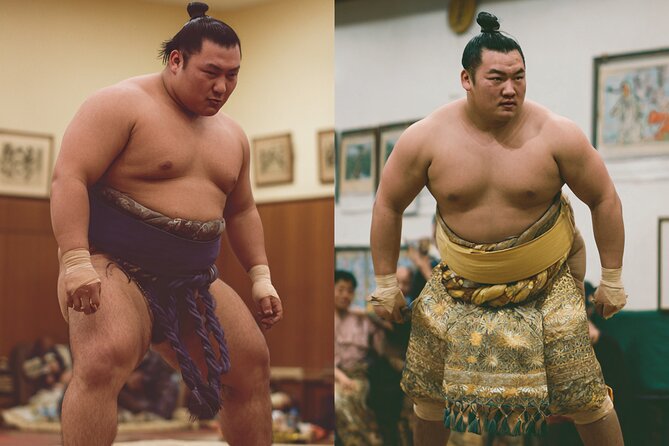
The dohyō time is the moment that turns a great demonstration into a personal memory. After watching the action and learning the basics, you get a friendly sumo challenge where you step in and test what it feels like to be in the ring.
You should expect a playful, guided atmosphere. This is not about injury or trying to be the next Yokozuna. Instead, it is a quick introduction to balance, stance, and the basic feel of sumo footwork. It is also a fun way to appreciate how big these athletes are once you are standing close.
This is also where the crowd energy peaks. Many people enjoy that the wrestlers interact with the audience, answer questions, and keep things moving. If you like hands-on travel moments, this part is why the show earns so many top ratings.
If you are traveling with kids, this is often the easiest sell. They get to participate without needing any prior knowledge. And adults usually love it too, because it is one of the rare activities where you get to physically experience a tradition, even briefly.
Morning practice or an evening show. Both reviewed
- Tokyo: Sumo Show and Dining Experience★ 4.8 · 2,742 reviews
- the SUMO show★ 5.0 · 1,960 reviews
- Tokyo: Sumo Show and Experience in Shinjuku★ 4.8 · 1,001 reviews
- Tokyo:Luxury Sumo Show Experience & Japanese cuisine & Drink★ 4.7 · 577 reviews
- Tokyo: Sumo Morning Practice Viewing Tour★ 4.8 · 570 reviews
Photo time with the wrestlers: Make it count
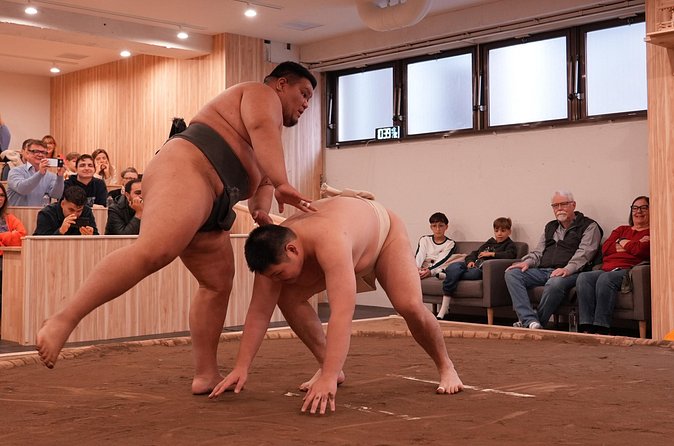
A major feature here is the photo session. You will have a chance to capture moments with the sumo wrestlers after the show segments. That matters because sumo culture is visually distinct, and the scale of the athletes is hard to appreciate from afar.
To make the most of it, think about your photo setup before you get called. Bring your camera settings ready on your phone. If you can, switch to portrait mode or portrait-friendly lighting so you are not scrambling at the moment.
Also, wear something you can move in. You might not be training, but you may be stepping into the dohyō area or adjusting for photos and audience moments. Comfortable shoes help, especially if you want to move quickly to and from the venue.
If you care about photography, this is a big win. You are not just buying a ticket to watch, you are also getting a built-in moment where the wrestlers are accessible for photos.
The bilingual MC: How the explanations stay fun (and clear)
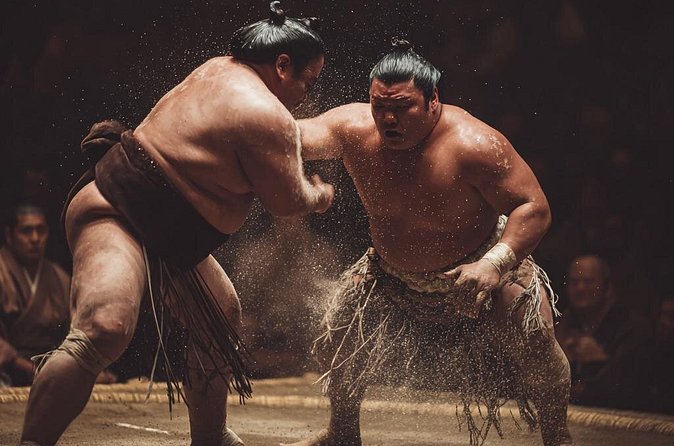
The MC is a key reason the show works for people with zero sumo background. The host is bilingual and explains what you are seeing in a way that does not require prior research.
In accounts of the experience, the MC is sometimes named Manny, Shane, or Mr. So. Regardless of the name, the pattern is consistent: clear explanations, quick humor, and enough context that you can follow the “why” behind each ritual and movement.
You’ll likely get time for interaction, too, with questions and answers that make the sport feel human. When athletes take time to answer questions, it helps you see them as artists and teachers, not just performers.
One more practical benefit: the MC’s pacing helps you enjoy the show even if you do not speak Japanese. You do not need to guess. You get a running guide that keeps your attention on the ring instead of on your phone.
Price and value: Is $79.59 worth it?
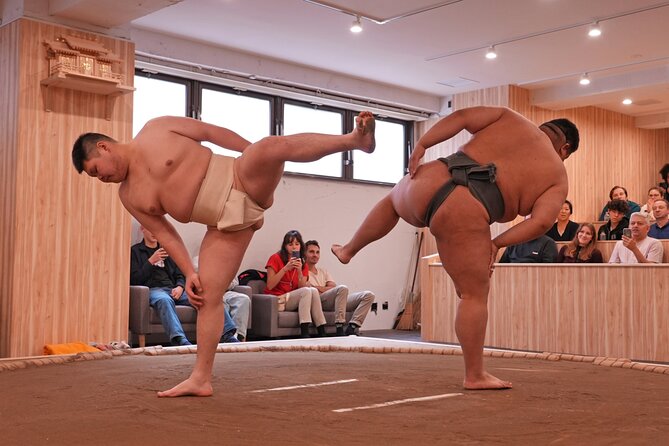
At $79.59 per person for about 90 minutes, you should judge the value by what you receive, not by what similar activities charge.
Here, the value is built from four things you cannot easily replicate on your own:
- Two real wrestlers performing in front of you
- Guided explanation of key sumo rituals and what they mean
- Audience participation with a friendly dohyō challenge
- A photo session included as part of the experience
For many visitors, this is cheaper than trying to cobble together a longer lesson from multiple sources. It is also more engaging than watching a single demonstration without context or personal interaction. The show gives you a structured introduction, plus a memorable photo moment, all in a compact time block.
Is it a perfect match for everyone? Not always. If your goal is to watch serious tournament-level wrestling with full competitive tension, this may feel more like a curated introduction than a day of matches. In that case, you might put your money toward an official tournament experience instead.
But for most people looking for a fun, cultural Tokyo stop that teaches you fast, the price-to-experience ratio is strong.
Logistics that matter in real life: how to plan your night
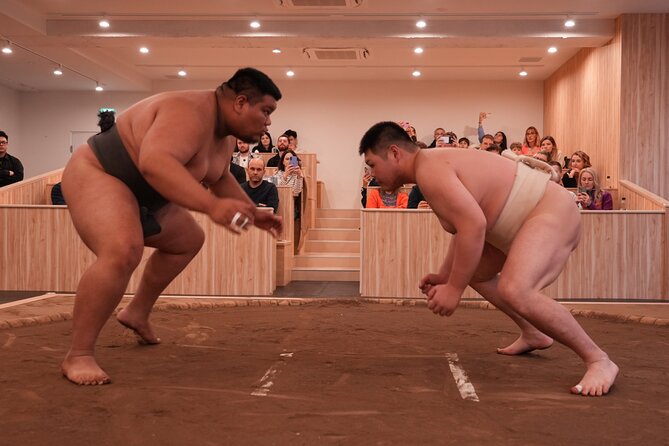
You do not need a big planning headache here. The venue is near public transportation, and it is generally easy to find once you get to Shinjuku.
Because it is Shinjuku, I still suggest you give yourself extra time to reach the area smoothly. One tip that comes up often is to arrive with a buffer, especially if you are dealing with late-night walkways, crowds, or last-mile timing. If you are coming close to the start time, you may feel rushed.
The experience uses a mobile ticket. That is a nice convenience in Tokyo, where you might be hopping between neighborhoods and not want to manage paper tickets. Also, confirmation is received at booking, which helps you feel set before you show up.
As for who can participate, the experience notes that most travelers can participate. If you have mobility concerns, it is still worth checking directly with the operator, but the format is designed as a friendly audience experience rather than a demanding sports clinic.
Who should book this sumo show (and who should skip it)
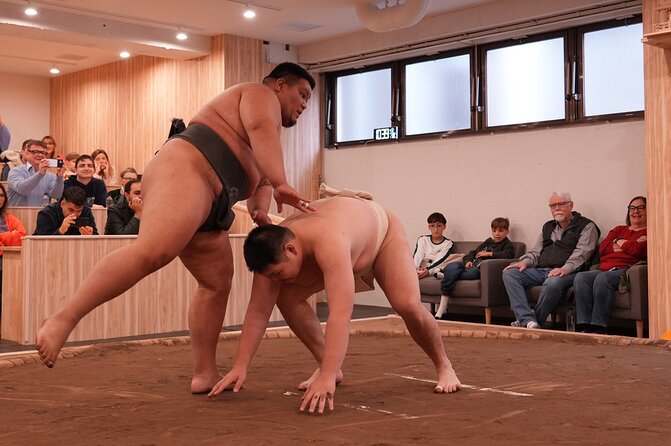
This is a strong fit if you want:
- A family-friendly introduction to sumo with audience participation
- A short activity that teaches you the rituals and basic rules as you watch
- A cultural experience in Tokyo that does not require advanced planning
- A fun photo moment that is more than a quick street snapshot
It is also a good choice for couples who want something light and memorable that feels distinctly Japanese.
You may want to skip or switch your plan if you are specifically chasing:
- Full tournament seriousness and match stakes
- A long day built around multiple bouts
In other words, if you want sumo as education plus interaction, book this. If you want only competition, prioritize tournament viewing.
Should you book the Shinjuku Sumo Show?
Yes, if you want a guided, entertaining introduction to sumo that you can actually understand and remember. I think this is one of the best ways to get the meaning behind sumo rituals without needing to study first.
It is also worth it if you like experiences where you get to participate. The dohyō challenge and the photo session turn the evening into something personal. And with a bilingual MC keeping the show clear and funny, it works well for mixed groups.
If you are strictly tournament-focused, then make your sumo trip about official matches. But if you want a fun Tokyo stop that teaches you quickly and leaves you smiling, this Shinjuku sumo experience is an easy yes.
FAQ
Where does the Tokyo Shinjuku Sumo Show take place?
The experience is held at Shinjuku Sumo Club in Tokyo, Shinjuku.
How long is the show?
It lasts about 1 hour 30 minutes.
Is the ticket mobile?
Yes, the tour uses a mobile ticket.
What is included in the admission?
Admission ticket is included, and the show includes demonstrations, explanations, a friendly sumo challenge, and a photo session.
Will there be an MC to explain what is happening?
Yes. The experience includes a bilingual MC who guides you through the show.
Is this suitable for families or beginners?
The experience is described as ideal for families and most travelers can participate, making it a good first-time introduction to sumo.
What is the cancellation policy?
You can cancel for free up to 24 hours in advance for a full refund. If you cancel less than 24 hours before the start time, the amount paid is not refunded.
Practice Rooms and Show Nights

West Tokyo on Foot: Seven More


Newest Tokyo write-ups from the Loving Japan desk


Shibuya, Shinjuku and Harajuku Walks, side by side.
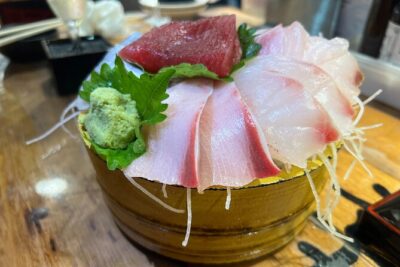 ★ 5.0Shinjuku Food Tour (13 Dishes at 4 Local Eateries)From $866,603 reviews
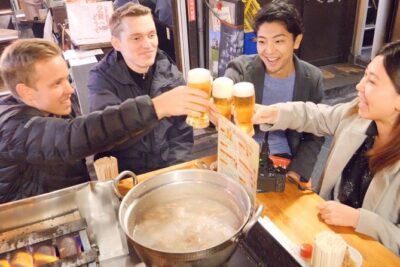 ★ 5.0Tokyo Bar Hopping Tour in Shinjuku (All-You-Can-Drink + Dinner)From $1063,587 reviews
 ★ 5.0Official Street Go-Kart in ShibuyaFrom $763,435 reviews
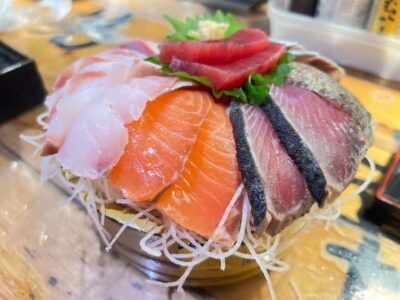 ★ 4.9Shinjuku Food Tour (15 Dishes and 4 Eateries)From $852,033 reviews
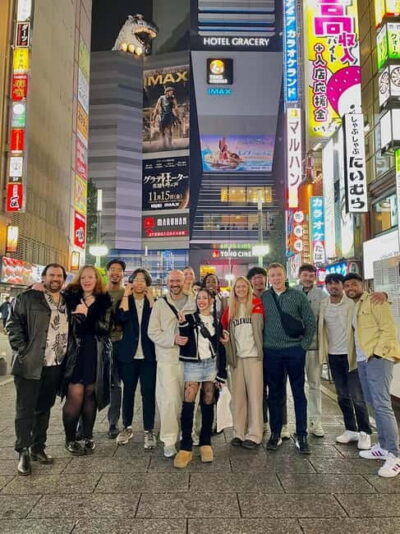 ★ 4.9Shinjuku Local Bar and Izakaya Guided Walking TourFrom $341,794 reviews
 ★ 5.0Tokyo Shinjuku Chopsticks Making ClassFrom $201,763 reviews
 ★ 4.9Street Kart Experience in ShibuyaFrom $741,484 reviews
 ★ 5.0Tokyo Night Foodie Tour in Shinjuku – Seasonal Sushi, Wagyu BeefFrom $1111,161 reviews
Filed on these lists too