REVIEW · JAPAN
Concerts Played with Traditional Instruments in Kyoto
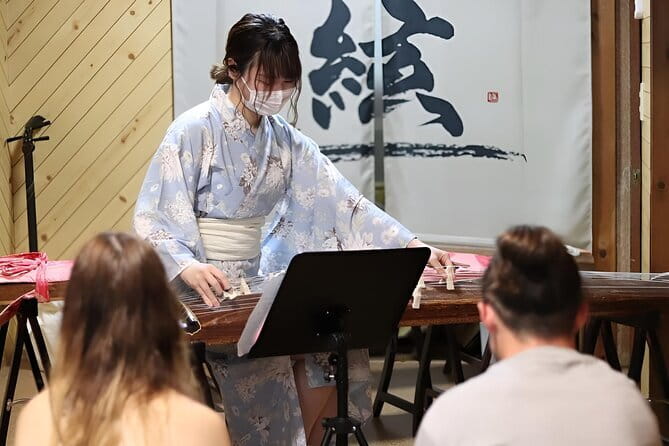
A Kyoto home concert can change how you hear music. This one brings koto and shamisen into a living space, with an intro that makes the sounds easier to follow. Expect a real performance, then time to ask questions and take photos.
What I like most is the pacing. You start with a clear instrument introduction, then you hear a mix of classic favorites and newer works, including pieces like Chidori no Kyoku, Rokudan no Shirabe, and Kajimakura. It is the kind of show where you can actually recognize tunes after a few minutes.
The main thing to consider is comfort and attention span. It is about 50 minutes in a home setting, and the experience is structured, so you will want to arrive ready to sit, listen, and participate when asked.
In This Review
- Key things you should know before you go
- A Kyoto home concert you can actually understand
- Entering the experience at Gen Home Saiin
- The koto and shamisen intro that makes the performance click
- The program: classical pieces plus modern twists
- Why the musicians feel close in a small setting
- Q&A and photo time: learning that stays with you
- Optional upgrade: hands-on koto practice
- Timing, duration, and why the 50 minutes feels worth it
- What is included, and what you should plan for
- Who this experience suits best
- Who might want to rethink it
- Should you book this Kyoto koto and shamisen home concert?
- FAQ
- What instruments will I hear at this Kyoto concert?
- How long is the concert?
- Is there an option to try playing the koto?
- What is included in the price?
- What is not included?
- Where does it take place?
- Can I get a full refund if my plans change?
Key things you should know before you go
- It happens in a Kyoto home (not a big hall), so the sound feels close and personal
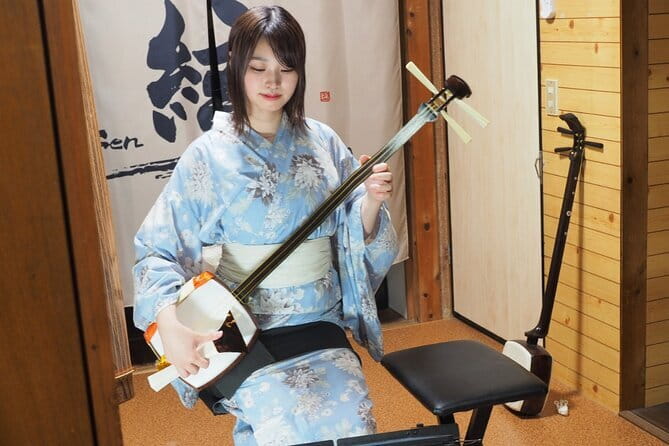
- You get a guided koto and shamisen intro before the music starts
- The program mixes classic and contemporary pieces, so it is not stuck in one style
- You can upgrade to try koto yourself, including playing a simple piece
- Q&A and photo time follow the performance, so you get context beyond the music
Still weighing up options in Kyoto? These are the ones our reviewers rated highest.
- PERFECT KYOTO 1-Day Bus Tour
★ 5.0 · 13,518 reviews - Kyoto: Fushimi Inari, Kinkakuji, Bamboo Grove 1 Day Bus Tour
★ 4.8 · 4,316 reviews - Kyoto: Tea Ceremony in a Traditional Tea House in Kiyomizu
★ 4.9 · 3,519 reviews - Kyoto Geisha Walking Tour: Gion District & Hidden Gems
★ 4.7 · 3,273 reviews
A Kyoto home concert you can actually understand
Most live-music experiences leave you with vibes. This one gives you handles, so the music clicks. You learn the instruments before you sit down, which matters a lot with Japanese strings like the koto and shamisen, where timing and texture are the whole story.
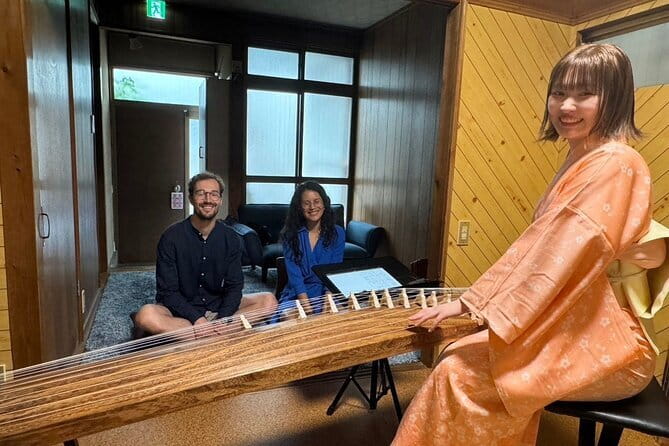
I also like the scale. A small-group or private home setting keeps things human. You are not watching from far away, hoping the program notes explain what you missed.
Finally, it feels intentional. The hosts set you up to listen, not just to consume a show. If you like cultural experiences that explain what you are hearing while it is happening, you will appreciate the format.
Entering the experience at Gen Home Saiin
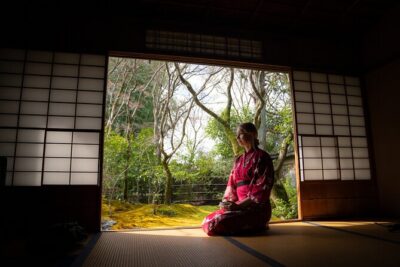
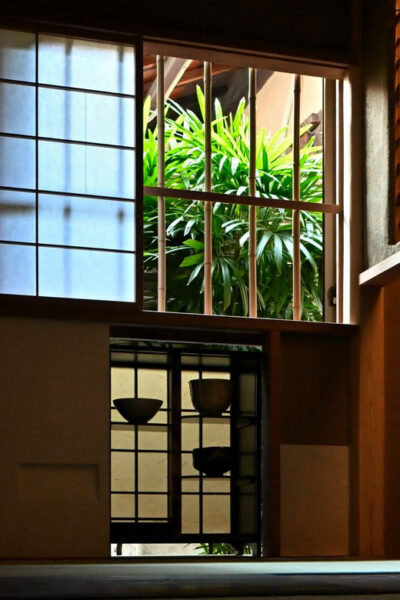
Your evening begins at Gen Home Saiin, where a traditional home becomes a performance space. The idea is simple: the timeless sounds of the koto and shamisen fill rooms that were built for everyday life, not stages.
That setting changes your expectations. In a concert hall, music behaves like background spectacle. In a home, music has edges. You notice small shifts, how phrases start and stop, and how the musicians shape emotion in real time.
It also means the experience is a bit more formal than you might expect. You should plan for quiet focus, and you will want to follow any cues from the host about where to sit and when to engage.
The koto and shamisen intro that makes the performance click
Before the music begins, you get an introduction to both instruments: the koto and the shamisen. The goal is not to turn you into a musician. It is to help you understand what you are hearing as the performance unfolds.
This matters because the sound worlds are different. The koto tends to feel fluid and bright, while the shamisen brings a sharper, more percussive character. When you know which instrument is leading, you stop feeling like you are guessing and start following the conversation between them.
The intro also sets up the emotional range of the program. The performance includes classical pieces and modern or original compositions, so you can listen for contrasts rather than wondering why the style changes mid-show.
- PERFECT KYOTO 1-Day Bus Tour★ 5.0 · 13,518 reviews
- Kyoto: Fushimi Inari, Kinkakuji, Bamboo Grove 1 Day Bus Tour★ 4.8 · 4,316 reviews
- Kyoto: Tea Ceremony in a Traditional Tea House in Kiyomizu★ 4.9 · 3,519 reviews
- Kyoto Geisha Walking Tour: Gion District & Hidden Gems★ 4.7 · 3,273 reviews
- Kyoto: Tea Ceremony Ju-An at Jotokuji Temple★ 4.9 · 3,207 reviews
The program: classical pieces plus modern twists

The concert is built around a set list that includes both well-known classical works and pieces that show how the tradition continues today. You may hear pieces such as Chidori no Kyoku, Rokudan no Shirabe, and Kajimakura.
One reason this works is variety without chaos. The program sounds like a guided listen, not a random playlist. After the intro, those tune titles become signposts for your attention.
The concert is also tied to respected historical figures. You will learn that performances are infused with lineage associated with legendary koto and shamisen artists including Yoshizawa Kengyo, Yatsuhashi Kengyo, and Kikuoka Kengyo. That context helps you hear the music as more than pretty sound.
And yes, the emotional impact is real. One of the standout moments is Chidori no Kyoku, a piece that has clearly moved people to tears, even among those who expected a straightforward cultural show.
Why the musicians feel close in a small setting
After the performance starts, it is the closeness that makes it memorable. In a home, you are not watching from a distance where everything blends. You are near enough to feel how carefully the musicians shape pacing and dynamics.
It is also easier to connect because the experience is structured around explanation. There is time for questions afterward, and photo-taking is part of the flow. You do not leave with just a recording in your phone. You leave with a story you can repeat.
This closeness is a big part of the high ratings. The format turns a concert into a conversation. You get to see professional musicians as real people with specific artistic choices.
Q&A and photo time: learning that stays with you
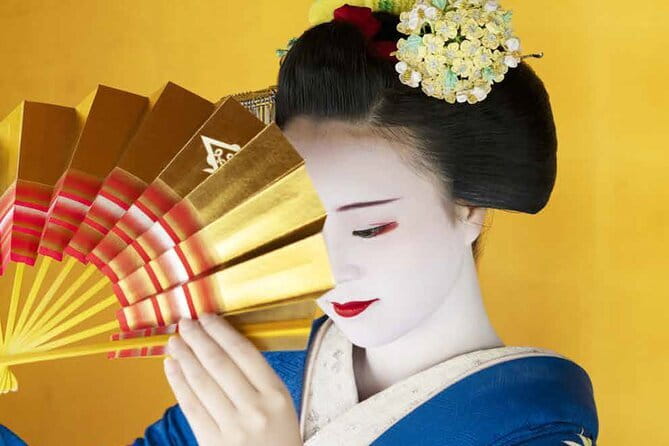
Following the performance, the event includes a Q&A session and time for photo-taking. This is where the experience becomes more than watching technique.
In a typical show, you might never ask what you really want to know. Here, the structure gives you permission. You can follow up on instruments, the pieces you heard, or how the music connects to its background.
This kind of interaction is also a great way to catch details you might have missed. If you were busy just trying to follow along, the Q&A helps fill in gaps with clear, practical answers.
And because the setting is personal, the questions tend to feel natural. You are not asking into a void. You are speaking to the people who just performed.
Optional upgrade: hands-on koto practice
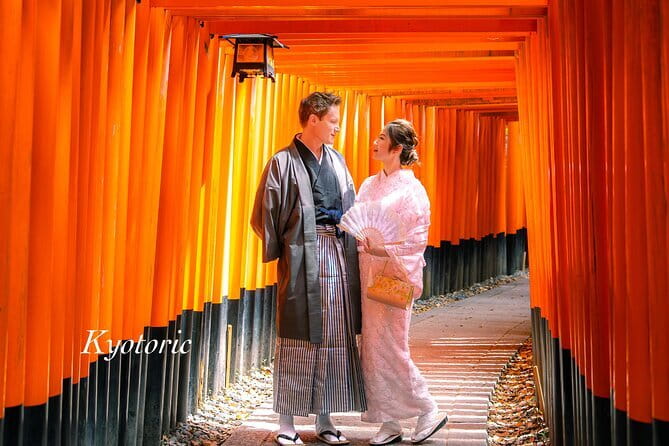
If you want more than passive listening, look for the hands-on koto session upgrade. You will try playing a simple piece, after participating in the concert experience.
This is a smart choice for two reasons. First, it teaches your body what your ears have been hearing. Second, it gives you a small win that makes the rest of the music feel more understandable.
Do not worry that you need prior musical ability. The key phrase here is simple piece. You are not being asked to master a concerto. You are being invited to participate.
Also, the upgrade changes your relationship to the concert. Instead of leaving at the end of the show, you take something away that you can explain in plain language.
Timing, duration, and why the 50 minutes feels worth it
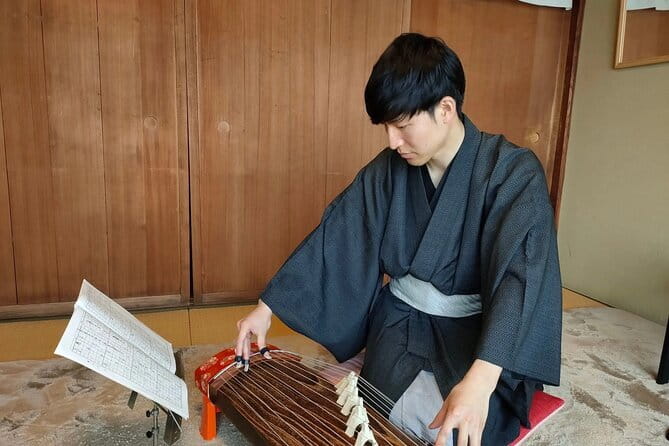
The concert runs about 50 minutes. For a Kyoto experience, that is a manageable commitment, especially if you are juggling temples, gardens, and buses already.
Multiple tour options throughout the day are available for flexibility. That means you can pick a slot that fits around your day, not the other way around. If your Kyoto schedule is tight, this flexibility is a genuine advantage.
As for value, the price is $39.63 per person. What you are paying for is not just a seat. You are paying for an in-home performance, a pre-concert koto and shamisen explanation, and structured interaction afterward. For many visitors, that bundle is the difference between a nice evening and a memorable one.
One practical note: this experience is commonly booked ahead, with an average booking window of about 33 days. If you want a specific time slot, it is wise to reserve earlier rather than assuming you can wing it.
What is included, and what you should plan for
Your ticket includes key basics that keep the experience smooth. You should expect landing and facility fees included, plus WiFi on board. Most importantly, the ticket covers participation in the koto and shamisen concert, along with a brief introduction and explanation.
What is not included is also useful to know. Coffee and/or tea are not included, and you will need private transportation if you do not use public options. The good news is the venue is near public transportation, so you can get there without turning it into a logistics nightmare.
In other words: arrive prepared to listen, then handle refreshments yourself if you want them. Bring a phone charger if you like taking photos afterward, since you will want those memories ready to save.
Who this experience suits best
This show is a strong match if you like culture you can follow. If you hate mystery soundtracks and prefer learning what you are hearing, the intro and Q&A are built for you.
It is also ideal if you want something more personal than a venue performance. The home setting is part of the appeal, and it is the main reason the experience is consistently rated highly.
If you are traveling with mixed interests, this can still work. One person can focus on the instruments and history, while another simply enjoys the performance atmosphere and later conversation.
And if you are the kind of person who remembers tunes by name, the classical pieces help. You may recognize a melody after you learn the context, which is a rare treat from a short 50-minute event.
Who might want to rethink it
If you want a free-form, wander-around night with lots of casual flexibility, this is not that. The concert is structured: intro, performance, Q&A, photos, and optionally a hands-on upgrade.
Also, because it is in a traditional home setting, you will want to be comfortable with indoor seating and following the flow of the host. If you dislike quiet listening environments, plan accordingly.
Should you book this Kyoto koto and shamisen home concert?
Book it if you want a Kyoto experience that gives you more than sound. The combination of an instrument intro, a live performance with classic and contemporary pieces, and a real Q&A is the recipe. You leave understanding what you heard, not just hearing it.
Skip or reconsider if you prefer your evenings totally casual and unstructured. This one asks for attention, and it rewards that effort.
If you are on the fence, the hands-on koto upgrade is often the deciding factor. Even a simple chance to play turns the evening into a memory you can own, not just watch.
FAQ
What instruments will I hear at this Kyoto concert?
You will hear live koto and shamisen performances. The experience also includes a brief introduction so you can understand what you are listening to.
How long is the concert?
The concert lasts about 50 minutes.
Is there an option to try playing the koto?
Yes. You can choose an upgrade to take part in a hands-on koto session where you’ll try playing a simple piece.
What is included in the price?
The ticket includes landing and facility fees, WiFi on board, and participation in the koto and shamisen concert with a brief introduction and explanation.
What is not included?
Coffee and/or tea are not included, and private transportation is not included.
Where does it take place?
It takes place in Kyoto at Gen Home Saiin, and the venue is near public transportation.
Can I get a full refund if my plans change?
Yes. Cancellation is free up to 24 hours before the experience starts for a full refund.