
REVIEW · KYOTO TEA CEREMONIES AND MATCHA
Kyoto: Tea Ceremony Ju-An at Jotokuji Temple
Matcha and temple quiet reset your Kyoto pace. At Jotoku-ji Temple’s Ju-An tea ceremony, I love the temple atmosphere and the chance to drink and make matcha with a Tea Master. One thing to consider first, the tearoom has three steps and it is not suitable for wheelchairs.
The session is only 70 minutes, but it is structured, respectful, and hands-on. I also like how you start with a short purification ritual and then move into the Grand Tearoom where the instructor guides every movement slowly enough to follow.
If you can sit traditionally, it is a calm, meaningful break from Kyoto’s busiest sightseeing days. If you struggle with floor sitting, the organizers can provide seats and stools, but the room itself is still reached by steps.
In This Review
- Key things that make this Ju-An tea ceremony worth your time
- Jotokuji Temple, the setting that changes how tea feels
- Getting to Tea Ceremony Juan and finding the tea room fast
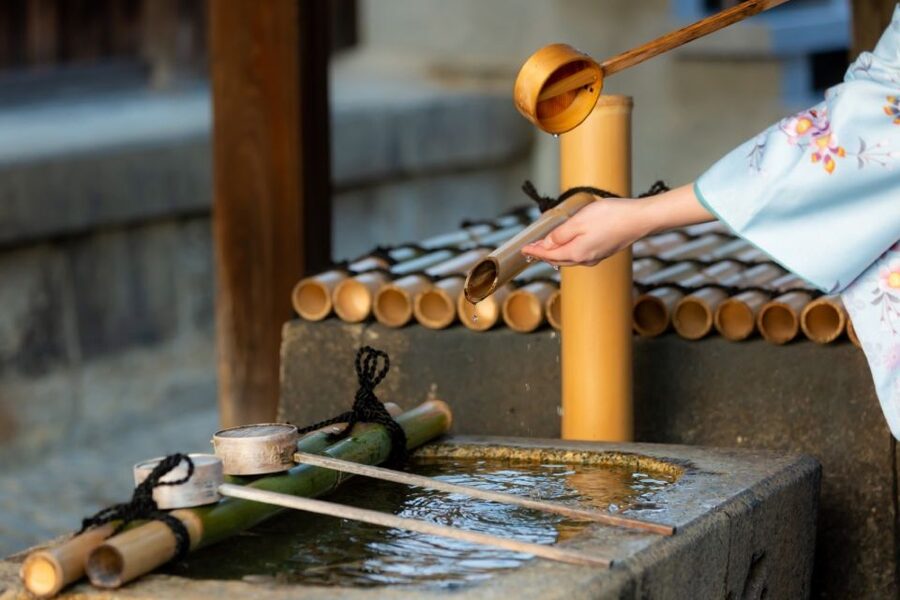
- Temple walk and the purification fountain: the start that clicks
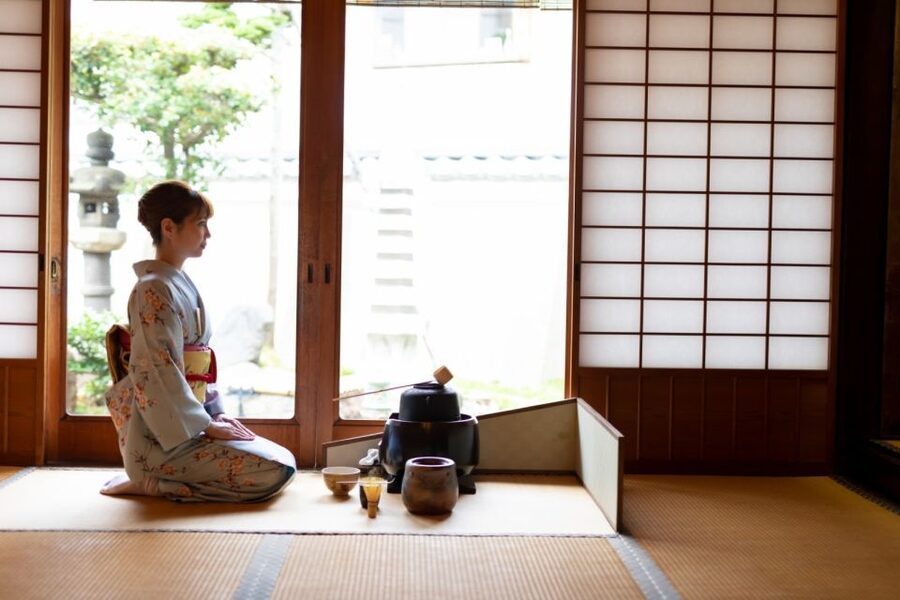
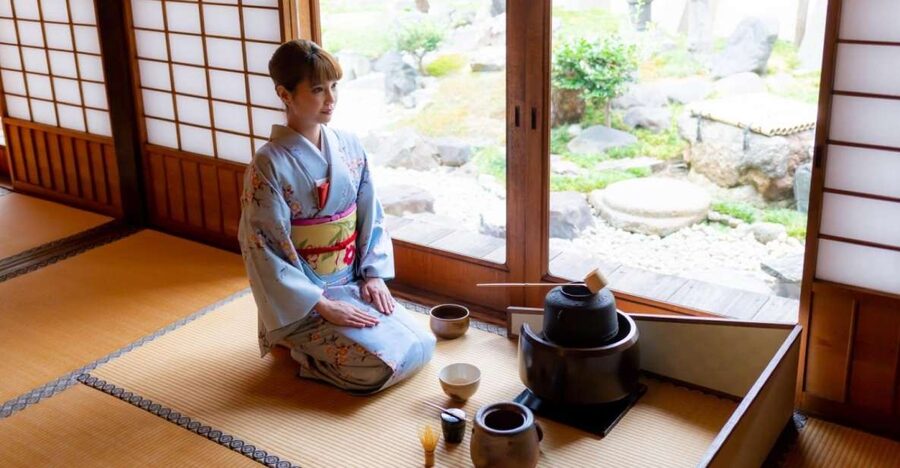
- Inside the Grand Tearoom: seating, steps, and how the room works
- Tea Master instruction: matcha basics that go beyond taste
- The rhythm of a 70-minute chanoyu workshop
- Price and value: why $29 can feel like more
- Who this Kyoto tea ceremony suits best
- Practical tips so you enjoy every minute
- Should you book Ju-An at Jotokuji Temple?
- FAQ
- How long is the Kyoto tea ceremony at Jotokuji Temple?
- Where do I meet for Tea Ceremony Juan at Jotokuji Temple?
- Is the tea master teaching in English?
- Is kimono included in the price?
- What is included in the $29 per person price?
- Is this experience wheelchair accessible?
- What is the group size?
Key things that make this Ju-An tea ceremony worth your time
- A real temple start inside Jotoku-ji, not just a tea demo
- Purification ritual before you touch the teaware
- Small group up to 10 people with English instruction
- You try matcha and also make your own cup
- Red benches temple break, with rain cover options nearby
Sit down somewhere quieter. Other tea rooms we booked
- Kyoto: Tea Ceremony in a Traditional Tea House in Kiyomizu
★ 4.9 · 3,519 reviews - Kyoto: Tea Ceremony Ju-An at Jotokuji Temple
★ 4.9 · 3,207 reviews - Kyoto: 45-Minute Tea Ceremony Lesson Experience
★ 4.3 · 2,378 reviews - Kyoto: Table-Style Tea Ceremony at a Kyo-Machiya
★ 4.9 · 1,211 reviews
Jotokuji Temple, the setting that changes how tea feels
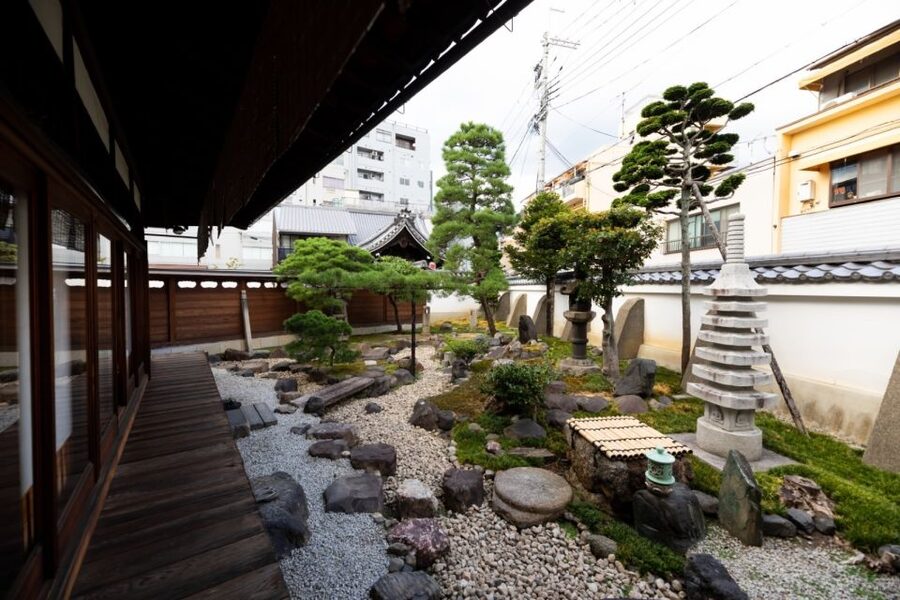
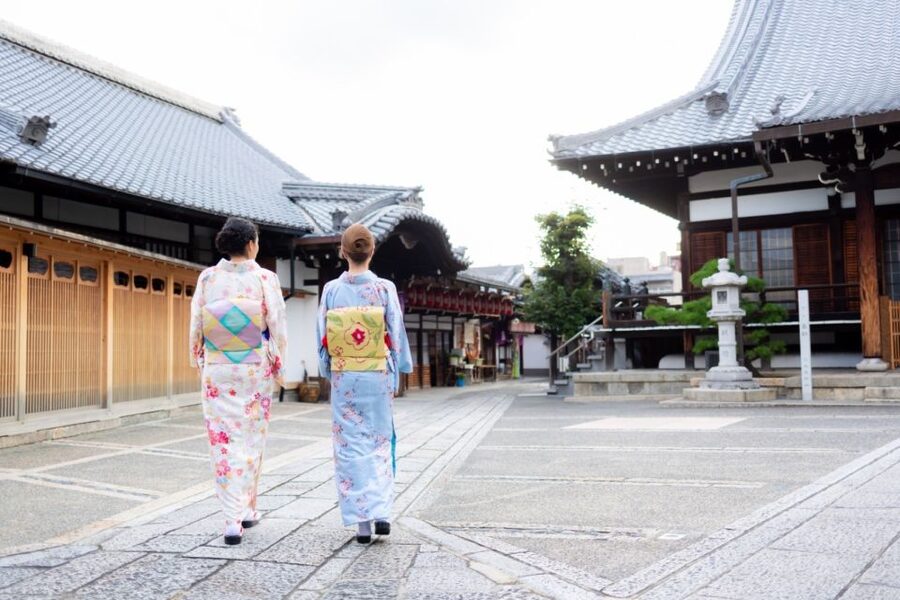
This tea ceremony takes place in the temple grounds of Jotoku-ji Temple, and that matters more than you might expect. Tea feels like a performance in most settings, but in a temple space it becomes quiet and measured, like part of the building’s rhythm.
You enter through the main gates, walk through the grounds with time to look around, and get to notice details most day-trip crowds skip. Even if you only catch glimpses between other Kyoto stops, you still get that sense of older Japan in real architecture, real paths, and a real atmosphere.
Two highlights for me are the way the guide builds the mood before tea, and the fact that the ceremony is tied to place. You are not just learning matcha technique, you are learning a sequence and a mindset.
The most practical takeaway: plan this as a calm anchor in your day. After it, Kyoto will feel louder, in a good way, like you earned the contrast.
Getting to Tea Ceremony Juan and finding the tea room fast
The meeting point is at Tea Ceremony Juan: 556, Gojo-sagaru, Tominokoji Dori, Shimogyo-Ku, Kyoto. Once you are inside the temple, you face the Main Hall, then look to the left for steps that give access to the tea room.
When I think about smooth check-in, this is one of the simpler ones because your guide waits nearby. After you enter through the main gates, you pass the entrance to the Grand Tearoom on your left, and a parish shop next to it. You then meet at the nearby red benches where your guide is waiting.
If you want this to feel easy, arrive a few minutes early so you can focus on where you are. Kyoto is famous for good signage, but temple grounds are not always linear, and you do not want to rush during a ritual.
Also, plan on removing shoes inside the Grand Tearoom. That is normal in Japanese spaces like this, but it still helps to wear socks you feel good about.
Temple walk and the purification fountain: the start that clicks
Before you sit down for tea, you do the temple part. You walk through the grounds freely enough to admire architecture, and you can stand by the purification fountain.
This purification ritual is one of the most distinctive pieces of the experience for Western visitors, because it frames the ceremony as something you prepare for. You are not just tasting matcha, you are entering a space with intention.
Weather matters here. If it is not raining, you can sit at the red benches for a break. If it is raining, you can stand outside under the gable of the shop or wait in the Grand Tearoom.
That flexibility is practical. You do not have to worry about the whole schedule collapsing because of a quick Kyoto shower.
After you finish perusing the temple or taking in the atmosphere at the benches, you head into the Grand Tearoom where the instructor is ready for the next step.
- PERFECT KYOTO 1-Day Bus Tour★ 5.0 · 13,518 reviews
- Kyoto: Fushimi Inari, Kinkakuji, Bamboo Grove 1 Day Bus Tour★ 4.8 · 4,316 reviews
- Kyoto: Tea Ceremony in a Traditional Tea House in Kiyomizu★ 4.9 · 3,519 reviews
- Kyoto Geisha Walking Tour: Gion District & Hidden Gems★ 4.7 · 3,273 reviews
- Kyoto: Tea Ceremony Ju-An at Jotokuji Temple★ 4.9 · 3,207 reviews
Inside the Grand Tearoom: seating, steps, and how the room works
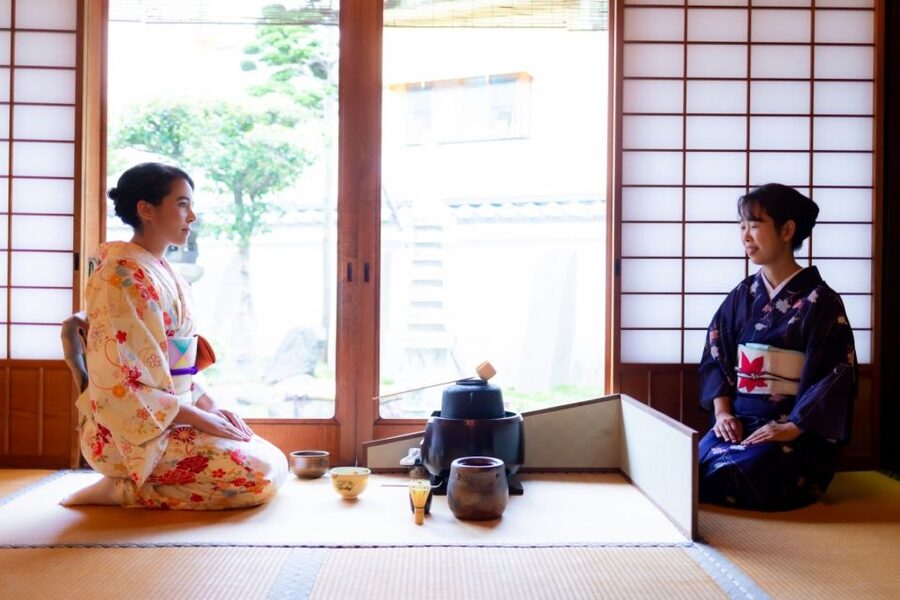
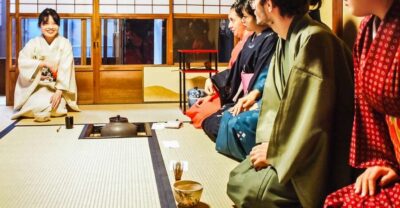
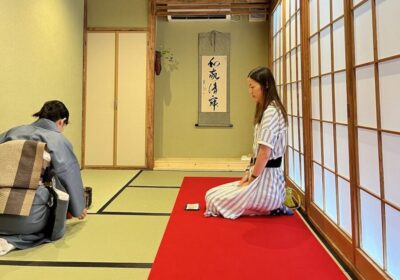
Once you enter the Grand Tearoom, you remove your shoes at the entrance and take your seat as a group. The ceremony is taught in English, and the pace is guided so you understand what each action means.
Here is the comfort reality check. The temple is wheelchair accessible, but the tearoom is not, because there are three steps. So it is not suitable for wheelchair users.
For everyone else, traditional floor sitting is part of the experience. The good news is that if you are not comfortable sitting on the floor in the traditional position, seats and stools can be provided. That can make the difference between enjoying the calm and feeling tense.
In practice, this is the kind of activity where the body matters. If you know you struggle with kneeling or long still sitting, tell the organizers when you arrive. They can help you choose the seating option that works best for your body.
If you do get floor seating, I suggest dressing in layers you can relax in. The ceremony is gentle and quiet, but you will be stationary for the full 70 minutes.
Tea Master instruction: matcha basics that go beyond taste
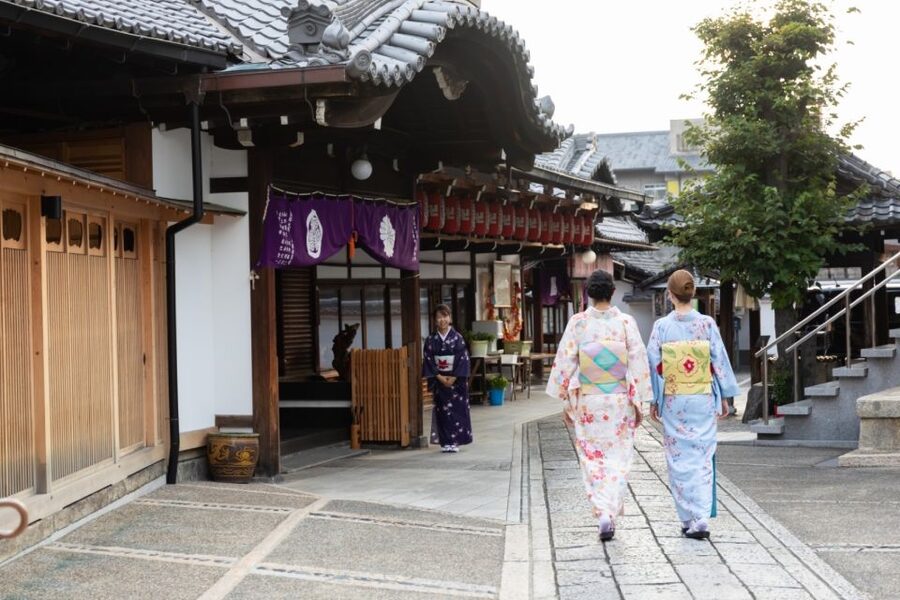
In the Grand Tearoom, the instructor and Tea Master guide you step by step. You sample matcha, and you learn the fine art of how it is prepared, served, and sipped.
What I like most here is that the lesson is not only about technique. You learn about the importance of the ceremony, and you get the background behind the gestures. Many people come for matcha flavor, but the bigger payoff is understanding why each step exists.
You are taught how to drink matcha in the correct way, not as a gimmick, but as part of the etiquette. That might sound formal, but in reality it helps you slow down. It turns a drink into a tiny ritual you can feel.
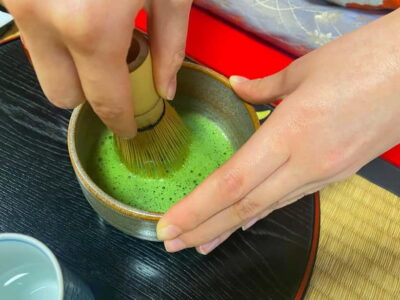
You also participate. After the Tea Master demonstrates, you get the chance to make your own cup of matcha under guidance. That hands-on part is often where the magic lands, because you stop being an observer and start learning through doing.
One more detail that shows up in the experience: it is not only tea. There are sweets served alongside the matcha in a calm, paced way. That combination is a big part of why the whole session feels balanced rather than rushed.
The rhythm of a 70-minute chanoyu workshop
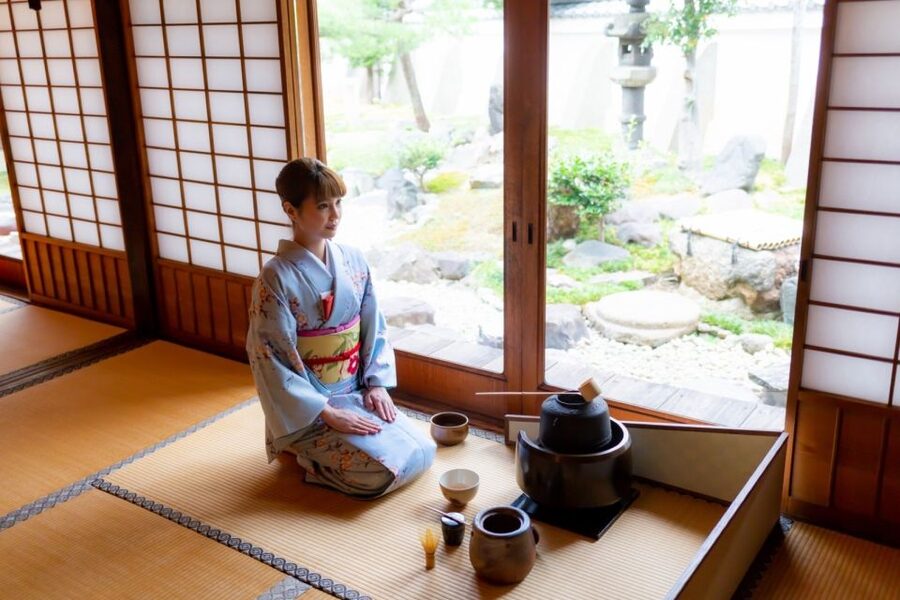
A full traditional chanoyu session can take hours, but this is a 70-minute version designed for visitors. That makes it much easier to fit into a Kyoto itinerary without sacrificing the core sequence.
The structure is built around a flow:
- you start with a temple walk and purification,
- you enter the Grand Tearoom,
- you watch and then practice matcha preparation,
- and you learn how to drink and understand the meaning behind it.
Because the group is limited to 10 participants, the instructor can keep an eye on everyone. In practical terms, this matters for questions. You are not stuck watching from the back while other people take over the pace.
The experience is led in English, and the guide support is there the whole time. In multiple sessions, names like Kate and Yaki show up in feedback, with some groups also mentioning Taka. If you get any of them, expect patient, careful guidance that sticks to what you need in the moment.
Also, the tone is respectful. It is quiet, but not stiff. You learn the rules, then you get to use them.
Price and value: why $29 can feel like more
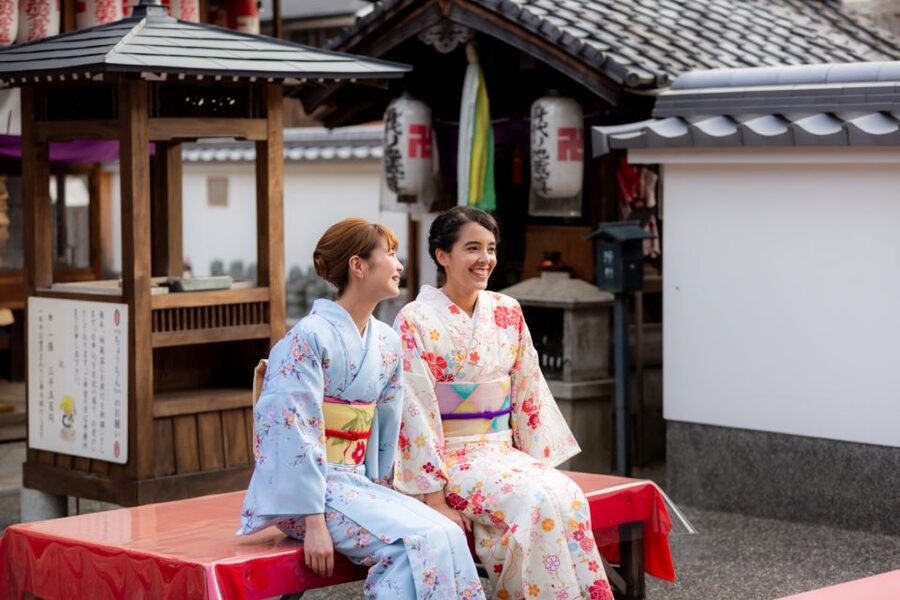
The price is $29 per person for 70 minutes. At first glance, that can look like a simple ticket. Once you compare it to what you get, it starts to feel fair.
You are paying for:
- a guided tour within the temple space,
- a chanoyu workshop with a Tea Master,
- and English instruction throughout.
The biggest value driver is that you participate, you do not just watch. You learn the steps and also make and drink matcha yourself. That combination is hard to replicate with a cheap DIY option, especially in a temple setting.
What is not included matters too. Meals are not included. Kimono is not included, though you can rent one separately. If you are hoping for an outfit change and a full snack stop, you will need to plan those outside the ceremony.
But for people who want one meaningful Kyoto experience, not a long production, this strikes a good balance. It is short enough to fit, structured enough to feel authentic, and interactive enough to stick with you after.
Who this Kyoto tea ceremony suits best
This experience is a strong match if you want:
- a peaceful break from busy Kyoto sightseeing,
- a clear introduction to matcha and tea ceremony etiquette,
- and an activity where you actually participate, not just observe.
It is also ideal if you enjoy learning the why behind traditions. The ceremony is taught with explanations about the importance of each step and the philosophy around the ritual, so it feels more grounded than a photo spot.
If you are traveling with someone and want shared calm, this is one of those couple activities where conversation can actually deepen the moment. The atmosphere encourages it.
One group that should think twice is anyone who needs full wheelchair access to the tearoom. While the temple grounds are wheelchair accessible, the tearoom itself is not due to the three steps.
If you are on the fence because you dislike floor seating, do not assume it is only one way. Stools and seats can be provided for those who are not comfortable sitting in the traditional position.
Practical tips so you enjoy every minute
Here are a few simple things that help this type of experience go smoothly.
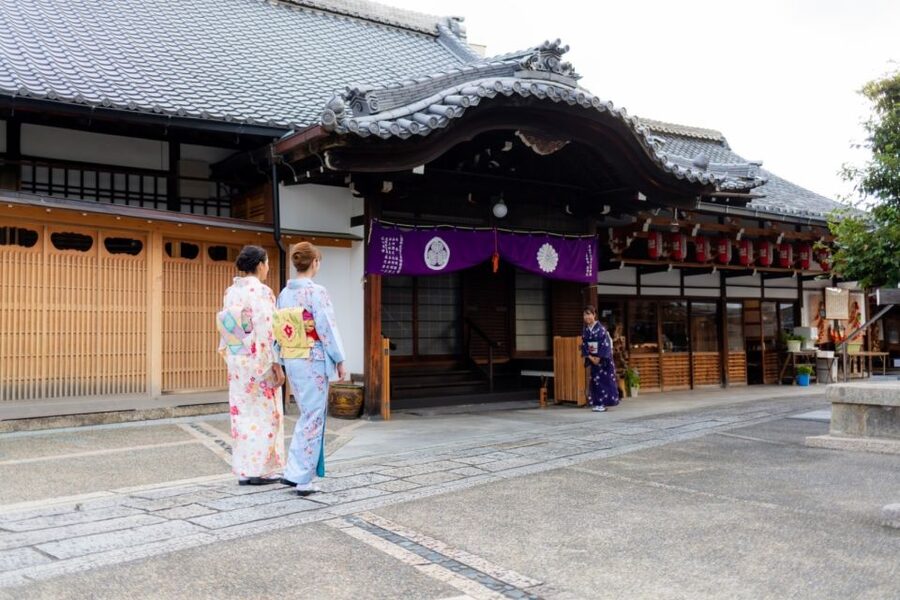
First, give yourself time to arrive and gather before you enter. Your guide meets you at the red benches, so you can settle your nerves before the ritual begins.
Second, dress for stillness. You will remove shoes and sit through the ceremony. Comfortable clothing makes the ritual feel effortless instead of exhausting.
Third, if it is raining, trust the backup plan. The instructions note standing under the shop gable or waiting in the Grand Tearoom, so you are not left in the cold.
Finally, bring curiosity. The ceremony can be technical, but the teaching is designed to be step by step. You will get more out of it if you focus on each gesture and ask questions when you have the chance.
Should you book Ju-An at Jotokuji Temple?
If you want a Kyoto experience that feels genuinely calm, personal, and tied to real temple space, I think you should book this. The best part is the combination of temple atmosphere, a purification start, and then hands-on matcha practice with English support in a small group.
Choose it especially if you are a first-timer to tea ceremony. The 70-minute format can still teach you the core flow, and you leave with something you can explain, not just something you tasted.
Skip it only if mobility limits you, specifically if you cannot use the tearoom steps. Also, if you know you cannot sit traditionally and you do not feel comfortable with stool seating as an alternative, then look for another activity.
If you want one moment in Kyoto that slows your day down on purpose, this Ju-An tea ceremony is one of the best ways to do it.
FAQ
How long is the Kyoto tea ceremony at Jotokuji Temple?
The ceremony lasts 70 minutes.
Where do I meet for Tea Ceremony Juan at Jotokuji Temple?
The meeting point is Tea Ceremony Juan, 556, Gojo-sagaru, Tominokoji Dori, Shimogyo-Ku, Kyoto. Inside the temple, you face the Main Hall, then look left for steps to access the tea room.
Is the tea master teaching in English?
Yes. The instructor is English.
Is kimono included in the price?
No. Kimono can be rented separately.
What is included in the $29 per person price?
The included items are a tour guide and the chanoyu workshop ceremony.
Is this experience wheelchair accessible?
The temple is wheelchair accessible, but the tearoom is not because there are three steps. It is noted as not suitable for wheelchair users.
What is the group size?
The group is a small group limited to 10 participants.
Kyoto by the Bowl

Newest Kyoto write-ups from the Loving Japan desk
Kyoto Tea Ceremonies and Matcha, side by side.
 ★ 4.9Tea Ceremony in a Traditional Tea House in KiyomizuFrom $493,519 reviews
 ★ 4.345-Minute Tea Ceremony Lesson ExperienceFrom $222,378 reviews
 ★ 5.0World Heritage Kyoto & Nara Uji Authentic Matcha ExperienceFrom $1291,573 reviews
 ★ 4.9Tea Ceremony ExperienceFrom $251,426 reviews
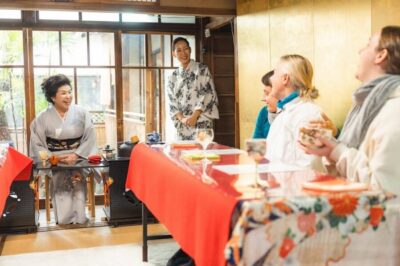 ★ 4.9Table-Style Tea Ceremony at a Kyo-MachiyaFrom $451,211 reviews
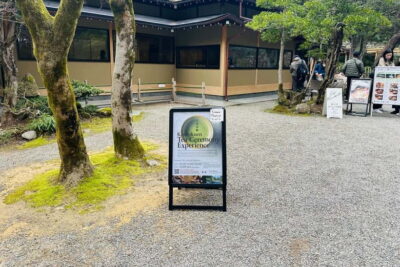 ★ 4.8Kenrokuen Tea Ceremony ExperienceFrom $351,139 reviews
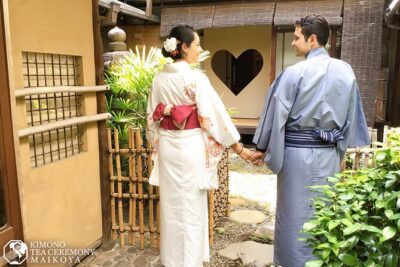 ★ 5.0Kimono Tea Ceremony at Kyoto Maikoya, NISHIKIFrom $65911 reviews
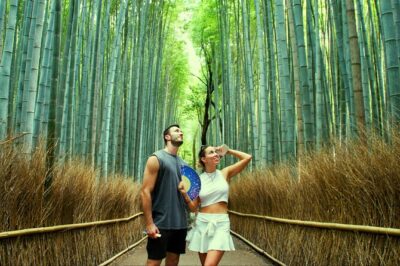 ★ 5.0Arashiyama Bamboo Forest, Monkeys, Matcha & Temple TourFrom $53759 reviews
Filed on these lists too