
REVIEW · SAKE BREWERIES AND TASTINGS
Kyoto Sake Brewery Tour with Lunch
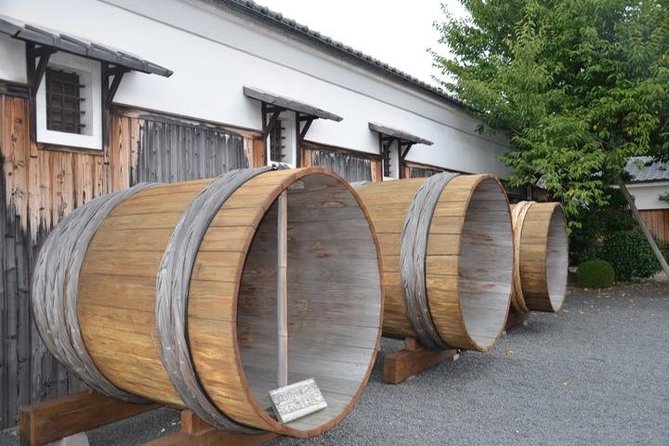
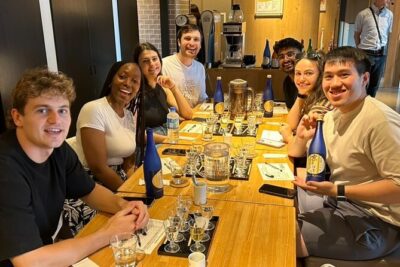
Sake gets clearer when you see the makers. This Kyoto sake brewery tour pairs tastings with real context in Fushimi-Momoyama, including visits to both a smaller and a larger brewery setup and time at the Gekkeikan Okura Sake Museum (founded 1637). I love that you get more than samples, you also learn how rice wine actually becomes sake. I also love that lunch is built into the experience, a local yakitori meal with sake pairing.
One consideration: the tour is educational, not hands-on. Actual active brewing areas are inaccessible, and some of the explanations can lean on printed materials, so if you prefer lots of moving around the workshop floor, plan for a more classroom-style pace with tastings.
In This Review
- Key highlights you will feel fast
- Why the Fushimi-Momoyama area makes this tour work
- Meeting at Otesuji Shotengai and the Fushimi Inari Taisha stop
- Gekkeikan Okura Sake Museum: tradition, techniques, and focused time
- Small and large brewery visits: learning scale without factory access
- Lunch with yakitori and sake pairing that feels practical
- The temple and park loop: short stops that add atmosphere
- Price and what you are really paying for
- Who should book this Kyoto sake brewery tour
- A quick guide to getting the most from your tastings
- Should you book this tour?
- FAQ
- What does the tour include?
- How long is the tour?
- Where does the tour start and end?
- Is lunch included, and what is it?
- How old do you have to be to drink the sake tastings?
- Can I visit active brewing areas inside the breweries?
- What about dietary needs?
- Is transportation included?
- How big are the groups?
Key highlights you will feel fast
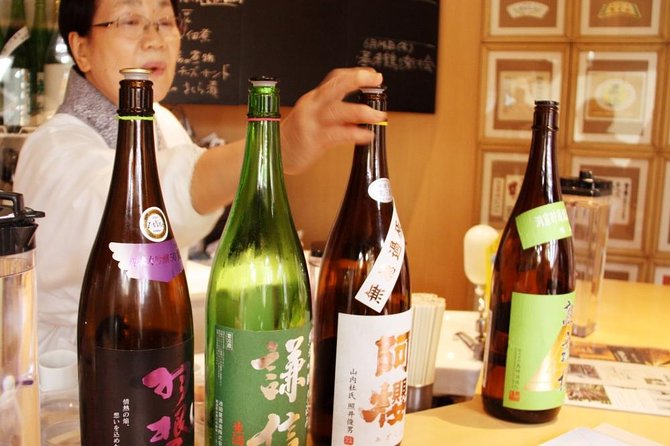
- Small vs large brewery contrast, so you understand how production changes with scale
- Gekkeikan Okura Sake Museum with a clear look at tradition and techniques
- Several sake tastings throughout the tour, not just one quick pour
- Yakitori lunch with sake pairing, a practical way to connect food and flavor
- A gentle temple and park stroll that keeps the afternoon from feeling like a museum line
Pour another. Breweries and tasting rooms nearby
- Kyoto Night Foodie Tour in Gion (9+ dishes + 6 Sake tastings)
★ 5.0 · 1,762 reviews - 3-Hour Kyoto Insider Sake Brewery Tour with Tastings & Pairings
★ 5.0 · 917 reviews - Arashiyama Bamboo, Temple, Monkeys, or Secret Sake Brewery
★ 4.8 · 886 reviews - Kyoto: Insider Sake Brewery Tour with Sake and Food Pairing
★ 5.0 · 704 reviews
Why the Fushimi-Momoyama area makes this tour work
Fushimi-Momoyama is one of those Kyoto neighborhoods where your feet do most of the sightseeing. The tour is centered on the local sake district, and the flow of stops makes sense: start in a busy shopping street area, take a quick cultural break, then shift into the museum and tasting portion, finishing with more walking around temples and parks.
That matters because sake is easier to understand when you are in the place where it is part of daily life. You are not just standing in front of a display. You are moving through the streets, seeing the rhythm of the district, and getting a human-scale story of rice wine making.
Also, the tour keeps the group small, up to 10 travelers. That means you can ask questions without shouting, and your guide can adjust the pacing when a stop needs a minute longer.
Meeting at Otesuji Shotengai and the Fushimi Inari Taisha stop
The tour starts at 4-chōme-291 Ryōgaemachi, Fushimi Ward, near the Softbank storefront in Otesuji Shotengai (the Y!mobile agency area). The stated start time is 11:00 am, and you are done in about 3 hours, give or take.
Right away, you get the practical advantage of a clear meeting point in a known area. If you are figuring out Kyoto by transit, this helps. The tour also notes it is near public transportation, so you should not need a complicated taxi plan.
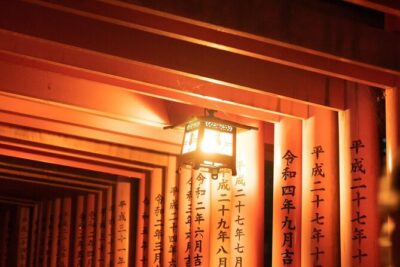
Then you head into a signature Fushimi stop: Fushimi Inari Taisha. Expect it to work as a grounding pause. Before you start tasting, you get a taste of why this district feels so distinct. Inari and sake culture are often linked in Japan through history and patronage, so even a short visit gives your later explanations more weight.
What to watch for: this part is a stop, not a long tour. Bring comfortable walking shoes and keep your schedule flexible, because the day can shift slightly based on restaurant and site timing.
Gekkeikan Okura Sake Museum: tradition, techniques, and focused time
Next comes Gekkeikan Okura Sake Museum, with about 30 minutes on the clock. The museum is a big reason this tour is a strong value for beginners. You are not guessing what you are tasting later. You get a compact explanation of how Japanese sake developed and how producers think about technique over time.
You’ll also see the museum positioned as a historic anchor: making sake since 1637. That is useful context because sake is not a single recipe. It is a process culture, with decisions about rice polishing, fermentation management, and finishing methods. Even if you are new to the subject, the museum time should help you connect those ideas to what lands in your glass during tastings.
A realistic note: you should treat this museum slot as an overview window. It is enough to understand the vocabulary and the big steps, not enough to master brewing science. If you get excited, that is good. It also means you might want a follow-up day later in Kyoto to go deeper somewhere on your own.
- PERFECT KYOTO 1-Day Bus Tour★ 5.0 · 13,518 reviews
- Kyoto: Fushimi Inari, Kinkakuji, Bamboo Grove 1 Day Bus Tour★ 4.8 · 4,316 reviews
- Kyoto: Tea Ceremony in a Traditional Tea House in Kiyomizu★ 4.9 · 3,519 reviews
- Kyoto: Tea Ceremony Ju-An at Jotokuji Temple★ 4.9 · 3,207 reviews
- Kyoto: 45-Minute Tea Ceremony Lesson Experience★ 4.3 · 2,378 reviews
Small and large brewery visits: learning scale without factory access
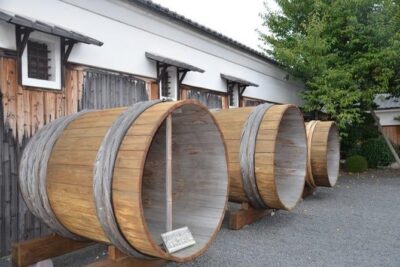
One of the best parts of this tour is the comparison. You visit both a smaller and a larger brewery to see how production scale changes what happens next.
That is not a detail you want to skip. Scale impacts everything from workflow to batching and output. Even if the guide cannot show every part of the modern production floor, the contrast teaches you to ask better questions when you taste.
Keep in mind the tour notes that actual active brewing areas are inaccessible. Translation: you are not going to walk through the most sensitive production zones. Instead, you get curated access that supports tasting and explanation.
If you are the type who wants to peek behind every curtain, you might feel slightly limited. But if you want a clear “from rice to sake” picture, you are in the right place.
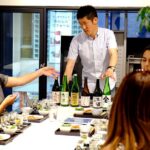
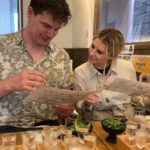
Also, the tour includes several sake tastings. That is where the scale lesson clicks. You can taste, then tie the flavor differences back to what you just heard about how brewing choices are made.
Lunch with yakitori and sake pairing that feels practical
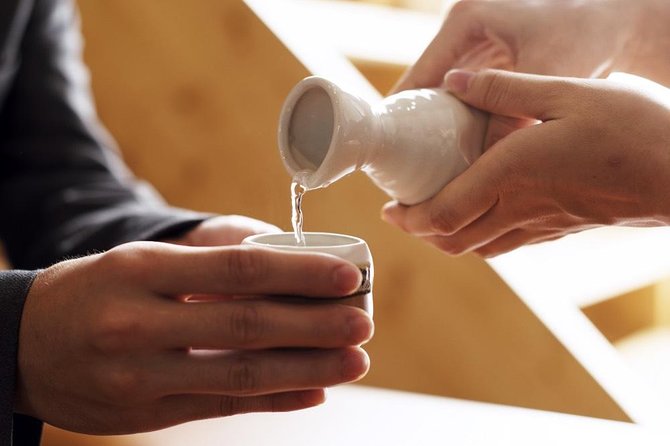
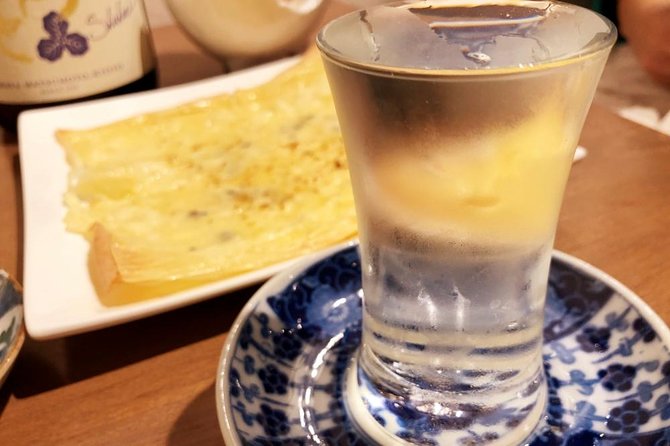
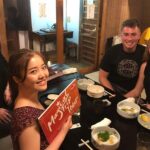
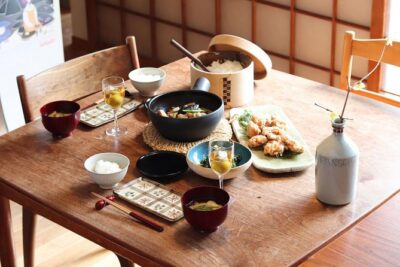
You eat lunch during the middle of the tour. It is described as a seasonal lunch in a local restaurant, and the plan includes yakitori paired with delicious sake.
This pairing is not just nice to have. It is a smart learning tool. Beginners often struggle with sake because they taste it like a standalone drink. Yakitori gives you salt, smoke, and savory fat, and that helps you understand why some sake styles work better with certain flavors.
You should also know the lunch is designed to work with different diets. The tour states it is Vegan, Vegetarian, Pescetarian, Gluten-Free friendly. That doesn’t guarantee every exact component fits every plan, but it tells you the operator expects dietary variety, which is a major plus when planning in Japan.
Timing tip: since this is a 3-hour tour with tasting involved, you might want to go easy on breakfast or arrive with a light meal. You will likely be sampling multiple pours, and a steady stomach makes everything more enjoyable.
The temple and park loop: short stops that add atmosphere
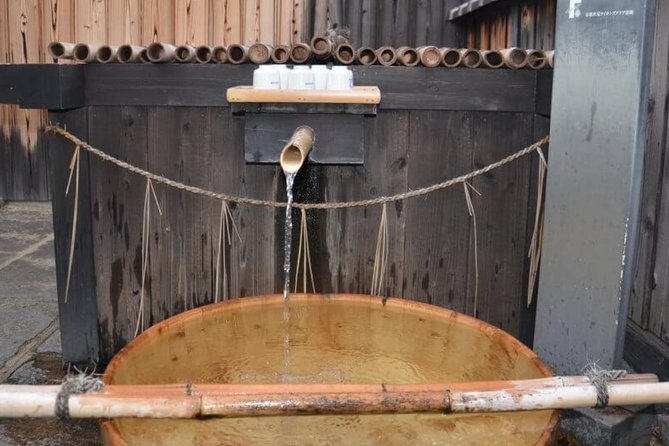
After the museum and lunch, the tour continues with a calm walking stretch in the Fushimi area. The stops listed include Chokenji temple, Fushimi Park, Teradaya, and Daigo-ji, with an ending point around Fushimi-Momoyama Station near a Bar.
These temple and park moments matter because they keep the tour from feeling like only tastings and facts. You get a breather, some local scenery, and a sense that sake fits into the daily landscape of Kyoto.
Also, these stops help you pace the day. If you start strong with shrine energy, then shift to museum learning, then settle into a calm outdoors walk, it becomes an easier mental transition. The tour also notes a moderate physical fitness level is recommended, so treat this as walk-and-stand sightseeing rather than a long hike.
One more consideration: because the tour can adjust due to schedules, holidays, or weather, those final stops might be swapped. If weather is bad, plan for a substitute rather than canceling your day plans.
Price and what you are really paying for
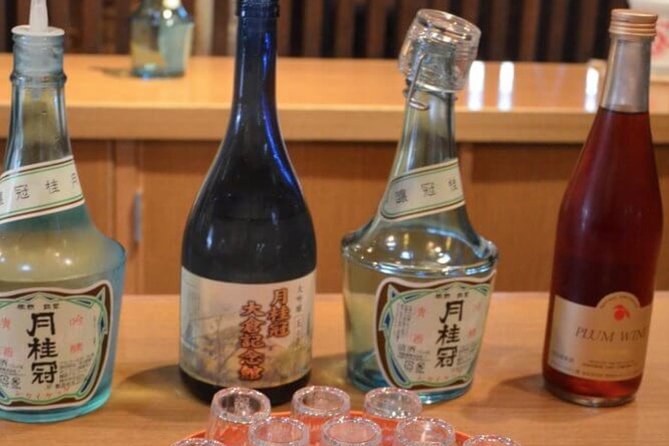
At $227 per person, this is not a budget activity. The value comes from a few stacked inclusions:
- Local English-speaking guide
- Several sake tastings
- Local lunch with yakitori
- Time at the Gekkeikan Okura Sake Museum
- Mobile ticket convenience
- Group size limited to 10 travelers
So you are paying for the whole package, not just tasting. In Kyoto, it is often easy to find a sake tasting, then later pay extra for a museum ticket and a separate meal. Here, the price bundles the learning and the food in one guided window.
What could affect your cost sense: transportation is not included, and you are meeting near Otesuji Shotengai and ending around Fushimi-Momoyama Station. If you are coming from a distant part of Kyoto, factor in transit costs.
One practical detail that tells you demand is real: this tour is booked, on average, about 68 days in advance. If your travel dates are firm, you will likely want to lock it in early rather than waiting for last-minute luck.
Who should book this Kyoto sake brewery tour
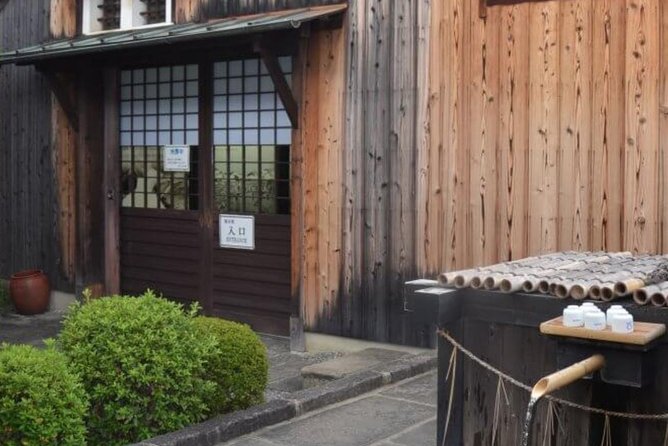
Book it if you want:
- A beginner-friendly introduction to sake that connects rice-wine history to what you taste
- A mix of education and food, not just sampling
- A guided day that stays in a compact area and finishes near a transit hub
- A small group setting (max 10 travelers) where questions are practical
You might think twice if you want:
- A factory floor “show me everything” experience, since active brewing areas are inaccessible
- Lots of hands-on work, because some of the brewing explanations may be delivered through printed materials
A quick guide to getting the most from your tastings
Even without extra prep, you can make tastings more useful.
- Pace yourself: you will be sampling several sakes, so take small pours and note what changes between them.
- Eat something first: lunch is included, so you can recover mid-tour rather than going through everything hungry.
- Ask what to notice: when the guide explains the process, connect it to the flavors in your glass (sweetness, dryness, aroma, and finish).
If you are new, focus less on scoring and more on contrasts. You are learning how makers think, not studying wine tasting for a test.
Should you book this tour?
Yes, if your goal is a well-paced Kyoto sake experience that starts with a local neighborhood feel, moves into the Gekkeikan Okura Sake Museum, then rewards you with real tasting and a sit-down lunch. The biggest win is that the tour ties multiple steps together, brewing scale, museum context, and food pairing with yakitori.
If you are picky about access and want behind-the-scenes production areas, you might feel slightly limited because active brewing zones are not accessible. Also, if you strongly prefer a more interactive, workshop-style teaching method, be aware that some explanations may rely heavily on printed materials.
For most people, though, this is a smart way to get your bearings fast in sake country, and walk away with a clearer sense of what you like and why.
FAQ
What does the tour include?
It includes several sake tastings, a local lunch in a restaurant, and a local English-speaking guide.
How long is the tour?
The tour is approximately 3 hours.
Where does the tour start and end?
It starts near the Softbank in Otesuji Shotengai (meeting point area: 4-chōme-291 Ryōgaemachi, Fushimi Ward, Kyoto). It ends in the Fushimi-Momoyama Station area.
Is lunch included, and what is it?
Yes. Lunch is included and is described as seasonal, featuring yakitori paired with sake.
How old do you have to be to drink the sake tastings?
The minimum drinking age is 21 years old.
Can I visit active brewing areas inside the breweries?
No. The tour notes that actual active brewing areas are inaccessible.
What about dietary needs?
The tour is listed as Vegan, Vegetarian, Pescetarian, Gluten-Free friendly.
Is transportation included?
No. Hotel pickup and drop-off are not included, and transportation costs are not included. The tour is near public transportation.
How big are the groups?
This tour has a maximum of 10 travelers.
Cups, Cellars and Tasting Rooms

Newest Kyoto write-ups from the Loving Japan desk
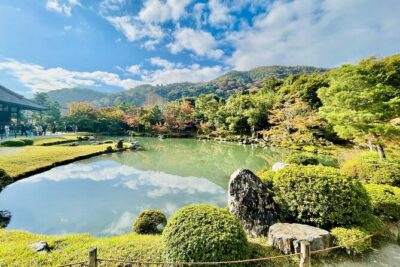
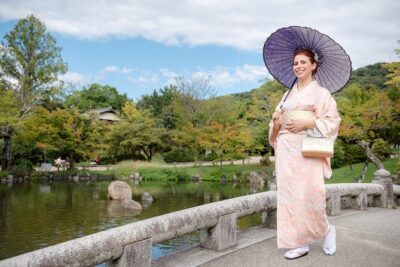
Sake Breweries and Tastings, side by side.
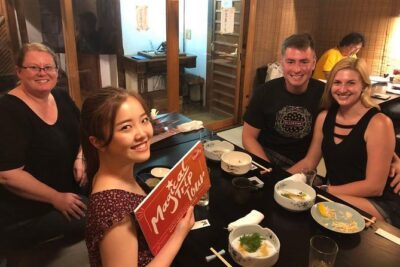 ★ 5.0Kyoto Night Foodie Tour in Gion (9+ dishes + 6 Sake tastings)From $1631,762 reviews
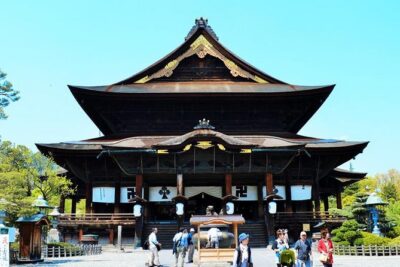 ★ 5.01-Day Snow Monkeys, Zenko-ji Temple & Sake in NaganoFrom $1511,020 reviews
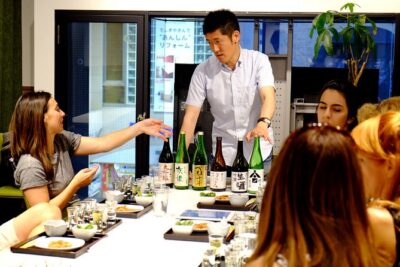 ★ 5.03-Hour Kyoto Insider Sake Brewery Tour with Tastings & PairingsFrom $84917 reviews
 ★ 4.8Arashiyama Bamboo, Temple, Monkeys, or Secret Sake BreweryFrom $87886 reviews
 ★ 4.9Nagano: Snow Monkeys, Zenkoji Temple & Sake Day TripFrom $135833 reviews
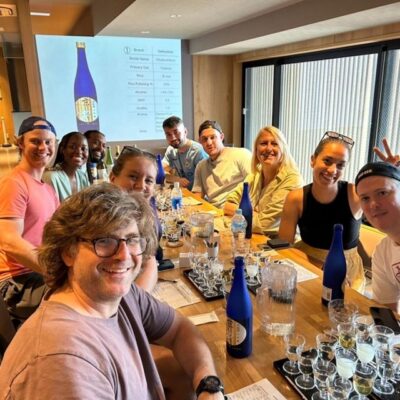 ★ 5.0Insider Sake Brewery Tour with Sake and Food PairingFrom $87704 reviews
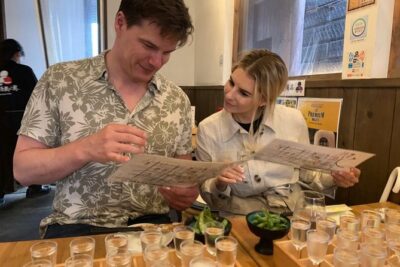 ★ 5.0Kyoto Sake Brewery & Tasting Walking TourFrom $98623 reviews
 ★ 5.01.5-Hour Kyoto Insider Sake Experience with 7 Tastings & PairingsFrom $68297 reviews