
REVIEW · FUSHIMI INARI AND THE TEMPLES OF KYOTO
Kyoto: Tea Ceremony in a Traditional Tea House in Kiyomizu
Kyoto slows you down in 45 minutes. In Sannenzaka, you step into a traditional tea house tucked inside an Ogawa Jihei VII-created garden, then watch a tea master prepare matcha like it matters. I love the quiet, orderly feel, even though the area around Kiyomizu-Dera is busy.
I also love that you do not just watch. You learn how to brew your own matcha and then drink it fresh, along with a customary sweet. One consideration: this is a focused 45-minute ritual for $49 per person, so it is best if you truly want the process, not just a quick photo stop.
In This Review
- Key moments to look forward to
- Why Sannenzaka and an Ogawa garden change the feel of tea
- Meeting at Sakaguchian, and how to avoid walking past it
- What the 45 minutes actually look like
- The tea master performance: watch closely, then you copy the motions
- Two cups of matcha, plus sweets, and how that pairing works
- Photo time in the garden, with less chaos than you expect
- Price and value: $49 for 45 minutes, what you are really buying
- Who this Kyoto tea ceremony suits best
- Practical etiquette and keeping the experience smooth
- Should you book Kyoto tea ceremony at Kiyomizu, or skip it?
- FAQ
- How long is the Kyoto tea ceremony at the traditional tea house?
- What is included in the price?
- Is kimono rental included?
- Where do I meet the instructor?
- Can I bring luggage or large bags?
- Is this experience held rain or shine?
- Is it suitable for children?
- Is the instruction offered in English?
Key moments to look forward to
- Ogawa garden setting right by the Kiyomizu-Dera area, but calm once you enter.
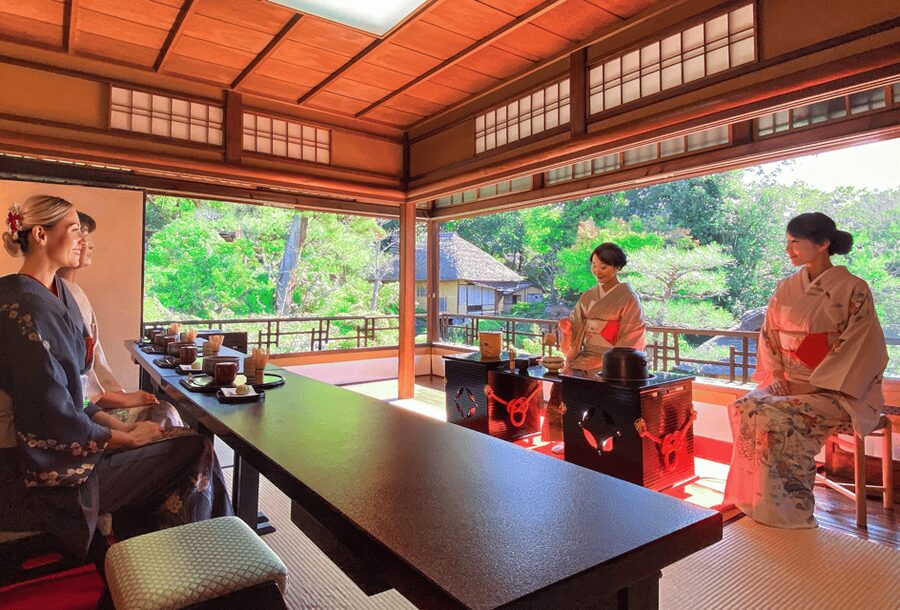
- Tea master demonstration where you can see the movements up close.
- Hands-on matcha brewing so the experience sticks after you leave.
- Two cups of matcha plus traditional sweets, not just one sip.
- Photo included with the garden as your backdrop.
- English instruction with a guided flow that keeps it easy to follow.
Which temple to give the morning to, reviewed
- Kyoto: Fushimi Inari, Kinkakuji, Bamboo Grove 1 Day Bus Tour
★ 4.8 · 4,316 reviews - Kyoto/Osaka: Nara, Fushimi Inari Taisha, Arashiyama Bus Tour
★ 4.7 · 1,275 reviews - Kyoto: Nijo-jo Castle and Ninomaru Palace Guided Tour
★ 4.7 · 1,020 reviews - Osaka/Kyoto: Arashiyama, Nara & Fushimi Inari Shrine w/Lunch
★ 4.4 · 754 reviews
Why Sannenzaka and an Ogawa garden change the feel of tea
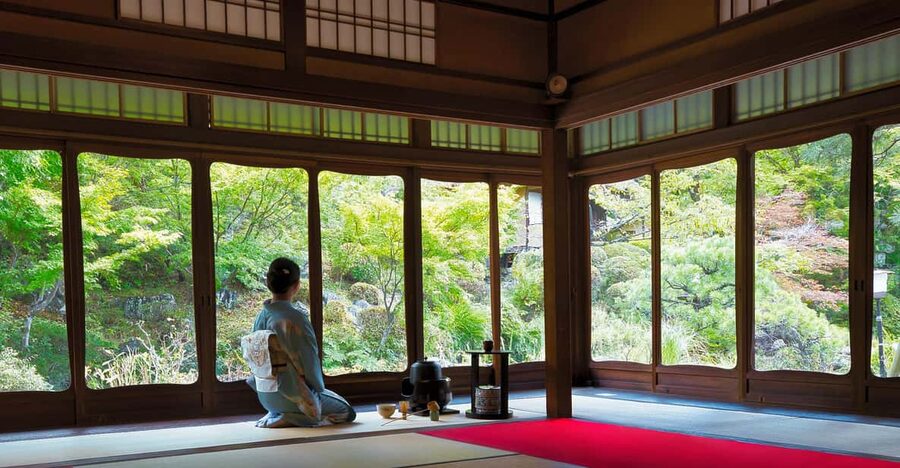
This ceremony starts where Kyoto feels most “old world”: Sannenzaka near Kiyomizu-Dera. The street scene can be loud and crowded, but the tea house setup is different. You enter through gates and a short lane, and the whole tone flips to quiet attention.
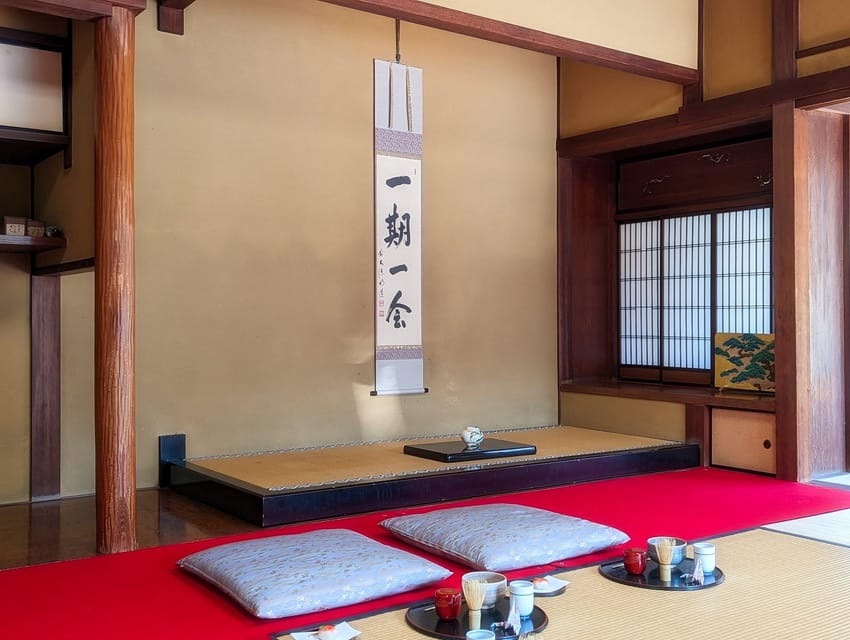
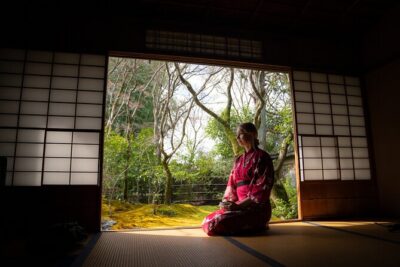
Inside, the garden matters. The grounds were made by the landscape artist Ogawa Jihei VII, and that is not just decorative trivia. It shapes what you notice during the ceremony: light on greenery, a sense of space to sit still, and a view that makes the ritual feel like part of the architecture.
I like that the experience gives you context before you start tasting. You get a brief introduction and you learn that the ceremony carries 500-year history behind it. That one piece of framing makes your matcha less random, and more intentional.
Meeting at Sakaguchian, and how to avoid walking past it
Your meeting point is in Sannenzaka near Kiyomizu-Dera Temple. You go down Sanneizaka, walk about 50 meters, then enter a large gate on the right. From that gate, you can see the garden.
After you pass through the first gate, walk straight for about 10 meters, then use the white gate on your left to find Sakaguchian. When you arrive, it helps to walk with purpose, not speed. The entrance is easy to miss if you are staring at maps while people glide past you.
If you are taking a cab, tell the driver to head toward Kodaiji Temple and get off at the intersection of Sanneizaka and Ishin-no-michi. The address is 京都市東山区清水3丁目334. That puts you in the right pocket of Kyoto, then it is a short walk from there.
One practical note: luggage or large bags are not allowed. If you have a backpack, keep it small and manageable. Think “carry-on life,” not “bring the whole hotel.”
What the 45 minutes actually look like
This is a tight, well-paced experience. The total time is 45 minutes, and it is designed to move you from intro to performance to hands-on brewing without dragging.
Here is the flow you can expect:
First, you are greeted by your instructor and brought into the garden area where the tea house sits. You listen to a brief introduction, including the story of how the ceremony developed over time. You then get to watch the tea master as they perform the core preparation.
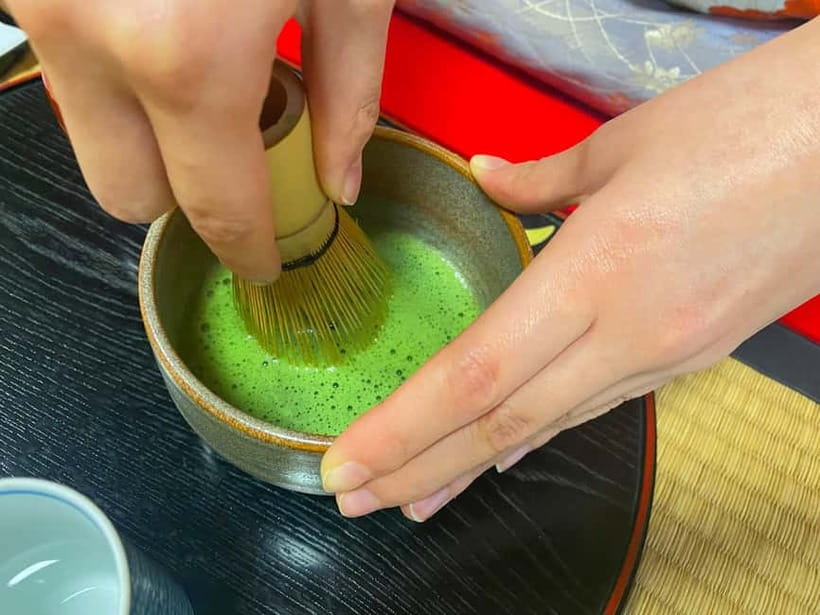
Next comes the best part if you like doing things, not just observing. You will learn how to brew your own matcha. The session is structured so you can follow the steps, then whisk and prepare your bowl yourself.
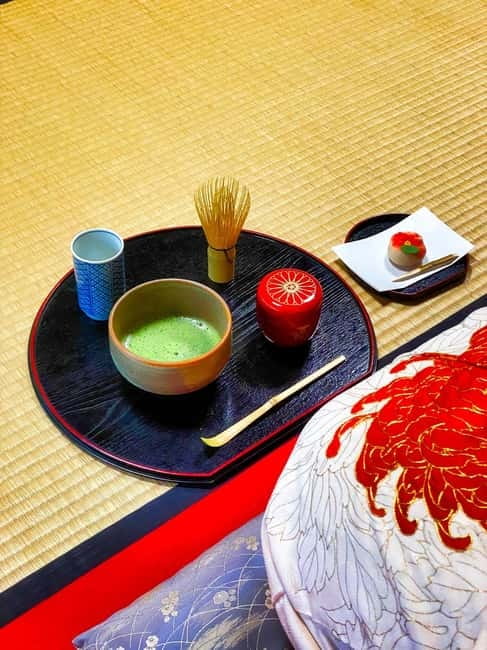
After that, you sip your freshly made matcha. You also get to taste a traditional Japanese sweet with it, the kind of pairing that makes the tea feel more complete. Finally, you end with group photos. The garden backdrop is part of the fun, and a photo is included.
You should plan to sit, focus, and follow cues. This is not a “wander and browse” activity. It is a ritual, and the setting works best when you treat it like one.
Sit down somewhere quieter. Other tea rooms we booked
- Kyoto: Tea Ceremony Ju-An at Jotokuji Temple★ 4.9 · 3,207 reviews
- Kyoto: 45-Minute Tea Ceremony Lesson Experience★ 4.3 · 2,378 reviews
- Kyoto: Table-Style Tea Ceremony at a Kyo-Machiya★ 4.9 · 1,211 reviews
- Kimono Tea Ceremony at Kyoto Maikoya, NISHIKI★ 5.0 · 911 reviews
- Kyoto: Arashiyama Bamboo Forest, Monkeys, Matcha & Temple Tour★ 5.0 · 759 reviews
The tea master performance: watch closely, then you copy the motions
There is a reason everyone raves about the tea master’s performance. The movements are precise, controlled, and graceful. Even if you think you already understand “tea ceremony,” watching the steps up close gives you a new appreciation for how intentional it is.
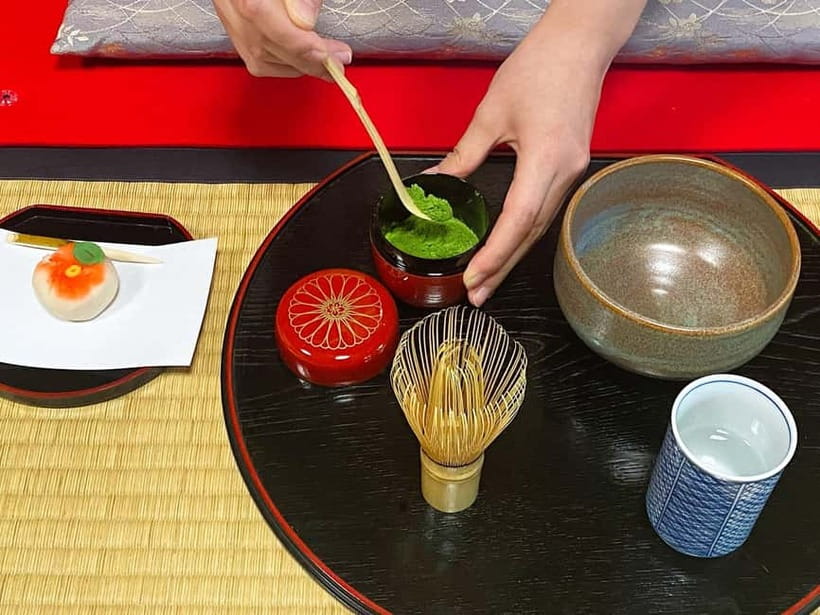
Your tea master demonstrates preparation first. You get to see how the tools are used and how each motion fits into the rhythm of the serving. The ceremony is taught in English, so you are not left guessing what you are looking at.
Then you switch roles. You brew your own matcha. That hands-on part is what turns this from a pretty show into a skill you can remember. If you have had matcha that tasted too bitter or too harsh, this is a good place to learn what balance looks like, because you taste what the steps create.
And yes, it can be surprisingly calm. People talk about the serene setting, and you can feel it the moment you stop fighting Kyoto crowds for attention.
Two cups of matcha, plus sweets, and how that pairing works
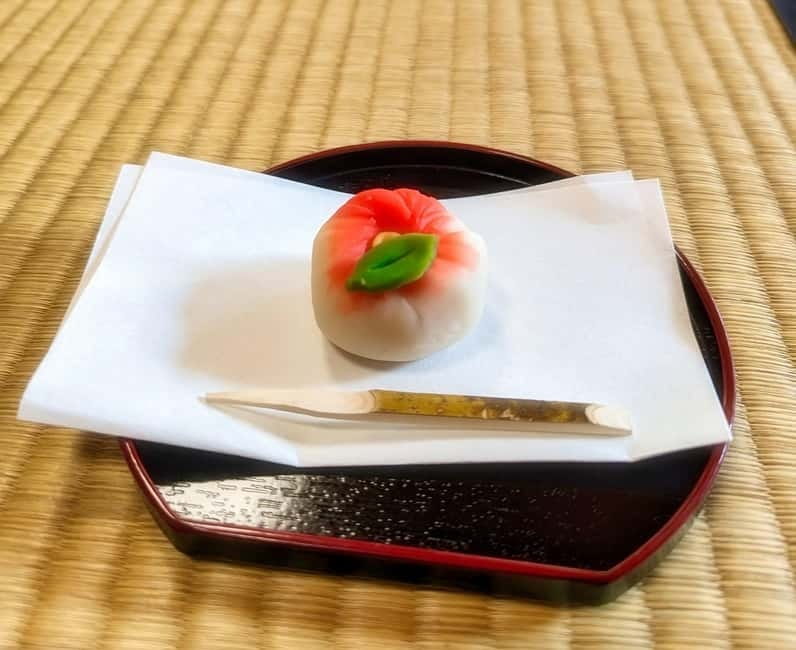
The session includes two cups of matcha and traditional Japanese sweets. That matters because you are not just doing one taste and leaving. You get a proper chance to notice texture, aroma, and flavor.
Matcha is often intense. But the ceremony format helps you slow down and taste it as intended, not gulp it like a coffee shot. Once you prepare your own, you also gain a reference point for what you did differently, and what the tea master’s method is designed to produce.
The sweet is usually the balance partner. It is customary to have it alongside the tea, and it gives you a different flavor experience before the ceremony ends. If you like dessert with tea, this pairing is a plus. If you do not, you will still get the cultural “this is how it is served” context.
Also, since it is a fixed 45 minutes, there is no awkward waiting around. You get served, you taste, you learn, you finish cleanly.
Photo time in the garden, with less chaos than you expect
You get a photo included, and you get it with the garden as the backdrop. That solves a common Kyoto problem. The streets around here can be crowded, and tripods are a hassle. Inside the tea house area, it is easier to get a good picture without turning it into a minor event.
The photos also feel like part of the ritual, not something bolted on. After the tea tasting and brewing, you pose with your group. The setting does a lot of the work for you, with greenery and the calm architecture framing the scene.
If you are the kind of person who forgets to take photos until the end of the day, this is a smart plan. It gives you a moment to get the memory while the calm is still in place.
Price and value: $49 for 45 minutes, what you are really buying
At $49 per person for 45 minutes, it is not a budget activity. One review note calls it a bit pricey, and I get why. You are not paying for a full meal, or a long guided day.
So what are you actually buying?
You are paying for:
- A controlled, guided introduction to a centuries-old practice
- A tea master demonstration
- Your chance to brew matcha yourself
- Two cups of matcha plus traditional sweets
- A included photo
- English instruction
That bundle is what makes the cost feel more fair. You get both performance and participation. You also leave with a clearer understanding of how matcha works when prepared with care.
One way to judge value for yourself: do not treat this like a snack break. Treat it like a cultural workshop with a relaxing seat, a garden view, and a ritual you can recall later.
Also, kimono rental is not included. If you wanted the full costume look, you would need to arrange that elsewhere. For many people, that is exactly why they like this version: the experience stays focused on tea, not wardrobe.
Who this Kyoto tea ceremony suits best
This is a good match if you:
- Want a short, meaningful Kyoto activity that does not eat your whole day
- Enjoy food-and-craft experiences where you learn a process
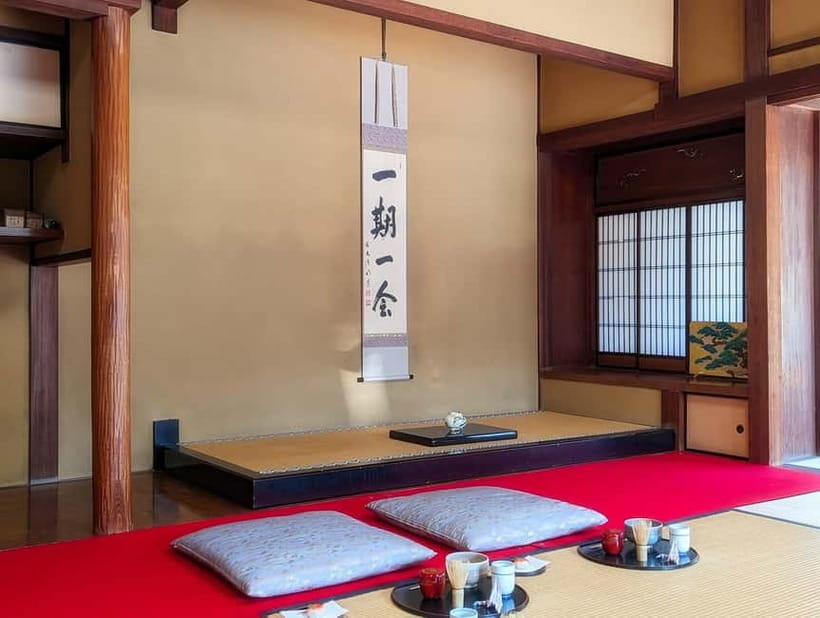
- Prefer a small, quiet setting over big group tours
- Like matcha enough to actually taste it, not just try one sip
It also tends to work well for couples and small groups. Reviews mention small group sizes, including groups around 8 or 10 people. That size helps you stay attentive and still feel guided.
Age fit: it is not suitable for children under 7. Older kids can enjoy it, especially if they are comfortable sitting and participating briefly.
If matcha is a hard no for you, be honest about that before booking. You will be served two cups, so you should genuinely like the idea of green tea with a ceremonial vibe.
Practical etiquette and keeping the experience smooth
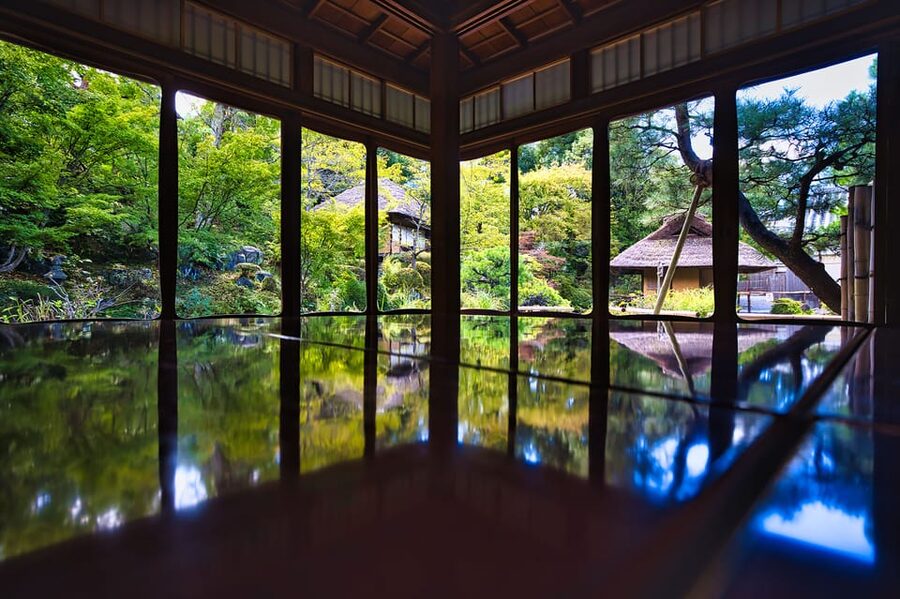
This is not the place to wander around and treat everything like a museum lobby. The ceremony depends on calm attention, and the tea master is performing a sequence with timing. Keep your phone use respectful, follow the instructor’s cues, and do not stand up mid-steps.
Good etiquette is also how you get the most out of it. When everyone is quiet and focused, the explanations land better. You get a cleaner view of the tools and motions, and your own brewing will go smoother.
If you have questions, this is the kind of experience where people often ask them, and the staff can help you make sense of what you just did. After all, you are not just watching, you are learning.
Should you book Kyoto tea ceremony at Kiyomizu, or skip it?
Book it if you want a short Kyoto experience that feels genuinely traditional and hands-on. The standout value is the combination of tea master performance plus your own matcha brewing, inside a calm garden setting near the Kiyomizu-Dera area. The included sweets and photo add to the “done and memorable” feeling.
Consider skipping if:
- You are only looking for something cheap and quick
- You dislike matcha enough that two cups sounds unpleasant
- You need to bring large luggage, since bags are not allowed
If you are trying to balance busy Kyoto days with one calm, cultural moment, this is a strong choice. Put it on your schedule when you can arrive a bit early, slow down, and let the ceremony take over for 45 minutes.
FAQ
How long is the Kyoto tea ceremony at the traditional tea house?
The experience lasts 45 minutes.
What is included in the price?
It includes the tea ceremony, 2 cups of matcha, traditional Japanese sweets, and a photo.
Is kimono rental included?
No, kimono rental is not included.
Where do I meet the instructor?
Go down Sanneizaka near Kiyomizu-Dera Temple, walk 50 meters, enter a large gate on the right, and then after passing the gate, walk 10 meters and enter through the white gate on your left to find Sakaguchian.
Can I bring luggage or large bags?
No. Luggage or large bags are not allowed.
Is this experience held rain or shine?
Yes, it takes place rain or shine.
Is it suitable for children?
It is not suitable for children under 7.
Is the instruction offered in English?
Yes, the instructor provides English.
Kyoto by the Bowl

Which Kyoto Temple Gets Your Morning


Newest Kyoto write-ups from the Loving Japan desk
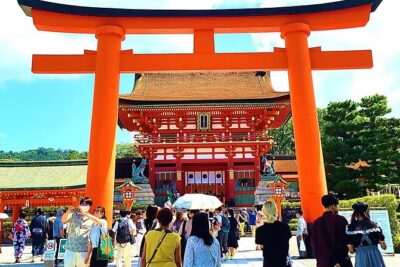
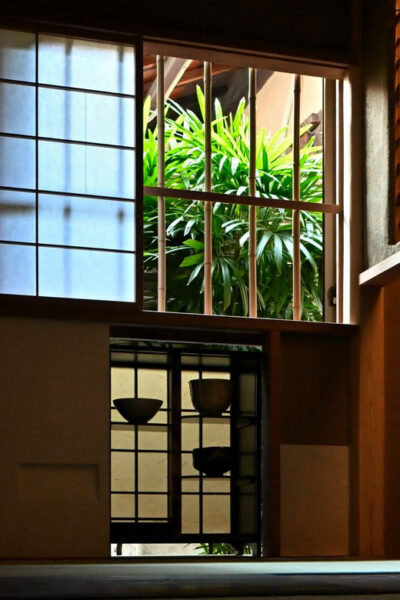
Fushimi Inari and the Temples of Kyoto, side by side.
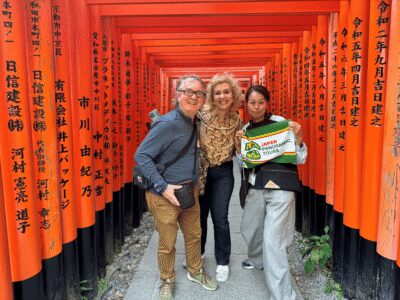 ★ 4.8Fushimi Inari, Kinkakuji, Bamboo Grove 1 Day Bus TourFrom $1224,316 reviews
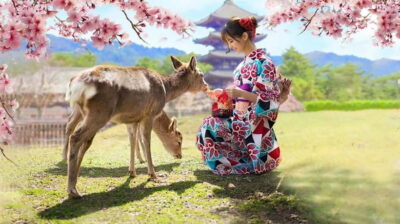 ★ 4.7Kyoto/Osaka: Nara, Fushimi Inari Taisha, Arashiyama Bus TourFrom $521,275 reviews
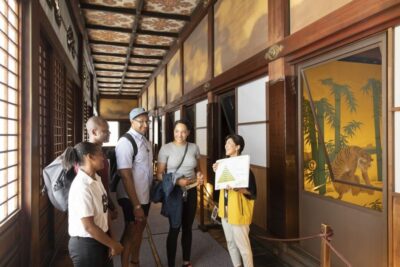 ★ 4.7Nijo-jo Castle and Ninomaru Palace Guided TourFrom $161,020 reviews
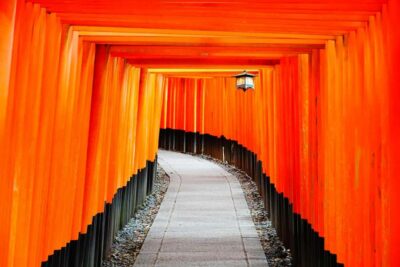 ★ 4.4Osaka/Kyoto: Arashiyama, Nara & Fushimi Inari Shrine w/LunchFrom $61754 reviews
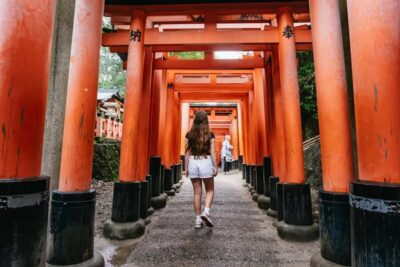 ★ 4.7Nijo Castle, Kiyomizu & Fushimi Inari Guided TourFrom $54700 reviews
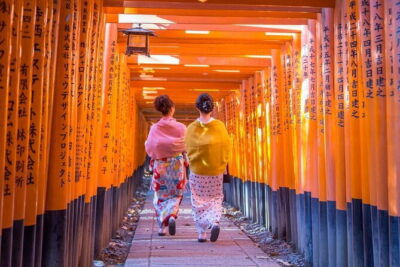 ★ 5.0Nijo, Kinkaku-ji, Arashiyama, Kiyomizu & Fushimi InariFrom $51699 reviews
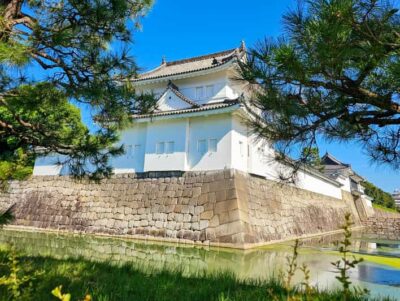 ★ 4.7Imperial Palace & Nijo Castle Guided Walking TourFrom $49453 reviews
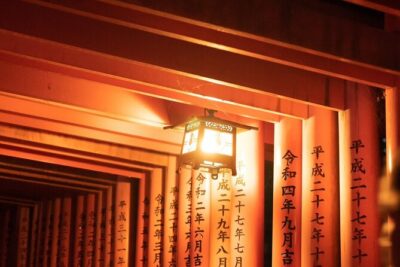 ★ 5.0Kyoto Fushimi-Inari Night Walking TourFrom $43320 reviews
Filed on these lists too