
REVIEW · CITY TOURS
Day Private City Tour of Tokyo with English speaking driver
Tokyo without train transfers saves your day. This private, 8-hour ride in an air-conditioned car with an English-speaking driver helps you pack in Tokyo’s big-name sights without bouncing between stations all day. The main tradeoff is cost creep: paid entries like Shinjuku Gyoen and Tokyo Skytree are not included, and deeper on-site guiding can cost extra too.
You’ll usually start from the Asakusa area (near Kaminari mon2-chōme), and the route is built to be flexible around your pace. Expect a fast, well-timed day that mixes classic temples, modern landmarks, and shopping streets, with plenty of stops that are free to enter.
In This Review
- Key highlights and what to expect
- Tokyo logistics, fixed: why a private car changes the day
- Price and value: $400 for up to 3, plus the paid sights
- The driver setup: English, plus how guidance works
- Your 8-hour itinerary as a smart Tokyo sampler
- Stop 1: Tsukiji Fish Market (admission listed free)
- Stop 2: Shinjuku Gyoen National Garden (Monday closed, ticket extra)
- Stop 3: Tokyo Skytree (paid, about 1 hour)
- Stop 4: Godzilla Head in Shinjuku
- Stop 5: Meiji Jingu Shrine (admission free, about 1 hour)
- Stop 6: Shibuya Crossing (free, short photo window)
- Stop 7: Takeshita Street in Harajuku (free, about 2 hours)
- Stop 8: Tokyo Metropolitan Government Building observation decks (free, about 30 minutes)
- Stop 9: Giant 3D cat billboard in Shinjuku (free, about 10 minutes)
- Stop 10: Senso-ji Temple in Asakusa (free, about 1 hour)
- How to make this day feel smooth, not rushed
- When this tour is a great fit
- Should you book this private Tokyo highlight tour?
- FAQ
- What is the price for this Tokyo private tour?
- How long is the private city tour of Tokyo?
- What’s included in the tour price?
- Which entrance fees are not included?
- Is Shinjuku Gyoen open on Mondays?
- What is the cancellation policy?
Key highlights and what to expect
- Private door-to-sightseeing touring in an air-conditioned car, sized for just your group
- A hit-list of Tokyo icons from Tsukiji to Senso-ji, with short, purposeful time blocks
- Free sights most of the way, including Meiji Jingu, Shibuya Crossing, and the Senso-ji temple complex
- Big paid-ticket moments like Tokyo Skytree and Shinjuku Gyoen, so budget ahead
- Driver-led storytelling, mostly between stops, with optional site-level guides costing extra
- Crowd-timing tip: if you can choose your start time, a later-morning to mid-afternoon schedule (like 7-3pm) can help
Still weighing up options in Tokyo? These are the ones our reviewers rated highest.
- Mt Fuji and Hakone 1-Day Bus Tour Return by Bullet Train
★ 5.0 · 26,383 reviews - 1-Day Tokyo Bus Tour
★ 5.0 · 14,250 reviews - Tokyo: teamLab Planets TOKYO Digital Art Museum Entry Ticket
★ 4.6 · 9,779 reviews - Mt Fuji & Hakone Cruise, Drum Show Bullet Train 1 Day from Tokyo
★ 4.0 · 7,413 reviews
Tokyo logistics, fixed: why a private car changes the day
Tokyo is amazing. Tokyo is also a maze. When you try to connect top sights by train, you lose time to station transfers, platform changes, and the occasional wrong turn when signs don’t match your mental map.
This tour is designed to remove that friction. You’re in a comfortable car, and you bounce between neighborhoods with less stress. It’s especially useful if it’s your first visit, if you’re tight on time, or if you want the biggest highlights without turning your day into a subway workout.
The best part is the rhythm: each stop gets enough time to actually see something, but not so much that you’re stuck in one place while the rest of Tokyo stays on your to-do list.
Price and value: $400 for up to 3, plus the paid sights
The price is $400 per group, up to 3 people. For a private day, that can feel fair if you compare it to the cost of multiple taxis plus paid entries you’ll likely want anyway.
But here’s the reality check: the tour price doesn’t include every entry fee. Shinjuku Gyoen costs ¥500 per adult, and Tokyo Skytree is ¥3,400 per person. Many other stops are free, which helps keep the total reasonable, but your final cost will depend on whether you plan to go up Skytree and whether your schedule allows Shinjuku Gyoen.
So I’d treat the base tour as the transportation and timing package. Then you add the paid attractions you personally care about.
The driver setup: English, plus how guidance works
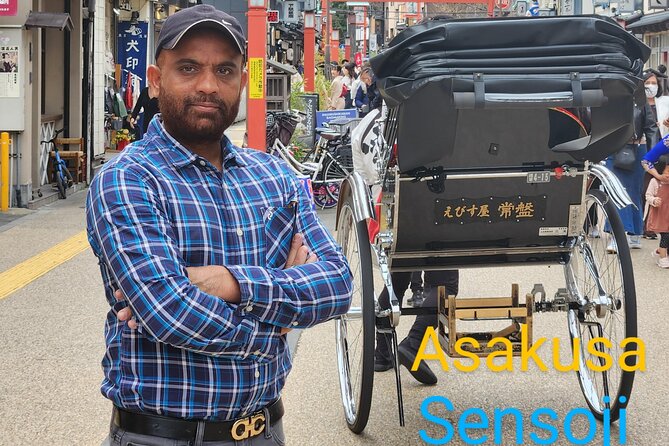
The tour includes a basic English-speaking driver and handy transfers. In practice, the quality of the day often comes down to the guide style, and the feedback here is strongly positive.
Names that came up in past experiences include Mazz, Faris, Vohra, Talil, Shehzed, Miae, Abdul, and Khizar. A recurring theme is that the guide doesn’t just sit and drive. People highlighted guides who spoke good English, helped with explanations at stops, and made it feel effortless to move from one area to the next.
One practical consideration: guidance may be strongest while you’re traveling between destinations, and entry fees and tour guides at individual sites can cost extra. Also, parking can affect how long the driver can join you on foot. In one experience, the driver spent time waiting due to a parking issue, which matters if you were hoping for constant on-site accompaniment.
- Mt Fuji and Hakone 1-Day Bus Tour Return by Bullet Train★ 5.0 · 26,383 reviews
- 1-Day Tokyo Bus Tour★ 5.0 · 14,250 reviews
- Tokyo: teamLab Planets TOKYO Digital Art Museum Entry Ticket★ 4.6 · 9,779 reviews
- Mt Fuji & Hakone Cruise, Drum Show Bullet Train 1 Day from Tokyo★ 4.0 · 7,413 reviews
- Tokyo: Shinjuku Food Tour (13 Dishes at 4 Local Eateries)★ 5.0 · 6,603 reviews
Your 8-hour itinerary as a smart Tokyo sampler
This isn’t one attraction day. It’s a carefully stacked sampler, mixing seafood, gardens, shrines, a skyline viewpoint, street scenes, and two big modern-photo stops. That means you’ll see a lot, but you won’t linger forever at any one place.
Here’s how the order plays out, and what each stop is good for.
Stop 1: Tsukiji Fish Market (admission listed free)
You start with Tsukiji, the famous wholesale market for fish and seafood in central Tokyo. Even if you don’t buy anything, this is one of the easiest ways to feel Tokyo’s food culture fast. The goal isn’t a long market shopping spree, it’s the sights and energy of the place.
It’s scheduled for about 30 minutes with admission listed as free, so I’d keep your priorities simple: walk, look, take photos, then move on before the day gets heavier.
Stop 2: Shinjuku Gyoen National Garden (Monday closed, ticket extra)
Next is Shinjuku Gyoen National Garden, which is a big park originally built for the Imperial family and later opened to the public. It’s a breather from the city streets and a nice counterpoint to temples and shopping.
Two things to know:
- It’s closed on Mondays, so your day matters.
- Admission is not included, at ¥500 per adult.
If you’re visiting on a Monday, you may need to adjust what you want from this slot. If it’s open, I’d treat the garden as your reset, not as a rushed walk-through.
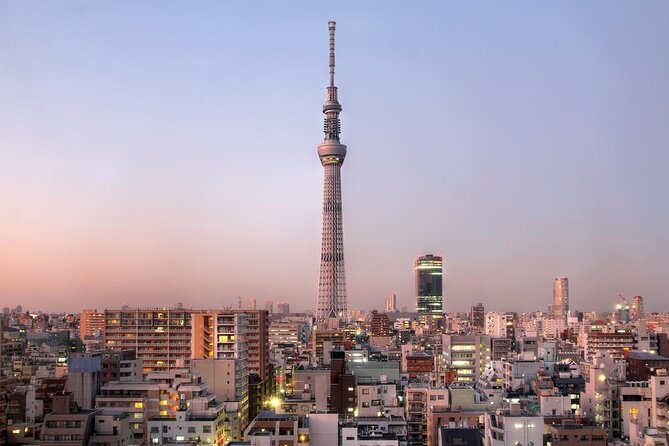
Stop 3: Tokyo Skytree (paid, about 1 hour)
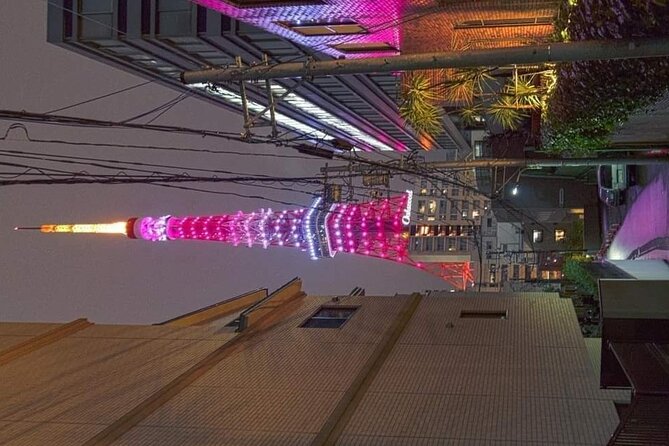
From there, you head to Tokyo Skytree, one of Tokyo’s biggest skyline anchors. This is a “yes, do it if you’re visiting once” stop, because it gives you a dramatic, high-up view of how the city spreads.
Time is about 1 hour, and the Tokyo Skytree ticket is not included at ¥3,400 per person. I’d plan your energy accordingly. If you’re budget-sensitive or your weather isn’t great, you might decide to skip it and still get plenty from free viewpoints later.
Stop 4: Godzilla Head in Shinjuku
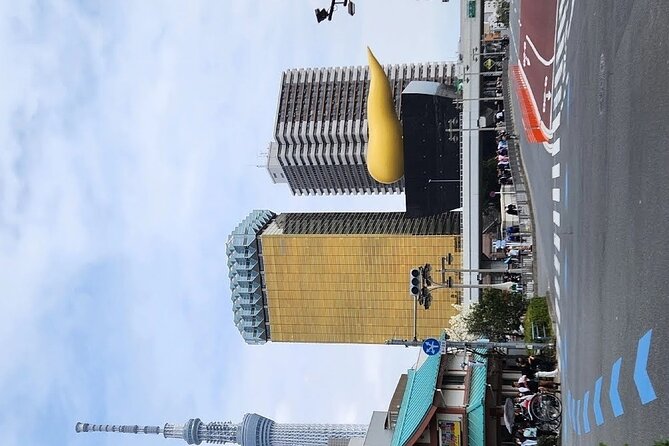
After the skyline, you get something much more playful: the Godzilla Head area in Shinjuku. Past descriptions emphasize its visual impact and that it has an hourly animated roar and smoke show.
This is a quick hit, good for photos, and great if you want at least one stop that feels like Tokyo pop culture rather than monuments and temples.
Stop 5: Meiji Jingu Shrine (admission free, about 1 hour)
Now you slow down at Meiji Jingu Shrine, dedicated to the deified spirits of Emperor Meiji and his consort Empress Shoken. It’s near busy Harajuku, yet once you’re inside the shrine area, the mood is calmer and more grounded.
It’s scheduled for about 1 hour and admission is free. I like this stop because it gives you an important cultural layer without needing paid tickets.
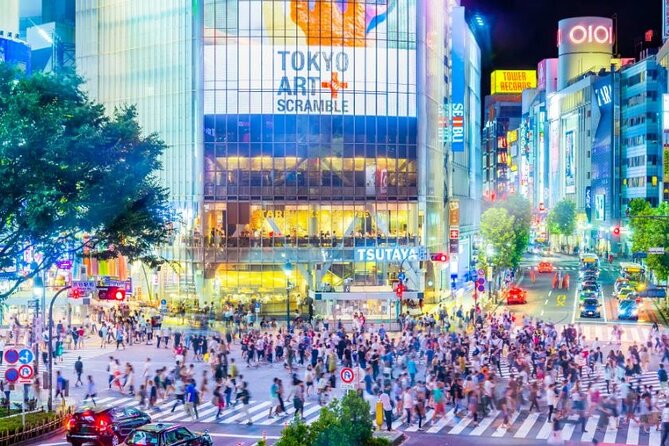
Stop 6: Shibuya Crossing (free, short photo window)
Next is Shibuya Crossing, the intersection that you’ve seen in movies, videos, and probably on your phone wallpaper. You get about 20 minutes here, and the goal is to experience the flow and grab iconic photos.
The crossing is free, so there’s no decision fatigue. Just pick your angle, watch the people wave across the street, and move when your time window ends.
Stop 7: Takeshita Street in Harajuku (free, about 2 hours)
After Shibuya, you step into Harajuku energy with Takeshita Street. This is where window shopping and casual street fashion are the main attractions, plus the quick snacks and people-watching.
You get about 2 hours, and admission is free. If you’re tired of planned touring, this is the part where you can enjoy Tokyo at your own speed. I’d keep your shopping list short so you don’t end up running late.
Stop 8: Tokyo Metropolitan Government Building observation decks (free, about 30 minutes)
Then you move to the Tokyo Metropolitan Government Building area for its observation decks. This is one of my favorite “worth it without paying” ideas in Tokyo because you get skyline views without the big ticket price.
It’s about 30 minutes, and admission is free. If you already spent on Skytree, consider this your second opinion on the skyline, not a must-do if your feet are finished.
Stop 9: Giant 3D cat billboard in Shinjuku (free, about 10 minutes)
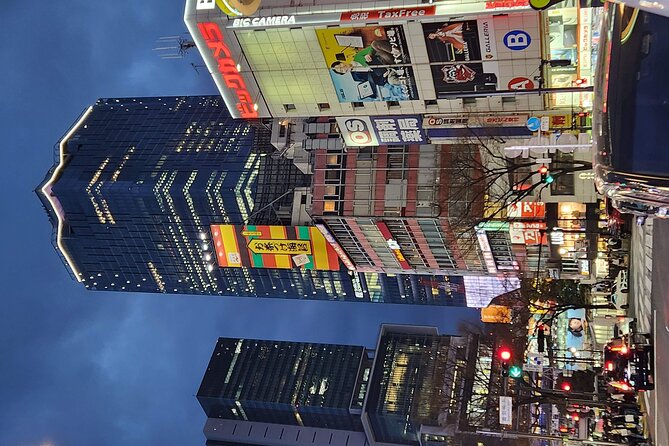
You’ll also stop for the giant 3D cat display billboard in Shinjuku. The star is the realistic calico cat that appears to jump, stretch, and meow at passersby.
This is a quick photo stop, about 10 minutes, and it’s free. It’s fun, slightly absurd in the best Tokyo way, and doesn’t demand your time.
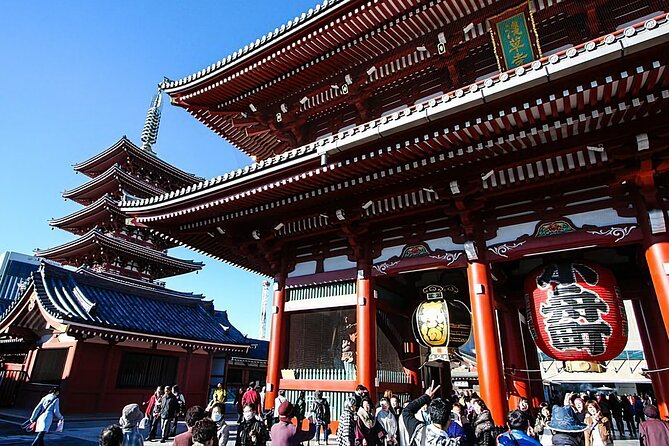
Stop 10: Senso-ji Temple in Asakusa (free, about 1 hour)
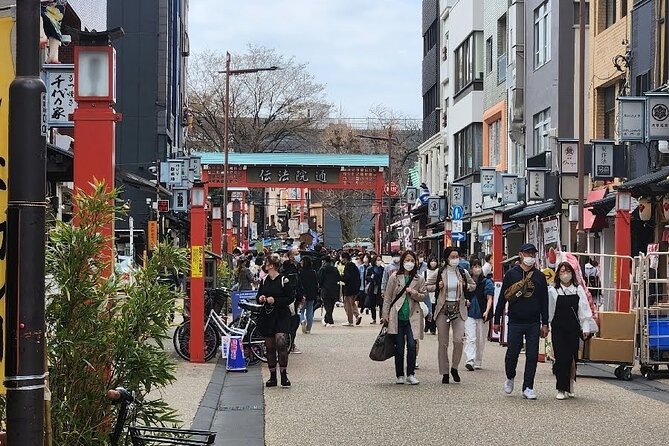
Finally, you end at Senso-ji Temple, also known as Asakusa Kannon Temple. This is one of Tokyo’s most recognizable classic temple areas, and the mix of atmosphere and visuals makes it a great wrap-up.
It’s scheduled for about 1 hour, with free entry. Ending here is smart if you like a final stroll in a neighborhood that feels older and more human-scale than some of the newer districts.
How to make this day feel smooth, not rushed
This tour is timed tightly, so your personal prep matters. A few practical choices can make a huge difference.
Wear shoes you can walk in for real. You’ll move between neighborhoods, and even “short stops” add up. Bring a small bag or pack you can keep on you, since the day includes both free areas and paid entrances.
If you care about photos, plan quick photo moments at the free stops like Shibuya Crossing and the 3D cat billboard. Those are built for rapid snapshots. For more reflective time, save your attention for Meiji Jingu and Senso-ji.
If you’re traveling with kids, older people, or anyone with walking limits, the private format helps a lot. I’d tell the driver up front what pace you need. Past experiences praised guides who adjusted to keep everyone included and comfortable.
When this tour is a great fit
This is a strong match for you if:
- You’re on a tight schedule and want Tokyo’s top sights in one day
- You hate train transfers and want air-conditioned comfort plus direct routes
- You want a private experience instead of weaving through crowds with strangers
- You value a friendly guide who talks through what you’re seeing, not just a driver who drops you off
It’s also a good fit if you want a balanced mix: classic shrines and temples, a major modern skyline, and street-level Tokyo.
Should you book this private Tokyo highlight tour?
I’d book it if you want a structured, efficient Tokyo day with the option to customize around your energy. The standout strength is the private format, especially when paired with guides like Vohra or Mazz who helped past groups fit a lot in without feeling chaotic.
I’d think twice if:
- You’re visiting on a Monday and Shinjuku Gyoen is a priority
- You’re trying to keep the day strictly low-cost, since Skytree and garden admission add up
- You expect the driver to stay with you at every site, like a full-time on-site guide. Parking and timing can limit how closely the driver can accompany you.
If your goal is simple, see the big Tokyo highlights with less hassle, this tour makes that goal realistic.
FAQ
What is the price for this Tokyo private tour?
It costs $400.00 per group, up to 3 people.
How long is the private city tour of Tokyo?
The duration is about 8 hours.
What’s included in the tour price?
You get an air-conditioned vehicle, fuel, and a basic English-speaking driver. Pickup is offered, and you’ll receive a mobile ticket.
Which entrance fees are not included?
Shinjuku Gyoen National Garden costs ¥500 per adult, and Tokyo Skytree costs ¥3,400 per person. Entry fees for sites and tour guides at individual sites cost extra as well.
Is Shinjuku Gyoen open on Mondays?
No. Shinjuku Gyoen National Garden is closed on Mondays.
What is the cancellation policy?
Free cancellation is available up to 24 hours in advance for a full refund. If you cancel less than 24 hours before the start time, the amount paid is not refunded.
Newest Tokyo write-ups from the Loving Japan desk
City Tours, side by side.
 ★ 4.8Private City Highlights Tour with Local GuideFrom $1061,433 reviews
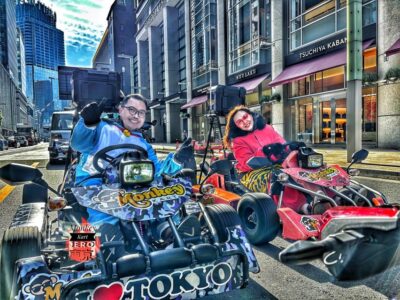 ★ 4.7Asakusa, Skytree & Akhihabara Go-Kart City ExperienceFrom $96761 reviews
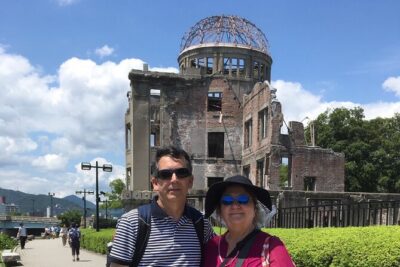 ★ 5.0Hiroshima City 4hr Private Walking Tour with Licensed GuideFrom $122437 reviews
 ★ 4.83-Hour Bike or E-Bike City Highlights TourFrom $45435 reviews
 ★ 4.8Sumo Morning Practice Tour at Sumida CityFrom $116308 reviews
 ★ 4.5Private Haneda Airport (HND) to Central Tokyo City TransferFrom $119260 reviews
 ★ 4.83-hour Guided E-Bike Tour of the City’s Hidden GemsFrom $65251 reviews
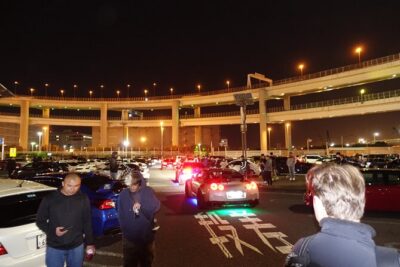
 ★ 4.9Shibuya City: Daikoku PA GT-R R35, R34, R33 or R32 TourFrom $316249 reviews
Filed on these lists too