
REVIEW · HIROSHIMA AND MIYAJIMA DAY TRIPS
Full Day Hiroshima and Miyajima Tour by Bullet Train from Kyoto
One of Japan’s most moving days starts in Kyoto. You get a Shinkansen ride out and a guided route that hits Miyajima and Hiroshima’s key memorial sites. The combination of sacred island scenery and the city’s 1945 history makes this day trip feel like two different worlds, packed into one smooth plan.
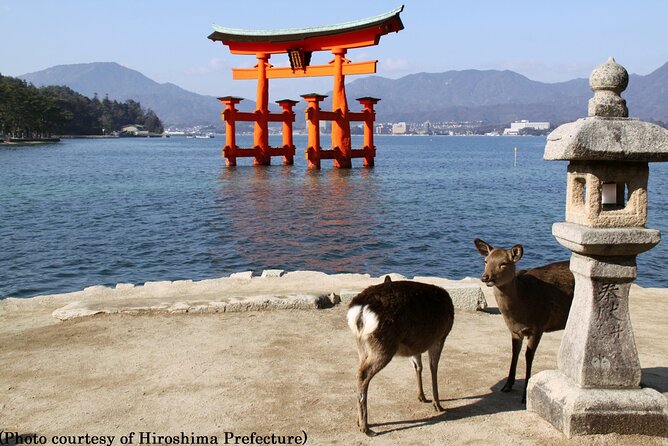
I especially love the guided Hiroshima context. Your guide talks you through what you’re seeing, from the bomb’s impact to Hiroshima’s recovery, so the museum and monuments land harder. I also like the Miyajima anchor point: Itsukushima Shrine and that floating-torii look are the main event, not a random stop.
One thing to think about is timing. Miyajima and the Hiroshima museum both get limited hours, so if you want slow wandering and extra exhibit reading, this schedule may feel a bit tight.
In This Review
- Key things to know before you go
- Kyoto to Hiroshima by Shinkansen, then straight to the story
- Miyajima first: Itsukushima Shrine and the waterline effect
- Lunch on your own at Miyajima: how to make it work
- Hiroshima Peace Memorial Park: where your guide helps you see
- Atomic Bomb Dome: the preserved shell you cannot forget
- The full itinerary rhythm: what feels efficient, what feels rushed
- Price and value: what you pay for (and what you do not)
- Guides you might meet: why English support matters here
- Who this tour is best for
- Should you book this full-day Hiroshima and Miyajima tour?
- FAQ
- What time does the tour start, and when will I return to Kyoto?
- Where do I meet the group in Kyoto?
- Is lunch included, or do I need to pay for it?
- What major sights are included in the tour?
- How do we travel between Kyoto and Hiroshima?
- Are admission tickets included?
Key things to know before you go
- Guided meaning in Hiroshima: you are not just looking at artifacts, your guide explains what each site represents
- Itsukushima Shrine as the Miyajima focus: built for a classic view, including the water-side setting
- Genbaku Dome (Atomic Bomb Dome): one of the few structures preserved after the bombing
- Peace Memorial Museum built for perspective: strong exhibits about August 6, 1945 and aftermath
- Deer on Miyajima: an everyday wildlife moment that adds to the island vibe
Pairing the city with Miyajima. Other itineraries
- FromOsaka/Kyoto:Hiroshima & Miyajima Private Tour with Lunch
★ 5.0 · 32 reviews
Kyoto to Hiroshima by Shinkansen, then straight to the story
This tour is built around a simple promise: you start in Kyoto, you reach Hiroshima by fast rail, and you spend the day seeing the places that matter most. Meeting is at the JTB Sunrise Tours desk inside Avanti, in Kyoto Station’s area (Avanti B1F, near the Hachijo Exit side), and the tour starts at 7:30am. Return to Kyoto Station is around 9:00pm, with no hotel drop-off.
What makes the bullet train part feel worthwhile is that you do not have to stitch together transit, ticketing, and timing. You also get a guide introducing Hiroshima history during the Hiroshima segment, which helps you arrive already oriented. That matters, because Hiroshima is not a list of sights, it is a place where context changes your experience.
Two practical notes I’d plan for:
- This is a long day, so wear shoes you can stand in for hours.
- Seats and comfort can vary depending on how the rail seating is handled, so if you care about exact seat location, arrive early and stay flexible.
Miyajima first: Itsukushima Shrine and the waterline effect
Miyajima is where this tour earns its postcard reputation. After you reach Hiroshima, you head to the Miyajimaguchi side, then transfer to the ferry that crosses to the island. Once you step off, the mood shifts fast: you get sea air, island lanes, and that gentle island bustle that feels worlds away from Hiroshima’s memorial sites.
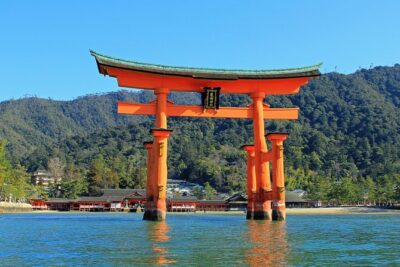
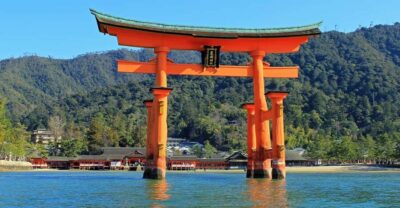
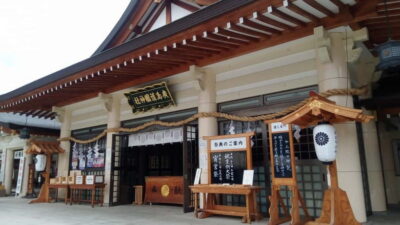
The highlight is Itsukushima Shrine, a UNESCO site with roots that stretch back to the 6th century. The big visual reason people come is the shrine’s architecture and its dramatic setting on the water, including the famous torii gate view at high tide. Even if you do not catch the exact timing you imagined, you still get the shrine’s signature look and the feeling of being in a sacred coastal landscape.
A small but real bonus is the deer. Miyajima is known for deer that roam freely, and it adds a calm, natural moment while you walk toward viewpoints and shrine areas.
Timing on the island is the trade-off. You get roughly 45 to 60 minutes on Miyajima, plus lunch time on your own. That is enough to see the torii gate setting and the main shrine area, grab a few good photos, and eat something local, but it is not enough for an in-depth island hike or a long detour to smaller temples.
Lunch on your own at Miyajima: how to make it work
Lunch is not included, so you will choose from island food options. The tour description points to common favorites like oysters and Hiroshima-style okonomiyaki, plus conger eel rice bowls. My advice: decide what you want before you sit down. With limited island time, you do not want a long menu debate when hunger hits.
If you are picky or traveling with dietary limits, Miyajima options can still be varied, but you’ll want to scan quickly once you are on the island so you do not lose your slot.
Sorting the logistics. Passes and transfers we used
- Private departure transfer from Kyoto city to Kansai International airport★ 5.0 · 72 reviews
- Kyoto: Naruto & Boruto at Nijigen no Mori Entry & Transfer★ 4.5 · 48 reviews
- Private departure transfer from Kyoto city to Osaka Itami International airport★ 4.5 · 33 reviews
Hiroshima Peace Memorial Park: where your guide helps you see
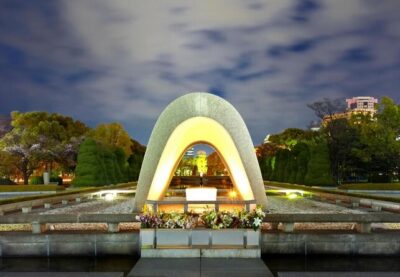
After Miyajima, you head back to Hiroshima for the part of the day that feels heavier, and that is the whole point. The tour centers around Hiroshima Peace Memorial Park and the Hiroshima Peace Memorial Museum. Both are UNESCO World Heritage sites, and your guide’s job here is to connect the geography to the events.
This museum visit is meaningful because the exhibits do not stay abstract. The park and museum were established after the Pacific War ended, and the museum’s focus is the atomic bombing on August 6, 1945, plus the aftermath and recovery. If you go in cold, you might miss the way the museum builds its message step by step. With a guide explaining what you are seeing, you understand what each display is trying to say.
One detail I really value in the tour flow is that it does not treat the park as one stop and done. You also get to take in the memorial area in a guided way, which helps you avoid wandering past important elements.
Here are two park features called out in the tour info that are worth keeping an eye out for:
- The Children’s Peace Monument, covered with thousands of origami cranes made by children
- The Atomic Bomb Memorial Mound, containing ashes of 70,000 victims, including many unidentified people
That kind of information changes your reaction. It turns the park from a quiet backdrop into a place of named and remembered people.
Atomic Bomb Dome: the preserved shell you cannot forget
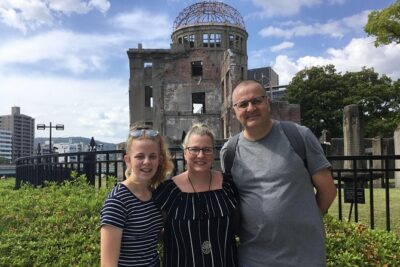
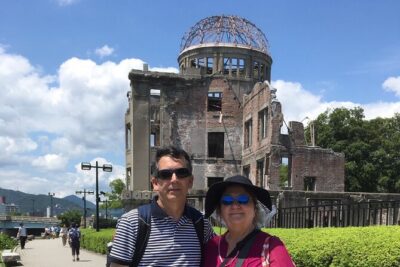
The stop people often mention most is the Genbaku Dome, also known as the Atomic Bomb Dome. It is one of the few buildings preserved in a form that lets you grasp the scale of destruction. The tour treats it as a key historical marker, not a quick photo moment.
Plan for it to feel emotional, even if you try to stay practical. The dome is a real structure with a specific location tied to the blast, and it tends to hit visitors with a slow shock. If you are someone who likes to understand details, this stop is where your guide’s framing can be especially important.
You also get free time around the area to take in the nearby memorial elements. If you want a photo, do it, but I suggest you take a minute first to look without your phone. The dome’s shape reads differently once you are not rushing.
The full itinerary rhythm: what feels efficient, what feels rushed
From a logistics standpoint, the tour is designed to keep you moving without losing the day. You travel by Shinkansen from Kyoto Station to Hiroshima Station, then you transfer to reach Miyajima and back by ferry. In Hiroshima, you bounce between the memorial park/museum area and the Atomic Bomb Dome area.
The structure is good for value because you get:
- Major transportation handled
- A guide in Hiroshima’s most important segment
- Entry for key stops, including Itsukushima Shrine and the Hiroshima Peace Memorial Museum
- Time blocks for island lunch and museum viewing
Still, a few schedule pressures can affect your enjoyment:
- Miyajima time is limited, so plan on the main shrine and torii area, not a long island loop.
- The museum time can feel quick during peak crowds. You may not see every corner at a slow pace.
- You might find it harder to hear your guide at times if audio equipment is not functioning well on a particular day. If you struggle hearing in crowds, choose a spot where you have the clearest line of sight to the guide.
This is also a group tour with a maximum of 40 travelers, which is big enough to meet people but small enough to keep things organized. If you like a tour leader who manages pacing and keeps people together, this format should feel comfortable.
Price and value: what you pay for (and what you do not)
At $399.71 per person, this is not a budget day trip. You are paying for the bundle: round-trip Shinkansen, ferry transfers, guide support in Hiroshima, entry costs for key sites, and included local taxes like the Miyajima visitor tax.
Here is the value logic I see:
- If you tried to self-plan Kyoto to Hiroshima by rail and then layer in Miyajima, museum entry, and a meaningful Hiroshima route, you would still spend time coordinating. Your payment buys time and order.
- The guide component can be the difference between seeing displays and understanding the story behind them, especially at the museum and memorial grounds.
- Entry is included for major sites, so you are not nickel-and-diming tickets on the day.
What you do not get is lunch. The tour expects you to eat on Miyajima at your own expense, which can add cost. If you prefer buying lunch quickly, plan for local prices and decide what you want early.
Also, some reviews praised reserved seating and smooth handling with train transfers. That is worth considering when you compare options, because rail days go better when meeting points and platforms are handled for you.
Guides you might meet: why English support matters here
The Hiroshima segment includes a national government licensed English guide interpreter, and that is a big deal for this topic. Hiroshima can feel overwhelming if you are just trying to read signs while people move around you. A strong guide helps you focus, and it can also keep the emotional weight from becoming pure confusion.
From the names shared in feedback, you might meet guides like Angela, Hiro, Azusa, Takeshi, Sato, Akiko, Taeko Watanabe, or Masoko. Different personalities bring different pacing, but the common thread is clear: good humor and clarity help people process a difficult subject.
If your priority is hearing explanations in English and understanding what you are looking at, this guide-supported format is a main reason the tour works.
Who this tour is best for
This is a strong fit if you:
- Want to see both Miyajima and Hiroshima in one day without planning headaches
- Like guided context at the museum and memorial sites
- Prefer organized transportation between Kyoto and Hiroshima
- Are traveling with family or mixed ages who would benefit from someone managing the flow
It might be less ideal if you:
- Want lots of free time at Miyajima or want a long museum browse without time pressure
- Really hate structured schedules
- Need perfect quiet or absolute control over pacing during emotional exhibits
Should you book this full-day Hiroshima and Miyajima tour?
If your time in Kansai is limited and you want a one-day hit of Itsukushima Shrine, the Atomic Bomb Dome, and the Peace Memorial Museum, I think this tour makes practical sense. The Shinkansen round trip plus guided interpretation in Hiroshima is what you are really paying for, and that is what turns these sites from famous names into lived meaning.
Book it if you can handle a long day and you are okay with prioritizing the main stops over slow wandering. Skip it, or consider a different style of visit, if your ideal day includes extra hours in the museum or deep exploring across Miyajima beyond the shrine area.
Either way, go with one mindset: this day is designed to be big. It’s sightseeing plus remembrance, and when it is done well, it stays with you long after you board the train back to Kyoto.
FAQ
What time does the tour start, and when will I return to Kyoto?
The tour starts at 7:30am. You’ll return to Kyoto Station around 9:00pm, and there is no hotel drop-off.
Where do I meet the group in Kyoto?
You meet at the JTB Sunrise Tours Desk inside Avanti, which is near Kyoto Station (Avanti B1F, close to the Hachijo Exit side).
Is lunch included, or do I need to pay for it?
Lunch is not included. You’ll have time to eat on Miyajima on your own.
What major sights are included in the tour?
You visit Itsukushima Shrine on Miyajima, the Genbaku Dome (Atomic Bomb Dome) area, and the Hiroshima Peace Memorial Park and Hiroshima Peace Memorial Museum.
How do we travel between Kyoto and Hiroshima?
You travel round-trip from Kyoto to Hiroshima by high-speed Shinkansen bullet train. Then local transfers get you to Miyajimaguchi and a ferry to Miyajima.
Are admission tickets included?
Admission fees are included for key sites listed in the tour plan, including Itsukushima Shrine and the Hiroshima Peace Memorial Museum. The Genbaku Dome stop is noted as free. The Miyajima visitor tax is also included.
Passes, Transfers, Logistics


Hiroshima and Miyajima Together
Newest Kyoto write-ups from the Loving Japan desk

Hiroshima and Miyajima Day Trips, side by side.
 ★ 5.0Peaceful Hiroshima & Miyajima UNESCO 1 Day Bus TourFrom $1295,309 reviews
 ★ 4.9Hiroshima and Miyajima UNESCO Sites 1-Day TourFrom $1222,330 reviews
 ★ 5.0Hiroshima / Miyajima Full-day Private Tour with Government Licensed GuideFrom $2021,298 reviews
 ★ 4.7Osaka/Kyoto: Hiroshima Miyajima Bus Tour & Shinkansen TicketFrom $277919 reviews
 ★ 4.8Hiroshima Historical Walking Tour – Why A-Bomb was DroppedFrom $35893 reviews
 ★ 5.0Hiroshima Peace (Heiwa) Walking Tour at World Heritage SitesFrom $94872 reviews
 ★ 5.0Hiroshima in a Nutshell: Morning Bike AdventureFrom $72524 reviews
 ★ 5.0Hiroshima City 4hr Private Walking Tour with Licensed GuideFrom $122437 reviews
Filed on these lists too