
REVIEW · HIROSHIMA PEACE MEMORIAL PARK AND MUSEUM
Hiroshima Historical Walking Tour – Why A-Bomb was Dropped
One city, three powerful stops, one hard question. This guided Hiroshima walk helps you connect the dots on why the atomic bomb was dropped and what it meant for people and culture afterward. You cover major memorial space and wartime context, so the story lands with real place behind it.
I love how the tour starts with Gokoku Shrine and moves into the Peace Memorial Park frame by frame. I also like the pacing: you get guided time at key points without feeling rushed, which matters when the topic is heavy.
One consideration: this is a somber theme. If you prefer light sightseeing or you want to avoid emotional history, you might find the experience emotionally intense.
In This Review
- Key highlights you will feel on this walk
- The point of the tour: why the bomb fell on Hiroshima
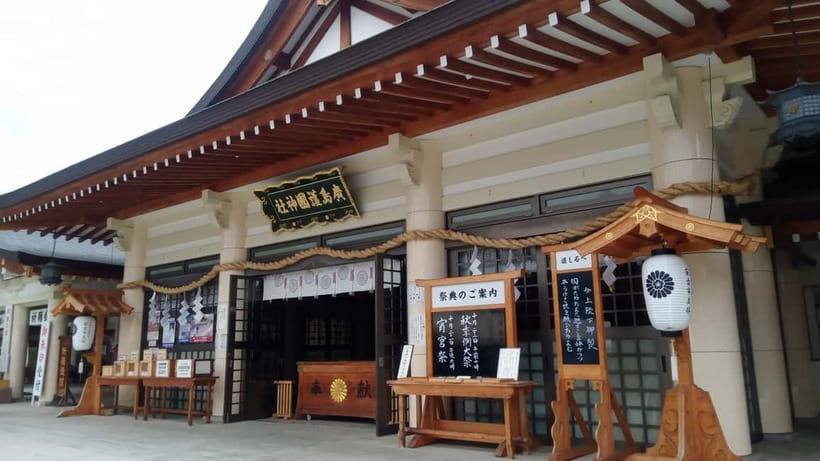
- Meeting at Gokoku Shrine and setting the wartime context
- Hiroshima Castle: turning a photo stop into strategy context
- Hiroshima Gate Park: a pause with meaning before the memorial core
- Atomic Bomb Dome area: what you look at, and why it hurts
- Peace Memorial Park: where history becomes a human message
- Peace Memorial Museum finish: you end with context, not just closure
- Price and value: $35 for 150 minutes with a live guide
- Who this tour fits best (and who should skip it)
- Tips to make your 150 minutes go further
- Should you book this Hiroshima Historical Walking Tour?
- FAQ
- What is the duration of the Hiroshima Historical Walking Tour?
- How much does the tour cost?
- Where does the tour start?
- What stops are included during the walk?
- What language is the live guide?
- Is the guided tour included in the price?
- Do I need to tip the guide?
- Is the tour wheelchair accessible?
- Is there free cancellation?
- Can I reserve without paying right away?
Key highlights you will feel on this walk
- Start at Gokoku Shrine, where the tour sets up Hiroshima’s wartime and military context
- Hiroshima Castle time that turns photos into understanding of the city’s strategic role
- Hiroshima Gate Park and the Atomic Bomb Dome area, with clear guidance on what you are looking at
- Peace Memorial Park visit, where the meaning of the memorial landscape becomes personal and human
- Finish at the Peace Memorial Museum, so you leave with context instead of just impressions
- English live guide, with many groups praising the guide’s patient explanations and Q&A
The Peace Memorial Park and Museum, further guided visits
- Hiroshima Historical Walking Tour – Why A-Bomb was Dropped
★ 4.8 · 893 reviews - Hiroshima Peace (Heiwa) Walking Tour at World Heritage Sites
★ 5.0 · 872 reviews - Hiroshima: Miyajima Peace Memorial Icons of Peace and Beauty
★ 4.9 · 361 reviews - Hiroshima/Guided Virtual Tour of Peace Park/PEACE PARK TOUR VR
★ 5.0 · 157 reviews
The point of the tour: why the bomb fell on Hiroshima
Hiroshima is easy to visit. It is also easy to skim. This walking tour is built to stop that. You are not just seeing landmarks, you are learning the logic and the stakes behind one of the 20th century’s most consequential decisions, and then watching how the city built a lasting message of peace in response.
The tour’s theme ties together wartime significance and the long aftermath. That is the real value for me: you get the “before” and the “after” in one continuous flow, instead of bouncing between disconnected stops.
And because it is a walking route through the city core, each segment can feel like a new chapter. You start with context, you move to visible remnants and memorials, and you end with museum time when you are ready to absorb even more.
Meeting at Gokoku Shrine and setting the wartime context
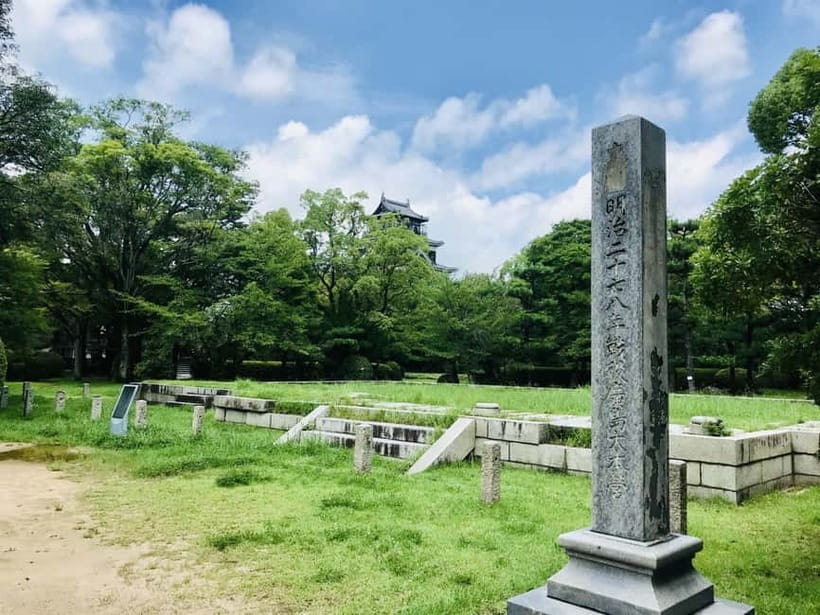
The experience begins at Hiroshima Gokoku-jinja Torii Gate, in front of the shrine near the main hall. That first step matters. You are starting your day not in a memorial space, but in a place tied to the city’s past and to how Hiroshima understood duty and sacrifice.
Gokoku Shrine is often described as honoring fallen soldiers, and the tour uses that framing to explain Hiroshima’s military and historical role during World War II. You can feel the difference immediately. Instead of jumping straight to the bombsite, you are being asked to understand what the city was before the catastrophe.
This is where many guides shine. In past groups, guides like Chihiro and Emi/Emmy have been singled out for turning Japanese perspective into something clear and human, not just a lecture.
Practical note: this first section is a good time to get comfortable with the theme and ask your first questions. If you have questions about targets, strategy, or timelines, this is the moment when your brain is most ready to connect details.
Hiroshima Castle: turning a photo stop into strategy context
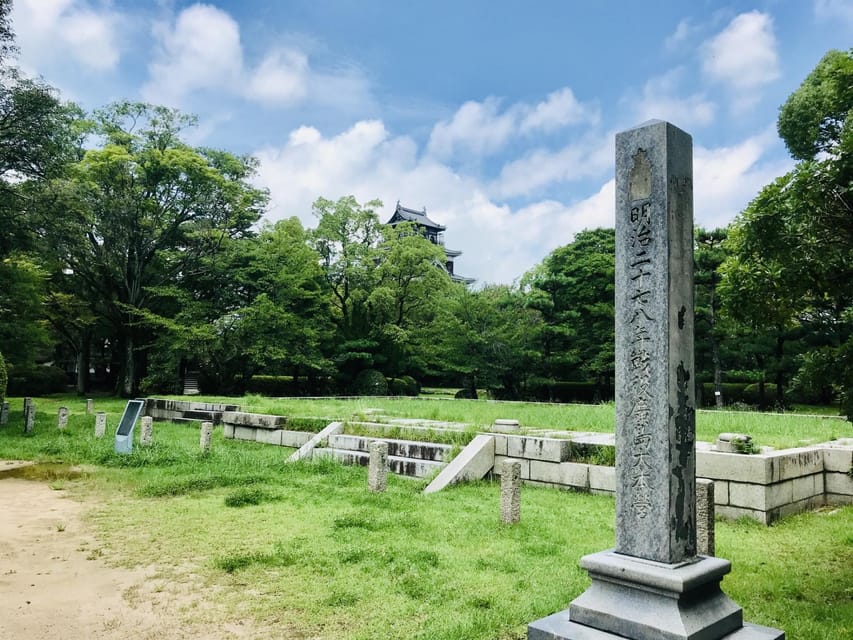
Next comes Hiroshima Castle. You’ll have a photo stop plus a guided tour window, around 20 minutes. Castles in Japan can look purely scenic if you see them through postcards. Here, the tour points attention toward military significance, so you are not just taking pictures, you are understanding why this kind of place mattered in a war-era city.
The best part of this stop for me is the way it bridges eras. You look at a structure that represents power and organization, and the guide uses it to help you think about the wartime setting that framed Hiroshima’s selection as a target.
If you want a simple rule for getting more from this part: listen for the “why this location” answers. Your goal is to build a mental map of strategic thinking, not to memorize dates only.
Pairing the city with Miyajima. Other itineraries
- Peaceful Hiroshima & Miyajima UNESCO 1 Day Bus Tour★ 5.0 · 5,309 reviews
- Hiroshima: Hiroshima and Miyajima UNESCO Sites 1-Day Tour★ 4.9 · 2,330 reviews
- Hiroshima / Miyajima Full-day Private Tour with Government Licensed Guide★ 5.0 · 1,298 reviews
- Hiroshima in a Nutshell: Morning Bike Adventure★ 5.0 · 524 reviews
- Hiroshima City 4hr Private Walking Tour with Licensed Guide★ 5.0 · 437 reviews
Hiroshima Gate Park: a pause with meaning before the memorial core
After the castle segment, you move to Hiroshima Gate Park for a guided visit of about 30 minutes. This is a transition moment. It helps you shift from wartime context into the visual and emotional geography that surrounds the bombing legacy.
Gate Park can work like a hinge in your understanding. You are moving closer to the places where the catastrophe is remembered most clearly, so the guide’s job here is to set expectations for what you are about to see and why it matters.
This is also a good time to slow down. Some reviews note the tour includes small breaks and avoids feeling like an endurance march. That pacing matters because once you reach the atomic bomb memorial sights, your emotions may catch up to you.
Atomic Bomb Dome area: what you look at, and why it hurts
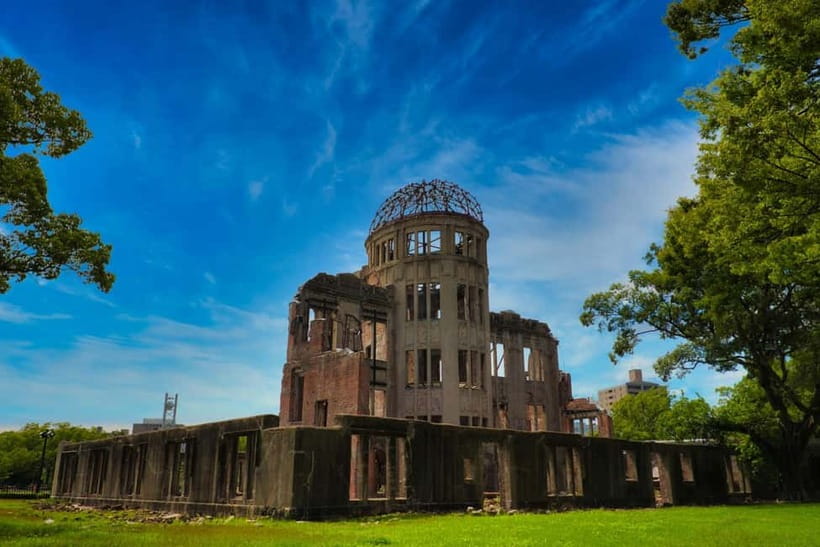
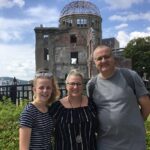
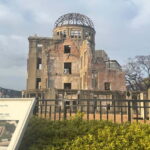
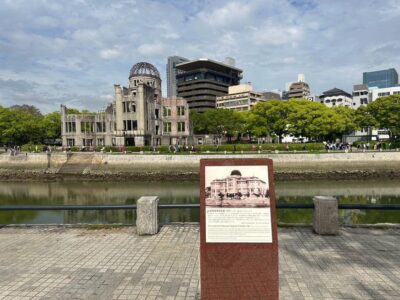
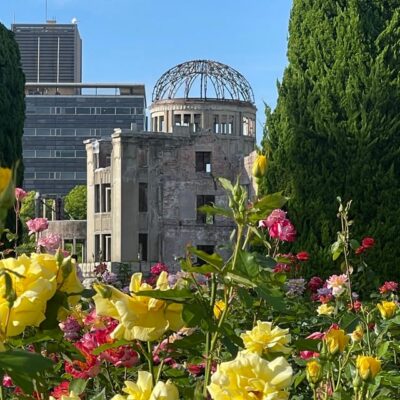
The tour then visits the Atomic Bomb Dome area with about 20 minutes of guided time. The Dome is one of the most recognizable symbols from Hiroshima, and you will likely have seen photos before you arrive.
What changes on a guided walk is the interpretation. The guide connects what you see to what happened and to the ongoing meaning of remembrance. You are not just viewing a landmark, you are learning why it is preserved and what message the city chose to carry forward.
Expect this section to be quiet inside your head. It is not a “talk over the noise” moment. It is a “hear the explanation and let your thoughts slow down” moment. Guides have been praised for answering questions patiently here, including side questions that go beyond the basic story.
If you want to get the most out of your time, watch how you hold the question in your mind: not only what happened, but why Hiroshima remains a focal point for peace advocacy.
Peace Memorial Park: where history becomes a human message
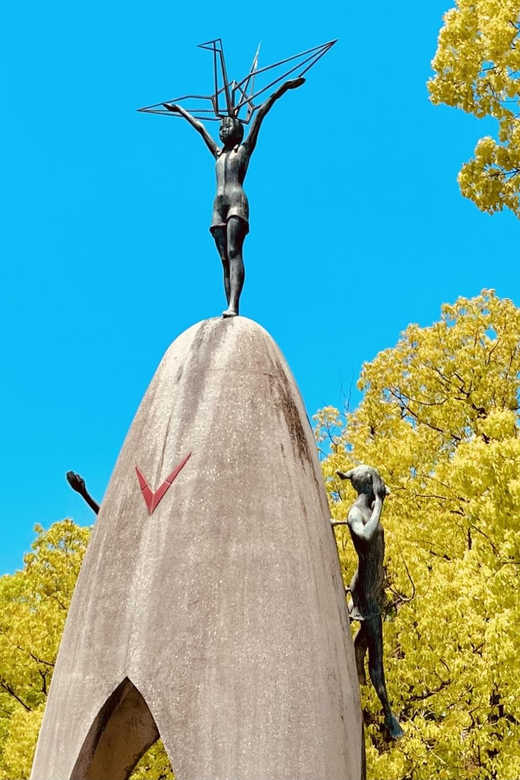
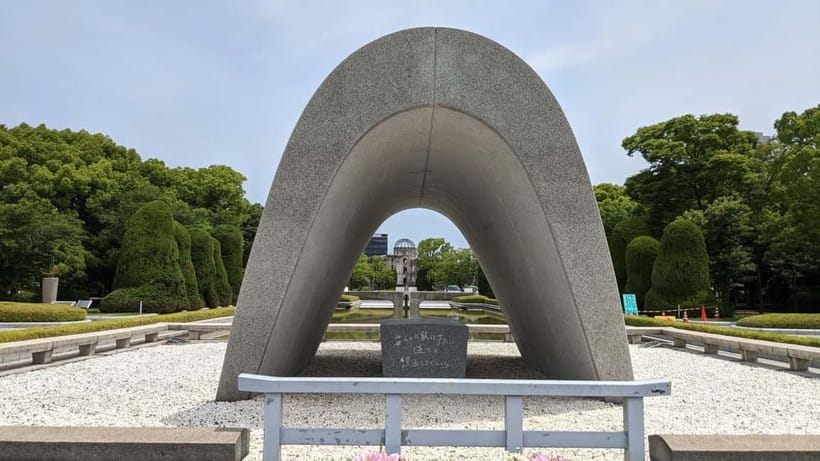
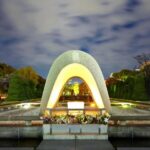
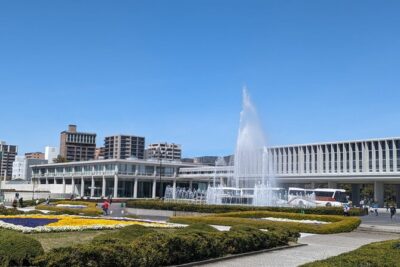
Now you enter Hiroshima Peace Memorial Park for about 30 minutes. This is the emotional heart of the walk. The guide’s job is to help you read the memorial landscape as more than stone and signage.
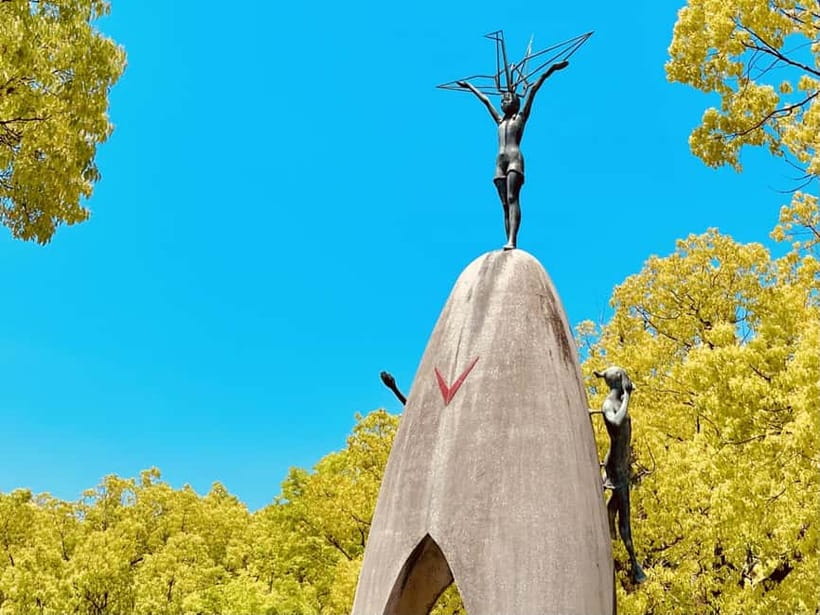
In groups I’ve seen described, the tour often highlights elements like the Children’s Peace Monument and the paper crane tradition. Some guides have guided viewers toward the significance of those cranes and why they matter in the city’s peace message.
This is also where local perspective can feel especially powerful. Past groups have praised guides with strong local ties, including Japanese perspectives from Hiroshima, for keeping the tone honest and empathetic.
Here is how I would approach this section if you are visiting with a partner or family: agree to take your time after the guide’s main points. Let the park do its work. You will remember more if you pause for a minute and look without forcing conversation.
Peace Memorial Museum finish: you end with context, not just closure
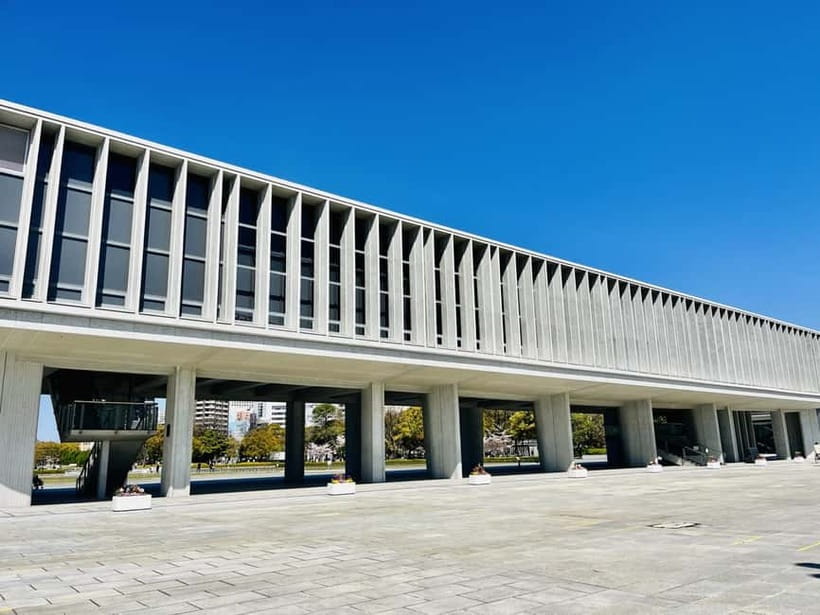
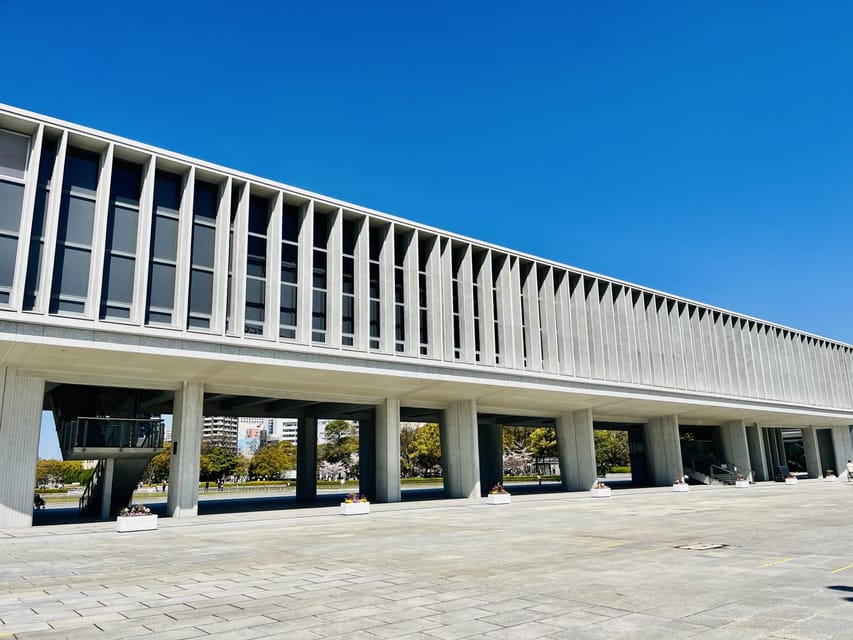
The tour finishes at the Hiroshima Peace Memorial Museum. That matters because the museum is where you can deepen what the walk introduced.
A good guide helps you arrive ready. Instead of feeling like you are entering a wall of information, you can use the walk’s framework to understand what you are reading and seeing. Many past guides were praised for building the story in a way that makes the museum feel more meaningful afterward.
You will likely leave with two kinds of questions:
1) factual ones, like timelines and context
2) reflective ones, like what remembrance is trying to prevent next
The museum is a strong follow-up because it gives you room to explore both types.
Price and value: $35 for 150 minutes with a live guide
The price is $35 per person, and the guided portion runs about 150 minutes. On paper, that is just a number. In real life, the value comes from three things you cannot easily replicate on your own in one go:
- A guided narrative that connects wartime context to the memorial core
- Time with key sites so you do not have to figure out what to prioritize
- English live guide who can answer questions, including side questions that help you understand the “why” behind the story
You are also paying for structure. When the topic is complicated and emotional, a guide helps you avoid getting lost in too many details or skipping the parts that change how you interpret everything else.
If you are doing Hiroshima as a short stop and you want the most meaning per hour, this is a solid value. If you are the kind of visitor who loves reading everything slowly alone, you might decide to self-tour. But even then, a guided walk can sharpen your museum experience a lot.
Who this tour fits best (and who should skip it)
This experience is a great fit if you want:
- a clear explanation of why Hiroshima was targeted
- a walk that covers major Hiroshima sites without you assembling the story yourself
- guidance that connects facts to what the city chose to remember and teach
It is also a good choice if you enjoy asking questions. Many past groups highlighted that guides handled questions with patience and clarity.
You might skip this if:
- you want light, casual sightseeing only
- you do not want an emotionally heavy experience
- you prefer to control every stop without guided interpretation
One more note: the tour is wheelchair accessible. That is a big plus for visitors who need mobility support, as it signals the route is designed to be manageable for more people.
Tips to make your 150 minutes go further
You do not need special prep. But a little strategy helps:
- Wear shoes you feel good walking in. This is a walking tour, and it is longer than a quick hop between two spots.
- Bring your questions early. By the time you reach the memorial core, your understanding will be ready for deeper answers.
- Keep your phone handy for photos, but do not let the camera replace attention. The guide’s explanations are what turn images into understanding.
- If you can, plan your day so you have time to sit with what you learn after the museum. This topic does not end when the tour ends.
Should you book this Hiroshima Historical Walking Tour?
I think you should book it if your goal is to understand Hiroshima, not just visit it. The strongest reason is the structure: you start with wartime context, you pass through the atomic bomb landmark area, and you finish at the museum. That arc helps your brain connect cause, impact, and remembrance.
I would hesitate only if you want something upbeat or if you are already carrying a lot of emotional fatigue. Otherwise, this is a high-value guided walk with strong marks for explanation, pacing, and the chance to hear a local voice. Guides like Chihiro, Thomas, Emi/Emmy, and Katja have been repeatedly praised in past groups for making the story clearer and more personal.
If Hiroshima is on your list, this is one of those experiences that changes how you see the city, because it gives you the context you would otherwise have to hunt down yourself.
FAQ
What is the duration of the Hiroshima Historical Walking Tour?
The tour runs for about 150 minutes.
How much does the tour cost?
The price is listed as $35 per person.
Where does the tour start?
The meeting point is in front of the Hiroshima Gokoku-jinja Torii Gate near the main hall.
What stops are included during the walk?
The tour covers Gokoku Shrine, Hiroshima Castle, Hiroshima Gate Park, Atomic Bomb Dome, Hiroshima Peace Memorial Park, and it finishes at the Hiroshima Peace Memorial Museum.
What language is the live guide?
The live tour guide is available in English.
Is the guided tour included in the price?
Yes. The guided tour is included.
Do I need to tip the guide?
Tips are not included.
Is the tour wheelchair accessible?
Yes, the tour is wheelchair accessible.
Is there free cancellation?
Yes, you can cancel up to 24 hours in advance for a full refund.
Can I reserve without paying right away?
Yes. You can reserve now and pay later.
Hiroshima and Miyajima Together
Guided Visits to the Peace Memorial Park

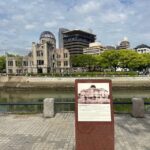
Newest Hiroshima write-ups from the Loving Japan desk
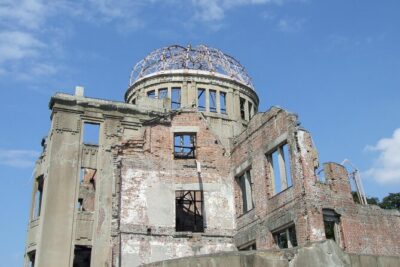
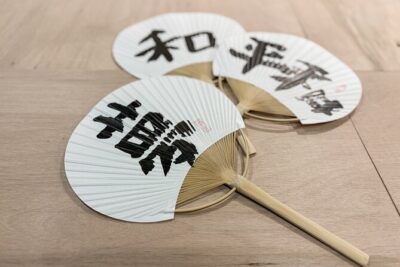
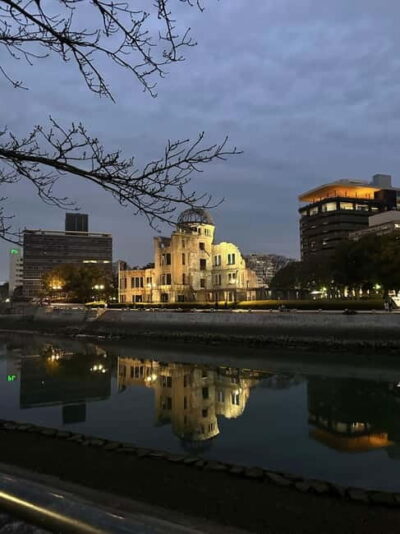
Hiroshima Peace Memorial Park and Museum, side by side.
 ★ 5.0Hiroshima Peace (Heiwa) Walking Tour at World Heritage SitesFrom $94872 reviews
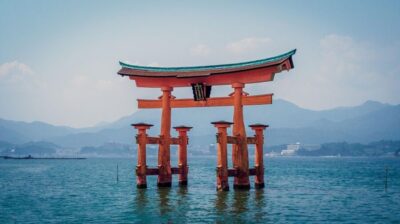 ★ 4.9Miyajima Peace Memorial Icons of Peace and BeautyFrom $163361 reviews
 ★ 5.0Hiroshima/Guided Virtual Tour of Peace Park/PEACE PARK TOUR VRFrom $33157 reviews
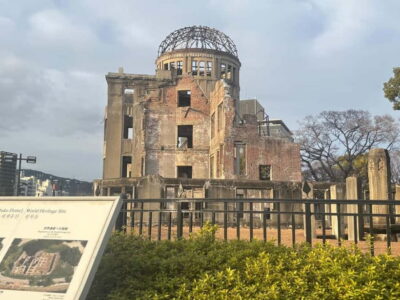 ★ 4.9Peace Memorial Park and Atomic Bomb Dome TourFrom $2391 reviews
 ★ 5.0Hiroshima; Hiroshima Peace Memorial Museum and Castle TourFrom $6789 reviews
 ★ 5.0Hiroshima & Miyajima: UNESCO A-Bomb Dome & ItsukushimaFrom $17776 reviews
 ★ 5.0Hiroshima History Tour : A-Bomb Dome, Peace Memorial & CityFrom $10343 reviews
 ★ 5.0Hiroshima Peace Memorial and Atomic Bomb Dome Private TourFrom $8537 reviews