
REVIEW · HIROSHIMA PEACE MEMORIAL PARK AND MUSEUM
Hiroshima Peace (Heiwa) Walking Tour at World Heritage Sites
Peace starts with a single sidewalk.
This 5-hour Hiroshima Peace Walking Tour led by a MagicalTrip Certified Guide focuses on how the city faced the atomic bombing, then rebuilt life with courage. I love the human scale of the stops, from the museum artifacts to the quiet memorials, because it helps you process the story without getting lost. I also like the built-in break at Orizuru Tower, where lunch and the view of modern Hiroshima give you a sharp contrast with the past.
Here’s the one thing to plan around: the Peace Memorial Museum can get crowded, and the time you have inside may feel tight if you’re trying to catch every exhibit panel.
In This Review
- Key things that make this tour worth it
- Price and what you actually get for $94.84
- Meeting point and the rhythm of the 5-hour walk
- Peace Memorial Park and Museum: how to get more from the time you have
- Cenotaph and Children’s Peace Monument: quiet moments that land
- Atomic Bomb Dome and the Aogiri tree: two symbols, one message
- Orizuru Tower lunch: the best “past and present” contrast
- Guides can change everything, and the names matter
- Timing tips that make the day feel easier
- Who this Hiroshima Peace tour is best for
- Should you book this Hiroshima Peace (Heiwa) Walking Tour?
- FAQ
- Where does the Hiroshima Peace walking tour start and where does it end?
- How long is the tour?
- How big is the group?
- What is included in the tour price?
- Can the tour accommodate gluten-free meals or allergy-free dining?
- What if weather is bad or I need to cancel?
Key things that make this tour worth it
- Small group (max 8 travelers) means more questions and less weaving through crowds
- Peace Memorial Park and Museum work as a full, guided story, not just photos at the gates
- Guides with strong local ties, including Yuji, Kaori, Yasue, Kinnei, Etsko, Tommy, Mariko, Hiro, and Mizu
- Atomic Bomb Dome and memorial markers are treated with the right pause, not a rush-through
- Orizuru Tower lunch included, so you get a breather plus panoramic views
- Tour photos included, plus time to regroup for your next stop
The Peace Memorial Park and Museum, further guided visits
- Hiroshima Historical Walking Tour – Why A-Bomb was Dropped
★ 4.8 · 893 reviews - Hiroshima Peace (Heiwa) Walking Tour at World Heritage Sites
★ 5.0 · 872 reviews - Hiroshima: Miyajima Peace Memorial Icons of Peace and Beauty
★ 4.9 · 361 reviews - Hiroshima/Guided Virtual Tour of Peace Park/PEACE PARK TOUR VR
★ 5.0 · 157 reviews
Price and what you actually get for $94.84
At $94.84 per person, this tour is priced like a guided day, not like a self-guided walking route with a map. You get the certified guide, entrance coverage for the Peace Memorial Museum and Orizuru Tower, a provided lunch, and tour photos. In a city where timed entry and logistics can eat up your day, that bundle matters.
Also, the tour is short enough (about 5 hours) that you can still explore Hiroshima afterward without feeling like you spent your whole vacation in one long line. The route is built around key Peace sites, then finishes near where you eat and sightsee next.
If you’re trying to balance meaning with practicality, this is one of the few Hiroshima experiences where the value is in the structure: you don’t just arrive at famous spots, you move from one message to the next with a guide holding the context.
Meeting point and the rhythm of the 5-hour walk
You meet at Montbell Japan in central Hiroshima (Kamiyacho area). It’s a clear, public transportation-friendly start point, and that helps a lot on a first day in Hiroshima.
From there, the pace stays fairly steady. It’s a walking tour, so expect city sidewalks and some time on foot, but not a long hike. The bigger challenge is time inside the museum area, not the walking itself.
The day ends near the lunch area and close to Chishaku-in Temple, so you’re not left stranded far from your next plan. If you like to keep your schedule simple, that ending point is convenient.
Peace Memorial Park and Museum: how to get more from the time you have
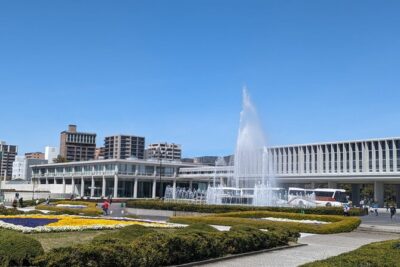
The tour begins in Hiroshima Peace Memorial Park, where the Peace Memorial Museum sets the tone. The museum portion is about 1 hour, and the experience is built around understanding the atomic bombing and how Hiroshima residents coped afterward.
This is where a good guide makes a huge difference. I like tours that help you focus on what matters during a time-limited museum visit, and this one does that by pairing your viewing with explanations at the right moments. One of the most consistent themes from groups is that the guide frames the artifacts and exhibits with care, not just facts.
One practical note: some exhibits include graphic imagery, and that can be hard on kids or anyone who wants to ease in. If that might affect you, tell your guide right away so you can pace your viewing.
And yes, crowded museum conditions are possible. If you want the chance to see every exhibit detail, go in with realistic expectations, and treat the guide’s guidance as your roadmap.
Pairing the city with Miyajima. Other itineraries
- Peaceful Hiroshima & Miyajima UNESCO 1 Day Bus Tour★ 5.0 · 5,309 reviews
- Hiroshima: Hiroshima and Miyajima UNESCO Sites 1-Day Tour★ 4.9 · 2,330 reviews
- Hiroshima / Miyajima Full-day Private Tour with Government Licensed Guide★ 5.0 · 1,298 reviews
- Hiroshima in a Nutshell: Morning Bike Adventure★ 5.0 · 524 reviews
- Hiroshima City 4hr Private Walking Tour with Licensed Guide★ 5.0 · 437 reviews
Cenotaph and Children’s Peace Monument: quiet moments that land

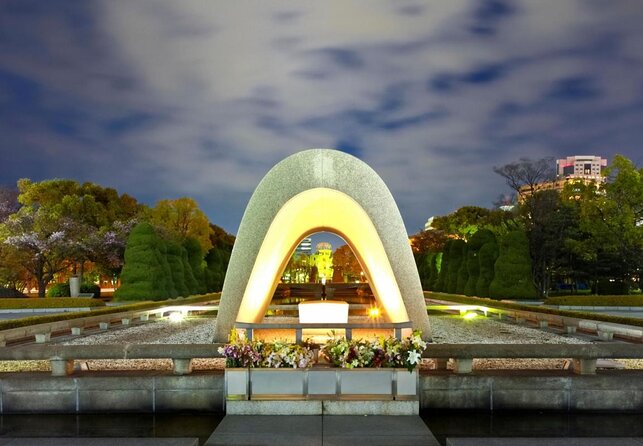
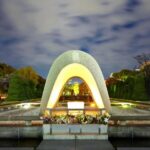
After the museum, the tour shifts to short, respectful stops that slow your breathing. The Cenotaph for the Atomic Bomb Victims is brief but powerful, because there’s less information overload and more room to feel the weight of the site.
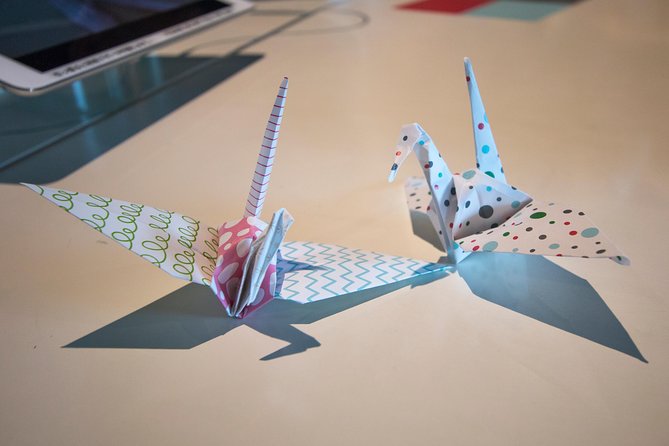
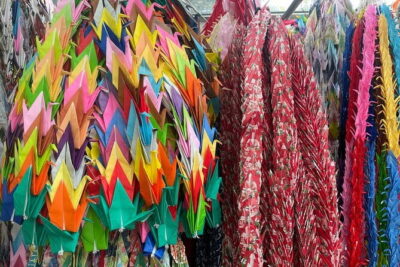
Then you spend time at the Children’s Peace Monument, where your guide explains what it represents in Hiroshima’s Peace messaging. This stop is small in size, but it often becomes one of the most memorable parts of the day because it reframes the bombing through the lens of children, families, and the long effects on everyday life.
These are the stops where you’ll want your camera away for a few minutes. The point here is attention, not just taking a photo you’ll scroll past later.
Atomic Bomb Dome and the Aogiri tree: two symbols, one message
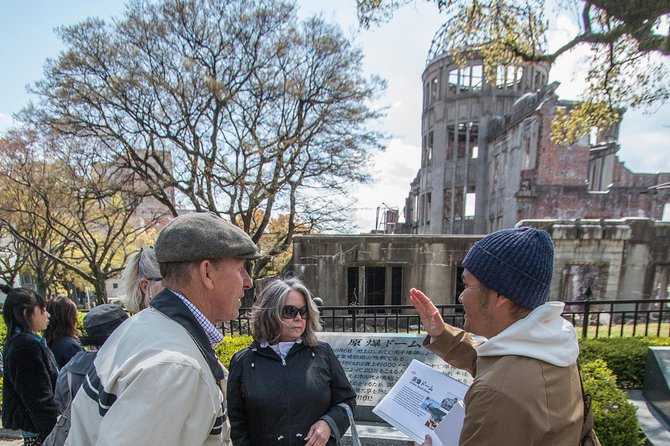
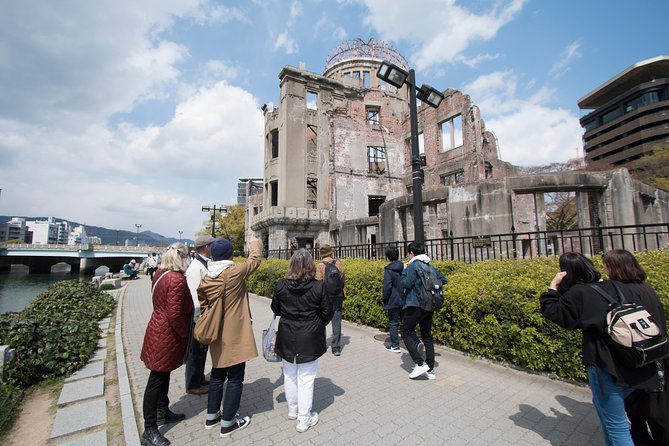
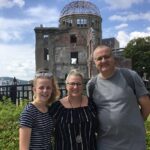
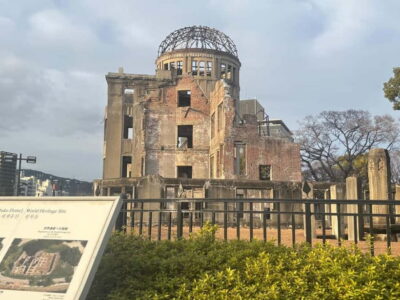
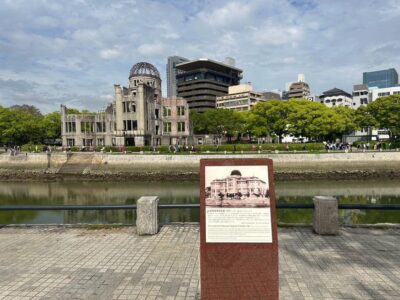
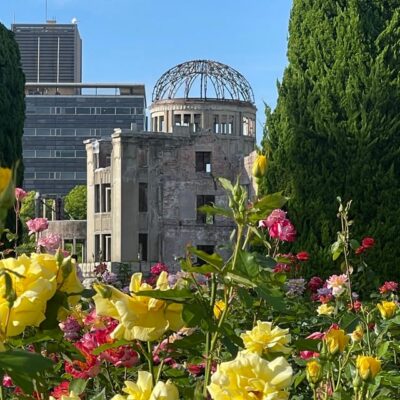
Next comes the Atomic Bomb Dome, the structure that remains as a stark reminder of August 6, 1945. You’ll get time to look closely, and your guide places the building in context so you understand why this specific survivor is so important to Hiroshima’s Peace story.
In the walk between the sites, you also see the Aogiri tree, another symbol tied to survival and resilience. I like that this tour doesn’t only focus on one iconic landmark. It gives you multiple anchors so the history sits in your mind like more than one picture.
A quick reality check: if you visit during busy periods, expect more people around the Dome area. The payoff is that a guide can help you find your place, look thoughtfully, and keep your day moving without getting irritated.
Orizuru Tower lunch: the best “past and present” contrast
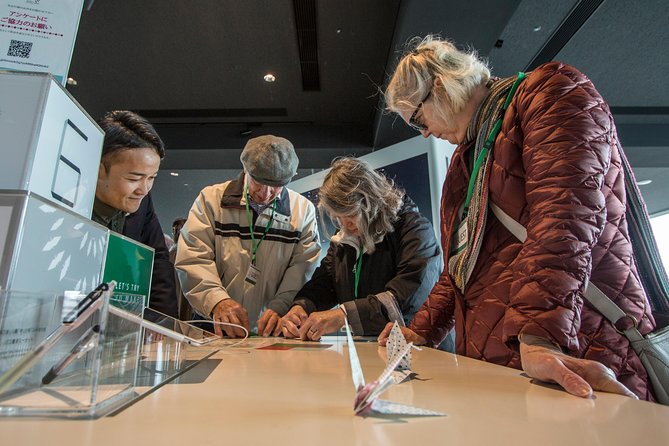
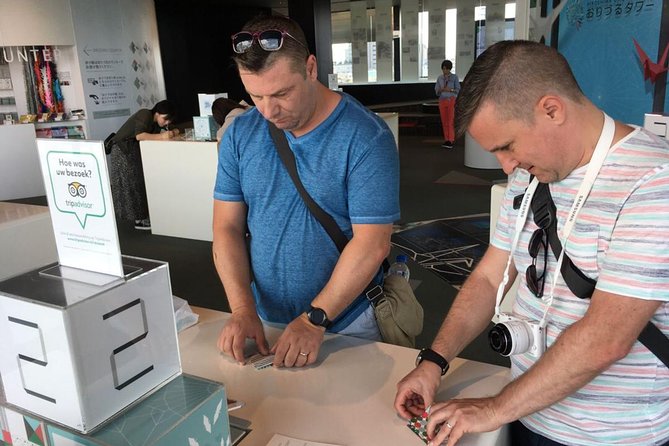
After the memorial stops, the tour takes a breather with lunch at the top of Hiroshima Orizuru Tower. It’s not just a meal stop. It’s timed so you can absorb what you learned below, then look out over modern Hiroshima.
That contrast is the whole point. The tour helps you move from devastation and mourning to rebuilding and daily life, and the panoramic view makes that shift feel real instead of abstract.
Lunch is included, and your guide helps manage the flow so you can eat without turning the day into a logistics puzzle. If you’re traveling as a couple or small group, this kind of built-in break is a simple upgrade to your comfort.
Food detail to know:
- Additional food and drinks are available for purchase.
- Vegetarian options may be limited, since Japanese restaurants don’t always offer full vegetarian menus.
- The tour does not accommodate gluten-free requests.
- Allergy-free meal guarantees are not offered, because food is prepared in kitchens not run by the tour provider, and substitutions may not be possible.
If dietary needs are a concern, send them at least one day in advance. Requests made on the day of the tour may not be accommodated.
Guides can change everything, and the names matter
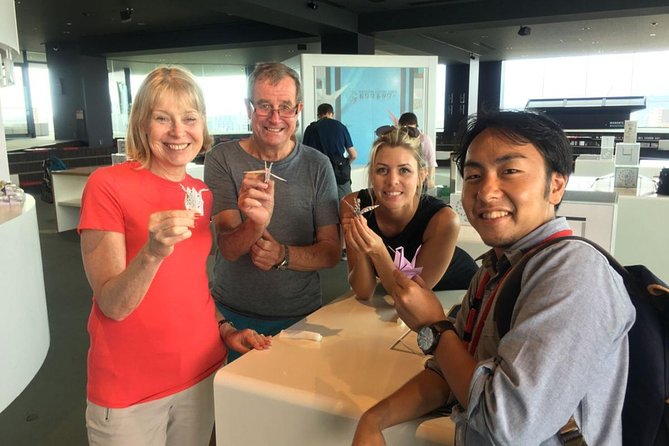
This tour is run by MagicalTrip, and the guide quality is a major driver of the experience. People frequently mention guides who add warmth and empathy, and who connect each marker to human stories.
You’ll see names pop up often in past groups, including Yuji, Kaori, Yasue, Kinnei, Etsko, Tommy, Mariko, Hiro, Mizu, and Kaz. The common thread is how they explain what you’re seeing while keeping the tone respectful.
What I like about this guide-led approach is that you’re not trying to interpret everything on your own while you’re standing in a powerful place. Instead, the guide helps you turn “what I’m seeing” into “what I should notice,” and then into “what it means.”
Timing tips that make the day feel easier
A few small choices can reduce stress a lot on this tour.
First, dress for weather. Summer in Japan is hot and humid, and temperatures can reach about 40°C (110°F). Bring water and a hat to reduce heat stress. Winters can drop near -5°C (20°F), so pack layers if you’re visiting in colder months.
Second, plan for emotion. This is a subject that hits hard. A walking pace that stays gentle helps you adjust, and the guide’s pacing is a big part of why many people come away feeling moved rather than overwhelmed.
Third, if you’re sensitive to graphic content, communicate that early. The tour is structured around major memorial sites and museum exhibits, so it’s better to set your expectations in advance than to push through alone.
Who this Hiroshima Peace tour is best for
This tour is a great fit if you want a guided, small-group way to see major Peace sites without spending your day building logistics. The max 8 travelers group size is especially helpful if you like asking questions or you want time to stand and reflect without constant pressure from foot traffic.
It’s also a strong choice if you’re the kind of traveler who likes context, not just snapshots. The combination of museum learning, quiet memorial stops, and the Orizuru Tower view gives you a fuller picture of Hiroshima’s story.
It’s less ideal if mobility is a concern, because it’s not recommended for individuals with mobility issues. In that case, you’ll probably want a private tour setup.
Should you book this Hiroshima Peace (Heiwa) Walking Tour?
Book it if you want a structured, guided Peace itinerary in a small group, with museum time, memorial stops, Atomic Bomb Dome viewing, and Orizuru Tower lunch all handled for you. The value is in the package: guide support, included site access, and a thoughtful flow that helps you process what you’re seeing.
Skip it or consider a different format if you’re extremely focused on spending long hours inside the museum for every single exhibit detail, or if you know you’ll feel strongly affected by crowds. Also double-check dietary needs, because gluten-free support and allergy-free guarantees are not included.
If you want Hiroshima’s Peace story to land with both clarity and care, this is a solid way to do it.
FAQ
Where does the Hiroshima Peace walking tour start and where does it end?
The tour starts at Montbell Japan in Hiroshima (Kamiyacho, Naka Ward). It ends near the lunch area and close to Chishaku-in Temple.
How long is the tour?
The tour lasts about 5 hours.
How big is the group?
This experience has a maximum of 8 travelers.
What is included in the tour price?
Entrance fees for the Peace Memorial Museum and Orizuru Tower are included, along with lunch, a MagicalTrip certified guide, and tour photos.
Can the tour accommodate gluten-free meals or allergy-free dining?
Gluten-free requests cannot be accommodated. Allergy-free dining is not guaranteed, since food is prepared in kitchens not operated by MagicalTrip and substitutions may not always be possible.
What if weather is bad or I need to cancel?
The experience requires good weather. If it’s canceled due to poor weather, you’ll be offered another date or a full refund. You can cancel up to 24 hours in advance for a full refund.
Hiroshima and Miyajima Together
Guided Visits to the Peace Memorial Park
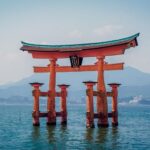

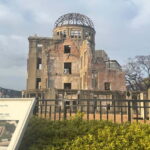
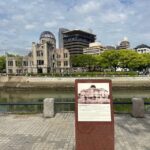
Newest Hiroshima write-ups from the Loving Japan desk
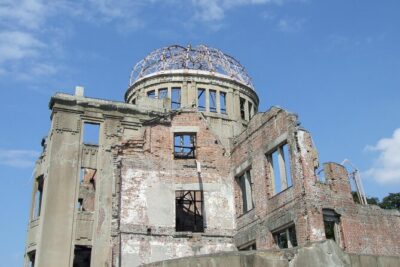
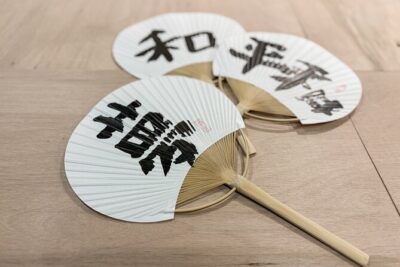
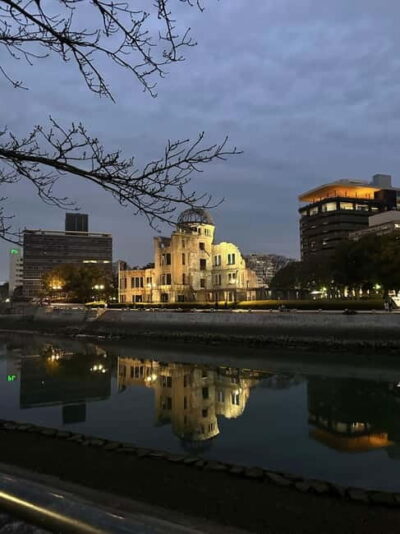
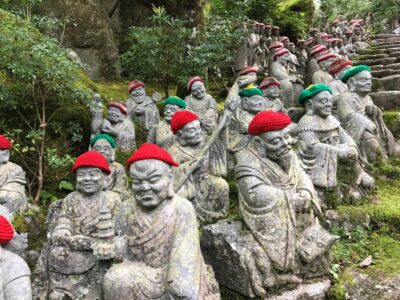
Hiroshima Peace Memorial Park and Museum, side by side.
 ★ 4.8Hiroshima Historical Walking Tour – Why A-Bomb was DroppedFrom $35893 reviews
 ★ 4.9Miyajima Peace Memorial Icons of Peace and BeautyFrom $163361 reviews
 ★ 5.0Hiroshima/Guided Virtual Tour of Peace Park/PEACE PARK TOUR VRFrom $33157 reviews
 ★ 4.9Peace Memorial Park and Atomic Bomb Dome TourFrom $2391 reviews
 ★ 5.0Hiroshima; Hiroshima Peace Memorial Museum and Castle TourFrom $6789 reviews
 ★ 5.0Hiroshima & Miyajima: UNESCO A-Bomb Dome & ItsukushimaFrom $17776 reviews
 ★ 5.0Hiroshima History Tour : A-Bomb Dome, Peace Memorial & CityFrom $10343 reviews
 ★ 5.0Hiroshima Peace Memorial and Atomic Bomb Dome Private TourFrom $8537 reviews