
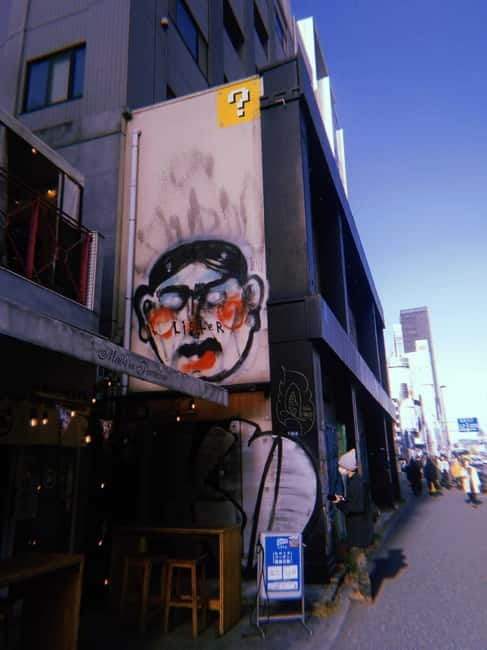
REVIEW · SHIBUYA, SHINJUKU AND HARAJUKU WALKS
Graffiti in Tokyo Walking Tour: Shibuya and Harajuku
Tokyo graffiti hides in plain sight. That’s the hook of this Shibuya and Harajuku walk, with an expert who helps you see what most people miss. I especially like the storytelling angle, not just the photos, and how it connects street marks to how people live and move through Tokyo.
The second thing I like is the focus on spotting: legal walls, concealed tags, throw-ups, and bigger murals, all in side streets. You get a guided path that steers you away from the obvious tourist corners and toward the streets where graffiti actually belongs.
One drawback to consider is simple: this is a walking tour with limited time, and graffiti culture can include work that is technically illegal. If you prefer quiet, museum-style sightseeing, this may feel a bit too raw for your taste.
In This Review
- Key highlights that make this tour work
- Graffiti in Tokyo, Shibuya and Harajuku, guided by Elena Calderon
- Finding the group: Manhattan Records to Kifune Bldg start point
- Shibuya City: where tags and throw-ups meet real street stories
- Harajuku for 10 minutes: street art meets fashion energy
- What the $38 price buys you, beyond seeing graffiti
- How to photograph graffiti: fast, respectful, and street-smart
- Timing, walking pace, and what to wear
- Who this Shibuya and Harajuku graffiti tour is best for
- Should you book this Shibuya and Harajuku graffiti walking tour?
- FAQ
- FAQ
- Where is the meeting point for the tour?
- How long is the graffiti walking tour?
- How much does it cost?
- Who is the guide for this experience?
- What languages is the tour offered in?
- What stops are included during the walk?
- What is included in the tour price?
- Are meals included?
- What should I bring with me?
- Are there any rules about what I can’t do during the tour?
- Is the tour suitable for people with mobility impairments?
Key highlights that make this tour work
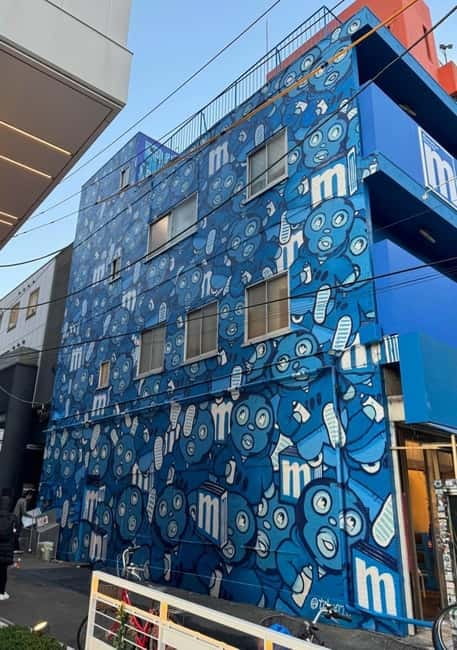
- Expert guide, graffiti researcher for 10+ years and art curator, with English or Spanish
- Hidden graffiti spots around Shibuya and Harajuku, including corners you would likely overlook
- A good mix of legal walls and street locations that show different styles and motivations
- Insider context on what you’re seeing, from tags and throw-ups to large mural work
- Gallery and restaurant discounts tied to the tour, plus tips on where to photograph
Other routes through the west side of Tokyo, compared
- Tokyo: Shinjuku Food Tour (13 Dishes at 4 Local Eateries)
★ 5.0 · 6,603 reviews - Tokyo Bar Hopping Tour in Shinjuku (All-You-Can-Drink + Dinner)
★ 5.0 · 3,587 reviews - Official Street Go-Kart in Shibuya
★ 5.0 · 3,435 reviews - Tokyo: Shinjuku Food Tour (15 Dishes and 4 Eateries)
★ 4.9 · 2,033 reviews
Graffiti in Tokyo, Shibuya and Harajuku, guided by Elena Calderon
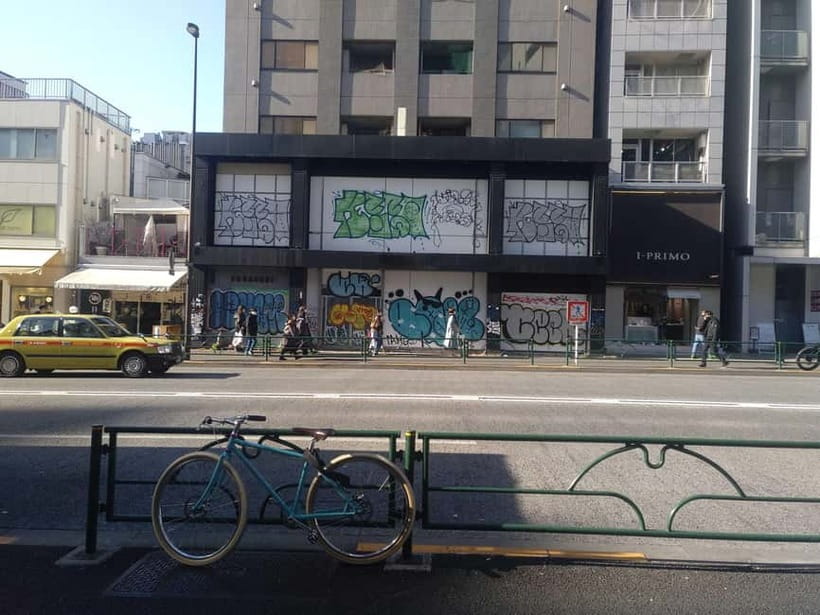
If your idea of Tokyo is clean lines and orderly streets, this tour gives you the other side. You’ll spend two hours in Shibuya and then make a quick stop in Harajuku, where street art hangs in the seams of daily life.
The guide behind it matters a lot. Elena Calderon, also listed with Totemo, is not just someone who likes street art. She’s described as a graffiti researcher for more than 10 years and an art curator, so her explanations tend to connect the visual style to the people and systems behind it. That means your photos look better, because you understand what you’re photographing.
The tour’s promise is also practical: hidden spots, insider stories, and local patterns of how graffiti shows up in Tokyo. You’re not just chasing color, you’re learning how this scene works.
Finding the group: Manhattan Records to Kifune Bldg start point
The meeting point is clear: Manhattan Records Shop in Shibuya. That’s helpful if you’re arriving from Shibuya Station, because it keeps the start simple and easy to confirm.
The tour information also lists Kifune Bldg. as the starting location, with the group returning there at the end. In practice, expect the walk to begin after you gather, then roll out into the streets with your guide leading.
A small but important tip: bring cash. The tour includes discounts for art galleries and restaurants, and while you might not need money the entire time, having it makes those add-ons easier if you want to follow up after the walk.
Shibuya City: where tags and throw-ups meet real street stories
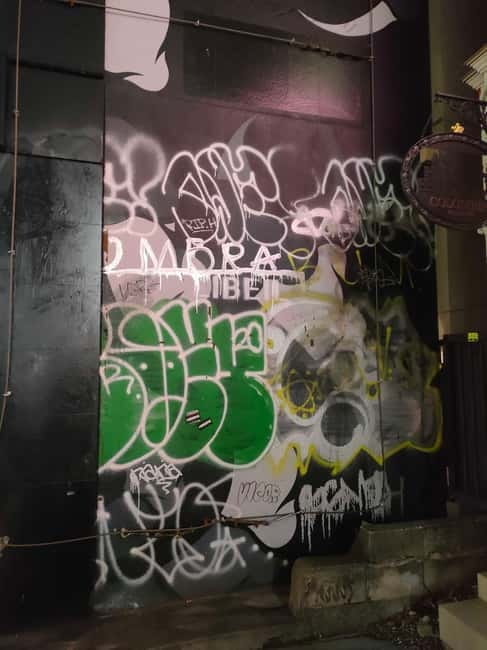
Shibuya is the right choice for a graffiti tour because it’s already a place where people pay attention. Neon signs, heavy foot traffic, and a constant churn of neighborhoods create a perfect backdrop for urban art that responds to the city.
You’ll spend most of your time in Shibuya on a guided walk. The tour is designed to help you notice graffiti that’s often missed even when it is right in front of you. That includes different “sizes” and “types” of street writing, from smaller tags to throw-ups (quick, repeated forms) and larger mural pieces.
Here’s what makes this section valuable for you, not just visually. Elena’s curator brain turns street marks into readable information. You’ll get context on why certain styles show up, how crews communicate through visuals, and what it means when graffiti appears in specific street environments.
Another practical benefit: the tour emphasizes hidden spots only locals tend to know. This matters because in Tokyo, some of the best work is not posed for a camera. It’s tucked into angles, placed along routes people walk every day, and layered into the city’s details. Your guide is essentially helping you map the invisible part of the neighborhood.
You should also expect the tour to take a respectful stance. Graffiti culture can include work that crosses legal lines, so you’ll want to keep your tone and behavior low-key. Bring your camera, but keep moving and follow the guide’s cues.
- Mt Fuji and Hakone 1-Day Bus Tour Return by Bullet Train★ 5.0 · 26,383 reviews
- 1-Day Tokyo Bus Tour★ 5.0 · 14,250 reviews
- Tokyo: teamLab Planets TOKYO Digital Art Museum Entry Ticket★ 4.6 · 9,779 reviews
- Mt Fuji & Hakone Cruise, Drum Show Bullet Train 1 Day from Tokyo★ 4.0 · 7,413 reviews
- Tokyo: Shinjuku Food Tour (13 Dishes at 4 Local Eateries)★ 5.0 · 6,603 reviews
Harajuku for 10 minutes: street art meets fashion energy
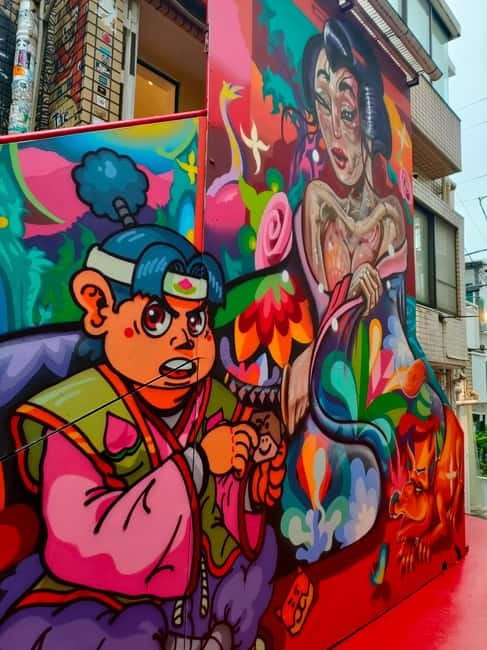
Harajuku is famous for style, but that doesn’t mean street art there is only about aesthetics. The tour includes a short Harajuku stop, listed as about 10 minutes, which tells you it’s not trying to turn into a full Harajuku sightseeing mission.
So what do you do with a short stop like this? You use it as a contrast to Shibuya. In a place known for trend shifts, you can often spot how street art and street identity overlap. Even with limited time, the point is to show you more corners of the city where graffiti-like marks exist in different contexts.
Think of this as your quick snapshot section. You’ll likely get a couple of looks that expand your understanding beyond one neighborhood’s “rules.” Then you’ll head back toward the end point near Kifune Bldg.
If you want more time in Harajuku after the tour, use what you learned as a filter. You’ll know what to look for and what to photograph, instead of wandering randomly.
What the $38 price buys you, beyond seeing graffiti
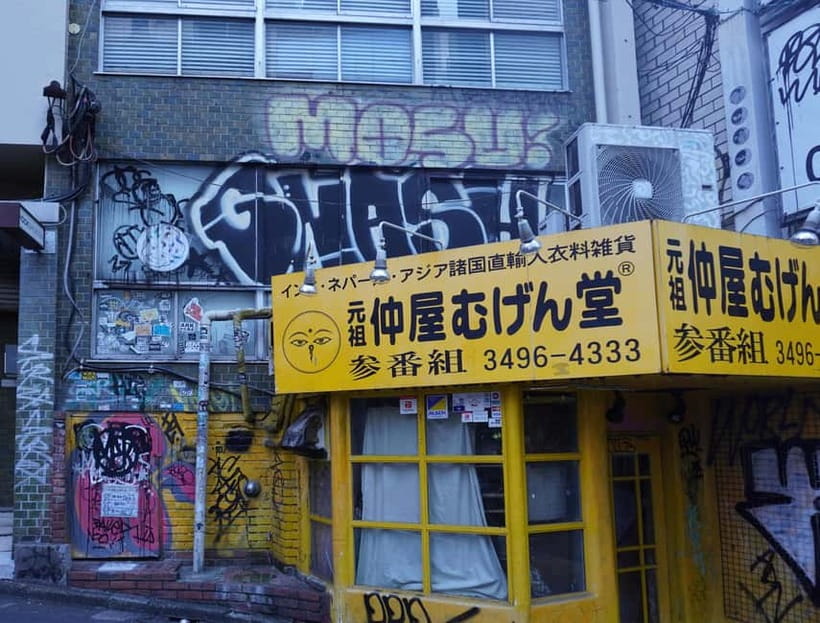
At $38 per person for 2 hours, you’re paying for something that’s hard to buy with a guidebook: guided recognition. Street art in Tokyo is not always laid out like an open-air museum. A lot of it requires the right perspective, timing, and knowledge of where it tends to show up.
The tour also includes useful extras that can add value if you actually use them. It lists discounts in art galleries and restaurants connected to the tour. Those discounts can turn the walk into a bigger plan for your day, rather than just a two-hour detour.
And because it’s described as including insider knowledge on top art galleries, you might leave with a short list of places to check later. The tour notes that most of them are free of charge, so you can keep your costs down if you want to tack on an extra stop.
Most of all, you’re buying the guide’s ability to explain what you see. In the reviews, people highlight Elena’s breadth of knowledge and her enthusiasm for the scene. That shows up in a tour like this as clear, easy-to-follow explanations rather than vague commentary.
How to photograph graffiti: fast, respectful, and street-smart
You’ll want a camera, but you’ll also want a street mindset. Graffiti is often placed for people who live nearby, not for a photo shoot. So move calmly, don’t block pedestrian flow, and keep your gear packed between shots.
Bring water and plan for walking. The tour guidance mentions varying weather conditions, so you’ll be happier if you dress for surprise rain or cold wind, not for the forecast alone.
A simple photo strategy helps. Take one wider shot to record the location context, then follow with closer shots for the details. That way, even if a piece changes later, you’ll have evidence of the street it lived on.
Also remember the rule set: no smoking, no alcohol or drugs, no littering. It’s not just about being polite. It keeps the experience safe and gives the guide room to lead you through tight streets without hassle.
If you find yourself wanting to return to specific murals after the walk, the tour is designed to point you toward ones worth revisiting for better angles. Bring your notes in your phone, because once you’re back in a train station, it can be hard to remember which corner had the piece you loved.
Timing, walking pace, and what to wear
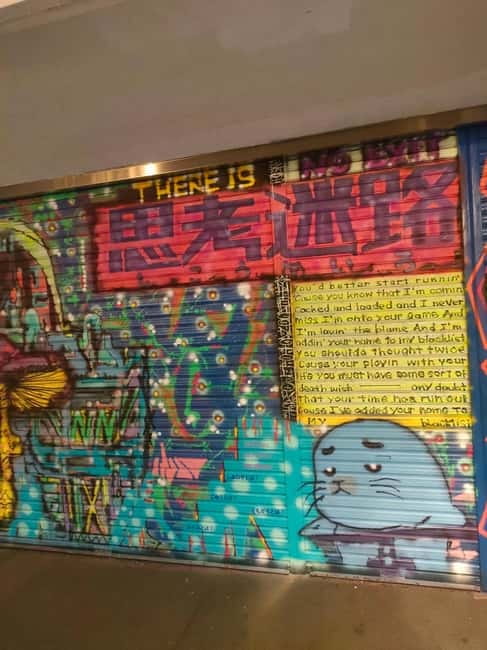
This is a walking tour, and the duration is listed as 2 hours. That usually means you’ll spend your time moving between points rather than standing still at long stops.
Wear comfortable shoes. Graffiti spots tend to live in side streets and along routes people walk quickly, not on wide plazas where you can pause for ten minutes without moving. If your feet are already unhappy, the tour becomes less fun.
If you’re sensitive to crowds, plan for city noise. Shibuya and Harajuku can be busy, and you’ll be threading through that energy. The upside is that you’ll see how graffiti interacts with real street life, not a quiet, staged environment.
The tour also lists not suitable for people with mobility impairments, and it’s not aimed at babies under 1 year or people over 95 years. If that’s you, it’s worth choosing a different type of Tokyo tour that matches your pace and comfort level.
Who this Shibuya and Harajuku graffiti tour is best for
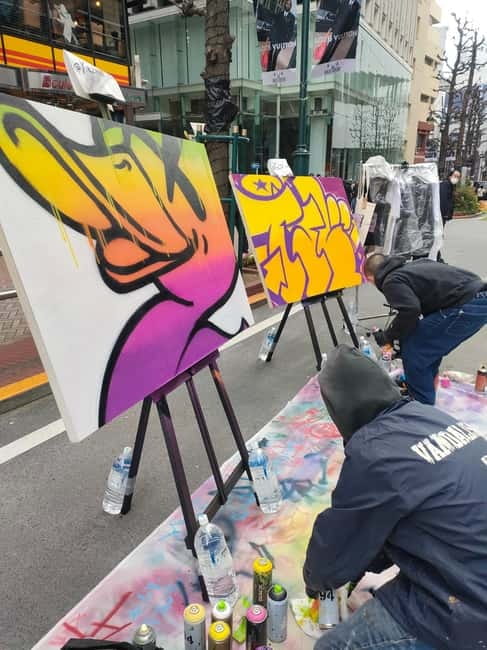
This tour is a great fit if you care about street art as a living culture, not just a set of Instagram murals. You’ll get the most from it if you like asking why something is placed where it is, and if you enjoy learning the stories behind tags, throw-ups, and larger wall pieces.
It also suits people who want an alternative Tokyo day. If you’ve already done the big sights and want something more human and street-level, this fits well.
If you’re an art person who likes context, you’ll probably enjoy how Elena blends graffiti research with curatorial perspectives. That combination helps you move from I like this to I understand what this is saying.
And if you’re traveling with family, the tour has been praised for being fun and informative. Just keep expectations realistic: it’s still a city walk, so bring snacks only if it’s allowed for your group style, and keep everyone in good shoes.
Should you book this Shibuya and Harajuku graffiti walking tour?
Book it if you want Tokyo that feels less rehearsed and more real. The guide credentials, the hidden spot focus, and the storytelling approach make this more than a sightseeing loop.
Skip it if you hate walking, want long museum-style stops, or prefer strictly legal, curated art only. The theme here includes street culture that can be controversial, so you should be comfortable with a bit of edge.
My simple decision rule: if you’re the type who can spend time noticing street details, this tour will feel like a shortcut to better looking and better understanding your camera rolls. If you only want big landmarks and zero surprises, you may be happier with a more traditional itinerary.
FAQ
FAQ
Where is the meeting point for the tour?
The meeting point is MANHATTAN RECORDS SHOP (Shibuya).
How long is the graffiti walking tour?
The tour duration is 2 hours.
How much does it cost?
The price is $38 per person.
Who is the guide for this experience?
The experience is guided by Elena Calderon / Totemo.
What languages is the tour offered in?
The live guide offers English and Spanish.
What stops are included during the walk?
You’ll cover Shibuya City with a guided portion, then make a Harajuku visit for about 10 minutes, and return to Kifune Bldg.
What is included in the tour price?
Included features are an expert guide (graffiti researcher for more than 10 years and art curator), exclusive access to hidden graffiti spots, insider knowledge on Tokyo’s graffiti scene, insider knowledge on top art galleries, and discounts in art galleries and restaurants.
Are meals included?
No, meals and drinks are not included.
What should I bring with me?
Bring comfortable shoes, a camera, water, and cash.
Are there any rules about what I can’t do during the tour?
Yes. The tour lists no smoking, no alcohol and drugs, and no littering.
Is the tour suitable for people with mobility impairments?
No, it is not suitable for people with mobility impairments.
West Tokyo on Foot: Seven More




Newest Tokyo write-ups from the Loving Japan desk



Shibuya, Shinjuku and Harajuku Walks, side by side.
 ★ 5.0Shinjuku Food Tour (13 Dishes at 4 Local Eateries)From $866,603 reviews
 ★ 5.0Tokyo Bar Hopping Tour in Shinjuku (All-You-Can-Drink + Dinner)From $1063,587 reviews
 ★ 5.0Official Street Go-Kart in ShibuyaFrom $763,435 reviews
 ★ 4.9Shinjuku Food Tour (15 Dishes and 4 Eateries)From $852,033 reviews
 ★ 4.9Shinjuku Local Bar and Izakaya Guided Walking TourFrom $341,794 reviews
 ★ 5.0Tokyo Shinjuku Chopsticks Making ClassFrom $201,763 reviews
 ★ 5.0Tokyo Shinjuku Sumo Show & Experience with PhotoFrom $791,750 reviews
 ★ 4.9Street Kart Experience in ShibuyaFrom $741,484 reviews
Filed on these lists too