
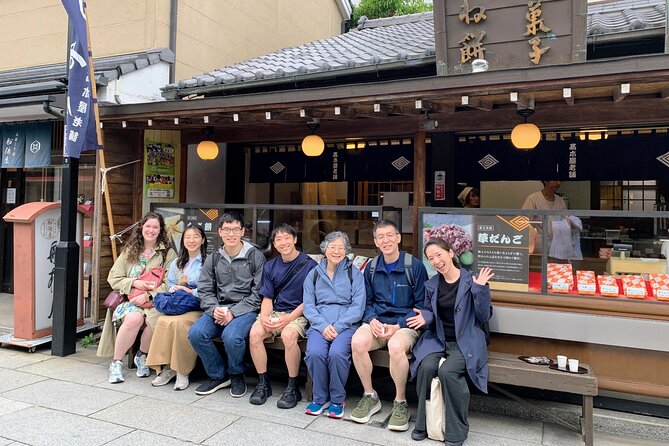
REVIEW · HALF-DAY
Half-Day Local Tokyo Tour in Adachi Market and Shibamata
Fish market, minus the crowds. This half-day Tokyo tour swaps the usual big-name chaos for Adachi’s specialized marine market, then shifts to the historic streets of Shibamata. You’ll spend most of the morning seeing everyday Tokyo culture up close, not just photo stops.
I also like that the timing is tight and useful, with a small group capped at eight and entrance fees built into the experience. One thing to plan for: food and drinks are not included, so you’ll want to budget for snacks if the market hour makes you hungry.
In This Review
- Key highlights to know before you go
- Adachi Shijo Market: a calmer fish-morning with real food energy
- The Senju Ohashi to Shibamata train ride that changes the whole mood
- Shibamata by foot: the Mr. Tora statue and the fun of small detours
- Taishakuten-Sando street: a 200-meter stroll you can actually enjoy
- Taishakuten Daikyoji Temple: Lotus Sutra carvings and an ikebana garden
- Yamamototei (Nagayamon): when Japanese and Western meet at a shrine building
- The small-group format (max 8) and what it means for your experience
- Price and value: what $91.96 really covers
- Who this tour fits best in Tokyo, and who might want a different plan
- Should you book this Adachi Fish Market and Shibamata tour?
- FAQ
- How long is the Adachi Market and Shibamata tour?
- What places do you visit during the tour?
- What is the maximum group size?
- Where is the meeting point and what time does it start?
- Where does the tour end?
- Is the train fare included?
- Are entrance fees included?
- Is food included?
- What should I do about transportation to the meeting point?
- What is the cancellation policy?
Key highlights to know before you go
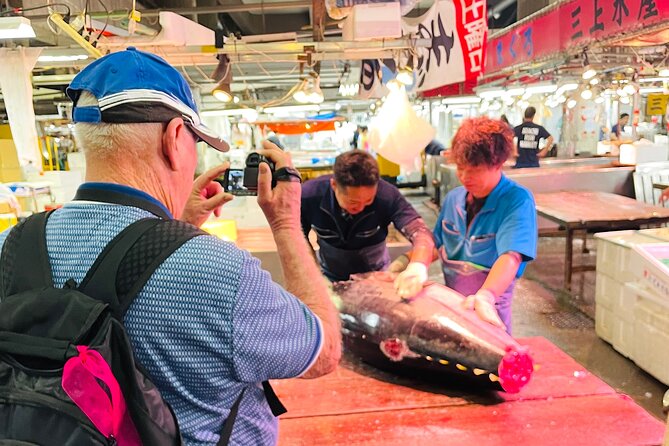
- Adachi Fish Market, Tokyo’s dedicated marine products market for a seafood-focused morning without the headline crowds
- Small group of up to 8, so your guide can actually answer questions while you walk
- Shibamata Taishakuten Daikyoji Temple, with wood-carved sculptures that match the Lotus Sutra story
- Taishakuten-Sando street, around 200 meters from the station with sweets shops and buckwheat noodle spots
- Mr. Tora detour at Futen No Tora statue, a film-culture moment outside Shibamata Station
- Yamamototei (Nagayamon) included stop, where Japanese-Western architecture shows up in a temple setting
Still weighing up options in Tokyo? These are the ones our reviewers rated highest.
- Mt Fuji and Hakone 1-Day Bus Tour Return by Bullet Train
★ 5.0 · 26,383 reviews - 1-Day Tokyo Bus Tour
★ 5.0 · 14,250 reviews - Tokyo: teamLab Planets TOKYO Digital Art Museum Entry Ticket
★ 4.6 · 9,779 reviews - Mt Fuji & Hakone Cruise, Drum Show Bullet Train 1 Day from Tokyo
★ 4.0 · 7,413 reviews
Adachi Shijo Market: a calmer fish-morning with real food energy
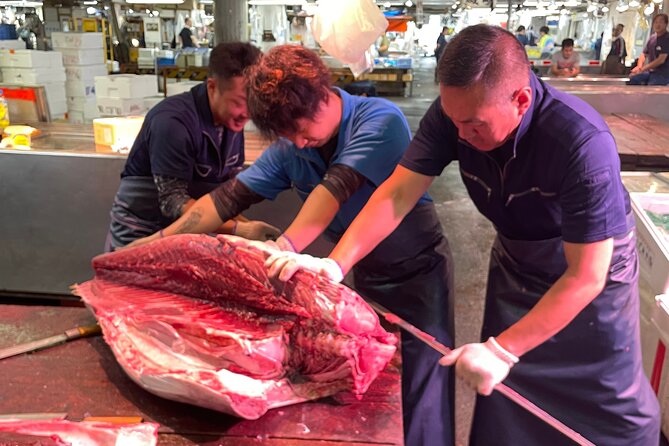
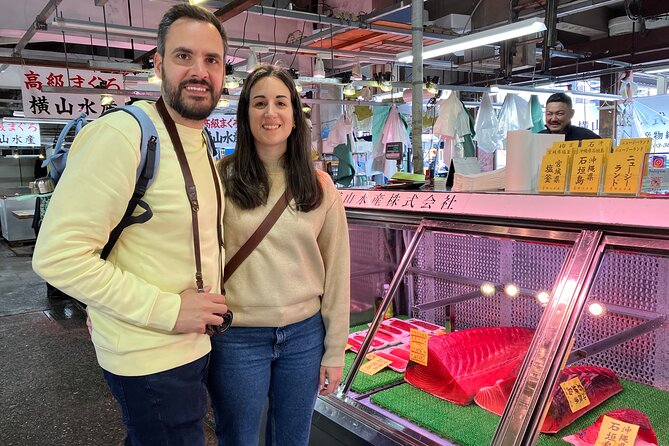
Adachi Fish Market (Adachi Shijo) is the kind of place you understand fast. It is built around seafood, and the whole experience is about what is fresh and what’s being sold right now. The payoff for you is simple: you get the fish-market vibe without trying to compete with the world’s most famous tourist lines.
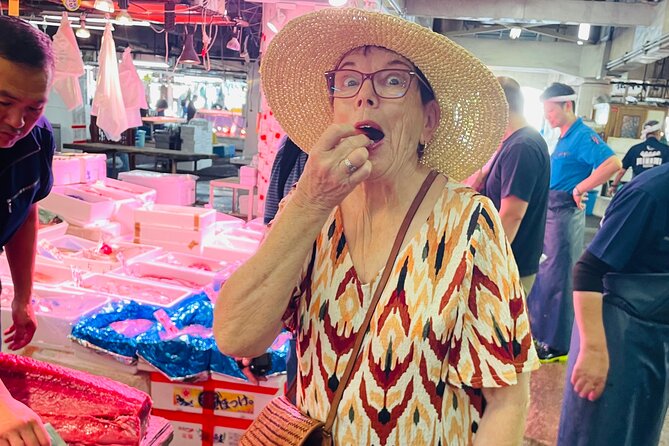
You’ll have about an hour here, with admission listed as free. That hour is plenty to walk stall to stall, look at the variety, and get a feel for how the market works day to day. If you love sashimi and sushi, this is the morning where you can connect the finished dish to the ingredients themselves.
Practical note: seafood markets come with sensory intensity. Plan to move at a steady pace, expect smells and noise, and keep your expectations focused on observation, not shopping for a week’s worth of dinner. If you are not into seafood at all, you can still enjoy the culture of the market, but the “wow” factor will be lower.
Also, one of the best things you can get from a guided market walk is context. Guides on this route are consistently described as friendly, approachable, and clear in how they explain what you are seeing, which makes the market feel less like chaos and more like information you can use.
The Senju Ohashi to Shibamata train ride that changes the whole mood
The day is built around a transition: you leave the market district rhythm and head toward Shibamata’s older, more leisurely pace. A one-way train fare from Senjuohashi station to Shibamata station is included, which is great value because it removes one more planning step for you.
This matters because the itinerary is not just a checklist. It is a flow from “food marketplace” to “temple and old-town shopping street.” When the transit is included, you can relax your brain and focus on what comes next: Shibamata’s river-area feel and the route toward Taishakuten.
The tour runs about 4 hours 30 minutes total, starting at 8:00 am. That early start helps you catch Shibamata before the day gets fully crowded, and it gives you a market window when things are at their most active.
Shibamata by foot: the Mr. Tora statue and the fun of small detours
When you arrive in Shibamata, the tour keeps it walk-friendly. Before you even reach the main temple area, you’ll pass the Statue of Futen No Tora. In Japanese popular culture, Shibamata is the fictional home of Mr. Tora from Otoko wa Tsuraiyo, and seeing the bronze statue outside the station is a quick cultural wink.
This stop is short, about 5 minutes, and that’s exactly the point. It gives you a story thread to hang onto while you wander. You do not need to know the movie series to enjoy it, but if you do, you’ll get a little extra payoff.
This kind of small detour is also where a good guide earns their keep. In the experiences people share from this tour, guides like Kaori, Mana, and Yumi are described as personable and good at making the details understandable, so even quick stops feel intentional rather than random.
- Mt Fuji and Hakone 1-Day Bus Tour Return by Bullet Train★ 5.0 · 26,383 reviews
- 1-Day Tokyo Bus Tour★ 5.0 · 14,250 reviews
- Tokyo: teamLab Planets TOKYO Digital Art Museum Entry Ticket★ 4.6 · 9,779 reviews
- Mt Fuji & Hakone Cruise, Drum Show Bullet Train 1 Day from Tokyo★ 4.0 · 7,413 reviews
- Tokyo Mt Fuji 5th St & Hakone Cruise Bus Tour w/Bullet Train★ 4.4 · 5,024 reviews
Taishakuten-Sando street: a 200-meter stroll you can actually enjoy
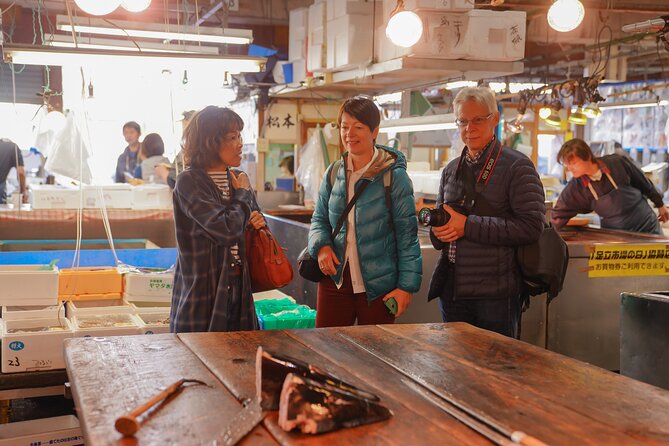
Next up is Taishakuten-Sando, the main street leading you from Shibamata Station to Shibamata Taishakuten. You get about 20 minutes here, roughly a 200-meter walk, which keeps the pace human. It is short enough that you will not feel rushed, but long enough to notice what’s there.
This is the area with the classic old-town shop mix: sweets shops and buckwheat noodle shops show up along the street. Food is not included on the tour, but if you want to grab something small, this is the natural moment to do it.
If you are the type who enjoys browsing without turning it into a shopping marathon, this stop will fit you well. If you are a “go fast, see everything” person, keep in mind that this tour is built for walking and absorbing details, not sprinting between sights.
Taishakuten Daikyoji Temple: Lotus Sutra carvings and an ikebana garden
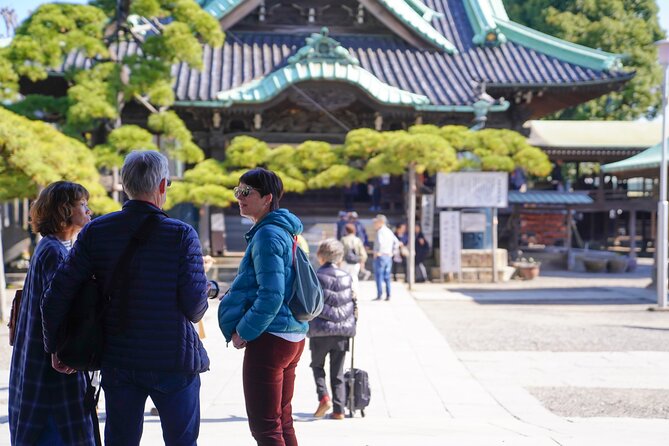
Taishakuten-Sando funnels you into the temple complex, and this is the core cultural stop. You’ll spend about 40 minutes at Shibamata Taishakuten (Taishakuten Daikyoji Temple). Entrance is listed as free, which is one of those details that quietly improves the value of the whole tour.
Here’s what makes it special for your camera, your eyes, and your brain:
- Wood-carved sculptures are arranged tightly around the main hall
- The carvings cover the Lotus Sutra story
- There’s also a garden of ikebana, the Japanese art of flower arranging
For many visitors, the most memorable part is seeing how intricate and precise the carvings are, because they are not just decoration. They tell a story through form and placement, and with a guide, it becomes easier to “read” what you are looking at.
Potential drawback: 40 minutes can feel short if you like to linger in temples. If that’s your style, treat this stop as the starting point. You’ll see the highlights with a guide, then you can choose later whether you want to return on your own for a slower pace.
Yamamototei (Nagayamon): when Japanese and Western meet at a shrine building
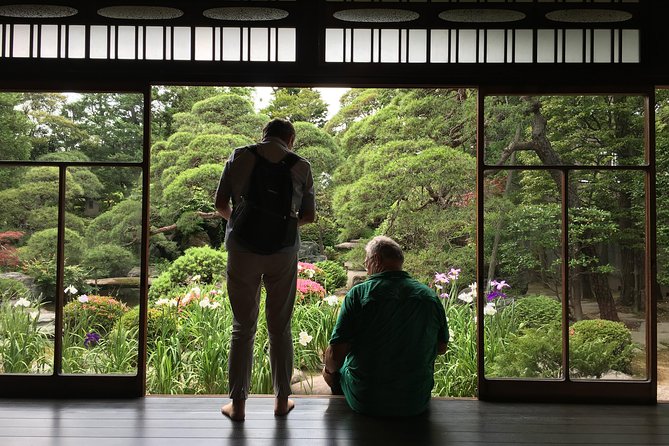
After the temple main area, you’ll visit Yamamototei, a two-story building that blends Japanese and Western architectural elements. This stop runs about 30 minutes, and it is listed as included in the tour.
The tour notes that the “Nagayamon” has especially unique Western touches. Even if you are not an architecture nerd, you can still enjoy this because it breaks the expected pattern. In Tokyo, you often see modern everywhere, and you might forget that historical sites sometimes carry cross-cultural design traces too.
This stop is also a good “brain reset.” After reading the story carvings, you get to look at shapes, structure, and layout. It adds variety so the whole walk does not feel like one long temple lecture.
The small-group format (max 8) and what it means for your experience
The tour is capped at eight people, with a minimum of two per booking. For you, that’s a big deal. It usually means a calmer pace, fewer waiting gaps, and more chance to ask questions without feeling like a background extra.
When people talk about their guide experience on this route, a few themes come up over and over: guides are friendly and engaging, they explain clearly, and they are attentive to the group. Names that appear in shared experiences include Kaori, Mutsuko, Meg, Masayo-san, Yumi, Mana, Yoshimi, Fumiko, and Rie. While you can’t pick your guide, it’s a useful signal that the people leading this walk are trained to communicate and to keep things moving smoothly.
Also, the tour includes one-way rail fare and professional guidance. That is part of why the time works. You are not spending your energy figuring out transfers and entrance logistics.
Price and value: what $91.96 really covers
At $91.96 per person, this is not a budget “just ride the train” option. The value comes from bundling three things that normally add up:
- Professional guided walking time (about 4 hours 30 minutes)
- Entrance fees for the sites on the route
- One-way train fare from Senjuohashi station to Shibamata station
You also get practical extras like a mobile ticket and instant confirmation. The tour is typically booked about 64 days in advance on average, which suggests it is popular enough that you should plan ahead if your dates are fixed.
What is not included matters too. Food and drinks are not part of the price, so you will want to budget for snacks during Taishakuten-Sando or anything you pick up near the market. Hotel pickup and drop-off are also not included, and private transport options like taxi or private car are only available for an extra fee.
So the honest way to judge the price is this: if you want guided access to a less-touristed seafood market plus temple highlights, with transit and entry covered, it’s a fair deal. If you prefer to explore solo and you already know how to handle train transfers and site entrances, you might spend less on your own. But you would trade away the guidance that turns a market walk and temple visit into something you actually understand.
Who this tour fits best in Tokyo, and who might want a different plan
I think this tour is a strong match if you:
- Want a break from the most crowded Tokyo highlights
- Like food culture, especially seafood markets
- Enjoy temple details, sculptures, and garden moments
- Prefer a smaller group pace over herding lines
It’s also a nice fit for people who like stories. Passing the Mr. Tora statue and learning what makes Shibamata a cultural reference point adds texture to the walk.
Where it might not fit:
- If you want a full day, this is only about 4.5 hours
- If you hate walking, you should consider whether you’re comfortable with market walking plus the street-to-temple stroll
- If you’re hoping for included meals, you’ll need to plan your own food
Because food is not included, I suggest you eat before you start or be ready to buy small snacks. The market hour can sharpen your appetite fast.
Should you book this Adachi Fish Market and Shibamata tour?
Yes, if your goal is to see Tokyo like a local day out. You get a focused seafood market morning in Adachi, then you shift into Shibamata’s old-street and temple world, with entrance fees and the train ride handled for you.
I would book it especially if you like the idea of a small group capped at eight and you care about explanations that make the sights easier to understand. It’s also a great “Tokyo variety” day when you’ve already planned the big-ticket neighborhoods and you want something quieter but still meaningful.
If you’re the type who needs food included or you want hours of free time sitting and wandering without structure, you might prefer a self-guided plan. But for most people who want a smart half-day with real context, this one makes a lot of sense.
FAQ
How long is the Adachi Market and Shibamata tour?
The tour lasts about 4 hours 30 minutes.
What places do you visit during the tour?
You visit Adachi Fish Market, Shibamata (including a walk around the area), the Statue of Futen No Tora, Taishakuten-Sando, Taishakuten (Taishakuten Daikyoji Temple), and Yamamototei.
What is the maximum group size?
The tour is limited to a maximum of 8 travelers.
Where is the meeting point and what time does it start?
The meeting point is Senjuhashidocho, Adachi City, Tokyo 120-0038 at Senjuhashidocho Station, and the start time is 8:00 am.
Where does the tour end?
The tour ends at Shibamata Station (4 Chome-8 Shibamata, Katsushika City, Tokyo 125-0052).
Is the train fare included?
Yes. The one-way train fare from Senjuohashi station to Shibamata station is included.
Are entrance fees included?
Yes. Entrance fees are included for the sites on the tour.
Is food included?
No. Food and drinks are not included.
What should I do about transportation to the meeting point?
Hotel pickup and drop-off are not included. You will need to get to the meeting point on your own, and private transportation like taxi or private car is available for an extra fee.
What is the cancellation policy?
You can cancel for a full refund if you cancel at least 24 hours before the experience’s start time. If you cancel less than 24 hours before, the amount paid is not refunded.
Newest Tokyo write-ups from the Loving Japan desk






Half-Day, side by side.
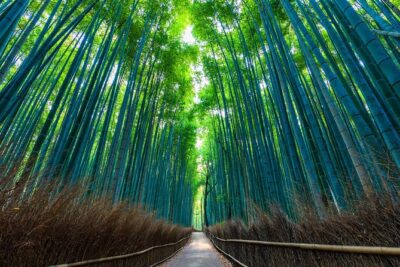 ★ 5.0Kyoto Arashiyama Bamboo forest & Garden Half-Day Walking TourFrom $129413 reviews
 ★ 5.0Miyajima Half-day Trip Historical Walking TourFrom $109284 reviews
 ★ 4.0Half-day Tokyo Afternoon Tour by Hato BusFrom $41269 reviews
 ★ 4.4Naha, Okinawa: Kerama Islands Half-Day Whale Watching TourFrom $37241 reviews
 ★ 4.6A Half-Day Trip Bus Tour in the MorningFrom $40236 reviews
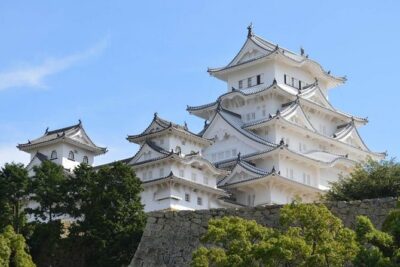 ★ 5.0Himeji Half-Day Private Tour with Government-Licensed GuideFrom $109236 reviews
 ★ 4.0Half-day Tokyo Morning Tour by Hato BusFrom $41220 reviews
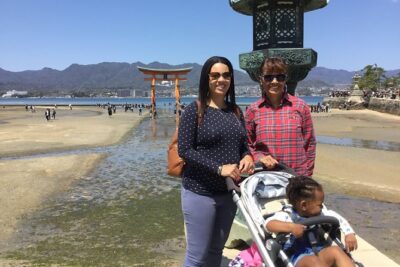 ★ 5.0Miyajima Half-day Private Tour with Government Licensed GuideFrom $122184 reviews
Filed on these lists too