
REVIEW · NAGOYA AND CENTRAL JAPAN
Ise Jingu(Ise Grand Shrine) Full-Day Private Tour with Government-Licensed Guide
Shrines here matter in every step. This private day in Mie turns Ise Jingu into a clear, manageable route with a licensed English guide and the chance to shape which stops fit you best.
I especially like how the day is built for meaning, not just photos, with Amaterasu Omikami at the center, and how you get practical explanations for what you’re seeing. The one real consideration is that this is a walking day on foot and public transport, and the shrine grounds involve long distances.
You also get a “human” touch in how the guides lead. Guides like Yuka have been praised for showing up early at the hotel lobby and calmly walking through the plan so you feel oriented fast. Another guide, Mr. Yoshinari Nishio, has been noted for tailoring a smooth day for family members and starting with views along Yokoyama Bay before heading into the shrine area. Still, because your tour is private and on foot, you’ll want to match the pace to your group’s mobility.
In This Review
- Key Highlights You’ll Care About
- Ise Jingu’s Main Event: Why Naiku and Geku Are the Point
- Private, Government-Licensed English Guide, Plus Real Customization
- The 6-Hour Reality Check: Walking, Timing, and Comfort
- Naiku Shrine: The Quiet Power of Purification and Place
- Geku Shrine: Completing the Ise Pair and Understanding the Ritual Logic
- Okage Yokocho: Edo-Meiji Street Atmosphere for Snacks and Stroll Time
- Meoto Iwa and the Futami Area: Sacred Rocks, Ocean Views
- Hinjitsukan and Futami Okitama Shrine: Meiji-Era Elegance Meets Sea Blessings
- Price and Value: What You’re Actually Paying For
- Who This Tour Fits Best, and Who Might Need a Different Plan
- Should You Book This Ise Jingu Private Tour?
- FAQ
- Is this tour private?
- How long is the experience?
- Is pickup included?
- Is the guide English-speaking?
- Are entrance tickets included?
- Is lunch included?
- What does transportation look like?
- How many sites will we see?
- What is the cancellation policy?
- Is it friendly for service animals?
Key Highlights You’ll Care About
- Licensed English guidance that helps you understand what you’re seeing at Naiku and Geku
- A flexible “3 to 4 sites” format, so you can spend time where your interests are strongest
- Naiku’s purification and nature setting, including the Isuzugawa River area along the grounds
- Okage Yokocho’s Edo-Meiji town feel, a short alley stop built in 1993 with shops and food
- Meoto Iwa by the sea, where the sacred “wedded rocks” view is a big visual payoff
- A real private experience, only your group, with meet-up on foot within a designated area
Central Japan, beyond the obvious stop
Ise Jingu’s Main Event: Why Naiku and Geku Are the Point
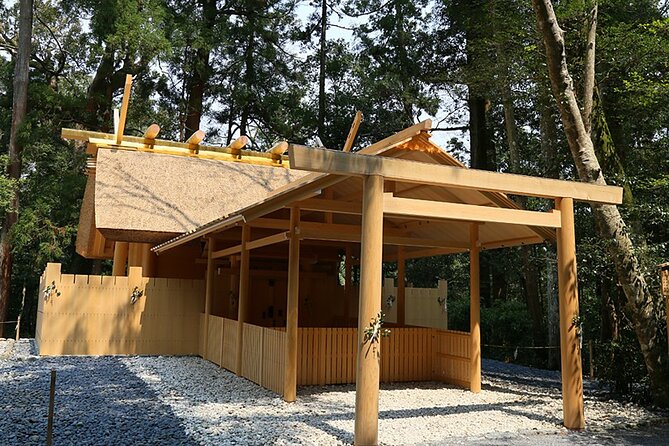
Ise Jingu is not one shrine you quickly pass. It’s a spiritual system, and the experience makes more sense when you see the two main parts as a pair. At the heart of it all is Amaterasu Omikami, the sun goddess, enshrined at Naiku. That focus matters because it shapes the rituals, the pacing, and even how people move through the space.
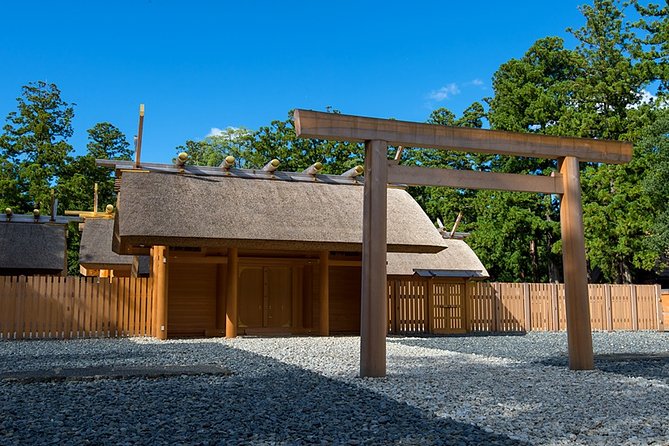
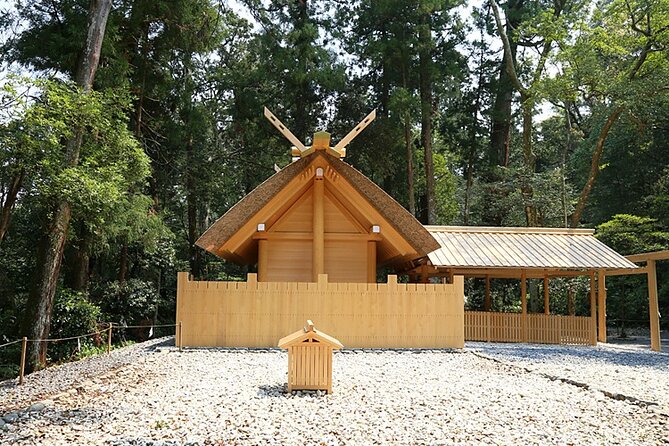
Naiku and Geku are the two major shrines of Ise Shrines, officially tied together in how visitors are guided through the sacred grounds. The tour keeps this simple: you go to both, and you don’t just look around. You get a guided read on the history, the meaning of the sites, and the basic rhythm of shrine etiquette so you can feel confident walking through.
Private, Government-Licensed English Guide, Plus Real Customization
One of the biggest value points here is the guide level. You’re not rolling the dice with a random translation app. You get a government-licensed local English-speaking guide, and the day is designed to be efficient while still feeling personal.
You can also choose your priorities. The structure is a customizable route built around selecting 3 to 4 sites from the available stops. That lets you build a day around your group. Want more shrine time and less street time? You can do that. Want to add the seaside rocks and a historic guesthouse stop? That’s also part of the option set.
Because it’s private, the guide can adjust how long you linger at each place based on your pace and questions. In the best-led versions of this tour, the guide makes the day feel “low stress.” Yuka, for example, was praised for arriving early at the hotel lobby and explaining the plan clearly right away, including giving you that classic route feeling so you know what’s next.
The 6-Hour Reality Check: Walking, Timing, and Comfort
This is a full day that runs about 6 hours (approx.), but the time isn’t the tricky part. The tricky part is your feet.
The tour is on foot with public transport, and Ise Jingu itself requires walking long distances around the grounds. Even if you’re otherwise fit, shrine areas can mean repeated walking, waiting, and moving at a steady rhythm. You’ll enjoy the day more if you plan like it’s sightseeing plus walking, not sightseeing standing still.
Practical tip: wear shoes you trust for long distances. If your group has older visitors or anyone with mobility limits, you’ll want to be honest with the guide about your pace during the day so you don’t feel rushed.
Naiku Shrine: The Quiet Power of Purification and Place
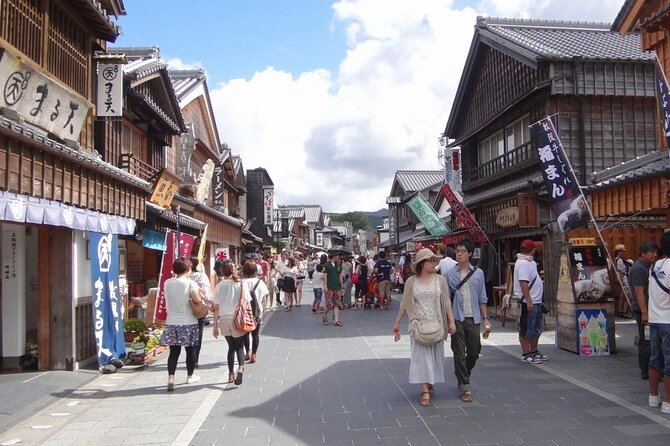
Naiku is the main focus because it’s where Amaterasu Omikami is enshrined. The tour keeps you here for about one hour, but that hour is not wasted. It’s designed for learning what the grounds are really doing, not just looking at buildings.
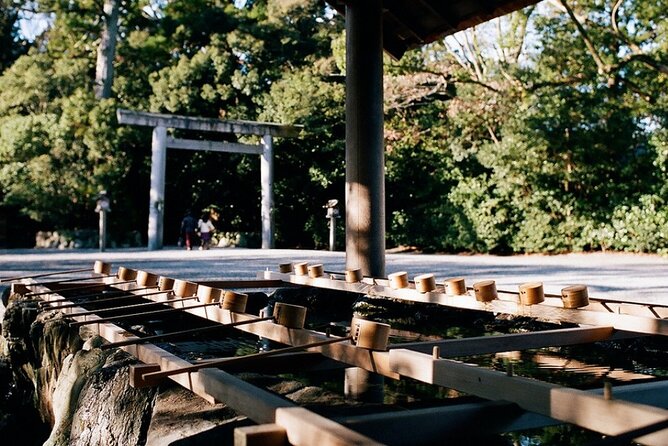
Naiku is more than a single worship hall. It has a strong sense of nature and purification, and the Isuzugawa River runs along the shrine grounds. That river setting is widely visited by pilgrims and tourists, and it’s one reason the area feels different from city shrines where everything is tightly packed.
If you like spiritual sites that feel tied to landscape and routine, Naiku will be your anchor stop. The guide’s job is to help you understand what you’re seeing while you walk through the area at the pace the sacred site calls for.
Geku Shrine: Completing the Ise Pair and Understanding the Ritual Logic
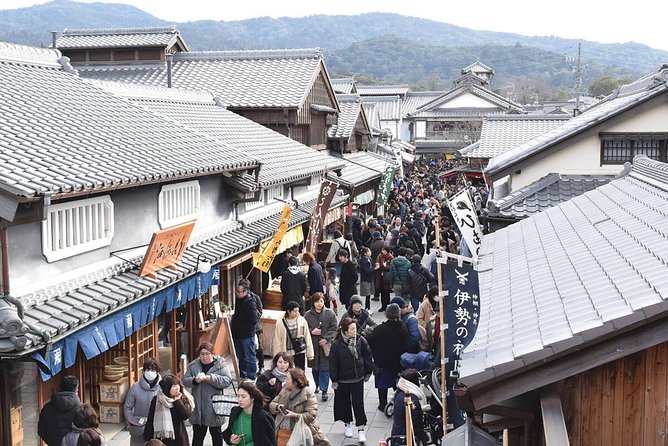
After Naiku, you head to Ise Shrine Geku. Like Naiku, Geku is strongly tied to the worship tradition centered around Amaterasu, and visiting both helps you understand why Ise is treated as a set, not a one-off.
You get about one hour here as well. The key value is that you’re not just arriving, snapping a few pictures, and leaving. Your guide explains the history and the rituals so you can connect what you see to the bigger purpose of the shrine complex.
This is also where a licensed English guide really earns their keep. Shrine etiquette and ritual wording can be confusing if you don’t have context. When your guide can explain the “why” in plain language, the whole experience gets calmer and more meaningful.
Okage Yokocho: Edo-Meiji Street Atmosphere for Snacks and Stroll Time
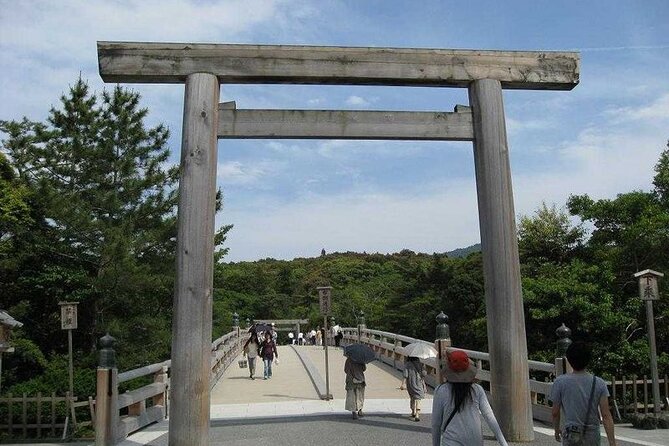
Not every part of the day is solemn. Okage Yokocho adds the softer, everyday side of the Ise experience.
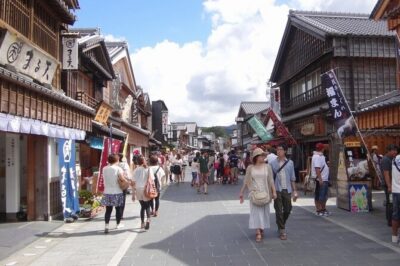
This alleyway or street was built in 1993 in front of the Naiku gate area. The point is to recreate a townscape feel that references the Edo to Meiji periods. You’ll see lots of shops and typical food-and-snack browsing, making it a good place to reset after shrine walking.
The practical value of this stop is simple: it breaks up the day so the shrine time doesn’t blend together. If you want a short, flavorful break without needing to plan extra transportation, Okage Yokocho fits well.
Meoto Iwa and the Futami Area: Sacred Rocks, Ocean Views
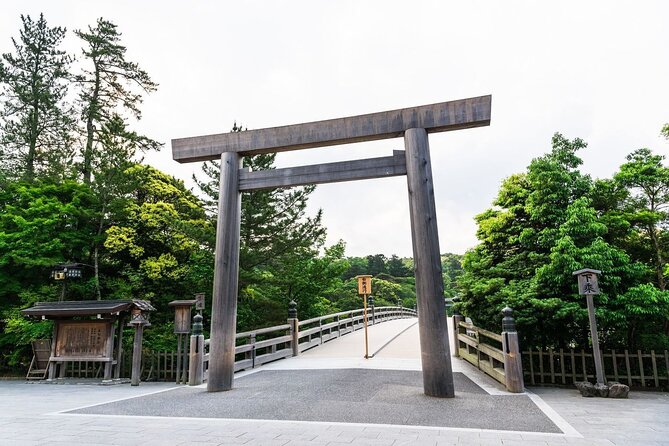
When the tour turns toward Futami, you get the most visually dramatic shift. Don’t skip this if you like coastal viewpoints.
The stop highlights Meoto Iwa, the wedded rocks. You’re looking at two sacred rocks by the ocean. The larger rock is described as creating a symbolic torii gate to the sacred Okino-shiraishi rock in the sea. Even if you don’t catch every detail, the shape and positioning make the symbolism easy to grasp.
You also spend about one hour at this area, and it pairs well with photos that feel more “Ise” than generic travel shots. If your day tends to be all temples and quiet courtyards, this is the moment where the ocean air and the view bring variety.
Hinjitsukan and Futami Okitama Shrine: Meiji-Era Elegance Meets Sea Blessings
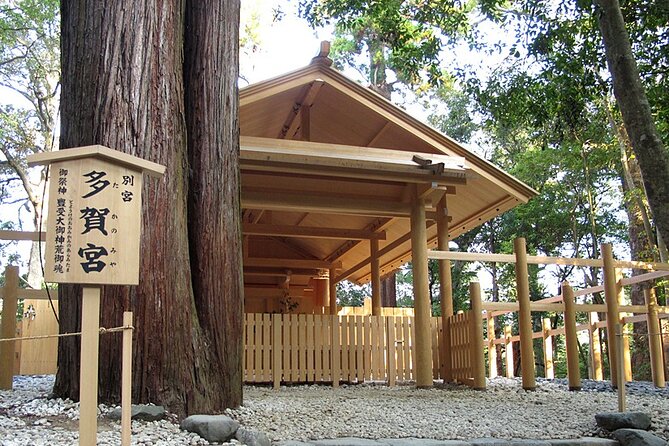
From the seaside view, the tour can include Hinjitsukan, described as a historic guesthouse that once hosted imperial family members and distinguished guests. That Meiji-era elegance shows up in the preserved setting, including tatami room elements you can explore.
Then you may continue to Futami Okitama Shrine, which is famous for Meoto Iwa and the symbolic torii connection to the sea rock. The text notes blessings connected to a topic that begins with ma, and it’s reasonable to expect this shrine is associated with positive life outcomes tied to relationships. If that’s what you came for, this stop gives you a focused spiritual add-on beyond just scenic sightseeing.
This section of the day is where the tour feels most “complete.” You get the historical setting, then the sacred coastal worship, all within the same general region.
Price and Value: What You’re Actually Paying For
The price is $153.50 per person for a full-day private tour, about 6 hours. That sounds like a lot until you match it to what’s included and what’s not.
What you’re paying for:
- A licensed local English-speaking guide
- A private, flexible route (choose 3 to 4 sites)
- An efficient way to cover several key locations without having to coordinate everything yourself
What you’re not paying for:
- Transportation fees
- Entrance fees
- Lunch
- Any personal expenses
- Private transportation (this is on foot and public transport)
So the value is strongest when you want the guide’s explanations and you want to avoid planning friction. If you were already comfortable building the route on your own and reading everything with apps, you might not need a private guide. But if you want the day to run smoothly, and you want help interpreting shrine spaces, this price can feel fair.
Who This Tour Fits Best, and Who Might Need a Different Plan
This tour fits best if you want:
- A structured introduction to Naiku and Geku
- English explanations you can rely on
- A day that includes both shrine time and lighter stops like Okage Yokocho
- A private format, so your group does not get stuck waiting on strangers
It might be tough if your group has limited mobility. The tour is on foot, pickup is on foot within a designated area, and the shrine grounds involve long walks. If you’re traveling with seniors or anyone who needs frequent rest, tell the guide upfront and plan comfortable shoes and breaks.
Also, because this is private and customizable, it’s a good fit for families. The experience was praised for handling family groups with care, including planning for parents and tailoring the day to their needs.
Should You Book This Ise Jingu Private Tour?
Book it if you want a guided, low-stress way to see Ise Jingu’s core sites plus the best complementary stops in the area. The combination of licensed English guidance and a flexible 3 to 4 site plan is a strong match for people who want meaning, not just movement.
Skip or reconsider if your group dislikes walking, because this day is built around it. If you do book, pack for comfort and expect to spend your energy on the ground, not just in the air.
One more thing: it’s commonly booked well ahead, with an average booking time of 102 days. If your travel dates are fixed and you want the private guide slot, plan early.
FAQ
Is this tour private?
Yes. It’s a private tour/activity, so only your group participates.
How long is the experience?
It runs about 6 hours (approx.).
Is pickup included?
Pickup is offered, but the tour meet-up is on foot within a designated area of Ise.
Is the guide English-speaking?
Yes. The tour includes a licensed local English-speaking guide.
Are entrance tickets included?
No. Entrance fees are not included, and the tour notes that admission tickets are not included.
Is lunch included?
No. Lunch is not included.
What does transportation look like?
You’ll travel on foot and with public transport, and transportation fees are not included.
How many sites will we see?
The tour is customizable, and you choose 3 to 4 sites from the available options.
What is the cancellation policy?
You can cancel for a full refund if you cancel up to 24 hours in advance of the experience start time. Changes within 24 hours are not accepted.
Is it friendly for service animals?
Yes. Service animals are allowed.
Licensed Guides on the Same Ground
Central Japan Beyond the Obvious
Newest Mie Prefecture write-ups from the Loving Japan desk
Nagoya and Central Japan, side by side.
 ★ 5.0Ultimate Sumo Tournament: Tokyo, Osaka, Nagoya, FukuokaFrom $184468 reviews
 ★ 4.4From Nagoya: Gujo, Hida Takayama, and Shirakawa-go Day TourFrom $61398 reviews
 ★ 4.5Ghibli Park 1-Day Bus Tour from NagoyaFrom $179277 reviews
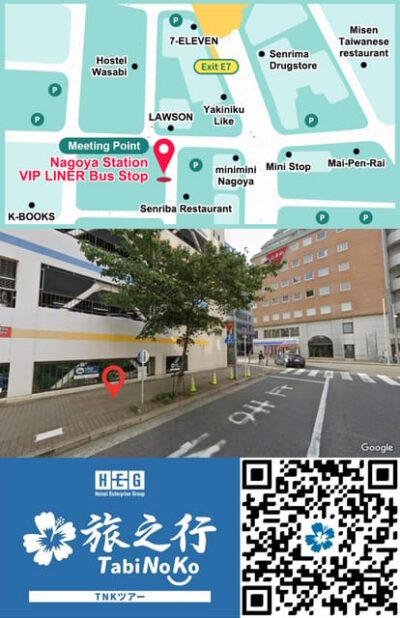 ★ 4.5From Nagoya: Hida Takayama & Shirakawa-go Tour w/Opt. LunchFrom $61256 reviews
 ★ 5.0Hiking the Historic Nakasendo Trail [1 Day Tour from Nagoya]From $210104 reviews
 ★ 5.0Nagoya Highlight Tour guided by a friendly localFrom $11286 reviews
 ★ 4.9Japanese Traditional Sweets making and Tea CeremonyFrom $1876 reviews
 ★ 4.6Magome-juku, Tsumago-juku & Ena-kyo 1d Bus Tour from NagoyaFrom $6175 reviews
Filed on these lists too