
REVIEW · NAGOYA AND CENTRAL JAPAN
Ise Jingu(Ise Grand Shrine) Half-Day Private Tour with Government-Licensed Guide
Shrines with a sun-goddess story. This half-day private tour makes Ise Jingu easier to enjoy, because a government-licensed guide helps you read the rituals, layout, and meaning behind the sites. Two things I really like are the personal pace you get with a private group and the way the guide turns the grounds into something you can actually understand, not just photograph.
I also like that the plan is flexible enough to fit your priorities. You can customize which 2-3 spots you focus on, and the route can include the two main shrine areas, the nearby river for purification, and the famous streets that reflect older town life. One possible drawback to keep in mind: entrance fees and transportation are not included, and pickup is handled on foot or via public transport, so you will want to plan how you move between the Naiku and Geku areas.
You’ll start at the shrine grounds with a guide who can explain what you are seeing, how visiting works, and how worship is performed in Shinto. That matters at Ise, because the details are part of the experience, from the pathways to the way people pause and pray.
In This Review
- Key highlights you should care about
- Why a private, licensed guide makes Ise feel simpler
- Naiku and Amaterasu: the first stop that sets the tone
- Geku next: why the second shrine area completes the story
- Isuzugawa River: purification, nature, and quiet context
- Okage Yokocho: the Edo to Meiji feeling in a modern alley
- Meoto Iwa near Futami: the wedded rocks at the coast
- Timing, buses, and the real-world logistics of a half day
- Choosing 2-3 sites: how to customize without overstuffing
- Guide style you can feel: explanation plus respect
- Price and value for money at $108.38 per person
- Who this tour suits best (and who might skip it)
- Should you book this Ise Jingu half-day private tour?
- FAQ
- What is the duration of the Ise Jingu half-day private tour?
- Does the tour include entrance fees to the shrines?
- Are private transportation or taxis included?
- How does pickup work for this tour?
- Is this tour private or shared with other groups?
- Can I choose which stops to include?
- Is there a mobile ticket?
- What is the cancellation policy?
Key highlights you should care about
- Government-licensed English-speaking guidance that turns architecture and customs into clear, practical context
- Naiku (Amaterasu Omikami) and Geku paired in one half-day plan so you do not miss the core worship areas
- Isuzugawa River time for purification culture, not just a quick photo stop
- Okage Yokocho street built in 1993, modeled on an older Edo to Meiji town vibe
- Meoto Iwa near Futami for the wedded rocks story, with a scenic break from shrine pacing
- Smart timing tips from guides, including advice about using a taxi when days get crowded
Central Japan, beyond the obvious stop
Why a private, licensed guide makes Ise feel simpler
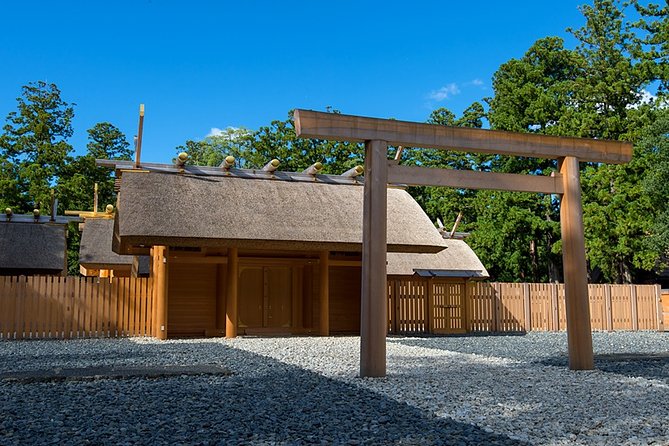
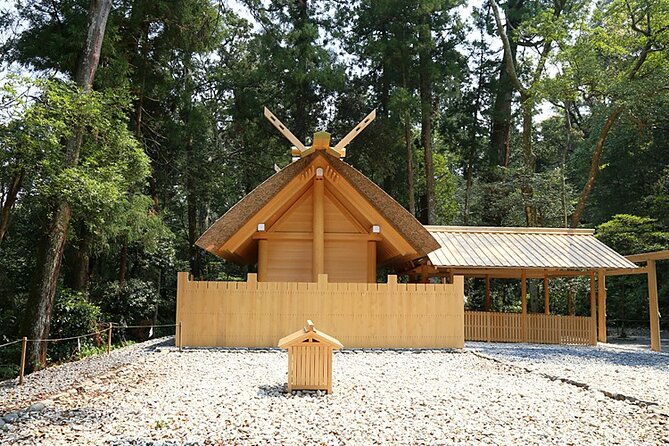
Ise Jingu is special, but it can also be confusing if you just arrive with a camera and a list of names. The shrines are impressive, yet what makes them memorable is the ritual logic and the order of approach. This tour is designed to help you make sense of that without slowing you down.
The private format is the big advantage. Your guide can adjust the pace for your group, pause where you want questions answered, and keep you moving efficiently. You also get the benefit of a licensed, local English-speaking guide, which matters in Japan when signage, etiquette, and sacred rules are part of the story.
There is also a practical value side. The tour runs about 4 hours, which is short enough that you cannot afford to waste time guessing where to go next or how long each spot takes. A guide helps you avoid that scramble.
Naiku and Amaterasu: the first stop that sets the tone
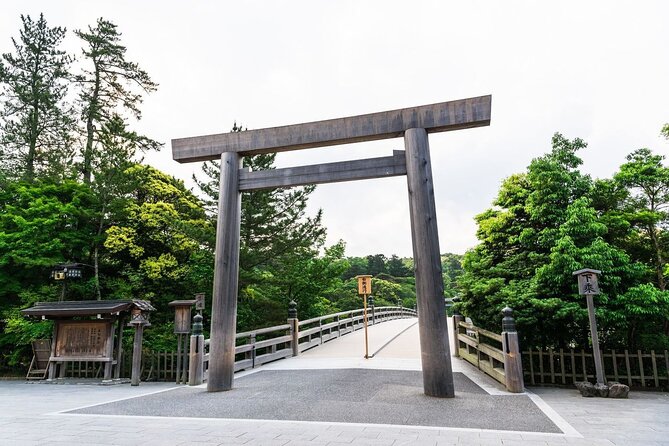
Naiku is the part of Ise Jingu centered on Amaterasu Omikami, the sun goddess. This is where many visitors feel the biggest shift from sightseeing to paying real respect. With a guide, you are not just walking through a beautiful complex, you are learning what the space is trying to communicate.
In the Naiku visit, you typically get about an hour at the shrine area. That hour can feel short if you are wandering on your own, but with guidance you will likely spend that time where it matters most. Your guide can also point out the kinds of details people watch for when they pray and move through the sacred grounds.
One useful thing to listen for is the etiquette and the rhythm of worship. A guide can explain what to do and what to expect around prayer behavior, so you feel comfortable participating respectfully instead of standing there unsure.
Geku next: why the second shrine area completes the story
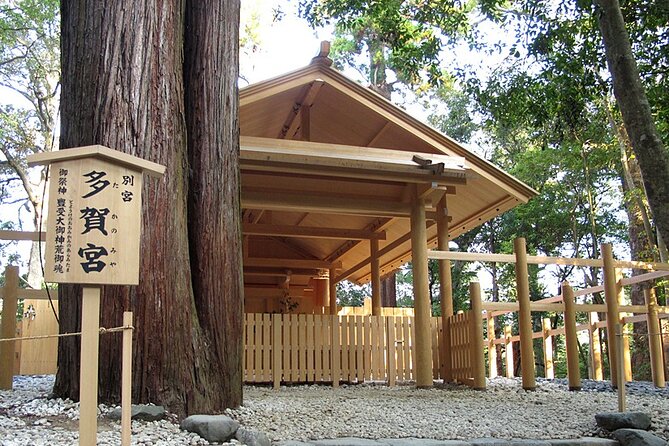
After Naiku, Geku adds the complementary side of Ise Jingu. The tour usually includes another hour at this major shrine area, and the timing is planned so you are not stuck too long in one place and rushing through the other.
What I like about having both is that Ise starts to make more sense as a system rather than a single monument. You are seeing two major shrine zones connected by belief and tradition, with differences in focus that feel meaningful once someone explains them.
Guides are also good at linking the structures and worship style to the broader idea of Shinto practice. That is where a private guide earns its keep, because you can ask, for example, why certain spaces feel more sacred than others, or how people understand the gods in everyday terms.
If you are tight on time, the pairing of Naiku and Geku is the best foundation for a half-day. It gives you the core and then leaves room for one extra stop depending on your interests.
Isuzugawa River: purification, nature, and quiet context
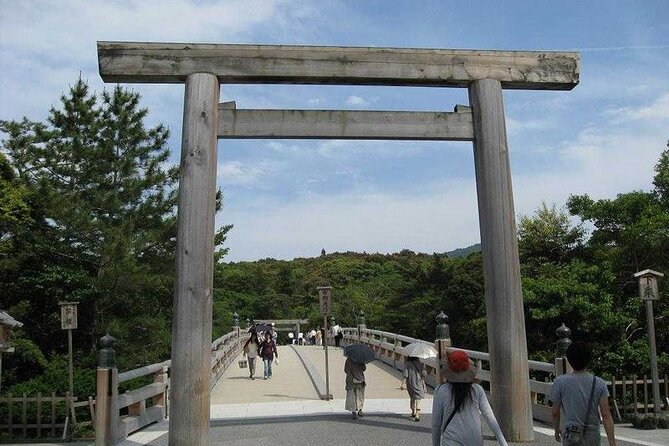
One stop that often gets overlooked when people plan Ise is Isuzugawa. The Isuzugawa River runs along the grounds of Naiku, and it is widely visited in connection with purification practices. This is not just a scenic walk. It is tied to the idea that approaching sacred space involves clearing away the wrong kind of mental and physical state.
In the tour flow, this segment is typically free admission, and it can be a good reset between the heavier shrine moments and the shopping streets later. If you want a more reflective pace, this part can add balance to the whole visit.
Because this is part of a larger sacred area experience, you will likely get more out of it if you understand why people pause along the river. A guide’s commentary helps here, since the connection between nature and Shinto practice is not always obvious from guidebooks alone.
Okage Yokocho: the Edo to Meiji feeling in a modern alley
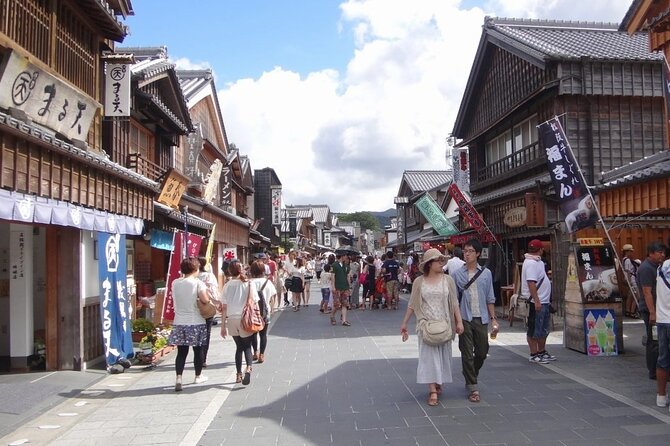
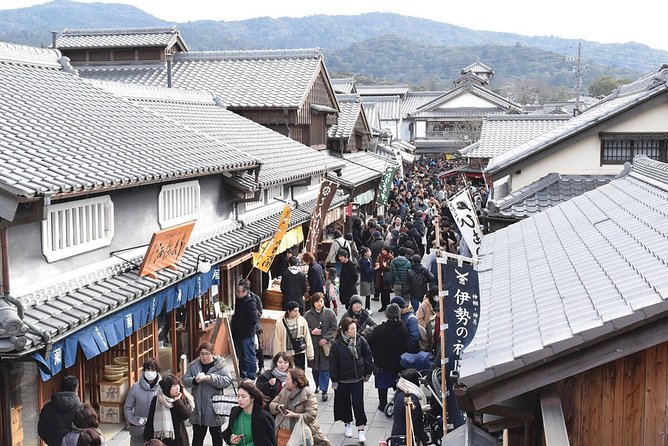
After the shrine time, the tour may shift into the world of Okage Yokocho, a street area built in 1993 in front of the Naiku gate. The concept is to recreate a townscape feel from the Edo to Meiji periods, and it can be a pleasant contrast after the quiet formality of the sacred grounds.
This is typically another hour on the plan, and it is the kind of stop that works well if you want snacks, small souvenirs, and a walk that feels like you are seeing Ise as a lived-in place, not only a religious site.
One practical note: this is not the place to expect silence or a solemn mood. It is lively in a different way. If you want a slower stroll, aim to arrive when you can still hear yourself think and move at a comfortable pace.
If you have dietary restrictions or you hate making choices under pressure, you might find it helpful to browse first and commit later. The shops are the main attraction here, and a guide can help you figure out what is worth your money.
Meoto Iwa near Futami: the wedded rocks at the coast
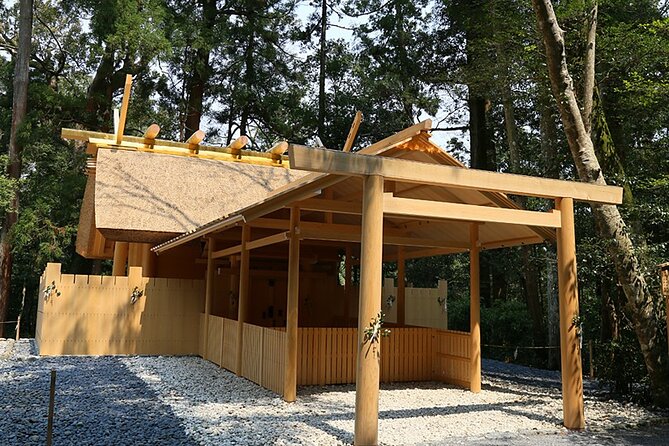
Meoto Iwa, the wedded rocks, is one of Ise’s most recognizable images. The tour often includes a stop near Futami, with a view of the two sacred rocks in the ocean. This is where the experience shifts from shrine architecture to a more open-air kind of wonder.
The story is easy to remember, which helps when you are moving quickly. The guide can connect the rocks to the theme of union, and you will get a clearer sense of why people treat this ocean view like a sacred destination rather than a casual photo stop.
Expect about an hour for this segment if it is included in your chosen plan. Even then, timing matters because you may be combining different areas of Ise on a tight half-day schedule.
There is also a nearby shopping street area called Meoto Yokocho that can pair well with the coastal stop. If you want a break from shrine pacing and you still want to see something characterful, this is a strong pick.
Timing, buses, and the real-world logistics of a half day
A half-day private tour sounds simple until you are moving between two main shrine areas. Naiku and Geku are not right next door. On busy days, travel time and crowd flow become part of the experience.
One helpful tip that comes up often is planning transport early. A guide, Tetsuya Tanahashi, is noted for suggesting hiring a taxi in advance if you want to fit Geku, Naiku, and Meoto Iwa into 4 hours. That advice is smart because Sundays can get crowded, and the difference between a smooth schedule and a stressful one is often those minutes in transit.
Pickup is offered, but the meet-up for the tour is on foot within a designated area and uses public transport. That means you should expect to do some walking to get started and possibly to move between segments. If you are traveling with limited mobility or you prefer minimal walking, you might want to confirm which meeting point fits your hotel location and how much walking you will handle comfortably.
If you do not want to deal with transport decisions at all, this is where the private format helps. You can ask your guide what makes the most sense for your exact day and selected stops.
Choosing 2-3 sites: how to customize without overstuffing
The tour is designed for customizable selection of 2-3 sites from the available options. That flexibility is valuable because Ise has a lot of good stuff, and half a day is not long enough to do everything well.
Here is how I’d choose based on your style:
If you want the core spiritual experience, pick Naiku and Geku, then add either Isuzugawa for a calmer nature and purification moment or Okage Yokocho if you want a town-street break.
If you want the most iconic scenery, pick Naiku and Meoto Iwa, then add Geku if time allows. Meoto Iwa is easier to enjoy when you have space to stand and look, not when you are rushing.
If you like culture and atmosphere, pick Naiku plus Okage Yokocho, and consider adding Isuzugawa so you have both sacred and human-scale sides of Ise.
The danger with customization is overstuffing. Because you can choose, it becomes tempting to add every stop. A good guide helps you pick what fits your time, and the tour’s strong point is that it stays practical even when you are excited.
Guide style you can feel: explanation plus respect
What repeatedly stands out is that guides put effort into explanation, not just attendance. Different guides are named in example feedback, including Tetsuya, Tetsuya Tanahashi, Yoshi, and Nishio. Each brought a slightly different style, but the common thread is clear: you leave with a better understanding of what you just did.
For example, one guide experience includes discussion of how people pray, who works at the shrines, and even how certain pathways are used. You may learn that at the largest shrine areas there is a route reserved for the Emperor of Japan. That kind of detail is the difference between seeing a place and grasping why it is treated with such care.
Yoshi, described as friendly and prepared, also focused on Shinto practice and what visiting means. That is the kind of guide you want in Ise, because Shinto is not a single museum story. It is daily life and ritual behavior.
Price and value for money at $108.38 per person
At $108.38 per person for about 4 hours, you are paying for three things: a private guide, local licensed interpretation, and a focused route. That can be good value, especially if your group is small enough that an extra taxi or two would otherwise eat your budget.
The price is not the whole story because entrance fees are not included. Lunch is not included either. Transportation fees are also not included, and private transportation is not provided. So you should think of the ticket as paying for the guide and the itinerary, not for museum entry.
Where the value usually lands in practice is efficiency and understanding. If you would otherwise spend time figuring out what matters, asking vague questions, or getting lost between Naiku and Geku, the guide can save time and lower stress. And stress is the hidden cost of short half-day plans.
If you are a solo traveler, you might compare this to joining a standard group tour. With private tours, the cost is higher, but the time usage tends to be tighter and more tailored.
Who this tour suits best (and who might skip it)
This tour fits best if you:
- want a private, no-rush visit with Shinto context
- enjoy learning how places work, not only taking photos
- have limited time and want Naiku and Geku plus one meaningful extra stop
- would benefit from advice about how to move efficiently on busy days
You might consider skipping it if you:
- prefer fully independent travel with no structured route
- plan to spend most of your day lingering for shopping alone
- have plenty of time to handle directions and etiquette on your own
- are comfortable paying for entrance fees and figuring out logistics without help
Should you book this Ise Jingu half-day private tour?
If your goal is to see Ise Jingu properly without turning your day into a puzzle, this is an easy yes. The private, licensed guide angle is the key: it helps you understand what you are doing at Naiku and Geku, and it gives your extra time at Isuzugawa, Okage Yokocho, and Meoto Iwa a purpose beyond photos.
Book it especially if you are visiting on a busier day or you only have a short window. One good guide tip can save your schedule, and with a half-day plan that is everything.
If you do book, plan for entrance fees, plan for your transport costs, and decide in advance which 2-3 stops you truly care about. That way the tour stays calm, respectful, and actually worth the money.
FAQ
What is the duration of the Ise Jingu half-day private tour?
The tour runs for about 4 hours.
Does the tour include entrance fees to the shrines?
No. Admission tickets are not included, based on the tour details for stops like Naiku and Geku. Isuzugawa is listed as free.
Are private transportation or taxis included?
No. Transportation fees are not included, and private transportation is not provided.
How does pickup work for this tour?
Pickup is offered, but the meet-up for the tour is on foot/public transport within a designated area of Ise.
Is this tour private or shared with other groups?
This is a private tour. Only your group participates.
Can I choose which stops to include?
Yes. The tour is described as customizable, letting you choose 2-3 sites from the available stops.
Is there a mobile ticket?
Yes. The tour includes a mobile ticket.
What is the cancellation policy?
You can cancel for a full refund up to 24 hours in advance of the experience start time. If you cancel less than 24 hours before, the amount paid is not refunded.
Licensed Guides on the Same Ground
Central Japan Beyond the Obvious
Newest Mie Prefecture write-ups from the Loving Japan desk
Nagoya and Central Japan, side by side.
 ★ 5.0Ultimate Sumo Tournament: Tokyo, Osaka, Nagoya, FukuokaFrom $184468 reviews
 ★ 4.4From Nagoya: Gujo, Hida Takayama, and Shirakawa-go Day TourFrom $61398 reviews
 ★ 4.5Ghibli Park 1-Day Bus Tour from NagoyaFrom $179277 reviews
 ★ 4.5From Nagoya: Hida Takayama & Shirakawa-go Tour w/Opt. LunchFrom $61256 reviews
 ★ 5.0Hiking the Historic Nakasendo Trail [1 Day Tour from Nagoya]From $210104 reviews
 ★ 5.0Nagoya Highlight Tour guided by a friendly localFrom $11286 reviews
 ★ 4.9Japanese Traditional Sweets making and Tea CeremonyFrom $1876 reviews
 ★ 4.6Magome-juku, Tsumago-juku & Ena-kyo 1d Bus Tour from NagoyaFrom $6175 reviews
Filed on these lists too