
REVIEW · TOURS WITH GOVERNMENT-LICENSED GUIDES
Kawagoe 4hr Private Tour with Licensed Guide (Kawagoe Dep)
Kawagoe runs on time, tradition, and walking shoes. This half-day private tour takes you through key Edo-era sights in the Little Edo town vibe, with a government-licensed English guide who can explain what you are seeing as you go. You get a smart set-up for comfort and efficiency, including a meet-up in Kawagoe and a tour you can shape around what you actually want.
I especially like how the tour connects stories to places, like the bell tower Toki no Kane that used to be the town’s public clock. I also like the mix of visuals and options, from shop-and-eat Koedo Yokocho to the faith and symbolism at Hikawa Shrine with its Enmusubi dama. One thing to plan for, you will do a good amount of walking and some museum-style stops have separate entrance fees.
In This Review
- Key highlights that make this tour worth it
- Why Kawagoe feels like a real Edo detour from Tokyo
- Licensed English guide value: it is not just translation
- Price and value for a private half-day in Kawagoe
- How the 4-hour format really works (walking, meet-up, and ticket reality)
- The best way to understand Kawagoe: a stop-by-stop feel
- Toki no Kane and Kawagoe timekeeping
- Koedo Yokocho for warehouse streets and quick eats
- Kurazukuri Museum for the merchant-town look
- Kawagoe Castle Naka no Mon Remain for what is left
- Hikawa Shrine for love symbols and Shinto atmosphere
- Kitain temple for long-time Buddhist presence
- Kawagoe City Museum for Koedo context
- Honmaru Palace for castle-town imagination
- Kawagoe Onsen for the local hot-spring side
- Kawagoe Matsuri Kaikan for festival culture
- Pacing tips: when to shop, when to rest, and what to watch for
- Who should book this private Kawagoe guide and who might skip it
- Should you book the Kawagoe 4-hour private tour from Kawagoe Dep?
- FAQ
- What is the duration of the Kawagoe private tour?
- How much does the tour cost per person?
- Is the guide English-speaking and licensed?
- Can I customize what we visit?
- Is the tour mostly walking?
- Are pickup and mobile tickets included?
- Which entrance fees are included?
- Are transportation fees included?
- Can I bring a service animal?
- What is the cancellation policy?
Key highlights that make this tour worth it
- A National Government Licensed guide: you get cultural and historical context, not just directions
- Private 4 hours, no group juggling: only your group participates, so pacing stays flexible
- Pick 2 to 3 must-sees: you tailor the day instead of being stuck at every stop
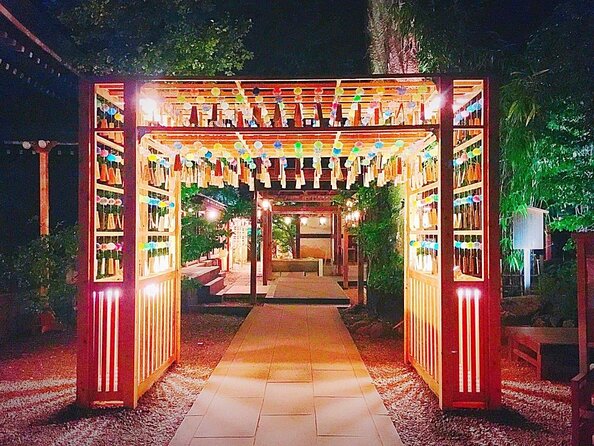
- Iconic Kawagoe moments: Toki no Kane, Kurazukuri streets, Hikawa Shrine, and long-standing temples
- Practical pacing: expect to walk, especially since taxis and buses can be limited
- Food and breaks included in the plan: Koedo Yokocho gives you an easy place to eat nearby
Still weighing up options in Kawagoe? These are the ones our reviewers rated highest.
- Kawagoe Japanese Food Tour : Unagi Kaiseki and Sake near Tokyo
★ 5.0 · 30 reviews - Kawagoe Private Custom Tour with Local Guide
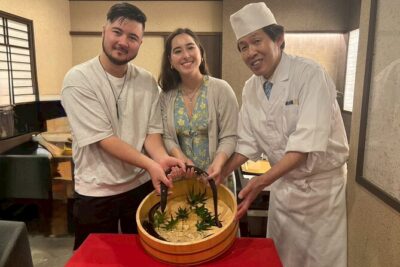
★ 5.0 · 29 reviews - Little EDO Sushi Making workshop in Kawagoe
★ 5.0 · 18 reviews
Why Kawagoe feels like a real Edo detour from Tokyo
Kawagoe is one of those Japan stops that works even if you are short on time. It is about 30 minutes by train from central Tokyo, but it does not feel like a quick photo stop. The streets and landmarks still carry the Edo-period idea of a castle town, when people lived and traded in a tightly knit urban world around power and faith.
What I like most is that Kawagoe gives you two types of payoff in one outing. First, there are obvious sights you recognize as you walk, like the watch-and-time symbol Toki no Kane. Second, there is the less obvious stuff that makes the town click, like how warehouse-style streets connect to merchants and the way people gathered for worship and seasonal events.
You also get variety without needing a complex itinerary. Your guide can steer you toward the sights that match your mood that day, whether you want temples, castle remains, an onsen stop, or festival culture.
Licensed English guide value: it is not just translation
The big reason to book a licensed private guide is simple. You do not just hear what something is called, you understand why it matters in Japanese culture.
This tour is led by a government-licensed English-speaking guide interpreter. That type of certification is not about speaking English alone. It is about having a strong grasp of Japanese culture and history, which is exactly what you want when you are looking at Shinto shrines and Buddhist temples in a place shaped by centuries of tradition.
In practice, this helps you get more out of every stop. A tower is not only a tower. A shrine is not only pretty. You learn how people used to mark time and how faith and good luck symbols show up in everyday life.
And because it is private, the guide can adjust pacing to your group. One practical pattern you will appreciate: if you want extra time for shopping or to slow down for photos, your guide can usually flex within the 4-hour window.
Price and value for a private half-day in Kawagoe
At $107.78 per person for an approximately 4-hour private tour, this is not the cheapest option on paper. But in Japan, “private” plus a licensed English interpreter plus an organized route saves real effort, especially if your goal is to understand more than take snapshots.
Here is the value logic I use:
- If you are a small group, you often get better total usefulness than joining a larger group with rigid timing.
- Kawagoe is not far from Tokyo, but the town’s charm is in walking between sites and reading the meaning behind them. A guide turns that walking time into information.
- Because the tour is customizable to 2 to 3 sites, you are not stuck spending time at stops that are not your style.
Two other practical points from the tour details: pickup is offered, and you are given a mobile ticket. Also, the experience provider notes that many people book ahead, with an average booking window of about 64 days. If you want a specific day, I would not wait until the last minute.
How the 4-hour format really works (walking, meet-up, and ticket reality)
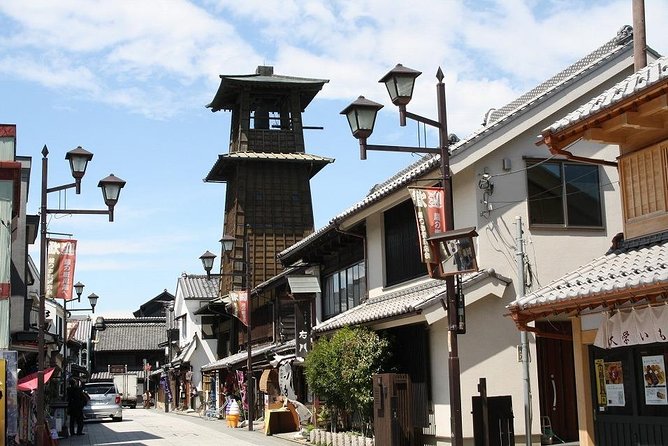
Plan this as a walking tour. Pickup is listed as offered, but the actual meet-up is within a designated area of Kawagoe, and you meet the guide on foot. That means you should wear comfortable shoes and expect a steady pace.
Also, the tour is designed around choosing your highlights. The experience is described as customizable, with your selection of 2 to 3 sites from the available list. So even though multiple famous stops exist in Kawagoe, your guide should build a tight route around what you pick, rather than dragging you everywhere.
Entrance fees are another practical detail. Some stops are free, and others are not included. In plain terms:
- Admission-free options include Toki no Kane, Koedo Yokocho, Hikawa Shrine, and Kitain.
- Not included admissions may apply to spots like the Kurazukuri Museum, Kawagoe Castle Naka no Mon Remain, Kawagoe City Museum, Kawagoejyo Honmaru Palace, Kawagoe Onsen, and Kawagoe Matsuri Kaikan.
You will still have a smooth time if you treat this as “mostly free, with optional paid stops.” Just keep your wallet ready if you select one of the museum or facility entries.
Finally, a quick reality check: taxis and buses can be sparse once you are moving around town. This tour is built for walking, and your guide helps you connect the route efficiently.
The best way to understand Kawagoe: a stop-by-stop feel
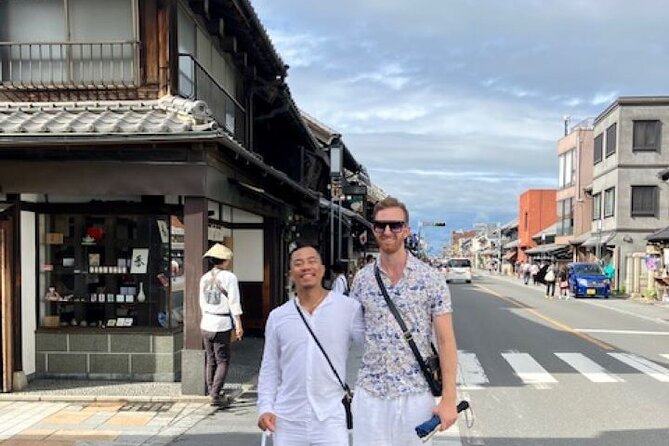
Instead of forcing you through every landmark, think of this tour as a menu. Pick what fits your interests, then let your guide stitch the story together.
Toki no Kane and Kawagoe timekeeping
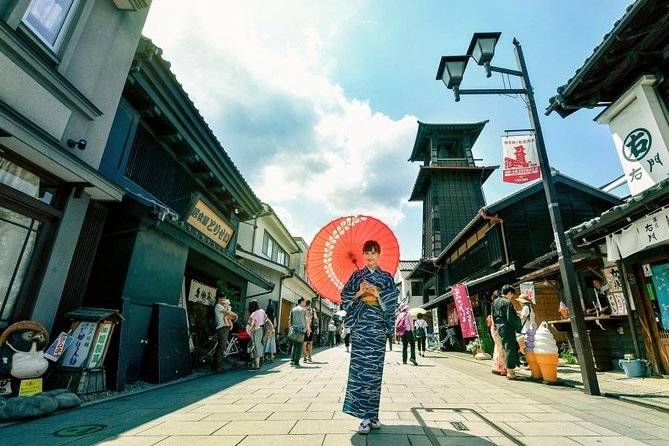
Start with Toki no Kane, Kawagoe’s signature bell tower. The idea is wonderfully Edo-period in a very practical way. In the Edo era, there were no personal clocks. The town used this tower’s ringing bell to tell time publicly, and you can still hear the bell in a repeating pattern such as 6 am and 12 pm and other set times.
If you like Japan when it shows you how everyday life worked, this stop gives you the setting fast. It also sets the tone for the rest of the day: Kawagoe was built to run on routine and community signals.
Admission is free here, so it is an easy win if you want a landmark that teaches you something.
Koedo Yokocho for warehouse streets and quick eats
Next, consider Koedo Yokocho, a warehouse-style street with restaurants. It is the sort of place where you can eat without feeling like you are losing time searching. You might find Japanese dishes such as kamameshi and ramen, plus there is a free rest area, which is handy if you need a breather mid-walk.
This is also a good stop if your group has mixed interests. While one person wants photos of the warehouse architecture, another can focus on finding something comforting to eat.
If you are planning around heat or hunger, this is where you can reset.
Kurazukuri Museum for the merchant-town look
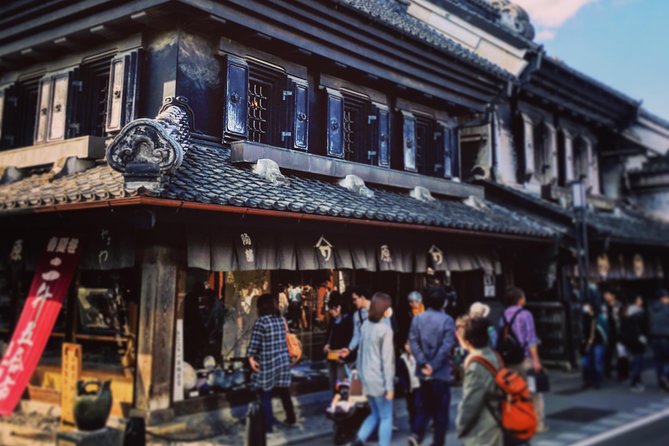
If you want more structure and explanation about Kawagoe’s architecture, choose the Kawagoe Kurazukuri Museum. The focus is on the prosperity of merchants living in warehouse-style buildings, and the way that shaped the town’s streetscape.
This stop can be especially good if you are curious about how a castle town functioned beyond the castle itself. The Edo period was not only power and warriors. It was also trade, housing, and the look of everyday commerce.
Just remember the admission is not included, so treat it as an optional deepening stop rather than a guaranteed free add-on.
Kawagoe Castle Naka no Mon Remain for what is left
You cannot see a full castle the way you might in some other cities, but you can still appreciate the remains. Kawagoe Castle Naka no Mon Remain is one of the anchors for understanding why the town became what it was.
Most of the castle no longer remains today, but the area includes the entrance and a few rooms that are open to the public. It is a smaller-feeling experience compared to giant castle complexes, yet it often lands well because it is connected to how Kawagoe developed.
Expect to use this stop as historical context, not a huge walk-through spectacle.
Hikawa Shrine for love symbols and Shinto atmosphere
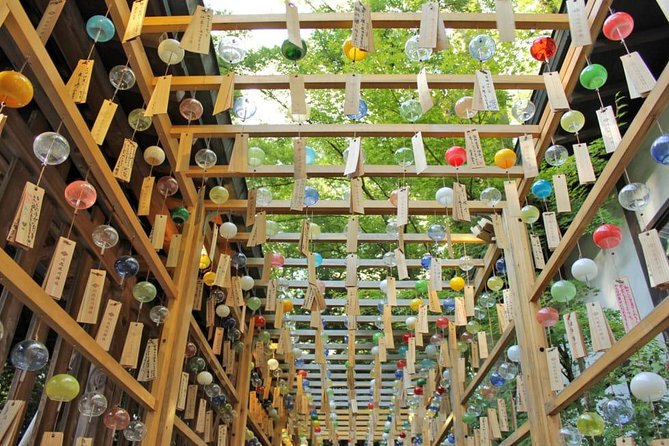
If you want a calm, meaningful pause, I would pick Kawagoe Hikawa Shrine. It is popular as a place for love, and it is known for the amulet called Enmusubi dama, a love success stone associated with good outcomes in relationships.
This stop is free. It is also a great counterbalance to the more tourism-heavy shopping streets. You get a different kind of energy, and you can ask your guide how people interpret and use shrine rituals and amulets.
It helps if you are open to symbolism. Even if you do not plan to buy anything, the context is what you pay for here.
Kitain temple for long-time Buddhist presence
Another free choice is Kitain, a Buddhist temple that has stood for about 1200 years. The atmosphere here is part of the draw, and it helps you shift from Shinto symbolism to Buddhist tradition in a single half-day.
If you like places where age shows in the feeling, this is a strong pick. It also tends to work well as a “photo plus quiet moment” stop, since temples reward slower walking.
Admission is listed as free.
Kawagoe City Museum for Koedo context
If you want more material explanation after you have walked the streets, the Kawagoe City Museum can be worth choosing. The key idea you will get is the “Koedo” concept, often translated as Little Edo, and how the city earned its nickname based on historical buildings and town identity.
This stop is not included for admission, so decide based on your interest level for museums versus outdoor walking.
Honmaru Palace for castle-town imagination
For something that feels more like a classic Japanese castle attraction, select Kawagoejyo Honmaru Palace. Japanese castles are a big draw for many visitors because they connect you to Japanese history in a tangible way, and Honmaru Palace is one of the ways Kawagoe offers that experience.
Admissions here are not included. Think of it as an add-on if you want a more formal “castle” feeling during your half-day.
Kawagoe Onsen for the local hot-spring side
Some people come to Kawagoe and want an onsen break. Kawagoe Onsen offers wood and stone baths, and it can be an appealing contrast to temples and streets.
This is also a “choose it on purpose” stop because admission is not included. If your group is curious about Japanese bathing culture and you have the time, it can turn your day from sightseeing into a real reset.
Kawagoe Matsuri Kaikan for festival culture
Finally, there is Kawagoe Matsuri Kaikan, tied to local festivals. If you like understanding Japanese regional identity, festival culture is a great way to go beyond the calendar and into what locals celebrate.
Admissions are not included. This stop works especially well if your guide can connect the festival themes to what you saw in the streets and shrine areas.
Pacing tips: when to shop, when to rest, and what to watch for
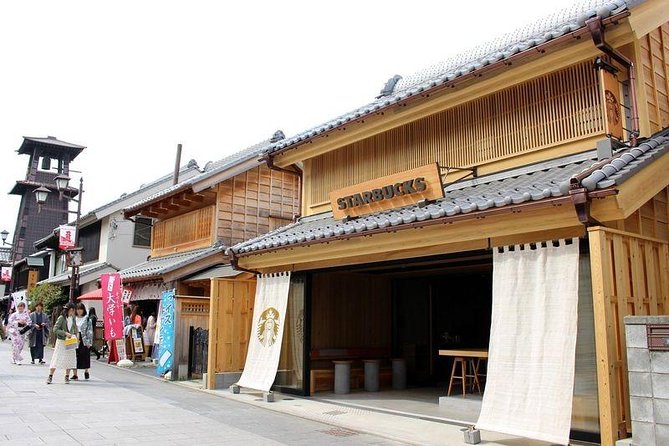
Because the route can be flexible, you get to manage the two biggest enemies of a half-day tour: hunger and time drift.
- Plan your shopping strategically. You can usually add shopping time because this is private and flexible, and one guide is specifically praised for being accommodating when a spouse wanted to shop.
- Use Koedo Yokocho as your mid-route recovery point. The free rest area and food options make it easier to keep momentum without skipping the fun.
- Expect museums to have occasional closures on specific weekdays. I learned from real-world experience that some museum stops can be closed, like on Mondays. If your trip lines up with a day when museums often close, ask your guide to confirm which paid stops are open for your exact date.
Also, the tour is described as suitable for most travelers, but it is still a walking tour. If you have mobility needs, I would ask ahead what the guide can manage on the route. There is an example of a guide helping with a wheelchair, so support may be possible, but you should confirm details for your group.
Who should book this private Kawagoe guide and who might skip it
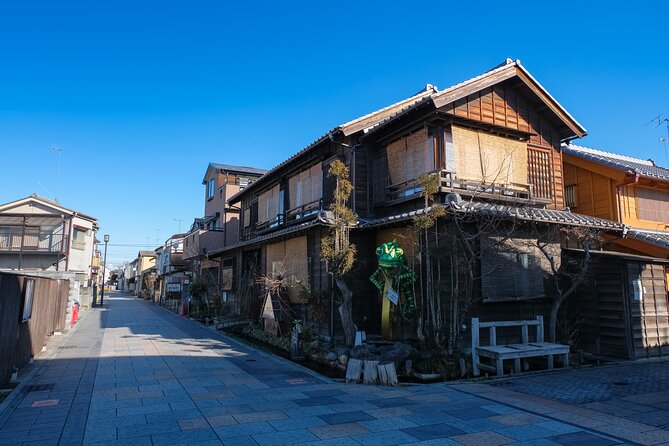
This tour is best for you if:
- You want context as you walk, especially for Shinto and Buddhist sites.
- You like the idea of choosing 2 to 3 stops and not being forced through every major landmark.
- You are coming from Tokyo and want a guided day that feels more than just train plus photos.
I think you can also enjoy it if you are shopping-minded, because a flexible guide can help you build in time for regional souvenirs while still hitting key sights.
You might skip it if:
- You only want a quick self-guided stroll with no interest in cultural explanation.
- Your group refuses walking and wants mostly inside time. This tour is built around walking between places, and taxis may not solve everything around town.
Should you book the Kawagoe 4-hour private tour from Kawagoe Dep?
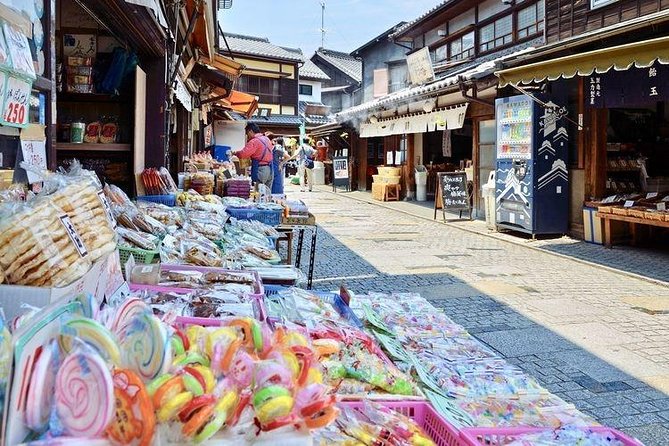
I would book it if you value a guided, story-connected way to experience Kawagoe in a short window. The biggest strengths are practical and real: a government-licensed English guide, a private format that keeps pacing comfortable, and the ability to customize 2 to 3 chosen stops so you do not waste time on things you are not that excited about.
The main consideration is walking and the fact that some stops are paid separately. If you go in with the mindset of a flexible half-day route, and you pick the paid stops intentionally, the experience makes sense for the price.
FAQ
What is the duration of the Kawagoe private tour?
It is about 4 hours.
How much does the tour cost per person?
The price is listed as $107.78 per person.
Is the guide English-speaking and licensed?
Yes. The tour includes a licensed local English speaking guide interpreter.
Can I customize what we visit?
Yes. You select your must-see spots, and the tour is described as offering a customizable route of your choice of 2 to 3 sites from the available options.
Is the tour mostly walking?
Yes. It is described as a walking tour, with meet-up on foot within a designated area in Kawagoe.
Are pickup and mobile tickets included?
Pickup is offered, and the tour includes a mobile ticket.
Which entrance fees are included?
Entrance fees are not included generally. Some sights are listed as free, including Toki no Kane, Koedo Yokocho, Hikawa Shrine, and Kitain. Other stops have admission fees not included.
Are transportation fees included?
No. Transportation fees are not included.
Can I bring a service animal?
Yes, service animals are allowed.
What is the cancellation policy?
Free cancellation is available up to 24 hours in advance for a full refund. If you cancel less than 24 hours before the start time, the amount paid is not refunded.
Newest Kawagoe write-ups from the Loving Japan desk


Tours with Government-Licensed Guides, side by side.
 ★ 5.0Tokyo 6hr Private Tour with Government-Licensed GuideFrom $1553,902 reviews
 ★ 5.0Kyoto 6hr Private Tour with Government-Licensed GuideFrom $1551,369 reviews
 ★ 5.0Hiroshima / Miyajima Full-day Private Tour with Government Licensed GuideFrom $2021,298 reviews
 ★ 5.0Kyoto 4hr Private Tour with Government-Licensed GuideFrom $109629 reviews
 ★ 4.8Private Tour with Local Licensed GuideFrom $106463 reviews
 ★ 5.0Hiroshima City 4hr Private Walking Tour with Licensed GuideFrom $122437 reviews
 ★ 5.0Private Kyoto Tour with Licensed Guide & Vehicle (Max 15 persons)From $634417 reviews
 ★ 5.0Osaka 4hr Private Tour with Government-Licensed GuideFrom $109359 reviews
Filed on these lists too