
REVIEW · CYCLING AND E-BIKE TOURS
Kyoto Satoyama Cycling with Lunch and English Guide
Pedal through rural Kyoto in half a day. I love the local English guide angle, with people born and raised in Sonobe walking you through what you are actually seeing. I also like the built-in food payoff, because you can end up making buckwheat noodles yourself and then eating a satisfying soba set.
The main watch-out is timing. The base tour already moves at a steady pace between stops, and adding extra experiences like Mario Mountain exploration can push the afternoon later than you expect.
In This Review
- Quick hits on Kyoto Satoyama by e-bike
- Getting to Sonobe: rural Kyoto without the big hassle
- E-bikes and an English guide you can actually ask
- Two lunch options: soba set with noodle-making, or a traditional house meal
- Course A: make soba and eat a soba set meal
- Course B: local produce at a restaurant in a traditional Japanese house
- Ikimi Tenmangu Shrine: prayer for learning at a top old shrine
- Sonobe Castle ruins: the last castle built in Japan, now a school gate
- Inside the closed school: soba workshop time you will actually remember
- Make Shrine: agriculture prayers and a thatched-roof calm
- Mt. Komugi and Mario Mountain exploration, plus other extras
- What the ride feels like: countryside pace, not a race
- Price and value: what $78.83 really buys you
- Who should book this Sonobe e-bike tour
- Should you book Kyoto Satoyama Cycling with Lunch and English Guide?
- FAQ
- What time does the tour start?
- How long is the Kyoto Satoyama cycling tour?
- What lunch options are available?
- Can I request vegan, vegetarian, or allergy-friendly meals?
- Do the shrine and castle stops have admission fees?
- Is the tour dependent on weather?
Quick hits on Kyoto Satoyama by e-bike
- A countryside break that still feels easy to reach, with Sonobe about a 30-minute train ride from Kyoto City
- Two lunch courses, one centered on hands-on soba making, the other on local produce in a traditional house restaurant
- Iconic stops that teach as you go, including Ikimi Tenmangu and Sonobe Castle ruins (with free admission tickets at listed stops)
- An e-bike ride designed for comfort, including safety gear and warmers mentioned in real tour feedback
- Optional extras are included in the price, like kimono photo, koto, shrine worship, and spring water tasting
- Small-town guides with real context, including named guides like Maki (and help from Yasu, in some groups)
Still weighing up options in Kyoto Prefecture? These are the ones our reviewers rated highest.
- Kyoto: Zen Meditation and Garden Tour at a Temple with Lunch
★ 4.9 · 86 reviews - Kyoto: Hike and Hot Springs in Kurama
★ 5.0 · 49 reviews - Kyoto Satoyama Cycling with Lunch and English Guide
★ 5.0 · 19 reviews
Getting to Sonobe: rural Kyoto without the big hassle
This tour is based in Sonobe, Kyoto Prefecture, and the best part is that it does not feel like a far-away day trip. You start from a meeting point in Sonobechō Oyama Higashimachi, Nantan, with the tour set to begin at 10:00 am, then loop back to the same place at the end.
The ride itself is not about long-distance endurance. The information says the travel time between stops is about 10 to 20 minutes, and the full 4 to 5 hours includes that cycling time. That matters because you can focus on what you are seeing, not just on keeping pace.
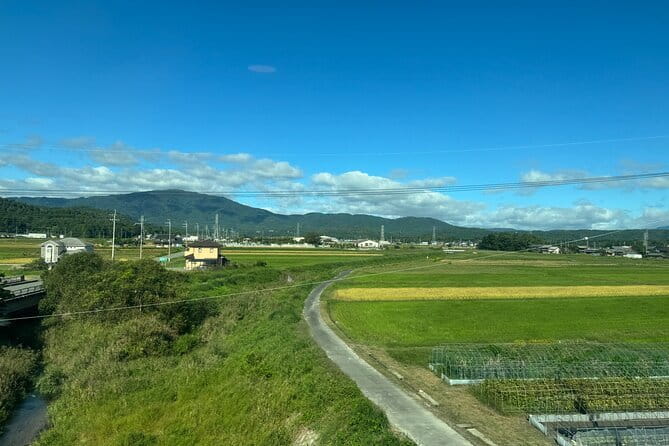
Also, rural Sonobe has a quieter rhythm. The overview notes birdsong and the river running in the background. In practice, that is exactly the kind of detail that makes a short ride feel like a real change of scenery.
E-bikes and an English guide you can actually ask
You will be on an e-bike, and that is a smart choice for countryside roads. The tour is designed for most travelers to participate, and the electric assist takes the edge off hills and longer stretches.
The English guiding is the other big reason this works. Your guide is friendly and local, born and raised in the town, and they do not just point. They explain what matters, from how shrines connect to learning and agriculture, to why local buckwheat and food traditions are such a deal in this part of Kyoto.
From real-world feedback, the strongest theme is clarity. In one group, the hosts gave very clear instructions and explanations at each stop. Another review specifically names Maki as the guide, and that same write-up notes her energy and enthusiasm making the whole day more fun.
Two lunch options: soba set with noodle-making, or a traditional house meal
Lunch is not an afterthought here. The tour gives you a choice of courses, and both connect food to place.
Course A: make soba and eat a soba set meal
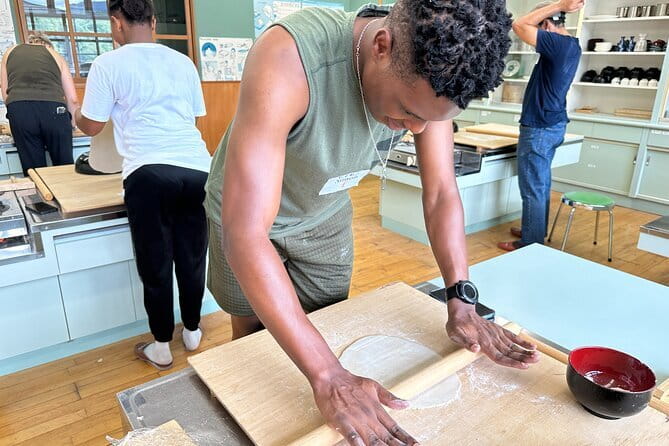
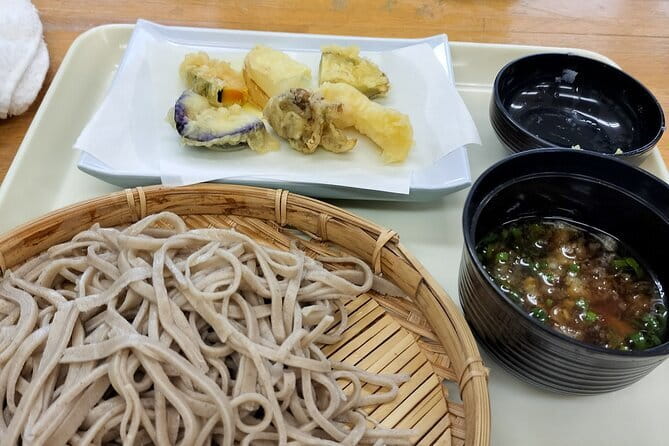
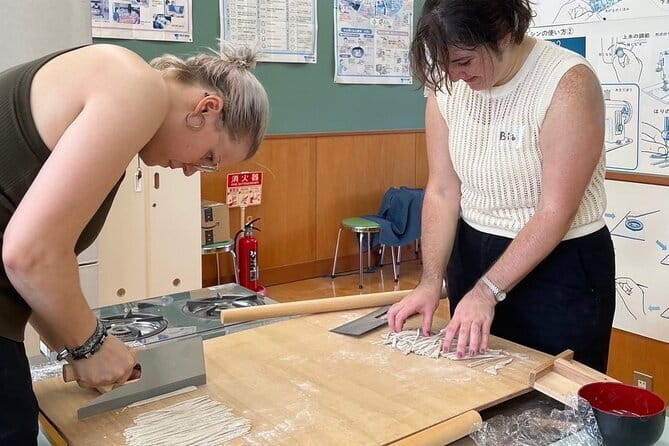
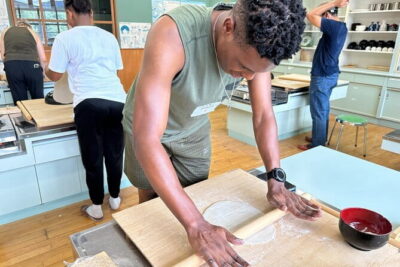
If you pick the hands-on option, you will stop at a closed elementary school setting, where you can experience making soba using buckwheat flour harvested locally. Then you get to enjoy freshly boiled soba. The itinerary also says tempura and rice balls are served too.
This is the kind of activity that makes the rest of the day stick in your head. You are not just eating a dish, you are learning how buckwheat becomes something real and plate-ready.
Course B: local produce at a restaurant in a traditional Japanese house
If you choose the other course, your lunch leans more on tasting. The tour description says you will eat local produce at a restaurant located in a traditional Japanese house.
One review highlights a lunch stop at a guest house themed with a frog, with food that was described as great. Another mentions a specific restaurant, Kaeyuno Oyado, calling lunch there a highlight.
If you are deciding between the two, here is the practical way to think about it:
- Choose Course A if you want an activity you can tell stories about later.
- Choose Course B if you want a calmer meal and a more food-focused experience.
Ikimi Tenmangu Shrine: prayer for learning at a top old shrine
One of the early stops is Ikimi Tenmangu Shrine, listed at about 10 minutes with an admission ticket noted as free.
What makes this shrine worth your time is what it represents. It enshrines Sugawara no Michizane, described as the god of learning. People come here to pray for success in exams, which turns the visit into something more specific than a generic shrine stop.
You can also expect the guide to help you notice details you might otherwise skip. Even when the stop is short, the context makes it meaningful. This is one of those places where a little explanation adds a lot.
If you are visiting around exam seasons, this theme becomes especially relevant. Even if not, it still offers a window into how belief shows up in daily life and ambition.
Sonobe Castle ruins: the last castle built in Japan, now a school gate
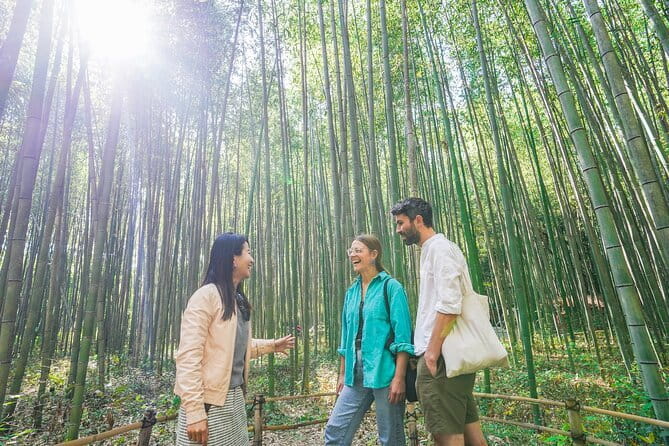
Next up is the ruins of Sonobe Castle, scheduled for about 20 minutes, again with free admission ticket noted.
The standout claim here is big: it is called the last castle built in Japan. Today, the site is used as the main gate for Sonobe High School, which gives you that rare mix of old and still-in-use.
You will see remaining structures such as:
- the main gate
- castle walls
- turrets
- a guardhouse
What I like about stops like this is that they show how history does not always mean abandoned ruins. Sometimes it means repurposing. In this case, that school-gate reality makes the site feel grounded, not staged for tourists.
The only drawback is the stop length. It is short, so the guide’s explanations and your own curiosity will determine how much you take away. If you love castles, consider using the extra time options if your schedule allows.
Inside the closed school: soba workshop time you will actually remember
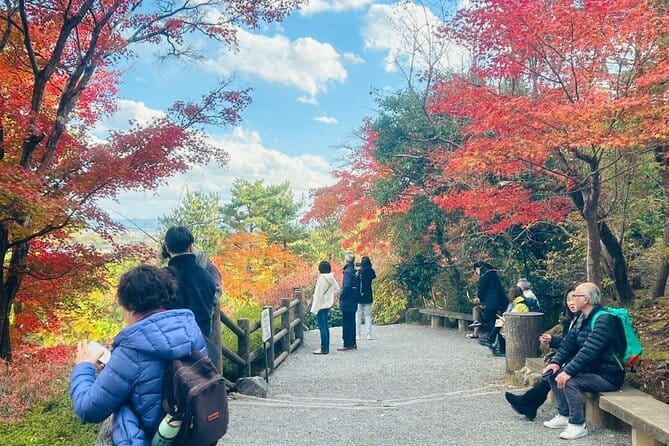
The biggest time block is the soba experience at the old school area stop, listed as 旧摩気小学校前 (bus). The itinerary gives this stop about 1 hour 50 minutes, with admission ticket noted as free.
This is where the tour’s hands-on character really comes alive. You use buckwheat flour harvested locally, make noodles, and then eat freshly boiled soba. The plan also includes tempura and rice balls.
Why this works for many people:
- You get a tactile skill you can picture later.
- You taste the result immediately, so the learning feels connected.
- The setting, a closed school, keeps the experience from feeling like a generic workshop.
One practical consideration: this is the long stop of the day. If you prefer light, quick sightseeing, you might think you want fewer hands-on elements. But for most people, the longer duration is exactly the point, it lets you slow down and do something instead of just passing through.
Make Shrine: agriculture prayers and a thatched-roof calm
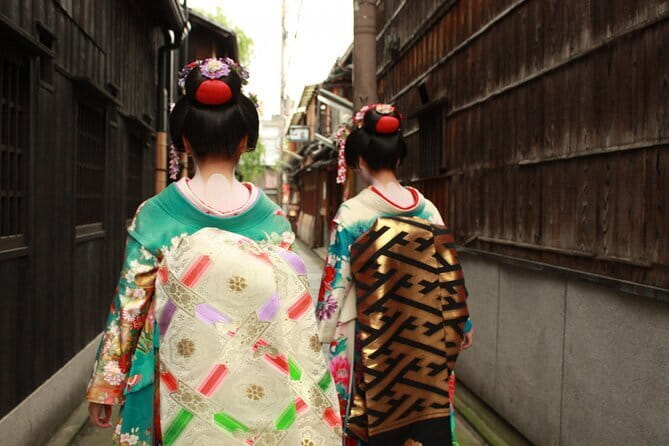
Stop 4 is Make Shrine, scheduled for about 30 minutes, with admission ticket noted as free.
This shrine is tied to agriculture. It enshrines the god of agriculture from the Tanba region, historically connected to supporting the food supply of Kyoto. The roof is described as a traditional thatched roof, which helps set a quieter, rural tone after the earlier shrine stop and castle ruins.
The tour description also says you can learn proper ways to worship, and a guide-led explanation is usually the difference between standing quietly and actually understanding what you are doing.
This stop balances the learning theme from Ikimi Tenmangu with a grounded, practical theme: food and the people who make it possible. It is a good pairing for an e-bike day, because you feel like you are connecting dots across rural life.
Mt. Komugi and Mario Mountain exploration, plus other extras
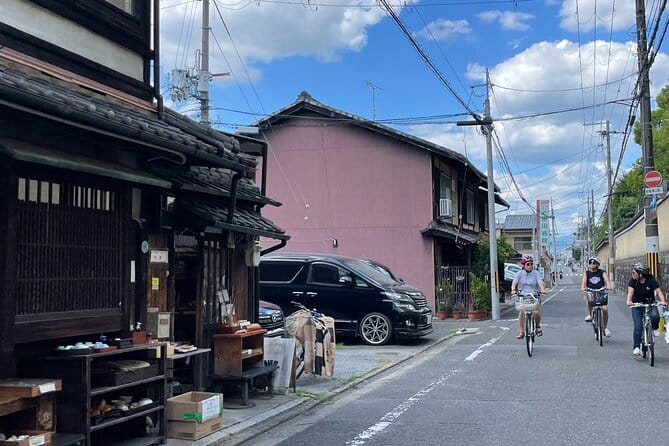
The tour is not only fixed stops. It also lets you choose two or three extra experiences included in the tour price, if you want to tailor the day.
Options mentioned include:
- Castle visit (in addition to the castle ruins stop)
- Shinto shrines (worship)
- Drinking spring water over a small mountain
- Photo in a kimono
- Playing the koto (traditional instrument)
- Mario Mountain exploration, connected to the birthplace of Super Mario
There is an important timing note: exploring Mt. Komugi, the birthplace of Mario, may extend the tour past 2:00 pm. That is not a problem, but it is a planning point. If your afternoon is tight, keep the extras lean.
I also like that these extras are not treated like separate add-ons that blow up the total cost. They are included in the package, so you can pick what sounds fun and ignore what does not.
What the ride feels like: countryside pace, not a race
The time between stops is short, about 10 to 20 minutes, so you will spend much more of the day interacting with the places than grinding through cycling time.
Electric assist keeps the day approachable. The reviews back this up, with one person praising the electric bike and another mentioning the scenery from the countryside roads: mountains, fields, Japanese houses, shrines, and trees.
Safety also gets real attention. In one review, the tour agency informed the group in advance what to wear based on forecast. That review also notes safety equipment and disposable hand warmers and neck warmers being prepared, with great weather making it extra pleasant.
Even with a gentle pace, this is still outdoors time on a bike. If you have trouble with steady outdoor walking or being outside for several hours, you will want to think carefully. The tour says most people can participate, but weather and your personal comfort matter.
Price and value: what $78.83 really buys you
The listed price is $78.83 per person, and the participation fee is stated as 15,000 yen for one person. At first glance, that can feel like a lot for a short, half-day tour. But when you unpack what is included, the value picture looks much clearer.
You are paying for:
- an English-speaking guide who is local and explanatory
- an e-bike for a countryside route
- entry coverage noted as free for the listed shrine and castle stops
- lunch inside the tour structure (either soba set with soba-making, or a traditional house meal with local produce)
- optional extras included in the tour price, like kimono photo and koto
Also, the tour offers group discounts, and it is set up as a private tour/activity, meaning only your group participates. Add in the mobile ticket, and it is a package that saves you the mental load of planning transport, sequencing, and ticketing.
If you just want the cheapest ride and you will happily wing it on your own, this may not be your best move. But if you want a guided cultural day with a real rural lunch, it is a straightforward buy.
Who should book this Sonobe e-bike tour
I think this works best for people who:
- want rural Kyoto without the stress of DIY navigation
- like a mix of culture and hands-on food
- enjoy shrines and local history themes but prefer them explained
- want an e-bike option that keeps energy for the moments that matter
- travel with families or groups, since real groups have included students and children in past tours
If you are a serious castle nut or a shrine scholar, the stop times are short. You might want a longer add-on day. But for a satisfying half-day that feels authentically local, this is a strong fit.
Should you book Kyoto Satoyama Cycling with Lunch and English Guide?
Yes, if you want countryside Kyoto that feels lived-in, not just photographed. The combo of e-bike touring, local English guidance, and a lunch built around either soba-making or local produce hits the sweet spot between activity and comfort. The named guide Maki and the described clarity at stops are exactly the kind of details that make a tour feel easy to enjoy.
Book it with a simple strategy:
- Pick Course A if you want the most memorable food activity.
- Pick Course B if you prefer a more restaurant-style meal in a traditional setting.
- If you are tempted by Mario Mountain exploration or other extras, plan for a later end time.
If you want a short, structured way to see Sonobe and eat well, this is the sort of tour that delivers.
FAQ
What time does the tour start?
The tour starts at 10:00 am and ends back at the meeting point.
How long is the Kyoto Satoyama cycling tour?
The total duration is listed as about 4 to 5 hours, and that duration includes cycling travel time between stops.
What lunch options are available?
You can choose between Course A, which includes hands-on soba noodle-making and a soba set meal, or Course B, which includes local produce at a restaurant in a traditional Japanese house.
Can I request vegan, vegetarian, or allergy-friendly meals?
Yes. Vegan, vegetarian, and allergy-friendly meals are available upon request.
Do the shrine and castle stops have admission fees?
The itinerary lists free admission tickets for Ikimi Tenmangu Shrine, the ruins of Sonobe Castle, the soba workshop stop, and Make Shrine.
Is the tour dependent on weather?
Yes. The experience requires good weather, and if it is canceled due to poor weather, you will be offered a different date or a full refund.
Newest Kyoto Prefecture write-ups from the Loving Japan desk
Cycling and E-Bike Tours, side by side.
 ★ 5.0Hidden Kyoto E-Biking tourFrom $1161,843 reviews
 ★ 5.0Tokyo Guided Small-Group Biking TourFrom $1061,250 reviews
 ★ 5.0Tokyo Great Cycling TourFrom $99811 reviews
 ★ 5.0Tokyo Top Highlights 3h Guided E-bike TourFrom $63714 reviews
 ★ 5.03h Tokyo E-Bike Tour: Hidden Gems, and Local Life with guideFrom $63670 reviews
 ★ 5.0Arashiyama Bamboo Forest & Hidden Gems Bike Tour (Early Bird)From $106613 reviews
 ★ 5.05 Top Highlights of Kyoto Full Day Bike Tour (E-bike option)From $172511 reviews
 ★ 5.0Full Day Biking Tour Exploring the Best of KyotoFrom $119498 reviews
Filed on these lists too