
REVIEW · OSAKA CASTLE, UMEDA AND THE CITY CENTRE
Learning Zen of Japanese Calligraphy in kimono near Osaka Castle
Japanese calligraphy gets real when you hold the brush yourself. This 1-hour shodo lesson in kimono near Osaka Castle turns a tricky art form into clear steps: fit into traditional clothes, choose kanji, practice strokes, then see your name written in Japanese characters.
I especially like the hands-on structure. You learn the basics of brush technique, then immediately apply it to a final piece, plus you get photos of your kimono look and your work. One thing to keep in mind: it’s a small, shop-like meeting point, and the area can be easy to miss, so give yourself a few extra minutes to find the entrance.
In This Review
- Key Things That Make This Kimono Calligraphy Class Worth Your Time
- Shodo and Zen Vibes Right by Osaka Castle
- What Happens From Dressing to Your Final Stroke
- Choosing Your Kanji, Learning Stroke Order, and Writing It Clean
- The Surprise Wooden Name Tag and Your Take-Home Photos
- Price and Value: What $43.59 Buys You in Osaka
- Location Near Osaka Castle, and How Not to Lose Time Finding It
- Who This Class Is Perfect For, and Who Should Reconsider
- Should You Book This Osaka Calligraphy Class?
- FAQ
- How long is the Japanese calligraphy lesson in kimono?
- Is this class only for beginners?
- What photos do I get from the class?
- Can I choose the kanji characters for my work?
- Is there an optional upgrade for hair styling?
- What language support is available?
- Where does the class meet near Osaka Castle?
- Are there any rules for taking personal photos?
Key Things That Make This Kimono Calligraphy Class Worth Your Time
- Kimono first, art second, so you feel the tradition before you start drawing kanji strokes
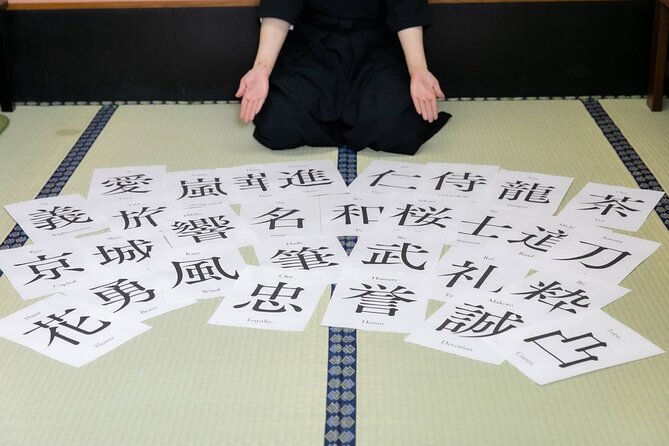
- Pick your own kanji, then learn stroke order for that exact character
- Clear stroke drills for fundamentals like tome, hane, and harai
- Take-home digital photos sent to your email after the session
- Personalized kanji name tag, written by the teacher using your chosen character
- Small group size, capped at 10 people, which helps you get support as you practice
Rental shops we have actually walked into
- Osaka: Sumo Show & Experience w/ Optional Kimono & Hot Pot
★ 4.5 · 609 reviews - Learning Zen of Japanese Calligraphy in kimono near Osaka Castle
★ 4.5 · 53 reviews
Shodo and Zen Vibes Right by Osaka Castle
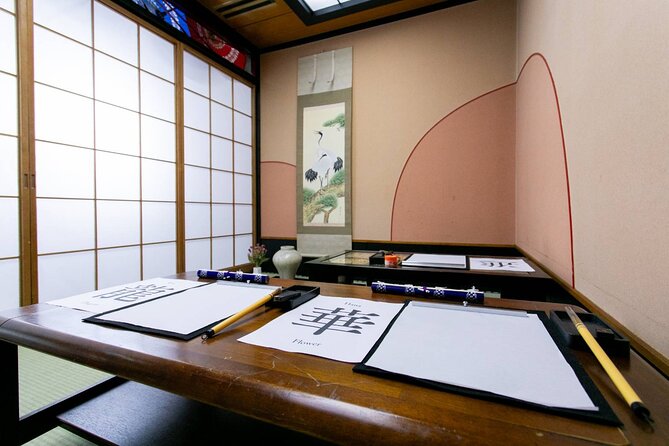
Osaka Castle is a strong anchor for this experience. You can walk off the big, photogenic sights and then switch to something calmer, slower, and very hands-on. The point here is not just getting a nice souvenir. The class is built around learning how Japanese calligraphy works, from posture and brush control to the logic of stroke order.
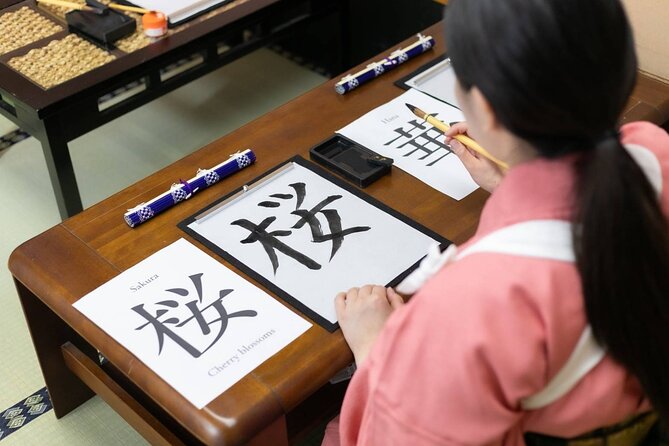
What makes the format feel like real instruction is that it treats shodo like a craft, not a guessing game. You start with mindset and tools, so you understand how Japanese shodo differs from decorative writing you might see outside Japan. Then you practice the basic moves and apply them directly to your chosen kanji. By the time you write your final draft, you’re not only copying, you’re making decisions about shape and flow.
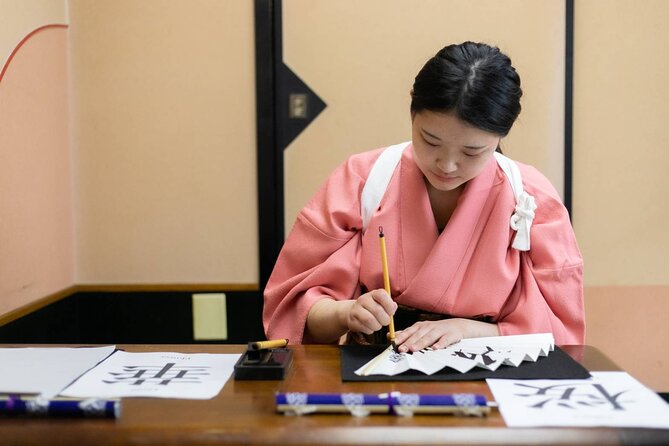
The kimono element matters too. It’s not just costumes for photos. It sets the tone for attention and focus, and it helps you “play your part” in the tradition while you learn. You should expect to sweat a bit during the session, and the instructions mention arriving prepared for that kind of physical practice setup.
What Happens From Dressing to Your Final Stroke
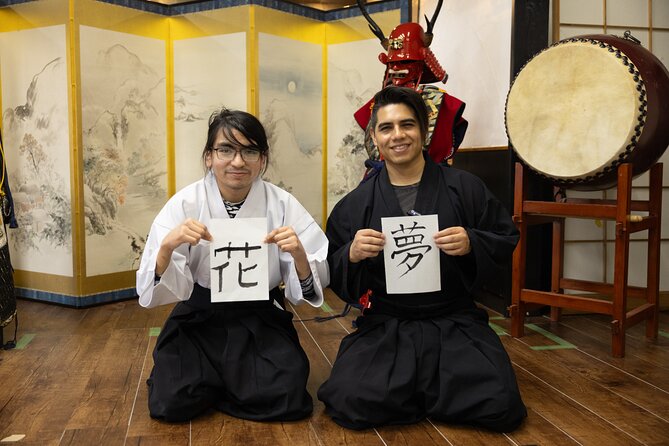
The session runs about 1 hour, and the flow is tight enough that you stay engaged the whole time. It starts with getting changed into traditional Japanese attire like a kimono. Some people may also wear hakama or similar clothing depending on the class setup, and the dressing process takes time, so try not to arrive at the last minute.
Next comes the part that makes the class work for beginners. You’ll learn how to hold the brush and how to use the tools correctly. This is where a lot of calligraphy classes get frustrating, because nobody wants to admit they’re using the wrong grip. Here, you get guidance before you start writing your character.
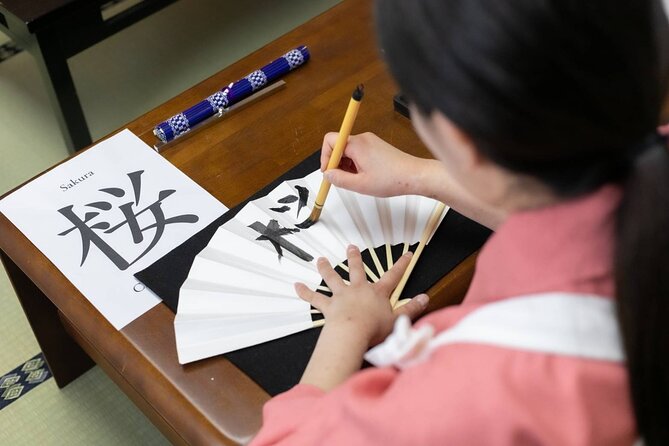
Then you move into the fundamentals of movement. The class teaches the basic brush motions: tome (a stop), hane (a spring or lift), and harai (a sweeping motion). These aren’t just vocabulary. They’re the way teachers explain why one stroke looks steady and another looks shaky.
Choosing Your Kanji, Learning Stroke Order, and Writing It Clean
A big highlight of this class is that you don’t just get one random character. You choose your favorite Japanese kanji to challenge yourself. The class framing also points out that kanji can carry different meanings depending on context, which is a helpful reminder if you’re going to keep learning after the workshop.
After choosing your character, you practice the stroke order for that specific kanji. This matters more than people expect. Stroke order is how you build the visual balance of the character, and it’s also how you avoid writing something that looks almost right but feels off in the brushwork.
You’ll do more than one round of practice. The process typically includes:
- A lesson on how the brush moves for the strokes you need
- Hands-on practice with the teacher watching and correcting your technique
- A final draft where you use the stroke order and movement you learned
The final draft stage is when you’ll really notice the difference between slow copying and controlled brush movement. If you’ve ever tried to learn calligraphy by watching videos, you know how hard it is to translate “looks easy” into “actually repeat it.” This class tackles that gap by coaching you live.
The rest of central Osaka, ticket by ticket
- Osaka: Umeda Sky Building Official E-Ticket★ 4.6 · 1,131 reviews
- Osaka Castle Walking Tour and Castle Tower Admission★ 5.0 · 561 reviews
- 5-Hour Osaka Bike Tour to the Neighborhood of Osaka Castle★ 5.0 · 319 reviews
- Osaka Castle Guided Tour★ 4.7 · 249 reviews
- Osaka: Abeno Harukas 300 Observatory E-Ticket★ 4.2 · 169 reviews
The Surprise Wooden Name Tag and Your Take-Home Photos
One of the most memorable parts is the surprise element. The teacher writes the foreign names of participants onto wooden tags using the kanji characters they selected. It’s a small detail, but it makes the experience feel personal, like you walked away with something made for you, not just a generic craft.
On top of that, you get photography. The instructions say you’ll capture your kimono outfit and your artwork, and the photo data is sent to your designated email address. Personal smartphone photography is allowed, as long as you don’t do selfies and you don’t photograph other participants. Fixed tripods and video recording are discouraged because they can disrupt others.
That photo component is a big part of the value if your trip is mostly sightseeing days. You’ll get an outfit moment tied to something you learned. And because the photos are delivered digitally, you can focus on the class instead of juggling storage and gear during the session.
Optional extras exist too. There’s a paid option for wagami (hair collection + kanzashi) listed at ¥3,300 per person. If you want the full traditional look, it’s worth considering, especially if you’re already planning your Osaka Castle photo day.
Price and Value: What $43.59 Buys You in Osaka
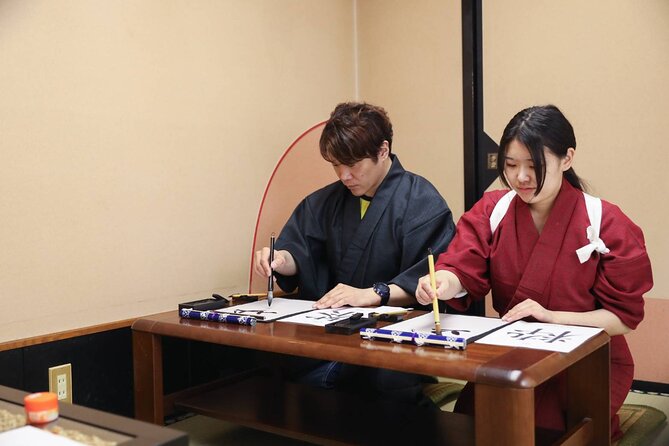
At $43.59 per person for about an hour, the value is in the combination. You’re not only learning brush strokes. You’re also getting traditional attire, guided practice for a chosen kanji, a personalized kanji name tag, and professional photos delivered to your email.
A lot of “cultural activity” costs in Japan feel like you pay for the photo and the outfit, then the instruction is light. This class leans the other way. The structure is instructional: grip, strokes, stroke order, and then a final draft. The kimono experience supports the tradition, but the goal is shodo practice.
The small-group size cap of 10 also helps justify the price. With fewer people, it’s easier to get corrections while you’re still figuring out the brush angle and pressure. For most first-timers, the best outcome is confidence you can improve, not just a finished sheet.
If you’re planning other activities around Osaka Castle, this one slots in nicely because it doesn’t require advanced language skills. The class includes an English-Japanese or Chinese-Japanese translator to help with barriers, and it’s open to all skill levels, including kids.
Location Near Osaka Castle, and How Not to Lose Time Finding It
This class meets at a specific address in Joto Ward, Osaka (536-0014, Joto Ward, Shiginonishi, 2-chōme 3-19, エクセレンス高山). The good news is that it’s near public transportation.
The caution is simple: this is described as a small store front. One practical tip that matters on a travel day is to give yourself extra minutes for finding it. If you’re using map directions, plan to slow down and look carefully, because storefronts like this can be easy to walk past on foot.
Timing matters too. The instructions state that if you’re more than 30 minutes late for your reservation, you may be refused entry. That policy makes sense for classes that rely on dressing and scheduled instruction, so build in buffer time after your Osaka Castle walk.
Who This Class Is Perfect For, and Who Should Reconsider
This experience is a good fit if you want something calm and structured. It’s open to all skill levels, and the class notes that kids can participate too. If you’re the kind of person who likes learning by doing, not by reading, you’ll appreciate the step-by-step practice.
It’s also ideal as a break from nonstop sightseeing. Osaka Castle can be a big-energy day. This workshop gives you a different rhythm, where focus, repetition, and brush control take center stage.
You might reconsider if you have back problems or heart conditions. The class instructions specifically say it’s not recommended for those situations. Also, the session may involve physical discomfort because the guidance mentions you’ll sweat easily while wearing hakama or armor and practicing swordsmanship. Even if sword practice isn’t the main focus of shodo, the reminder is still useful: dress in a way that won’t make you miserable during a hands-on, traditional attire session.
If you’re traveling with accessibility needs, it’s also worth noting it is not stroller accessible.
Should You Book This Osaka Calligraphy Class?
If you want a memorable Osaka Castle day that ends with something you actually learned, I think this is a strong booking. The biggest wins are the hands-on shodo instruction, the ability to choose your own kanji, and the personal details like the kanji name tag plus email-delivered photos.
Book it if:
- You like practical lessons, not just watching
- You want a kimono moment tied to real skills
- You’re okay with a one-hour format that focuses on essentials
Skip it or choose another option if:
- You might struggle with late arrival risk, since entry can be refused after 30 minutes
- You have medical concerns related to back or heart conditions
- You need stroller-friendly access
If you’re ready to slow down and learn the strokes for real, this class is exactly the kind of cultural activity that pays off after the photos fade.
FAQ
How long is the Japanese calligraphy lesson in kimono?
It’s listed as about 1 hour.
Is this class only for beginners?
No. The class is open to all skill levels, and kids can participate too.
What photos do I get from the class?
You’ll take photos during the session, and the data is sent to your designated email address.
Can I choose the kanji characters for my work?
Yes. You choose your favorite Japanese kanji to practice and write.
Is there an optional upgrade for hair styling?
Yes. The wagami option (hair collection + kanzashi) is available for an additional ¥3,300 per person.
What language support is available?
English is the default. An English-Japanese or Chinese-Japanese translator helps with the class, and other languages may be available if you inquire, though it cannot be guaranteed.
Where does the class meet near Osaka Castle?
The meeting point is listed at 536-0014 Osaka, Joto Ward, Shiginonishi, 2-chōme-3-19 エクセレンス高山, and the activity ends back at the same place.
Are there any rules for taking personal photos?
Smartphone photography is permitted, but you should not take selfies or photograph other guests. Fixed tripods and video recording are not allowed because they may disturb other participants.
Central Osaka, Ticket by Ticket





Rental Counters, Compared

Newest Osaka write-ups from the Loving Japan desk
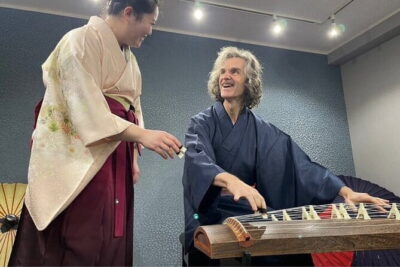


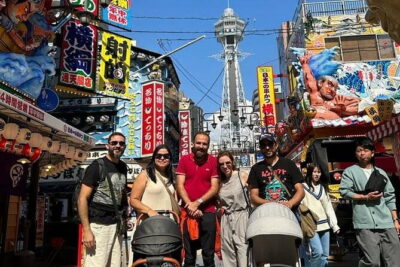

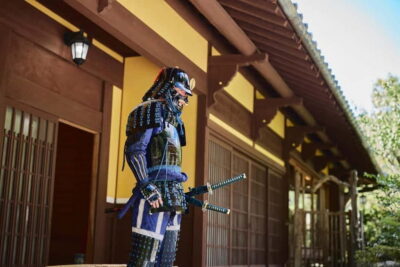
Osaka Castle, Umeda and the City Centre, side by side.
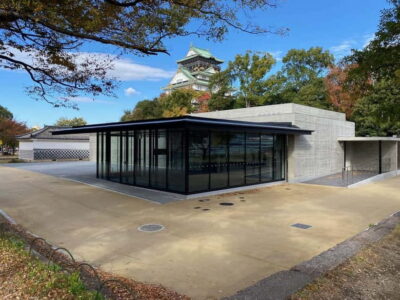 ★ 4.5Osaka Castle: Museum and Tower Entry TicketFrom $72,380 reviews
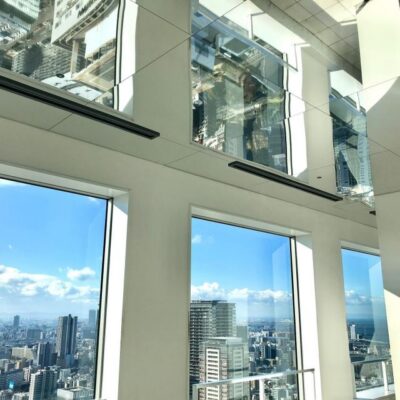 ★ 4.6Umeda Sky Building Official E-TicketFrom $121,131 reviews
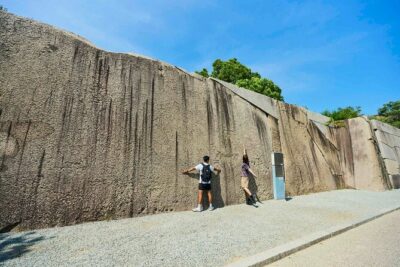 ★ 5.0Osaka Castle Walking Tour and Castle Tower AdmissionFrom $23561 reviews
 ★ 5.05-Hour Osaka Bike Tour to the Neighborhood of Osaka CastleFrom $87319 reviews
 ★ 4.7Osaka Castle Guided TourFrom $43249 reviews
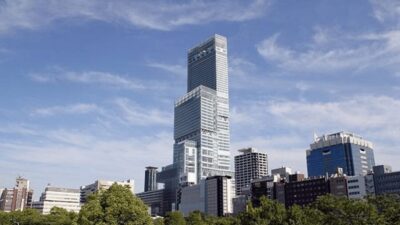 ★ 4.2Abeno Harukas 300 Observatory E-TicketFrom $3169 reviews
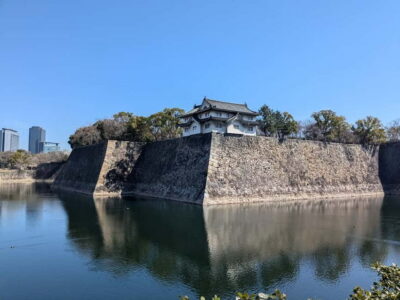 ★ 4.7Osaka Castle Guided Tour with Local GuideFrom $4878 reviews
 ★ 5.0PRIVATE 6hr, Food tour from Osaka Castle, Kuromon, Dotonbori.From $15568 reviews