
REVIEW · KYOTO TEA CEREMONIES AND MATCHA
Premium Kimono Dressing, Tea Ceremony, Calligraphy, Samurai show
Three arts, one calm Osaka courtyard. At -michi- you try kimono dressing and join a tea ceremony where every step is explained clearly, so you know what you are doing and why it matters.
I also really like that the session mixes crafts and performance, so the calligraphy lesson does not sit alone in a quiet room, and a samurai show keeps the energy moving. One consideration: kimono dressing is women only, and armor dressing is not included, so if you want the full armor experience, plan for the extra cost.
In This Review
- Key highlights at -michi- in Osaka
- A 3-hour Osaka cultural mix that actually feels hands-on
- Kimono dressing in Osaka, what to expect and how to look good
- Tea ceremony and matcha making, calm routine with real technique
- Calligraphy lesson, practical instruction and a keepsake you can frame
- Traditional music plus samurai sword performance, performance with context
- Optional armor dressing and souvenir costs, plan the extras
- Where it fits in your Osaka day
- Price and value: what you get for about $123.49
- Best for first-timers, couples, and anyone who likes guided learning
- Should you book -michi- for kimono, tea, calligraphy, and samurai?
- FAQ
- What is included in the -michi- experience in Osaka?
- Is kimono dressing available for everyone?
- How long does the experience last?
- Where does the experience take place?
- How do I get my ticket?
- Is armor dressing included?
- What extra costs should I plan for?
- Can I make my own matcha during the tea ceremony?
- What is the cancellation policy?
- Is the experience suitable for most people?
Key highlights at -michi- in Osaka
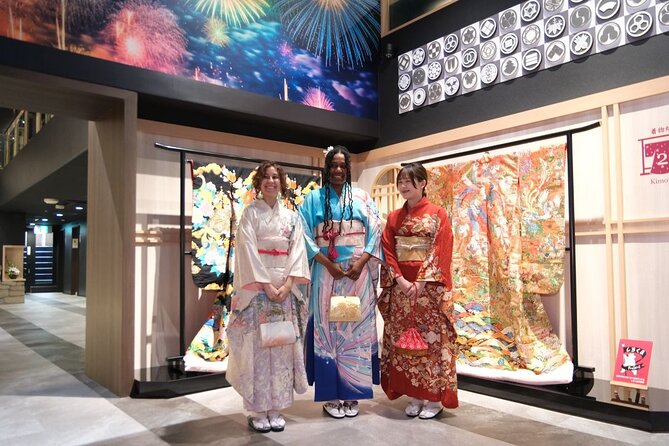
- Kimono dressing for women with step-by-step help that keeps the process easy
- Tea ceremony time that includes making your own matcha
- Calligraphy lesson where you practice characters and can take home a real writing outcome
- Japanese traditional music performance to connect the cultural dots
- Samurai sword performance that adds a live, dramatic touch
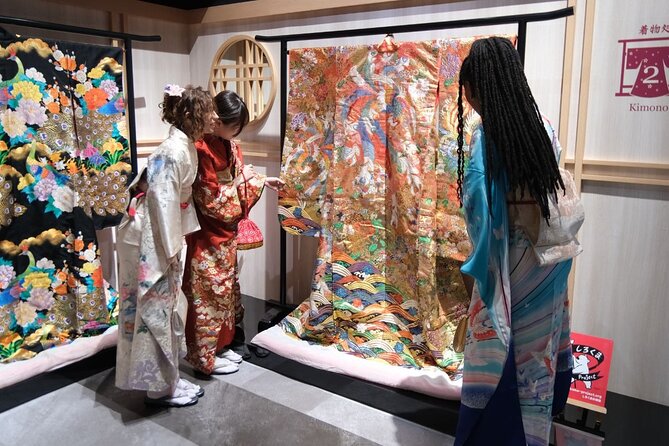
- Photo-friendly courtyard and historical gallery for relaxed sightseeing moments
Sit down somewhere quieter. Other tea rooms we booked
- Osaka: Tea Ceremony Experience
★ 4.9 · 1,426 reviews - Tea Ceremony Experience in Osaka Doutonbori
★ 5.0 · 754 reviews - Matcha Making Class in Osaka with Authentic Japanese Sweets Set
★ 5.0 · 509 reviews - Osaka: Matcha Making Experience with Japanese Sweets
★ 5.0 · 146 reviews
A 3-hour Osaka cultural mix that actually feels hands-on
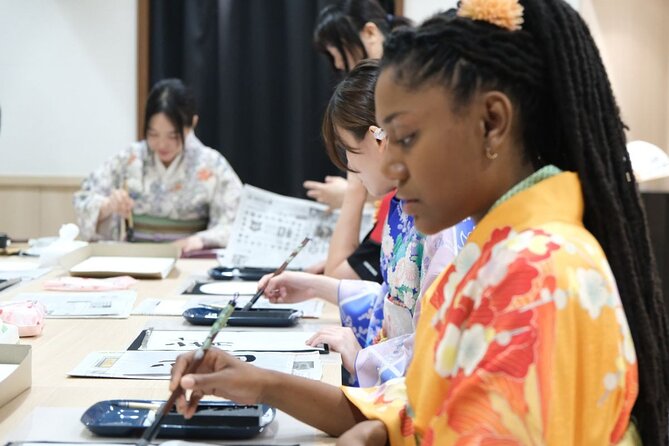
This is the kind of Osaka experience I love for first-timers, because you get several cultural traditions in one focused block of time. It is not just watching. You participate, you ask questions, and you get guided through the formality, the gestures, and the meaning behind what you are doing.
The session runs about 3 hours, which is long enough to feel satisfying but short enough to fit cleanly into a day that also includes shopping in Shinsaibashi or browsing temples nearby. You start at Shinsaibashi ARTY Inn, and you will find it is near public transportation, so you are not stuck coordinating taxis.
If you like learning through doing, you will probably enjoy the structure. You rotate through kimono dressing, tea ceremony and matcha, calligraphy practice, and a traditional music and samurai performance. That flow matters, because each activity sets the mood for the next one.
Kimono dressing in Osaka, what to expect and how to look good
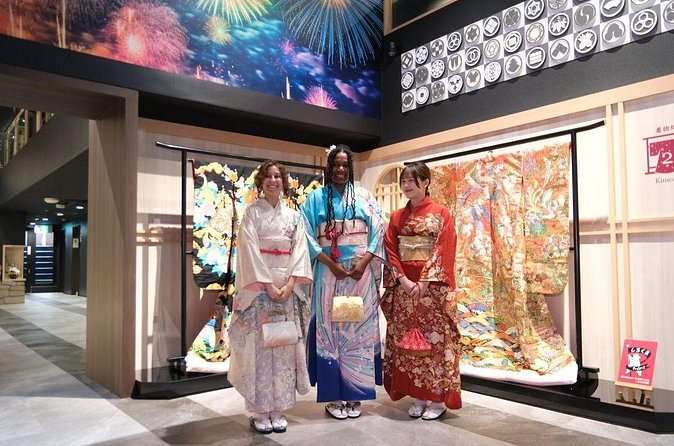
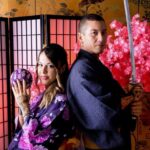
Kimono dressing is the main visual moment of this whole experience, and it is also where the staff’s care really comes through. You are treated like someone who matters, not like a camera stop. The process is explained in clear steps, and you are helped as you get into the robe, the way it sits, and the final adjustments that make it look right.
Because this is women only for kimono dressing, it is a straightforward choice if you are traveling as a woman and want that classic Osaka look. If you are traveling with someone who is not eligible for kimono dressing, do not assume the whole tour stops there. The broader experience includes other cultural activities, and some guests may choose additional options like armor dressing, but the kimono part itself is explicitly women only.
A practical tip: plan to wear comfortable slip-on shoes and keep your valuables minimal. Kimono can be a little tight and you may want your hands free for photos, so avoid bulky bags. Once you are dressed, you will be able to enjoy photo time in a serene courtyard and historical gallery, which is the ideal setting for kimono photos that feel calm instead of crowded.
Tea ceremony and matcha making, calm routine with real technique
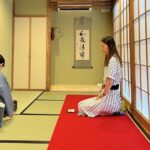
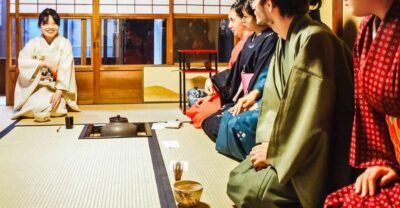
The tea ceremony portion is one of the most valuable parts, because it turns Japanese hospitality into something you can feel. You are not just given tea. You participate in the ritual, and you learn how to approach it.
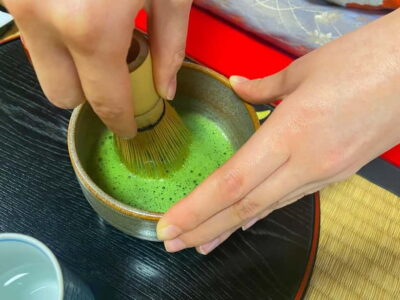
A key detail here is matcha making. The experience includes creating your own matcha, so you get the fun of preparing it and the grounding of the ceremony around it. Matcha can feel intimidating if you have never seen it made, but when someone explains the steps and the intent behind them, it clicks fast.
I like this format because it builds awareness. The tea ceremony slows your pace in a good way. If your Osaka days tend to be fast and full of neon, this is a breather. You get to focus on the cup, the movement, and the quiet rhythm.
And yes, you will likely take a few sips, but the bigger win is learning the gestures and what they represent. You also come away with a better sense of why the ceremony is still practiced, even in a modern city.
Rental shops we have actually walked into
- Osaka: Sumo Show & Experience w/ Optional Kimono & Hot Pot★ 4.5 · 609 reviews
- Learning Zen of Japanese Calligraphy in kimono near Osaka Castle★ 4.5 · 53 reviews
- Osaka: Kimono or Yukata Rental &Photos Service Options★ 4.9 · 25 reviews
- Kimono photoshoot-Includes 100 photo data★ 5.0 · 21 reviews
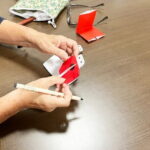
- Japanese miniature kimono made with origami in Osaka★ 5.0 · 12 reviews
Calligraphy lesson, practical instruction and a keepsake you can frame
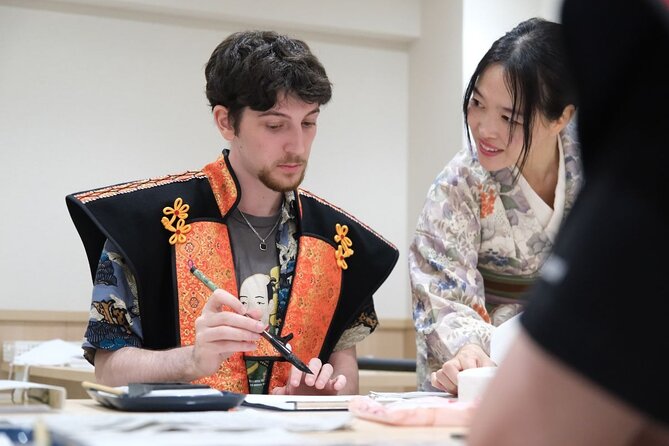
The calligraphy class is where a lot of people realize they do not need to be artistic to have a good time. You practice in a guided way, and you learn how the stroke should feel and look. The staff communicate the process clearly, including what each step is aiming for.
From the experience descriptions, the calligraphy portion is also memorable because the result is not treated like a throwaway worksheet. Your efforts can be framed, turning it into a real souvenir you can bring home. That is a big deal for value. Many cultural classes let you watch, or you leave with a small item. This one is designed so you walk away with something meaningful.
If you worry about getting it wrong, you can relax. The goal is to learn the method and create your own piece, not to produce a masterpiece. The tone feels encouraging, and that support is part of why so many people call this a favorite Osaka activity.
Traditional music plus samurai sword performance, performance with context
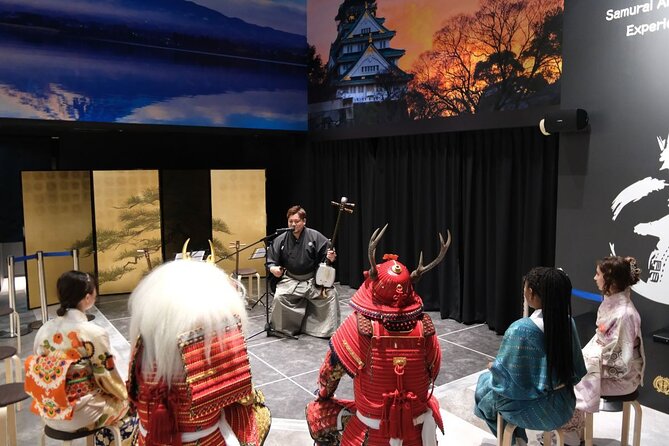
This is not a silent demonstration. After the calmer arts like kimono and calligraphy, the experience moves into performance mode with Japanese traditional music and a samurai sword performance.
I like this combo because it shows how Japanese culture shifts gears. You go from careful, quiet movements in the tea ceremony to the more energetic presence of live music and the dramatic storytelling feel of samurai performance. It keeps the time from dragging and gives your brain a reset.
Just as important, you are not only watching. The guidance you receive earlier helps you connect the performance to the surrounding cultural framework. That is why the staff explanations matter so much. When people tell you the meaning behind what you are seeing, the show becomes more than entertainment.
If you enjoy photos, this is also a strong moment. The overall setting supports pictures, and performances are naturally photogenic. You will just want to be mindful of space, follow instructions, and avoid blocking other guests.
Optional armor dressing and souvenir costs, plan the extras
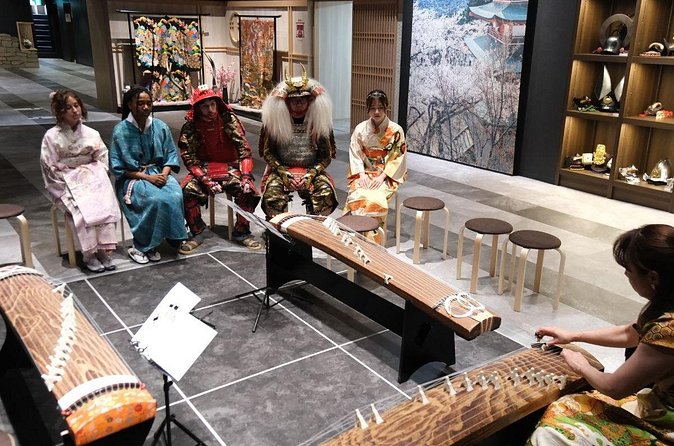
One thing to be clear about is what is included versus what costs extra. Kimono dressing, tea ceremony, calligraphy, and Japanese traditional music performance are included. The one major item listed as not included is armor dressing.
That does not mean you cannot experience armor. It means the armor portion may require an added fee. In fact, there is mention of trying on real armor in the overall experience. If armor is a priority for you, budget for it and ask what is available when you arrive or confirm before your visit.
There is also a souvenir cost mentioned: ¥10,000 per person. The tour includes cultural activities, but this is a reminder to manage expectations if you are planning to purchase items at the venue. If souvenirs are not your thing, you can treat this part as optional rather than a pressure.
Where it fits in your Osaka day
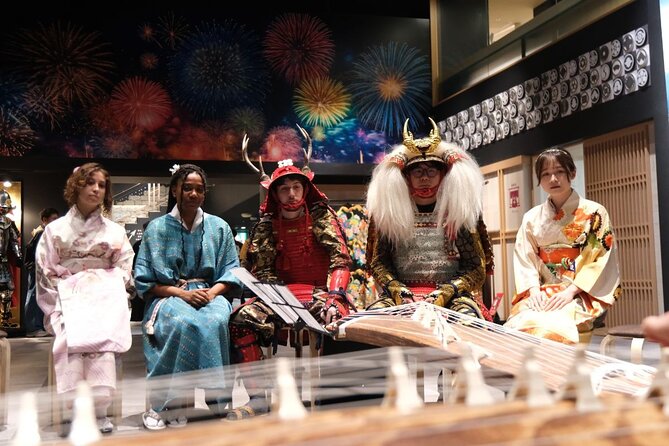
With a 3-hour duration, this tour is flexible. It works well if you want one anchored cultural experience in an otherwise shopping or sightseeing day. It also makes sense if you are planning multiple stops and want something that is not just a museum or a temple, but an interactive workshop plus performance.
Because you start at Shinsaibashi ARTY Inn and you are near public transportation, I suggest you keep the rest of your schedule within the same general area. You will save energy and reduce stress over timing.
Also, since you will be in kimono and handling ceremonial activities, do not stack another super physical activity immediately after. You might feel fine, but kimono can make certain motions feel more constrained, and you will probably want a comfortable next stop for food or casual strolling.
Price and value: what you get for about $123.49
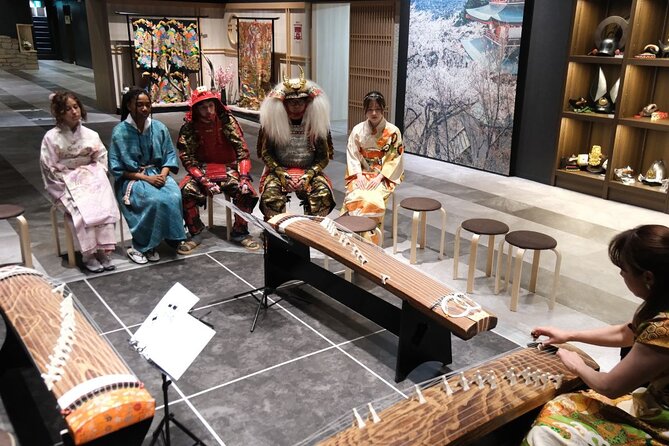
At $123.49 per person, this experience is not the cheapest way to do cultural activities in Osaka, but it also does not feel overpriced for what you get. You are paying for guided instruction across multiple traditions, plus a live performance component.
Here is why the value adds up:
- You get multiple included activities in one block: kimono dressing (women only), tea ceremony with matcha making, calligraphy, and traditional music.
- You get real participation, not just observation. That matters more than the headline list of activities.
- The staff focus on explaining steps and meaning, which turns the session into an education, not a photo op.
- You may leave with a calligraphy result that can be framed, which gives you a durable memory.
Your biggest value risk is not the base price, it is the extra items. If you want armor dressing and souvenirs, your total can rise. If those extras are optional for you, you are likely to feel very satisfied with the base cost because so much is included already.
Best for first-timers, couples, and anyone who likes guided learning
This is a strong match if you want an Osaka experience that feels personal and teachable. The most praised parts, based on the emphasis in the experience descriptions, are the warm, friendly staff, the clear step-by-step explanations, and the way you learn the meaning behind what you are doing.
It is also a good pick if you like a mix of art and performance. Some cultural classes are purely hands-on. Others are purely theatrical. This one blends both, so you get a fuller picture of Japanese tradition in a short window.
Who might consider something else:
- If you are traveling as a man, kimono dressing is women only, so you should confirm how you will participate in the included activities you care about. The experience overall says most travelers can participate, but the kimono component is specific.
- If you hate structured group time, you might find the guided flow a little rigid. Still, the staff style described here sounds welcoming rather than strict.
Should you book -michi- for kimono, tea, calligraphy, and samurai?
I think this is worth booking if you want a well-paced cultural experience in Osaka that is interactive from start to finish. If kimono dressing (for women), matcha making, calligraphy, and a samurai sword performance are all on your wish list, this hits a lot of boxes without forcing you to string together separate tours.
Book it if:
- You value guided explanations and learning the meaning behind rituals
- You want a souvenir with your calligraphy outcome
- You want a photo-friendly setting that feels calm
You might skip it if:
- You are only interested in one activity and the rest feels unnecessary
- Armor dressing and souvenirs would add too much to your budget
One practical note: the experience includes free cancellation up to 24 hours before the start time, so you have room to adjust if your Osaka schedule shifts.
If you are building a first Osaka trip and want one standout cultural block, this is a solid choice.
FAQ
What is included in the -michi- experience in Osaka?
The experience includes kimono dressing (women only), a tea ceremony, calligraphy, and Japanese traditional music performance. A samurai sword performance is part of the overall program.
Is kimono dressing available for everyone?
Kimono dressing is listed as women only. If you want to participate but you are not a woman, you should confirm what options are available for you.
How long does the experience last?
The duration is approximately 3 hours.
Where does the experience take place?
It takes place in Osaka, Japan, and the listed starting point is Shinsaibashi ARTY Inn.
How do I get my ticket?
You receive a mobile ticket.
Is armor dressing included?
No. Armor dressing is listed as not included, and it may cost extra.
What extra costs should I plan for?
Souvenirs are listed as ¥10,000 per person. Armor dressing is also not included, and you would need to budget for it if you choose it.
Can I make my own matcha during the tea ceremony?
Yes. The overall description states you can create your own matcha during the tea ceremony.
What is the cancellation policy?
You can cancel for a full refund up to 24 hours in advance of the experience start time. If you cancel within 24 hours, the amount paid will not be refunded.
Is the experience suitable for most people?
The experience notes that most travelers can participate.
Rental Counters, Compared
Kyoto by the Bowl
Newest Osaka write-ups from the Loving Japan desk


Kyoto Tea Ceremonies and Matcha, side by side.
 ★ 4.9Tea Ceremony in a Traditional Tea House in KiyomizuFrom $493,519 reviews
 ★ 4.9Tea Ceremony Ju-An at Jotokuji TempleFrom $293,207 reviews
 ★ 4.345-Minute Tea Ceremony Lesson ExperienceFrom $222,378 reviews
 ★ 5.0World Heritage Kyoto & Nara Uji Authentic Matcha ExperienceFrom $1291,573 reviews
 ★ 4.9Tea Ceremony ExperienceFrom $251,426 reviews
 ★ 4.9Table-Style Tea Ceremony at a Kyo-MachiyaFrom $451,211 reviews
 ★ 4.8Kenrokuen Tea Ceremony ExperienceFrom $351,139 reviews
 ★ 5.0Kimono Tea Ceremony at Kyoto Maikoya, NISHIKIFrom $65911 reviews