
REVIEW · DOTONBORI AND OSAKA STREET FOOD
Let’s Dance Bon Odori Japanese folk Dance near Tsutenkaku
Dancing in a circle beats standing still. In Ebisuza’s Bon Odori class near Tsutenkaku, you’ll pick up samba-like steps and move to live shamisen and taiko with a small group.
I love how the instructor keeps it easy steps, starting with clear basics and then switching to looser, more playful movement in the second half. I also like that you get a no-fuss drink choice of coffee, tea, water, or a canned alcoholic beverage to match the festival mood.
One thing to plan for: the experience is about 1 hour 30 minutes, so it’s more about the dance class than a long, slow sightseeing day.
In This Review
- Quick reasons to go
- Where Bon Odori fits into Osaka, and why this location works
- Price and value: what you get for $19.60
- Meeting at Ebisuza: getting there with less stress
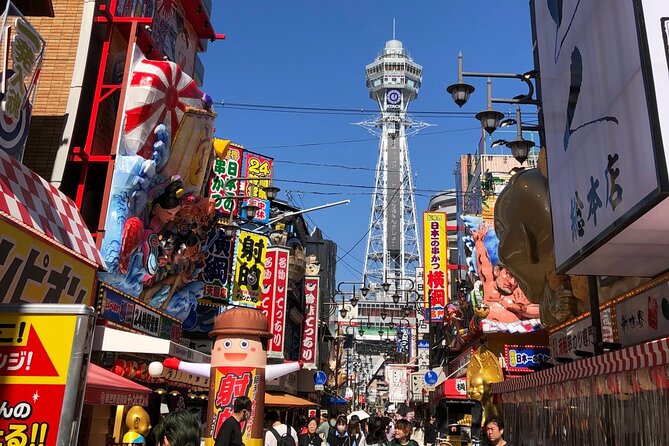
- Stop 1: Tsutenkaku, and why it’s a smart first photo stop
- Stop 2: Isshinji Temple, a calmer contrast
- The 90-minute dance lesson: from instructor demo to free dancing
- The music matters: shamisen and taiko make it real
- Coffee, tea, water, or canned alcohol: how that changes the vibe
- Group size and the circle effect: why you stop overthinking
- Timing options: early afternoon or evening
- Where to eat before and after (without losing your plan)
- Who should book this Bon Odori class, and who might want something else
- Should you book this Bon Odori class near Tsutenkaku?
- FAQ
- How long is the Bon Odori experience?
- Where is the meeting point?
- Does it use a mobile ticket?
- What drink options are included?
- Are there different session times?
- Is this class beginner friendly?
- What is the maximum group size?
- Is free cancellation available?
- Are service animals allowed, and is public transportation nearby?
Quick reasons to go

- Bon Odori basics that feel doable fast, then you get to freestyle
- Live shamisen and taiko music during the class
- You may get hands-on time with percussion instruments like taiko and shamisen
- Drink included (coffee, tea, water, or a canned alcoholic beverage)
- Small group size capped at 15, so you get real attention
- Two schedule options (early afternoon or evening)
Still hungry on Dotonbori? A few more crawls
- Osaka: Shinsekai Food Tour with 13-15 Dishes at 5 Eateries
★ 4.8 · 2,204 reviews - Osaka Local Foodie Walking Tour in Dotonbori and Shinsekai
★ 5.0 · 985 reviews - Osaka: Dotonbori District River Cruise with Drink Discount
★ 4.2 · 876 reviews - Ultimate Osaka Walking Tour: Castle, Dotonbori & Hidden Gems
★ 5.0 · 862 reviews
Where Bon Odori fits into Osaka, and why this location works
Osaka has a way of rewarding you for mixing big sights with small, human moments. This dance class does exactly that. You start near Tsutenkaku, one of the city’s most recognizable landmarks, and you end back at the same meeting point after a short run of sightseeing and lessons.
What makes the location practical is the rhythm of your day. Tsutenkaku puts you in the action, and Isshinji Temple gives you a calmer cultural stop nearby. Then you head into the studio at Ebisuza for the main event, where the focus stays on learning, not walking.
It also helps that Ebisuza is described as centrally located. That usually means two things for you: public transport is nearby, and you can eat before or after without a long hunt. Around the Tsutenkaku area, you’ll find lots of easy local food options like takoyaki, okonomiyaki, and kushikatsu.
Price and value: what you get for $19.60
At $19.60 per person, you’re not paying for a complicated production. You’re paying for instruction, live music, and the permission to move your body without worrying about doing it perfectly.
Here’s the value math that matters:
- You get a professional instructor teaching the steps.
- You get an included drink choice (coffee, tea, water, or canned alcohol).
- You get a 90-minute block that combines sightseeing time with an actual activity.
- The group is capped at 15 people, which tends to keep the lesson personal.
If you’ve ever watched Bon Odori from the sidelines, you know the frustration. This class is the cure. You get the basic pattern, you learn how the circle works, and then you get to join in rather than just snapping photos.
Meeting at Ebisuza: getting there with less stress
You meet at 1-chōme-3-13 Ebisuhigashi, Naniwa Ward, Osaka, 556-0002, Japan. The activity ends back at the meeting point, so you don’t need to figure out an extra commute at the end while your legs are warming up.
The good news: it’s listed as near public transportation, and the ticket is mobile, so you’re not juggling paper tickets in crowds. You also get confirmation at booking, so you should be able to show up without last-minute guessing.
A small planning tip: if you want a more relaxed start, arrive a bit early. In the class experience, there’s mention of live shamisen happening if you get there in time, which is the kind of bonus you’ll actually feel in the atmosphere.
- Hungry Osaka Street Food Tour:15 Tastings & 3 Drinks with a Local★ 5.0 · 1,727 reviews
- Osaka: Tea Ceremony Experience★ 4.9 · 1,426 reviews
- Osaka Kickstart: Hotspots & Hidden Gems Tour★ 5.0 · 1,306 reviews
- Osaka: Hotspots & Hidden Gems Walking Tour Private or Group★ 4.9 · 1,300 reviews
- Deep Backstreet Osaka Tours (Option to add Dinner)★ 5.0 · 1,290 reviews
Stop 1: Tsutenkaku, and why it’s a smart first photo stop
Tsutenkaku is the kind of place you see once and instantly recognize. Starting here sets the tone. It tells you this is not some far-out workshop. This is Osaka, close to the fun stuff, and you’re about to turn a sightseeing stop into a dance stop.
As the first stop, Tsutenkaku also works as a warm-up mentally. You’re already in festival-land, even if it’s not summer. That helps when you get to the studio later, because Bon Odori is all about rhythm, repetition, and enjoying the group energy.
Potential drawback: if you’re expecting a long walking tour with lots of storytelling, this is not that. Tsutenkaku is a quick hit. The real payoff comes from the dance lesson right after.
Stop 2: Isshinji Temple, a calmer contrast
After the Tsutenkaku area’s iconic visuals, Isshinji Temple gives you a different pace. Even if you only have a short time there, a temple stop changes the mood of your day in a good way. It keeps the experience from feeling like pure entertainment, and it grounds your Osaka visit in something more cultural.
The key here is balance. This class is still mainly about dancing. But you’re not stuck only in one type of environment. You get a contrast between city sights and a more traditional spiritual setting, which makes your dance later feel less like a random activity and more like part of the local fabric.
Practical note: temples can mean uneven surfaces and steps. If you have any mobility issues, you should plan to move slowly and wear comfortable shoes. The dance itself is described as having few rules, with steps that are presented as easy to follow, but you’ll still be on your feet.
The 90-minute dance lesson: from instructor demo to free dancing

This is the heart of the experience, and the structure is built for beginners.
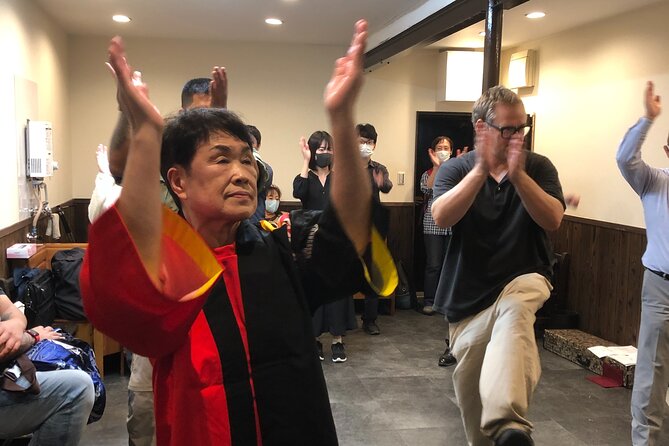
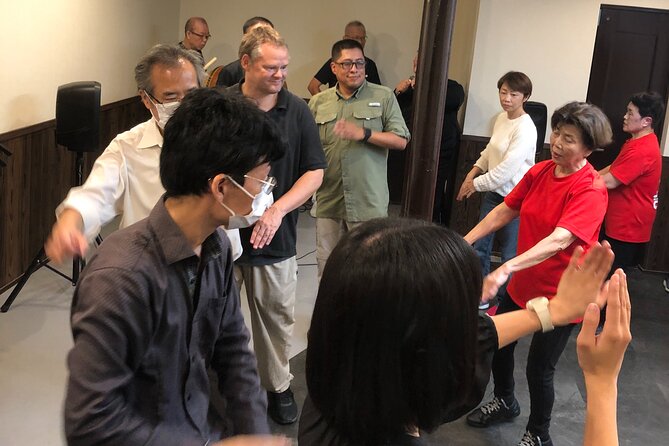
You start with a demonstration of the Bon Odori steps by the instructor. Then you practice the basics. The class is designed around the idea that Bon Odori has few rules, which matters because it removes the fear factor. You’re not trying to perform a complicated choreography for an audience. You’re learning a pattern and then joining the flow.
The second half shifts gears. You move from strict practice into something closer to free fun. That’s when the dance starts to feel like a shared celebration rather than a lesson. And yes, the vibe is described as samba-like, with a rhythm that helps even first-timers find the beat.
One more practical detail: because it’s roughly 1 hour 30 minutes, you don’t get stuck in a long sit-and-listen class. You learn, you move, you laugh, you reset. It’s a good length for people who want cultural fun without burning half a day.
The music matters: shamisen and taiko make it real
Bon Odori without live instruments would feel flat. This experience keeps the music close and front-and-center.
You’ll dance with live shamisen and taiko. Some of the most memorable parts of this class are the moments when the host’s shamisen playing and the taiko rhythm land at just the right time. It turns the lesson into something you can feel in your body, not just hear.
What I really appreciate about this setup is that it gives you multiple entry points:
- If you love rhythm, the taiko keeps you on beat.
- If you love string sounds, the shamisen adds texture.
- If you learn by watching, the instructor’s demo gives you the shape of the movement.
And there’s a hands-on angle too. The experience mentions chances to touch and try percussion instruments like taiko and shamisen. That turns you from spectator into participant, which is usually what people crave in a cultural class.
Coffee, tea, water, or canned alcohol: how that changes the vibe
The included drink choice is simple but smart. You can select coffee, tea, water, or a canned alcoholic beverage, depending on your preference.
For some people, coffee or tea makes the lesson feel like a relaxed afternoon activity. For others, the canned alcohol supports that festival mood and helps you loosen up. Either way, the point is you’re not left scrambling for a drink midway through.
One small caution: if you choose alcohol, go easy. Bon Odori is easy in the sense that steps are beginner-friendly, but you still want your balance and coordination. Think of it as a mood booster, not a challenge course.
Group size and the circle effect: why you stop overthinking
With a maximum of 15 people, the class stays small. That matters because Bon Odori is a circle dance. You’re meant to see other people moving, match the rhythm, and enjoy the shared motion.
That circle effect does two things fast:
- It reduces the pressure. Nobody expects you to be perfect when you’re all learning together.
- It builds momentum. Once you feel the beat, the dance becomes less about counting and more about staying in sync.
The class also emphasizes happiness and easy movement. That’s a big deal for first-timers, because Bon Odori can look intimidating until someone breaks it into basic steps and gives you permission to have fun.
Timing options: early afternoon or evening
You can choose between an early afternoon session and an evening session. That flexibility is practical. It lets you structure your Osaka day around your energy level.
Early afternoon can feel like a gentle reset after sightseeing. Evening can add a slightly more “festival” mood, even though the class itself is a studio setting. Either way, you’ll still get the same core experience: instructor-led steps, live shamisen and taiko, and the included drink choice.
If you’re deciding between the two, choose based on what you’ll be most likely to enjoy later. If evenings in Osaka are when you’re energized, go evening. If you get tired after a full day of walking, pick early afternoon.
Where to eat before and after (without losing your plan)
Because the studio is centrally located near Tsutenkaku, you’ll have food options close by. You can work meals around your class instead of around long transit.
Typical nearby favorites mentioned include:
- takoyaki
- okonomiyaki
- kushikatsu
A practical approach is to eat before you go to the studio, especially if you’re doing the evening session. You’ll move more comfortably, and you won’t be thinking about hunger while learning steps.
Who should book this Bon Odori class, and who might want something else
This class is a great fit if you want:
- a hands-on cultural experience you can actually participate in
- beginner-friendly dance instruction
- live music and a social circle setting
- a short activity that still feels memorable
It’s also a strong pick if you like Osaka’s personality. Tsutenkaku is playful and loud in the best way, and the dance lesson taps into that same spirit.
You might reconsider if you want:
- a long temple tour or deep museum-style context
- a purely quiet, reflective cultural experience
- a full-day itinerary with lots of separate stops
Also, bring realistic expectations about the pace. It’s short, and it’s active. Comfortable shoes help, and if you have knee pain, move carefully and follow the instructor’s pace.
Should you book this Bon Odori class near Tsutenkaku?
Book it if you want an easy win for Japanese culture that doesn’t require prior dance skills. For $19.60, you’re getting instruction, live shamisen and taiko, a drink option, and a small-group setting where you can join the circle without worrying you’ll get it wrong.
Skip it if you need a longer sightseeing day or if you’re not interested in moving at all. This isn’t a sit-and-watch performance. It’s a do-it-together lesson.
If you’re on the fence, choose the session time that matches your energy. Then go in with the mindset of joining the rhythm. That’s where Bon Odori clicks.
FAQ
How long is the Bon Odori experience?
It’s approximately 1 hour 30 minutes.
Where is the meeting point?
The meeting point is 1-chōme-3-13 Ebisuhigashi, Naniwa Ward, Osaka, 556-0002, Japan.
Does it use a mobile ticket?
Yes, the experience includes a mobile ticket.
What drink options are included?
You can choose coffee, tea, water, or a canned alcoholic beverage.
Are there different session times?
Yes. You can choose from early afternoon and evening sessions.
Is this class beginner friendly?
Most people can participate, and the instructor teaches basics first and then lets you dance more freely, so beginners should be comfortable joining in.
What is the maximum group size?
The class has a maximum of 15 travelers.
Is free cancellation available?
Yes. You can cancel up to 24 hours in advance for a full refund.
Are service animals allowed, and is public transportation nearby?
Service animals are allowed, and the meeting area is near public transportation.
Dotonbori, Still Hungry




Newest Osaka write-ups from the Loving Japan desk
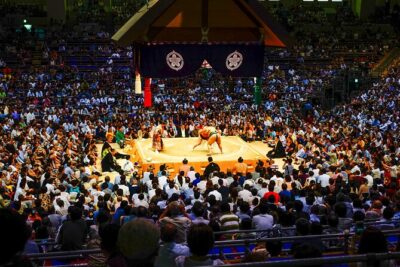



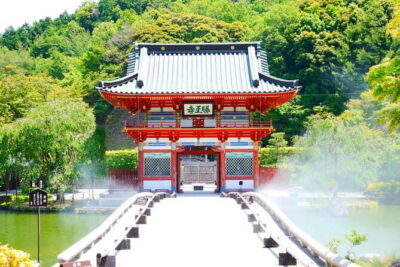
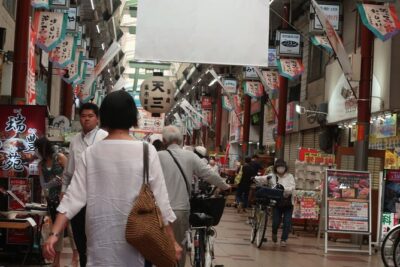
Dotonbori and Osaka Street Food, side by side.
 ★ 4.8Shinsekai Food Tour with 13-15 Dishes at 5 EateriesFrom $532,204 reviews
 ★ 5.0Osaka Local Foodie Walking Tour in Dotonbori and ShinsekaiFrom $111985 reviews
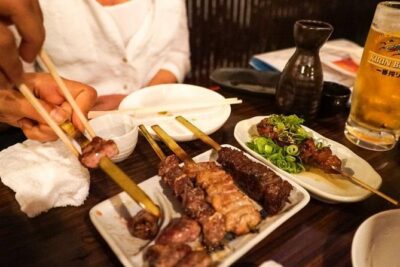 ★ 5.0Osaka Bar Hopping Night Walking Tour in Namba (3 bars, 6 tastes)From $98958 reviews
 ★ 4.2Dotonbori District River Cruise with Drink DiscountFrom $12876 reviews
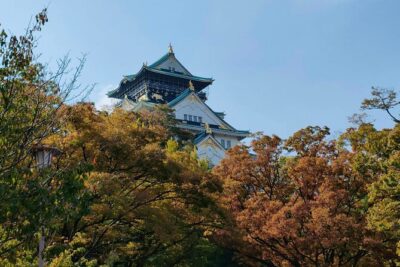 ★ 5.0Ultimate Osaka Walking Tour: Castle, Dotonbori & Hidden GemsFrom $73862 reviews
 ★ 5.0Kuromon Market Food Walking Tour in Osaka (6 stops, 6 tastes)From $50550 reviews
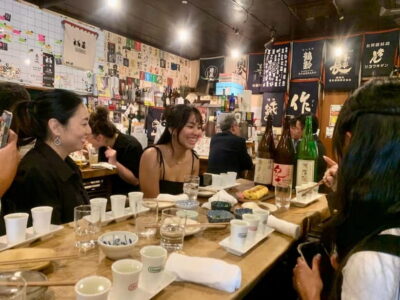 ★ 4.9Namba Pub Bar Crawl with a Local GuideFrom $30424 reviews
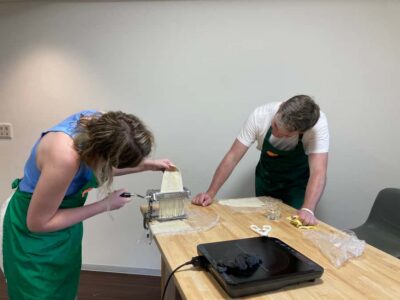 ★ 5.0Ramen and Gyoza Cooking Class in DotonboriFrom $70378 reviews
Filed on these lists too