
REVIEW · ASAKUSA, SENSO-JI AND TOKYO SKYTREE
Make Rice Balls and Enjoy a Japanese Home-Style Lunch in Yanaka
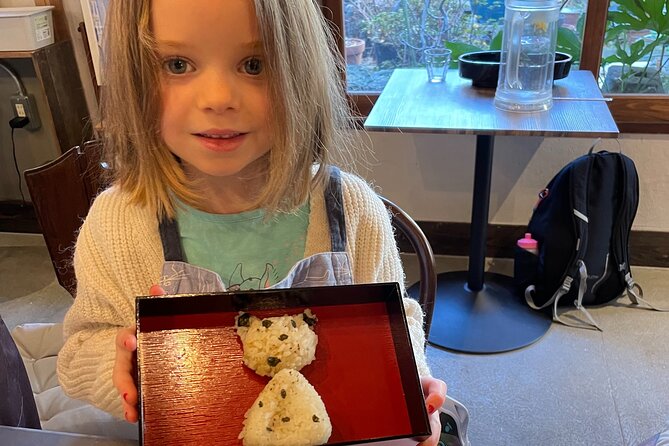
Turn rice into edible art in Yanaka. This hands-on onigiri and bento lunch teaches you how to shape rice balls from scratch, then plate them into a tidy box like people actually eat at home.
I love the small-group feel, with a maximum of 12 people, and how the instructors stay patient and attentive, including Yuki, Masayo, and Eiko. I also like that you do more than cook, you get practical okazu plating tips and a lunch spread that includes miso soup plus Japanese-style sides.
One possible drawback is the pace. It runs about 1 hour 30 minutes, so if you want a long sit-down or lots of extra downtime in the neighborhood, you will need to plan your day around the fixed end time.
In This Review
- Key highlights worth your attention
- Why Yanaka’s Bento Class Works So Well
- Meeting at YANESEN: Small Group, Clear Start, Easy Location
- From Rice to Onigiri: Custom Toppings and Repeatable Technique
- Bento Box Basics: How to Plate Like You Mean It
- The 1 PM Table Moment: Presentation, Photos, and Itadakimasu
- What You Can Learn Beyond Onigiri (Without Feeling Overwhelmed)
- The Teaching Style: Yuki, Masayo, and Eiko Make It Feel Friendly
- Price and Value: What $60.62 Really Buys
- Practical Tips so Your Bento Looks Good and Tastes Better
- Timing: A Tight 1 Hour 30 Minutes with a Real Lunch Finish
- Who Should Book This Onigiri and Bento Lunch in Yanaka
- Should You Book This Yanaka Onigiri and Bento Class?
- FAQ
- What is the meeting point for the Yanaka onigiri and bento experience?
- How long is the class?
- What does the price include?
- Is the group small?
- Can you accommodate allergies and special diets?
- What happens during the meal portion?
- Is there free cancellation?
Key highlights worth your attention
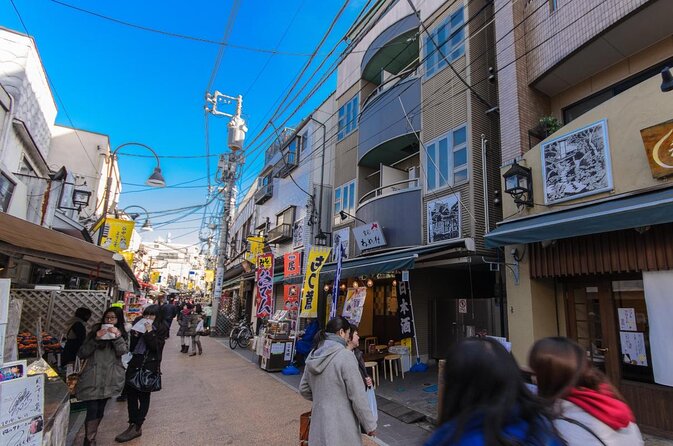
- Onigiri from scratch with toppings, pickles, and rice sprinkles
- Bento box plating skills for a neat, photo-ready layout
- Home-style okazu flavors such as karaage, korokke, yakitori, and tamago-yaki
- A proper lunch table with miso soup, Japanese roasted coffee, and sweet tea
- Family friendly extras like origami and calligraphy for kids
- Dietary requests supported with allergy, vegetarian, or vegan options if you tell them when booking
Still on the Sumida side? A few more Asakusa options
- Tokyo: Japanese Dance Cabaret Theater Asakusa-Kaguwa Ticket
★ 4.8 · 2,270 reviews - Tokyo: Meiji Shrine, Asakusa, Skytree Bus Tour and Cruise
★ 4.7 · 1,986 reviews - Tokyo: Roll and Authentic Sushi Making Class in Asakusa
★ 4.9 · 1,957 reviews - Tokyo: Asakusa Walking Tour with Sensoji Temple Visit
★ 4.8 · 1,583 reviews
Why Yanaka’s Bento Class Works So Well
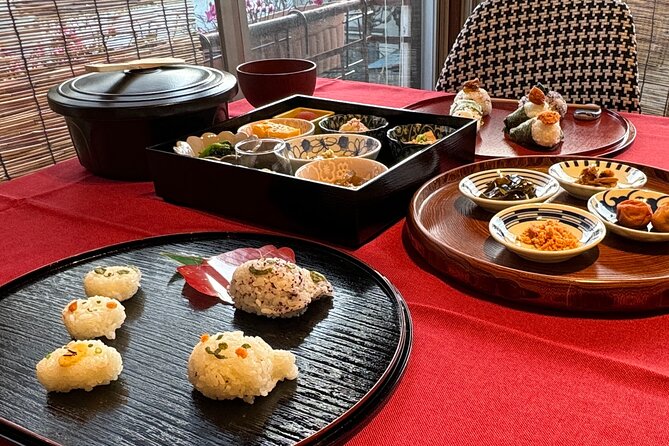
A good Japanese food experience should do two things at once. It should teach you a skill you can repeat later, and it should feed you something that feels like a real lunch, not a demo.
This class nails both. You start with rice balls, then you build a bento around okazu home-style dishes sourced locally through neighborhood shops. By the time you sit down, you are eating what you assembled, with miso soup and sides that match the lunch theme.
The best part is that it is not just hands-on making. You also get placement and styling guidance for your bento box. That matters because in Japan, presentation is part of the meal experience, not a bonus.
Meeting at YANESEN: Small Group, Clear Start, Easy Location
You meet at the YANESEN Tourist Information & Culture Center at 3-chōme-13-7 Yanaka, Taito City. The session uses a mobile ticket, and you confirm at booking, so you are not hunting for paperwork.
The group size is capped at 12, which is a big deal for a cooking class in a city like Tokyo. With fewer people, you get more direct help when your rice ball shape is not exactly what you wanted.
Also, the location is stated as near public transportation. That helps, because you can plan a Yanaka half-day without turning your schedule into a logistics puzzle.
From Rice to Onigiri: Custom Toppings and Repeatable Technique
The core skill here is onigiri, rice balls made from scratch. You prepare rice balls plus the mix-ins and finishing touches, including toppings, pickles, and rice sprinkles.
This is where the class becomes useful for your future self. Once you learn how to handle the rice, how to add fillings, and how to season and shape, you can recreate the same idea at home. Even if your kitchen setup is different, the method transfers.
You also get creativity baked into the process. The experience includes customizing your onigiri, and one instructor can even guide you toward playful shapes, like making rice balls shaped like cats. If you love food that is equal parts snack and craft, this is a highlight.
A small but memorable tip shows up in the experience too. One detail that learners call out is not skipping certain items, including radish. If you get radish in your setup, try it. It is the kind of flavor that can surprise you, and you do not want to miss the point of the lunch you built.
- Mt Fuji and Hakone 1-Day Bus Tour Return by Bullet Train★ 5.0 · 26,383 reviews
- 1-Day Tokyo Bus Tour★ 5.0 · 14,250 reviews
- Tokyo: teamLab Planets TOKYO Digital Art Museum Entry Ticket★ 4.6 · 9,779 reviews
- Mt Fuji & Hakone Cruise, Drum Show Bullet Train 1 Day from Tokyo★ 4.0 · 7,413 reviews
- Tokyo: Shinjuku Food Tour (13 Dishes at 4 Local Eateries)★ 5.0 · 6,603 reviews
Bento Box Basics: How to Plate Like You Mean It
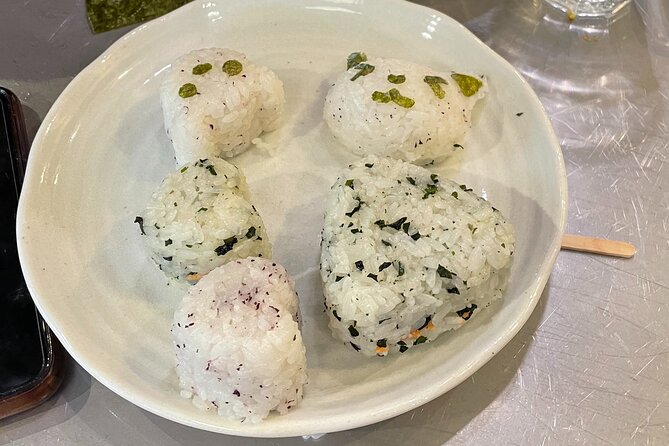
After you form your rice balls, you shift to the bento box portion. Here is where you learn the practical side of Japanese lunch packing: how to design the box so the meal looks balanced and stays easy to eat.
You get top tips on how to plate-up food in a bento box, including how to lay things out so colors and textures work together. This matters for more than looks. When food is arranged thoughtfully, you do not end up with a box that is hard to grab from, or flavors that feel random when you take a bite.
Your okazu component is a key part of the bento. Instead of everything being made in a classroom, you build around home-style dishes like karaage, korokke, yakitori, and tamago-yaki that are purchased at neighborhood delis or shops. That gives you a more realistic lunch feel, like you assembled your box the way locals do.
There is also an instructional piece about what the home-style dishes are and where you can find similar versions in Yanaka. That turns the meal into a mini map for future eating, not just a one-time class.
The 1 PM Table Moment: Presentation, Photos, and Itadakimasu
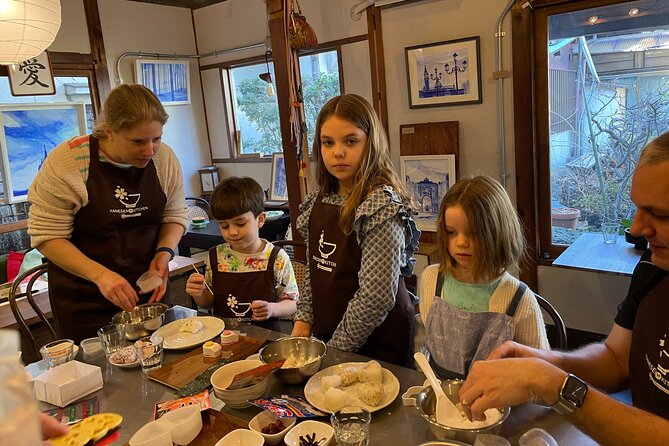
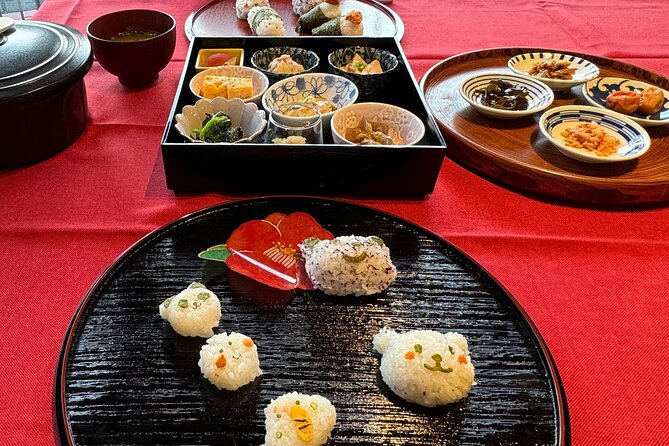
Around 1 PM, you shift from prep to presentation. Your table setting comes together, and there is a photo moment as part of the experience. Then you sit down and eat, starting with the classic Itadakimasu ritual.
Alongside your bento box, you are eating a broader lunch setup that fits the theme. The experience includes local items such as Japanese-style omelet, fresh salad, and teriyaki chicken, plus miso soup.
You also get Japanese roasted coffee at the table. In many Tokyo meals, coffee is not treated like an afterthought, so having it paired with lunch makes the whole experience feel complete. A sweet and tea are also part of the meal flow, which helps end the session on a comfortable note.
If you like taking home more than recipes, this is where you gain instincts. You learn how the components actually sit together, and that is hard to copy from a recipe alone.
What You Can Learn Beyond Onigiri (Without Feeling Overwhelmed)
The main focus is onigiri and bento packing, but the teaching can include other Japanese food skills within the same lesson structure. Past learners describe instruction that can cover things like rolling sushi, making tempura, and understanding miso soup basics.
You can also learn about miso in a hands-on way, including exploring different miso types and blending flavors to match what you like. That is valuable because miso can seem confusing at first. Once you understand the idea behind it, you stop treating it like one fixed ingredient.
Importantly, none of it feels like a pressure cooker. The tone is relaxed and welcoming, and the instructors stay patient while you work at your pace.
The Teaching Style: Yuki, Masayo, and Eiko Make It Feel Friendly
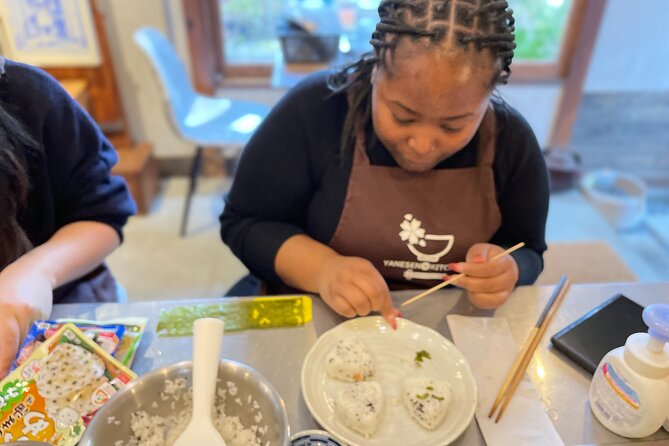
A big part of why this experience earns such strong ratings is the teaching tone. Names that come up again and again include Yuki, Masayo, and Eiko, and the pattern is consistent: clear guidance, a calm pace, and attention to small details.
That matters for first-timers. Rice balls can be tricky if your rice handling is new. Bento layout can also be intimidating if you think you need to be artistic to do it well. Here, the instructors help you get to a result that looks like a real lunch box, not a rushed mess.
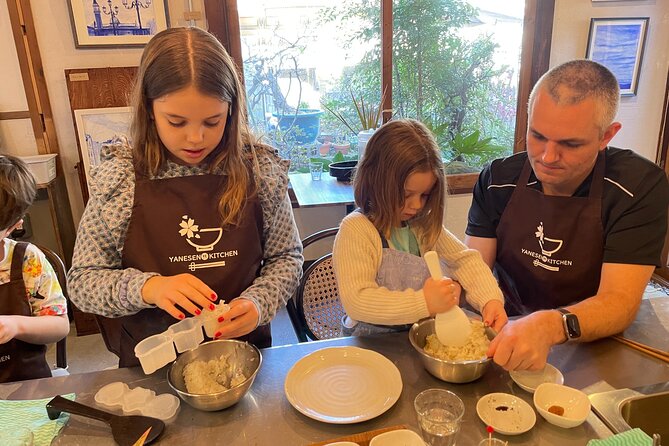
For families, this teaching approach expands into kid-friendly support too. One learning point is that the experience can include activities like origami and calligraphy to keep children engaged. Kids get a role in making parts of the meal, which helps the lunch feel like an event rather than just an adult activity.
Price and Value: What $60.62 Really Buys
At $60.62 per person, this is not a budget snack. But for what you get, it can be good value.
You are paying for several things at once:
- Hands-on instruction to make onigiri from scratch
- Bento plating guidance, not just ingredients
- Included tastings and a full lunch setup
- miso soup, Japanese roasted coffee, and a sweet with tea
- Ingredients for the rice ball component, plus okazu assembled as part of your bento
Also, with a maximum of 12 in the group, you are not competing for instructor attention. That staffing level usually costs money in Tokyo.
If you normally spend time and money piecing together a lunch plus cooking demos separately, this class is often a cleaner deal. You pay once, then you eat what you made.
Practical Tips so Your Bento Looks Good and Tastes Better
A few simple habits make a difference in a class like this.
First, arrive ready to snack. You do not want to be mentally full before you start shaping rice. The meal includes miso soup and sides, plus coffee and tea, so you will feel the hunger payoff at the table.
Second, take dietary needs seriously and tell them when you book. The experience states that allergies are handled, and requests are available for vegetarian and vegan diets if you share what you need. If you have a complicated allergy, mention it clearly so they can guide you appropriately.
Third, lean into the small unfamiliar items. The radish tip is a good example. If you skip those extras, you miss part of what the lunch is designed to teach.
Finally, use the photo moment as your goal, not your stress. The instructors guide the layout, so even if your rice ball shape is not perfect, you will still leave with a bento you can be proud of.
Timing: A Tight 1 Hour 30 Minutes with a Real Lunch Finish
The experience runs about 1 hour 30 minutes and ends back at the meeting point. The schedule includes an introduction at the start, then bento presentation around 1 PM, with the session wrapping up at about 2:30 PM.
That pacing is great if you want a structured Tokyo activity without losing an entire afternoon. It also means you should avoid stacking this lesson too close to other things that require long transfers.
If you are the type who likes slow museum time, plan fewer stops that day. If you like making decisions, this class can be a satisfying anchor.
Who Should Book This Onigiri and Bento Lunch in Yanaka
This is a strong fit if you want:
- A hands-on food skill you can repeat later
- A meal that mixes cooking with lunch packing and plating
- A comfortable group size with patient instructors
- A family-friendly activity with built-in kid distractions like origami and calligraphy
It is also a good option for couples or friends who want something cultural but not too stiff. The lesson style described here focuses on warmth and practical tips, including where to buy similar home-style dishes in Yanaka after you go.
Should You Book This Yanaka Onigiri and Bento Class?
Book it if you want a real Tokyo lunch experience that teaches you something concrete. You will leave with better onigiri technique, bento layout instincts, and a meal that includes miso soup, coffee, and a full set of lunch sides.
Skip it if you are looking for a long cooking immersion day. The time window is short, and the class is designed to move. It is not a multi-course, all-afternoon food project.
If you are traveling with kids, this is one of the more sensible “do something together” options, because children can participate and the session includes activities that keep them engaged.
FAQ
What is the meeting point for the Yanaka onigiri and bento experience?
You meet at the YANESEN Tourist Information & Culture Center at 3-chōme-13-7 Yanaka, Taito City, Tokyo 110-0001, Japan.
How long is the class?
The experience lasts about 1 hour 30 minutes.
What does the price include?
It includes the ingredients and tastings for making your rice balls and bento, and you also eat your creations along with local dishes and miso soup.
Is the group small?
Yes. The class has a maximum of 12 travelers.
Can you accommodate allergies and special diets?
The experience says allergies, vegetarian, and vegan requests are available if you let them know when you make your reservation.
What happens during the meal portion?
You present and photograph your bento box setup, then sit down to eat with miso soup, Japanese roasted coffee, and the rest of the lunch items included in the experience.
Is there free cancellation?
Yes. You can cancel for a full refund up to 24 hours before the experience’s start time.
Asakusa and the Skytree, Keep Going


Newest Tokyo write-ups from the Loving Japan desk


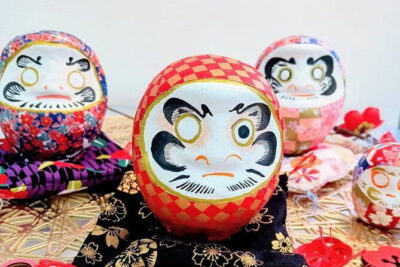

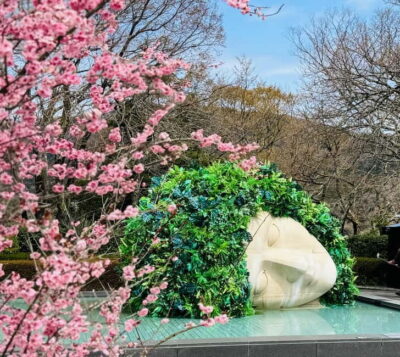
Asakusa, Senso-ji and Tokyo Skytree, side by side.
 ★ 4.5TOKYO SKYTREE® Admission ticketFrom $1311,192 reviews
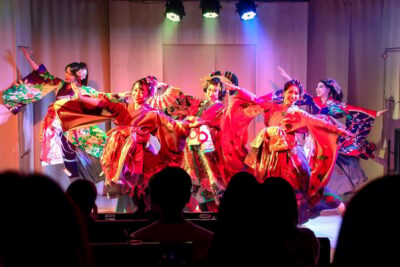 ★ 4.8Japanese Dance Cabaret Theater Asakusa-Kaguwa TicketFrom $492,270 reviews
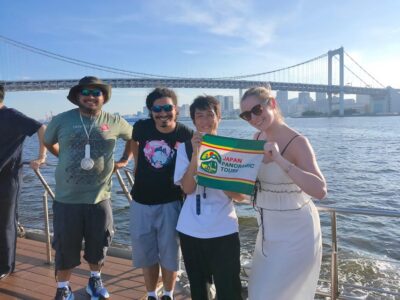 ★ 4.7Meiji Shrine, Asakusa, Skytree Bus Tour and CruiseFrom $1221,986 reviews
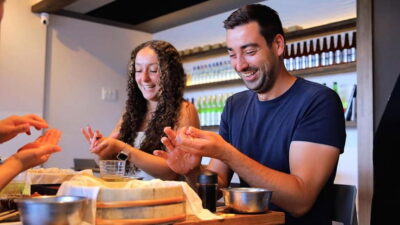 ★ 4.9Roll and Authentic Sushi Making Class in AsakusaFrom $581,957 reviews
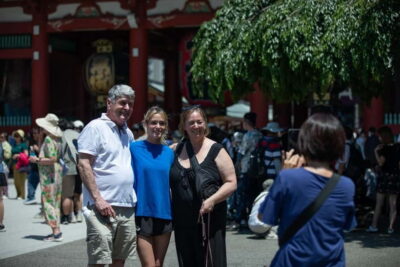 ★ 4.8Asakusa Walking Tour with Sensoji Temple VisitFrom $221,583 reviews
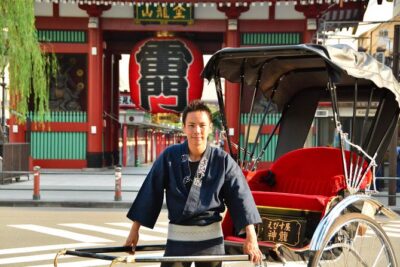 ★ 5.0Tokyo Asakusa Rickshaw TourFrom $421,375 reviews
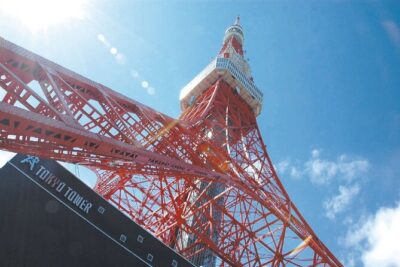 ★ 4.5Tokyo Panoramic 1 Day: Meiji Shrine, Asakusa, Odaiba and SKYTREE®From $851,222 reviews
 ★ 5.0Tokyo Go Kart: Asakusa, Skytree, and Akihabara **IDP MUST**From $99988 reviews
Filed on these lists too