
REVIEW · SAPPORO, OTARU AND HOKKAIDO
in Sapporo! Hand-made soba experience and shabu-shabu experience plan of Yezo deer meat (Gibier meat) from Hokkaido
That noodle press job turns into a mini mission. You get hand-made soba from scratch, then you eat it, plus you’ll also get Yezo sika deer meat shabu-shabu, a true Hokkaido-style treat that is not something you just stumble into at home. It is a hands-on food experience with real technique, real taste, and a schedule that fits neatly into a short evening window.
Two things I especially like: first, the soba experience is taught step-by-step, so first-timers can keep up while still doing it properly. Second, you are not only making noodles, you are also getting a full meal pairing with Hokkaido game meat shabu-shabu. The one thing to consider is logistics in winter, because the meeting spot can be easy to miss in heavy snow, and you will want to confirm you have the exact place and time locked in before you head over.
In This Review
- Quick hits
- Hand-made soba, plus Yezo sika deer shabu-shabu, in one meal
- Where it is, and how to get there without stress
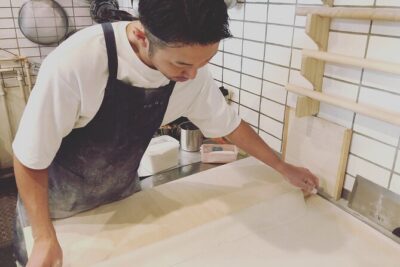
- What happens during the soba-making part
- The tasting, and why it is better than just photos
- The Hokkaido twist: Yezo sika deer meat shabu-shabu
- How the teaching actually feels, with language included
- Timing, duration, and how to fit this into a day in Sapporo
- Price and value: what you are really paying for
- Who should book this soba and shabu-shabu plan
- Possible drawback: meeting spot and weather can matter
- Should you book this Sapporo soba plus deer shabu-shabu?
- FAQ
- How long is the experience?
- What is included in the experience?
- Where is the meeting point?
- Is this a private activity?
- Is there group discount information?
- What is the price per person?
- Do I need to bring anything or get tickets in advance?
- What is the cancellation policy?
- What if the experience is canceled because of minimum travelers?
- Is the location accessible by public transportation?
- Are service animals allowed?
Quick hits
- Learn soba-making basics, from dough handling to cutting noodles
- Taste what you make, not just watch someone else do it
- Yezo sika deer shabu-shabu, a Hokkaido game-meat meal with a special taste
- Small-group feel, since it is a private activity for your group
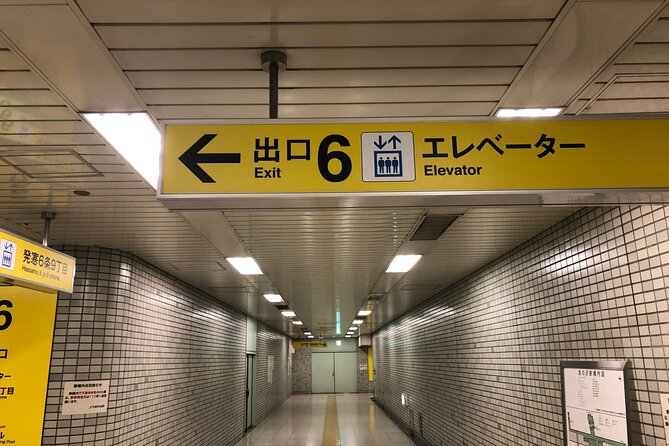
- Convenient access, near Miyanosawa Station on the Tozai Line (Exit 6)
Further north. Our other Hokkaido write-ups
- Sapporo Bar Hopping Food Tour
★ 5.0 · 232 reviews - Hokkaido Seasonal: Lake Toya & Noboribetsu Jigokudani Valley
★ 4.7 · 173 reviews - Sapporo Private Tour with a Local – Highlights & Hidden Gems
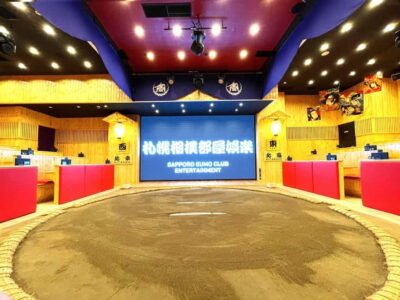
★ 5.0 · 91 reviews - Sapporo: Sumo Show Experience with Japanese food & Photo
★ 4.9 · 81 reviews
Hand-made soba, plus Yezo sika deer shabu-shabu, in one meal
If you have ever tried to make noodles at home, you know it is not magic. Soba dough has its own personality. Here, you get to wrestle it in a controlled, guided way, then turn your work into something you can actually eat right away. That matters, because soba is one of those foods where technique shows up in texture, bite, and flavor.
The other half of this plan is the Hokkaido twist: shabu-shabu made with Yezo sika deer meat, listed as game meat from Hokkaido. That means you are not just learning a Japanese cooking tradition. You are also tasting an ingredient that many people never try, unless they are in Hokkaido or planning food around local specialties.
What you love about the format here: this is not a huge production. It is about doing, tasting, and getting personal help. What I keep in mind if I am booking: the entire experience is around 1 hour, so you want to arrive on time and stay present. If you are the type who likes to browse and linger, this one is more focused than that.
Where it is, and how to get there without stress
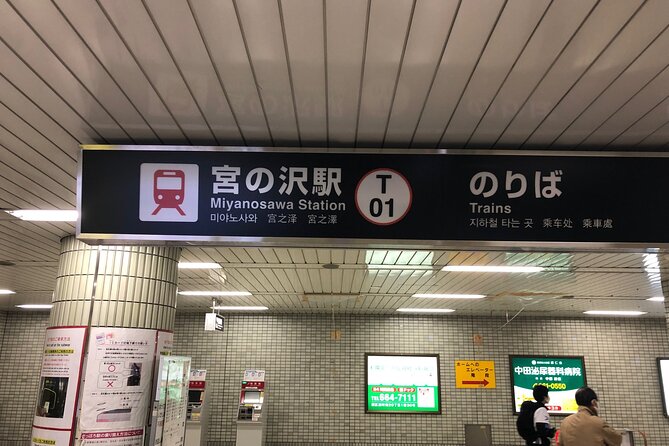
The meeting point is in Sapporo, right by Miyanosawa Station (Tozai Line), Exit 6, about a 3-minute walk. It is also described as a walking connection from Shiroi Koibito Park. That is a good setup if you already have a plan around that side of the city.
If you are driving, the information says there are two parking lots available, which is a nice extra for winter travel when public transit plus walking can feel like a sport.
Two practical tips:
- Plan to arrive a few minutes early. The 1-hour format is tight enough that you do not want to lose time hunting for the exact spot.
- In colder months, check the weather before you go and dress for it. One bad case in the posted feedback was simply a mismatch between expectations and the ability to find the meeting place in snow conditions.
What happens during the soba-making part
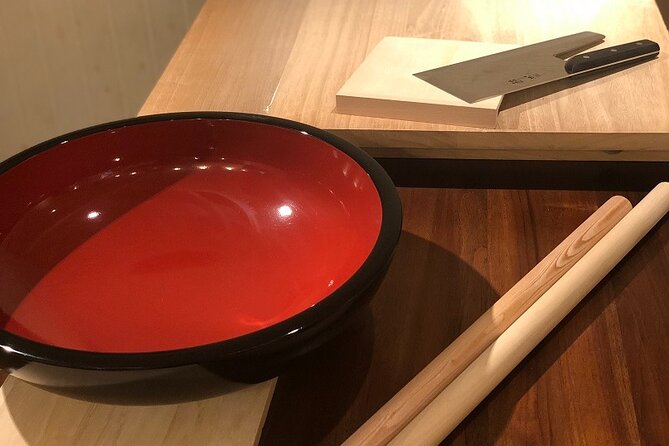
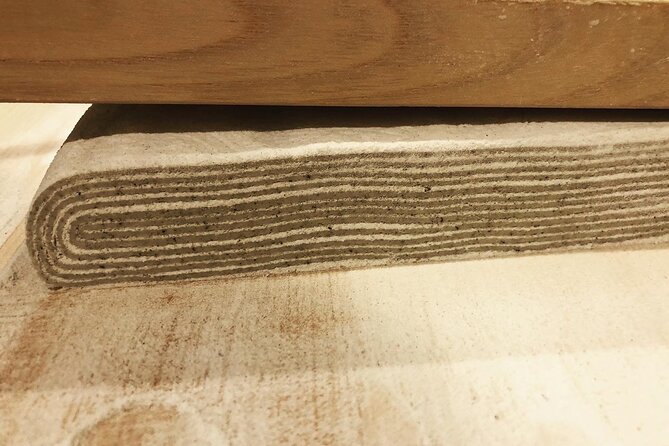
You will experience soba-making, soba cutting, and tasting. The listing makes a point that the instructor provides firm support, so it is designed for first-timers. Based on the teaching style described in feedback, the class is hands-on and guided, not a passive demo.
Soba has a strong following even among Japanese people, and part of the experience is learning how the noodles are made in a traditional way. You start with the dough process, then you move to cutting. The instructor will show you the technique, and you will do the work yourself.
In one set of comments, an instructor used a playful cutting approach sometimes referred to as a Spiderman technique. You do not need to take that literally like a fitness move. The point is that the cutting step can have a specific rhythm and angle, and the instructor makes it easier to understand with a memorable method.
Why this is valuable, even if you cook at home: soba is about feel as much as ingredients. Even if you never recreate it perfectly, you will leave knowing what good noodle texture should feel like, and why.
A bowl somewhere else in Sapporo
The tasting, and why it is better than just photos
Making soba is only half the event. The other half is eating it, which is where you actually get feedback from your hands and timing.
Soba is a classic staple dating back to the Edo period, and tasting it in the place where you made it gives you a direct comparison between what you did and what soba should be. You also get to experience a traditional way of eating soba in Japan, as described in the plan overview.
One thing I like about this style of class is that it does not treat food as a souvenir. It treats food as a meal. You are not leaving hungry or rushed to your next stop. You are eating what you made, while the learning is still fresh in your head.
The Hokkaido twist: Yezo sika deer meat shabu-shabu
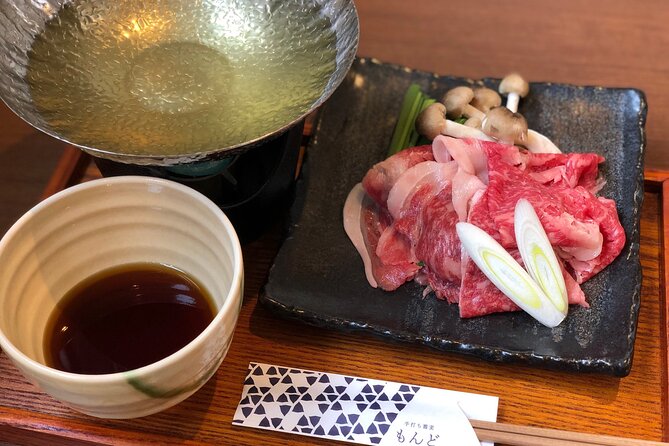
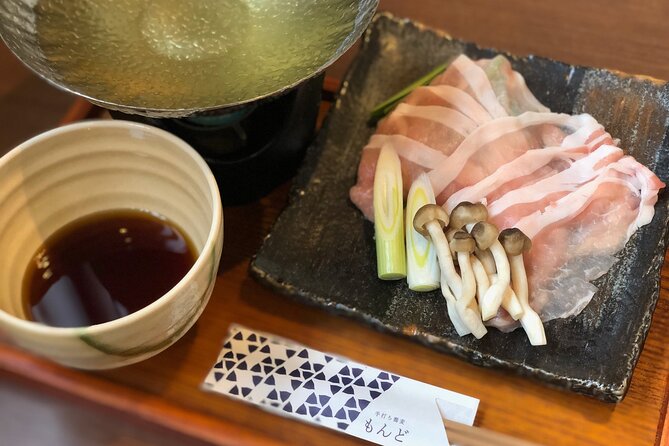
After (or alongside) the soba work, you also get a shabu-shabu meal made with Yezo sika deer meat, identified as game meat from Hokkaido. This is where your experience shifts from cooking class to genuine regional tasting.
Deer meat is not just a novelty. It has a different flavor profile than common beef or pork, and it changes the whole mood of shabu-shabu. You are pairing hot pot comfort with something that feels distinctly northern Japan. That is the kind of meal memory that sticks.
In feedback, the cooking help is credited to hosts including Mai, described as helping prepare the shabu-shabu, while Taku is named as someone who explained the soba process in detail. If you end up with a similar team, you get the best of both worlds: noodle instruction and meal preparation handled with real confidence.
How the teaching actually feels, with language included
A lot of food classes in Japan worry about language too much. Here, the vibe sounds more practical. One featured review describes communication using a mix of simple Japanese and English, which helped make it feel authentic instead of like a scripted performance.
You should expect guidance even if your Japanese is basic. The plan says the craftsperson will support you firmly, and that is the difference between a fun class and a frustrating one.
Also, the class is described as a private activity for your group. That usually means you can ask questions without feeling like you are competing with a crowd for the instructor’s attention.
Timing, duration, and how to fit this into a day in Sapporo
The duration is about 1 hour. Price is listed as $85.66 per person, and it is described as something people often book about 46 days in advance on average. That popularity is a clue: this is one of those experiences that sells out or gets scheduled early.
If you want to treat it as a dinner plan, you likely will. One posted example had a 4:30 p.m. start time, which suggests late afternoon to evening slots are part of the pattern. If your day is packed with other Sapporo stops, consider this one as your food anchor. Arrive on time, eat, and then keep the rest of the evening simple.
Price and value: what you are really paying for
At $85.66 per person for roughly 1 hour, you are not paying for a long lecture. You are paying for hands-on instruction, a meal, and an uncommon local ingredient.
Here is where the value comes from:
- You get to make and cut noodles, which is more involved than a tasting-only experience.
- You get to eat what you make, plus the included shabu-shabu with Yezo sika deer meat.
- You get small-group or private access (only your group participates).
Could you eat soba and deer somewhere else in Sapporo? Sure. But you would not get the same hands-on technique and the guided meal pairing in one compact session. For a food trip, that combo is often worth the money, because it turns one meal into a skill plus a story.
If you are budget-tight, you may want to compare it to regular dinner prices. If you are the type who likes learning cooking steps you can remember, this is the kind of splurge that actually pays you back later when you try to make something similar at home.
Who should book this soba and shabu-shabu plan
This is a strong match if:
- You want a hands-on Japanese food activity and not just a restaurant meal
- You like Hokkaido flavors and want to try game meat in a safe, guided way
- You are traveling with teens or older kids who can follow a short, practical activity
Feedback includes a family scenario where kids enjoyed the full process, so it does not sound like it is only for adults who already cook.
It is also a good fit for couples who want something different from ramen and want a more intimate feel.
Possible drawback: meeting spot and weather can matter
The main caution is finding the meeting point smoothly, especially in winter. The information gives you a very specific address and clear transit guidance, but snow can still make navigation harder than it should be.
The one negative case shared involved confusion about an English-speaking expectation and trouble finding the location in extreme cold. You can avoid most of that risk by:
- Confirming the meeting address and exact timing ahead of time
- Rechecking the route from Miyanosawa Station Exit 6
- Giving yourself a few extra minutes if conditions are rough
If you handle that, the overall experience seems consistently smooth.
Should you book this Sapporo soba plus deer shabu-shabu?
Book it if you want one short, high-satisfaction experience that mixes skill and a real Hokkaido meal. The best part is the pairing: you make hand-made soba and then you eat a shabu-shabu version featuring Yezo sika deer meat. That is a rare combo for a single stop.
I would skip it only if you strongly dislike winter walking, or if you need a very specific language setup and you cannot be flexible. Otherwise, this looks like a practical, authentic food class built for first-timers who still care about doing it the right way.
If you do book, do one simple thing: arrive early enough to settle in and start calm. In a 1-hour experience, that one choice makes everything easier.
FAQ
How long is the experience?
It lasts about 1 hour.
What is included in the experience?
You will make soba noodles, experience soba cutting, and then taste the soba. You also get a shabu-shabu plan featuring Hokkaido Yezo sika deer meat.
Where is the meeting point?
The start point is 9-chōme-17-28 Hassamu 6 Jō, Nishi Ward, Sapporo, Hokkaido 063-0826, Japan. It is also described as a 3-minute walk from Miyanosawa Station (Tozai Line) Exit 6.
Is this a private activity?
Yes. Only your group participates.
Is there group discount information?
Group discounts are listed as a feature of the experience.
What is the price per person?
The listed price is $85.66 per person.
Do I need to bring anything or get tickets in advance?
You will receive a mobile ticket, and confirmation is received at booking time.
What is the cancellation policy?
Free cancellation is available. You can cancel up to 24 hours in advance of the start time for a full refund.
What if the experience is canceled because of minimum travelers?
If it is canceled due to not meeting the minimum number of travelers, you will be offered another date or experience or a full refund.
Is the location accessible by public transportation?
Yes, it is near public transportation and specifically near Miyanosawa Station Exit 6.
Are service animals allowed?
Yes, service animals are allowed.
One More Bowl
Hokkaido, Further North
Newest Sapporo write-ups from the Loving Japan desk


Sapporo, Otaru and Hokkaido, side by side.
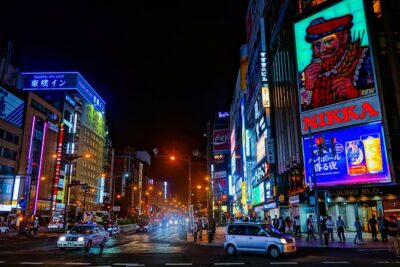 ★ 5.0Sapporo Bar Hopping Food TourFrom $108232 reviews
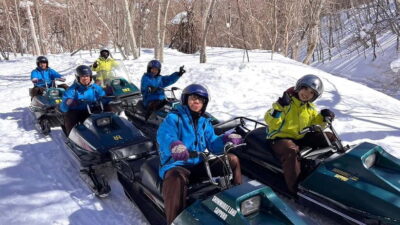 ★ 4.7Hokkaido Seasonal: Lake Toya & Noboribetsu Jigokudani ValleyFrom $55173 reviews
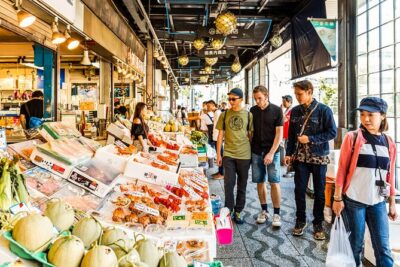 ★ 5.0Sapporo Private Tour with a Local – Highlights & Hidden GemsFrom $10991 reviews
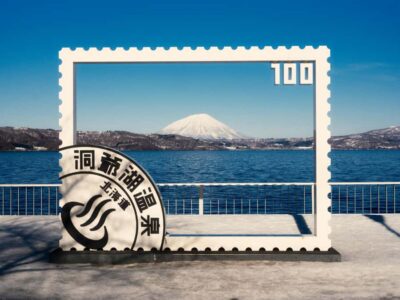 ★ 4.1Hokkaido, Noboribetsu and Lake Toya Day TourFrom $6688 reviews
 ★ 4.9Sumo Show Experience with Japanese food & PhotoFrom $7781 reviews
 ★ 5.0Mondo’s most popular plan! Experience making soba noodles and the king of Japanese cuisine, tempura, in Sapporo!From $8571 reviews
 ★ 5.0【Private Car】Asahiyama Zoo, Blue Pond, Shirahige Falls, Ningle Terrace (from Sapporo)From $46560 reviews
 ★ 5.0Sapporo 6hr Private Tour with Government Licensed GuideFrom $15557 reviews
Filed on these lists too