
REVIEW · RAMEN AND NOODLE TOURS
Popular in SapporoExperience authentic hand-made soba at a real soba shop!
Your hands learn soba faster than your notes. At Mondo in Sapporo, you mix buckwheat dough, stretch it, cut it, and taste what you made at a working handmade soba restaurant.
I especially like how this stays practical and real, with the chef guiding you through actual shop tools and proper technique. I also like the payoff, you get to sample the soba noodles you personally cut.
One thing to plan carefully: the session is time-based, and if you’re late you can disrupt other start times, so build in buffer time.
In This Review
- Key highlights to know before you go
- A true Sapporo soba shop, not a tourist performance
- What you will do in the 30 minutes of hands-on soba work
- English-friendly coaching that still feels like real training
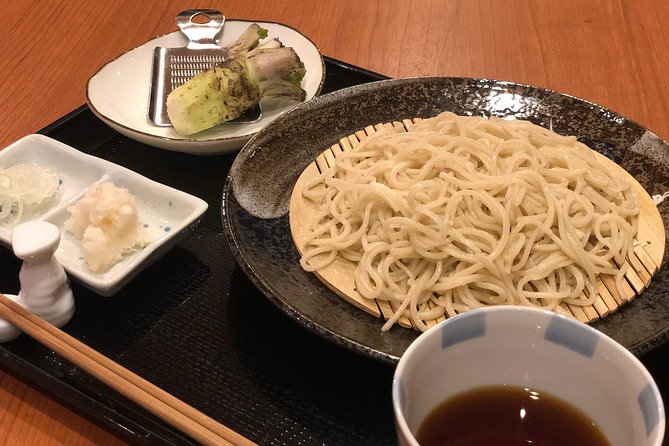
- The meal payoff: your soba, plus choices like tempura
- Price and value: why $72.67 can make sense
- Meeting at Miyazawa Station, and the one timing rule that matters
- Who should book this soba experience in Sapporo
- A realistic note: what this is and what it is not
- Should you book handmade soba with Mondo?
- FAQ
- Is this experience private?
- How long does the soba making experience take?
- Do I need to bring anything or prepare in advance?
- Is the class taught in English?
- What steps will I do during the experience?
- Where is the meeting point?
- How close is it to public transportation?
- Can children participate?
- Is there food besides the soba tasting?
- What happens if I’m late?
Key highlights to know before you go
- Full-step soba practice, from mixing dough to stretching, cutting, and sampling
- English explanations with visual demonstrations, so you are not stuck in a lecture
- At a real long-running soba restaurant, not a pop-up class room
- You eat your own noodles immediately, plus optional add-ons like tempura
- Private group format, only your group participates
A bowl somewhere else in Sapporo
A true Sapporo soba shop, not a tourist performance
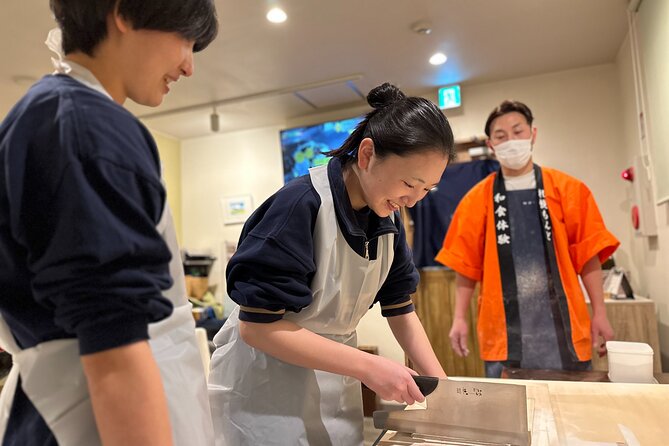
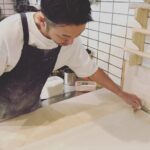
This is the kind of food experience that makes Sapporo feel like it has gears. You are not watching someone else cook. You are working side-by-side in a real handmade soba restaurant environment, guided by an active chef who serves customers day to day.
The experience was originally designed for Japanese guests, which you can feel in the format. Explanations are short and clear, supported by visuals, and then you jump into doing. It is traditional food culture, but not stiff. Think craftsmanship first, performance last.
And yes, you will leave with a better understanding of why Hokkaido soba has such a strong reputation. Hokkaido is Japan’s top soba-producing region, helped by cold weather and clean water. That combination is tied to a firmer bite and a texture people associate with the best buckwheat noodles.
What you will do in the 30 minutes of hands-on soba work
The making part takes about 30 minutes, and it is structured so you always know what step is next. Even if it is your first time, the flow makes sense.
Here’s what you will practice:
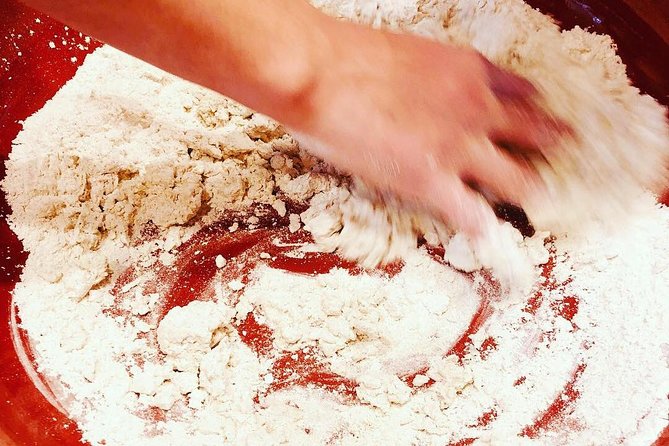
- Mix buckwheat flour and water
You start by working the dough ingredients together. The goal is to get the mixture to come together in a way that can be stretched later. This is where you learn that soba is more than just mixing and boiling.
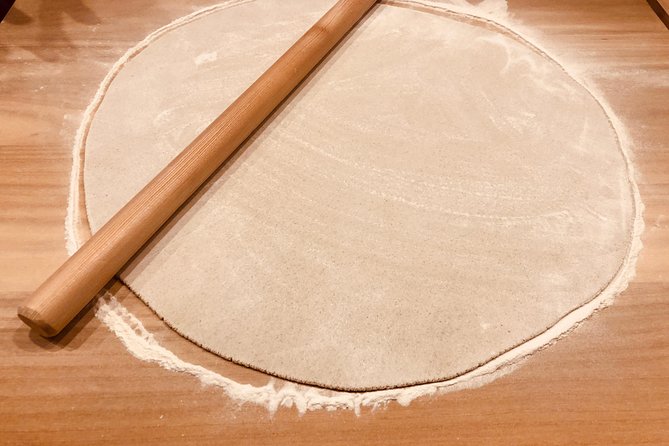
- Stretch the noodles
Stretching is where you feel the technique. You are not just pulling dough randomly. The chef’s coaching helps you reach the right shape and thickness so the next step works.
- Cut the soba noodles
This is the moment your own kitchen knife skills actually matter. You cut the noodles into small pieces, aiming for consistency. You are making something you will taste, so the stakes feel real, in a good way.
- Sample what you made
After the cutting, you taste. That immediate feedback loop is one of the best parts of this experience. You see how your choices affected the texture.
What makes this valuable is that you learn the rhythm of the process, not just the final result. You come away understanding why soba can taste simple but still require real skill.
English-friendly coaching that still feels like real training
I like that this does not try to turn soba into a theatrical slideshow. The explanation is concise and supported by visual demonstrations, so you can follow without needing specialized vocabulary.
Because it is taught in a true restaurant setting, the chef is focused on the technique. You get hands-on corrections when you need them. That is especially helpful if you are traveling with a non-foodie who still wants something memorable, or if you are a foodie who wants more than a meal.
If you take the step-by-step approach seriously, you also get a clearer picture of how Japanese craftsmanship works. It’s patient, practical, and built on repetition. Even if you only learn a small slice of the workflow, the experience gives you respect for what is usually invisible when you order soba off a menu.
- Popular in SapporoExperience authentic hand-made soba at a real soba shop!★ 5.0 · 77 reviews
- Mondo’s most popular plan! Experience making soba noodles and the king of Japanese cuisine, tempura, in Sapporo!★ 5.0 · 71 reviews
- Sapporo 6hr Private Tour with Government Licensed Guide★ 5.0 · 57 reviews
- From Sapporo: Hokkaido Highlights Day Trip★ 4.6 · 56 reviews
- Wagashi traditional japanese sweets class★ 5.0 · 49 reviews
The meal payoff: your soba, plus choices like tempura
The experience ends with tasting your own noodles, and the full session takes about 1 hour and 15 minutes from start to finish. The hands-on making is about 30 minutes, and then there is time for tasting and finishing the experience.
For food lovers, there is another practical win. After you make soba, you can order from the restaurant and compare what you made with what a shop serves daily. Tempura and duck soup come up as recommended pairings, and tempura is described as an extra-cost option.
I like this approach because it keeps your meal flexible. You are not locked into one meal ticket. You can keep it simple with soba only, or go for the fuller Japanese comfort-food combination.
Price and value: why $72.67 can make sense
At $72.67 per person, this is not a cheap snack. But you are paying for more than ingredients.
You are paying for:
- A real, working soba restaurant setting
- Step-by-step chef instruction while you make noodles from scratch
- Time in the process, plus tasting at the end
- A private format where only your group participates
If you have done other food classes in big tour groups, you know how often the “class” becomes a rushed demo. Here, the format is more hands-on and more personal, and that changes the whole value equation.
Also, you are learning a technique you can actually remember. Most meals fade within a day. This one sticks, because your hands made the noodles.
Group discounts are included, which can make it a smart choice if you are traveling as a small family or a pair of friends.
Meeting at Miyazawa Station, and the one timing rule that matters
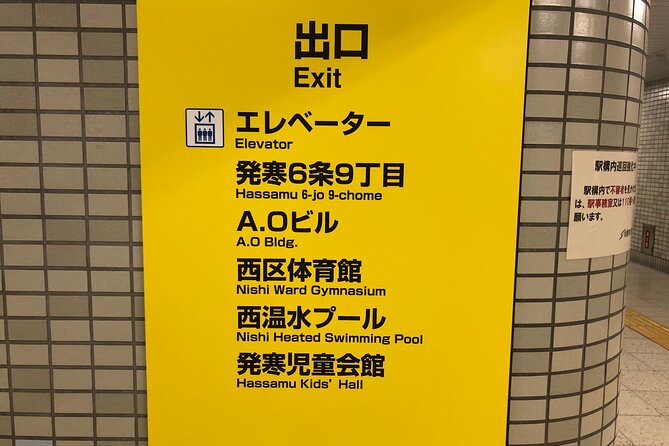
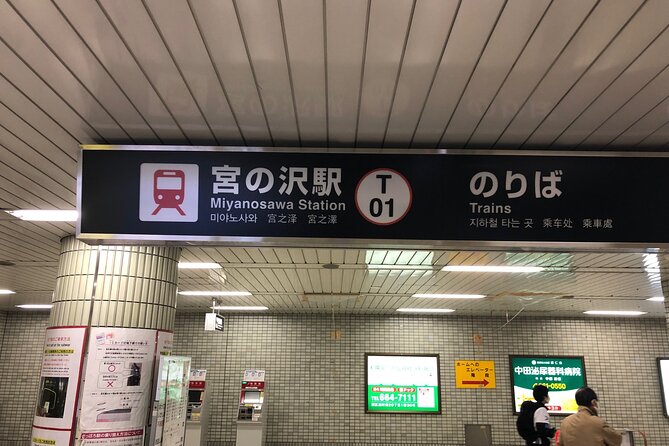
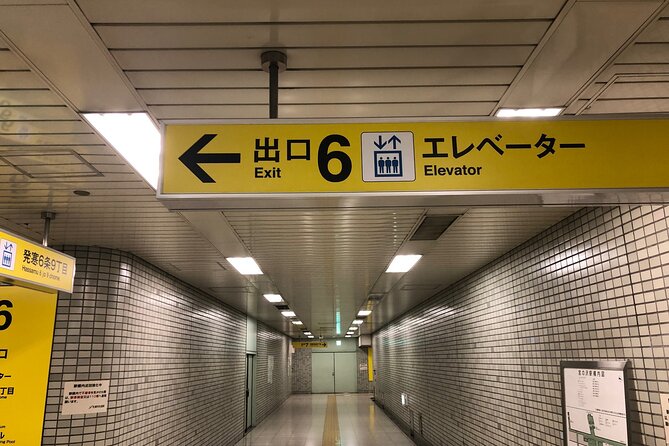
Location is simple. The meeting point is at 9-chōme-17-28 Hassamu 6 Jō, Nishi Ward, Sapporo. You are also near Miyazawa Station on the Tozai Line, about a short walk away (around 3 to 5 minutes).
Here is the timing rule that can affect your day: you should arrive on time. The shop runs during lunch hours, and the experience start time is fixed. If you are late, it may inconvenience other guests, and if you cannot come before the start time, it can be treated as a no-show.
So my practical advice is boring but effective. Plan your transit, then add a buffer. Use the subway route even if taxis seem tempting in bad weather. One of the more common complaints with experiences like this is not the activity itself, it is people who under-estimate travel time.
If you are using a map app, double-check that your address matches the one above before you leave your hotel. A small mismatch can cost you the entire session.
Who should book this soba experience in Sapporo
This is a great fit if you:
- Want an authentic Japanese food skill, not a sightseeing add-on
- Prefer hands-on learning over guided lectures
- Like Hokkaido food culture and want to understand why it tastes the way it does
- Travel with kids or family members who can follow simple instructions
It is also ideal for beginners. The instructions are designed to be easy to follow in English with visuals, and the chef guides you carefully so novices can participate confidently.
The experience is private for your group, which makes it better if you do not want to share tools, space, and attention with strangers. That private setup usually makes the whole session feel calmer and more responsive.
A realistic note: what this is and what it is not
This is not a cooking class for tourists where you learn a few steps and leave. It is a full soba restaurant experience style of learning, inside the environment where soba is made and served.
That also means the pace is focused. You are guided through the core steps, and you taste what you produce. If you want extra storytelling about the chef’s personal journey, you might find yourself wishing for a bit more biography time. The good news is that you will still get explanations about soba and how to eat it properly, just in a direct, practical way.
Should you book handmade soba with Mondo?
If you want a memorable Sapporo food experience that goes beyond eating, I would book it. The best part is not the meal alone. It is the fact that you make soba from scratch using proper steps, then taste your own result right away.
This is especially worth it when:
- You value craftsmanship and hands-on work
- You want something fun that feels genuinely Japanese
- You are traveling with people who might not be “food class” people but still enjoy a shared activity
Only hesitate if your schedule is tight or you know you struggle with arriving on time. Because this is a timed, restaurant-based session, you need that buffer.
If you can show up ready to work, this experience is one of the more satisfying ways to understand Hokkaido soba in a single hour-plus.
FAQ
Is this experience private?
Yes. This is a private tour or activity, and only your group will participate.
How long does the soba making experience take?
The active soba making time is about 30 minutes. The full experience takes around 1 hour and 15 minutes to finish everything.
Do I need to bring anything or prepare in advance?
No. You do not need anything to bring or prepare.
Is the class taught in English?
Yes. The explanations are easy to follow in English and supported by visual demonstrations.
What steps will I do during the experience?
You will mix buckwheat flour and water, stretch the noodles, cut the noodles, and then sample the soba you made.
Where is the meeting point?
The meeting point is 9-chōme-17-28 Hassamu 6 Jō, Nishi Ward, Sapporo, Hokkaido 063-0826, Japan. The activity ends back at the meeting point.
How close is it to public transportation?
It is near public transportation. It is also described as about a 3 to 5 minute walk from Miyazawa Station on the Tozai Line.
Can children participate?
Yes. Novices and children can participate with confidence because the craftsmen guide you carefully. Children under 2 are free of charge, but can only visit.
Is there food besides the soba tasting?
After the experience, you enjoy your own soba noodles. Tempura is mentioned as an optional extra-cost add-on, and duck soup is also recommended.
What happens if I’m late?
If you cannot come before the start time, it may be treated as a no-show, and being late may inconvenience other start time guests.
One More Bowl
Newest Sapporo write-ups from the Loving Japan desk


Ramen and Noodle Tours, side by side.
 ★ 5.0Ramen Cooking Class at Ramen Factory in KyotoFrom $1311,937 reviews
 ★ 5.0Eat and Drink Like a Local: Tokyo Ueno Food Tour-Taverns&RamenFrom $95957 reviews
 ★ 5.0Ramen & Gyoza Cooking Class in Tokyo with Local Supermarket VisitFrom $122823 reviews
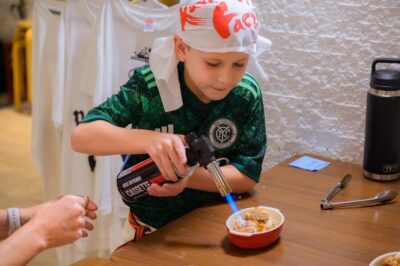 ★ 4.9Ramen Cooking Class at a Ramen Factory with SouvenirFrom $127532 reviews
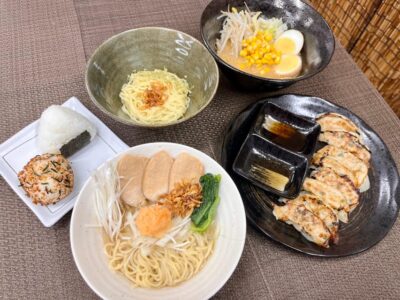 ★ 5.0Ramen, Gyoza, and Onigiri Cooking ClassFrom $90445 reviews
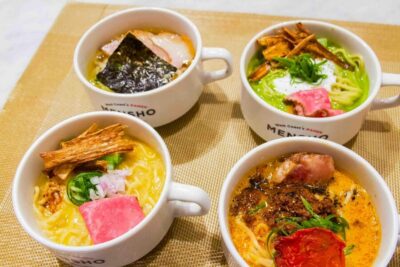 ★ 4.9Ramen Tasting Tour with 6 Mini Bowls of RamenFrom $122432 reviews
 ★ 4.7Five Must-See Highlights Walking Tour & Ramen LunchFrom $56411 reviews
 ★ 5.0Ramen and Gyoza Cooking Class in DotonboriFrom $70378 reviews
Filed on these lists too