
REVIEW · TOURS WITH GOVERNMENT-LICENSED GUIDES
Mt. Koya Sacred 4hr Private Tour with Government Licensed Guide
Lanterns, silence, and a plan you control. This 4-hour Mt. Koya private tour is built for your pace while a licensed English guide helps you read the meaning behind Shingon Buddhism’s most famous stops.
The best part is the freedom. You pick 2 to 3 sites from the core Koyasan highlights, so you spend less time in line-of-sight tourism and more time asking questions that actually matter to you. I also like the focus on the spiritual anchors of the mountain, especially Kobo Daishi and the places where his legacy is made visible in art, architecture, and ritual.
The main thing to watch is cost creep. Entrance fees are not included for some stops, and this is a walking tour, so comfortable shoes and a realistic pace help a lot.
In This Review
- Key Things I’d Prioritize Before You Go
- Why Mt. Koya Feels Different When You Have a Guide
- Picking Your 2 to 3 Stops Without Losing the Plot
- Okunoin: The Center of Koyasan’s Spiritual Gravity
- Kongobu-ji: Shingon Buddhism’s Headquarters Feel, Up Close
- Danjo Garan: Sacred Foundations on the Ground
- Reihokan Museum: Treasures Explained, Not Just Displayed
- Daishi Kyokai: Where Teachings Get Administered
- Tokugawa’s Mausoleum: Power Meets Faith in 1643
- Price and Value: What Your $108.72 Is Really Paying For
- Guide Quality Matters More Than You Think
- Pacing, Weather, and Comfort on the Koyasan Walk
- Who This Tour Fits Best
- Should You Book This Mt. Koya Private Tour?
- FAQ
- How long is the Mt. Koya Sacred private tour?
- What sites do we visit during the tour?
- Are entrance fees included?
- Where do we meet the guide?
- Is transportation provided?
- Can I cancel for a full refund?
Key Things I’d Prioritize Before You Go
- A private, walking format means you set the tempo, not the other way around
- Pick 2 to 3 sites so your time matches your interests
- Okunoin and Tokugawa areas can cost extra since admission isn’t included there
- Guides vary, and English level can make or break your experience
- Weather can affect transport at the base, but guided tours can still cover the sights
- Mobile ticket + local meet-up keeps things simple once you arrive at Koyasan Station
Still weighing up options in Wakayama Prefecture? These are the ones our reviewers rated highest.
- Mt. Koya Sacred 4hr Private Tour with Government Licensed Guide
★ 4.5 · 31 reviews - Koyasan Full-Day Private Tour
★ 5.0 · 27 reviews
Why Mt. Koya Feels Different When You Have a Guide
Mount Koya, or Koyasan, isn’t just a “see the sights” place. It’s one of Japan’s spiritual centers, and the atmosphere only makes sense when someone connects the dots for you. A private walking tour gives you that link between what you’re looking at and why it matters.
You’re also avoiding the common big-group problem. On Mt. Koya, timing matters, but so does interpretation. With a guide, you can slow down when something is confusing, or move on fast when you already get it. That control is one of the real reasons a private tour feels worth paying for.
And yes, this is a walking tour. You’ll meet your guide at Koyasan Station and tour on foot, then return to the same meeting point at the end. That means you’re spending your energy on the actual experience, not transit wrangling.
Picking Your 2 to 3 Stops Without Losing the Plot
The tour is designed around choice. You can customize the itinerary by selecting 2 to 3 sites from the main Mt. Koya list in the itinerary. This works well because Mt. Koya can get overwhelming fast. There are temple halls, grave sites, museum spaces, and spiritual headquarters areas, and trying to do everything in one half-day often turns into surface-level wandering.
A smart way to choose is to decide what kind of traveler you are:
- If you’re here for the religious core, lean toward Okunoin and Kongobu-ji
- If you care about history and religious administration, pick Danjo Garan and Daishi Kyokai
- If you want objects and the stories behind them, include Reihokan Museum
- If you like layered Japanese history, add Tokugawa’s Mausoleum
The order in the itinerary you’ll be given is built around those anchor sites, but your selection keeps it from feeling like an assembly line. You’ll also get a licensed local English speaking guide who can explain what you’re seeing as you go, instead of dumping information after the fact.
Okunoin: The Center of Koyasan’s Spiritual Gravity
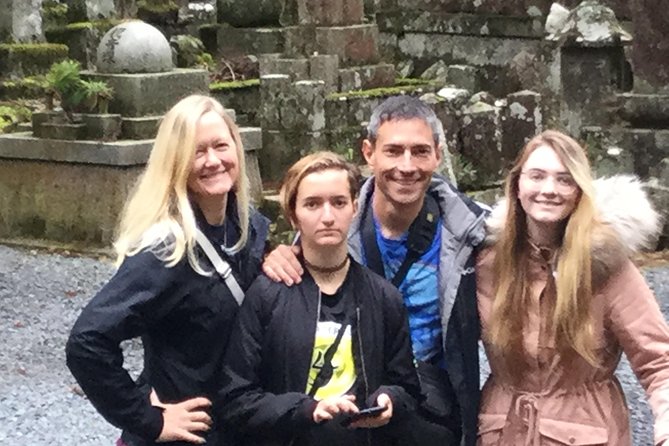
Okunoin is the heart of Mt. Koya. This is where you feel the weight of the place, not just in words, but in the visuals and the space itself. Kobo Daishi, also known as Kukai, is the founder figure of Shingon Buddhism, and his burial area is treated as one of the most revered spots in Japan’s religious story.
On this tour, you’ll spend about 1 hour here. The admission ticket for this stop is not included, so treat it as an extra line item when you budget. Even if you plan to pay it, it’s worth pausing to understand what you’re walking into: a sacred landscape where the spiritual atmosphere shapes everything from how people move to how long they linger.
What I think makes this stop worth prioritizing, even if you’re not deeply religious, is that it’s an outdoor “museum of meaning.” You can look at it as a blend of ritual space, history, and art in the form of environment.
Kongobu-ji: Shingon Buddhism’s Headquarters Feel, Up Close
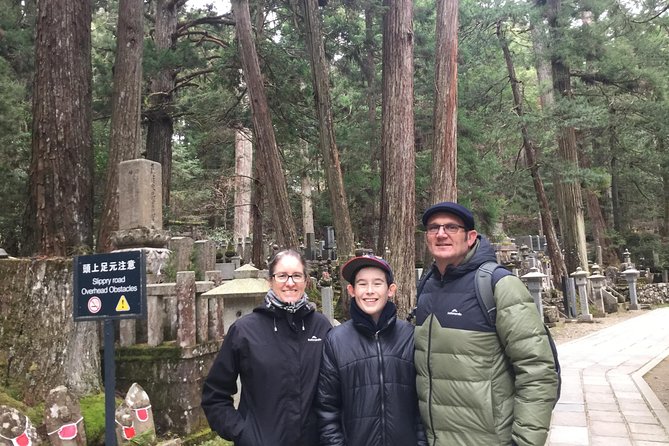
Kongobu-ji is the main headquarters for the Shingon Sect. It’s also one of the easiest stops to connect with your guide, because you’ll see elements that explain how this religious community functions at a large scale.
You’ll spend about 1 hour here, and admission is free for this stop. The scale is part of the story: the Shingon Sect is described as having 4,000 temples in Japan and more than 10 million followers worldwide. Those numbers aren’t just trivia. They help you understand why Kongobu-ji matters beyond one mountain.
This is also the place where your guide can point out religious artifacts and visual art details, like fusuma sliding door paintings. Those artworks aren’t random decor here. They’re part of how ideas get presented, remembered, and carried forward in daily religious spaces.
A practical tip: take a moment to slow down inside the temple compound. You’ll get more from the explanations when you’re not sprinting between photo spots.
Danjo Garan: Sacred Foundations on the Ground
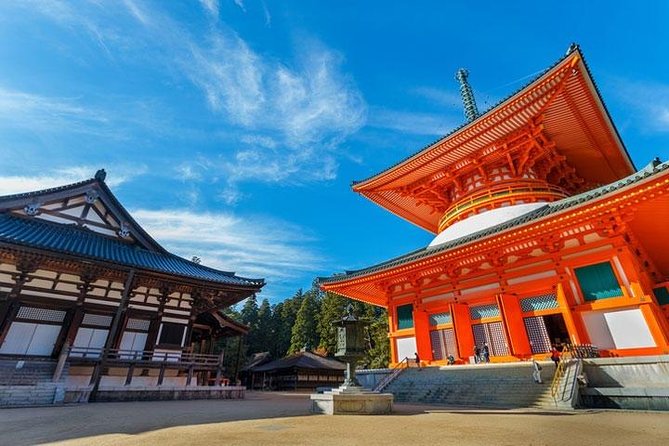
Danjo Garan is another of the key sacred zones on Mt. Koya, and it’s shorter here, about 30 minutes. Admission is free for this stop.
This area matters because it’s tied to the origin story. Mt. Koya was founded on this ground in the 9th century, and Kobo Daishi held a groundbreaking ceremony here before dedicating his life to constructing what would become the spiritual base of Shingon Buddhism.
If you like your travel to include origin moments, Danjo Garan is a strong pick. It gives you a clear sense of where the sacred “center of gravity” began, not just where it is now.
Reihokan Museum: Treasures Explained, Not Just Displayed
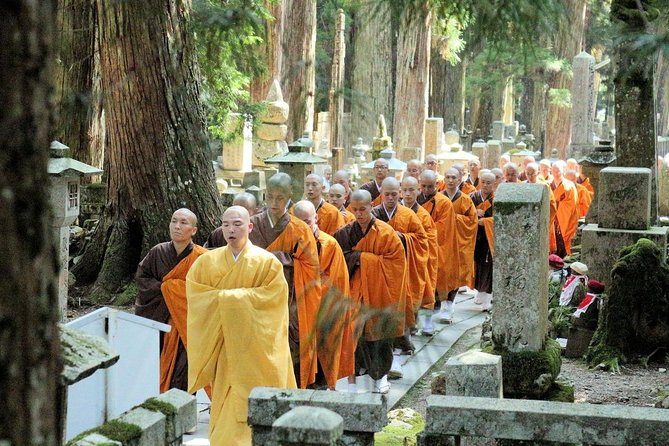
If you want a break from walking but still want the meaning of Mt. Koya, Reihokan Museum is your pause button. You’ll spend about 30 minutes, and admission is free for this stop.
The museum exists to preserve religious and cultural treasures of Koyasan. The entrance hall is styled after Byodoin Temple in Uji, which is a neat detail because it links Mt. Koya to wider Japanese temple design traditions. Inside, you can expect displays framed as cultural and religious artifacts rather than casual souvenirs.
This stop is also a good match for travelers who like context. Art and objects become far more satisfying when your guide can explain what you’re looking at and how it connects to the broader Shingon story.
Daishi Kyokai: Where Teachings Get Administered
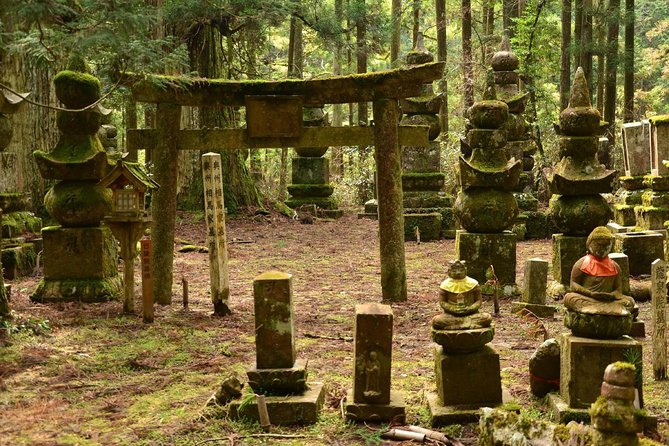
Daishi Kyokai is about the system behind the faith. It’s described as the administrative center of Shingon Buddhism and responsible for spreading the teachings of Kobo Daishi.
You’ll spend about 30 minutes here, and admission is free for this stop. The complex includes two buildings, which your guide can help you read, not just walk past.
I like this stop because it balances the tour. After Okunoin’s emotional weight, and Kongobu-ji’s religious center energy, Daishi Kyokai adds the practical layer: beliefs are maintained through institutions, education, and organization, not only through sacred sites.
Tokugawa’s Mausoleum: Power Meets Faith in 1643
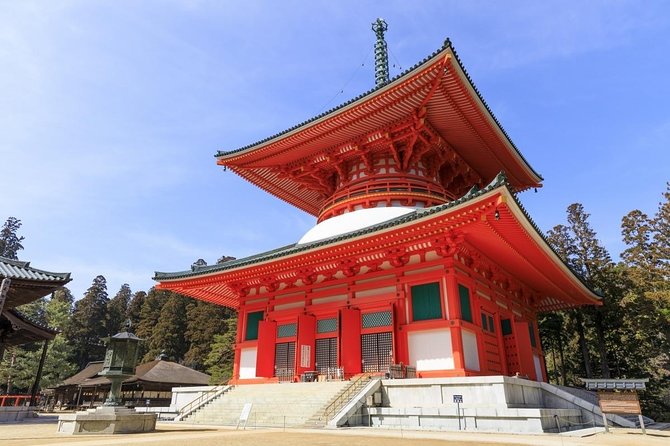
Tokugawa’s Mausoleum is a fascinating contrast. It was built in 1643 by the third Tokugawa shogun, Iemitsu, so his family would have a mausoleum close to Kobo Daishi’s mausoleum.
This stop is about 30 minutes, and admission is not included. That’s important, because it’s another place where your budget may need a small adjustment.
Even if you’re not hunting for political history, this is a reminder that spiritual places in Japan have long attracted support and patronage from powerful families. The proximity speaks volumes.
If you tend to enjoy layered history, this is a stop that can make the whole tour feel more complete.
Price and Value: What Your $108.72 Is Really Paying For
At $108.72 per person for about 4 hours, you’re not just paying for entry tickets or a checklist of temples. The real value here is the private, government licensed experience with a local English speaking guide, plus the ability to choose exactly which 2 to 3 sites fit your interests.
That said, entrance fees are not fully included. Okunoin and Tokugawa’s mausoleum are listed as admission ticket not included, while the other listed stops (Kongobu-ji, Danjo Garan, Reihokan Museum, Daishi Kyokai) are free. So the final “all-in” cost depends on which of those paid-admission stops you pick.
You’ll also want to budget for what’s not included: transportation fees, lunch, and personal expenses. Private transportation isn’t included either, which matters because this is a walking tour with a meet-up on foot at Koyasan Station.
Where this tour is a strong value is when you care about interpretation. When the guide is hitting the right tone, you get answers that would take you much longer to find on your own, especially across Shingon Buddhism’s institutions, symbols, and sacred spaces.
Guide Quality Matters More Than You Think
This is a tour where the guide can truly make or break the experience.
In the positive end of the spectrum, guides like Miyuki have been praised as friendly and strong in explaining religion and esoteric Buddhism, and even a rainy day didn’t stop the full set of attractions from being covered. Another guide named Naka has been described as professional, and that kind of structure helps on a site where it’s easy to feel directionless.
On the negative end, one guest reported extremely poor English and felt they didn’t receive useful information over the full 4 hours. That’s a real consideration if fluent, clear English is crucial to you.
My practical advice: if you want real learning, plan to ask one or two specific questions you genuinely care about, like how Kobo Daishi shaped Shingon Buddhism, or what different areas of the compound are used for. That way, even if communication is imperfect, you can still judge whether you’re getting value.
Pacing, Weather, and Comfort on the Koyasan Walk
This tour is designed around walking and time blocks for each selected stop. That means your comfort choices matter.
Wear shoes you can trust. This is a sacred site day, so you’ll want stability and grip, especially if it’s damp. Rain comes with the territory in this region, and one guide experience specifically mentions that attractions were still covered despite rain, even while transport at the foot of Koyasan had temporary disruptions due to heavy rain and thunder.
Also, since the JR line at the base can be affected by weather, build in a little patience for the bigger travel day. The tour itself is scheduled as a walking route, but your arrival patterns at the base can still influence your start.
Service animals are allowed, and most travelers can participate. Still, think of this as a walking-focused half-day. If you know your legs struggle with long periods on foot, choose fewer sites and keep your pace gentle.
Who This Tour Fits Best
This tour is a strong match if you:
- Want a private experience without the pressure of large-group timing
- Prefer a walking route where you can stop, look, and ask questions
- Want to understand Shingon Buddhism through its key sites instead of random temple photos
- Like tailoring your day by choosing 2 to 3 meaningful stops
It’s also a good choice if you’re traveling with someone who needs a lighter day. The itinerary is flexible, and you can scale down the number of stops you pick.
It might be less ideal if:
- You need very precise English at every sentence and plan to rely heavily on spoken explanations
- You’re trying to cram too much into a short window and don’t have any margin for walking comfort
Should You Book This Mt. Koya Private Tour?
If your goal is meaning, not just movement, I’d book it. The combination of a licensed English guide, the ability to choose 2 to 3 stops, and the focus on major Koyasan anchors is a smart way to spend a half-day in Wakayama.
Go for it especially if you care about places like Okunoin and Kongobu-ji, and you want your time explained in context. Pay attention to entrance fees for Okunoin and Tokugawa’s mausoleum, and plan for a walking-focused outing.
If language quality is a big deal for you, consider preparing a couple of targeted questions before you meet your guide. Then you’ll quickly see whether the tour is delivering what you paid for.
FAQ
How long is the Mt. Koya Sacred private tour?
The tour is approximately 4 hours.
What sites do we visit during the tour?
You can customize your itinerary by choosing 2 to 3 sites from the included options. The listed stops are Koyasan Okunoin, Kongobu-ji Temple, Koyasan Danjo Garan, Koyasan Reihokan Museum, Koyasan Daishi Kyokai, and Tokugawa’s Mausoleum.
Are entrance fees included?
Entrance fees are not included for Koyasan Okunoin and Tokugawa’s Mausoleum. The other listed stops (Kongobu-ji Temple, Koyasan Danjo Garan, Koyasan Reihokan Museum, and Koyasan Daishi Kyokai) are listed as admission ticket free.
Where do we meet the guide?
You meet your guide on foot at Koyasan Station.
Is transportation provided?
Transportation fees are not included, and private transportation is not included. This is a walking tour.
Can I cancel for a full refund?
Yes. You can cancel for free up to 24 hours in advance of the experience for a full refund. If you cancel less than 24 hours before, the amount paid is not refunded.
Newest Wakayama Prefecture write-ups from the Loving Japan desk
Tours with Government-Licensed Guides, side by side.
 ★ 5.0Tokyo 6hr Private Tour with Government-Licensed GuideFrom $1553,902 reviews
 ★ 5.0Kyoto 6hr Private Tour with Government-Licensed GuideFrom $1551,369 reviews
 ★ 5.0Hiroshima / Miyajima Full-day Private Tour with Government Licensed GuideFrom $2021,298 reviews
 ★ 5.0Kyoto 4hr Private Tour with Government-Licensed GuideFrom $109629 reviews
 ★ 4.8Private Tour with Local Licensed GuideFrom $106463 reviews
 ★ 5.0Hiroshima City 4hr Private Walking Tour with Licensed GuideFrom $122437 reviews
 ★ 5.0Private Kyoto Tour with Licensed Guide & Vehicle (Max 15 persons)From $634417 reviews
 ★ 5.0Osaka 4hr Private Tour with Government-Licensed GuideFrom $109359 reviews
Filed on these lists too