
REVIEW · DOTONBORI AND OSAKA STREET FOOD
Osaka Dotonbori Daytime Food Tour
Osaka food hits different with a plan. This Osaka Dotonbori Daytime Food Tour strings together street-food landmarks and small side streets so you get a fast, fun read on why Osaka calls itself Japan’s kitchen. You start at the Glico Man area, then move through Dotonbori and Minami (Namba) with built-in time for photos.
I especially like the way the tour keeps things efficient, with a max group size of 10, so you can ask questions without feeling rushed. I also like that the focus is on avoiding the worst tourist queues, even though the lights and crowds can pull you off track fast.
One possible drawback: $209 is a premium for a 3-hour walk, and you may finish wanting a proper sit-down meal afterward. Also, what you eat can shift by season and availability, so exact items are not guaranteed.
In This Review
- Key highlights worth your attention
- Start at the Glico Man sign, then learn why it matters
- Walking Dotonbori without getting pulled into the worst lines
- Minami (Namba) street food: the real reason Osaka is called Japan’s kitchen
- Hozenji Yokocho: narrow alleys that change the whole vibe
- Kuromon Market and Doguyasuji Shotengai: eat and shop in the same orbit
- Misono Building stop: a photo moment with a culture thread
- What you actually get for the money, and why it can still feel worth it
- Diet needs and food changes: how to handle expectations
- Pace, footwear, and how to make the 11:00 start work
- Photo strategy: how to get great shots without slowing everyone down
- Who should book this Dotonbori day food tour
- Should you book? My practical verdict
- FAQ
- Where do I meet and where does the tour end?
- What time does the tour start, and how long is it?
- How many food stops are included, and what’s the included drink and dessert?
- Is hotel pickup included?
- Can the tour accommodate dietary restrictions?
- Is it family-friendly, and what about alcohol?
- What happens if the weather is bad or the minimum group size is not met?
Key highlights worth your attention
- Small group, 10 max for smoother pace and easier questions.
- 4 food stops plus 1 drink and dessert, all planned for a single morning slot.
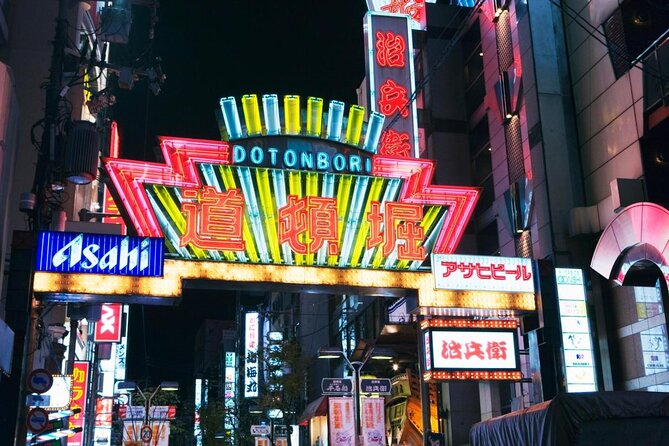
- Dotonbori and Namba focus, so you see both the famous streets and the local side streets.
- Photo time built in, not just standing around while everyone catches up.
- Dietary flexibility including vegetarian, vegan, pescetarian, shellfish free, and pork-free friendly.
- English-speaking local guides, with memorable culture stories (yes, even oddball ones).
Still hungry on Dotonbori? A few more crawls
- Osaka: Shinsekai Food Tour with 13-15 Dishes at 5 Eateries
★ 4.8 · 2,204 reviews - Osaka Local Foodie Walking Tour in Dotonbori and Shinsekai
★ 5.0 · 985 reviews - Osaka: Dotonbori District River Cruise with Drink Discount
★ 4.2 · 876 reviews - Ultimate Osaka Walking Tour: Castle, Dotonbori & Hidden Gems
★ 5.0 · 862 reviews
Start at the Glico Man sign, then learn why it matters
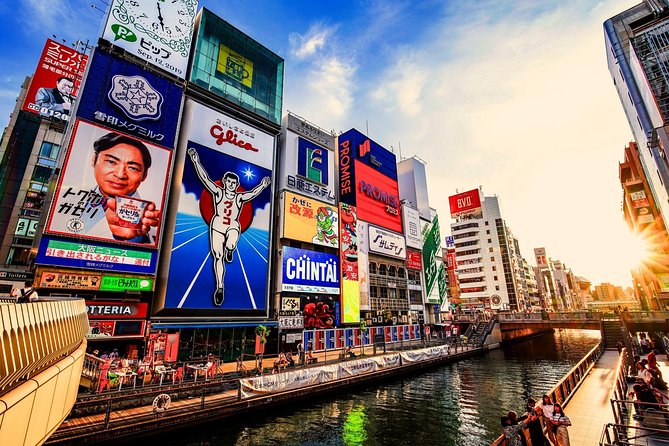
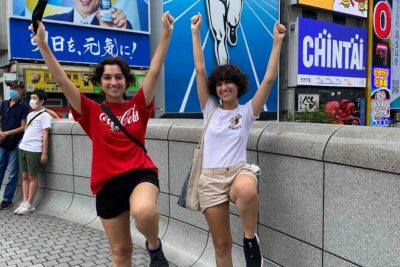
You begin at Starbucks Coffee in the Tsutaya Ebisubashi area, right in the Osaka action. The first stop is the Dotombori Glico Sign, a bright landmark that works like a street-level history lesson. You’ll hear the story behind Glico Man, tied to a Filipino sprinter named Fortunato Catalon who inspired a nation and a company.
What I like here is the grounding. Dotonbori can feel like pure spectacle, with giant signs and constant motion. But having context at the start helps you spot details later instead of just watching the lights go by.
Also, this first stop is quick and practical. Admission is free, so you’re not wasting time buying tickets just to get oriented.
Walking Dotonbori without getting pulled into the worst lines
Next you head deeper into Dotonbori, the neon-famous stretch that can overwhelm your sense of where to go. If you’ve spent time near big attractions in Tokyo or elsewhere, you know the pattern: the most obvious restaurants are often the ones with the longest waits and the most generic menus.
This tour is built to counter that. You’ll walk through the famous area, but your guide steers you toward places a tourist can miss. You also get time to slow down for photos, which matters because Dotonbori changes minute to minute with crowds, reflections, and signage.
The main trade-off is simple: it’s a short day tour. With only about 3 hours, every stop has to earn its place. So instead of lingering in one restaurant, you’ll experience Dotonbori by moving and sampling.
Minami (Namba) street food: the real reason Osaka is called Japan’s kitchen
From Dotonbori you shift toward Minami (Namba), Osaka’s best-known district for food energy. Here’s where street food does its job: small bites, quick service, and lots of variety without the commitment of a long meal.
This part is all about learning how Osaka food culture works in practice. Your guide can explain what to look for, how local people think about ordering, and how to avoid common missteps like choosing a place just because it looks photogenic from the sidewalk.
One practical plus for you: the tour includes 1 drink and a traditional Japanese dessert, so you’re not doing the math mid-walk. You get a fuller sample of the meal experience without turning it into a self-guided scavenger hunt.
- Hungry Osaka Street Food Tour:15 Tastings & 3 Drinks with a Local★ 5.0 · 1,727 reviews
- Osaka: Tea Ceremony Experience★ 4.9 · 1,426 reviews
- Osaka Kickstart: Hotspots & Hidden Gems Tour★ 5.0 · 1,306 reviews
- Osaka: Hotspots & Hidden Gems Walking Tour Private or Group★ 4.9 · 1,300 reviews
- Deep Backstreet Osaka Tours (Option to add Dinner)★ 5.0 · 1,290 reviews
Hozenji Yokocho: narrow alleys that change the whole vibe
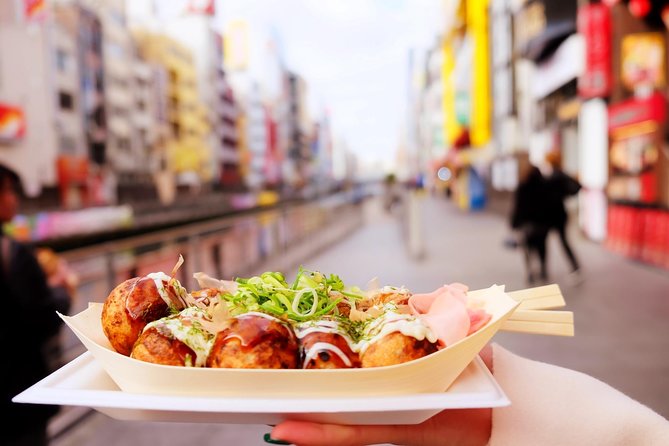
A stop at Hozenji Yokocho takes you away from the big neon wall and into something more old-school in feel. Yokocho streets are Osaka’s version of time travel, the kind of lanes where you can smell food before you even see it.
Even if you’re not a history buff, this stop helps you understand why guides matter. Without local context, it’s easy to walk right past smaller lanes or miss the places that feel lived-in. With a guide, you notice the small signals: the flow of people, the type of shops, and what locals gravitate toward when they just want to eat and move on.
In the culture stories department, this is also where the tour can surprise you. From the guide style on this experience, you might hear offbeat bits of Japanese life, including a story about baseball fandom with a KFC statue and a river. It’s the kind of detail that makes the walk feel personal instead of rehearsed.
Kuromon Market and Doguyasuji Shotengai: eat and shop in the same orbit
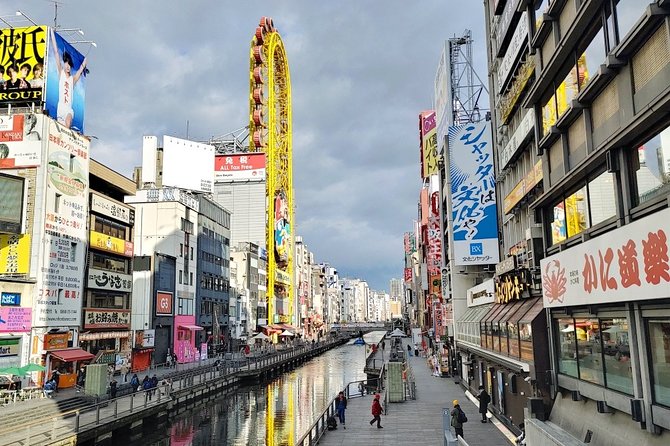
Then you shift into the Kuromon Market area, one of the best-known spots in Osaka for getting your fill quickly. Markets can be chaotic if you don’t have a plan, but on this tour the time is structured so you’re not just wandering for an hour hoping for the best.
What you gain in this market stop is variety and sensory overload, the good kind. You get a chance to see how different food stalls and snack spots share space. And because you’re with an English-speaking guide, you’re less likely to end up at a place that seems popular but doesn’t actually fit what you want to try.
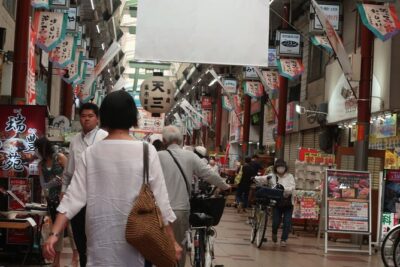
After that, the walk continues toward Sennichimae Doguyasuji Shotengai, a shopping street that helps balance the food focus with a look at everyday commerce. Doguyasuji is the kind of place where you can catch small tools and food-adjacent shop culture in the background. It’s not just eating anymore, it’s learning how the district functions around food.
A good note for you: this tour is family-friendly, but it still includes time on your feet and in tight areas. If you’re traveling with kids, this is easier than long museum days, yet you still need to keep an eye on pace.
Misono Building stop: a photo moment with a culture thread
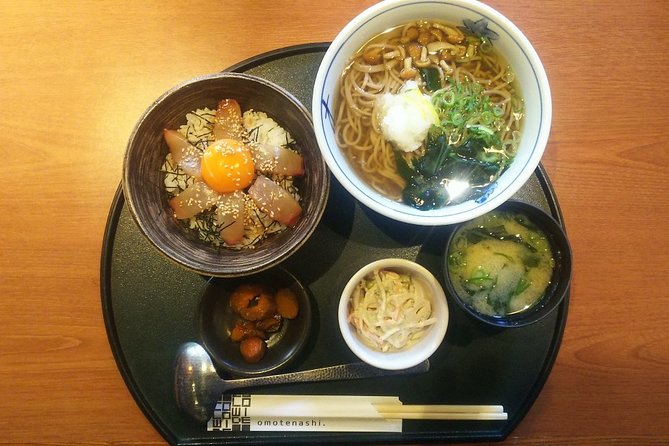
The walk also includes Misono Building, which can be a strong checkpoint for your photos and your mental map of the area. Buildings like this help you connect the dots between what you’re eating and the Osaka setting you’re moving through.
This is also a place where guides often connect food to people. The best tours don’t treat food like items on a list. They connect it to why a neighborhood is the way it is, and how Osaka’s identity shows up in the details.
If you love street culture, this stop tends to land well because it reinforces that you’re not on a formal sightseeing circuit. You’re in the Osaka districts that actually trade food energy all day.
What you actually get for the money, and why it can still feel worth it
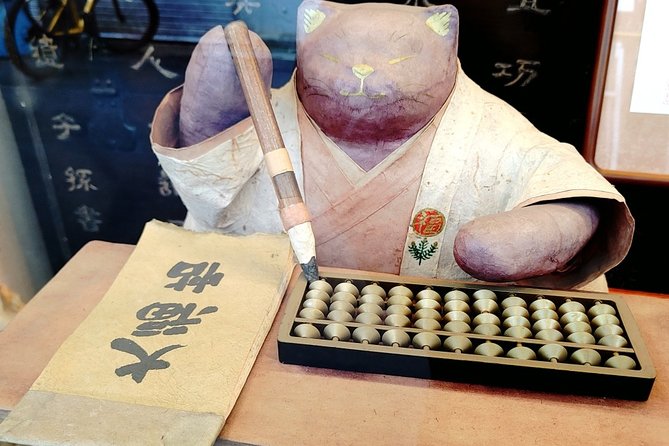
Let’s talk about the headline price: $209 per person for about 3 hours. That’s not cheap. But there are a few reasons it can still represent good value.
First, you’re paying for planning and sorting, not just walking. Dotonbori and Namba are famous, which means the wrong choice can cost you time, money, and appetite. A guide helps you avoid the worst queues and helps you land at multiple tastings designed to fit together.
Second, the price includes 4 food stops, plus 1 drink and a traditional Japanese dessert. If you were to try to copy this on your own, you’d be guessing what to eat, how much you’ll spend, and whether you’ll end up with long waits at each stop.
Third, the max group size of 10 matters. It keeps the pace tight and makes the tour feel like a guided walk instead of a slow chain of people shuffling from place to place.
One caution: if you’re a slow eater or you like to linger, you might feel the time pressure. This tour is timed, because its goal is breadth in a limited window.
Diet needs and food changes: how to handle expectations
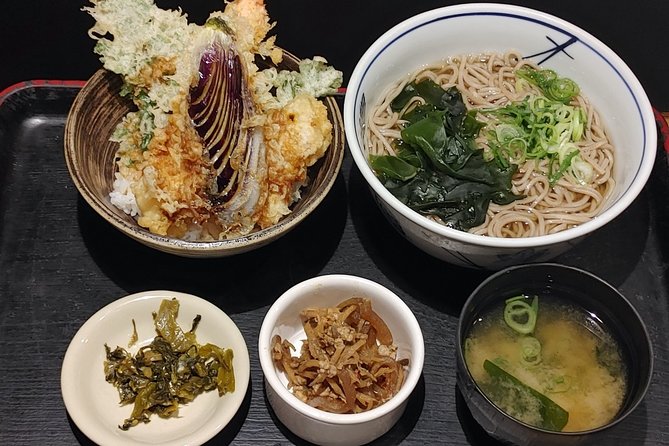
The tour is listed as vegetarian, vegan, pescetarian, shellfish free, and pork-meat free friendly. That’s a big deal in Osaka, where pork-based options can be common in everyday dishes.
It’s also stated that food changes can happen based on season and availability. Translation for you: go in with a flexible mindset. Instead of hunting for a specific item, focus on the experience of tasting several Osaka specialties in one go.
If you have serious allergies, you’ll want to communicate them clearly at booking. The tour data confirms dietary friendliness categories, but it does not spell out allergy procedures. When in doubt, ask for details so you feel safe.
Pace, footwear, and how to make the 11:00 start work
The tour starts at 11:00 am. You meet at Starbucks Coffee at Tsutaya Ebisubashi, then you finish in the Sennichimae area. That end point is practical because it leaves you close to more street shopping and snack options if you still have energy.
For the physical side, the tour asks for moderate fitness. Plan on walking and standing. Comfortable shoes matter more than anything you pack for this one.
You also get a mobile ticket, so have your phone charged and ready. It’s a small thing, but in dense areas, being ready right at the meeting point keeps the start smooth.
Photo strategy: how to get great shots without slowing everyone down
This tour includes photo time around Dotonbori and Namba. That’s a real benefit, because street photography in this area can swallow time fast. Your guide can point out where the best visuals usually are, while also keeping the walk moving so you don’t miss a tasting.
Here’s how you can help yourself: decide what you want to shoot before you stop. Giant signs, alley angles, food close-ups, people in motion. When you’re clear, you waste less time scrolling around for the perfect frame.
The “efficient introduction” angle is real here. You’re getting a guided route, not just a meal break with a sightseeing overlay.
Who should book this Dotonbori day food tour
This tour fits best if you want to do three things at once:
- Get your bearings in central Osaka fast, especially around Dotonbori and Namba
- Eat multiple local dishes without spending your whole day searching
- Prefer a small group and an English-speaking guide to steer you away from the obvious traps
It’s also a good call if you’re traveling with a partner or doing a solo trip. The tour data says it accepts single travelers, and that matters for meeting people without joining a huge crowd.
If you hate walking, or if you’re the type who needs a long sit-down meal to enjoy food, you might find this format a bit pressurized. The upside is that you leave with a solid Osaka food sampler, and then you can choose your next meal based on what you liked most.
Should you book? My practical verdict
I think this tour is a smart booking for first-timers who want Osaka food without the stress. The strongest reason to book is simple: you get 4 food stops plus drink and dessert in a single morning, with a guide steering you toward better choices and giving context as you walk.
Book it if:
- You want an efficient food-and-neighborhood introduction
- You like street-level culture and photo stops
- You need help navigating crowds and restaurant lines
Skip it if:
- You want a full, slow culinary experience over hours in one restaurant
- You don’t want to move around much, even in short segments
- Your budget is tight and you’d rather build your own self-guided plan
FAQ
Where do I meet and where does the tour end?
You meet at Starbucks Coffee – Tsutaya Ebisubashi at 1-chōme-8-19 Dōtonbori, Chuo Ward, Osaka. The tour ends in the Sennichimae area, with the meeting point listed at Sennichimae, Chuo Ward, Osaka.
What time does the tour start, and how long is it?
The start time is 11:00 am, and the duration is about 3 hours.
How many food stops are included, and what’s the included drink and dessert?
The tour includes trying local dishes at 4 food stops, plus 1 drink and a traditional Japanese dessert.
Is hotel pickup included?
No. Hotel pickup is not included, but it can be arranged for an additional charge.
Can the tour accommodate dietary restrictions?
Yes, it is listed as vegetarian, vegan, pescetarian, shellfish free, and pork-meat free friendly. Food can also change based on season and availability.
Is it family-friendly, and what about alcohol?
The tour is family-friendly. The minimum drinking age is 21 years.
What happens if the weather is bad or the minimum group size is not met?
The tour requires good weather. If it is canceled due to poor weather, you’ll be offered a different date or a full refund. If it is canceled because the minimum number of travelers is not met, you’ll also be offered a different experience or a full refund.
Dotonbori, Still Hungry

Newest Osaka write-ups from the Loving Japan desk


Dotonbori and Osaka Street Food, side by side.
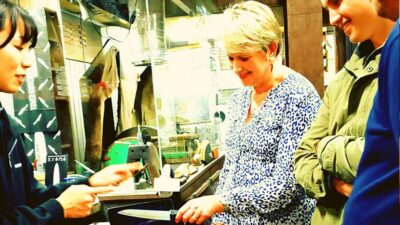 ★ 4.8Shinsekai Food Tour with 13-15 Dishes at 5 EateriesFrom $532,204 reviews
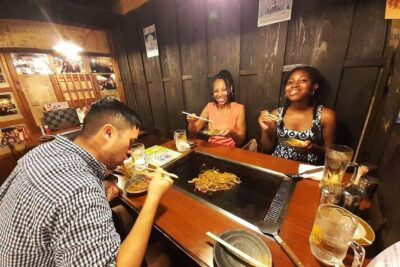 ★ 5.0Osaka Local Foodie Walking Tour in Dotonbori and ShinsekaiFrom $111985 reviews
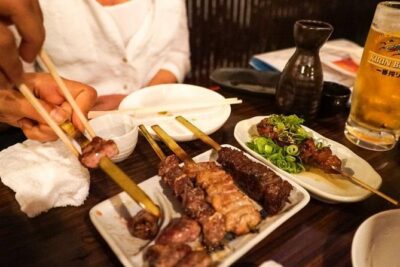 ★ 5.0Osaka Bar Hopping Night Walking Tour in Namba (3 bars, 6 tastes)From $98958 reviews
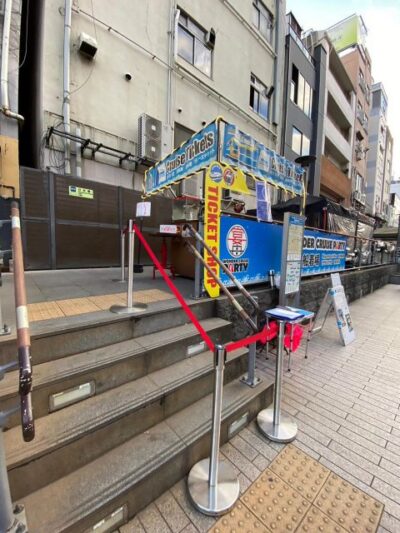 ★ 4.2Dotonbori District River Cruise with Drink DiscountFrom $12876 reviews
 ★ 5.0Ultimate Osaka Walking Tour: Castle, Dotonbori & Hidden GemsFrom $73862 reviews
 ★ 5.0Kuromon Market Food Walking Tour in Osaka (6 stops, 6 tastes)From $50550 reviews
 ★ 4.9Namba Pub Bar Crawl with a Local GuideFrom $30424 reviews
 ★ 5.0Ramen and Gyoza Cooking Class in DotonboriFrom $70378 reviews
Filed on these lists too