
REVIEW · CYCLING AND E-BIKE TOURS
Osaka in a Nutshell: Three hour bike tour
Three hours, a whole slice of Osaka. I like the fact that the route is about 90% flat, so you get breezy momentum without feeling like you are training for a race, and I also like that bike and helmet are included so you start riding immediately. The one thing to plan for is timing in hot, humid weather, because you will be outside for the whole loop and you do not linger long inside stops.
This is a small-group, bilingual-led ride that mixes famous Osaka landmarks with quieter, more local-feeling stops. You get explanations as you pedal, plus practical guidance for what to eat and drink afterward, so the trip feels like a smart shortcut, not just sightseeing.
Because it is capped at 8 people, you are not stuck in a giant pack. You can actually hear the guide, and you also get a little breathing room for photos before the group rolls on.
In This Review
- Key Things I’d Watch For
- Why a guided Osaka bike tour beats subway hopping
- Getting started near Tenma, and what the ride feels like
- Nakanoshima Park: old business district charm without the rush
- The river stretch: quiet Osaka energy in the middle of town
- Mint Museum grounds: history talk without the museum line
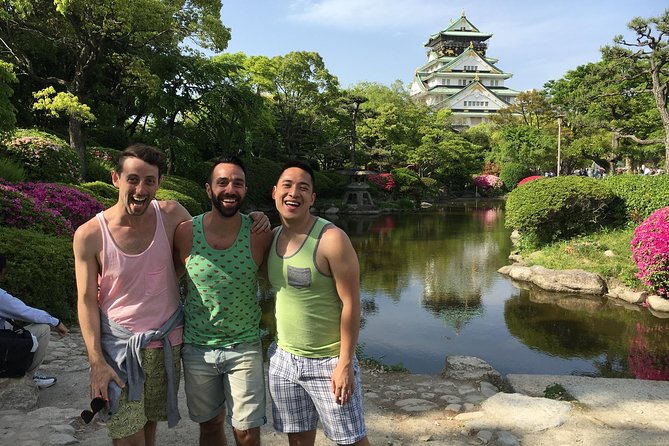
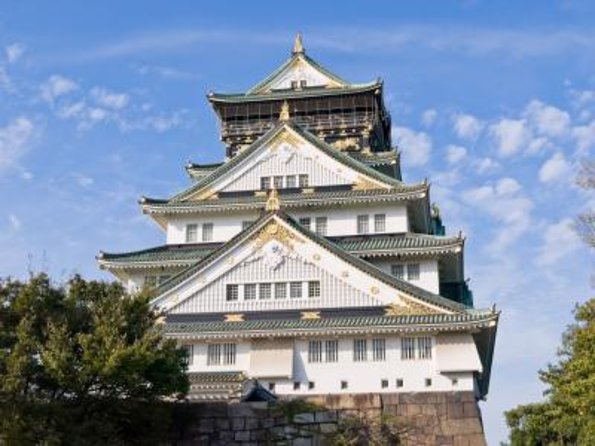
- Osaka Castle park: postcard views and a short, useful history hit
- Utsubo Park: the green reset you will feel in your body
- How the bilingual guide makes this tour worth the money
- Bikes, helmets, and smart road etiquette on shared paths
- Who should book this, and who might want a different plan
- Price and value for a 3 to 4 hour Osaka overview
- Weather, group size, and keeping your day smooth
- Should you book this Osaka in a Nutshell bike tour?
- FAQ
- How long is the Osaka in a Nutshell bike tour?
- How much does the tour cost?
- What is included with the tour?
- Is the bike ride difficult?
- Where does the tour start and end?
- Do we enter the Mint Museum or Osaka Castle?
- What if the weather is bad or the tour is canceled?
Key Things I’d Watch For
- 90% flat route means easier cycling and a more relaxed pace
- Hybrid bike + helmet included removes the biggest hassle
- Bilingual commentary helps you understand what you are seeing, fast
- Small-group size (max 8) keeps the ride friendly and manageable
- Stops are varied from parks to Osaka Castle grounds without long detours
- River and park time give you calmer Osaka moments between landmarks
Cover Osaka on two wheels instead
- 5-Hour Osaka Bike Tour to the Neighborhood of Osaka Castle
★ 5.0 · 319 reviews - Eat, Drink & Cycle: Osaka Foodie Bike Tour
★ 5.0 · 224 reviews - 5-Hour Osaka Highlights Bike Tour with Lunch
★ 4.8 · 146 reviews - Osaka in a Nutshell: Three hour bike tour
★ 5.0 · 121 reviews
Why a guided Osaka bike tour beats subway hopping
Osaka is bike-friendly in a way that feels practical, not touristy. Roads and paths are set up for two-wheel movement, which makes a bike tour a great way to cover distance without doing the mental math of train lines, transfers, and station exits.
The big value here is how the ride turns into understanding. Instead of just passing buildings, you get real context as you go, plus local tips for meals and drinks. That is the kind of information that usually takes an entire day of research to piece together.
And on warm days, the simple act of cycling helps. The breeze makes a huge difference when it is hot and humid, especially in summer.
Getting started near Tenma, and what the ride feels like
You meet in Tenma, Kita Ward, at 1-chōme-10-7 Tenma, Kita Ward, Osaka (530-0043), and the tour starts at 10:00 am. You ride for about 3 to 4 hours and end back at the meeting point, so you are not left figuring out your next move.
The bikes are hybrid style and described as light to ride, which matters because it keeps the effort low even if you are not used to cycling. Helmet use is included, and larger helmet sizes are available, which is a comfort detail you do not want to find out at the last minute.
In terms of roads, the ride is mostly on cycle paths. There is a small amount of road cycling, so keep your eyes up and your pace smooth, especially when you are near pedestrians. One practical note, locals may use sidewalks and paths in ways you would not expect, so watch for people stepping into your path and ride with extra patience.
Also, you get a mobile ticket, which makes check-in simple and reduces time spent handling paper.
Nakanoshima Park: old business district charm without the rush
The tour begins with Nakanoshima Park, where you cycle through landscaped gardens and older European-style buildings. This is central Osaka, but it feels calmer than the busiest shopping lanes. It is the kind of opening stop that sets a good tone, because you start with greenery and architecture before you hit the bigger landmark moments.
You spend about 15 minutes here, so think of it as an orientation stop. You get an easy start on the pedals, and you also learn what makes this area important to Osaka’s story.
The upside is that you are not asked to sprint or bike far on your first segment. The possible drawback is also simple: because time is short, do not expect a long stroll or deep detours. Bring your camera, but keep moving, because the best views come as you ride.
- Osaka Go Karting Tour with Funny Costume★ 5.0 · 2,658 reviews
- Osaka Castle: Museum and Tower Entry Ticket★ 4.5 · 2,380 reviews
- Osaka: Shinsekai Food Tour with 13-15 Dishes at 5 Eateries★ 4.8 · 2,204 reviews
- Osaka Food Tour: 13 Dishes at 5 Local Eateries★ 5.0 · 2,149 reviews
- Hungry Osaka Street Food Tour:15 Tastings & 3 Drinks with a Local★ 5.0 · 1,727 reviews
The river stretch: quiet Osaka energy in the middle of town
After Nakanoshima, the route follows the river that cuts through the city. This is one of those “why a bike works” sections, because you get a smooth path and watery views that feel soothing in the middle of a big metropolis.
You get a peace-and-serenity kind of moment here, and it breaks up the landmark density. It also helps you reset your legs, because river-side biking can feel easier than navigating tighter streets.
This is also where you can notice how Osaka moves. The rhythm of daily life is close by, but you are not trapped in it. You get the benefits of being outdoors without the stress of trying to navigate the city alone.
Mint Museum grounds: history talk without the museum line
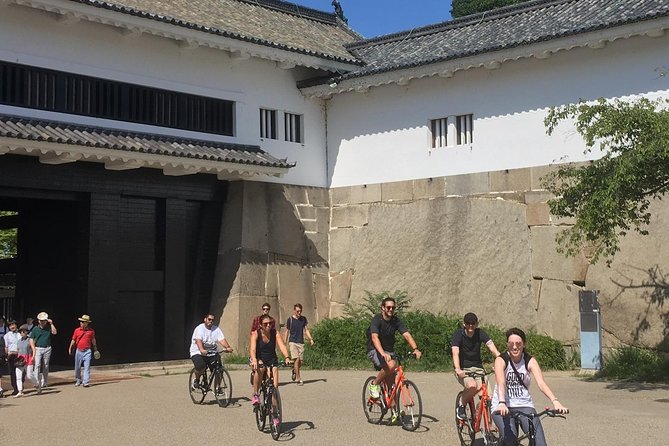
Next comes a stop at Mint Museum, though you will not have time to go inside. Instead, you pause in the grounds for about 15 minutes and learn about the area’s history and its role in Japan’s modernisation.
This is a smart compromise when you are short on time. Museums can be amazing, but entry lines, ticketing, and finding galleries can eat up your half-day. Here you still get the meaning and context, and you move on to the next visual payoff.
The downside is also clear: if you were specifically hoping to tour the Mint Museum galleries, you will not get that. You are there for the explanations and the setting, not a full museum visit.
If you like learning best through stories, this stop is a good fit. You will understand why the place looks the way it does, and that makes the rest of your day make more sense.
Osaka Castle park: postcard views and a short, useful history hit
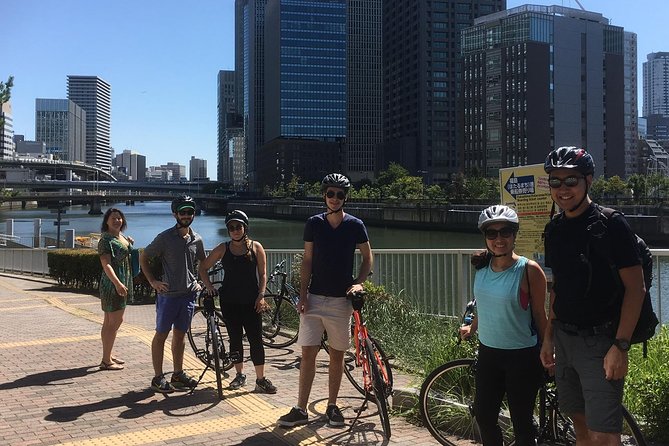
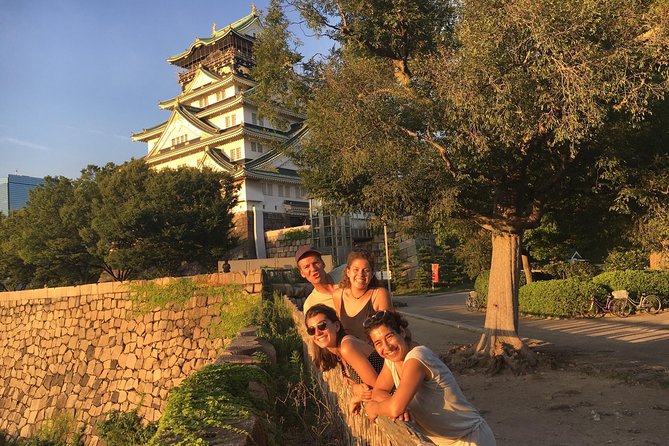
You then roll into the green areas of Osaka Castle park. You get a longer stop, about 30 minutes, and this is where the tour shifts from “overview history” to “big landmark moment.”
Expect picture postcard views, time to cool off, and a short explanation of the castle’s role in Japan’s history and culture. Even if you have visited Osaka Castle before, hearing the framing while you are at the right viewpoint is often what makes it stick.
One practical advantage of the bike approach: you arrive with energy still in your legs and no metro squeeze. Plus, the breeze from cycling can make standing around for photos less draining.
The possible drawback is that castle time is still limited. You are not doing a full independent castle day here, so plan to use the tour as the highlight-and-context portion of your Osaka visit, then choose later whether to return for more.
Utsubo Park: the green reset you will feel in your body
The final major stop is Utsubo Park, Osaka’s most beautiful city centre park. You have about 10 minutes here, which is not long, but it is just enough for a reset before you head back.
Utsubo is photogenic and relaxing, and the tour uses it as a final breathing space. It is a good reminder that Osaka is not only neon and food alleys. Parks are part of the city’s everyday rhythm.
If you are the type who likes to keep moving, the short timing feels fine. If you prefer slow travel with long walks, you might want to come back later to extend your park time on your own.
How the bilingual guide makes this tour worth the money
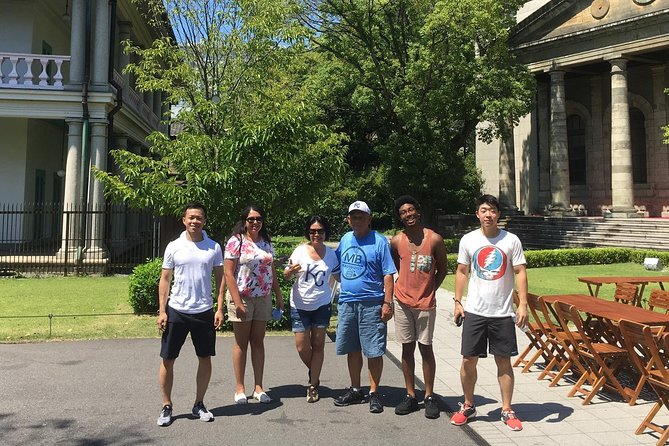
The guide experience is where this type of tour earns its price. You get commentary from a bilingual guide as you ride, and that changes everything.
First, it stops you from guessing. Japan has lots of signage and lots of history, but without context, it is easy to miss why certain buildings and areas matter. Hearing explanations while you are passing the exact sights is a fast path to understanding.
Second, you get practical food and drink advice. The tour is not just about monuments. It tries to connect you to local life, so you leave knowing what to do next instead of wandering around hungry and unsure.
One nice detail from real guide style is that some guides use visual aids like picture files to show historical scenes matched to what you see today. If your guide brings that kind of material, it can turn a short stop into something memorable.
Bikes, helmets, and smart road etiquette on shared paths
Included bike and helmet are the headliners, but the “how” matters more than the brand. The bikes are described as hybrid and light to ride, which helps you keep control at a relaxed pace. That is also why this tour works even if you are not athletic.
Helmet fitting is taken seriously, with larger helmet sizes available. That might sound minor, but it really affects comfort, especially if you are wearing glasses.
For etiquette, treat cycle paths as a shared space. One useful thing to know is that locals may not always behave exactly like you expect around cyclists. Some people use pavements and paths in unpredictable ways, so you should ride with a calm, defensive mindset. Nothing dramatic is needed, just slow down around pedestrians and keep your line predictable.
Also, even though the route is mostly flat, you still want to wear comfortable shoes. You will be getting on and off the bike at stops, and you will want stable footing.
Who should book this, and who might want a different plan
This tour is built for people who want a strong Osaka overview without dealing with transport logistics. You also do not need extreme stamina, but you should have moderate physical fitness. The ride is easy to manage because it is mostly flat, yet it is still real cycling for several hours.
I think it is a great match for:
- First-timers who want the city’s shape and key sights
- People visiting in hot weather who want breeze and speed
- Travelers who prefer guided context over self-guided wandering
- Small families or groups who want a managed pace and simple logistics
It might not be the best choice if:
- You want a slow, sit-down sightseeing day with long museum time
- You dislike cycling entirely, even if the pace is easy
- You expect to enter the Mint Museum or spend lots of time inside Osaka Castle
Price and value for a 3 to 4 hour Osaka overview
At $72.67 per person, this is not a “cheap add-on,” but it also does not feel overpriced for what you get. You are paying for a guided route that saves you time, plus included equipment (bike, helmet, bottled water) and bilingual narration.
The key value lever is the combination of speed and structure. You cover several high-impact areas in a short window, and you avoid the hassle of mapping routes and figuring out transit transfers. In practice, that can be worth a lot, especially if you are tired after travel or if your language skills are still warming up.
You also get a small-group experience with a cap of 8 people. That matters because you do not feel like a number, and you can still ask questions. A larger group tour can still be fun, but the learning and comfort tend to drop.
If you are comparing options, treat this as “guided mobility plus interpretation,” not just bike rental.
Weather, group size, and keeping your day smooth
This experience depends on good weather. If it is canceled due to poor weather, you will be offered a different date or a full refund, so you are not stuck. The tour is also designed around a manageable group size, max 8 people, which helps keep the pace steady.
Because check-in is handled with a mobile ticket and the meeting point is near public transportation, you should have an easier start than many tours that hide in far-off streets. Still, arrive a few minutes early so you can get fitted and briefed without rushing.
If you are riding in summer heat, plan your photos for the cooler moments. Even with breezes, standing in the sun can drain you quickly.
Should you book this Osaka in a Nutshell bike tour?
Yes, I would book it if you want an efficient, good-feeling introduction to Osaka that combines parks, history talk, and big sights without the stress of public transport navigation. The included bike and helmet plus the bilingual commentary are the core reasons it works, and the mostly flat route makes it accessible for most people with moderate fitness.
I would pass if you need long museum time or you are looking for a full independent Osaka Castle day. This is a smart overview, not a deep dive into buildings.
If your goal is to leave with clearer context and a short list of places to eat and drink next, this tour does exactly that. It is a practical way to see more Osaka, with less friction, and you end the day with a city you actually understand.
FAQ
How long is the Osaka in a Nutshell bike tour?
The tour runs for about 3 to 4 hours.
How much does the tour cost?
The price is $72.67 per person.
What is included with the tour?
Bike and helmet rental are included, along with bottled water.
Is the bike ride difficult?
The route is about 90% flat, and you should have a moderate physical fitness level.
Where does the tour start and end?
It starts at 1-chōme-10-7 Tenma, Kita Ward, Osaka (530-0043) at 10:00 am, and it ends back at the meeting point.
Do we enter the Mint Museum or Osaka Castle?
The tour does not have time to enter the Mint Museum, and it focuses on stops for views and explanations (including Osaka Castle park).
What if the weather is bad or the tour is canceled?
The experience requires good weather. If it is canceled due to poor weather, you will be offered a different date or a full refund. There is also free cancellation up to 24 hours in advance for a full refund.
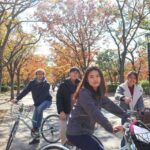
Bicycles and E-Bikes We Have Ridden


Newest Osaka write-ups from the Loving Japan desk



Cycling and E-Bike Tours, side by side.
 ★ 5.0Hidden Kyoto E-Biking tourFrom $1161,843 reviews
 ★ 5.0Tokyo Guided Small-Group Biking TourFrom $1061,250 reviews
 ★ 5.0Tokyo Great Cycling TourFrom $99811 reviews
 ★ 5.0Tokyo Top Highlights 3h Guided E-bike TourFrom $63714 reviews
 ★ 5.03h Tokyo E-Bike Tour: Hidden Gems, and Local Life with guideFrom $63670 reviews
 ★ 5.0Arashiyama Bamboo Forest & Hidden Gems Bike Tour (Early Bird)From $106613 reviews
 ★ 5.05 Top Highlights of Kyoto Full Day Bike Tour (E-bike option)From $172511 reviews
 ★ 5.0Full Day Biking Tour Exploring the Best of KyotoFrom $119498 reviews
Filed on these lists too