
REVIEW · DOTONBORI AND OSAKA STREET FOOD
Osaka Morning Tour: Shitennoji Temple, Shinsekai &Doutonbori
Osaka smells better when you follow locals. On this private morning walk, I like the two-way mix of Shitennoji Temple history and hands-on food stops in Shinsekai, because you get stories and you get to taste. The one drawback to consider is that it is still a walking tour, so if you tire easily, wear comfy shoes and plan for steady steps.
What makes this tour feel different is the human touch. Guides such as Ben, Hiro, and Sena come off friendly and professional, and they steer you toward side streets, photo spots, and a lunch moment that feels like eating where locals go. You also get a private, fully customizable flow, so your guide can adjust the pace to your interests.
In This Review
- Key Highlights You’ll Actually Feel
- Starting At Tenno-ji Station, With GOEN JAPAN Visible
- Tennoji Park First: A Quiet Reset Before the Big Names
- Shitennoji Temple and the 1,400-Year Story That Makes It Make Sense
- Shinsekai’s Retro Streets, Neon Color, and Real Local Snacks
- Kushikatsu and Street-Food Rhythm: What to Expect
- Dotonbori Contrast Without Losing Your Morning
- What’s Included in the $74 Price, and What You Might Add
- How the Private Format Changes Your Day
- Guides That People Remember: Ben, Hiro, and Sena
- Who This Tour Is Best For (and Who Should Skip It)
- Should You Book Osaka Morning Tour: Shitennoji Temple, Shinsekai, and Dotonbori?
- FAQ
- Where does the tour start and end?
- Is this tour private?
- What’s included in the ticket price?
- What food is not included?
- What language is the tour guide?
- What is the cancellation window?
Key Highlights You’ll Actually Feel
- Private and customizable so the route can match your pace and interests
- Tennoji Park first, for a calmer start before the food and neon
- Shitennoji Temple with its 1,400-year legacy explained in plain, story-filled detail
- Shinsekai food like kushikatsu at local places, not just the obvious spots
- Food inclusions that cover real cravings, not tiny snacks
- Photo-friendly stops plus extra conversation that makes the walk fly by
Still hungry on Dotonbori? A few more crawls
- Osaka: Shinsekai Food Tour with 13-15 Dishes at 5 Eateries
★ 4.8 · 2,204 reviews - Osaka Local Foodie Walking Tour in Dotonbori and Shinsekai
★ 5.0 · 985 reviews - Osaka: Dotonbori District River Cruise with Drink Discount
★ 4.2 · 876 reviews - Ultimate Osaka Walking Tour: Castle, Dotonbori & Hidden Gems
★ 5.0 · 862 reviews
Starting At Tenno-ji Station, With GOEN JAPAN Visible
The day kicks off at Tenno-ji Station, North Exit. You’ll be looking for the GOEN JAPAN logo, which makes meeting up simple even if the neighborhood feels busy at street level.
I like this kind of setup because it removes stress. In Japan, the hardest part of a tour day is often not the walking, it is finding the person with the sign. Here, the meeting point is clear, and the tour ends back at the same spot, which helps a lot if you have the rest of your Osaka day planned.
This is listed as English-language. If you want your guide to explain both the what and the why, you will appreciate having English interpretation instead of trying to piece everything together from signs.
Tennoji Park First: A Quiet Reset Before the Big Names
Tennoji Park is your warm-up. It is green, open, and a welcome change from the rush of street life. The value of starting here is timing: you get a breath of calm before you head into older culture and louder food streets.
Your guide shares hidden stories about Osaka’s past as you stroll along pathways. Even if you have visited other parks in Japan, this one works because it connects the mood of the area to the sites later in the route. You are not just walking for exercise. You are learning how the city thinks about time, tradition, and everyday life.
If you prefer a slower start, you are in good shape. If you are the type who wants only temples and food with zero “in-between,” the park might feel like a warm-up you did not know you needed. I see it as smart pacing, not filler.
Shitennoji Temple and the 1,400-Year Story That Makes It Make Sense
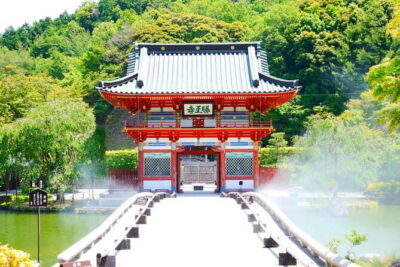
Shitennoji Temple is the anchor. It is described as Japan’s oldest Buddhist temple, and the tour frames that age as something you can actually understand, not just a number. You get to see the grounds, then hear why the place matters.
The practical win is your guide does more than point. They put meaning to what you notice. You are less likely to treat it like a photo stop and more likely to walk away remembering specific stories tied to the temple’s long life in Osaka.
This is also where your guide’s style shows. People have praised guides like Hiro for mixing history with a fun personality, and Ben for sharing Tennoji’s history clearly and thoughtfully. When the guide keeps things human, a temple visit becomes more than standing quietly.
One consideration: you should be ready for walking around temple grounds. If you want minimal time on your feet, you might feel the schedule. But if you like culture that has texture, this stop is one of the reasons the tour gets such strong scores.
- Hungry Osaka Street Food Tour:15 Tastings & 3 Drinks with a Local★ 5.0 · 1,727 reviews
- Osaka: Tea Ceremony Experience★ 4.9 · 1,426 reviews
- Osaka Kickstart: Hotspots & Hidden Gems Tour★ 5.0 · 1,306 reviews
- Osaka: Hotspots & Hidden Gems Walking Tour Private or Group★ 4.9 · 1,300 reviews
- Deep Backstreet Osaka Tours (Option to add Dinner)★ 5.0 · 1,290 reviews
Shinsekai’s Retro Streets, Neon Color, and Real Local Snacks
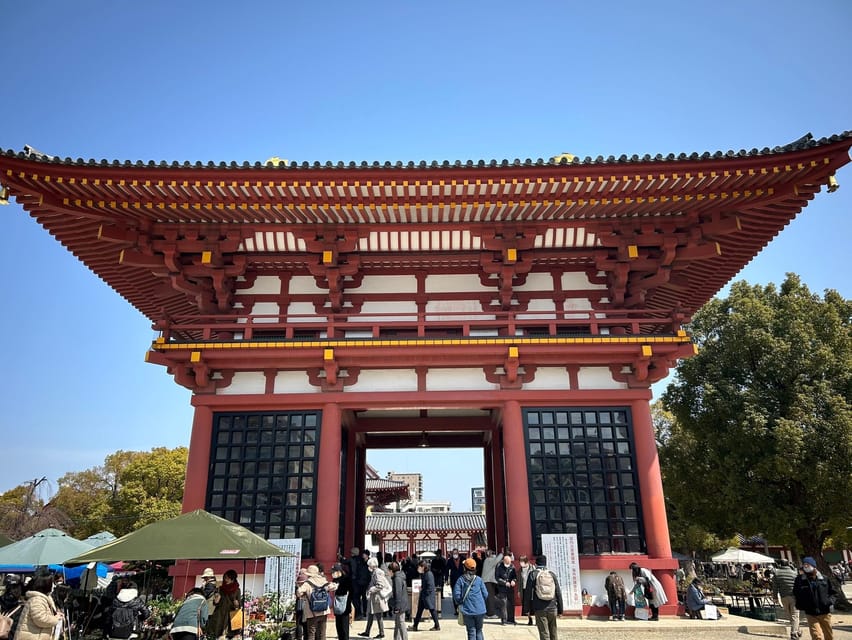
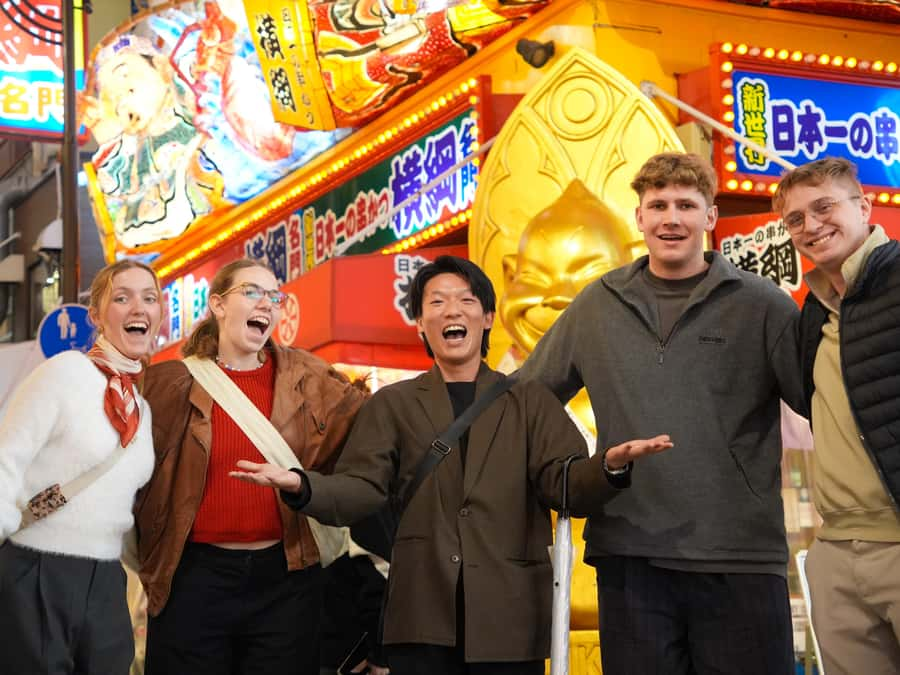
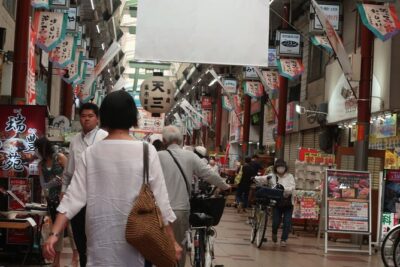
After the temple calm, you hit Shinsekai. This area is known for nostalgia: retro game arcades, quirky shops, and alleys lit up in a way that looks made for night-photos, even in daylight. It is the Osaka that feels lived-in.
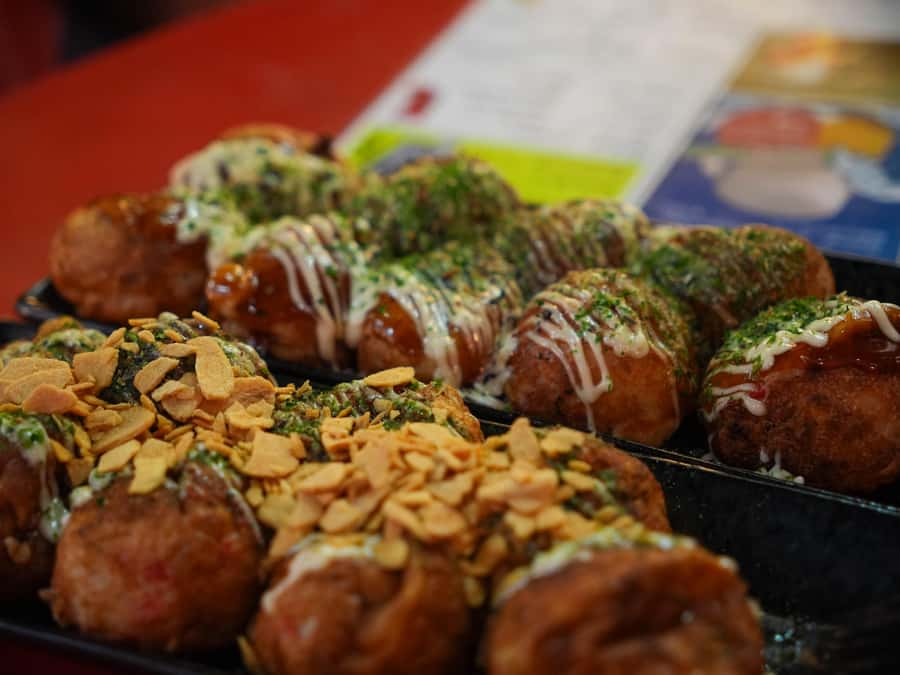
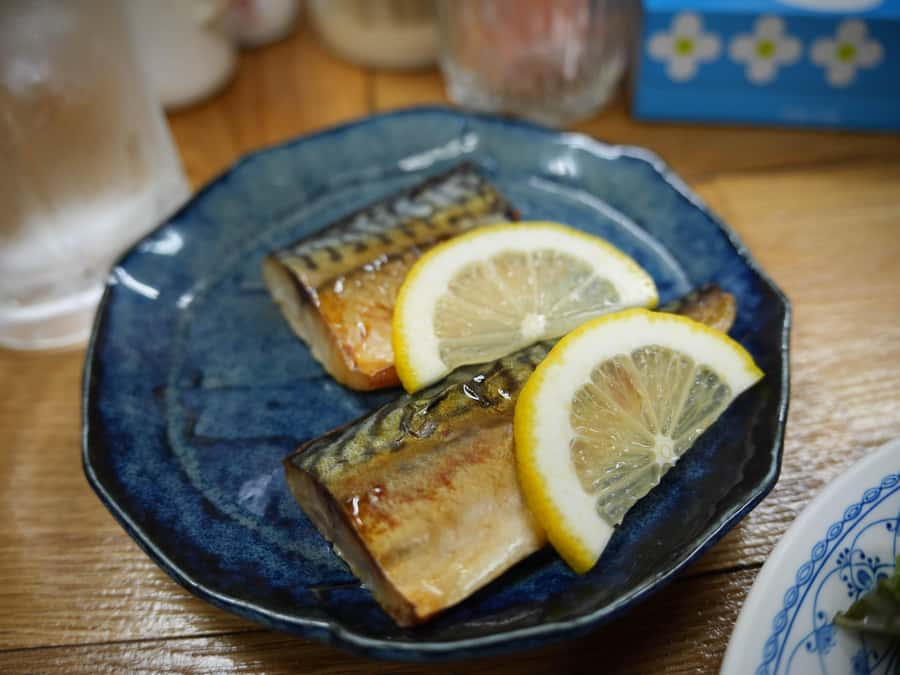
What I like here is the pairing of street atmosphere with food that fits the neighborhood. Instead of doing the same “tourist meal” pattern, the guide leads you to an eatery where you can enjoy iconic flavors like kushikatsu. The tour also includes other bites such as a croquette and a drink, plus a box of takoyaki.
You may also get okonomiyaki during the day, and people highlight it as incredibly delicious. The point is not only taste. It is how the guide explains what you are eating, how locals think about ordering, and what to notice as the food arrives.
Kushikatsu and Street-Food Rhythm: What to Expect
Kushikatsu is all about the flow. You grab your order, you eat while it is hot, and you keep moving at a comfortable pace. The tour approach helps because you are not stuck making decisions by yourself in a busy little place.
Your guide’s job matters here. They help you feel confident ordering and choosing, and they tend to steer you toward smaller, local-feeling spots. That is what people keep praising, the off-the-beaten-path guidance that makes the food feel like a discovery.
If you have strict dietary needs, this is the one area to pause and plan. The included items listed are specific: takoyaki, a croquette, a drink, plus additional food during the walk. The information does not specify dietary accommodations, so it is smart to ask ahead about options if you avoid certain ingredients.
Dotonbori Contrast Without Losing Your Morning
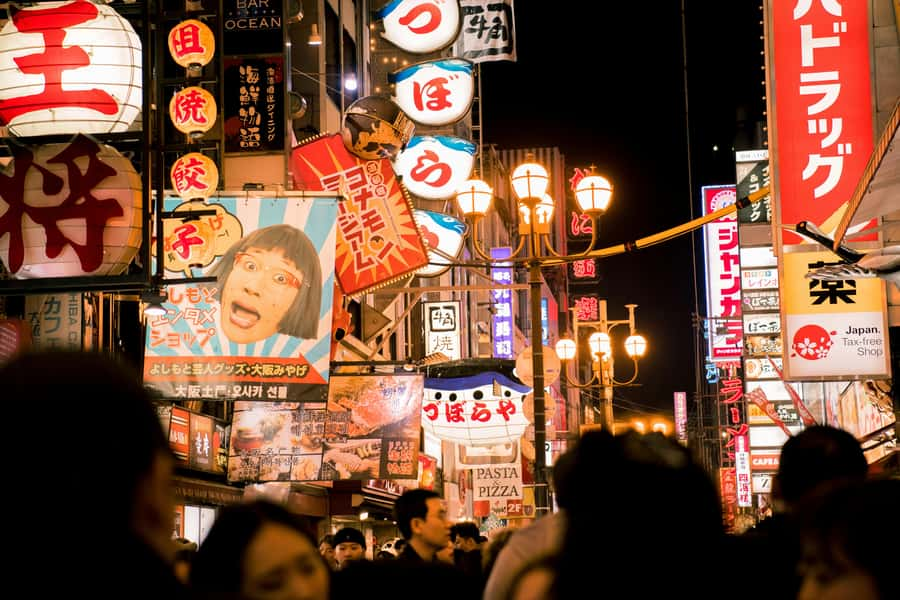
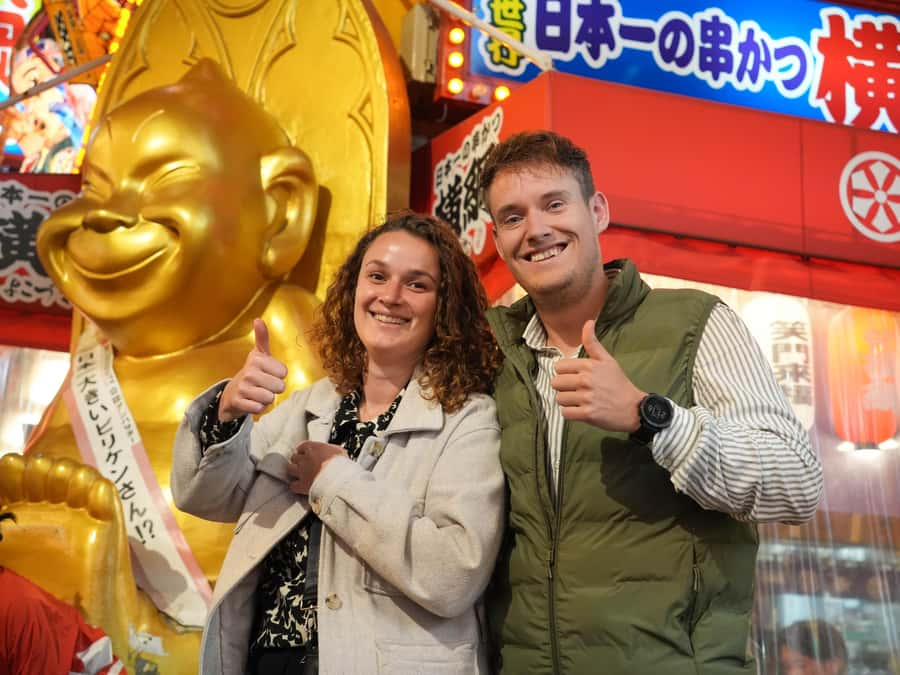
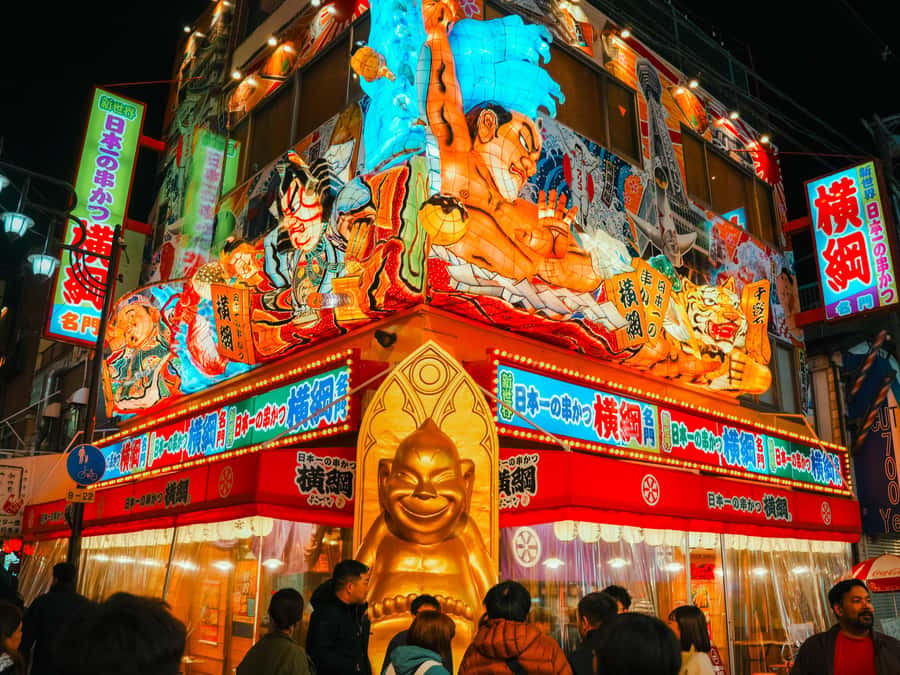
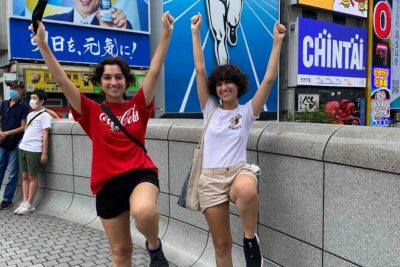
The tour title includes Dotonbori, and that matters because it sets up a strong contrast. Dotonbori is where Osaka goes loud and visual, neon and signs and street energy. The value of having it tied to this route is that you see that contrast in context, not as a random add-on that you have to find on your own.
Even if you spend only part of your day connected to the Dotonbori atmosphere, you get the benefit of a plan. You are not trying to guess where to walk, when to eat, or how to avoid wasting time.
Also, because the tour is private and guided, you can ask for a photo stop or a quick route adjustment. People highlight that the guides find the best picture spots. That tells me the guide is not just following a fixed script. They are paying attention to what will look good and where you can pause without getting in the way of foot traffic.
What’s Included in the $74 Price, and What You Might Add
Let’s talk value in plain terms.
At $74 per person, you are paying for real guided time plus food that is not just symbolic. Included items are:
- A box of takoyaki
- 1 drink (non-alcohol or alcohol)
- 1 piece of croquette
- Guided walking tour with a local expert
- Personalized recommendations
The guide also takes you to local food spots during the day, and you may enjoy dishes like okonomiyaki and kushikatsu along the way. The note on not included items is that additional food and drinks, meaning if you want a second or third restaurant stop beyond what is planned, you would pay that yourself.
So is $74 worth it? For me, the math depends on what you do without the tour. If you are the type who enjoys street food but hates decision fatigue, the included bites plus the guidance to hidden-feeling spots can be a good deal. You are also getting a private structure, which usually means less waiting and more attention from the guide.
If you already planned to eat a full street-food crawl on your own and you have a local-food guide in your pocket, then you might feel the cost more. But if you want the day organized, explained, and tasted, this price lands in the “smart splurge” range.
How the Private Format Changes Your Day
This is one group only. That alone changes how the day feels.
In a private format, you are not rushing to keep up with strangers. You can ask questions, pause for photos, and adjust how fast you walk. People strongly praise the guides for being thoughtful and for creating a personal experience, not a factory-style checklist. That matches what private tours should feel like.
It also helps with customization. The description emphasizes that the tour can be fully customizable. In practice, that means you are more likely to get what you care about, whether that is temple history, Osaka street food, or photo locations.
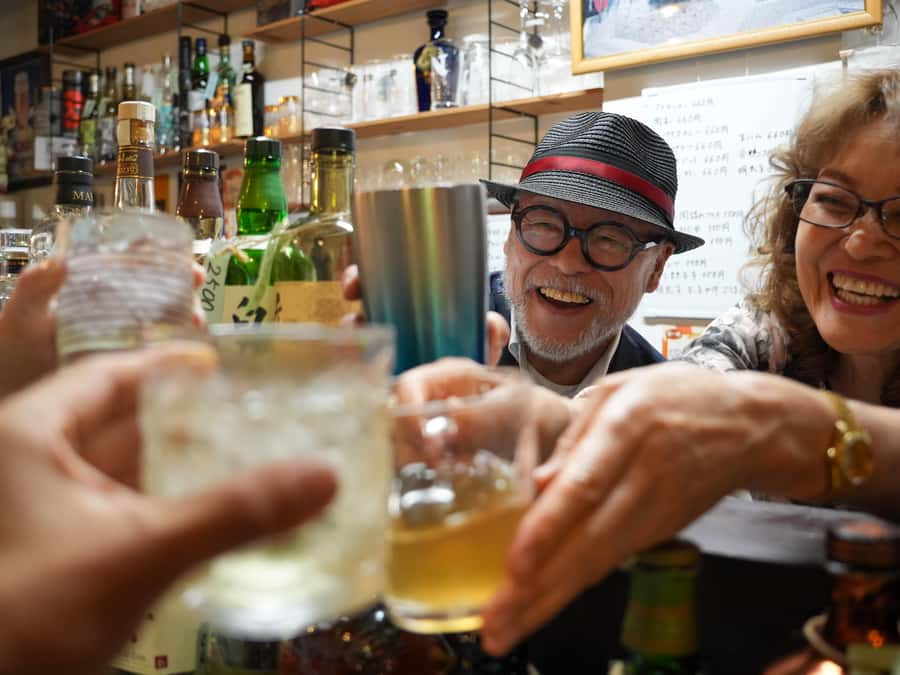
People also talk about conversations. That is one of those intangible parts you do feel when the guide is friendly and the pacing is relaxed. If you enjoy learning from locals and not just watching a plan roll by, you will probably like this tour style a lot.
Guides That People Remember: Ben, Hiro, and Sena
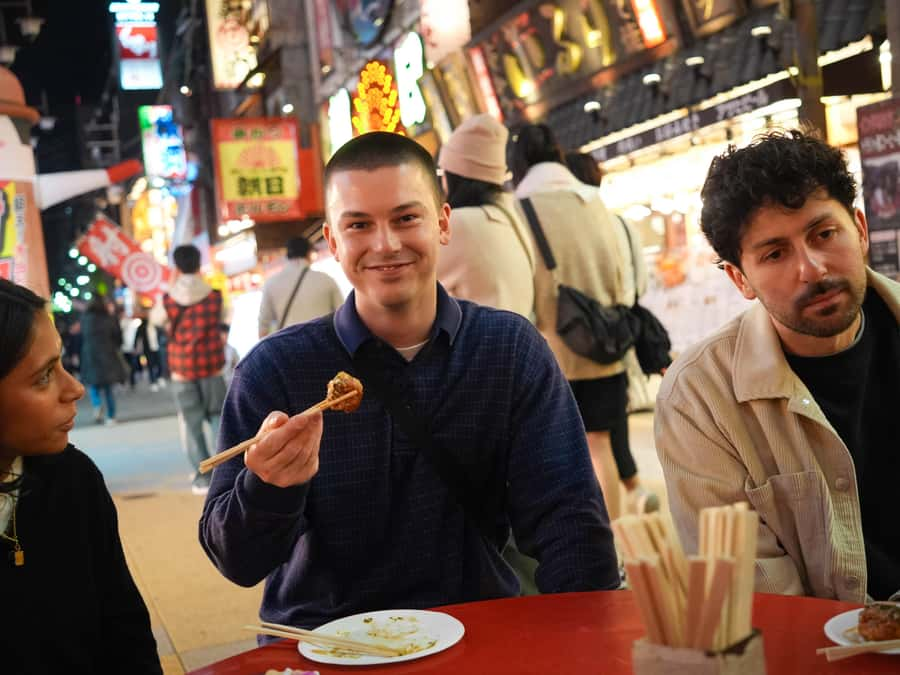
A fun thing about choosing tours is noticing patterns in who people mention.
Ben gets multiple mentions for being delightful, professional, and especially good at taking people to out-of-the-way places. Hiro shows up with praise for temple history and okonomiyaki quality. Sena is praised for deep Tennoji history, hidden spots, and photo results.
I take that as a sign the guide team has a consistent approach: clear storytelling plus practical guidance. When multiple guides are praised in different ways, it suggests the experience is driven by the provider’s method, not just one lucky guide.
So if you have a preference for a guide style, you might ask in advance which guide is available on your date. The information here does not guarantee guide assignments, but it is worth checking because names are part of what people rave about.
Who This Tour Is Best For (and Who Should Skip It)
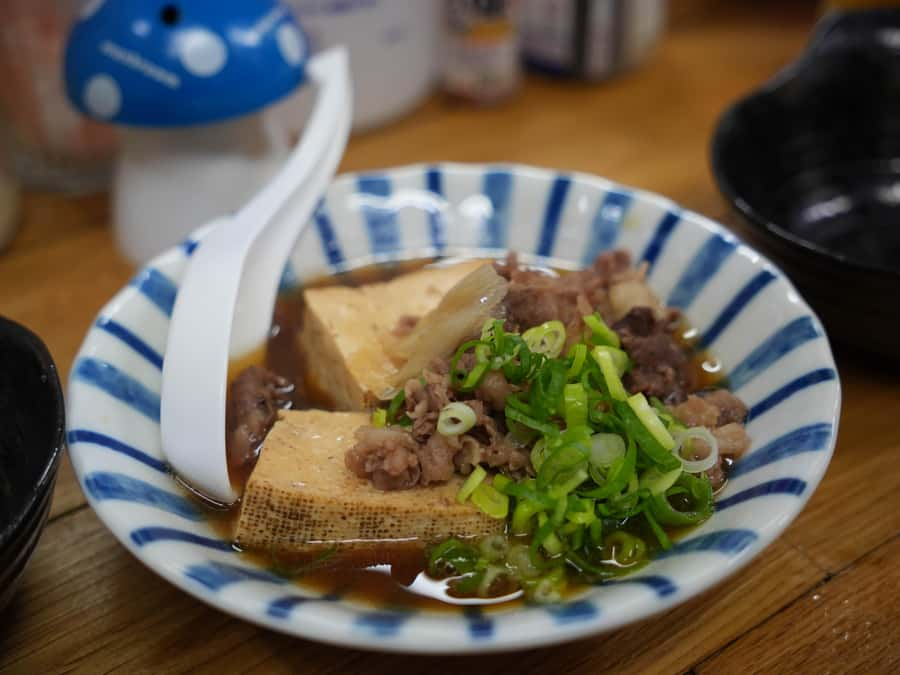
This tour is a strong match if:
- You want temple culture plus street food in one morning-style plan
- You like guided context, not just standing in front of sights
- You prefer a private, calm-feeling route instead of a crowded group rush
- You care about ordering and eating confidently, guided by someone who knows the local rhythm
This tour might be less ideal if:
- You want to move at a very fast pace with zero pauses
- You dislike walking or have mobility limits, since it is a walking tour through multiple neighborhoods
- You have strict dietary restrictions and want guaranteed tailored options, since included foods are listed but specific dietary accommodations are not stated
If you are on your first visit to Osaka and want a smart sampler of Tennoji, Shitennoji, Shinsekai, and the broader city mood, this works well. If you have already explored those areas alone, the guide’s focus on lesser-known side streets and photo stops is still a reason to book, but you may pay more attention to how much new you will get.
Should You Book Osaka Morning Tour: Shitennoji Temple, Shinsekai, and Dotonbori?
Yes, if your ideal Osaka morning looks like this: a calm park start, a temple with a story you understand, then street-food stops where you actually eat well and take good photos.
I would book it if:
- You value a guide who can explain what you see, not just where to stand
- You want included food like takoyaki and a drink, plus additional local bites
- You like the idea of a private, customizable day with no need to plan every turn
I would hesitate if:
- You cannot do much walking
- You are only interested in a specific cuisine and do not want a mixed route
- You need dietary certainty beyond the listed inclusions
Bottom line: at $74, you are paying for a guided morning that turns Osaka from random sights into a sequence with meaning. The biggest selling point is not just the places. It is the way the guides connect the history, the neighborhoods, and the food so you leave with both photos and real memories.
FAQ
Where does the tour start and end?
The tour starts at Tenno-ji Station North Exit, where the provider is holding a GOEN JAPAN logo. It ends back at the same meeting point.
Is this tour private?
Yes. It is described as a private walking tour and listed as one group only.
What’s included in the ticket price?
Included items are a box of takoyaki, 1 drink (non-alcohol or alcohol), 1 piece of croquette, and a guided walking tour with a local expert. You also get personalized recommendations.
What food is not included?
Additional food and drinks beyond the planned stops are not included, meaning if you want a 2nd or 3rd restaurant, you would pay for that separately.
What language is the tour guide?
The tour is offered in English.
What is the cancellation window?
You can cancel up to 24 hours in advance for a full refund.
Dotonbori, Still Hungry

Newest Osaka write-ups from the Loving Japan desk


Dotonbori and Osaka Street Food, side by side.
 ★ 4.8Shinsekai Food Tour with 13-15 Dishes at 5 EateriesFrom $532,204 reviews
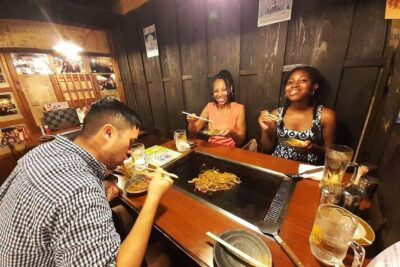 ★ 5.0Osaka Local Foodie Walking Tour in Dotonbori and ShinsekaiFrom $111985 reviews
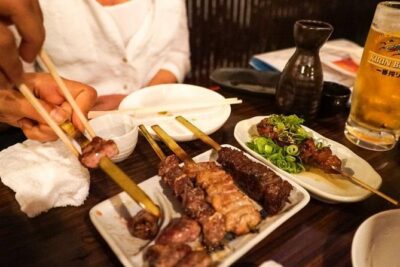 ★ 5.0Osaka Bar Hopping Night Walking Tour in Namba (3 bars, 6 tastes)From $98958 reviews
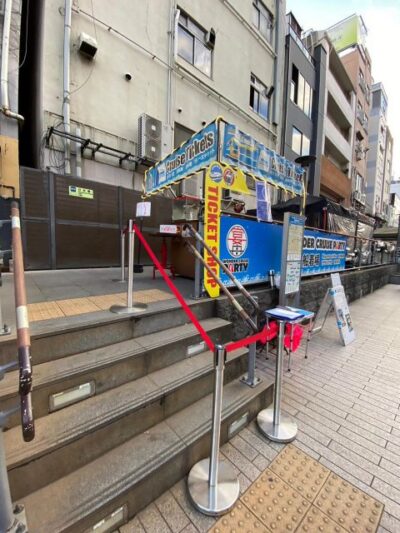 ★ 4.2Dotonbori District River Cruise with Drink DiscountFrom $12876 reviews
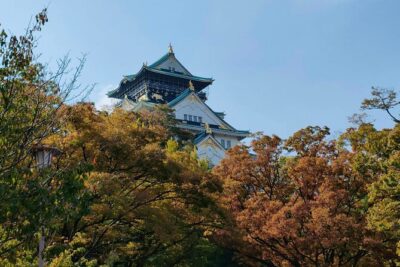 ★ 5.0Ultimate Osaka Walking Tour: Castle, Dotonbori & Hidden GemsFrom $73862 reviews
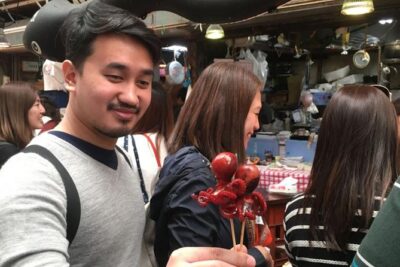 ★ 5.0Kuromon Market Food Walking Tour in Osaka (6 stops, 6 tastes)From $50550 reviews
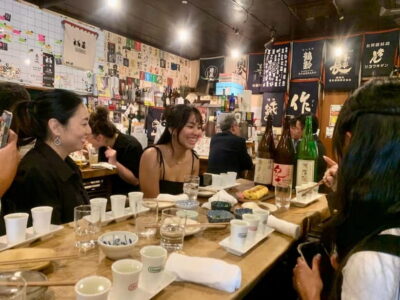 ★ 4.9Namba Pub Bar Crawl with a Local GuideFrom $30424 reviews
 ★ 5.0Ramen and Gyoza Cooking Class in DotonboriFrom $70378 reviews
Filed on these lists too