
REVIEW · PRIVATE
Osaka: Traditional Japanese Ceramics Private Experience
Osaka ceramics should feel like a real habit, not a souvenir hunt. This private workshop in a century-old house pairs hands-on pottery with talk about Japanese cuisine and craft. You start at JR Teradachō Station, meet instructor Anna from Tocoton, and head out toward an area that feels far more Showa-era than touristy.
Two things I like a lot: you get a true one-on-one style class, and you bring home a piece tied to Japanese dining, not generic “pottery for pottery’s sake.” Anna is patient with beginners and still sharpens the technique if you already know your way around clay.
One thing to consider is that the final kiln-fired piece might be shipped home instead of carried away, and shipping costs extra, with a wait of about six weeks. If you’re tight on luggage or time, plan around that.
In This Review
- Key highlights at a glance
- Why This Osaka Ceramics Class Feels Local
- Meeting at Teradachō Station and the Walk to Ceramics Tocoton
- Choosing Your Set, Sake, Sushi, or a Chawan for Tea
- Working Shigaraki Clay, Step by Step
- Glazing and the Final Look
- Learning Japanese Culture Through Food and Craft
- What You Take Home, and the Gift You Get
- Shipping Timeline Reality Check
- Private Class Setup, Timing, and Who It Suits
- Price and Value: Is $96 Worth It?
- Should You Book This Osaka Ceramics Experience?
- FAQ
- What can I make in the Osaka ceramics class?
- How long is the experience?
- Where do I meet the instructor?
- What language is the workshop taught in?
- Do I have to pay for shipping if I want the pottery sent home?
- What happens if I arrive late?
Key highlights at a glance

- Private instruction with Anna in a clean, calm studio setting
- Shigaraki area clay plus typical Japanese glazes
- Choose your make, a sake set, sushi set, or a chawan for tea
- Culture and cuisine chat during the lesson, not a lecture-only experience
- A ready-to-go souvenir gift: a sushi dish plus a Sakura-shaped chopstick holder
- Optional home shipping for the pieces you make, about 1.5 months later
Still weighing up options in Osaka? These are the ones our reviewers rated highest.
- Osaka Go Karting Tour with Funny Costume
★ 5.0 · 2,658 reviews - Osaka Castle: Museum and Tower Entry Ticket
★ 4.5 · 2,380 reviews - Osaka: Shinsekai Food Tour with 13-15 Dishes at 5 Eateries
★ 4.8 · 2,204 reviews - Osaka Food Tour: 13 Dishes at 5 Local Eateries
★ 5.0 · 2,149 reviews
Why This Osaka Ceramics Class Feels Local
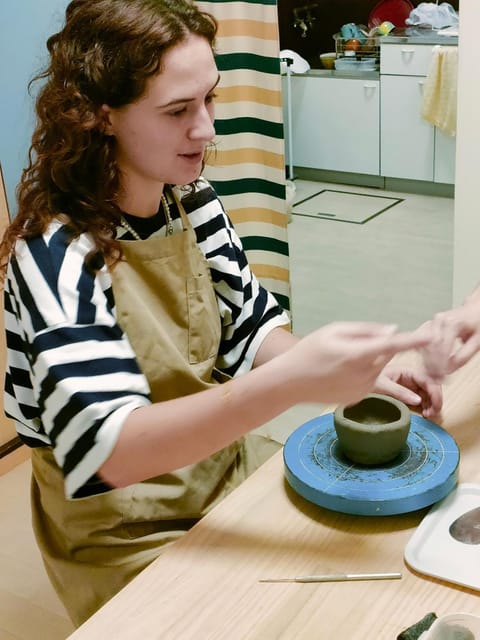
If your Osaka days are already packed with temples and neon, this workshop gives your brain a different job. You trade walking time for slow, tactile time with clay. That shift matters, because you’re not just watching ceramics. You’re making something you can actually use.
I also love how the class stays anchored to daily Japanese life. You’re not crafting an abstract bowl just to “practice pottery.” You pick a set related to Japanese gastronomy, like a sake set or sushi set, or you shape a chawan for tea. That theme makes your finished piece feel personal, not random.
And Anna’s approach shows up in the details people rave about: clear steps, lots of patience, and plenty of room to ask questions. More than once, people describe it as relaxing and therapeutic, which makes sense. When you’re shaping and smoothing clay, you can’t multitask your worries.
Meeting at Teradachō Station and the Walk to Ceramics Tocoton
Your day starts at JR Teradachō Station north exit. Look for the guide holding a sign for the studio, Ceramics Tocoton. It’s a simple start, but it’s also useful. Teradachō isn’t a “big ticket” station, so meeting point clarity helps you avoid that half-panicked search on arrival day.
From there, you head on foot to the workshop in a century-old two-story house. Expect a walk that takes you away from the most obvious tourist areas and into a more lived-in Osaka. Along the way, you pass street shops connected to local food, which sets the tone for the ceramics theme: dining, daily habits, and craft work that fits into ordinary life.
One small but real comfort point: people mention the studio was warm in winter. So you can go without assuming you’ll be freezing while you wait for instructions.
Choosing Your Set, Sake, Sushi, or a Chawan for Tea
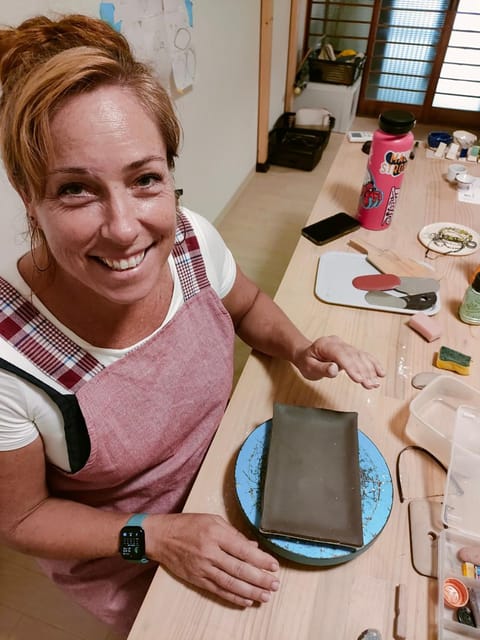
The class centers on building one finished ceramic piece or set, with your choice shaping the whole feel of the experience.
Here are your options:
- Sake set: a small bottle and a glass
- Sushi set: a sushi plate and a chopstick holder
- Chawan for tea: a tea bowl
This choice is more than a menu. It changes what you pay attention to as you shape. A sake set asks you to think about form and balance. A sushi set pushes you toward platter style and a matching chopstick holder detail. A chawan for tea is often where people focus on the bowl’s personality, since tea culture loves imperfect, human texture.
People also mention that Anna talks through the options first so you can decide confidently. That matters if you’re unsure what to make. If you want a practical item for your own kitchen, pick the one that matches how you actually eat and drink at home.
- Osaka Go Karting Tour with Funny Costume★ 5.0 · 2,658 reviews
- Osaka Castle: Museum and Tower Entry Ticket★ 4.5 · 2,380 reviews
- Osaka: Shinsekai Food Tour with 13-15 Dishes at 5 Eateries★ 4.8 · 2,204 reviews
- Osaka Food Tour: 13 Dishes at 5 Local Eateries★ 5.0 · 2,149 reviews
- Hungry Osaka Street Food Tour:15 Tastings & 3 Drinks with a Local★ 5.0 · 1,727 reviews
Working Shigaraki Clay, Step by Step
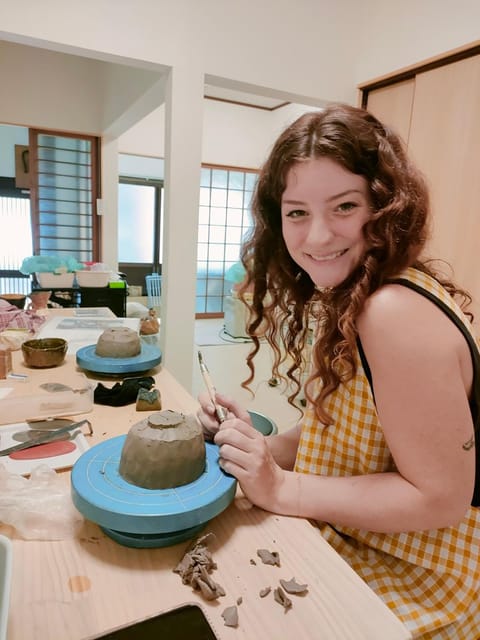
This workshop uses clay from the Shigaraki area and glazes that are typical in Japan. Shigaraki is one of the pottery production regions you’ll hear about when people talk about Japanese ceramics with respect. In plain terms, the clay choice gives your piece a grounding in tradition, not just a generic material.
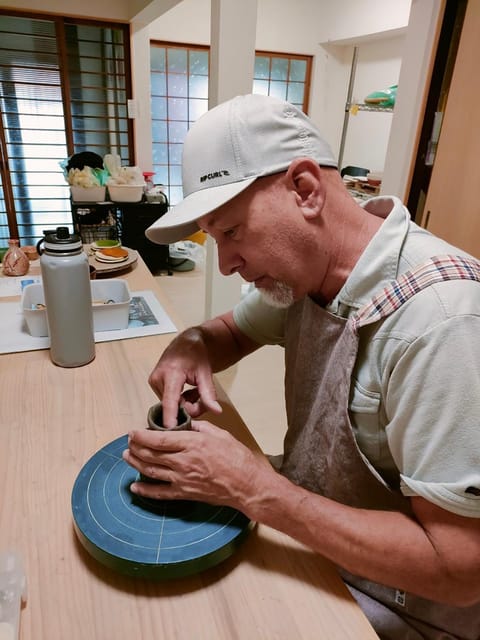
You’ll build your work by hand with guided steps. In the reviews, people repeatedly highlight how Anna doesn’t leave you to figure it out on your own. You get direct instruction, plus demonstrations. That combo is a big deal for beginners. You learn the “what,” and you also learn the “how,” meaning your hands know what to do.
You’ll also make choices around shaping and finish. One of the most repeated compliments is how patient the instruction feels. People describe the pace as not rushed, especially because the group is private. That matters if you’re the type who needs a few tries to get your confidence.
Glazing and the Final Look
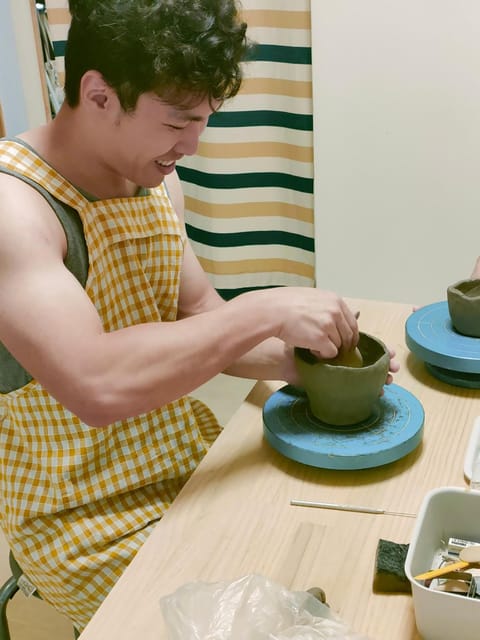
After shaping, you’ll decide on the glaze finish. The class includes typical Japanese glazes, so you’re not selecting from random colors with no context. The instructor frames the decoration style as something rooted in Japanese aesthetics, which helps your piece feel intentional even if you’re a first-timer.
There’s also a practical side: glazing decisions can affect how the piece holds up to real life use. You’ll want to listen carefully to Anna’s guidance here, especially if you’re making something intended for everyday dining rather than display only.
One nice detail from people who went: the studio is described as clean, and the process includes time for getting things right. That reduces the stress that often comes with “make it fast and fire later” workshops.
Learning Japanese Culture Through Food and Craft
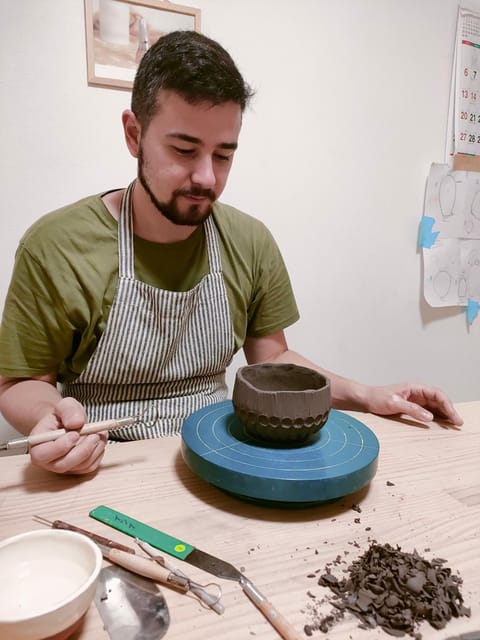
The ceramics work is the headline, but the cultural conversation is part of why this experience scores so high.
People consistently mention Anna’s knowledge of Japanese ceramics and Japanese culture, plus her easygoing teaching style. The lessons include talk around Japanese pottery designs and what they connect to in daily life, especially around food.
In other words, you’re not only learning how to shape clay. You’re learning why certain forms and glazes make sense in Japan. And because your chosen set is tied to dining, the explanations land better. You can immediately connect a sushi plate detail or tea bowl form to the cultural context it comes from.
There’s also a language advantage. The workshop is offered in English, Catalan, Spanish, or Japanese. Reviews point out this as especially helpful for people who don’t speak Japanese but still want more than basic instructions.
What You Take Home, and the Gift You Get
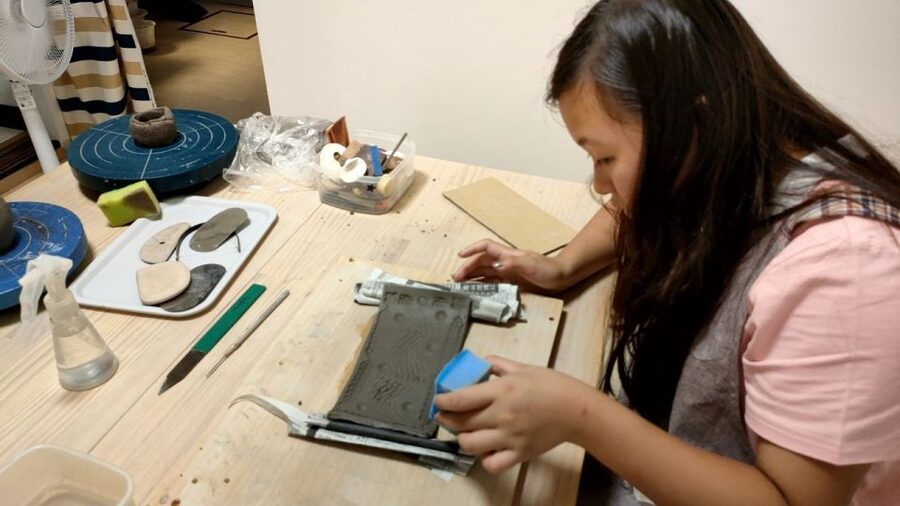
Here’s the part that feels smart for your luggage and your memories. Even if you plan to ship your custom piece, you still get a small gift made by the instructor.
You receive:
- a small dish for sushi, decorated with traditional enamels
- a Sakura-shaped chopstick holder made by Anna
That gift gives you an immediate “I did this” souvenir without waiting for kiln time. It’s also a nice reminder that you built with Japanese dining in mind from the start. The Sakura theme adds a gentle seasonal feel, but it’s still connected to tableware, not generic decor.
As for the piece you make during the class, it’s included as the finished ceramic product. If you choose shipping, you’ll wait about 1 month and a half, and shipping costs are not included.
Shipping Timeline Reality Check
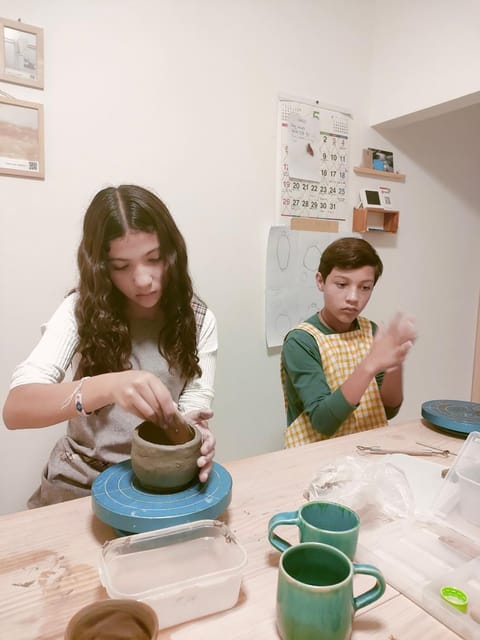
Kiln firing and finishing take time, so be honest with your planning. The workshop offers shipping for the pieces you create. The wait is about six weeks, and shipping is extra.
This is where you should think about your travel style:
- If you’re heading home with empty suitcase space and want to carry something, you might plan to take your piece with you depending on your schedule. (The option exists to ship; you just need to coordinate what makes sense.)
- If you’re traveling light or you’re done with Japan by the time the piece is fired, shipping is the clean solution.
Either way, don’t treat shipping as automatic. You pay shipping separately, and it takes time. If your trip ends soon and you need a gift by a specific date, plan for that buffer.
Private Class Setup, Timing, and Who It Suits
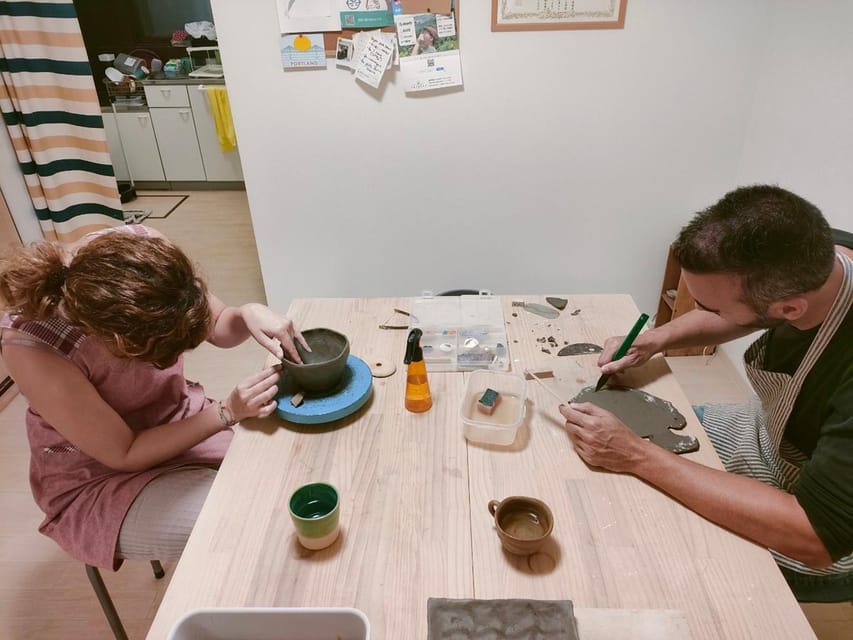
This is a private group experience. That’s one reason it consistently feels comfortable in reviews. You get personal attention, and you don’t have to wait your turn while someone else asks the same question.
Duration is about 2 hours, which is a good length for a craft class. Long enough to shape and make real decisions. Not so long that it eats an entire day from your Osaka plan.
Age note: it’s not suitable for children under 5. For families, people mention it worked well for families including kids, but if you’re going with younger children, check the minimum age first.
On timing, you meet at Teradachō Station and then walk to the studio. If you’re more than 15 minutes late, you should contact the team, since being more than 15 minutes late is considered a no-show. So build in a little cushion if your train plans are complicated.
Language options are solid. If you speak English, Spanish, Catalan, or Japanese, you’ll be able to follow the steps and cultural explanations.
Price and Value: Is $96 Worth It?
At $96 per person for a 2-hour private workshop, you’re paying for four things:
- Instructor time (private, not a cattle-call class)
- Materials (Shigaraki clay and typical Japanese glazes)
- The finished product (kiln work included as part of the experience)
- A bonus souvenir gift (sushi dish plus Sakura chopstick holder)
Compared with touristy “make a thing and go” craft stops, the value here comes from attention to process and the cultural chat tied to food. Many people also emphasize that Anna is patient, gives clear instructions, and lets you take your time. In a private setting, that coaching quality is the real differentiator.
Yes, you still have to handle transportation to the meeting point, and shipping is extra if you go that route. But you’re not being nickeled-and-dimed for the core craft materials and instruction.
If you want a hands-on Osaka memory that isn’t just photos, this price feels fair for what you receive.
Should You Book This Osaka Ceramics Experience?
Book it if you want:
- a hands-on Osaka activity that slows your day down
- a souvenir you can actually use, like a sake set, sushi set, or tea bowl
- a private class where questions matter
- Japanese culture taught through something you can hold
Skip it if:
- you need a finished piece immediately before you leave Japan, since shipping takes about 1.5 months (and costs extra)
- you hate waiting for kiln-fired results, even if you get the small gift right away
- you’re not interested in food-related ceramics and would rather do a different kind of craft
If you’re the type who likes to learn by doing, and you want something authentic without the pressure of a big-group tour, this is a strong bet. Meeting Anna at Teradachō and working with Shigaraki clay is the kind of small-but-lasting memory that makes Osaka feel like more than a checklist.
FAQ
What can I make in the Osaka ceramics class?
You can create one of these: a sake set (small bottle and glass), a sushi set (sushi plate and chopstick holder), or a chawan for tea.
How long is the experience?
The class lasts about 2 hours.
Where do I meet the instructor?
Meet at JR Teradachō Station, north exit. Look for the guide carrying a sign for the studio, Ceramics Tocoton.
What language is the workshop taught in?
The workshop is offered in English, Catalan, Spanish, or Japanese.
Do I have to pay for shipping if I want the pottery sent home?
Shipping costs are not included. If you choose shipping, it takes about 1 month and a half for the pottery to arrive.
What happens if I arrive late?
If you are more than 15 minutes late, you should contact the team. Being more than 15 minutes late is considered a no-show.
Newest Osaka write-ups from the Loving Japan desk




Private, side by side.
 ★ 5.0Tokyo 6hr Private Tour with Government-Licensed GuideFrom $1553,902 reviews
 ★ 5.0Private Tour to Mt. Fuji and Hakone (Fully Licenced Operator)From $4971,910 reviews
 ★ 4.9Mount Fuji Full-Day Private Tour from Tokyo (Customizable)From $3931,470 reviews
 ★ 4.8Private City Highlights Tour with Local GuideFrom $1061,433 reviews
 ★ 5.0Private Custom Tour: Tokyo in a DayFrom $1591,432 reviews
 ★ 5.0Kyoto 6hr Private Tour with Government-Licensed GuideFrom $1551,369 reviews
 ★ 5.0Tokyo Customized Private Tour: See Top Attractions in 1 DayFrom $1451,351 reviews
 ★ 4.9Hotspots & Hidden Gems Walking Tour Private or GroupFrom $331,300 reviews