
REVIEW · TOKYO MUSEUMS, GALLERIES AND TEAMLAB
Private Edo-Tokyo Open Air Architectural Museum Tour
Architecture can feel like time travel. This private Edo-Tokyo Open Air Architectural Museum tour mixes modern European-influenced design with traditional Tokyo building styles in one walk. I especially love how the stops connect Kunio Maekawa and other big names to what Tokyo became in the 20th century.
The other part I really like is the human side of the tour, thanks to an English-speaking licensed guide like Yuichi and Yuki, who explain what you’re seeing in plain terms. You also get a smoother day than you’d expect, because the guide helps with navigating trains and buses to reach the museum area.
One consideration: shoe rules can slow you down, and some of the ground is outdoors. Also, the tour does not include the Ghibli Museum, even though the Shitamachi atmosphere can feel animation-adjacent.
In This Review
- Key Highlights You Should Care About
- Your 5-Hour Game Plan at Tatemono-en
- Kunio Maekawa House: Modernism Takes Root in Tokyo
- Sutemi Horiguchi and the Dutch-to-Japan Design Link
- Mitsui Residence: Luxury Meets the Japan You See Daily
- Shitamachi Walk: Bathhouse, Old Train, and Animation-Like Atmosphere
- Price and Logistics: What You’re Paying For
- Why the Guide Matters (Yuichi and Yuki Are a Big Deal)
- Who Should Book This Tour
- Should You Book This Private Edo-Tokyo Museum Tour?
- FAQ
- How long is the Private Edo-Tokyo Open Air Architectural Museum Tour?
- Where is the meeting point?
- Where can I get picked up?
- Is the tour in English?
- Is admission to the museum included?
- Do I visit the Ghibli Museum?
- What does transportation to the museum cost?
- Do I need to remove my shoes?
- Can I cancel and get a refund?
Key Highlights You Should Care About
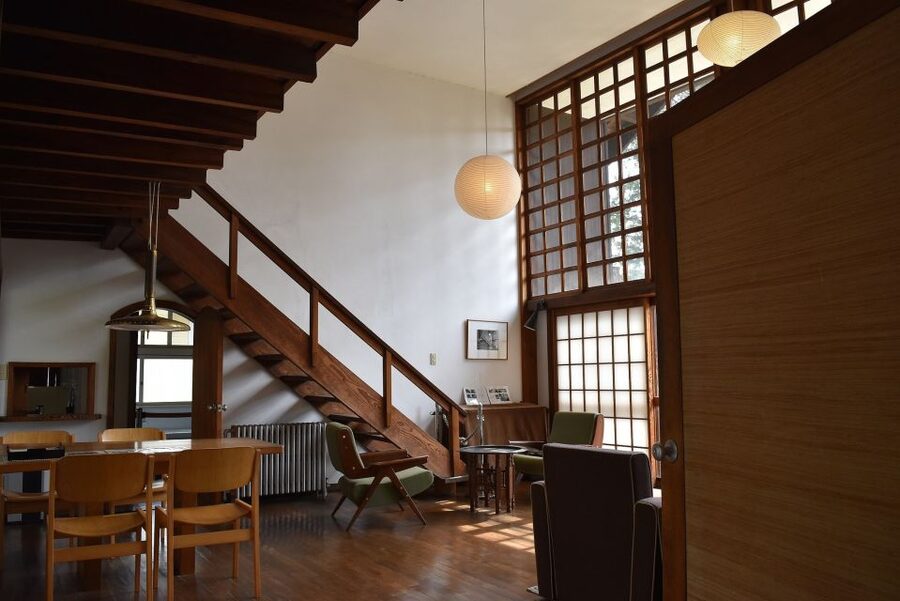
- Kunio Maekawa’s WWII-era house shows modern architecture taking shape in Japan through major European influences
- Sutemi Horiguchi’s Dutch introduction connects Dutch design ideas to Japan, with Art Deco and De Stijl details mixed in
- Mitsui family interiors add a luxury layer, so you see more than everyday residences
- Shitamachi East Tokyo street mood feels like an old film set, with a bathhouse and an old train setting the scene
- Private, English-guided pacing keeps the day manageable, especially if transit feels intimidating
Indoors instead? Galleries and light rooms we visited
- Tokyo: Samurai Ninja Museum Guided tour and Experience
★ 4.6 · 1,010 reviews - Ninja Experience (Family Friendly) at Samurai Ninja Museum TOKYO
★ 5.0 · 441 reviews - Tokyo Studio Ghibli Museum and Ghibli Film Appreciation Tour
★ 4.5 · 421 reviews - Tokyo Sword Experience – includes Museum Ticket/Ninja Experience
★ 5.0 · 314 reviews
Your 5-Hour Game Plan at Tatemono-en
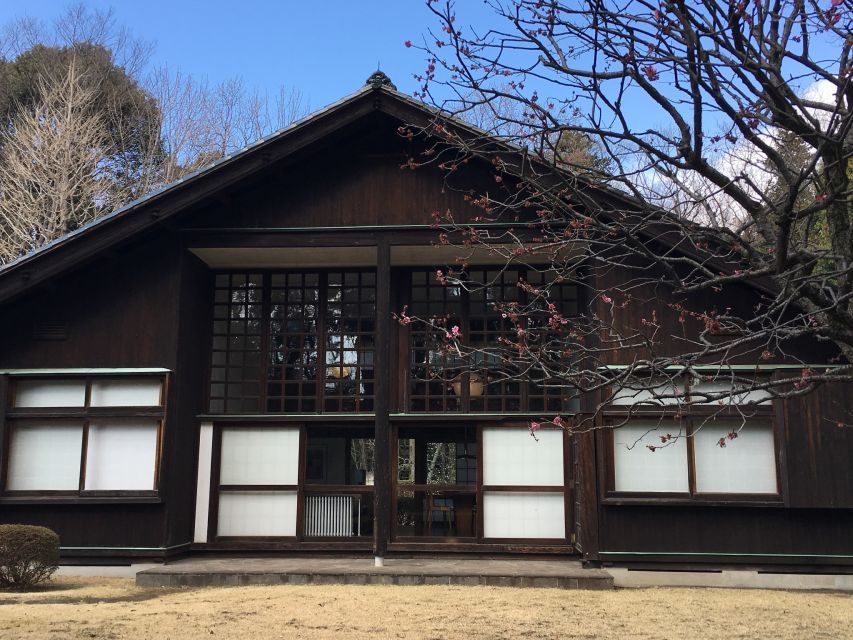
This is a focused half-day route through the Edo-Tokyo Open Air Architectural Museum, also called Tatemono-en. You’ll spend your time moving between major historic buildings and then shifting into the East Tokyo, Shitamachi-feeling part of the site.
Because it is private, the pace is more comfortable than a large-group museum day. The goal is not just to see structures, but to understand why each building looks the way it does and how Tokyo’s ideas changed from one era to the next.
You also get a clear boundary on expectations: this is an architectural tour of the museum, not a Studio Ghibli Museum visit. If you’re coming hoping to tick off the Ghibli Museum, plan that separately.
Kunio Maekawa House: Modernism Takes Root in Tokyo
The morning starts with a house designed by Kunio Maekawa (spelled Maekawa in some materials), who worked under Le Corbusier and Antonin Raymond. That connection matters because it explains why the home doesn’t just look modern, it carries a design mindset that was traveling across countries.
This Maekawa house was built during the Second World War, and the design shows a careful balance of sophistication and practicality. Even if you are not an architecture person, you’ll likely notice the calm control in the layout and the way the building feels composed, not improvised.
What you should look for is the idea of adoption. Japan was not copying Europe point by point, but translating design principles into local building reality, materials, and daily life. The guide’s job is to point out that translation, so you do not just see a cool house, you understand the logic behind it.
If you’re someone who likes “why did it happen this way,” Maekawa is the perfect anchor stop. He represents the moment when Western modern architecture became a real part of Japan’s architectural conversation, not just an imported style.
Sutemi Horiguchi and the Dutch-to-Japan Design Link
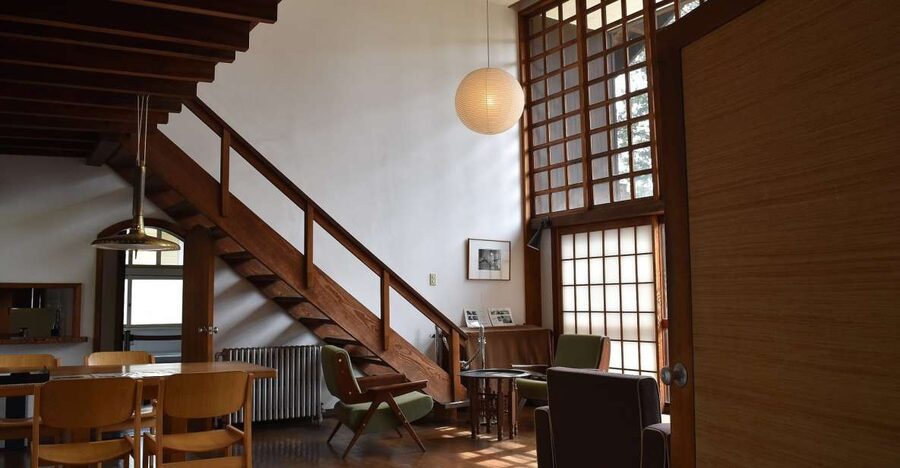
Next comes a house by Sutemi Horiguchi, a key figure because he introduced Dutch architecture for the first time to Japan. This is a fascinating story even if you usually skip architectural detail, because it’s about direction, not decoration.
The house dates to 1925, right after Horiguchi returned from a trip to Europe. That timing is part of the magic, it’s like seeing the design travel in real time, straight from the influence source into a Japanese setting.
Here’s what makes this stop especially fun: you may see Art Deco energy and De Stijl composition ideas reflected inside traditional Japanese rooms. That blend is the point of the tour, and it explains how Western European design language started to show up within Japan’s own spatial culture.
In other words, you are watching architecture become a conversation between regions. The guide helps connect the stylistic clues to the larger historical story of Tokyo moving through modernization.
- Mt Fuji and Hakone 1-Day Bus Tour Return by Bullet Train★ 5.0 · 26,383 reviews
- 1-Day Tokyo Bus Tour★ 5.0 · 14,250 reviews
- Tokyo: teamLab Planets TOKYO Digital Art Museum Entry Ticket★ 4.6 · 9,779 reviews
- Mt Fuji & Hakone Cruise, Drum Show Bullet Train 1 Day from Tokyo★ 4.0 · 7,413 reviews
- Tokyo Mt Fuji 5th St & Hakone Cruise Bus Tour w/Bullet Train★ 4.4 · 5,024 reviews
Mitsui Residence: Luxury Meets the Japan You See Daily
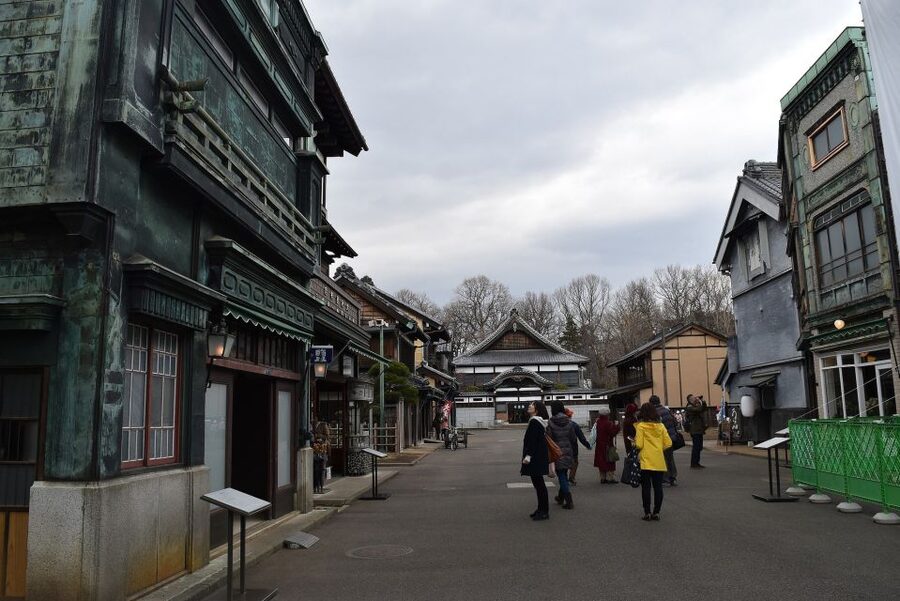
The tour also includes the residence of the Mitsui family, described as one of the richest families in Japan. This stop shifts the mood, because it lets you compare wealth, craftsmanship, and interior planning across different kinds of Japanese homes.
Even if you do not memorize design terms, you’ll likely feel the difference right away. Luxury interiors often come through in subtle ways, such as the sense of layering in rooms and how materials and finishes guide your eye.
This is where you can also connect the architecture to social history. The point is not just that the building is impressive, it’s that the home reflects who lived there and what that life required, space for gatherings, privacy, and a particular style of domestic comfort.
If you care about cultural nuance, the Mitsui stop tends to be a strong “okay, I get it” moment. It rounds out the tour by showing that architecture is tied to power, trade, and how Tokyo’s elite lived inside the same broader city.
Shitamachi Walk: Bathhouse, Old Train, and Animation-Like Atmosphere
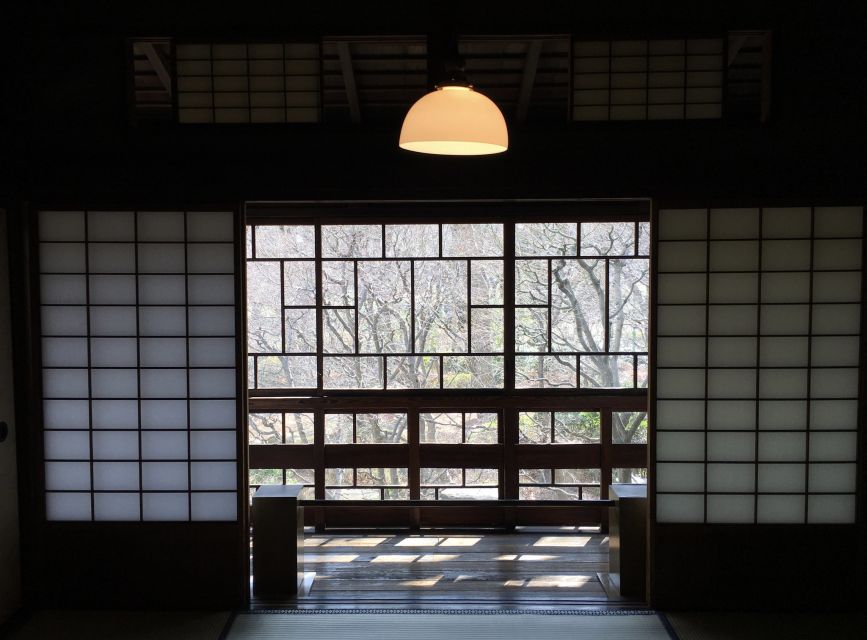
The second half of the tour leans into the East Tokyo area vibe, Shitamachi. This is where the setting feels like it could live inside a famous animation, because the site recreates streets and structures with a nostalgic rhythm.
You’ll walk through the kinds of buildings that help explain daily life in older Tokyo. The mood shifts from “look at the architecture ideas” to “feel the atmosphere,” which is a smart balance in a 5-hour tour.
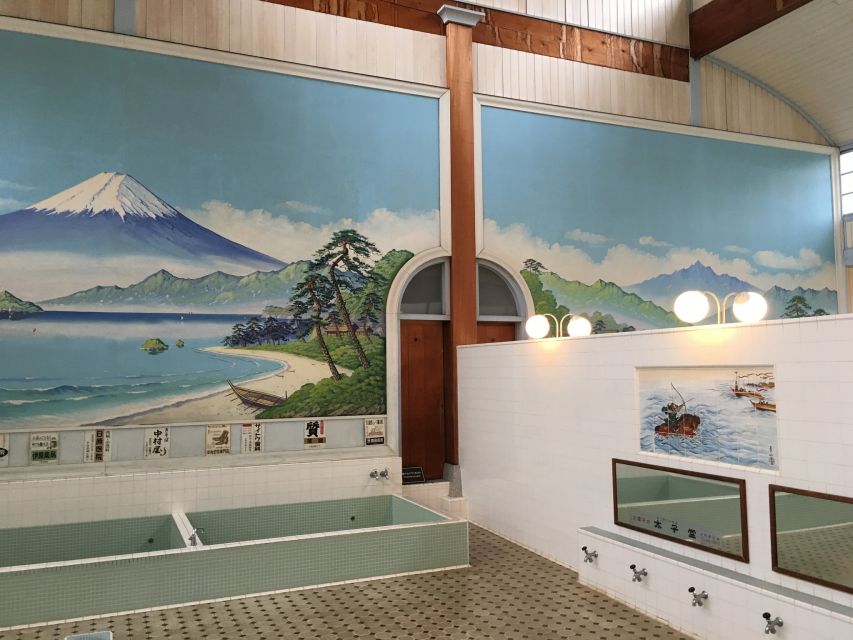
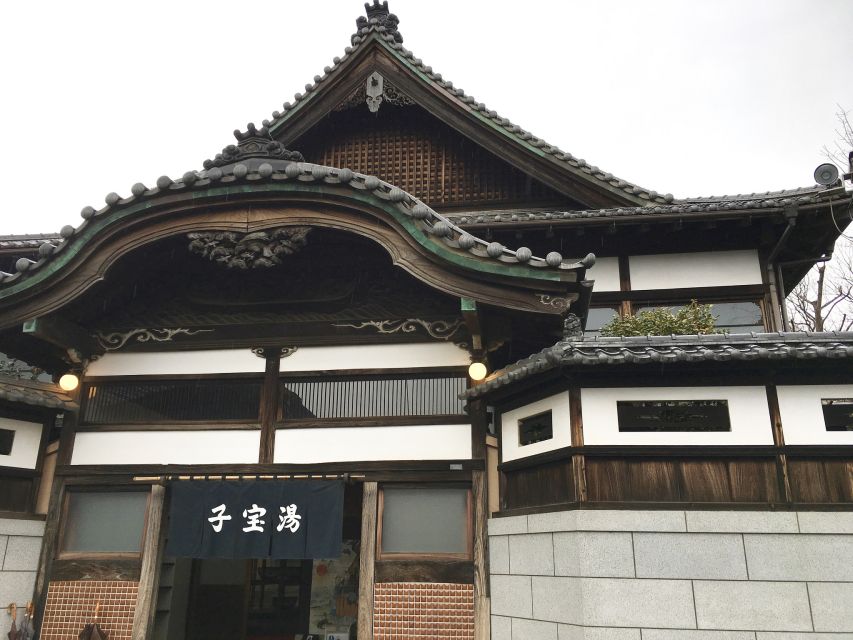
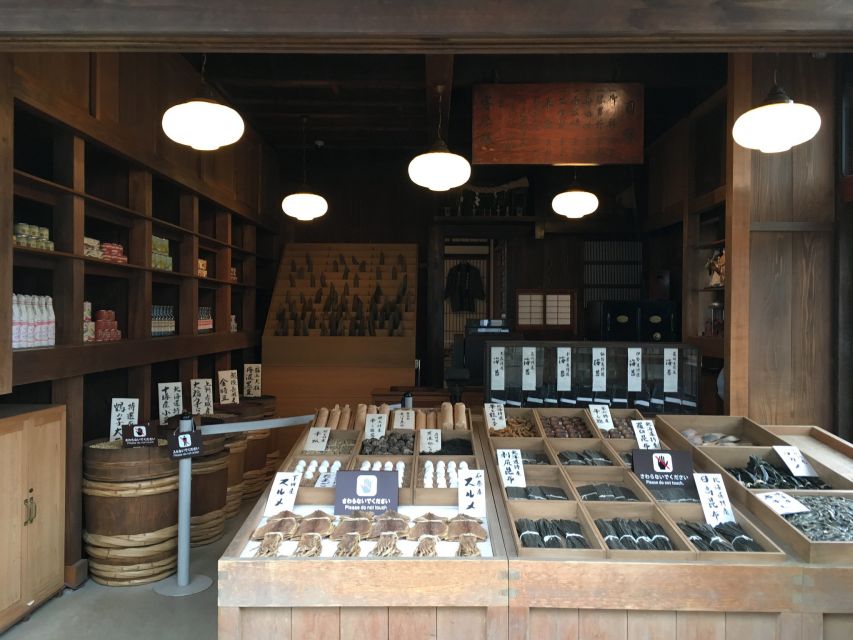
Two specific highlights to plan for are a beautiful bathhouse and an old train that used to run through Tokyo. Even if you know very little history, these elements make the past feel tangible because they connect buildings to routines, bathing culture, and movement through the city.
I’d treat this portion like a slow strolling segment. If you race through, you miss what makes it work. Let yourself pause, notice the surrounding buildings, and keep an eye on how the architecture frames the street scene.
And just to avoid confusion, this part is about the Edo-Tokyo museum atmosphere, not the Ghibli Museum. The vibe can overlap in your mind, but the places are different.
Price and Logistics: What You’re Paying For
At $193 per person for a 5-hour private tour, you’re paying for three big things: a licensed English guide, admission, and a well-structured route that saves you mental energy. The tour also includes pickup at either JR Shinjuku Station or JR Tokyo Station.
Transportation to Tatemono-en is not included. Expect about 700 JPY one way, and you’ll use trains and buses to get there. If you’re traveling solo or with a partner who is not into transit logistics, this is one of those costs that feels small compared to the time you save.
You should also know the meeting flow if you start at Tokyo Station. You’ll meet at Tokyo Station Marunouchi Front Plaza, and after exiting JR Tokyo Station Marunouchi Central Gates, you head toward the center of the station building. The guide waits at a carriage porch with Japanese national flags, and they’ll be holding a bag with an illustration of the Nakagin Capsule Tower.
One practical note: the museum includes buildings where you remove shoes before entering. Bring comfortable shoes that slip off and on easily. This sounds basic until you’re doing it repeatedly in a half-day schedule.
One more logistics reality check: the day may involve some transit adventure, meaning trains and buses rather than a car ride. In one booking story, the guide still made the transit part manageable, which is exactly what you want on a first Japan trip.
Why the Guide Matters (Yuichi and Yuki Are a Big Deal)
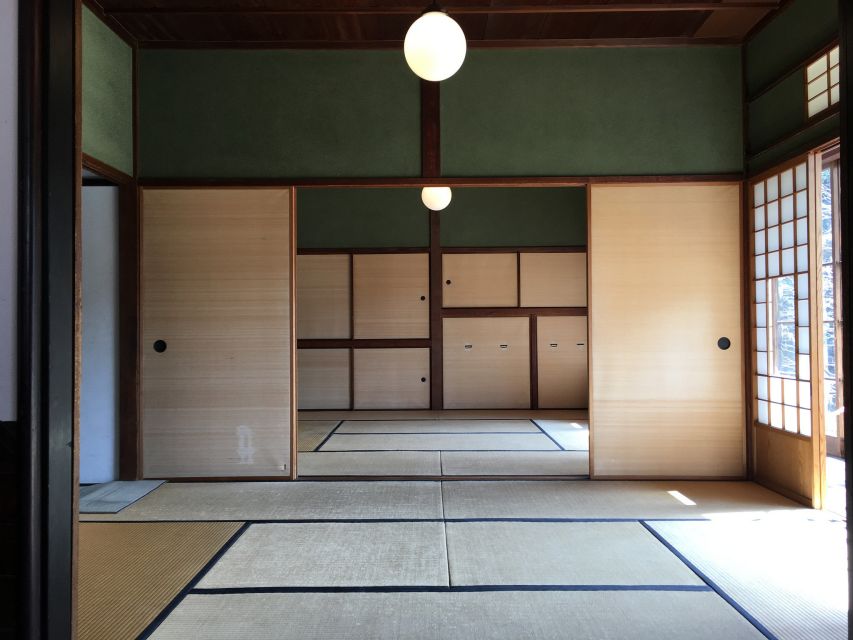
The most consistently praised aspect is the guide, especially for clarity and pacing. Guides like Yuichi and Yuki are described as strong English speakers and as people who genuinely care about architecture.
What you want from a tour like this is interpretation. The buildings can look beautiful even without context, but context is what turns photos into understanding. Guides on this route focus on the cultural and historical reasons behind each design, and that’s why people leave feeling like they learned more than “what the buildings are.”
I also like that the tour can be tailored to the direction you prefer. One account mentions matching the focus to interests like tea rooms and gardens, which matters if you are trying to build your day around what you personally want to see.
Finally, there’s a human-level note from one booking story: when a guest stopped early due to feeling unwell, guide Yuichi helped arrange getting to a hospital. That’s not a reason to worry, but it does tell you the guide mindset is serious and caring.
Who Should Book This Tour
Book this if you care about architecture, Tokyo history, or how Western styles changed when they arrived in Japan. This tour gives you names and design ideas you can actually connect to places, like Maekawa and Horiguchi, plus the Dutch influence thread.
It also works if you’re chasing atmosphere, not just facts. Shitamachi streets, the bathhouse, and the old train are built to create a lived-in mood, so people who love animation-like nostalgia often find it memorable too.
If you hate walking or shoe-changing logistics, you may find it a bit annoying. And if you want Ghibli Museum content, you’ll be disappointed because the itinerary specifically does not go there.
Should You Book This Private Edo-Tokyo Museum Tour?
Yes, if you want a structured, English-guided way to see Tatemono-en without feeling lost in transit or overwhelmed by building details. The price feels more fair when you factor in admission and the value of having a guide connect architecture to history.
Skip it only if your main goal is the Ghibli Museum, or if you dislike tours with shoe-on, shoe-off moments and some outdoor walking. Otherwise, this is one of the best ways to understand how Tokyo’s built world blended tradition with international design ideas.
FAQ
How long is the Private Edo-Tokyo Open Air Architectural Museum Tour?
The tour duration is 5 hours.
Where is the meeting point?
The meeting point is Tokyo Station Marunouchi Front Plaza. After exiting the JR Tokyo Station Marunouchi Central Gates, head to the center of the station building where the guide will wait at the carriage porch.
Where can I get picked up?
Pickup is available at either JR Shinjuku Station or JR Tokyo Station.
Is the tour in English?
Yes. The tour includes an English-speaking licensed guide.
Is admission to the museum included?
Yes, the admission fee is included.
Do I visit the Ghibli Museum?
No. This tour is an architecture tour of the Edo-Tokyo Open Air Architectural Museum and does not include the Ghibli Museum.
What does transportation to the museum cost?
Your transportation fee to and from Tatemono-en is not included, and it is approximately 700 JPY one way. The tour uses trains and buses.
Do I need to remove my shoes?
Many historic buildings require guests to remove their shoes before entering, so comfortable slip-on and slip-off shoes are recommended.
Can I cancel and get a refund?
Yes. Free cancellation is available up to 24 hours in advance for a full refund.
Tokyo Indoors: Galleries and Light Rooms



Newest Tokyo write-ups from the Loving Japan desk




Tokyo Museums, Galleries and teamLab, side by side.
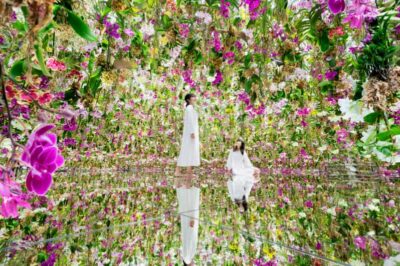 ★ 4.6teamLab Planets TOKYO Digital Art Museum Entry TicketFrom $259,779 reviews
 ★ 4.5Osaka Castle: Museum and Tower Entry TicketFrom $72,380 reviews
 ★ 4.5teamLab Botanical Garden Entry TicketFrom $111,710 reviews
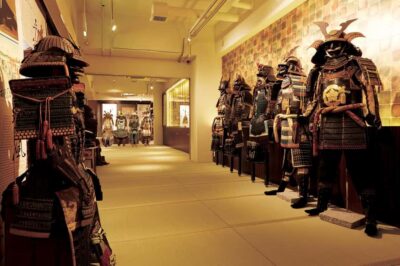 ★ 4.6Samurai Ninja Museum Guided tour and ExperienceFrom $271,010 reviews
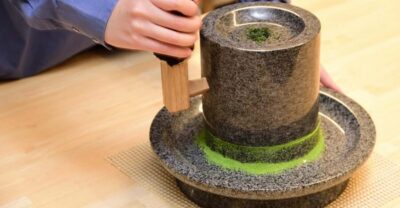 ★ 4.9Tea Museum Tickets and Matcha Grinding ExperienceFrom $23739 reviews
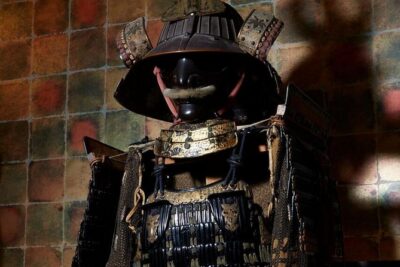 ★ 4.5Skip the lines Basic Ticket at SAMURAI NINJA MUSEUM KYOTOFrom $28632 reviews
 ★ 5.0Ninja Experience (Family Friendly) at Samurai Ninja Museum TOKYOFrom $47441 reviews
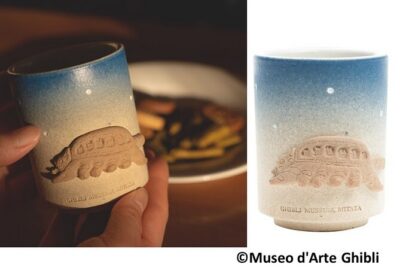 ★ 4.5Tokyo Studio Ghibli Museum and Ghibli Film Appreciation TourFrom $193421 reviews
Filed on these lists too