
REVIEW · SHIBUYA, SHINJUKU AND HARAJUKU WALKS
Private Harajuku Omotesando Architecture Tour
Omotesando is architecture with shopping bags. This private 3.5-hour architecture walk is built for close-up looks at Tokyo’s modern design, from the Meiji Shrine area to big-name fashion buildings, with an English guide who can explain the why behind it. I like that the route gives you photo opportunities at every turn, not just a quick drive-by, and that guides such as Mrs. Sakai Mari bring real energy and extra details to help you notice what most people miss.
One heads-up: the time is tight. In 210 minutes you will see plenty of famous works and some backstreet life, but you will not get a slow, deep research-style tour of every side alley and every building.
In This Review
- Key points for your camera roll
- Omotesando’s real superpower: design you can actually walk into
- From Cafe Mori no Terrace to Jingubashi, getting oriented fast
- Yoyogi Gymnasium in the distance, why one landmark changes your route
- The “designer storefronts” part, The Iceberg to Prada (and how to look)
- The side trip to backstreets, where Omotesando stops being a showroom
- Why the night version feels like a different tour
- Price and what you really get for $129
- Who this tour suits best (and who should pick a different plan)
- Should you book this private Harajuku Omotesando Architecture Tour?
- FAQ
- How long is the Private Harajuku Omotesando Architecture Tour?
- Where does the tour meet?
- Is transportation to the area included?
- What is included in the price?
- Are meals included?
- What should I bring?
- Is the tour wheelchair accessible?
- Is this tour private and in English?
Key points for your camera roll
- Start at Meiji Shrine, then walk straight into modern Tokyo with an easy transition from old shrine grounds to city design.
- Yoyogi Gymnasium from a distance helps you connect iconic Tokyo architecture to what comes next on Omotesando.
- Designer facades as architecture lessons including The Iceberg, Dior, Louis Vuitton, Sunny hills, and Prada.
- A backstreet detour shows everyday Harajuku life so the area feels lived-in, not just showroom flat.
- Night tours change the mood so details you might miss in daylight show up with different light and shadows.
- You can shape the route to your interests through a private-group format and a guide who answers questions on the spot.
Other routes through the west side of Tokyo, compared
- Tokyo: Shinjuku Food Tour (13 Dishes at 4 Local Eateries)
★ 5.0 · 6,603 reviews - Tokyo Bar Hopping Tour in Shinjuku (All-You-Can-Drink + Dinner)
★ 5.0 · 3,587 reviews - Official Street Go-Kart in Shibuya
★ 5.0 · 3,435 reviews - Tokyo: Shinjuku Food Tour (15 Dishes and 4 Eateries)
★ 4.9 · 2,033 reviews
Omotesando’s real superpower: design you can actually walk into
Omotesando often gets compared to other shopping zones, like Ginza, but the feeling is different the moment you start walking. Ginza is more about polished downtown glamour. Omotesando feels more like a design corridor, where buildings, storefronts, and street geometry all work together. The result is that you keep looking up, then back down at the street level details, then up again.
That is why this tour works. It is not just about seeing famous names on buildings. You are learning how architects and designers use materials, massing (the basic shape), and light so the street experience feels planned. And because it is a private, licensed English-speaking guide, you do not have to guess what you are looking at. People like Taka, a retired urban planner who studied at MIT, and Fuki, who connects the dots between buildings and the architects behind them, are exactly the kind of guides who help you read the city like a story instead of a photo album.
The other big win is pacing. You are out there walking for about 210 minutes, with time for a break. That matters because architecture details reward slow attention. If you try to do this on your own, you end up rushing. On the tour, you have permission to stop, look, and take your time.
From Cafe Mori no Terrace to Jingubashi, getting oriented fast
You begin near Meiji Shrine, at the cafe with the big wooden gate presence, Café Mori no Terrace, 1 Yoyogikamizonocho, Shibuya City, Tokyo 151-0052. It is easy to reach from JR Harajuku Station by taking the Omotesando exit and walking toward the forest. The meeting spot is outside the shrine gates, so you do not need to think about navigating the Shinto entrance path to get started.
The first minutes matter because they set your “architecture eyes.” You start at the Jingubashi bridge area in front of Meiji Shrine, so you get a quick contrast between greenery, traditional space, and the planned urban edges you will see minutes later. It is a smart way to reset your sense of scale. The shrine area gives you breathing room, then the city quickly tightens around you.
This is also where a good guide helps you avoid a common mistake. If you only focus on fashion signage, Omotesando becomes a line of stores. Instead, you begin seeing the street as a design sequence. You will notice how pedestrians are guided, where views open up, and where the buildings grab your attention.
Wear comfortable shoes. This is a walking tour, and good architecture spotting means you are frequently pausing, repositioning, and taking photos.
Yoyogi Gymnasium in the distance, why one landmark changes your route
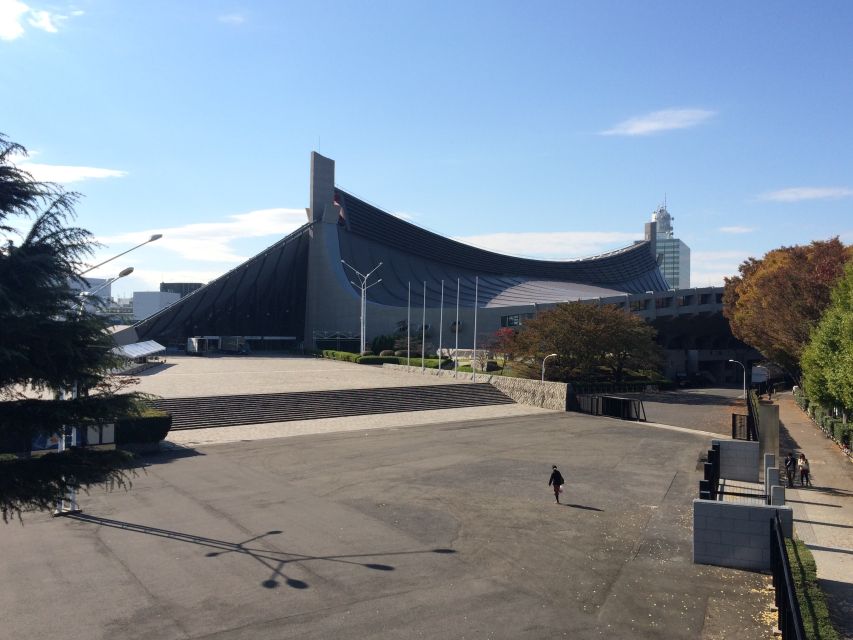
One of the tour’s early “aha” moments is checking out Yoyogi Gymnasium from the distance. You are not going deep into a history lecture. You are using that view as a reference point, so later buildings on Omotesando feel connected rather than random.
This matters because Yoyogi is one of those Tokyo structures that helps you understand the city’s design ambitions. Seeing it in the distance gives you a sense of how Tokyo balances public landmark architecture with commercial design. It also prepares your eye for the way contemporary works can look “light” or “bold” without being loud.
From there, the tour moves into contemporary and emerging architecture you have likely seen in photos or Instagram feeds but never truly noticed. It is much easier to recognize details once you have your visual reference set.
If you are the type who loves asking questions, bring that energy. One of the most praised things about this tour is how guides respond to real curiosity. Some guides have backgrounds in urban planning or industry work, so your questions usually get thoughtful answers, not generic talking points.
- Mt Fuji and Hakone 1-Day Bus Tour Return by Bullet Train★ 5.0 · 26,383 reviews
- 1-Day Tokyo Bus Tour★ 5.0 · 14,250 reviews
- Tokyo: teamLab Planets TOKYO Digital Art Museum Entry Ticket★ 4.6 · 9,779 reviews
- Mt Fuji & Hakone Cruise, Drum Show Bullet Train 1 Day from Tokyo★ 4.0 · 7,413 reviews
- Tokyo Mt Fuji 5th St & Hakone Cruise Bus Tour w/Bullet Train★ 4.4 · 5,024 reviews
The “designer storefronts” part, The Iceberg to Prada (and how to look)
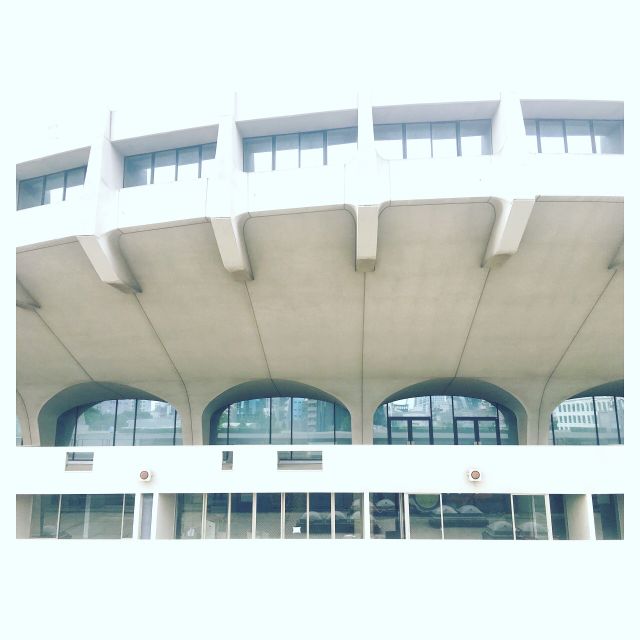
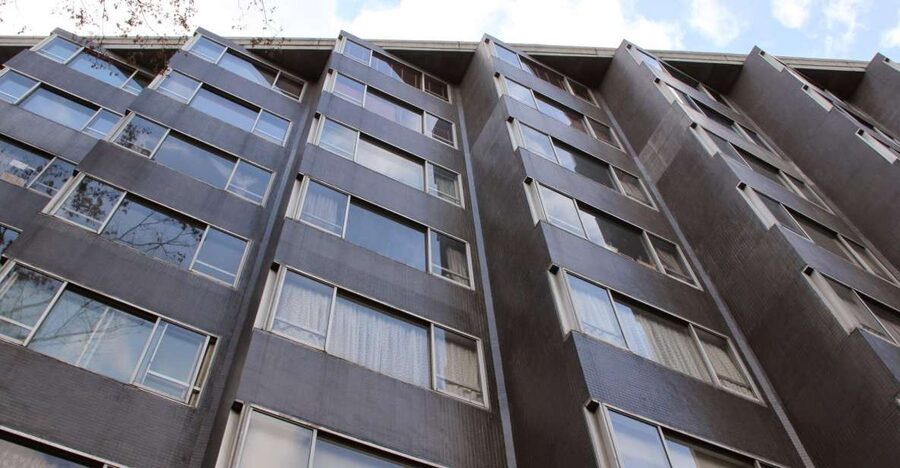
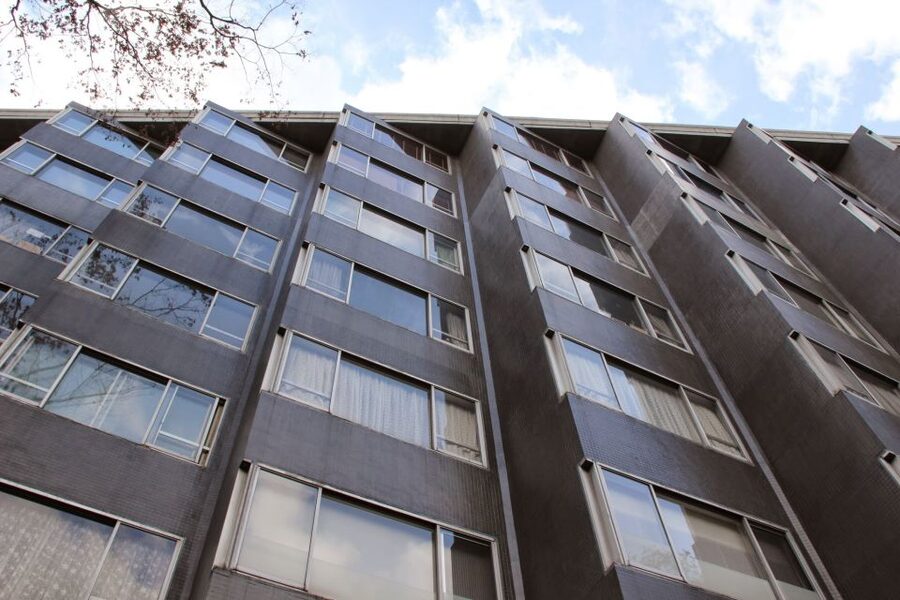
After the shrine-to-city setup, the walk becomes an architecture and fashion sampler, with stops and viewpoints around major landmarks such as The Iceberg, Dior, Louis Vuitton, Sunny hills, and Prada. These are famous names, yes, but the tour angle is different: you are looking at them as architecture.
Here is what you should pay attention to as you walk:
- Facade rhythm: how windows, panels, and entry points create a pattern.
- Material choices: how surfaces catch light differently at street level.
- Street relationship: how the building lines up with the sidewalk so it feels intentional, not accidental.
- Volume and perspective: how each structure changes as you move a few steps left or right.
Because the tour is built for photos, you are not stuck with one angle. You keep getting chances to step into better viewpoints. That is a real advantage over self-guided wandering, where you might miss the best viewing moment and never know it.
A second benefit is that you learn why architects and designers are drawn to Omotesando. It is not just about prestige. The area’s layout and the way it functions as a pedestrian corridor make it an ideal stage for contemporary design. You start understanding the logic behind the mix of big names and experimental touches.
And if you want a route that fits your taste, a private guide can usually adjust. One person even shared that the tour can be catered to what you want to see, including building-specific stops you mention ahead of time. In a private format, you are more likely to actually get what you care about.
The side trip to backstreets, where Omotesando stops being a showroom
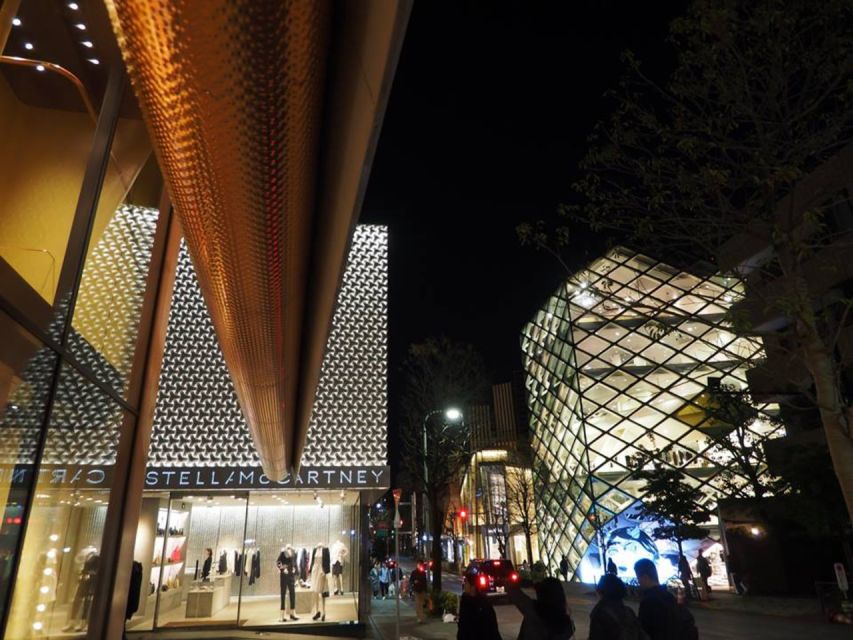
The tour includes a side trip into the backstreet neighborhood so you experience a different side of the area. This is where the tour becomes more than architecture viewing. You get to see how people live, move, and shop in the surrounding streets, not just at the main corridor.
Some guides may also route you through nearby lanes such as Cat Street, a lively street with a distinct feel. Even if your route changes, the purpose stays the same: balance the famous facades with street-level reality.
This is also where you can appreciate the “big difference” from other boutique shopping zones. Omotesando does not just feel like a place where brands sit in a line. It feels like design and everyday Tokyo overlap. You see the sleek storefronts, then you turn a corner and the city texture changes. That back-and-forth helps you understand why Omotesando is so visually addictive.
The tour also builds in a break time. A small cafe stop for drinks helps you recharge without losing momentum. It is not a meal plan, so if you want a full lunch or dinner, you will need to handle that separately. But for a 210-minute architecture walk, the break is the right size.
Why the night version feels like a different tour
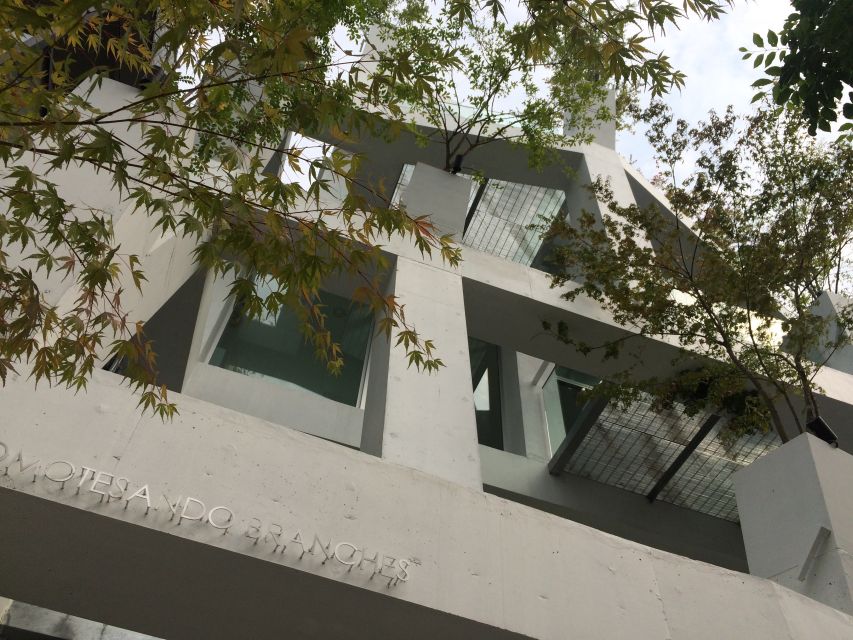
One of the headline advantages here is taking the tour at night. In daylight, you get clarity, colors, and sharp facades. At night, the story shifts to how buildings glow, how signage reflects, and how shadows carve out shapes.
Street-level architecture often reads differently after dark. Instead of seeing only materials, you start seeing contrast. Edges become more dramatic. You can also find that the walk feels calmer, with fewer midday distractions, depending on the day.
If you love photography, night is when you can practice thinking like the architect. Ask yourself where the light source is coming from. Watch how the building’s geometry changes how the street looks around it. A guide can help you spot which moments are worth stopping for, especially when you have limited time.
If you hate crowds and chase quieter streets, night can also be a nicer fit. Still, bring common sense. Comfortable shoes matter even more when you are trying to move in low light and take careful photos.
Price and what you really get for $129
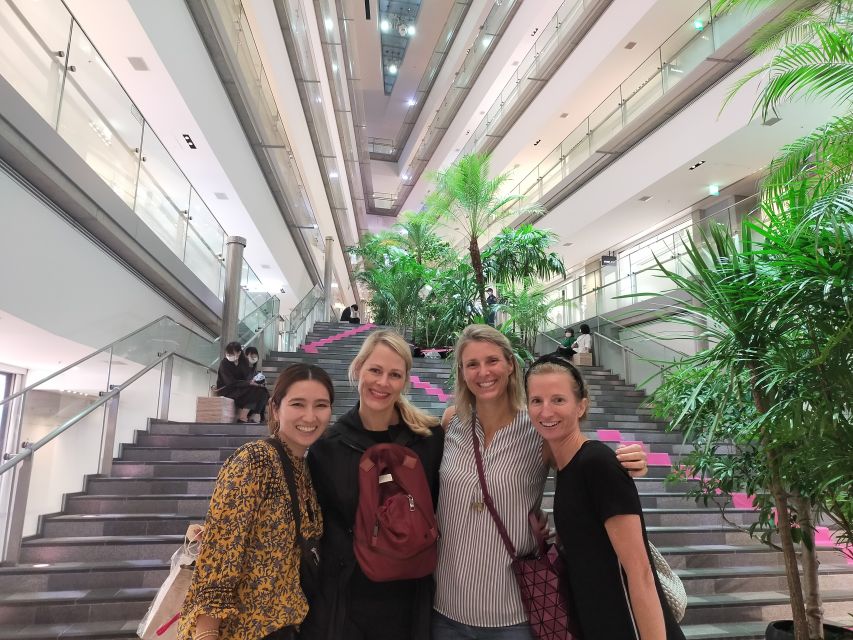
At $129 per person for 210 minutes, this tour is priced like a premium private experience, not a casual group stroll. But the value is not only in the time. You are paying for three things that add up fast if you try to DIY:
- A licensed English-speaking guide who can explain buildings and design choices.
- A route that connects major architectural stops plus backstreet contrast, rather than random storefront hopping.
- Built-in time for a drinks break, which keeps the pace realistic.
The tour excludes meals and does not include transportation to or from the Harajuku Omotesando area, so you should plan those separately. That said, you do not need a big budget for food if you treat the drink break as a reset, then pick a nearby place to eat after.
Who gets the best value? If you care about architecture, design, or just want to stop taking pictures and start understanding what you are photographing, this is a solid spend. If you only want to shop, you will probably feel like the tour is too focused on the buildings. But if you want to make Omotesando feel meaningful instead of just pretty, the guide time is worth it.
Who this tour suits best (and who should pick a different plan)
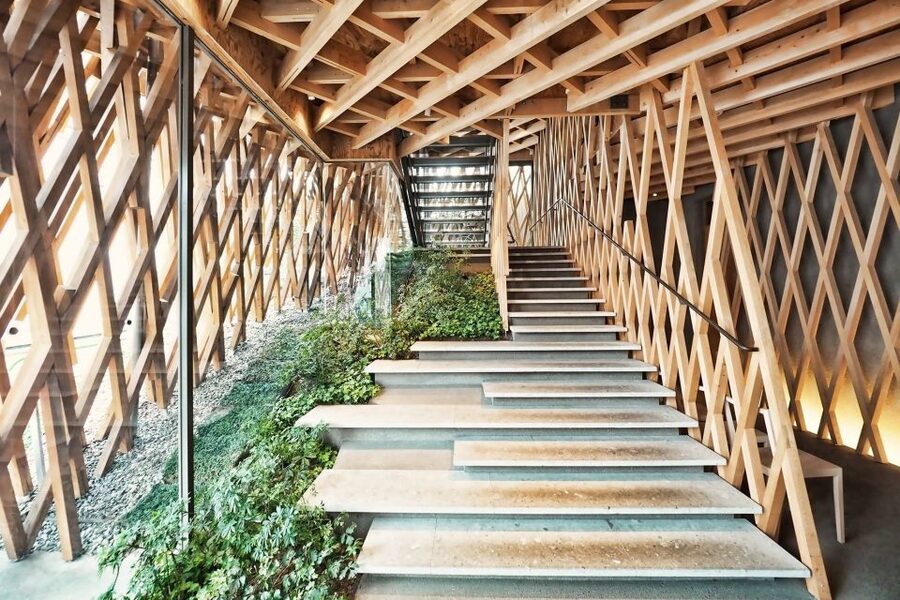
This works especially well for:
- Couples or friends who want a shared experience with lots of stops for photos.
- Solo travelers who prefer a structured route with time to ask questions.
- People who care about architecture details, not just the brand names on buildings.
- Anyone who wants Omotesando and Harajuku’s wider context, including backstreets.
It may feel less ideal if:
- You want a long, museum-style deep dive with lots of interior access. This tour is street-focused.
- You are hoping to cover every single micro-neighborhood around Harajuku and beyond. In 210 minutes, you are going for the most impactful hits.
If you can, tell your guide what you care about. Several guides in the program are known for tailoring the walk to your interests, including connecting questions to specific buildings you want to see.
Should you book this private Harajuku Omotesando Architecture Tour?
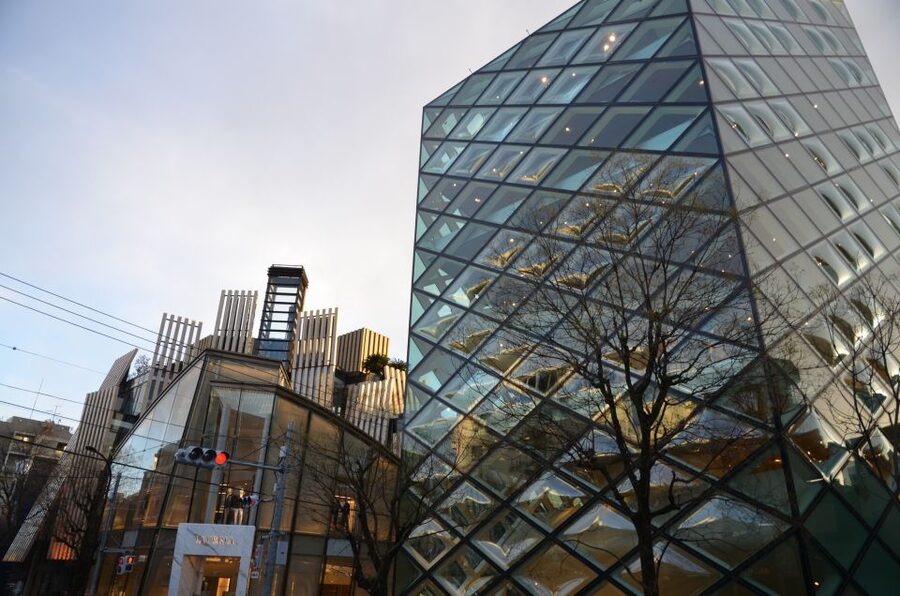
If your goal is to understand Omotesando as design, not just shopping, book it. The photo-forward route, the Meiji Shrine to modern corridor flow, and the mix of designer landmarks plus backstreet texture make it feel like you are learning as you walk.
I especially like the sound of the night option if you enjoy photography or you like the city mood after dark. And the private format helps. You get a real conversation with an English guide who can connect architecture and streetscape in a way that makes the whole area click.
Final tip: plan to arrive with your feet ready. Bring comfortable shoes, charge your phone, and bring one or two questions you genuinely want answered, like why certain designers choose Omotesando. A good guide will meet you there.
FAQ
How long is the Private Harajuku Omotesando Architecture Tour?
The tour lasts 210 minutes (about 3.5 hours).
Where does the tour meet?
You meet in front of the cafe located in the big open space where the big wooden entrance gate of the Meiji Shrine stands. The meeting point is Café Mori no Terrace, 1 Yoyogikamizonocho, Shibuya City, Tokyo 151-0052, Japan.
Is transportation to the area included?
No. Transportation fee to/from Harajuku Omotesando area is not included.
What is included in the price?
The tour includes a licensed English-speaking tour guide and a break time with drinks.
Are meals included?
No, meals are not included.
What should I bring?
You should bring comfortable shoes for walking.
Is the tour wheelchair accessible?
Yes, the tour is wheelchair accessible.
Is this tour private and in English?
Yes, it is a private group tour and the language is English.
West Tokyo on Foot: Seven More



Newest Tokyo write-ups from the Loving Japan desk






Shibuya, Shinjuku and Harajuku Walks, side by side.
 ★ 5.0Shinjuku Food Tour (13 Dishes at 4 Local Eateries)From $866,603 reviews
 ★ 5.0Tokyo Bar Hopping Tour in Shinjuku (All-You-Can-Drink + Dinner)From $1063,587 reviews
 ★ 5.0Official Street Go-Kart in ShibuyaFrom $763,435 reviews
 ★ 4.9Shinjuku Food Tour (15 Dishes and 4 Eateries)From $852,033 reviews
 ★ 4.9Shinjuku Local Bar and Izakaya Guided Walking TourFrom $341,794 reviews
 ★ 5.0Tokyo Shinjuku Chopsticks Making ClassFrom $201,763 reviews
 ★ 5.0Tokyo Shinjuku Sumo Show & Experience with PhotoFrom $791,750 reviews
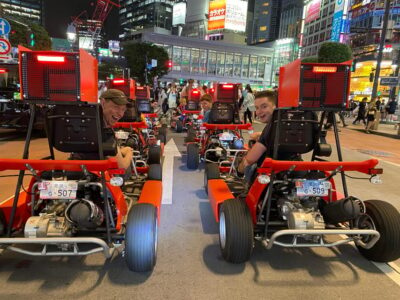 ★ 4.9Street Kart Experience in ShibuyaFrom $741,484 reviews
Filed on these lists too