
REVIEW · SHIBUYA, SHINJUKU AND HARAJUKU WALKS
Private Harajuku Omotesando Architecture Walking Tour
Tokyo turns architecture into something you notice. This private Harajuku and Omotesando walking tour connects fashion streets to serious modern design, with an Olympics-era thread and plenty of photo-guided looking. I love how the guides bring architecture context (not just names), and I also like the built-in pause with drinks that keeps the pace human. One thing to consider: it is a lot of walking, so you will want comfortable shoes and a willingness to stand and look for details.
You can think of this tour as a guided way to read Tokyo. You start by Meiji Jingu, then swing through the designer belt along Omotesando, where famous buildings and big-brand storefronts share the sidewalk. A possible drawback is that the explanations can get technical, so if you want very light storytelling, bring your questions early so your guide can match your style.
In This Review
- Key highlights and what makes them special
- Harajuku to Omotesando, where fashion meets Olympic-era architecture
- Meeting at Meiji Jingu and spotting Kenzo Tange’s Yoyogi Gymnasium
- Designer storefront stops: Dior, Louis Vuitton, Prada, and The Iceberg
- Quiet side lanes and the included cafe pause with drinks
- Modern architecture showpieces: Harakado, Prada glass, and Ando underground spaces
- Why the private guide and their photo notes matter so much
- How much walking is involved, and what to wear
- Price and value: what $132.14 buys you in Tokyo time
- Where it starts and ends, and how that helps you plan the rest of your day
- Who this Harajuku and Omotesando architecture walk is best for
- Should you book this private architecture walk?
- FAQ
- What is the duration of the Private Harajuku Omotesando Architecture Walking Tour?
- Is this a private tour?
- Where does the tour start and where does it end?
- What is included in the tour price?
- Are there admission fees?
- What is the cancellation policy?
Key highlights and what makes them special
- Meiji Jingu to Yoyogi Gymnasium views: you get that Olympics-era architecture feel from the start, including Kenzo Tange’s landmark
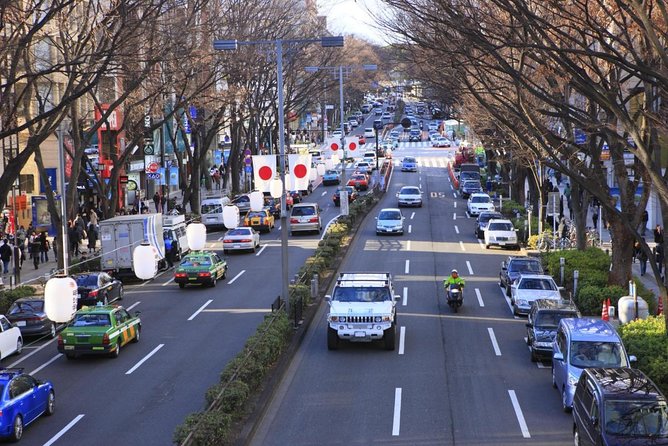
- Designer storefront architecture stops: you will pass by places like Dior, Louis Vuitton, Tod’s, Prada, and The Iceberg while learning what to actually look for
- Off-the-main-street back lanes: the route includes quieter streets where the neighborhood changes character fast
- Modern architecture with real design details: you can see buildings associated with big-name designers, plus exterior and sometimes interior spaces
- A cafe-style break with drinks: you get a rest without derailing the tour
- Private, pace-tailored guidance: guides adjust timing and indoor time when weather gets tough, and they often use photo notes or tablets
Other routes through the west side of Tokyo, compared
- Tokyo: Shinjuku Food Tour (13 Dishes at 4 Local Eateries)
★ 5.0 · 6,603 reviews - Tokyo Bar Hopping Tour in Shinjuku (All-You-Can-Drink + Dinner)
★ 5.0 · 3,587 reviews - Official Street Go-Kart in Shibuya
★ 5.0 · 3,435 reviews - Tokyo: Shinjuku Food Tour (15 Dishes and 4 Eateries)
★ 4.9 · 2,033 reviews
Harajuku to Omotesando, where fashion meets Olympic-era architecture
Harajuku and Omotesando can feel like two different Tokyos in one afternoon. One side is youth culture, shopping energy, and storefront drama. The other side is clean, upscale streets where modern architecture gets designed like a fashion accessory.
What I like about this tour is that it treats both worlds as one story. You are not just walking between stores, you are learning why certain buildings and streets became what they are. The Olympics history angle matters too, because it anchors the walk to a specific era of Tokyo ambition, starting with the Yoyogi Gymnasium area.
Also, it is private. That sounds simple, but it changes everything. You can ask questions, request slower pacing, or point out what you personally want to focus on, like the design of glass, rooftop gardens, or how architects use light and shape.
Meeting at Meiji Jingu and spotting Kenzo Tange’s Yoyogi Gymnasium
The tour starts at Meiji Jingu (Harajuku Eki), so you begin in a place that feels like a pause before the city sprint. Expect to begin at the shrine area and then transition quickly into the architecture corridor around Harajuku.
A key early moment is getting a view of Yoyogi Gymnasium by Kenzo Tange from a distance. Even if you cannot fully “read” the building from one spot, you get the scale and the iconic form, and you hear the why behind it. That distant look is useful, because it gives your brain a silhouette before you walk the streets that frame it.
Practical tip: Meiji Jingu itself is listed as free at this stop, so you are not juggling entry costs right away. It also gives you a smooth start where you can settle into the walking rhythm and let your guide set the theme: Tokyo’s design shift, then and now.
Designer storefront stops: Dior, Louis Vuitton, Prada, and The Iceberg
After the shrine start, the route runs along the designer-heavy streets that people often describe as Tokyo’s version of a luxury promenade. This is where the tour does a clever thing: it connects brand storefronts to architecture.
You will likely spend time spotting building and façade features at places such as:
- The Iceberg
- Dior
- Louis Vuitton
- Tod’s
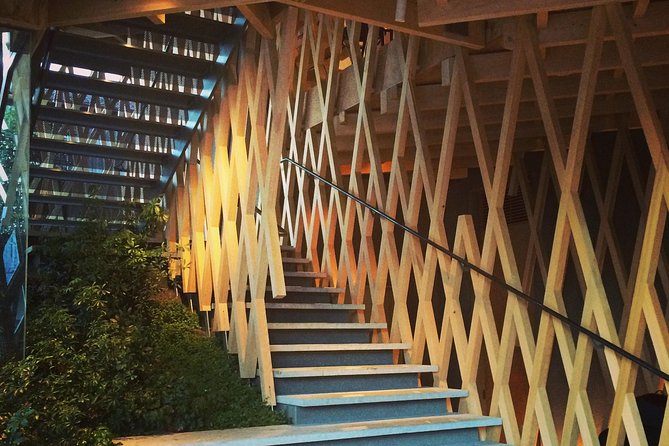
- Sunny Hills
- Prada
Some of these stops are primarily about looking, not shopping. The value is in how your guide points out lines, curvature, materials, and how the street-level experience is designed to pull you in.
One practical advantage here is pacing. Storefront streets let you pause naturally every few blocks without needing a formal attraction stop. That matters for a 3.5-hour tour, because you want those micro-breaks to stay interested and not just march.
If you hate crowds or shopping pressure, this section still works. You can treat it like a guided streetscape viewing walk, with occasional photo stops.
- Mt Fuji and Hakone 1-Day Bus Tour Return by Bullet Train★ 5.0 · 26,383 reviews
- 1-Day Tokyo Bus Tour★ 5.0 · 14,250 reviews
- Tokyo: teamLab Planets TOKYO Digital Art Museum Entry Ticket★ 4.6 · 9,779 reviews
- Mt Fuji & Hakone Cruise, Drum Show Bullet Train 1 Day from Tokyo★ 4.0 · 7,413 reviews
- Tokyo: Shinjuku Food Tour (13 Dishes at 4 Local Eateries)★ 5.0 · 6,603 reviews
Quiet side lanes and the included cafe pause with drinks
A big reason this tour earns strong ratings is that it does not keep you glued to the main shopping line. You take a side trip into backstreet neighborhoods where the area changes texture quickly.
This is where you see another layer of Tokyo: small lanes with different shop types, local street rhythm, and smaller-scale building decisions that do not get attention on postcard routes. It is also where you can reset your feet and your eyes.
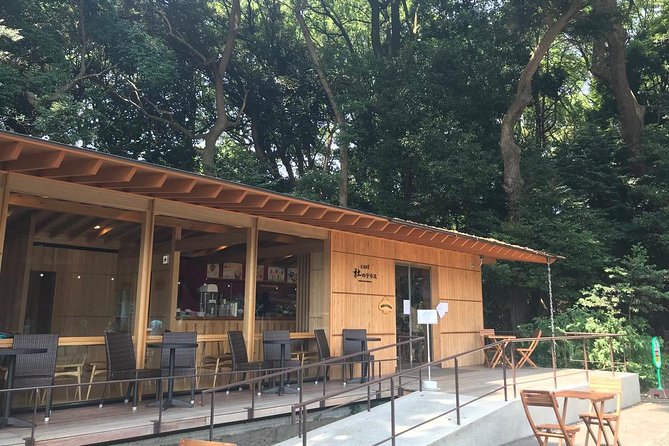
The tour includes a cozy pause with drinks along the way. Even if it is just a short stop, that built-in break is one of the best “value per minute” parts of an experience like this. It keeps you from spending your own time hunting for somewhere to sit, and it keeps the group moving at a steady tempo.
From the way guides talk about pacing, the pause also helps when you want to ask follow-up questions. If a concept clicks for you, a short break is the perfect time to get a clearer explanation before you walk into the next architecture.
Modern architecture showpieces: Harakado, Prada glass, and Ando underground spaces
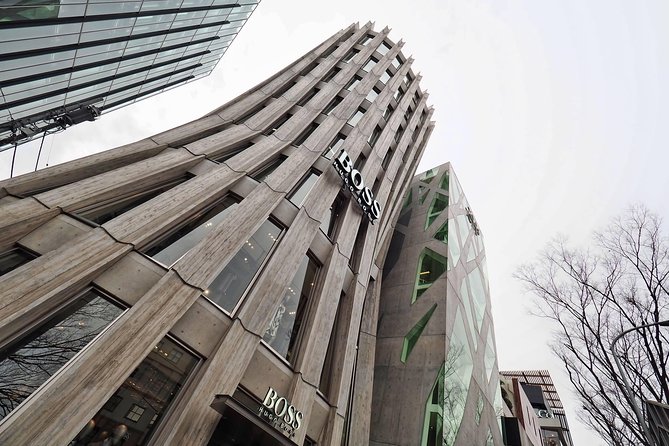
This is the part architecture lovers tend to remember. The walk includes modern building highlights and talks that focus on design moves, not just the marketing names.
In particular, you may see stops connected to:
- Tokyo Plaza Harakado by Akinisa Hirata, including the planted rooftop vertical garden
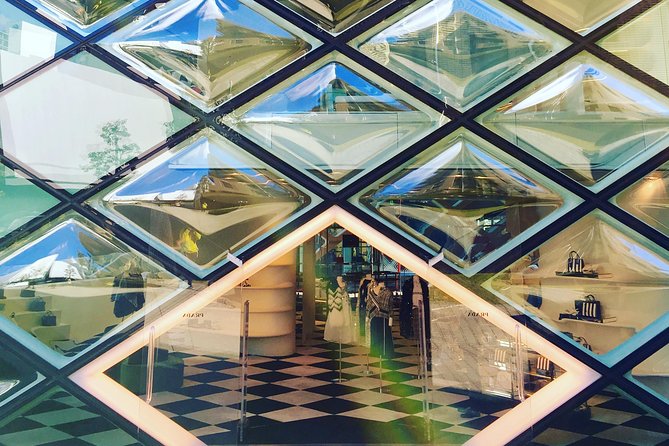
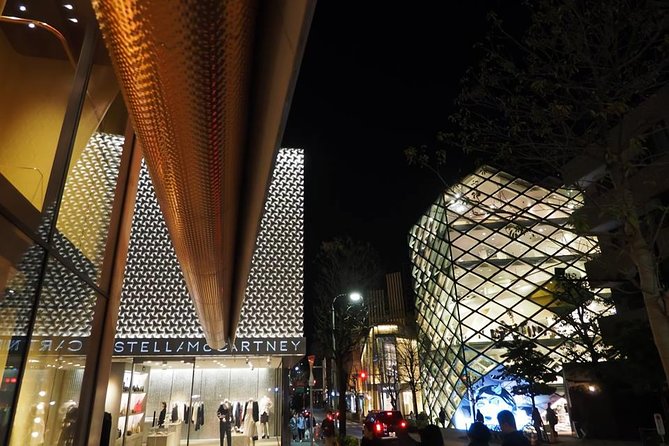
- A Prada building designed by Jacques Herzog and Pierre de Meuron, known for convex and concave glass effects, with chances to view it from different angles
- Collezione by Tadao Ando, including the striking detail that part of the building sits underground
What I find useful about these examples is how they teach your eye. Vertical gardens make you look upward. Curved glass forces you to notice reflections and distortion. An underground portion makes you think about how architects handle light, transitions, and what happens when space is partially hidden.
Also, reviews mention that some tours include indoor parts and that guides may add indoor time if it is hot outside. That is not just comfort. Indoors, you can often understand the design intent better because you can see transitions, lighting, and the shape of rooms without the blur of the street.
Why the private guide and their photo notes matter so much
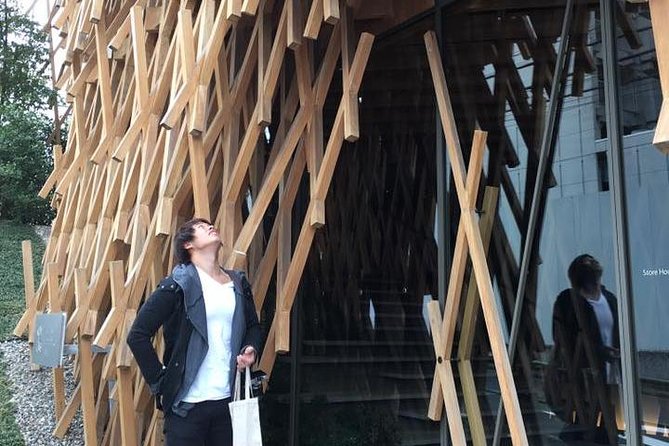
This tour’s biggest strength is not the street list. It is the guide technique.
Across guide styles, you consistently see the same method: prepared visuals. Guides like Yoshi are described as having lots of documented photos for each architect and site. Others, like Taka, have been reported to show iPad photos, plus background info and even floor plans. Yoko and Aki are mentioned for strong research and clear explanations, and Mari for a professional approach and tailored attention to modern architecture.
That matters because architecture in Tokyo can be subtle at street level. A façade may look like a pattern until someone points out why the pattern is there, how it relates to other work, or what the architect was responding to.
I also appreciate that many guides are reported to tailor the tour to your interests. One review mentions a guide adjusted length of indoor time during heat. Another mentions detours and extra navigation help to get to the next part smoothly. Even if your tour is not exactly the same, the overall pattern suggests a flexible, prepared approach.
If you want a tour that feels like a conversation with a design-minded friend, this is the type of group that can deliver it.
How much walking is involved, and what to wear
The tour runs for about 3 hours 30 minutes, and it is described as requiring moderate physical fitness. That usually means you should assume steady walking with frequent stops, plus time spent standing to see façades and architectural details.
So plan for:
- comfortable shoes you can stand in
- a light layer (Tokyo weather changes fast, even when you think it will stay mild)
- a phone with enough battery for photos, because your guide may show reference images and you will want to compare
Also consider whether you like to linger. Some people enjoy quick snapshots. Others want to stand and understand. Because it is private, you can usually influence that. If you prefer a more relaxed pace, say so at the start.
Price and value: what $132.14 buys you in Tokyo time
At $132.14 per person, the price is not “cheap,” but it is also not priced like a museum day that forces paid entries all afternoon. The value comes from three things the tour includes.
First, you get a local licensed tour guide with a design focus. That is not a generic city walk. You are paying for interpretation and architectural framing.
Second, you get the cozy drinks pause included. That is small, but it saves time and keeps the tour comfortable.
Third, you get a private format, so your time is not diluted by a crowd. If your group shares a similar interest level, you effectively get a more detailed experience for the same calendar window.
One more planning clue: the experience is commonly booked about 53 days in advance on average. If you are traveling during a busy season or you have a narrow window, booking early helps you land the time you want.
Where it starts and ends, and how that helps you plan the rest of your day
The tour starts in the Meiji Jingu (Harajuku Eki) area and ends near Omotesando and Aoyama-dori intersection, in front of Mizuho bank.
That end point is useful because it leaves you close to multiple transit lines and more shopping streets, depending on where you want to go next. You can extend your day in either direction, toward more architecture browsing, or toward a meal nearby.
Because there is no hotel pickup or drop-off, you will want to use public transportation to get yourself to the meeting point. The good news is it is listed as near public transportation, which makes pre-planning easier.
If you are using this tour as your first “orientation walk,” this route works well. You see the city’s modern design logic, then you can explore the rest of your Tokyo day with clearer mental maps.
Who this Harajuku and Omotesando architecture walk is best for
This tour is a strong match if you fall into any of these buckets:
- You care about architecture and design and want to learn how to look at buildings properly.
- You like fashion streets, but you prefer context over just shopping.
- You want a first-time Tokyo day that mixes cultural grounding (Meiji Jingu) with design showpieces (Yoyogi, Prada, Ando).
- You enjoy private guidance, especially if your group includes someone with a specific interest. Reviews mention an architect in the group getting a lot out of the explanations, and guides adjusting based on what you care about.
It might be less ideal if you want minimal walking or zero “standing around to look” time. It also may not fit if you dislike design talk and would rather keep your day purely light and entertainment-based.
Should you book this private architecture walk?
I think you should book it if you want to experience Harajuku and Omotesando with a clear theme: modern architecture, design decisions, and how Olympic-era Tokyo connects to today’s street level. The repeated strengths from guide prep, photo notes, and tailored pacing point to a tour that respects your attention span.
I would skip it if your ideal day is mostly seat time, or if you expect only famous photo landmarks with no deeper explanations. But if you like street-level detail and you want your Tokyo walk to mean something, this one is a solid bet.
If you do book, pick a day with decent weather if you can, bring comfortable shoes, and come with at least one question you want answered, like how architects shape light on curved glass, or why that vertical garden matters. Your guide will be ready.
FAQ
What is the duration of the Private Harajuku Omotesando Architecture Walking Tour?
The tour lasts about 3 hours 30 minutes.
Is this a private tour?
Yes. It is a private tour/activity, and only your group participates.
Where does the tour start and where does it end?
It starts at Meiji Jingu (Harajuku Eki) in Shibuya and ends at the Omotesando and Aoyama-dori intersection in front of Mizuho bank.
What is included in the tour price?
The included items are a local licensed tour guide and a cozy pause with drinks along the way.
Are there admission fees?
At least one listed stop, Meiji Jingu Shrine, is marked as free for admission. Other sites are not specified in the provided details, so it is safest to ask your tour provider if any additional fees might apply.
What is the cancellation policy?
Free cancellation is available if you cancel at least 24 hours in advance of the experience start time. If you cancel less than 24 hours before, the amount you paid is not refunded.
West Tokyo on Foot: Seven More



Newest Tokyo write-ups from the Loving Japan desk
Shibuya, Shinjuku and Harajuku Walks, side by side.
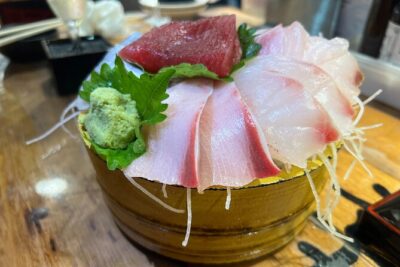 ★ 5.0Shinjuku Food Tour (13 Dishes at 4 Local Eateries)From $866,603 reviews
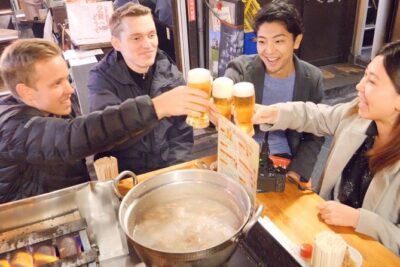 ★ 5.0Tokyo Bar Hopping Tour in Shinjuku (All-You-Can-Drink + Dinner)From $1063,587 reviews
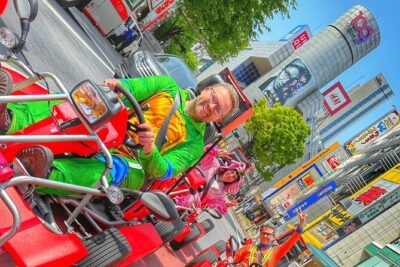 ★ 5.0Official Street Go-Kart in ShibuyaFrom $763,435 reviews
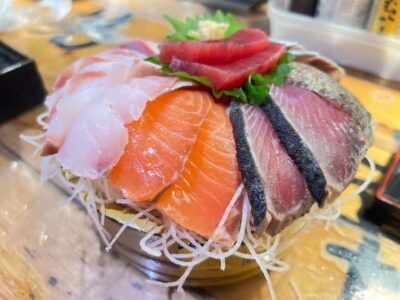 ★ 4.9Shinjuku Food Tour (15 Dishes and 4 Eateries)From $852,033 reviews
 ★ 4.9Shinjuku Local Bar and Izakaya Guided Walking TourFrom $341,794 reviews
 ★ 5.0Tokyo Shinjuku Chopsticks Making ClassFrom $201,763 reviews
 ★ 5.0Tokyo Shinjuku Sumo Show & Experience with PhotoFrom $791,750 reviews
 ★ 4.9Street Kart Experience in ShibuyaFrom $741,484 reviews
Filed on these lists too