
REVIEW · TOKYO MUSEUMS, GALLERIES AND TEAMLAB
Private Tour Through the Tokyo National Museum & Ukiyo-e
Ueno Park tells stories with every step, and this private tour turns those sights into something you can follow. I like the mix of Tokyo National Museum artifacts, including samurai armor and Ukiyo-e woodblock prints, with guided context that makes the objects click. I also love the quick hit of atmosphere at Kiyomizu Kannon-dō, including a photo stop and that wide view over Ueno Park from the wooden stage. One thing to consider, the museum time can feel broad, so if you have two specific things you want, you will want to flag that to your guide.
You get a friendly English-speaking guide, photo stops at Kiyomizu Kannon-dō and Ueno Toshogu Shrine, and a clear route that starts at FamilyMart near the park and ends inside the museum. The stop at Ueno Toshogu Shrine matters because it connects to the Tokugawa shogunate, not just a random shrine visit. Price is $74 per person for 150 minutes, and it includes museum admission and access to Kiyomizu Kannon-dō, so you are paying for both entry and interpretation, not just walking.
In This Review
- Key points to know before you go
- Meeting at FamilyMart Ueno Park, then you are already in the story
- Kiyomizu Kannon-dō gives you the Ueno viewpoint first
- Ueno Toshogu Shrine connects the dots to the Tokugawa shogunate
- Tokyo National Museum: samurai armor and ukiyo-e with real context
- A fair heads-up about museum pacing
- How the Ueno Hill timeline makes the sites click
- Private group perks: time for photos and questions
- Price and logistics: why $74 feels fair for what you get
- Who this tour is best for
- Who should think twice
- What to bring, and what the rules are in plain terms
- Should you book this Tokyo National Museum and Ukiyo-e tour?
- FAQ
- Where do I meet for the tour?
- How long is the tour?
- Is the tour private?
- What language is the guide?
- What is included in the price?
- Where does the tour end?
- What should I bring with me?
- Is flash photography allowed?
- Is smoking allowed?
- Is it accessible for wheelchair users or mobility impairments?
- What are the cancellation terms?
- Can I reserve now and pay later?
Key points to know before you go
- Private English guide with a route built for first timers and history fans alike
- Kiyomizu Kannon-dō wooden stage viewpoint over Ueno Park, plus a relaxed photo stop
- Ueno Toshogu Shrine Tokugawa link that adds meaning beyond the buildings
- Tokyo National Museum entry included with samurai armor and ukiyo-e woodblock prints
- Ueno Hill timeline in real life, from Edo-era Kaneiji Temple grounds through the Meiji era and the Battle of Ueno
Indoors instead? Galleries and light rooms we visited
- Tokyo: Samurai Ninja Museum Guided tour and Experience
★ 4.6 · 1,010 reviews - Ninja Experience (Family Friendly) at Samurai Ninja Museum TOKYO
★ 5.0 · 441 reviews - Tokyo Studio Ghibli Museum and Ghibli Film Appreciation Tour
★ 4.5 · 421 reviews - Tokyo Sword Experience – includes Museum Ticket/Ninja Experience
★ 5.0 · 314 reviews
Meeting at FamilyMart Ueno Park, then you are already in the story
The tour starts at ファミリーマート 上野公園店, in front of the store facing the street, not inside the park. This is the kind of meeting point that saves time. In Ueno, that matters, because you can waste minutes just figuring out where you actually are.
From there, you head straight toward Kiyomizu Kannon-dō for a photo stop and a guided walk. If you are the type who likes to get oriented early, this works. You start with an easy landmark, then you layer on the deeper history as you go.
Practical note for your comfort: wear shoes you do not mind walking in. The tour is only 150 minutes, but it is still Ueno on a busy day, and you want your feet to stay friends.
Kiyomizu Kannon-dō gives you the Ueno viewpoint first
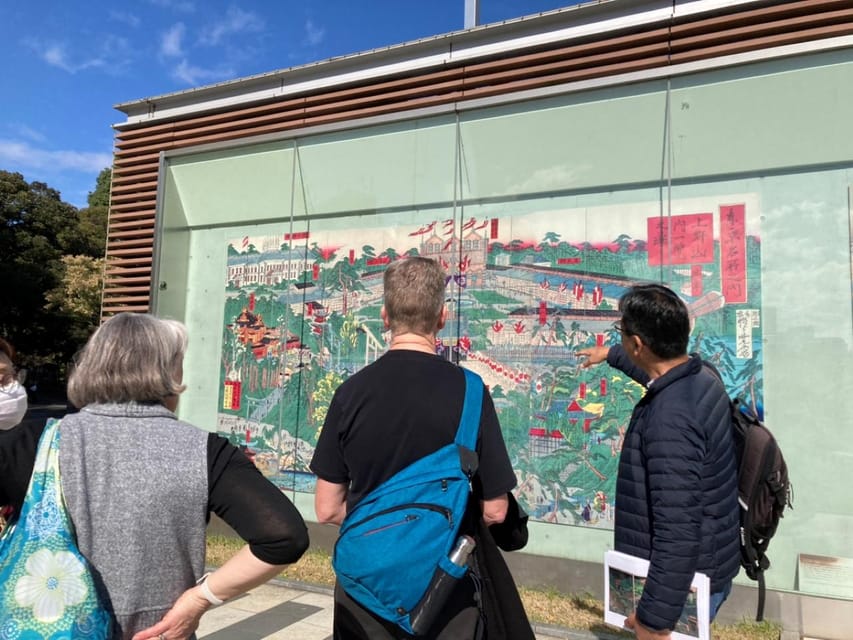
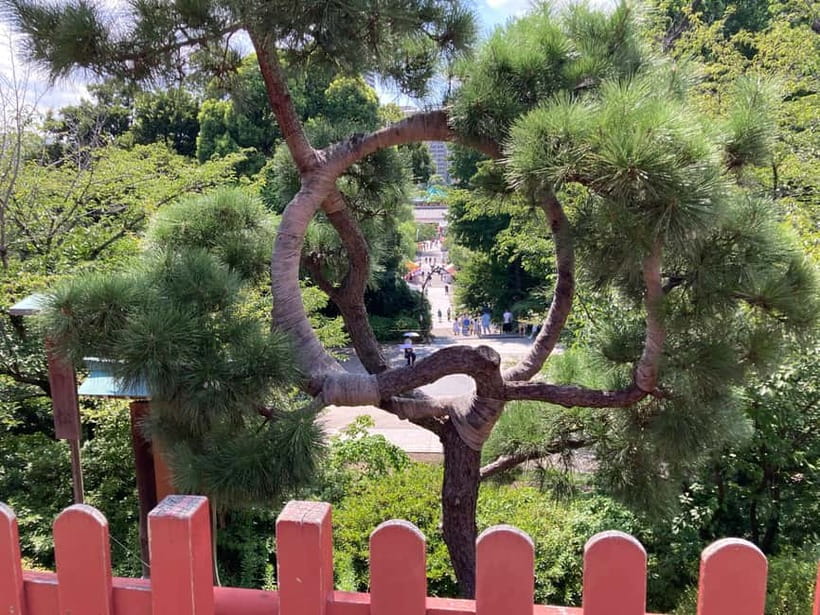
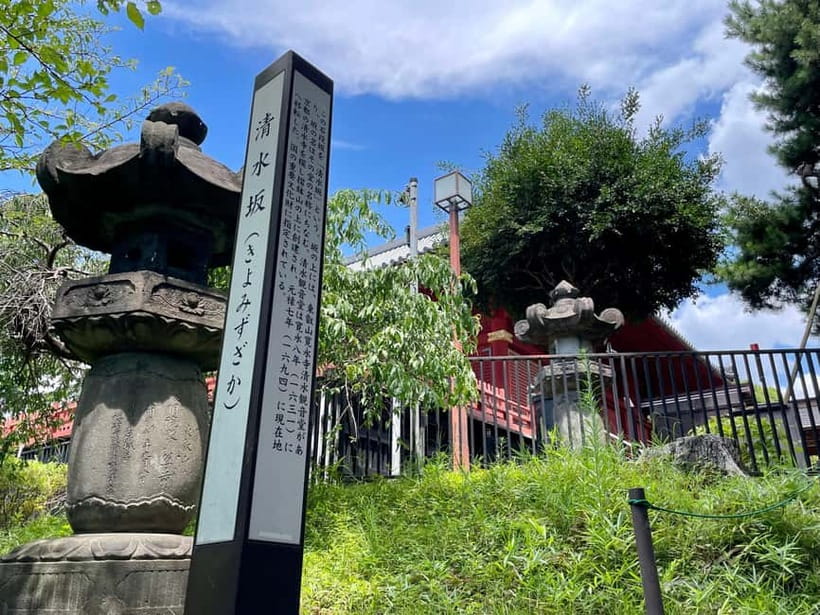
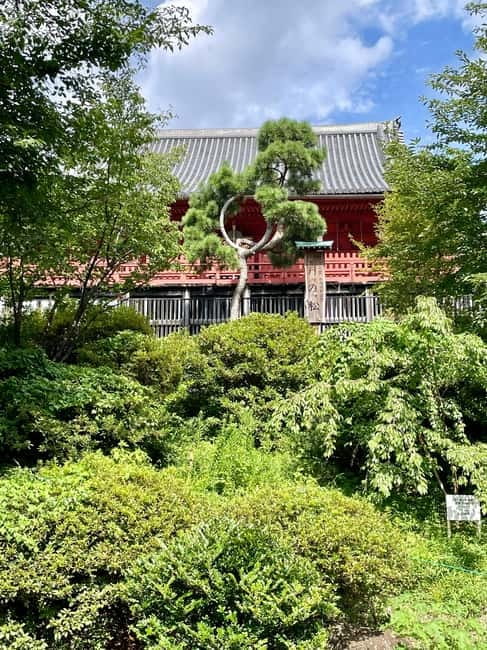
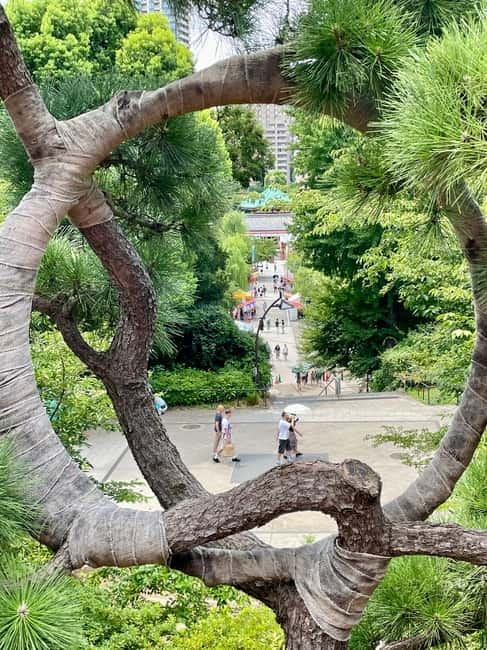
Kiyomizu Kannon-dō is a calm stop, with nature around you and a quiet change of pace from the park crowds. You get a photo stop here, and the standout detail is the view over Ueno Park from the wooden stage. Seeing the park from that perspective helps you understand why Ueno became such a central public space during the Edo period.
This is also a smart place to pause and reset mentally. The guide uses this quiet moment to start tying together the land and the later museum focus. You are not just ticking off temples. You are learning how the setting shaped what came next.
If you love photographs, this stop is worth treating like a mini photo assignment. Bring your camera and expect to take a few extra frames, because the viewpoint is the kind you will want to remember.
Ueno Toshogu Shrine connects the dots to the Tokugawa shogunate
Next up is Ueno Toshogu Shrine for a photo stop, guided commentary, and general sightseeing. What makes this more than a quick detour is the connection to the Tokugawa shogunate. That link matters because it anchors the Edo-era power story to a physical place you can stand in front of.
In practice, this stop works well because it sits between the Kannon temple atmosphere and the museum artifacts. It feels like you are moving from the spiritual and scenic side of Ueno into the political and cultural side.
Go in with a simple mindset: look for the details your guide points out, and ask questions. One reason this tour earns high marks is that guides do not rush people. If you want to slow down and see something closely, the pacing tends to allow it.
- Mt Fuji and Hakone 1-Day Bus Tour Return by Bullet Train★ 5.0 · 26,383 reviews
- 1-Day Tokyo Bus Tour★ 5.0 · 14,250 reviews
- Tokyo: teamLab Planets TOKYO Digital Art Museum Entry Ticket★ 4.6 · 9,779 reviews
- Mt Fuji & Hakone Cruise, Drum Show Bullet Train 1 Day from Tokyo★ 4.0 · 7,413 reviews
- Tokyo Mt Fuji 5th St & Hakone Cruise Bus Tour w/Bullet Train★ 4.4 · 5,024 reviews
Tokyo National Museum: samurai armor and ukiyo-e with real context
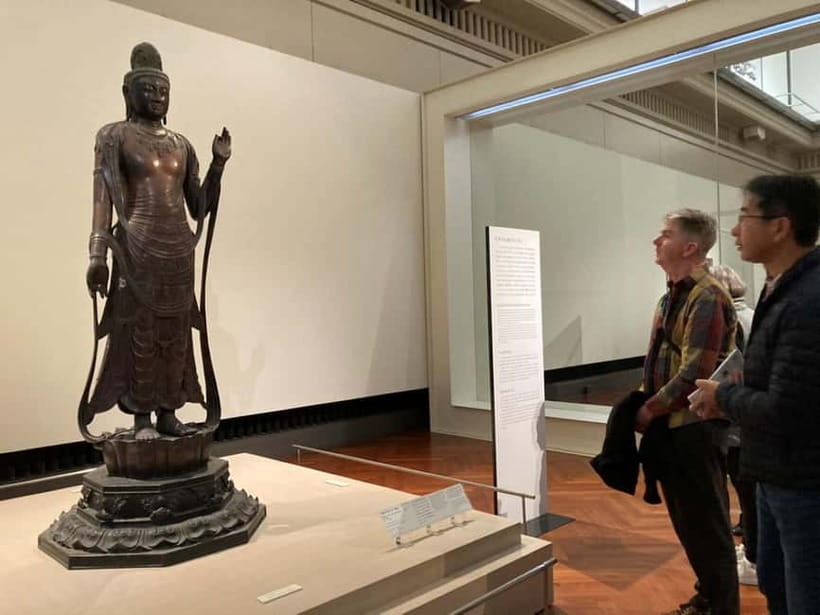
The main attraction is the Tokyo National Museum, and this is where the tour earns its keep. Your admission is included, and you have a guided visit plus sightseeing time. The highlights you can expect to see include samurai armor and colorful ukiyo-e woodblock prints.
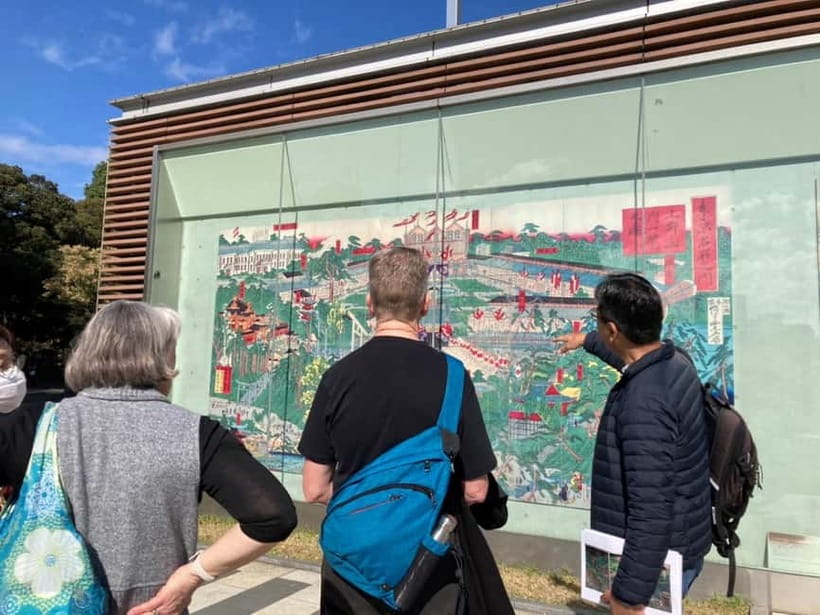
But the value is not only the objects. The guide ties those items to the wider Ueno story. The tour connects how Ueno Hill once held the vast grounds of Kaneiji Temple, then became a popular public space during the Edo period. From there, you get the through-line to the Meiji Restoration and the Battle of Ueno.
That context changes your museum experience. Without it, you can look at a suit of armor or a woodblock print and enjoy it. With it, you start to see how art and power, religion and politics, all occupied the same landscape at different moments.
A fair heads-up about museum pacing
One downside to keep in mind: museum coverage can feel a bit wide rather than laser focused on a single niche. If you know you want two specific areas, tell your guide early. In the past, guides like Masahito have made sure people had enough time for their priority spots, and that is exactly the right move.
If you want a strict checklist tour of one small collection section, you might prefer a different format. If you want the best path through Ueno with meaning attached, this one fits well.
How the Ueno Hill timeline makes the sites click
A tour like this works because the stops are not random. They follow a land-based story. You start with Kiyomizu Kannon-dō, take in Ueno Toshogu Shrine, then move into Tokyo National Museum where the artifacts bring the past into focus.
Along the way, the guide explains how Ueno Hill changed. In the Edo period, the area was tied to Kaneiji Temple grounds and became a popular public space. Then came the Meiji Restoration, which shifted the country in major ways. The Battle of Ueno is part of that turning-point era, and the tour helps you place that conflict in the same general geographic setting you are walking through.
This matters because your brain likes sequences. Seeing the park, the shrine, and the museum in one continuous flow helps you remember what you saw. It also helps you avoid the common problem in Tokyo, where everything is great, but you forget what you actually learned.
Private group perks: time for photos and questions
This is a private group tour, so the pace is not set by a big pack of strangers. You can ask questions without feeling like you are slowing everyone down. You can also take photos without playing timing games.
In past experiences with guides on this route, people have noted that guides take lots of pictures for you, and they work to make you comfortable along the way. Names that have shown up include Shigeru, Hattori Yutaka, Mieko, and Masahito. Even if your guide is someone else, you can expect the same style: thoughtful explanations, patience, and a willingness to adapt to your interests.
One extra practical benefit: if you ask about nearby food, you are likely to get helpful suggestions. One guide, Shigeru, was known for recommending a tasty lunch spot. You end at the museum, so having a plan for what comes next is a real convenience.
Price and logistics: why $74 feels fair for what you get
At $74 per person for 150 minutes, you are paying for more than entry fees. Museum admission is included, and access to Kiyomizu Kannon-dō is also included. You are also paying for an English live guide who helps you understand what you are looking at, which is where most tours earn their value.
For Japan museum visits, self-guided can work, especially if you are comfortable reading exhibit labels. But if you want the short version of the big story, a guide pays off quickly. You do not have to guess what matters most or where to spend your limited time.
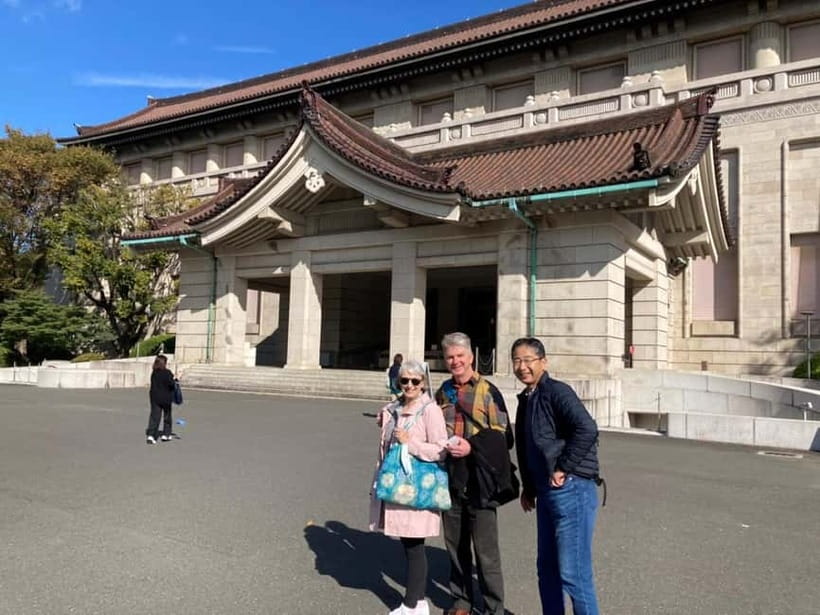
Logistics are simple. You meet at FamilyMart Ueno Park Branch, you follow the route through the main historic highlights, and you finish at 東京国立博物館. That finish location is convenient if you plan to keep exploring on your own afterward.
Who this tour is best for
This tour fits you if you want a casual, meaningful history day without the stress of planning. You will probably enjoy it most if you:
- like museums but want context to make objects more memorable
- are visiting Ueno for the first time and want a guided path
- enjoy temples and shrines, but also want the story behind them
Who should think twice
It is not suitable for people with mobility impairments or wheelchair users. Also, if you hate walking and prefer to sit through everything, this might feel a bit active for 150 minutes.
What to bring, and what the rules are in plain terms
Come prepared and your day feels smoother. Bring comfortable shoes, a hat, sunscreen, water, and your camera.
There are a couple of rules you should plan around. Smoking is not allowed, and flash photography is not allowed. If you rely on flash for low light photos, make peace with using natural light instead, or just aim for better angles and settings.
Should you book this Tokyo National Museum and Ukiyo-e tour?
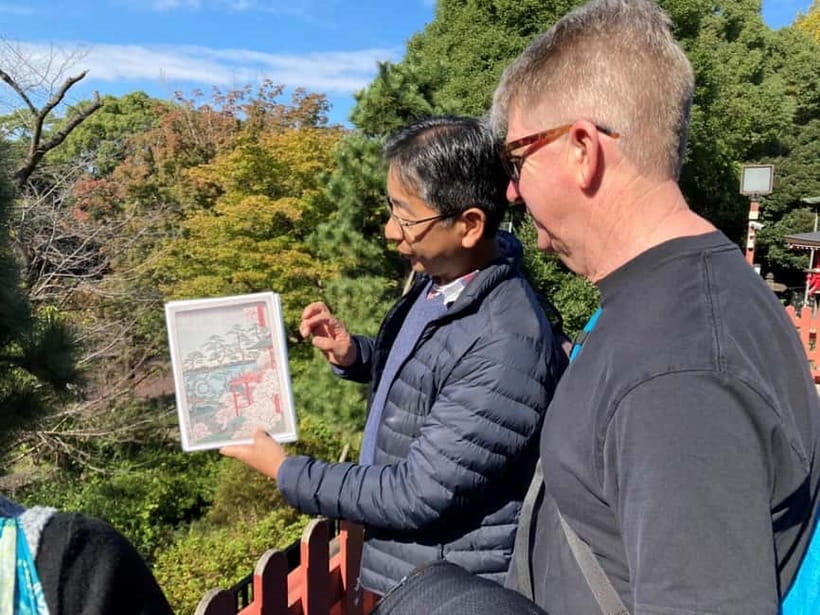
Book it if you want a guided Ueno experience that ties together the landscape, the temples and shrines, and the museum collection. The sweet spot here is context plus convenience: museum admission included, a clear route, and an English guide who helps you connect samurai armor and ukiyo-e prints to the story of Ueno Hill from Kaneiji Temple grounds through the Meiji era and the Battle of Ueno.
Skip it if you are aiming for deep museum specialization on one narrow topic and you want a long, object-by-object study with no hurry. The museum visit is guided, but the time is limited, so you will need to communicate your must-sees early.
If you want a solid first Ueno day that feels organized and meaningful, this private tour is a strong choice.
FAQ
Where do I meet for the tour?
Meet in front of ファミリーマート 上野公園店 (FamilyMart Ueno Park Branch). It faces the street and is not inside Ueno Park.
How long is the tour?
The tour lasts 150 minutes.
Is the tour private?
Yes, it is a private group tour.
What language is the guide?
The guide speaks English.
What is included in the price?
Admission to the Tokyo National Museum is included, and you also get access to Kiyomizu Kannon-do.
Where does the tour end?
The tour ends at 東京国立博物館 (Tokyo National Museum).
What should I bring with me?
Bring comfortable shoes, a hat, a camera, sunscreen, and water.
Is flash photography allowed?
No, flash photography is not allowed.
Is smoking allowed?
No, smoking is not allowed.
Is it accessible for wheelchair users or mobility impairments?
No, the tour is not suitable for people with mobility impairments or wheelchair users.
What are the cancellation terms?
You can cancel up to 24 hours in advance for a full refund.
Can I reserve now and pay later?
Yes, it offers reserve now and pay later.
Tokyo Indoors: Galleries and Light Rooms

Newest Tokyo write-ups from the Loving Japan desk






Tokyo Museums, Galleries and teamLab, side by side.
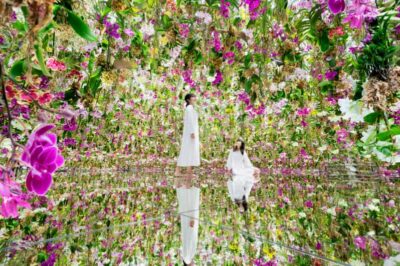 ★ 4.6teamLab Planets TOKYO Digital Art Museum Entry TicketFrom $259,779 reviews
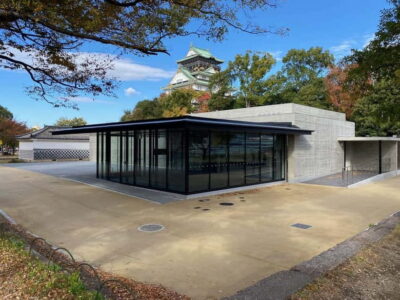 ★ 4.5Osaka Castle: Museum and Tower Entry TicketFrom $72,380 reviews
 ★ 4.5teamLab Botanical Garden Entry TicketFrom $111,710 reviews
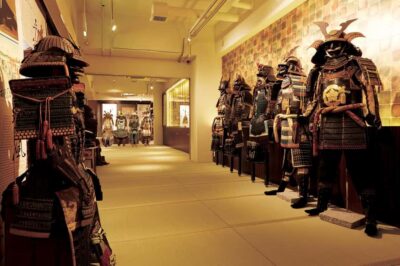 ★ 4.6Samurai Ninja Museum Guided tour and ExperienceFrom $271,010 reviews
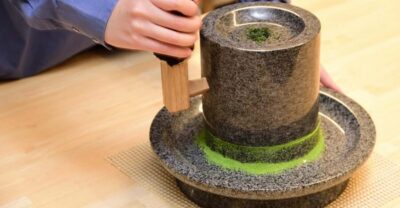 ★ 4.9Tea Museum Tickets and Matcha Grinding ExperienceFrom $23739 reviews
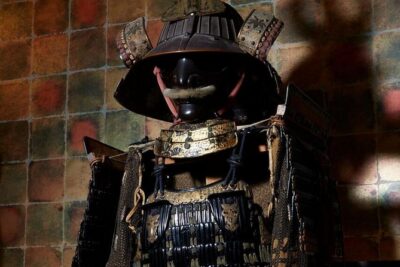 ★ 4.5Skip the lines Basic Ticket at SAMURAI NINJA MUSEUM KYOTOFrom $28632 reviews
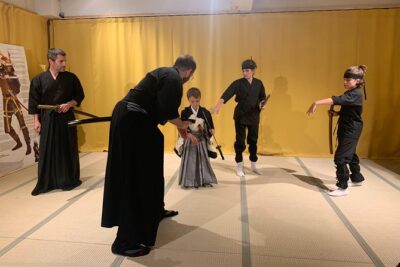 ★ 5.0Ninja Experience (Family Friendly) at Samurai Ninja Museum TOKYOFrom $47441 reviews
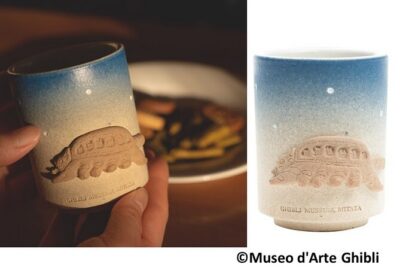 ★ 4.5Tokyo Studio Ghibli Museum and Ghibli Film Appreciation TourFrom $193421 reviews
Filed on these lists too