
REVIEW · OSAKA CASTLE, UMEDA AND THE CITY CENTRE
Ramen-Making Experience in the Osaka Castle Area with Souvenir
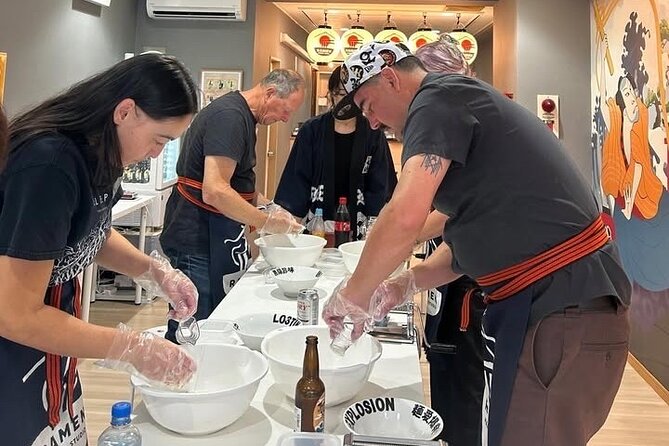
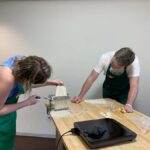
Ramen has a way of pulling people in. This small workshop near Osaka Castle lets you make it for real, not just watch it happen. I love the hands-on flow, especially getting to make fresh noodles and shape your own chashu.
Another big win is choice. You pick your soup base, tonkotsu, shoyu, or miso, and learn the cooking logic behind each style so it sticks after you leave. One thing to consider, if you are a very picky eater, is that you are doing ramen the traditional way with the selected soup bases, so plan for that.
In This Review
- Key highlights before you book
- Ramen near Osaka Castle: why this workshop feels different
- Getting there without stress: 20 minutes on foot and fast train access
- Your 2-hour ramen lesson: noodles, chashu, soup base
- Fresh ramen noodles: the chewy part you will remember
- Chashu making: tender, juicy, and not as scary as it looks
- Soup base: pick tonkotsu, shoyu, or miso
- Choosing tonkotsu, shoyu, or miso: how to decide
- Instructor support and the small group advantage (max 8)
- The venue details: ramen motifs, a historic glass door, and photo time
- Price and value: what $85.39 buys you in real terms
- Who this ramen class suits best
- A few practical tips before you go
- Should you book this Osaka Castle ramen workshop?
- FAQ
- How much does the ramen-making experience cost?
- How long is the experience?
- Where is the meeting point?
- What is the group size limit?
- Are there morning and late afternoon classes?
- Will I make noodles and chashu myself?
- What soup bases can I choose from?
- Are the instructors English-speaking?
- Is the experience family-friendly?
- Will staff take photos or videos?
Key highlights before you book

- Small group class (max 8) for hands-on help and real-time Q and A
- Noodle making from scratch, using Japanese ramen wheat flour
- Chashu prep, with chicken simmered in the studio’s original broth
- Choose your soup base: tonkotsu, shoyu, or miso
- English-speaking instructors for clear guidance at your pace
- Souvenir included plus a studio full of ramen and Japanese motifs
The rest of central Osaka, ticket by ticket
- Osaka Castle: Museum and Tower Entry Ticket
★ 4.5 · 2,380 reviews - Osaka: Umeda Sky Building Official E-Ticket
★ 4.6 · 1,131 reviews - Osaka Castle Walking Tour and Castle Tower Admission
★ 5.0 · 561 reviews - 5-Hour Osaka Bike Tour to the Neighborhood of Osaka Castle
★ 5.0 · 319 reviews
Ramen near Osaka Castle: why this workshop feels different
I like food experiences where you leave with a skill, not just a memory. This one is built around the full ramen process, from noodles to soup base to chashu, which means you understand what you are eating instead of guessing. And the location is a smart move, you are close to Osaka Castle and not stuck far from the city center.
The setting helps too. The studio has ramen-themed walls and Japanese motifs, so even waiting for your station feels like part of the day. One reviewer-style detail you will care about here, the kitchen is spotlessly clean, which makes a hands-on class feel comfortable rather than chaotic.
The pricing is not cheap, but it is not just paying for a meal. At $85.39 per person, you are paying for instruction, ingredient prep, kitchen time, and the fact that you actually produce multiple components of ramen yourself, then eat what you made.
Getting there without stress: 20 minutes on foot and fast train access
The meeting point is in Osaka’s Higashitenma area (Japan, 530-0044 Osaka, Kita Ward, Higashitenma, 1-chōme4 東天満ハイツ). The studio is within walking distance of Osaka Castle, about 20 minutes on foot. If you want a light pre-class stroll, this is perfect.
You also have multiple stations within about 5 to 10 minutes, which is great if your timing gets tight:
- Tenmabashi ST exit 13 (about 10 minutes)
- Minamimorimachi ST exit 6 (about 10 minutes)
- Tenmangu ST exit 7 (about 5 minutes)
For context, Umeda Sky Building and Namba are reachable by train in about 20 to 30 minutes. That matters because you can easily pair this with a broader Osaka day. You are not forced into an all-day commitment just to reach the class.
Your 2-hour ramen lesson: noodles, chashu, soup base
The class runs about 2 hours. The flow is structured so you are not standing around. You move station to station, doing real work with guidance, then you get to taste the results.
Here is what you can expect, in practical order.
A bowl somewhere else in Osaka
- Osaka: Five Must-See Highlights Walking Tour & Ramen Lunch★ 4.7 · 411 reviews
- Ramen and Gyoza Cooking Class in Osaka★ 5.0 · 202 reviews
- Walking Tour of Osaka’s 5 Must-See Sights, with Ramen for Lunch★ 5.0 · 158 reviews
- Cooking Ramen&Gyoza/KatsuCurry/Bento/Okonomiyaki+Store Tour@Osaka★ 5.0 · 138 reviews
- Three Types of Ramen Cooking Class in Osaka★ 5.0 · 119 reviews
Fresh ramen noodles: the chewy part you will remember
You start with noodle making using Japanese wheat flour specially made for ramen. That choice is not a random detail, it helps you get that proper ramen chew that feels different from regular pasta or stir-fry noodles. The goal is to create your own original noodles, and you will handle the process rather than just mix something in a bowl.
If you have never made dough before, this part is still doable. The class is described as family-friendly and open to all skill levels. The instructors guide you in real time, so you can focus on the tactile steps without translating a recipe on your phone.
Chashu making: tender, juicy, and not as scary as it looks
Next comes chashu. You prepare tender, juicy chashu using chicken simmered in the studio’s original broth. Instead of treating chashu as a mystery meat trick, the lesson makes it feel like a repeatable method.
The useful takeaway here is how the cooking process affects texture. You are working with chicken simmered in their broth approach, so it gives you a sense of how flavor and tenderness are connected. And when you eat later, you will notice why the lesson cared about technique.
Soup base: pick tonkotsu, shoyu, or miso
Then you move to soup making. You choose from tonkotsu, shoyu, or miso, each based on recipes attributed to well-known ramen shops. This is a fun moment because you are not locked into one style. You get to decide what kind of ramen personality you want.
This is also where understanding matters. Tonkotsu, shoyu, and miso are not interchangeable. Even if you do not memorize everything, you will learn which base brings which flavor direction, and you will be able to talk through your choice after the class.
Choosing tonkotsu, shoyu, or miso: how to decide
If you are unsure what to choose, I suggest matching the soup base to what you want to learn and what you already like in ramen.
- Tonkotsu tends to be the richest choice and a good fit if you like deep, pork-forward comfort flavors.
- Shoyu is a natural pick if you want something classic and soy sauce based, usually more straightforward and balanced.
- Miso works well if you like a warmer, more savory complexity, the kind that feels steady and filling.
The class makes this easy because it is not just picking an option, you are also involved in the process. That means you leave with more than a bowl, you leave with a flavor map you can use when you cook later.
Instructor support and the small group advantage (max 8)
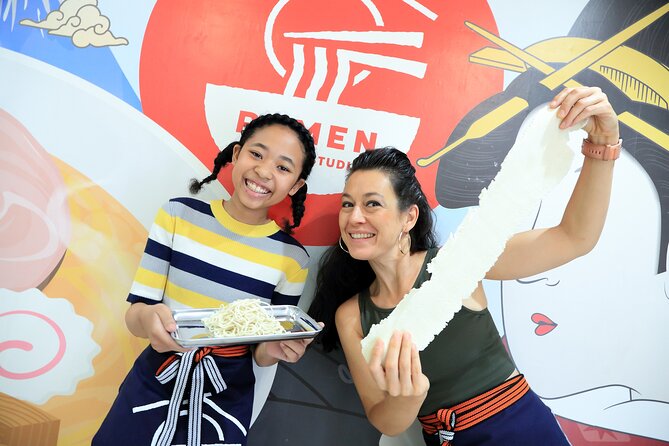
You get English-speaking instructors who answer questions in real time. That is a big deal in cooking classes. When something is confusing, you do not want to wait until you translate the lesson later. Here, you can ask on the spot.
A small-group format, max 8 travelers, also changes the vibe. You get more attention and your steps are less rushed. If you are cooking with family or you are traveling solo, this level of group size can keep things friendly rather than noisy.
Also, the studio visit includes a bit of education about Japanese culture. It is not just food talk. You will see items in the venue that reflect Japanese culture, and that context makes the ramen lesson feel more connected to the place instead of being a stand-alone cooking stunt.
The venue details: ramen motifs, a historic glass door, and photo time
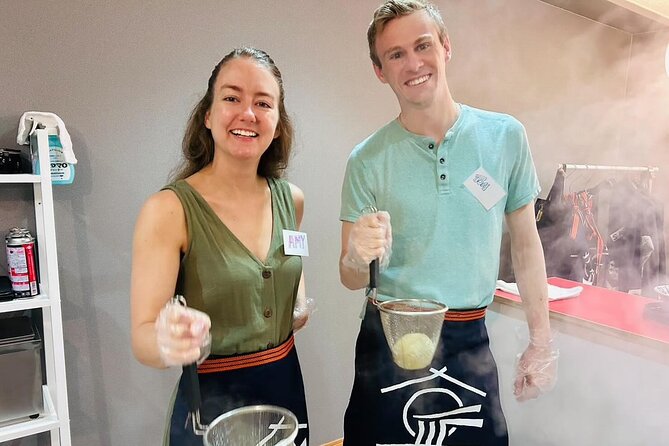
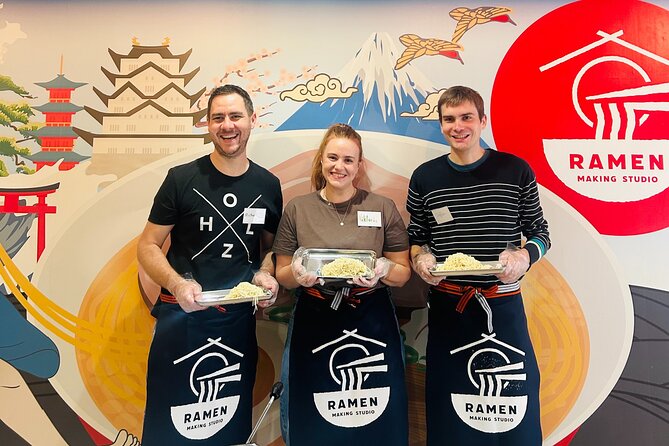
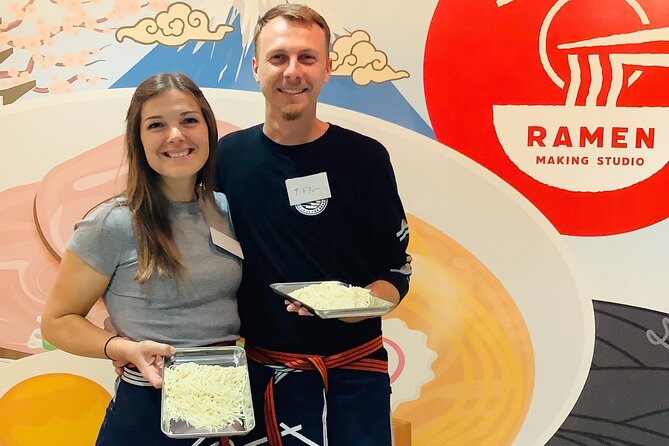
Food classes can feel plain. This studio leans into theme. The walls have ramen and Japanese motifs, so your photos look like they belong in Osaka without needing a filter.
One detail you might appreciate if you like old craftsmanship, there is an entrance glass door crafted more than 100 years ago using a technique that no longer exists. That is the kind of setting detail that turns a quick stop into a memorable part of your day.
Photos and videos are also part of the experience. Staff may take photos and videos for social media or advertising purposes. If you do not want that, you can tell the staff before the experience begins. That is a straightforward option, and it is worth mentioning when you arrive.
At the end of class, you receive a wonderful souvenir to take home. That gives you a physical reminder, not just a full stomach.
Price and value: what $85.39 buys you in real terms
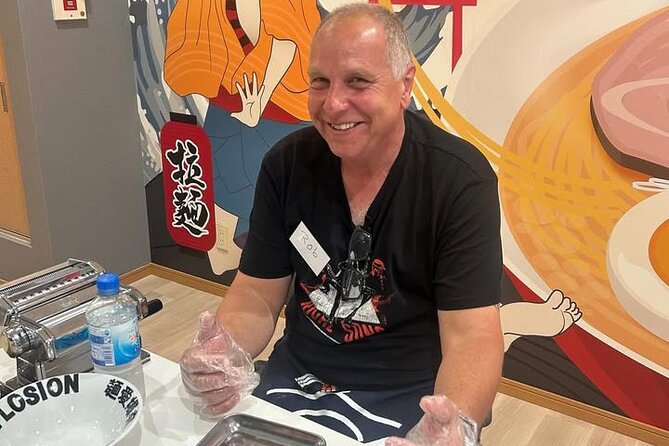
Let’s be honest, this is not a $20 tasting. But it also is not a passive activity.
For $85.39 per person, you get:
- A full 2-hour hands-on ramen-making experience
- Your own ramen components, including noodles and chashu, and soup base selection
- English-speaking instruction and real-time Q and A
- A small-group setting (max 8), which usually means more help per person
- A souvenir, plus the chance to learn something you can recreate
If your travel style is eat, repeat, then sleep, you might compare this to a meal out. In that case, it can feel pricey. But if you like learning a skill and bringing it back home, it is closer to paying for a cooking class plus a meal plus a souvenir. The value holds better when you treat it like a highlight activity, not a side quest.
I also like that the location is near Osaka Castle area, which can save you time and add to your sightseeing day. That is not a small factor in real trip value.
Who this ramen class suits best
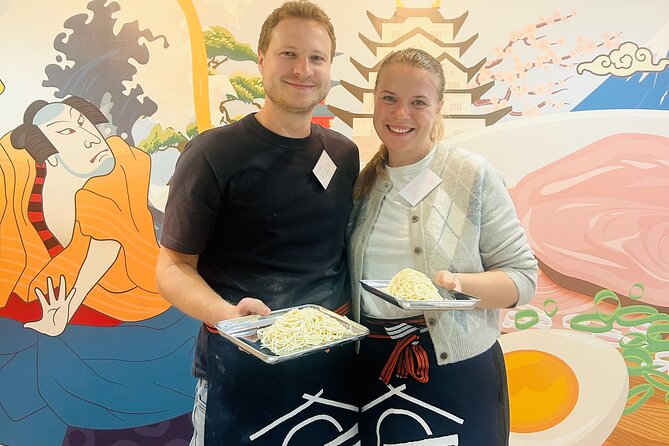
This is a good fit if you want a practical food experience in a friendly format.
- Families: it is family-friendly and open to all skill levels.
- Food lovers who want technique, not just flavor.
- Solo travelers who want conversation with instructors, not just a table for one.
- Couples who prefer doing something together rather than just eating in parallel.
If you hate hands-on cooking, you might find it less relaxing than a restaurant meal. But even then, the class is structured, and the instruction is clear enough that you should not feel lost.
A few practical tips before you go
You will have the best experience if you show up ready to get messy in the dough sense. Bring an open mind, because noodle dough and chashu prep teach you a lot about texture and timing.
Since the soup base choice matters, think about what you actually like eating in ramen restaurants. If you already have a favorite style, go for it. If you are undecided, pick the one that matches your curiosity, tonkotsu for depth, shoyu for classic balance, miso for a fuller savory note.
Also, remember you are near Osaka Castle. Plan your timing so you can arrive a bit early for a calm start and photos. Cooking classes feel smoother when you are not sprinting from a train platform.
Should you book this Osaka Castle ramen workshop?
Book it if you want the kind of Osaka experience that gives you both a great meal and a real technique you can repeat later. The hands-on noodle making, the guided chashu prep, and the choice of tonkotsu, shoyu, or miso make it feel customized, not generic.
Skip it only if you are primarily looking for sightseeing and you want zero kitchen time. If your focus is food craft, this is a strong use of your time, especially with the small group size and English-speaking support.
FAQ
How much does the ramen-making experience cost?
The price is $85.39 per person.
How long is the experience?
The class lasts about 2 hours.
Where is the meeting point?
The start point is Japan, 530-0044 Osaka, Kita Ward, Higashitenma, 1-chōme4 東天満ハイツ. It ends back at the same meeting point.
What is the group size limit?
The experience has a maximum of 8 travelers.
Are there morning and late afternoon classes?
Yes, the schedule includes morning or late afternoon classes to fit your timing.
Will I make noodles and chashu myself?
Yes. You will do hands-on noodle making and chashu making during the class.
What soup bases can I choose from?
You can choose from tonkotsu, shoyu, or miso.
Are the instructors English-speaking?
Yes. The class uses English-speaking instructors who can answer your questions in real time.
Is the experience family-friendly?
Yes, it is described as family-friendly and open to all skill levels.
Will staff take photos or videos?
Photos and videos may be taken by staff for social media or advertising. If you do not want this, you should inform the staff before the experience begins.
One More Bowl

Central Osaka, Ticket by Ticket
Newest Osaka write-ups from the Loving Japan desk
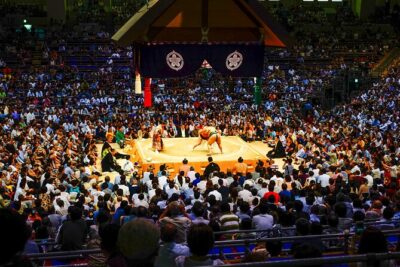



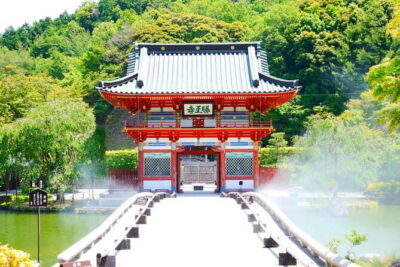
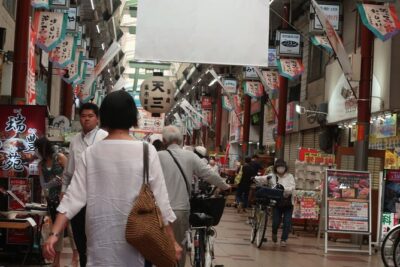
Osaka Castle, Umeda and the City Centre, side by side.
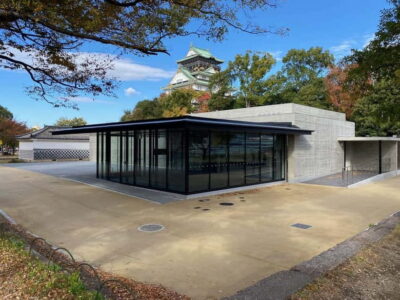 ★ 4.5Osaka Castle: Museum and Tower Entry TicketFrom $72,380 reviews
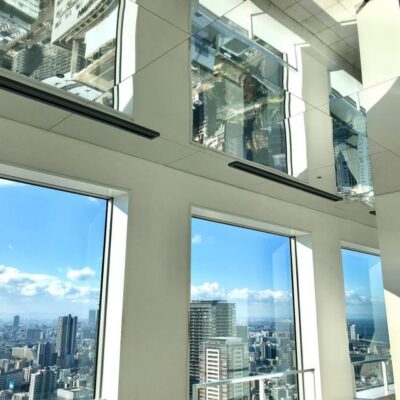 ★ 4.6Umeda Sky Building Official E-TicketFrom $121,131 reviews
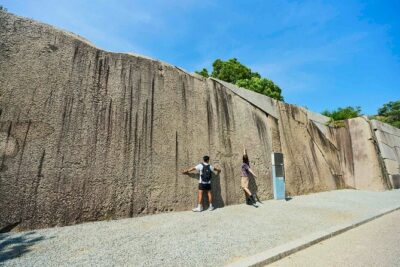 ★ 5.0Osaka Castle Walking Tour and Castle Tower AdmissionFrom $23561 reviews
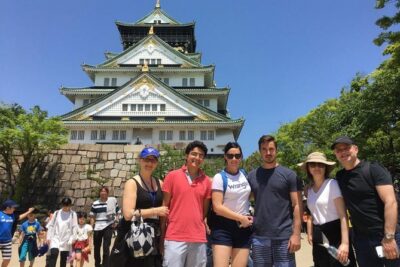 ★ 5.05-Hour Osaka Bike Tour to the Neighborhood of Osaka CastleFrom $87319 reviews
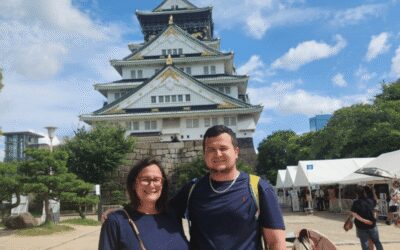 ★ 4.7Osaka Castle Guided TourFrom $43249 reviews
 ★ 4.2Abeno Harukas 300 Observatory E-TicketFrom $3169 reviews
 ★ 4.7Osaka Castle Guided Tour with Local GuideFrom $4878 reviews
 ★ 5.0PRIVATE 6hr, Food tour from Osaka Castle, Kuromon, Dotonbori.From $15568 reviews
Filed on these lists too