
REVIEW · RAMEN AND NOODLE TOURS
Osaka: Five Must-See Highlights Walking Tour & Ramen Lunch
Seven hours, five Osaka highlights, one plan. I like the way this tour strings together top sights with smart subway use, so you spend your time looking, not wandering. With a local English guide, the day feels like you have a friend who actually knows the shortcuts and the story behind each stop.
Best of all, you get a proper ramen lunch included, which turns the middle of the walk from food-thinking into I’m done, let’s eat. The one catch is that it’s an energetic day, with plenty of steps and connections, so come ready with good walking shoes.
In This Review
- Key highlights to look forward to
- Meeting in Tanimachi, then letting Osaka organize itself
- Osaka Castle tower views plus a Sengoku-era museum stop
- Ramen lunch included, how it resets your whole day
- Shitennoji Temple, Japan’s old-state Buddhist roots in plain context
- Shinsekai and Tsutenkaku: retro streets, snacks, and big photo moments
- Kuromon Ichiba Market: Edo-era food energy under one roof
- Dotonbori, the Running Man area, and finishing near Hozenji
- How the subway plus walking pace really works in practice
- Price and entrance-fee math: where the value comes from
- Who should book this tour, and who should skip it
- Should you book this Osaka highlights walking tour?
- FAQ
- How long is the tour?
- What is included in the price?
- What is not included?
- Where do we meet, and when?
- How big is the group?
- Is this tour suitable for everyone?
Key highlights to look forward to
- Small group pacing (limited to 8), so questions and photo stops feel easy
- Local English guide guidance, including where to stand for the best views
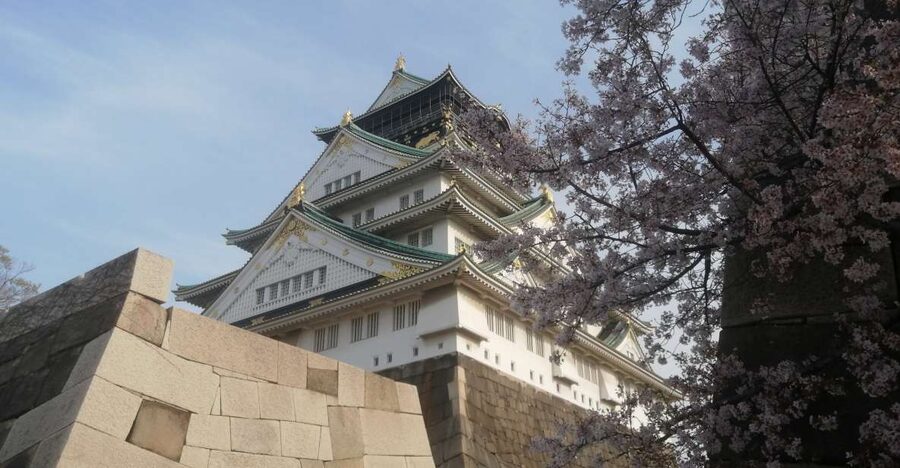
- Osaka Castle tower views plus a museum stop focused on the Sengoku period
- Shitennoji Temple context at one of Japan’s oldest Buddhist sites
- Shinsekai and Tsutenkaku retro streets with time for snacks and shopping
- Dotonbori sightseeing with the iconic Running Man area, then a calm temple finish
A bowl somewhere else in Osaka
- Osaka: Five Must-See Highlights Walking Tour & Ramen Lunch
★ 4.7 · 411 reviews - Osaka: Ramen and Gyoza Cooking Class in Dotonbori
★ 5.0 · 378 reviews - Ramen and Gyoza Cooking Class in Osaka
★ 5.0 · 202 reviews - Cooking Ramen&Gyoza/KatsuCurry/Bento/Okonomiyaki+Store Tour@Osaka
★ 5.0 · 138 reviews
Meeting in Tanimachi, then letting Osaka organize itself
The day kicks off around Tanimachi, with the meeting point at FamilyMart near Tanimachi 4-chome (Exit 4). The guide is easy to spot if you look for the man wearing green glasses, and the planned meet time is 9:00AM. This matters because Osaka subway stations can be huge, and getting everyone lined up early makes the rest of the tour smooth.
From there, you move by subway and on foot. The goal is simple: keep travel time reasonable, while still getting that real street-level Osaka feeling. I like that the tour leans eco-friendly, since you’re not bouncing around in a car between neighborhoods.
If you’re the type who gets frustrated by unclear train transfers, you’ll probably relax pretty fast. Your guide handles route decisions, timing, and the group flow, and you’re not stuck reading station signage while everyone else is already walking.
Osaka Castle tower views plus a Sengoku-era museum stop
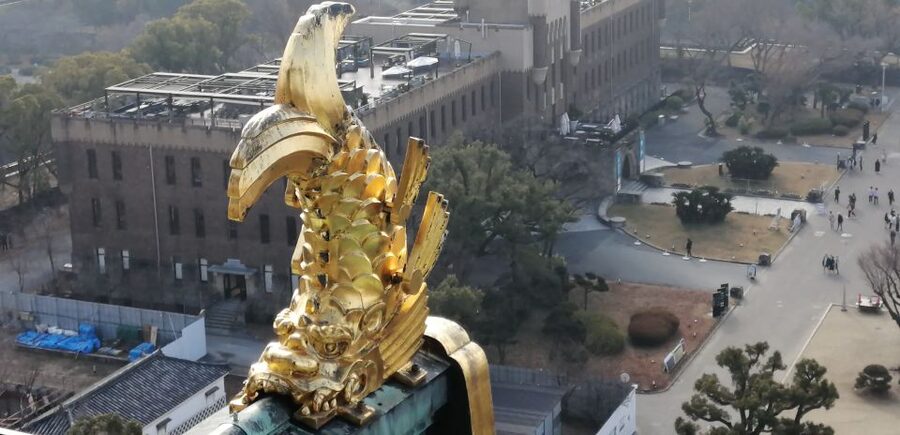
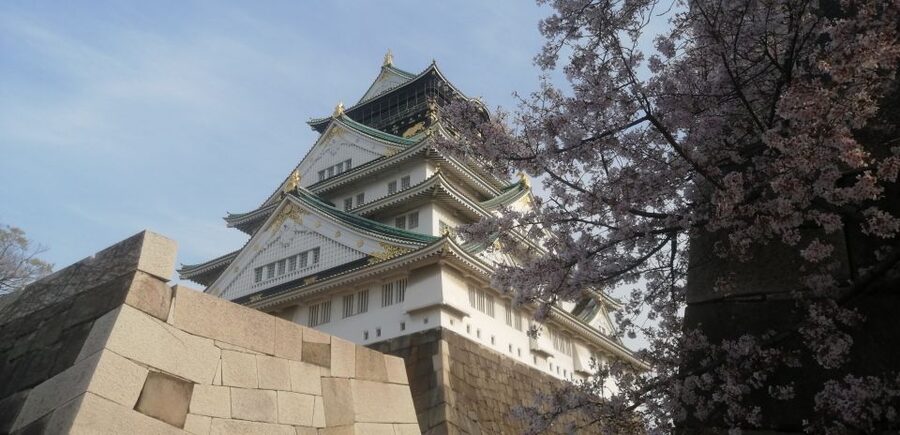
Osaka Castle is the kind of place you can see from far away, but the real payoff is going up and looking over the city. In this tour, you get a guided visit that includes time in the castle tower area and the history-focused museum connected to Osaka Castle and the Sengoku period.
This is a good stop for two reasons. First, the view helps you understand where everything sits in relation to the rest of Osaka. Second, the museum gives you context, so you’re not just taking photos and moving on. It’s a rare chance to connect modern Osaka to the earlier, more turbulent layers of the city.
One practical note: the Osaka Castle entrance fee is not included, and it can vary by season and day of the week (JPY 1,080 to 1,430). The tour does include skip-the-line convenience through a separate entrance, which is a real time-saver when crowds are thick.
After the castle, you’re not just standing there starving. Lunch is coming, and it’s included.
Ramen lunch included, how it resets your whole day
Lunch is in a very popular ramen shop, and ramen is included in the tour fee. This matters because ramen is the kind of meal that makes the day feel worth it, not just scheduled. You’re also at a point where energy can dip, and eating included removes one decision headache.
The stop is timed so you’re not shoved out the door. In a typical day like this, you’re constantly balancing walking, metro stairs, and sightseeing. Having lunch built in helps you keep a steady pace instead of hunting for food on your own.
What you should do: treat this as your main sit-down break. If you’re the type who likes to wander after meals, you’ll want to save that for later markets. For lunch, focus on eating and recharging, because the rest of the day keeps you moving.
Also, the tour includes photo shoot assistance, so this is one of the moments where your guide may help you with angles if you’re mixing sightseeing and food photos.
- Osaka Go Karting Tour with Funny Costume★ 5.0 · 2,658 reviews
- Osaka Castle: Museum and Tower Entry Ticket★ 4.5 · 2,380 reviews
- Osaka: Shinsekai Food Tour with 13-15 Dishes at 5 Eateries★ 4.8 · 2,204 reviews
- Osaka Food Tour: 13 Dishes at 5 Local Eateries★ 5.0 · 2,149 reviews
- Hungry Osaka Street Food Tour:15 Tastings & 3 Drinks with a Local★ 5.0 · 1,727 reviews
Shitennoji Temple, Japan’s old-state Buddhist roots in plain context
Next comes Shitennoji, one of Japan’s oldest Buddhist temples. It’s commonly dated back to its founding in 593, and this tour includes guided explanation of the temple’s origins and the achievements of its founder.
What I like about this stop is the way it slows the day down. Osaka can feel loud, fast, and commercial, and then Shitennoji brings in a very different tempo. Even if you’re not a “temple-history-nerd,” the guided background helps you notice what you’re looking at instead of just seeing buildings.
It also helps that this tour frames Shitennoji as important from an early political and religious standpoint, since it was one of the first state-built Buddhist temples. That added context makes the place feel bigger than a photo spot.
Practical detail: the temple entrance fee is not included, and it can vary by season (JPY 400 to 600). So if you’re doing the math on value, remember you’ll likely pay both Osaka Castle and Shitennoji during the day.
The reward for paying those fees is that you’re getting quality sightseeing with guided context, not just walking past landmarks.
Shinsekai and Tsutenkaku: retro streets, snacks, and big photo moments
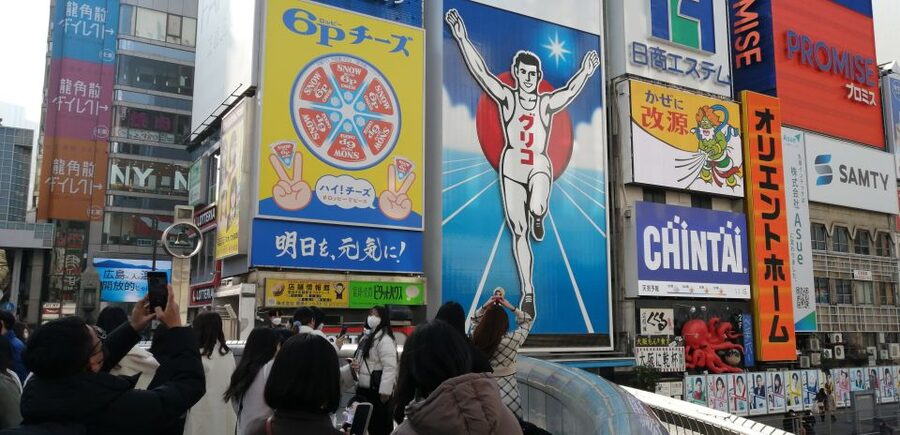
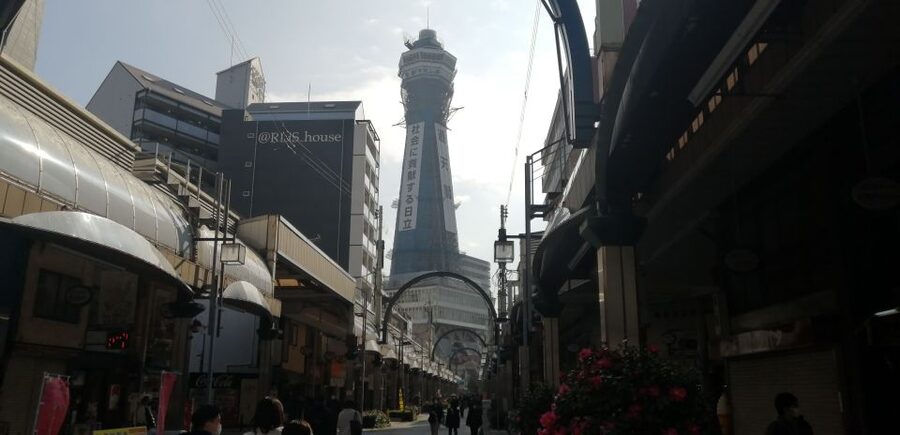
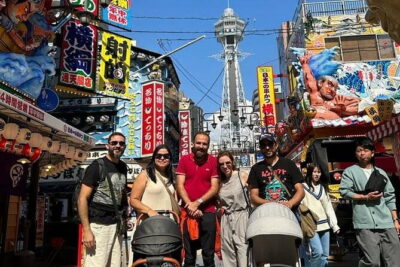
After Shitennoji, you move into Shinsekai, a retro neighborhood known for nostalgic streets and the iconic Tsutenkaku Tower. This is the part of Osaka that many first-timers associate with atmosphere, not just sights.
You get break time here, including a photo stop and free time for shopping and street-food browsing. Shinsekai is especially famous for kushikatsu, deep-fried skewers, and it fits the tour well because you can snack without turning it into a long meal.
Tsutenkaku is the anchor, and your guide keeps it practical: where to stand for a good commemorative photo, how to see the surrounding cityscape, and how to avoid feeling rushed. The vibe is playful, and the best part is that it feels like a neighborhood, not a theme park.
Plan for this stop to be slightly spontaneous. If you’re shopping or grabbing snacks, you’ll want cash on hand and a little flexibility in how you move through the streets. The tour includes guided direction, but Shinsekai is where your curiosity should lead.
Then you head toward the markets.
Kuromon Ichiba Market: Edo-era food energy under one roof
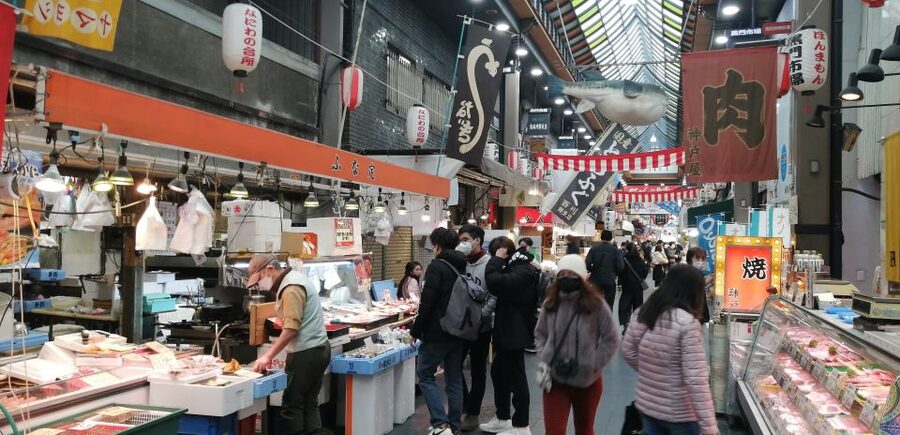
Kuromon Market, also called Kuromon Ichiba Market, is a covered public market with a long timeline, continued since the Edo period for more than 200 years. This is a big deal because it means you’re not just visiting something new. You’re walking through a food culture that has been doing the same job for a long time.
In the tour, you get guided time to soak up the market atmosphere and recommendations for tasty local street food. This is one of those stops where the guide’s judgment helps. Markets are sensory overload, and it’s easy to overspend or miss the best options.
What I like here is the mix of structure and freedom. You get enough guidance to know what to look for, then free time to move at your own speed. Even if you don’t eat everything, just watching how the market works gives you a feel for Osaka’s “food city” reputation.
You’ll likely enjoy this stop most if you’re open to small bites. The market works best when you try a few things rather than searching for one perfect plate.
And since the tour includes subway transitions between neighborhoods, the market stop feels like a planned highlight rather than an accidental detour.
Dotonbori, the Running Man area, and finishing near Hozenji
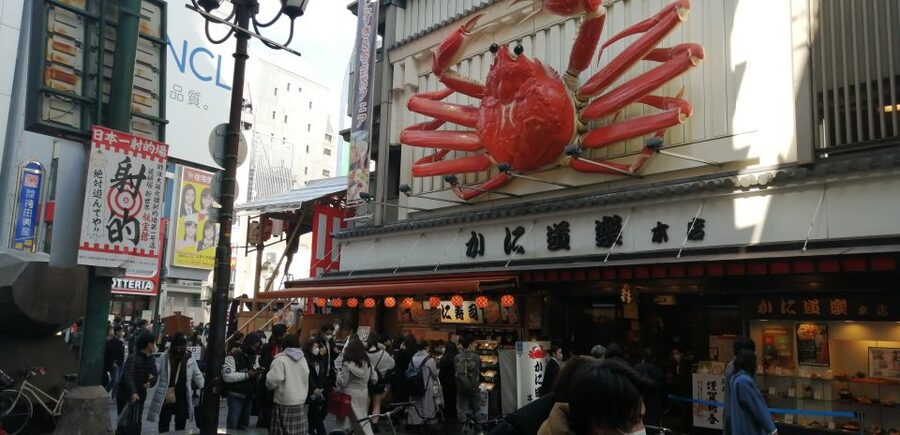
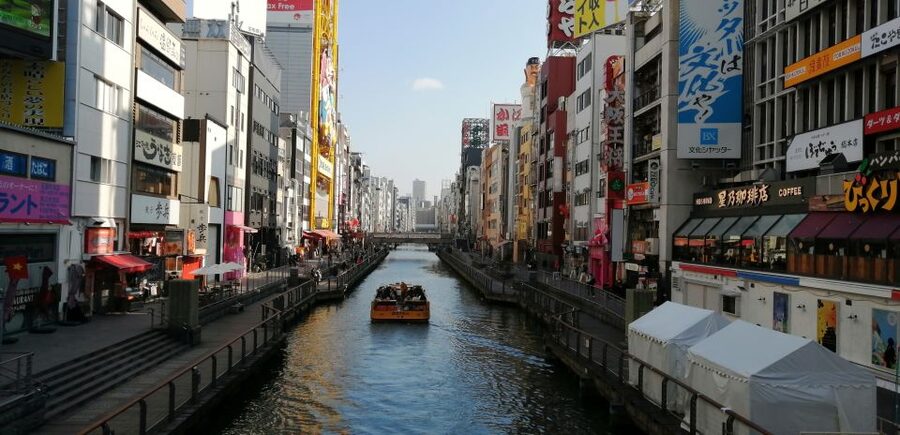
Dotonbori is the Osaka postcard section of town, and this tour treats it like a key chapter, not a quick walk-by. You get guided sightseeing time that includes checking out the famous Running Man sign above the Ebisubashi bridge area. If you’ve seen photos of Dotonbori before, this is where they came from.
This stop has a particular rhythm. You’ll notice how the streets pull you toward lights, signage, and food stands. Your guide helps you time the viewing and get the classic angles without turning it into a mad scramble.
Then the day ends at Hozenji Temple, also known by the name 天龍山 法善寺. I like this finish because it adds contrast. After all the commercial energy of Dotonbori, you get a quieter temple atmosphere to close out the day.
It also feels like a relief to stop moving, since the day includes a lot of walking and at least some subway stair climbing. If you’re coming from a hotel near Namba, this tour ending location can also be a convenient jumping-off point for your evening plans.
How the subway plus walking pace really works in practice
This is called an eco-friendly tour, and the mechanics matter. You’re traveling by subway and on foot, with guided navigation. That’s efficient, but it also means you’re going to feel the city’s verticality.
Many Osaka subway connections involve stairs, escalators, and long station corridors. Some reviews specifically flagged the up-and-down stairs factor, so I’ll say it plainly: if stairs are a problem for you, reconsider. Even healthy legs feel it by late afternoon.
Timing also matters here. The whole tour runs about 7 hours. That’s enough time to hit five big areas without feeling like you’re constantly sprinting, but not enough time to wander aimlessly for long stretches.
That’s why the small group size helps. With a limit of up to 8 participants, it’s easier for the guide to keep everyone together, adjust pace, and help with transitions like photo stops and quick market decisions.
Also, you get photo shoot assistance. So if you’re traveling with a friend who can only hold a phone at arm’s length, you’ll appreciate having someone reposition you and guide you for better shots.
Price and entrance-fee math: where the value comes from
The tour costs $56 per person for a 7-hour experience with a local English guide, ramen lunch included, and guided visits across five main areas. At first glance, that looks like mostly sightseeing, but the value comes from the package.
You’re paying for three things that are hard to replicate alone:
- a guided story layer across landmarks (so you don’t just see buildings, you understand what they represent)
- a structured route that strings together dispersed Osaka neighborhoods
- the ramen lunch included, which saves you time and decision-making mid-day
Now, remember what’s not included. Osaka Castle entrance fees range from JPY 1,080 to 1,430 depending on season and day, and Shitennoji entrance is JPY 400 to 600. Those are extra costs you should factor into your budget.
Still, the skip-the-line convenience at Osaka Castle is meaningful. You’re spending time seeing Osaka, not waiting in queues. If you’re comparing this to a self-guided day, the guide’s route planning and line-skipping can feel like real savings.
One tip from the experience: ask your guide whether an Osaka City Pass could help with discounts or speed-ups. The guide has suggested that for planning, and it’s worth checking before you commit to paying individual entries.
Who should book this tour, and who should skip it
This tour is best for you if you want a strong first introduction to Osaka, especially if you have limited time. The mix works well: one major castle viewpoint, one deep-rooted temple stop, one retro neighborhood with photo energy, and two food-and-street-sight stops that show why Osaka is about eating as much as seeing.
It’s also a good pick if you like active days. People who enjoy walking and don’t mind metro connections tend to love this format. In particular, the small group size makes it feel personal, even when the group shrinks down to just a few people.
But it’s not for everyone. It’s listed as not suitable for children under 12, pregnant women, people with mobility impairments, people with heart problems, or anyone with a cold. If any of those apply, you’ll be safer choosing a gentler option.
And even if you’re healthy, bring rain gear. Osaka weather can shift fast, and multiple experiences noted that the guide adjusts to keep everyone as comfortable as possible.
Finally, if you hate crowded meeting points or giant subway stations, this tour can still be a win because the meeting point is defined, and the guide helps with navigation. But you do need to show up on time at the FamilyMart at Tanimachi 4-chome.
Should you book this Osaka highlights walking tour?
I think you should book it if you want a tight plan for a single day and you care about context, not just photos. The combination of local English guiding, five major Osaka stops, and ramen lunch included gives you the kind of return on time that’s hard to beat when you’re short on days.
I’d pass if you want a slow, casual stroll, because this is an energetic route with lots of walking and subway stair movement. I’d also pass if you’re planning around mobility or health constraints, since the tour is not recommended for those situations.
If you fit the target traveler profile, this is a strong way to understand Osaka quickly: castle views for orientation, Shitennoji for depth, Shinsekai for character, Kuromon for food culture, and Dotonbori for lights, signs, and fun, then a calmer temple finish at Hozenji.
If your goal is an efficient, guided taste of Osaka with a satisfying meal built into the plan, this is a smart choice.
FAQ
How long is the tour?
The tour runs for about 7 hours.
What is included in the price?
The price includes a ramen lunch, a local English-speaking guide, tour commentary and guidance, and photo shoot assistance.
What is not included?
Public transportation pass is not included, and Osaka Castle entrance fees and Shitennoji Temple entrance fees are also not included.
Where do we meet, and when?
You meet at Osaka Metro Tanimachi Line, Tanimachi 4-chome Station, Exit 4, in front of FamilyMart. Meet-up time is 9:00AM.
How big is the group?
It is a small group limited to 8 participants.
Is this tour suitable for everyone?
It is not suitable for children under 12, pregnant women, people with mobility impairments, people with heart problems, or people with a cold.
One More Bowl


Newest Osaka write-ups from the Loving Japan desk


Ramen and Noodle Tours, side by side.
 ★ 5.0Ramen Cooking Class at Ramen Factory in KyotoFrom $1311,937 reviews
 ★ 5.0Eat and Drink Like a Local: Tokyo Ueno Food Tour-Taverns&RamenFrom $95957 reviews
 ★ 5.0Ramen & Gyoza Cooking Class in Tokyo with Local Supermarket VisitFrom $122823 reviews
 ★ 4.9Ramen Cooking Class at a Ramen Factory with SouvenirFrom $127532 reviews
 ★ 5.0Ramen, Gyoza, and Onigiri Cooking ClassFrom $90445 reviews
 ★ 4.9Ramen Tasting Tour with 6 Mini Bowls of RamenFrom $122432 reviews
 ★ 5.0Ramen and Gyoza Cooking Class in DotonboriFrom $70378 reviews
 ★ 4.6Easy Ramen Cooking Experience in Kabukicho, ShinjukuFrom $29321 reviews
Filed on these lists too