
REVIEW · SHIBUYA, SHINJUKU AND HARAJUKU WALKS
Retro Shibuya Food Tour
Shibuya has a food trail worth slowing down for. This Retro Shibuya Food Tour blends Showa-era street stories with real local eating, moving you off the main crowd lanes and into the kinds of spots you would struggle to find alone.
I especially like the mix of people and pacing. You get a local English-speaking guide, plus multiple tastings and 3 complimentary drinks, so you are not just watching other people eat. And the route is built around Shibuya landmarks, then pivots hard into back streets for standing-only bars and older noodle shops.
One consideration: this is still a 3-hour walking tour with a moderate fitness level. You will be on your feet, and you will pass through busy shopping areas like Shibuya 109 and Shibuya Mark City, so wear comfortable shoes.
In This Review
- Key points to know before you go
- Why this Retro Shibuya route feels different from a typical food stop
- Guides make or break a food tour, and this one is strong
- What you actually eat and drink in about 3 hours
- The stop-by-stop feel, from Hachiko to NonbeiYokocho
- Meeting near Shibuya Station, then a quick culture warm-up
- Shibuya Crossing: seeing the neighborhood’s modern core
- Shibuya Center-gai: where the tastings and drinks pile up
- MEGA Don Quijote: a shopping landmark before the back-alleys
- NonbeiYokocho: the side-street atmosphere you cannot recreate alone
- Why ramen and retro izakaya culture are the right pairing here
- Price: what $221 gets you, and where the value comes from
- Dietary needs: friendly for many, a limit for vegans
- Timing and meeting point, so you start relaxed
- Who should book this Retro Shibuya Food Tour
- Should you book it? My honest final take
- FAQ
- What is the duration of the Retro Shibuya Food Tour?
- How much does the tour cost?
- What time does the tour start?
- Where is the meeting point?
- Where does the tour end?
- Is the tour limited to certain ages?
- What is included in the price?
- Are there any dietary restrictions supported?
Key points to know before you go
- Small group size (maximum 10) means more time with your guide and less standing around waiting
- 3 complimentary drink tastings includes options like beer and local sake
- A landmark to side-street route starts at Hachiko and Shibuya Crossing, then shifts into back alleys
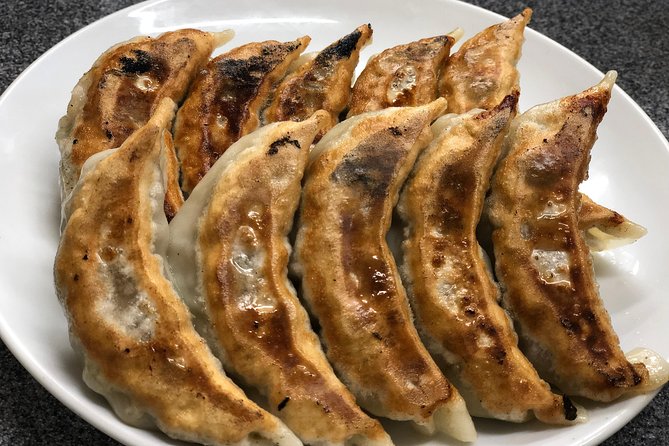
- Ramen is part of the plan, plus other local dishes and dessert
- Dietary support is practical, with vegetarian, pescetarian, and gluten-free friendly options, but not vegan-friendly
- Karaoke after party is available, if you want to keep the night going
Other routes through the west side of Tokyo, compared
- Tokyo: Shinjuku Food Tour (13 Dishes at 4 Local Eateries)
★ 5.0 · 6,603 reviews - Tokyo Bar Hopping Tour in Shinjuku (All-You-Can-Drink + Dinner)
★ 5.0 · 3,587 reviews - Official Street Go-Kart in Shibuya
★ 5.0 · 3,435 reviews - Tokyo: Shinjuku Food Tour (15 Dishes and 4 Eateries)
★ 4.9 · 2,033 reviews
Why this Retro Shibuya route feels different from a typical food stop
Tokyo food tours often fall into two buckets. Either you get a quick list of famous restaurants, or you wander without a plan and hope you bump into something good. This one is different because it is organized around a sense of place.
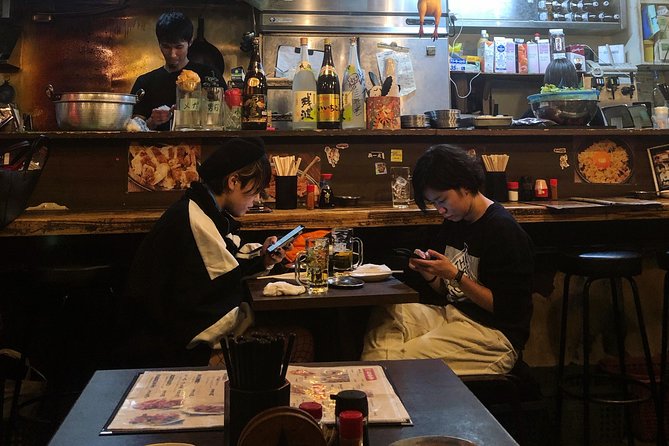
You start with iconic Shibuya reference points, like Hachiko and Shibuya Crossing. That helps you quickly understand the neighborhood, even if it is your first time in the area. Then the guide steers you into quieter lanes, old noodle places, and places where people socialize over drinks, sometimes with a standing-only setup.
I like how that structure turns the tour into more than eating. You learn how Shibuya became Shibuya. The tour includes history that reaches back to the Showa era, which helps the streets make sense. When you connect the food spots to the neighborhood story, you remember more than just what you ordered.
And the length is realistic. About 3 hours is long enough for multiple tastings and a couple of drink stops, but short enough that it does not turn into an exhausting marathon.
Guides make or break a food tour, and this one is strong
The biggest praise here is clearly the guide. You get a local English-speaking guide who pairs food with context. That matters, because Shibuya can feel confusing at night if you only rely on instinct.
In particular, I noticed the guides named Josh and Jacob being singled out for sharing interesting historical facts along with delicious food stops. Another guide named Sharon is also highlighted for being accommodating while sharing facts and tastings that actually feel worth your time.
What that tells you, as a visitor, is simple: you are not going to get a scripted list read from a brochure. You are going to get street-level explanations that help you navigate the vibe of Shibuya after dark. You also get help with the small social details, like where to stand, how to order, and how to enjoy the rhythm of the place without feeling lost.
What you actually eat and drink in about 3 hours
This tour is built as a tasting experience, not a full meal you have to be hungry for all day. Included are local food tastings, dessert, and three complimentary drinks.
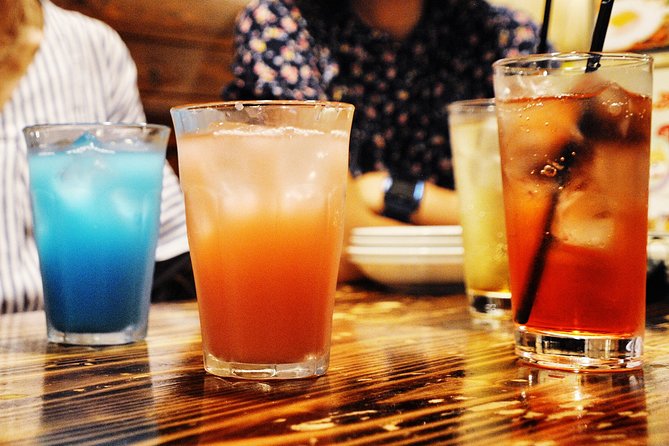
The drinks are clearly part of the value. The tour includes 3 complimentary beverages, with examples like beer and local sake. That means you can sample alcohol that matches the food without paying for every glass separately. It also means your “cost per drink” is already handled in the ticket price, which is a big deal in Tokyo where menu add-ons can creep upward fast.
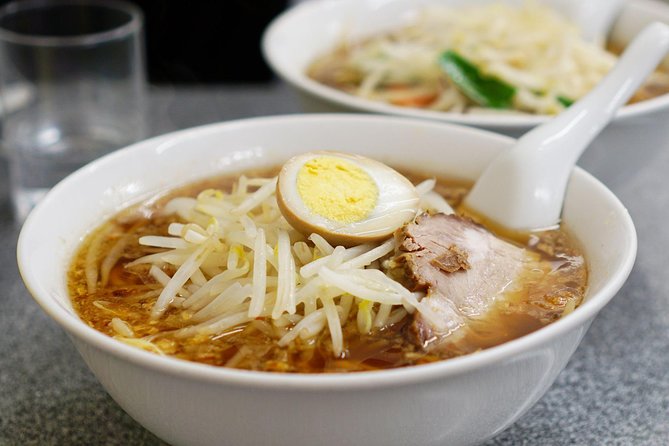
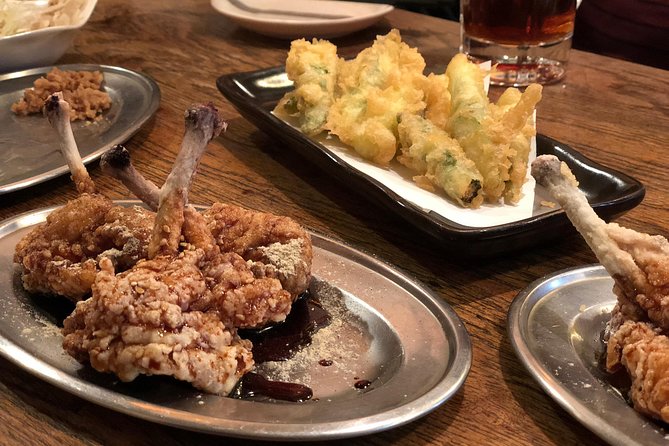
Food-wise, you can expect a mix of Japanese snack-and-drink style stops. The plan highlights an iconic ramen shop, plus additional local and seasonal dishes at the Shibuya Center-gai area. Since the tour is also described as including desserts, you are not stuck with only salty bites. You get a finish that keeps the tour from turning into a sugar-free slog.
Also, you are not meant to do this as a light stroll. You will move from stop to stop and eat in small portions along the way. That is why it pairs so well with a 4:00 pm start. You hit the dinner window without being late to everything.
- Mt Fuji and Hakone 1-Day Bus Tour Return by Bullet Train★ 5.0 · 26,383 reviews
- 1-Day Tokyo Bus Tour★ 5.0 · 14,250 reviews
- Tokyo: teamLab Planets TOKYO Digital Art Museum Entry Ticket★ 4.6 · 9,779 reviews
- Mt Fuji & Hakone Cruise, Drum Show Bullet Train 1 Day from Tokyo★ 4.0 · 7,413 reviews
- Tokyo: Shinjuku Food Tour (13 Dishes at 4 Local Eateries)★ 5.0 · 6,603 reviews
The stop-by-stop feel, from Hachiko to NonbeiYokocho
Here is how the pacing and vibe tend to work, based on the actual sequence of stops.
Meeting near Shibuya Station, then a quick culture warm-up
You meet at Shibuya Station 2 Chome-24, Shibuya, Tokyo 150-0002, with the tour beginning at 4:00 pm. The first “meet here” moment is short, then you start moving right away, which keeps energy up.
Your second stop is the Hachiko Statue. It is quick, but it is a useful starting point. It gives you an immediate anchor in Japanese pop culture and local tradition before the tour starts moving into eating territory.
Shibuya Crossing: seeing the neighborhood’s modern core
Next comes Shibuya Crossing, tied into the tour’s Showa-era story thread. Even if you have seen the crossing in photos, your guide’s context helps it become more than a famous intersection. It becomes part of how Shibuya developed into a nightlife and shopping hub.
Shibuya Center-gai: where the tastings and drinks pile up
Shibuya Center-gai is where you spend time tasting lots of local and seasonal dishes and where you get 3 drinks as part of the experience. This stop is important for two reasons.
First, it is your tasting payoff. You are not waiting until the end to start sampling. Second, it is a good place to feel the rhythm of the area. Center-gai is the kind of place where locals and shoppers mix, which makes the tour feel grounded rather than staged.
One drawback of this kind of stop: if you are very sensitive to alcohol flavors or you prefer non-alcoholic options, you will want to pace yourself. Alcohol is included, and extra ordering is not included. You can still have a great time, but you should know you are going to be tasting drinks.
MEGA Don Quijote: a shopping landmark before the back-alleys
Then you head toward MEGA Don Quijote, with time to wind your way along back streets. The tour uses this transition well. It goes from a major storefront environment to the kind of route where you start to understand why a guide matters.
You also pass places like Shibuya Mark City and Shibuya 109. These stops help you see the “surface Shibuya” that most people rush through, while the guide steers the walking line toward more characterful alley areas.
NonbeiYokocho: the side-street atmosphere you cannot recreate alone
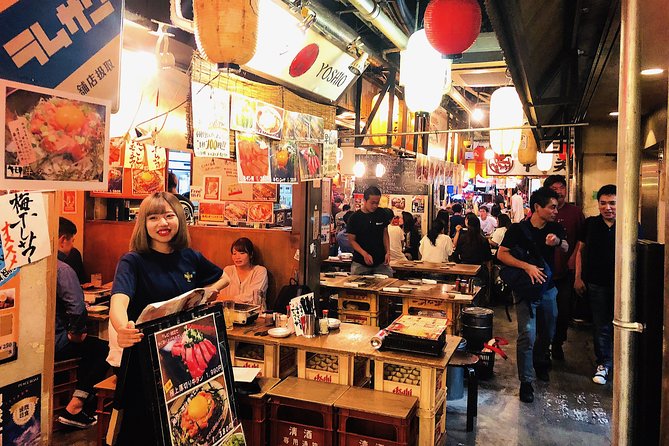
NonbeiYokocho is one of the stops that signals the tour’s tone shift. This is where the plan leans into back alleys and the kind of drinking culture you would not naturally find wandering. The tour description also references standing-only bars and decades-old noodle shops. Even if you have never tried standing-only spots before, the guide’s role is to help you feel comfortable.
This portion is the reason to book the tour instead of self-guiding. Shibuya is famous, but fame does not equal easy navigation. The tour helps you experience the social side of the neighborhood in a way that feels like you are being let in rather than just passing through.
Why ramen and retro izakaya culture are the right pairing here
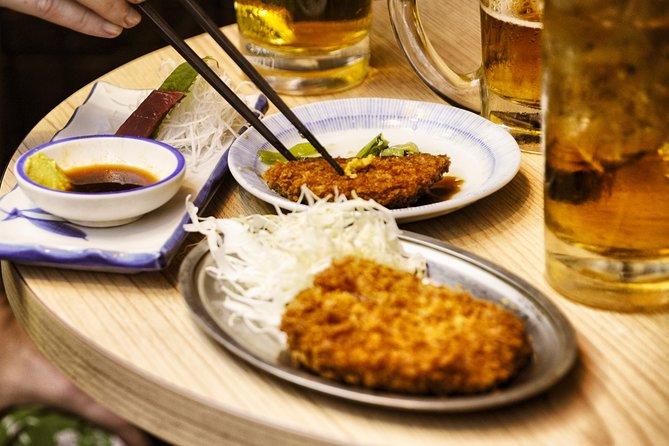
The ramen stop and the izakaya-style vibe work together because they represent two different sides of Japanese casual dining.
Ramen is comforting, fast, and deeply specific. It is also a great “anchor” dish for a food tour because it is recognizable even when regional differences matter. Including an iconic ramen shop gives you a clear must-try moment.
Then the tour moves into drink-focused eating, described as an izakaya pub wonderland and backed by side-street routes. That shift matters because many tourists end up eating in the same style at the same kind of restaurants. Here, you get the feel of Shibuya’s nighttime social scene.
The bonus is that you are not stuck with only one type of food. You sample a range of snacks, dishes, and drinks, plus dessert. By the time you hit the end of the walk, you have tasted enough variation that it feels like you experienced the neighborhood, not just a meal.
Price: what $221 gets you, and where the value comes from
At $221 per person for about 3 hours, this is not a budget tour. But it can still be good value, depending on what you would do on your own.
Here is what is included:
- Local food tastings
- Dessert
- 3 complimentary drinks (including beer and local sake, plus other beverage options)
- A local English-speaking guide
Now think about Tokyo on your own. If you set aside money for several food items plus a few drinks, and add the advantage of a guide who knows where to go, $221 starts to make more sense. You are paying for access and efficiency: the routing, the ordering help, and the selection of places that fit the theme.
The small group size (up to 10 travelers) also matters. Smaller groups can mean less downtime and more interaction, especially at drink stops. And since it runs around 4:00 pm, it can replace multiple separate evening plans.
One more practical point: it is generally booked about 18 days in advance. That is a good sign for demand, but it also means you should not wait until the last minute.
Dietary needs: friendly for many, a limit for vegans
If you eat vegetarian, you have a better chance of staying comfortable on this tour. The tour is listed as vegetarian, pescetarian, and gluten-free friendly.
For vegans, the note is clear: it is not recommended. That likely affects the selection and how easy it is for the guide to keep the tasting menu aligned with vegan needs. If vegan eating is a hard requirement, you may want to look for a different tour designed around vegan options.
Gluten-free friendliness is mentioned, but since food in Japan often involves sauces and hidden ingredients, you should still plan to be clear and careful when you are served. The good news is that the guide is part of the experience, and you can ask practical questions in the moment.
Timing and meeting point, so you start relaxed
Start time is 4:00 pm, and the tour runs about 3 hours. That late-afternoon start is smart for Shibuya because you get the transition from busy shopping hours into the dining and drink window.
You meet at Shibuya Station 2 Chome-24, Shibuya, Tokyo, and the tour ends at Tokyu Department Honten Store 2-chome-24-1 Dogenzaka, with the end point at the basement level under the station.
Two practical tips:
- Wear comfortable shoes. The tour is walking, and the areas named include major retail complexes plus side streets.
- Plan to travel light. You will likely stop and snack in small spaces, so a smaller bag helps you move more easily.
Who should book this Retro Shibuya Food Tour
This is a great pick if you want:
- A guided walk that connects food with local context
- Alcohol-inclusive tastings without having to map everything yourself
- A Shibuya night route that includes both landmarks and side streets
- A small group experience, with up to 10 travelers
It is also a good match if you enjoy learning while you eat. The tour includes Showa-era history, and the guides are praised for sharing facts that make the streets feel meaningful.
It is not the best choice if:
- You do not handle walking well, since it is described as requiring moderate physical fitness
- You need a vegan menu, since vegan options are not recommended
- You want a purely non-alcoholic food crawl, since drinks are included as part of the experience
Should you book it? My honest final take
If you are staying in Tokyo and you want one evening that feels like Shibuya beyond the obvious photo stops, I think you should seriously consider booking the Retro Shibuya Food Tour. The strongest draw is the combination of small-group guided walking plus real tastings, including ramen, dessert, and three drink options.
The value angle is also practical. For $221, you are not just paying for food, you are paying for guide-led access to spots you would likely miss on your own, plus drink tastings that would cost extra if you booked everything separately.
Book it sooner rather than later since it often sells out around 18 days in advance. And if you have dietary needs, especially gluten-related, or you are not comfortable with alcohol, message ahead or be ready to communicate clearly at the start.
FAQ
What is the duration of the Retro Shibuya Food Tour?
It runs for about 3 hours.
How much does the tour cost?
The price is $221.00 per person.
What time does the tour start?
The start time is 4:00 pm.
Where is the meeting point?
You meet at Shibuya Station 2 Chome-24, Shibuya, Tokyo 150-0002, Japan.
Where does the tour end?
The tour ends at Tokyu Department Honten Store, basement level under the station.
Is the tour limited to certain ages?
Yes, it is for adults 20 years old and above only.
What is included in the price?
It includes 3 complimentary drinks, local food tastings, dessert, and a local English-speaking guide.
Are there any dietary restrictions supported?
The tour is listed as vegetarian, pescetarian, and gluten-free friendly, but it is not recommended for vegans.
West Tokyo on Foot: Seven More



Newest Tokyo write-ups from the Loving Japan desk


Shibuya, Shinjuku and Harajuku Walks, side by side.
 ★ 5.0Shinjuku Food Tour (13 Dishes at 4 Local Eateries)From $866,603 reviews
 ★ 5.0Tokyo Bar Hopping Tour in Shinjuku (All-You-Can-Drink + Dinner)From $1063,587 reviews
 ★ 5.0Official Street Go-Kart in ShibuyaFrom $763,435 reviews
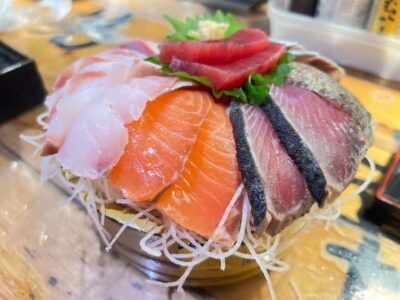 ★ 4.9Shinjuku Food Tour (15 Dishes and 4 Eateries)From $852,033 reviews
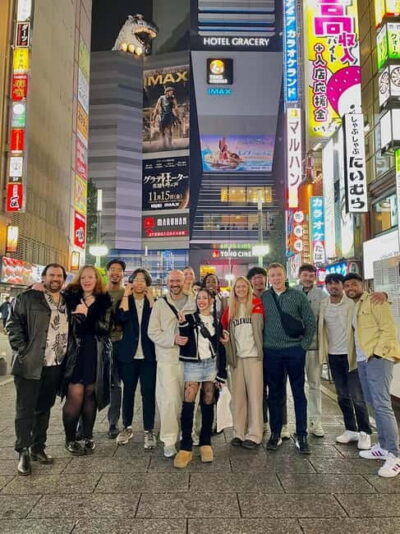 ★ 4.9Shinjuku Local Bar and Izakaya Guided Walking TourFrom $341,794 reviews
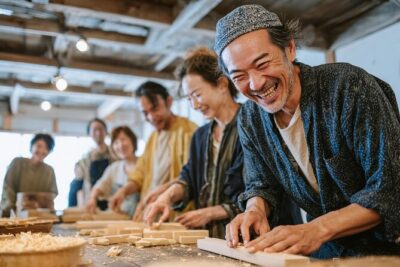 ★ 5.0Tokyo Shinjuku Chopsticks Making ClassFrom $201,763 reviews
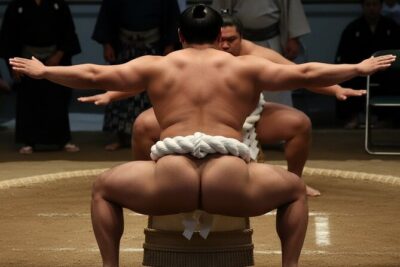 ★ 5.0Tokyo Shinjuku Sumo Show & Experience with PhotoFrom $791,750 reviews
 ★ 4.9Street Kart Experience in ShibuyaFrom $741,484 reviews
Filed on these lists too