REVIEW · JAPAN
Sacred Pathways: Discover the Philosopher’s Path of Kyoto
A quiet walk through Kyoto’s philosophy trail. On this 4-hour Sacred Pathways tour, I love the Philosopher’s Path canal stroll for its calm stream-and-leaves rhythm, and the chance to see Ginkakuji Temple through a Zen lens. One possible drawback to plan for: food and drinks are not included, so cafe breaks can add extra spend.
What makes it feel special is the pacing and the group size. You keep to a chill speed, you do not spend time waiting around, and you move with a small crew (up to eight) without flags, mics, or bus vibes. Guides are long-term Kyoto residents, and I’ve seen how hosts like Kevin and Craig can turn a standard temple visit into something you actually understand.
This is about a moderate walking day, roughly 5 km (3 miles). If you’re traveling with kids under ten, or you’re in your mid 90s plus, it may not fit well, and you should also bring gear for weather since it’s a lot of outdoor strolling.
In This Review
- Key points that make this tour worth your time
- Why the Philosopher’s Path feels different with a guide
- Walking pace and group size on a 5 km route
- Entering the Philosopher’s Path with context, not crowds
- Ginkakuji Temple: the garden you understand after the stories
- Nanzenji Temple and the aqueduct effect
- Cafe breaks and shops along the route, without derailing the day
- Guides who keep the day lively and accurate
- Price and value: what $64 covers and why it matters
- What to expect on the ground: timing, meeting point, and route feel
- Who should book this Kyoto walking tour
- Should you book Sacred Pathways: Discover the Philosopher’s Path of Kyoto?
Key points that make this tour worth your time
- A small-group walk (max eight) with a relaxed pace, so you can actually look, not just pass through
- Philosopher’s Path by the canal with that gentle stream sound and plenty of nature along the way
- Ginkakuji Temple garden time focused on Zen atmosphere, not rushed checklists
- Nanzenji with its impressive architecture and aqueduct for a strong change of scenery
- All entrance fees included, so you do not juggle tickets or cash mid-day
- Bilingual guide plus a digital city guide to help you connect what you see with what it means
Still weighing up options in Kyoto? These are the ones our reviewers rated highest.
- PERFECT KYOTO 1-Day Bus Tour
★ 5.0 · 13,518 reviews - Kyoto: Fushimi Inari, Kinkakuji, Bamboo Grove 1 Day Bus Tour
★ 4.8 · 4,316 reviews - Kyoto: Tea Ceremony in a Traditional Tea House in Kiyomizu
★ 4.9 · 3,519 reviews - Kyoto Geisha Walking Tour: Gion District & Hidden Gems
★ 4.7 · 3,273 reviews
Why the Philosopher’s Path feels different with a guide
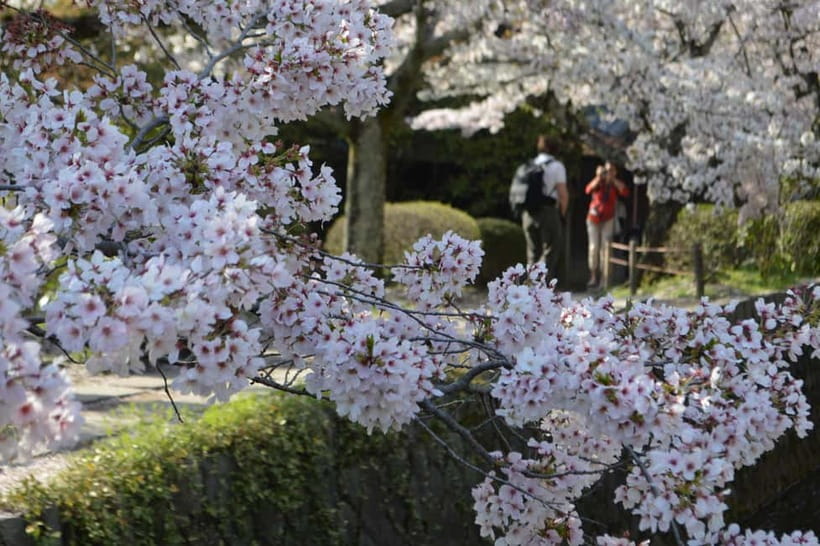
Kyoto is full of beautiful routes. The Philosopher’s Path is one of the most famous, yes, but what you get here is not just scenery. The guide helps you slow down and read the place. You notice the canal line, the trees, the way the path follows the foot of the eastern mountains, and how the quiet changes with each bend.
I like that the tour frames what you’re seeing. Zen is not just a word on a brochure. When you get the stories behind the temples and gardens, the raked gravel, the artful stone placements, and the overall stillness start to make sense. You end the walk with a better sense of why Zen shaped Japanese arts and culture, not just where to take photos.
The other practical win is stress reduction. Entrance fees are included, and your guide handles the flow between stops. You spend your mental energy on the day, not on finding ticket counters.
Walking pace and group size on a 5 km route
This is a half-day tour, about 4 hours, with around 5 km (3 miles) of walking. It is not a marathon, but it is also not a sit-on-a-bench kind of outing. If your legs are okay with a few hours of steady walking, you’ll be comfortable.
The group size matters. With a maximum of eight people, you do not get stuck behind a long line. There’s also less friction with locals. The tour avoids loud logistics like flags, mics, or bus transfers, which helps the day feel calm and respectful.
I also appreciate the chill pace. The best way to enjoy the Philosopher’s Path is to let the morning or late afternoon light work on you. Guides like Kevin and Craig have a reputation for keeping pace aligned with the group, including leaving room for photos and quiet pauses.
Entering the Philosopher’s Path with context, not crowds
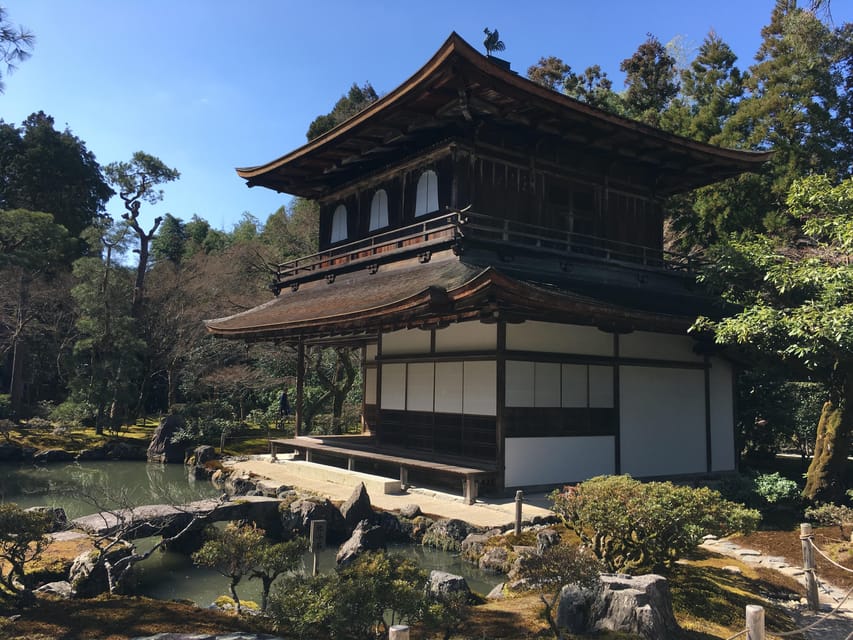
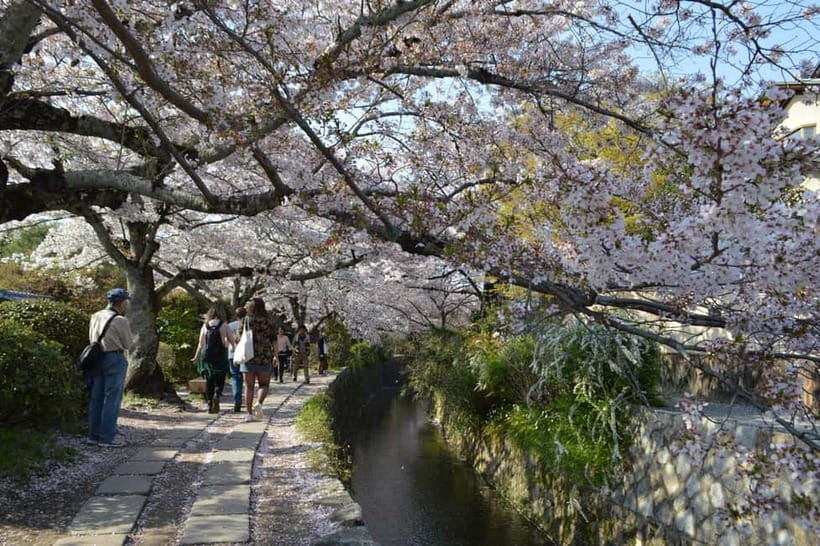
The Philosopher’s Path runs along a canal and acts like a gentle spine through the greenery. Expect a lot of soft sensory detail: the stream sound beside you, leaves moving overhead, and the overall feel of a walkway that was built for wandering.
This is where the guided approach pays off. Without context, it can be easy to treat it like a pretty corridor. With the right framing, you start noticing how the path connects the temples to the surrounding landscape and daily rhythms of Kyoto.
You’ll also pass through a stretch where cafes and shops appear along the route. That is handy because you can take a break without scrambling for an entirely different plan. And because the tour is structured, you’re not deciding everything on the spot.
- PERFECT KYOTO 1-Day Bus Tour★ 5.0 · 13,518 reviews
- Kyoto: Fushimi Inari, Kinkakuji, Bamboo Grove 1 Day Bus Tour★ 4.8 · 4,316 reviews
- Kyoto: Tea Ceremony in a Traditional Tea House in Kiyomizu★ 4.9 · 3,519 reviews
- Kyoto Geisha Walking Tour: Gion District & Hidden Gems★ 4.7 · 3,273 reviews
- Kyoto: Tea Ceremony Ju-An at Jotokuji Temple★ 4.9 · 3,207 reviews
Ginkakuji Temple: the garden you understand after the stories
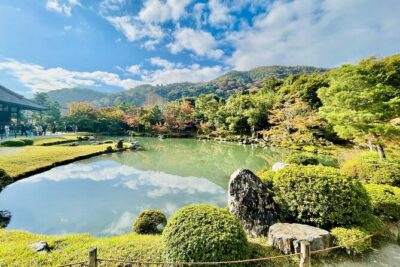
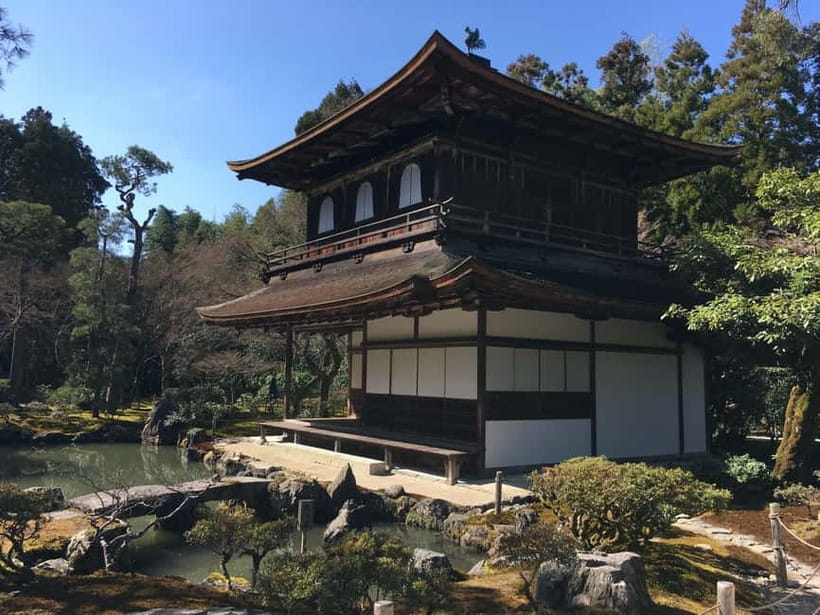
Ginkakuji Temple, often called the Silver Pavilion, is where the tour slows down in a good way. The highlight is the incredible garden, the kind of place where small details matter. You’ll see the orderly design of Zen gardens, including meticulously raked gravel and carefully placed stones.
Here’s why this stop is so valuable: it turns Zen from an abstract idea into something you experience with your eyes and your breathing. When your guide connects Zen to arts and culture, you start to see how restraint can be powerful. The garden is not just for looking. It’s a place for stillness, and the design encourages quiet attention.
If you’re the type who likes to understand what you’re seeing, you’ll get more out of this stop. Guides can explain what to look for and why the garden’s feel matters. That’s also how you avoid the classic Kyoto problem of seeing a stunning site but forgetting it five minutes later.
Nanzenji Temple and the aqueduct effect
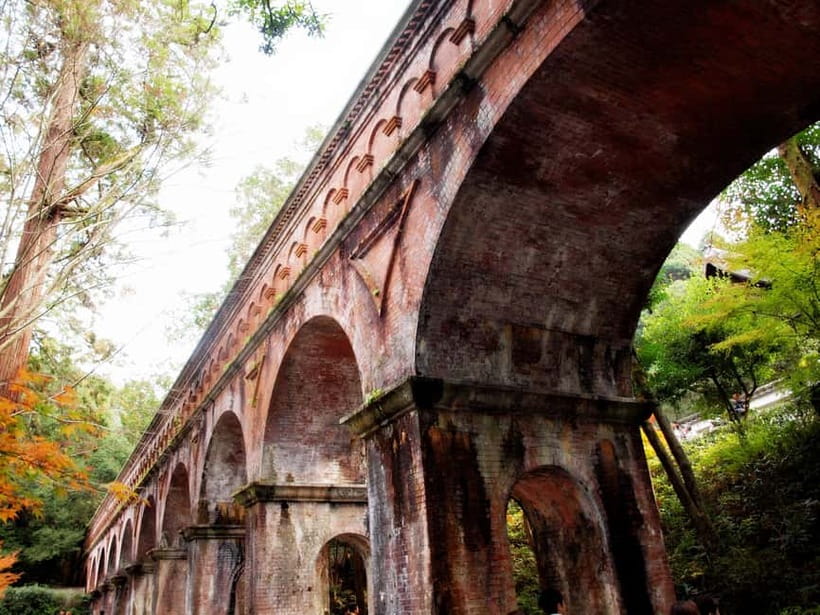
After Ginkakuji, the scenery and energy shift. Nanzenji is a prominent Zen temple in Kyoto, and it brings impressive architecture to the day. You’ll also get the aqueduct, which adds a striking visual break from the quieter canal garden mood.
This is a good momentum stop. It gives you variety in one half-day plan, so the day does not feel like three versions of the same photo. The architecture and the aqueduct create a sense of scale and permanence that contrasts with the small, delicate feel of garden design.
And because this is still part of a guided walk, the temple visit stays connected to the theme of Zen in Japanese culture. Instead of treating each temple as an isolated landmark, you see how the ideas travel across different kinds of sacred spaces.
Cafe breaks and shops along the route, without derailing the day
One of the understated perks is that the Philosopher’s Path has everyday-looking options along it. You can step into a cafe for a warm drink, or browse for smaller handcrafted goods.
The tour doesn’t include food or drinks, so you do have to pay for what you choose. That is the one budget point to keep in mind. Still, it’s also a benefit: you can choose based on your own taste and energy level, not what a group plan forces.
I’d treat this as your flexibility window. If you want a quick tea stop, do it. If you prefer to keep moving for photos, you can. A well-paced guide helps you balance enjoying the route with reaching the next temple without feeling rushed.
Guides who keep the day lively and accurate

The biggest “wow” factor on this kind of Kyoto tour is the guide. On this one, the hosts are long-term Kyoto residents, and the bilingual delivery is a plus if you’re sharing the day with someone who prefers English or French.
In the feedback for this tour, two guide names come up again and again: Kevin and Craig. The recurring theme is their ability to connect the history and culture to what you’re seeing in real time. They are also known for pacing that feels human. You’re not dragged onward, and you’re not stuck waiting while someone else lingers.
A great guide also helps you ask better questions. That matters on a place like Kyoto, where you can easily feel like you’re staring at scenery without understanding the rules and meanings behind it. Context turns sightseeing into understanding.
Price and value: what $64 covers and why it matters
The price is listed at $64 per person for a 4-hour experience. It’s a fair ask when you look at what you get, especially the inclusion of all entrance fees.
Entrance fees might not sound like a big deal at first, but they add up quickly in Kyoto once you’re visiting multiple temples. Here, you’re not paying separately for each location mid-day, and that makes the tour smoother. It also reduces the chance of you getting pulled into an unexpected payment step while you’re trying to enjoy the walking rhythm.
Two items are not included: food and drinks. That’s the main additional cost risk. If you plan to take cafe breaks, set aside some money. The route naturally encourages it, and the tour is designed with a relaxed pace where those stops feel easy.
At this price point, you’re paying for more than ticket entry. You’re paying for pacing, interpretation, and a small-group approach that helps you actually see the details in the garden and the atmosphere in the temples.
What to expect on the ground: timing, meeting point, and route feel
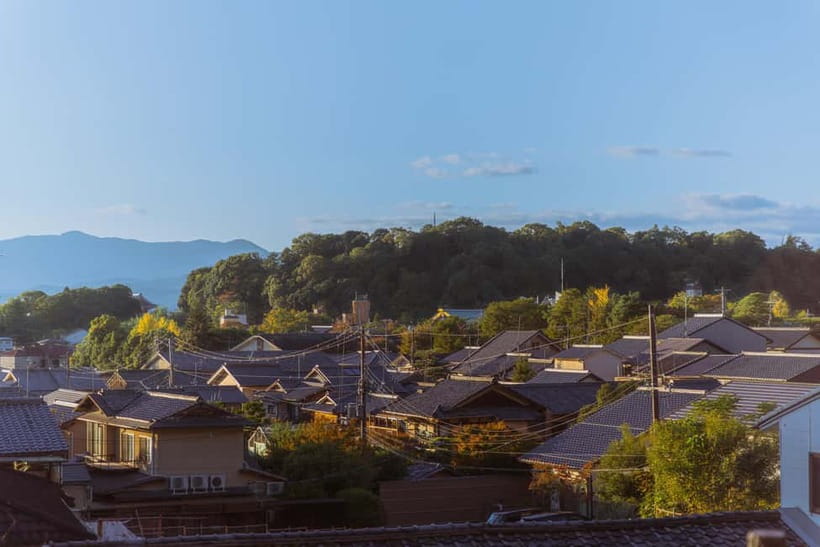
The meeting point may vary depending on the option booked, so you’ll want to check your specific confirmation. From there, the tour follows the Philosopher’s Path as it hugs the foot of the eastern mountains, with temple visits that anchor the walk.
Plan for a full, steady half-day. You will walk roughly 5 km, and you’ll spend time inside or at least at temple grounds where stopping is part of the experience. The structure is designed to feel relaxed, but you should still arrive with the mindset that you’re going to get your steps in.
Also note the no drones rule. If you’re thinking of capturing video, skip the drone and just enjoy the scenery the old-fashioned way.
Who should book this Kyoto walking tour
This tour suits you best if you want:
- A calm, structured walk along the Philosopher’s Path
- More meaning than you’d get from wandering alone
- Garden and temple time without feeling like a sprint
It’s also a strong fit if you appreciate small-group travel. The maximum of eight people keeps the vibe peaceful and makes it easier to ask questions.
It might not be ideal if:
- You need a mostly seated experience
- You’re traveling with children under ten
- You’re over 95, since the walking demand may be tough
If you’re in that sweet spot of mobility and curiosity, this is a very good way to spend a morning or afternoon in Kyoto.
Should you book Sacred Pathways: Discover the Philosopher’s Path of Kyoto?
Book it if you want a guided half-day that balances famous beauty with Zen context, and you care about pace. The included entrance fees and small-group setup are practical wins, and the garden time at Ginkakuji plus the temple stop at Nanzenji gives you variety without turning the day into a checklist.
Skip it or consider a private option if your travel style needs more seating breaks, or if your group includes kids under ten. Also, budget for food and drinks if you plan to use the cafes along the route, since that is not part of the package.
If your goal is to walk the Philosopher’s Path with understanding, not just photos, this is an easy yes.