
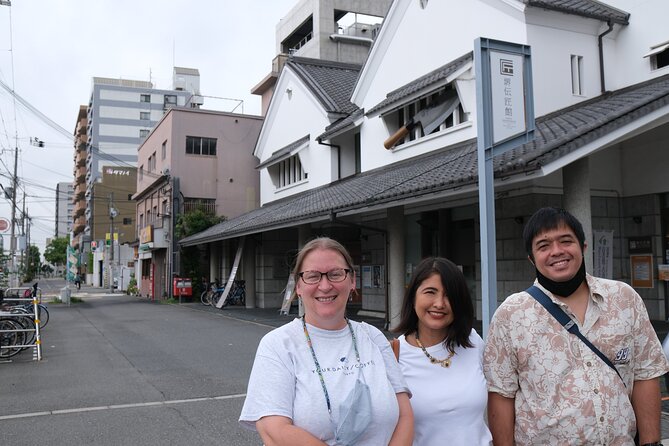
REVIEW · WALKING TOURS
Sakai – Knife Factory and Craft Walking Tour
Sakai makes knives feel personal. This half-day walk gets you into a real knife factory with over a century of family-made know-how, plus a hands-on sharpening station and a mochi stop to start things right.
I especially love the knife sharpening lesson. You do not just watch, you practice traditional techniques with a professional, which makes the whole process click in a way a photo never will. I also like the 八百源来弘堂本店 mochi break, with its 400-year origin story for cinnamon mochi and a sweet included to keep the morning moving.
One possible drawback to plan for: your experience can depend on the guide and timing. The shared-tour setup means French is requested but not guaranteed, and there are specific periods when the blacksmith-only component runs only on certain weekdays, plus the third Tuesday can shift where you go.
In This Review
- Key highlights to know before you go
- Why Sakai knives hit harder than souvenir knives
- Stop 1: 八百源来弘堂本店 and a 400-year mochi origin story
- Stop 2: Inside the knife factory, from raw blades to the sharpening station
- Stop 3: Sakai Traditional Crafts Museum and the knife shop pairing
- The sharpening lesson, and how it changes how you shop
- Guides matter: Scott, Jean-yves, Rémi, and the tone of the day
- Price and value: is $66.05 worth a 3 to 4 hour walk?
- Timing quirks: blacksmith days and the third Tuesday shift
- Who should book this knife factory and crafts walk
- Should you book? My straight answer
- FAQ
- How long is the Sakai Knife Factory and Craft Walking Tour?
- What time does the tour start, and where does it end?
- What is included in the price?
- Is a French-speaking guide guaranteed?
- What happens if the museum is closed on the third Tuesday?
- During March 6 to April 6, is the blacksmith visit available every day?
Key highlights to know before you go
- Real access to Sakai knife work in a family-linked factory setting, not a staged showroom
- Sharpening station lesson with a professional so you learn the why, not only the look
- 八百源来弘堂本店 cinnamon mochi with a 400-year origin story, and one sweet included
- Small group size (maximum 10 people), which helps the guide actually answer questions
- Chance to order a customizable knife and watch it being made in front of you
- Flexible routing on the third Tuesday if the museum closes due to inventory
Still weighing up options in Osaka Prefecture? These are the ones our reviewers rated highest.
- Full Day Tour of Kyoto with Private Transportation
★ 5.0 · 130 reviews - Sakai – Knife Factory and Craft Walking Tour
★ 5.0 · 44 reviews - Private arrival Transfer from Kansai airport to Osaka city
★ 4.5 · 36 reviews - Private Transfer by Sedan from Itami Airport ITM to Kyoto City
★ 4.5 · 31 reviews
Why Sakai knives hit harder than souvenir knives
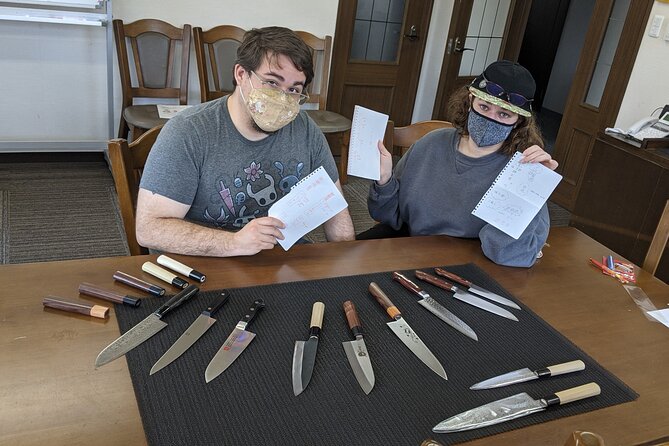
Sakai is famous for cutlery, but this tour focuses on the part that most shops blur: the step-by-step craft. You get raw blades arriving directly from the blacksmith, then you see how they become proper handmade cooking knives. The point is not to get you to buy fast. It is to show you how precision work turns into a kitchen tool you will respect.
You also get context for why Sakai is its own category in Japan. Knife making here is tied to family history and local tradition, and you feel that in the way the factory visit is structured around the sharpening station and the main office. Then you move from craft to shopping at a local museum and knife shop, so you can connect the real process to the finished product in the same morning.
Finally, the format keeps the day manageable. You are out for about 3 to 4 hours, it is a walking tour, and it ends back at the meeting point. That is a big deal when you are trying to fit one “specific thing” into a Japan trip without burning your whole day.
Stop 1: 八百源来弘堂本店 and a 400-year mochi origin story
You start at 八百源来弘堂本店 and it is quick, about 15 minutes. The headline here is not only tasting. It is the story: a 400-year origin tale for traditional Japanese cinnamon mochi. Then you get one mochi as your included sweet, with the option to buy more if you want.
Why this stop matters: it is a gentle on-ramp. A knife factory can feel intimidating, especially if you think you need to be a “knife person” to enjoy it. This sweet moment lowers the pressure. You also get a taste of how Sakai tradition shows up in everyday food and local shops, not just metalwork.
Practical tip: eat it while it is fresh and do not leave it for later in your bag. Mochi is best right when you get it, and this early snack keeps energy steady before the sharpening lesson.
Stop 2: Inside the knife factory, from raw blades to the sharpening station
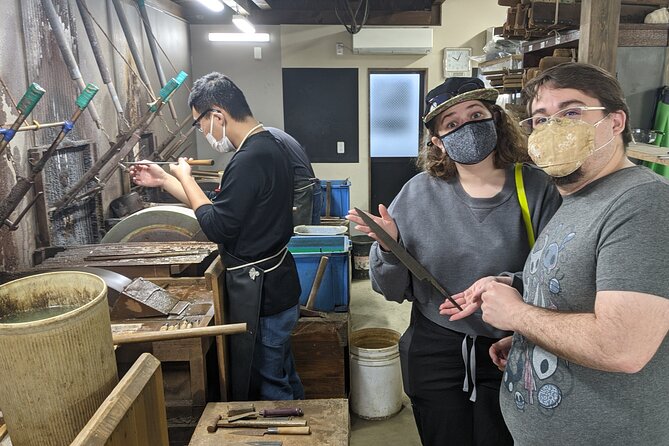
This is the heart of the experience, about 1 hour at the knife-factory location (1-chōme-2-21 Shukuyachōnishi). The tour is built around real access, including the sharpening station and the main office. You watch professionals at work and learn how blades get turned into proper handmade cooking knives.
What you should pay attention to is the workflow. The overview describes raw blades arriving directly from the blacksmith, then the craft continues inside the factory. That flow matters, because it explains why the finished knife is not just “made,” it is refined across stages. You are seeing a chain of expertise, not a single magic moment.
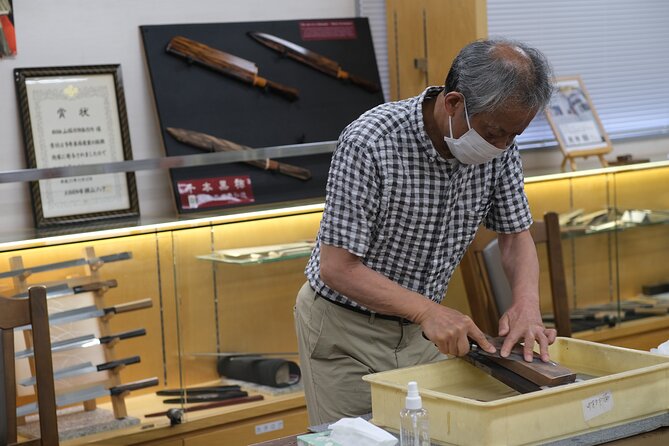
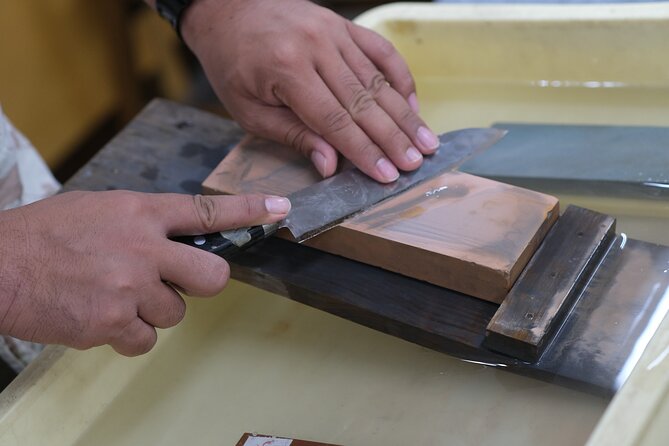
Then comes the part that makes the factory visit stick: the traditional sharpening techniques lesson. You practice, guided by a professional. Even if you have never held a whetstone before, you leave with a clearer mental model for edge maintenance. This is also where you start learning how to think like a buyer, not just a tourist.
One note on guide variation: I have seen how much this kind of tour depends on the person leading it. In past tours, guides like Scott and Rémi have been praised for making history and process understandable, with friendly conversation and careful explanation. Jean-yves has also been called out for being kind and knowledgeable. Still, if you are hoping for deep knife technical talk in a very specific style, keep an open mind and ask questions early.
- Kyoto Full Day Tour from Osaka with Licensed Guide and Vehicle★ 5.0 · 29 reviews
- Private arrival transfer from Osaka Itami International airport to Kyoto City★ 5.0 · 26 reviews
- Osaka Half-day E-bike Adventure: Minoh Falls & Katsuoji Temple★ 5.0 · 25 reviews
Stop 3: Sakai Traditional Crafts Museum and the knife shop pairing
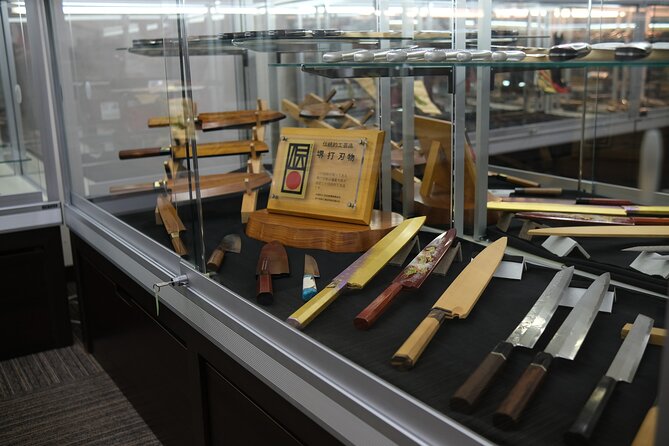
The final stop, about 30 minutes, is the Sakai Traditional Crafts Museum and Knife Shop. This is where you broaden the “Sakai is craft” theme beyond knives. The museum introduces local specialties like handmade crafts and bicycles, and it specifically connects to Shimano, noting that the brand was first created in Sakai.
Then you transition to a knife shop setting. The big win is timing: by the time you get here, you have already watched blades being refined and you have practiced sharpening basics. So when you look at knives, you can connect features to the real process you saw earlier.
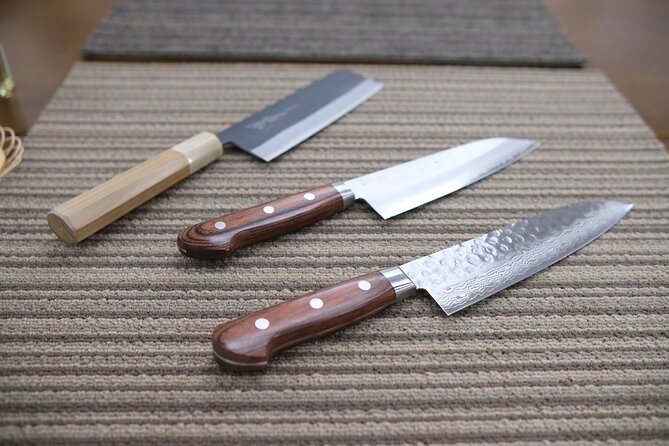
This is also where the shopping angle becomes practical. The tour is not just about sightseeing. It is designed to let you buy smarter. One of the most praised aspects has been that you get access to purchase knives directly, with an additional perk in some cases: you may have the chance to order a customizable knife that you can watch being made in front of you. That is a major differentiator versus a typical “look and leave” craft stop.
The sharpening lesson, and how it changes how you shop
A sharpening lesson is not a random add-on. It is the tool that turns watching into understanding. Once you practice, you start to see sharpening as part of owning a good knife. You stop thinking only about shape, and start thinking about the edge and how it behaves.
That shift also helps you choose what fits your cooking. The tour is aimed at traditional methods, so you learn a technique that can inform how you care for your knives at home. Even if you do not become a whetstone hobbyist overnight, you will likely feel more confident asking questions about steel and maintenance.
It also helps you avoid a common tourist mistake: buying a knife that looks impressive but does not match your real use. When you can explain what you care about, the purchase feels less like impulse and more like a tool decision.
And yes, the shopping piece can be a strong draw. Some people come mainly for the access, because other knife experiences in Japan can be more showroom-like. Here, the value is the link between craft process, technique practice, and the knife shop you end at.
Guides matter: Scott, Jean-yves, Rémi, and the tone of the day
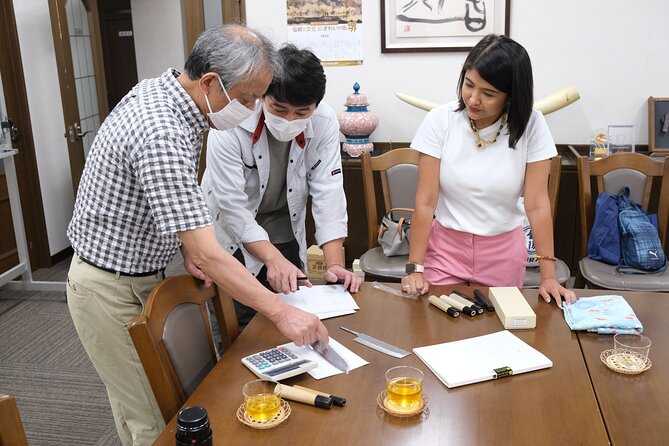
This tour runs with a bilingual guide, and the personalities can shape the pace. In the strongest versions of this experience, guides like Scott have been praised for both interesting history and easy conversation, while Rémi has been recognized for friendliness and solid knowledge of the whole knife making process. Jean-yves has also earned strong marks for kindness and for making the tour feel like a real walk through Sakai rather than a strict script.
Still, balance is important. One critical note in the feedback pointed to an off-putting Euro-centric tone in the historical explanations, and another concern was that knife-focused depth may vary with the guide. You cannot control that completely. What you can do is steer the tour: ask specific questions about what you are seeing at the sharpening station, and be clear that you want the knife process explained in practical terms.
If you are traveling with French and you want French throughout, the tour notes that francophonie for shared tours cannot be guaranteed. That does not mean you will not get it. It just means you should be ready with English basics, or plan to confirm language expectations when possible.
Price and value: is $66.05 worth a 3 to 4 hour walk?
At $66.05 per person, you are paying for three things that usually cost more separately: a guided entry into a real factory setting, a knife sharpening lesson, and a small local food stop (one sweet included). Add that the group is capped at 10 people, and you get a more personal pace than big bus-style tours.
The best value scenario is when you care about craft beyond the surface. If you only want a photo at a famous place, you might find cheaper ways to see Sakai. But if you want a guided connection between process, practice, and the ability to purchase (and potentially customize) a knife, the price starts to make sense.
Also, the tour includes all fees and taxes. That helps keep the math clean. And because it is only half-day sized, it is easier to fit into an itinerary without paying extra days of meals and transit.
What could tip you away from booking? If your main goal is shopping only, a factory visit plus lesson might still be helpful, but you may be paying for time you would rather spend elsewhere. On the other hand, people who value the access to buy directly from the craftsman have said it is the big advantage.
Timing quirks: blacksmith days and the third Tuesday shift
This tour is affected by operating schedules in specific windows. During 2026 March 6 to April 6, the notes say the blacksmith-only component is available only on Tuesdays, Wednesdays, and Thursdays. On those days, you should expect the blacksmith portion to be part of the experience as scheduled.
There is also a timing quirk on the third Tuesday. The museum has an inventory and might close without notice that day. If that happens, your guide will take you directly to The Craftsman location. That is useful to know because it means the plan can adapt, but you should still arrive ready for a small change in route.
The practical takeaway: when you pick dates, check the day of the week and be mindful of the third Tuesday. If you are specifically interested in the blacksmith component, align your booking with the Tue, Wed, Thu window in the March 6 to April 6 period.
Who should book this knife factory and crafts walk
Book it if you want a structured morning in Sakai that feels hands-on. This is a strong match for:
- People who cook and want a knife that feels serious
- Beginners who want to learn sharpening basics without guessing
- Gift shoppers looking for something personal, because you may be able to order a customizable knife
- Travelers who enjoy craft, process, and local context, like Sakai’s craft identity tied to Shimano and traditional shops
Skip it, or at least adjust expectations, if:
- You only want general sightseeing and do not care about process or sharpening
- You are very sensitive to how history is framed and you need a specific tone throughout
- You require French language certainty on a shared tour, since francophonie cannot be guaranteed
Should you book? My straight answer
I think you should book this tour if you want more than a look at knives. The combination of factory access, the sharpening lesson, and the chance to shop with real context is the value engine. The mochi stop is simple but smart, a quick tradition cue that keeps the morning welcoming before the technical work starts.
If you are flexible, ask questions at the sharpening station, and pick dates wisely around the blacksmith schedule, you are very likely to walk away feeling that the craft makes sense. And if you do buy a knife, you will have a better relationship with it than the usual souvenir impulse.
FAQ
How long is the Sakai Knife Factory and Craft Walking Tour?
The tour runs about 3 to 4 hours.
What time does the tour start, and where does it end?
It starts at 9:00 am at the meeting point in Sakai Ward, Osaka, and it ends back at the meeting point.
What is included in the price?
You get one sweet snack per guest, all fees and taxes, a bilingual guide, a knife factory visit, and a knife sharpening lesson.
Is a French-speaking guide guaranteed?
No. For a francophone request on a shared tour, the information says they cannot guarantee francophonie.
What happens if the museum is closed on the third Tuesday?
The notes say the museum has an inventory and might close without notice on the third Tuesday. If that happens, your guide takes you directly to The Craftsman location.
During March 6 to April 6, is the blacksmith visit available every day?
No. The notes say that during March 6 to April 6, the blacksmith is only available on Tuesdays, Wednesdays, and Thursdays.
Newest Osaka Prefecture write-ups from the Loving Japan desk



Walking Tours, side by side.
 ★ 4.7Kyoto Geisha Walking Tour: Gion District & Hidden GemsFrom $253,273 reviews
 ★ 5.0Tokyo Tsukiji Fish Market Food and Culture Walking TourFrom $993,184 reviews
 ★ 4.9Gion Magical Night Walking Tour with Geisha TriviaFrom $242,393 reviews
 ★ 5.0Imperial Palace and Shogun Historical Walking TourFrom $222,251 reviews
 ★ 4.7Gion Geisha District Walking Tour – Stories of GeishaFrom $202,187 reviews
 ★ 4.5Night Walk in Gion: Kyoto’s Geisha DistrictFrom $212,003 reviews
 ★ 4.9Shinjuku Local Bar and Izakaya Guided Walking TourFrom $341,794 reviews
 ★ 5.0Tsukiji Fish Market Food and Walking tourFrom $301,724 reviews
Filed on these lists too